



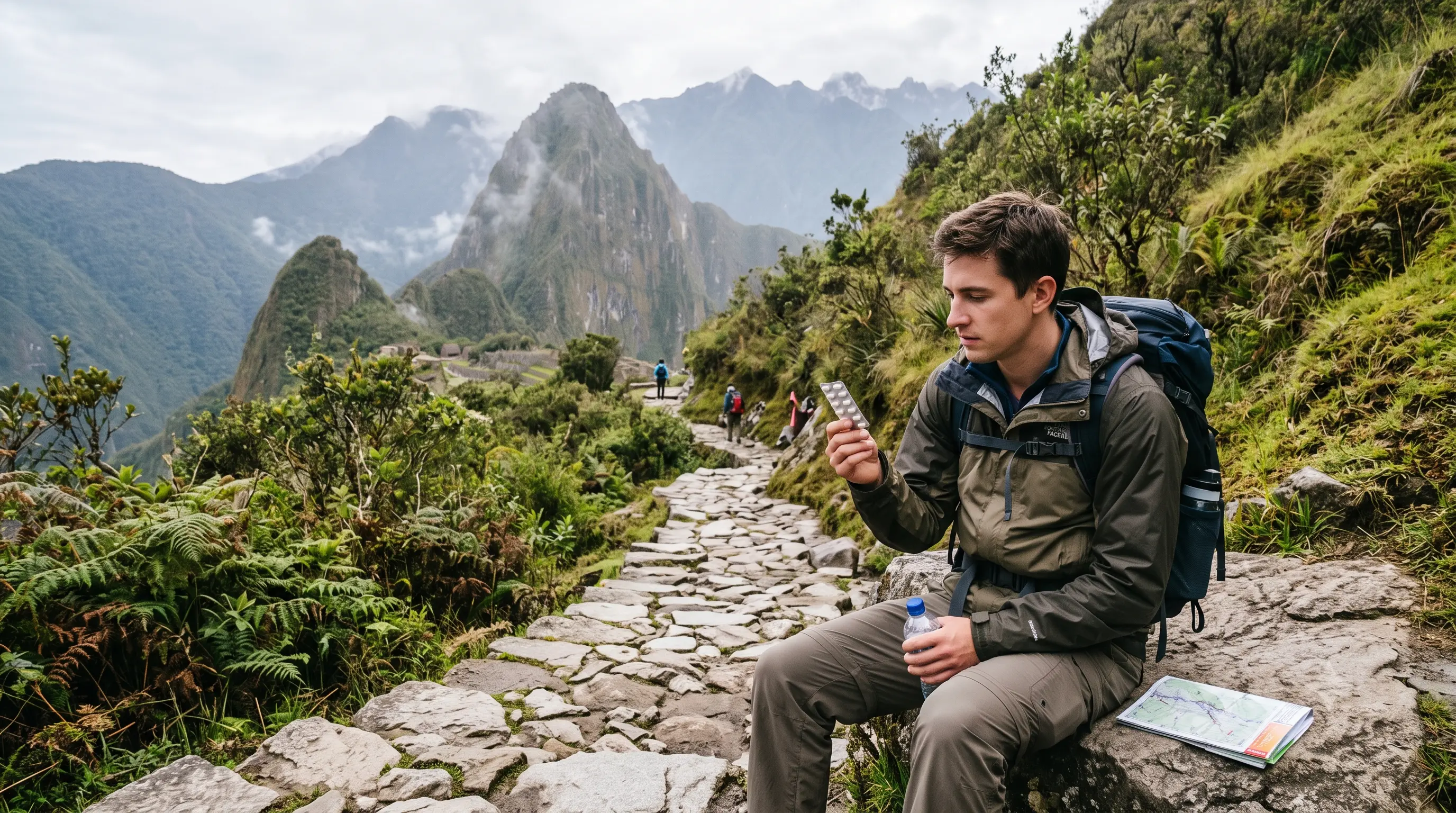
Not everyone needs to take altitude sickness pills before hiking the Inca Trail. However, preventive medication such as acetazolamide, commonly known by the brand name Diamox, may benefit travelers who must ascend rapidly, have limited time to acclimatize, or have previously experienced moderate or severe altitude sickness.
The decision should be made with a healthcare professional who understands your medical history and itinerary. Medication can support acclimatization, but it cannot replace a gradual ascent, appropriate rest, symptom monitoring, or descent when symptoms become worse. The CDC recommends considering preventive acetazolamide according to a traveler’s altitude-illness risk rather than prescribing it automatically to everyone.
Medical note: This guide provides general travel-health information. It does not replace advice from your physician, pharmacist, or travel-medicine specialist.
Key Takeaways
- Altitude sickness can affect anyone, including young and physically fit hikers.
- Cusco is considerably higher than Machu Picchu and is high enough to cause symptoms.
- The Classic Inca Trail reaches 13,829 feet at Dead Woman’s Pass.
- Acetazolamide can help the body acclimatize more quickly, but it is not necessary for every traveler.
- Travelers arriving quickly from low elevation may have a greater reason to discuss preventive medication with a doctor.
- Spending time acclimatizing before the trek remains essential, even when medication is used.
- Never continue ascending to a higher sleeping altitude when altitude symptoms are becoming worse.
- Confusion, difficulty walking, breathlessness at rest, or coughing frothy or bloody fluid are emergency warning signs.
- Tell your guide immediately when you feel unwell. Do not hide symptoms to avoid slowing down your group.
Why Is Altitude an Important Concern on the Inca Trail?
The Inca Trail is not simply a long walk to Machu Picchu. It is a multi-day mountain trek involving sustained climbs, steep stone staircases, changing weather, limited road access, and several hours of physical effort at elevations far above those experienced by most visitors from the United States.
The highest point on the Classic Inca Trail is Dead Woman’s Pass, or Warmiwañusqa, at approximately 4,215 meters, or 13,829 feet. Alpaca Expeditions’ Classic Inca Trail itinerary reaches this pass on the second trekking day after a sustained uphill climb.
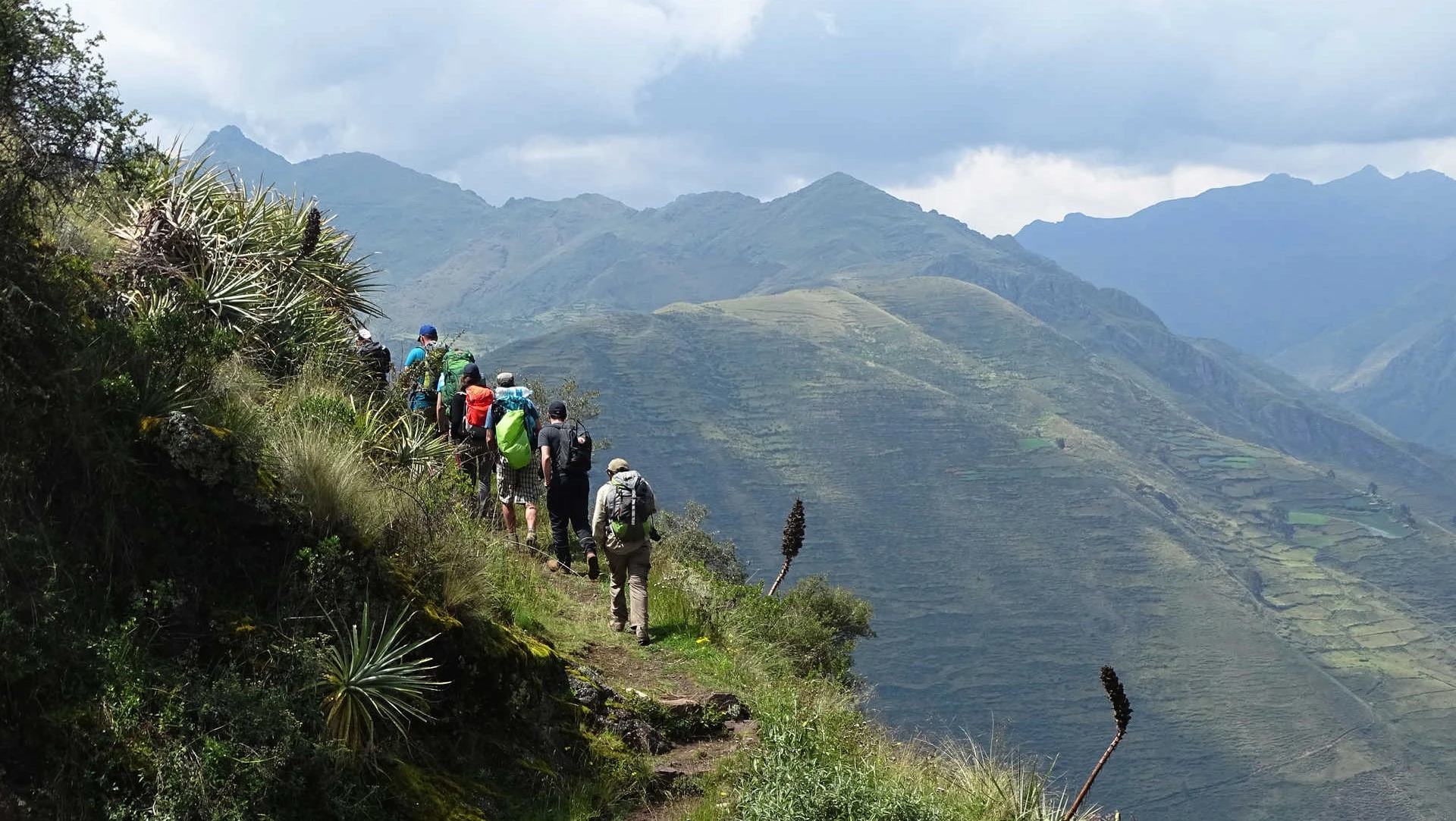
At that elevation, the lower availability of oxygen can make ordinary physical effort feel significantly harder. You may breathe faster, notice a higher heart rate, move more slowly, and need more frequent breaks.
These changes do not necessarily mean that you are dangerously ill. They reflect the additional work your body must do at high altitude. The challenge is recognizing when normal exertion has developed into acute mountain sickness or a more serious altitude-related condition.
Elevations Travelers Should Understand
| Location | Approximate elevation | Why it matters |
| Lima | Near sea level | Many international travelers begin their journey here |
| Sacred Valley | Around 9,000–9,500 feet, depending on the town | Lower than Cusco and sometimes used for the first stage of acclimatization |
| Cusco | About 11,150 feet | High enough for altitude symptoms to develop after arrival |
| Dead Woman’s Pass | 13,829 feet | Highest point on the Classic Inca Trail |
| Machu Picchu | About 7,970 feet | Lower than Cusco and Dead Woman’s Pass |
Machu Picchu is lower than Cusco, but hikers do not simply travel downhill from Cusco to the citadel. The Classic Inca Trail climbs above Cusco’s elevation before descending through cloud forest toward Machu Picchu.
What Is Altitude Sickness?
Altitude sickness is an illness caused by ascending to an elevation where the body has not had enough time to adjust to reduced oxygen availability.
The most common form is acute mountain sickness, usually abbreviated as AMS. It typically develops after a recent ascent and commonly includes a headache along with one or more symptoms such as nausea, dizziness, unusual fatigue, reduced appetite, vomiting, or poor sleep.
Symptoms often begin within several hours of arriving at a higher elevation, frequently during or after the first night. The CDC reports that AMS commonly begins about two to 12 hours after ascent, while the NHS notes that symptoms often appear within six to 10 hours.
Mild Altitude Symptoms
Possible early symptoms include:
- Headache
- Loss of appetite
- Nausea
- Dizziness
- Unusual tiredness
- Difficulty sleeping
- Reduced exercise performance
- Shortness of breath during activity
- A general feeling similar to a hangover
Mild symptoms do not always become serious. Many improve after rest and adequate time at the same elevation. However, the traveler should not continue climbing to a higher sleeping altitude while symptoms remain.
Serious Forms of Altitude Illness
Acute mountain sickness can occasionally progress into one of two life-threatening conditions.
High-Altitude Cerebral Edema
High-altitude cerebral edema, or HACE, affects the brain. Warning signs may include:
- Confusion
- Unusual behavior
- Severe drowsiness
- Difficulty walking in a straight line
- Loss of balance or coordination
- Reduced alertness
- Hallucinations
- Inability to perform simple tasks normally
A person with suspected HACE needs urgent descent and medical treatment. Waiting to see whether the condition improves can be dangerous.
High-Altitude Pulmonary Edema
High-altitude pulmonary edema, or HAPE, affects the lungs. Warning signs may include:
- Unusual breathlessness during easy activity
- Breathlessness while resting
- Chest congestion
- Persistent cough
- Rapid decline in hiking ability
- Extreme weakness
- Frothy or blood-stained sputum
- Blue or gray lips, skin, tongue, or nails
Descent and oxygen are much more important than relying on medication alone when HAPE is suspected.
Can Fit and Experienced Hikers Get Altitude Sickness?
Yes. Physical fitness does not protect a traveler from altitude sickness.
A marathon runner, experienced gym user, or strong mountain hiker can still develop AMS after ascending too quickly. Fitness can make the physical demands of the trail easier, but it does not guarantee that the body will acclimatize successfully.
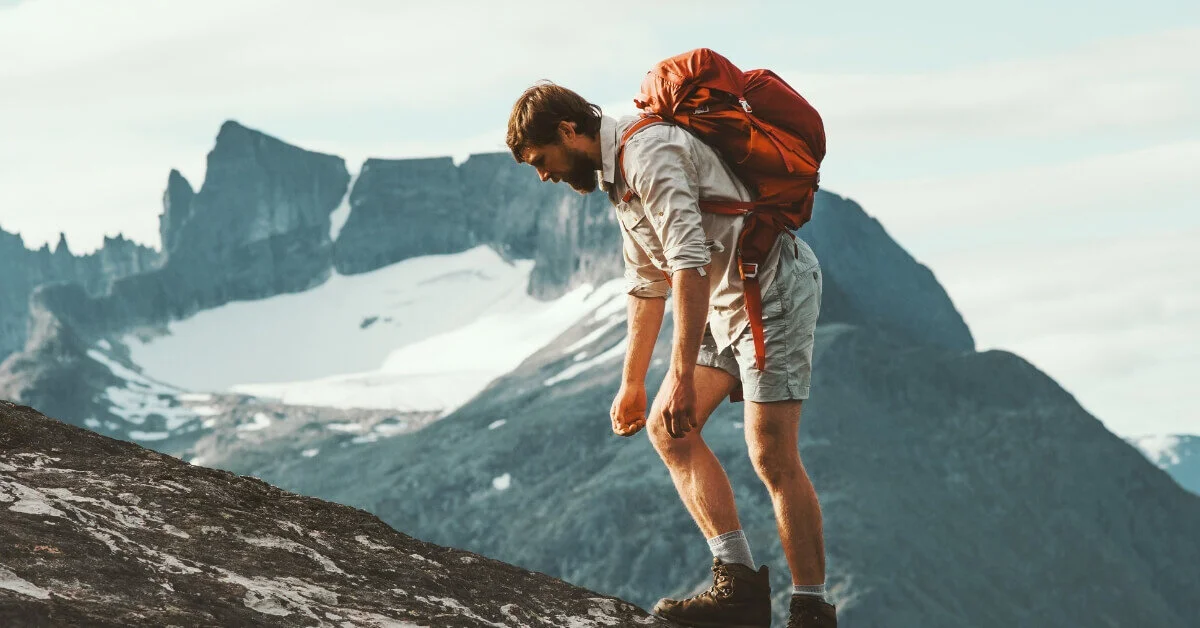
According to the CDC, training and physical fitness do not determine susceptibility to altitude illness. Previous response to a similar altitude and rate of ascent is a more useful guide, although it is still not a perfect predictor.
This distinction is important because highly fit travelers sometimes make a dangerous mistake: they move too quickly because their legs and cardiovascular fitness feel strong. Their fitness allows them to gain elevation faster than their bodies can acclimatize.
On the Inca Trail, the safest pace is not necessarily the fastest pace you can physically maintain. It is the pace at which you can breathe steadily, communicate clearly, eat, drink, and report symptoms honestly.
Should You Take Altitude Sickness Pills Before the Inca Trail?
You should not assume that altitude sickness pills are either mandatory or unnecessary.
A better question is:
Based on my medical history, previous altitude experience, arrival schedule, and planned trekking itinerary, would preventive acetazolamide offer a meaningful benefit?
The CDC divides travelers into general low-, medium-, and high-risk groups. Preventive acetazolamide is generally not indicated for low-risk travelers, may be beneficial for medium-risk travelers, and is more strongly encouraged for people considered at high risk. These categories depend heavily on previous altitude illness, the elevation where the traveler sleeps, and the speed of ascent.
You May Have More Reason to Discuss Preventive Medication When:
- You are flying directly from a low-elevation location to Cusco.
- Your trek begins shortly after you arrive.
- Your itinerary provides little acclimatization time.
- You previously developed moderate or severe acute mountain sickness.
- You previously experienced HACE or HAPE.
- You know that you are particularly susceptible to altitude.
- Your itinerary involves a rapid increase in sleeping elevation.
- Delaying or changing your travel schedule would be difficult.
- You have a medical condition that may complicate high-altitude travel.
These factors do not automatically mean that you should take medication. They mean that a pre-travel medical consultation is especially important.
You May Be Less Likely to Need Preventive Medication When:
- You have several days for gradual acclimatization.
- Your first nights are spent at a lower elevation in the Sacred Valley.
- You have previously tolerated comparable elevations and ascent rates.
- Your itinerary allows rest or changes if symptoms develop.
- A qualified clinician assesses your risk as low.
Even in these situations, no one can guarantee that you will remain symptom-free.
What Is Acetazolamide?
Acetazolamide is the medication most often discussed for preventing acute mountain sickness. Diamox is a widely recognized brand name, although generic versions are also available.
Acetazolamide is not a painkiller and does not simply conceal a headache. It changes the body’s acid-base balance in a way that stimulates breathing, particularly during sleep. This can improve oxygenation and accelerate the natural acclimatization process.
The CDC explains that preventive acetazolamide can reduce the occurrence and severity of AMS and may also help recovery after symptoms develop.
Does Acetazolamide Completely Prevent Altitude Sickness?
No medication offers complete protection.
A traveler taking acetazolamide can still develop acute mountain sickness, HACE, or HAPE. Medication must never be used as permission to:
- Ascend rapidly without acclimatizing
- Ignore a worsening headache
- Continue climbing while vomiting
- Hide symptoms from a guide
- Remain at altitude despite confusion or poor balance
- Avoid descent when serious symptoms appear
Official prescribing information specifically warns that using acetazolamide during rapid ascent does not remove the need for prompt descent if severe altitude illness develops.
When Is Acetazolamide Usually Started?
Preventive acetazolamide is generally started before the ascent rather than after the traveler reaches the highest point. The exact timing, dose, and duration should be determined by a healthcare professional.
Your physician may consider:
- Your body weight
- Age
- Kidney and liver health
- Other medical conditions
- Medication allergies
- Current prescriptions
- Previous altitude response
- Arrival and trekking schedule
- Maximum sleeping elevation
- Length of continued ascent
Do not copy another hiker’s prescription. A medication plan that is appropriate for one traveler may not be suitable for another.
What Side Effects Can Occur?
Commonly discussed effects include:
- Tingling or numbness in the fingers, toes, or face
- More frequent urination
- Changes in the taste of carbonated beverages
- Tiredness
- Dizziness
- Nausea or reduced appetite
Some travelers find these effects inconvenient but manageable. Others may mistake medication effects for dehydration, anxiety, or altitude sickness. Discuss what to expect with your doctor before traveling.
Rare but serious reactions are possible. Acetazolamide may also affect electrolyte or acid-base balance and requires additional caution in people with certain kidney, liver, respiratory, or metabolic conditions. Current prescribing information lists significant kidney or liver dysfunction and certain electrolyte abnormalities among its contraindications.
Can You Take Acetazolamide With a Sulfa Allergy?
This requires an individualized medical decision.
The CDC notes that cross-sensitivity between sulfonamide antibiotics and acetazolamide has not been reported and that many people with a sulfa-antibiotic allergy can take it. However, official product labeling warns that cross-sensitivity is possible, and the CDC recommends additional caution for people with a history of anaphylaxis or multiple medication allergies.
Do not decide based only on information from a travel forum. Tell your clinician:
- Which medication caused your previous reaction
- What symptoms occurred
- How quickly they developed
- Whether emergency treatment was required
- Whether you have experienced reactions to multiple medications
Should You Try the Medication Before Traveling?
Ask your prescriber whether a supervised trial before departure would be appropriate. This may help some travelers understand how the medication affects them before they are in a remote mountain environment.
Do not change the dose or stop a prescribed medicine without consulting the clinician who recommended it.
Who Should Speak With a Doctor Before High-Altitude Travel?
Every traveler can benefit from pre-travel medical advice, but it is particularly important when you have:
- Heart disease
- Chronic lung disease
- Pulmonary hypertension
- Sleep apnea
- Sickle cell disease or sickle cell trait
- Poorly controlled asthma
- Kidney or liver disease
- Diabetes
- A seizure disorder
- A recent heart attack or stroke
- A high-risk pregnancy
- A history of serious altitude illness
- A history of severe medication reactions
- Multiple regular prescriptions
The CDC advises travelers with underlying heart, lung, oxygenation, sleep, or blood-related conditions to consult a physician familiar with high-altitude medicine before ascending.
The consultation should evaluate more than medication. Your doctor may also discuss whether your itinerary is suitable, whether additional testing is needed, and what symptoms should cause you to stop or descend.
How Long Should You Acclimatize Before the Inca Trail?
Many travelers should plan at least two full acclimatization days in the Cusco region before beginning a demanding trek. Some may benefit from three or more days, particularly when arriving directly from near sea level.
Alpaca Expeditions recommends spending at least two days in Cusco before beginning an Andean trek. The CDC also recommends gradual ascent, mild exercise during the first 48 hours, and avoiding large increases in sleeping altitude.
Acclimatization is not passive waiting. It means giving your body enough time to adjust while avoiding excessive effort.
Is the Sacred Valley Better Than Cusco for the First Night?
For some travelers, yes.
Parts of the Sacred Valley, including Ollantaytambo and Urubamba, are lower than Cusco. Arriving there first may reduce the initial elevation jump before gradually moving higher.
The CDC specifically notes that travelers arriving in destinations such as Cusco may be able to descend from the airport to a lower sleeping elevation for one or two nights before ascending again.
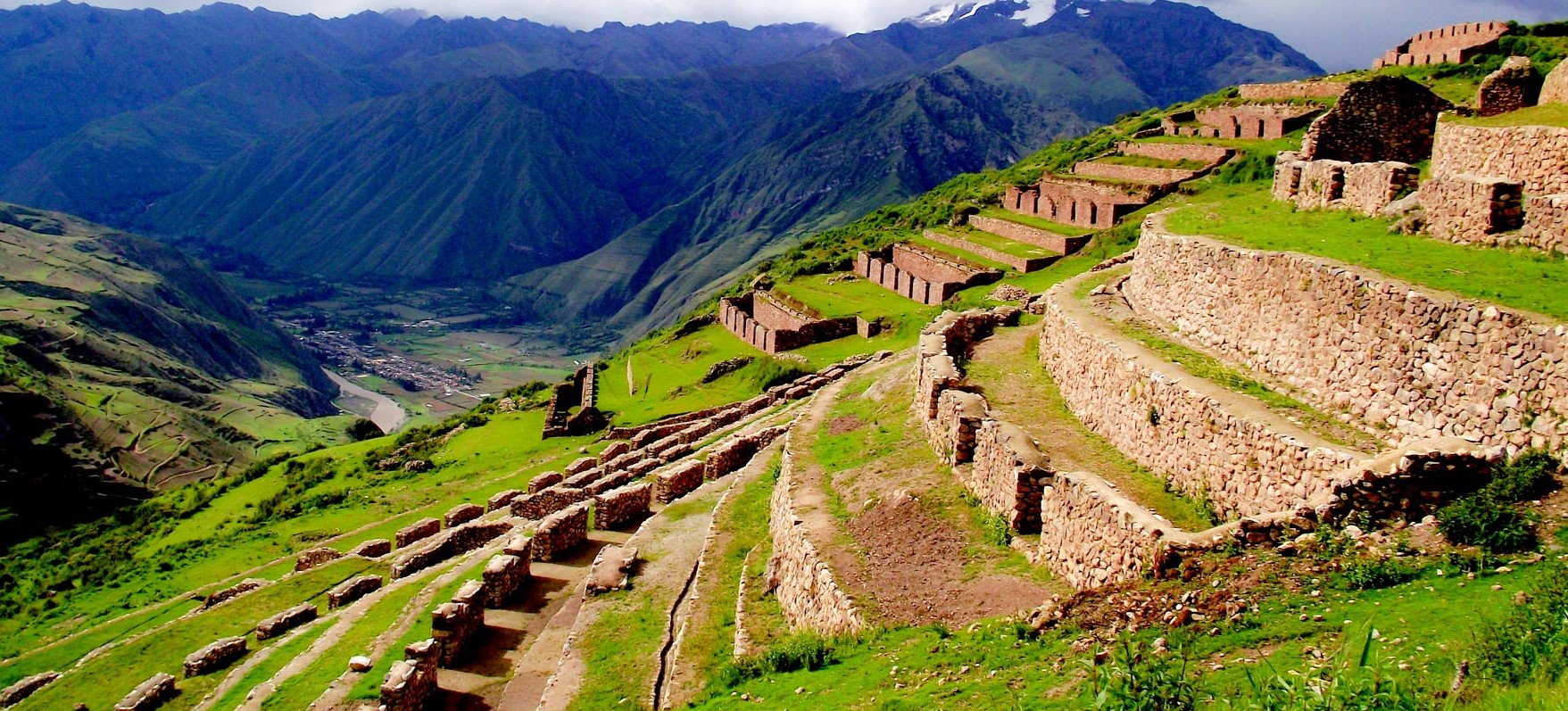
This approach can be especially helpful for travelers who:
- Arrive directly from sea level
- Have no previous high-altitude experience
- Have a history of mild altitude symptoms
- Prefer a gentler start to their vacation
- Have enough flexibility in their schedule
However, the Sacred Valley is still at high elevation. Staying there does not eliminate altitude risk.
What Should You Do During Your Acclimatization Days?
A sensible first 48 hours may include:
- Rest after arrival. Avoid scheduling a strenuous hike immediately after landing.
- Walk gently. Short, easy walks can help you assess how you feel.
- Eat regular meals. Choose familiar, easily digested foods if your appetite is reduced.
- Drink enough water. Prevent dehydration without forcing excessive amounts.
- Avoid heavy alcohol consumption. Alcohol can impair sleep, hydration, judgment, and symptom recognition.
- Sleep adequately. Expect that sleep may feel lighter or more interrupted at first.
- Monitor symptoms. Note headaches, nausea, dizziness, appetite, coordination, and breathing.
- Do not rush to a higher attraction. Avoid making Rainbow Mountain or another very high destination your first activity after arriving.
- Tell your travel companions how you feel. Do not manage symptoms in isolation.
- Seek medical advice when symptoms are persistent or worsening.
The NHS recommends slow ascent, adequate hydration, avoiding alcohol during ascent, and remaining at the same altitude until mild symptoms have resolved.
Can Hydration Prevent Altitude Sickness?
Hydration is important, but drinking water does not guarantee that you will avoid AMS.
Dehydration can cause headache, fatigue, dizziness, and reduced performance, making it difficult to distinguish dehydration from altitude illness. Carry enough water, drink regularly, and pay attention to thirst and urine output.
Do not assume that every headache is “just dehydration.” If a headache appears after ascent and is accompanied by nausea, dizziness, unusual tiredness, or reduced appetite, treat it as possible altitude sickness.
Alpaca Expeditions advises Classic Inca Trail hikers to carry a water capacity of approximately two to three liters and explains that treated drinking water is provided at designated points after the first morning.
Does Coca Tea Prevent Altitude Sickness?
Coca tea is part of Andean culture and may feel soothing, warming, or comforting. However, it should not be treated as a proven replacement for acclimatization, medical advice, acetazolamide when prescribed, oxygen, or descent.
The CDC states that coca leaf has traditionally been used for altitude illness but that strong evidence showing it prevents or treats the condition is lacking. A study of travelers in Cusco also found that drinking coca tea for prevention did not reduce the risk of AMS.
Travelers should also know that consuming coca products can potentially produce a positive drug test for cocaine metabolites.
Enjoying coca tea as a local beverage is different from relying on it as medical protection.
Can Supplemental Oxygen Prevent or Cure Altitude Sickness?
Supplemental oxygen can improve oxygenation and may provide important support when a traveler becomes ill. However, a brief use of oxygen does not mean that the person is fully acclimatized or safe to continue climbing.
Small handheld oxygen cans generally contain too little oxygen for sustained treatment. The CDC notes that these cans may provide brief relief but are not adequate for continued medical improvement.
When serious altitude illness is suspected, the priorities are:
- Stop ascending
- Inform the guide
- Reduce exertion
- Administer oxygen when available
- Arrange urgent descent
- Obtain medical care
Oxygen supports treatment. It does not replace descent when HACE or HAPE is developing.
What Should You Do When Symptoms Begin on the Trail?
Your response should depend on the severity and progression of symptoms.
| Symptoms | Recommended response |
| Mild headache without other concerning symptoms | Rest, hydrate appropriately, eat, monitor closely, and tell your guide |
| Headache with nausea, dizziness, unusual fatigue, or appetite loss | Treat as possible AMS; remain at the same elevation and do not ascend to sleep higher |
| Symptoms that worsen despite rest | Descend and seek medical assessment |
| Repeated vomiting or inability to walk normally | Urgent evaluation and descent |
| Confusion, unusual behavior, or poor coordination | Suspected HACE; emergency descent and medical treatment |
| Breathlessness at rest, chest congestion, or frothy cough | Suspected HAPE; emergency descent, oxygen, and medical treatment |
The CDC’s three essential safety rules are to recognize early symptoms, never ascend to a higher sleeping altitude while symptomatic, and descend when symptoms worsen despite rest or treatment.
Do Not Hide Symptoms From Your Guide
Some hikers stay silent because they:
- Do not want to inconvenience the group
- Are embarrassed
- Fear missing Machu Picchu
- Believe they can push through
- Assume fitness will protect them
- Think medication will eventually solve the problem
This is dangerous.
Guides need early information to adjust pace, observe your condition, and decide whether additional action is necessary. Reporting a headache early does not automatically end your trek. Hiding confusion, severe weakness, poor balance, or breathing difficulty can allow a manageable situation to become an emergency.
How Alpaca Expeditions Supports Hikers at Altitude
A responsible trekking company cannot guarantee that altitude sickness will not occur. What it can do is prepare for the possibility, communicate expectations, encourage symptom reporting, and respond when a traveler becomes unwell.
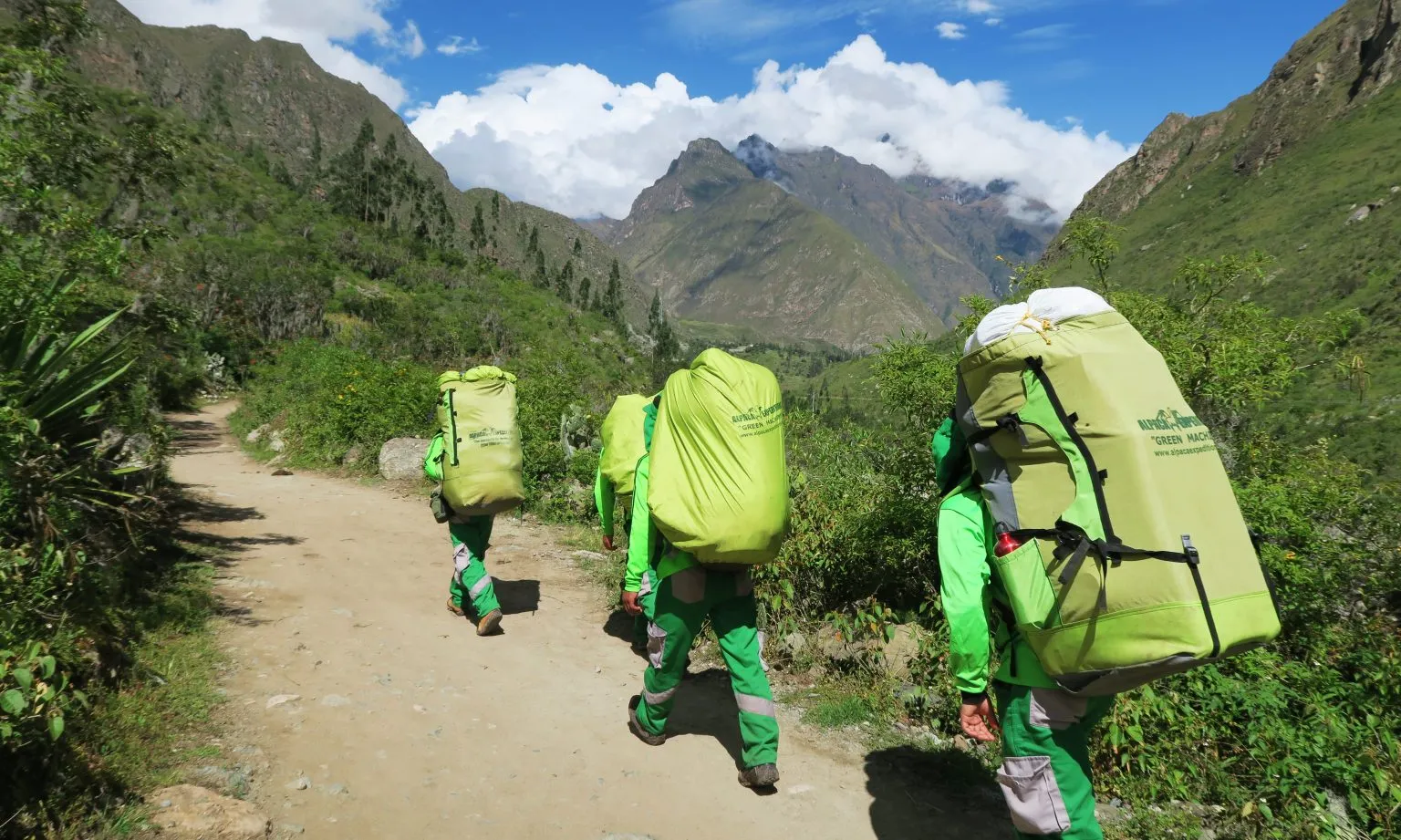
Before the Classic Inca Trail, Alpaca Expeditions conducts a pre-trek briefing where the guide reviews final details and answers questions. The company states that its guides receive recurring first-aid training, carry first-aid kits and oxygen tanks, and have satellite-phone access on the trail. Its published health guidance also asks travelers to disclose medical conditions and consult their own physicians before participating.
Travelers still have important responsibilities:
- Share relevant health information honestly.
- Bring personal medication in its original packaging.
- Follow the treatment plan provided by their doctor.
- Report symptoms immediately.
- Respect the guide’s safety decisions.
- Accept itinerary changes or descent when necessary.
Questions to Ask Before Considering Altitude Medication
Use this checklist during your travel-medicine appointment:
- Have I previously slept above 8,000, 10,000, or 12,000 feet?
- Did I develop a headache, nausea, vomiting, dizziness, or extreme fatigue?
- Have I ever experienced HACE or HAPE?
- How quickly will I travel from home to Cusco?
- Where will I sleep on my first and second nights?
- How many acclimatization days are included?
- What is the highest point and highest sleeping elevation?
- Do I have kidney, liver, lung, heart, blood, or sleep-related conditions?
- Am I pregnant or planning to become pregnant?
- Do I have a history of medication allergies or anaphylaxis?
- Could acetazolamide interact with any of my prescriptions?
- What side effects should I expect?
- Should I try the prescribed medication before departure?
- What should I do if I miss a dose?
- When should I stop taking it and seek medical attention?
- What emergency medication, if any, should I carry?
- What symptoms require immediate descent?
Bring your complete itinerary to the appointment. “I am going to Peru” is not enough information. Your clinician should know when you arrive in Cusco, where you sleep, when the trek begins, and how high the route goes.
A Practical Preparation Timeline
Four to Eight Weeks Before Departure
- Arrange a travel-medicine consultation.
- Share your exact itinerary and maximum elevation.
- Discuss previous altitude experiences.
- Review existing medical conditions and prescriptions.
- Ask whether preventive acetazolamide is appropriate.
- Begin trek-specific fitness preparation.
- Practice walking hills and stairs while carrying a daypack.
- Break in your hiking footwear.
One to Two Weeks Before Departure
- Pack all prescribed medication.
- Keep medicine in labeled original packaging.
- Carry enough for your trip plus a reasonable delay.
- Review side effects and emergency warning signs.
- Confirm your acclimatization schedule.
- Avoid making major last-minute itinerary changes that reduce acclimatization time.
- Check your travel insurance and emergency-assistance coverage.
On Arrival in the Cusco Region
- Move slowly.
- Eat a light but adequate meal.
- Drink enough water.
- Avoid strenuous exercise.
- Limit or avoid alcohol.
- Do not add a high-altitude day trip immediately.
- Monitor how you feel through the first night.
During the First Two Days
- Choose gentle sightseeing rather than intense hiking.
- Increase activity gradually.
- Tell your companions about headaches or nausea.
- Do not interpret severe symptoms as ordinary jet lag.
- Contact a healthcare professional if symptoms persist or worsen.
The Night Before the Trek
- Attend your briefing.
- Inform the guide of any recent symptoms.
- Review your medication plan.
- Pack medication in your daypack, not your duffel.
- Prepare enough water for the first morning.
- Sleep as early as practical.
- Avoid alcohol.
During the Trek
- Set a sustainable pace.
- Take short, regular breaks.
- Eat even when your appetite is slightly reduced.
- Keep medication accessible and dry.
- Watch for symptoms in yourself and your companions.
- Report changes immediately.
- Never treat the ascent as a race.
Common Altitude-Preparation Mistakes
Arriving in Cusco and Trekking the Next Morning
This creates a rapid transition from low elevation to strenuous exercise at high altitude. Build acclimatization time into the trip rather than treating it as optional.
Assuming Fitness Prevents AMS
Fitness helps you climb stairs. It does not guarantee acclimatization.
Taking Someone Else’s Diamox
The appropriate medication, dose, timing, and safety considerations vary between individuals.
Waiting Until Symptoms Are Severe
Early reporting gives the guide more options. Confusion and breathlessness at rest are not early symptoms.
Treating Coca Tea as Medication
Coca tea may be culturally meaningful and comforting, but it is not a proven substitute for established prevention or treatment.
Forcing Yourself to Keep Up
A slower pace is normal at altitude. Walking speed is not a measure of courage or preparedness.
Leaving Medication in the Porter-Carried Duffel
You may not be able to access your duffel during the hiking day. Essential personal medication belongs in your daypack.
Continuing Upward After Symptoms Appear
Never ascend to sleep higher when altitude symptoms are getting worse.
What to Pack in a Personal Altitude-Safety Kit
Your personal kit may include:
- Prescribed medication
- A printed copy of your medication list
- Basic pain relief approved by your doctor
- Oral rehydration supplies
- Water bottle or hydration reservoir
- High-energy snacks
- Sun protection
- Warm layers
- Waterproof outerwear
- Emergency contact details
- Travel-insurance information
- Blister treatment
- Hand sanitizer
- A small notebook for recording symptoms or medication timing
A pulse oximeter may provide additional information, but it should not be used to dismiss symptoms. AMS is diagnosed primarily through the pattern of symptoms after ascent, and a single oxygen reading does not prove that someone is safe to continue.
Final Verdict: Should You Take Altitude Sickness Pills?
Some Inca Trail hikers should consider preventive altitude medication, but not everyone needs it.
Acetazolamide may be especially useful when rapid ascent is unavoidable, acclimatization time is limited, or a traveler has a previous history of significant altitude illness. A gradual itinerary and good previous altitude tolerance may reduce the need, but they do not eliminate risk.
The safest approach is to speak with a travel-medicine professional before leaving the United States, provide your complete itinerary, and follow an individualized plan. Whether or not medication is prescribed, arrive early, acclimatize properly, walk slowly, recognize symptoms, and tell your guide immediately when something feels wrong.
With thoughtful preparation and honest communication, most travelers can approach the Inca Trail with greater confidence. Alpaca Expeditions can help you understand the trekking itinerary and trail logistics, while your healthcare provider should guide your personal medical decisions.
Frequently Asked Questions
1. Should everyone take altitude sickness pills for the Inca Trail?
No. Preventive medication is not automatically necessary for every hiker. The decision depends on your previous altitude response, speed of ascent, acclimatization schedule, medical history, and planned sleeping elevations. The CDC recommends preventive acetazolamide according to individual risk. Discuss your itinerary with a travel-medicine professional rather than taking medication simply because another traveler used it.
2. Is Diamox necessary for Cusco?
Diamox is not necessary for every person visiting Cusco. Some travelers acclimatize successfully without medication, particularly when their itinerary includes gradual ascent and adequate rest. Others may benefit because they arrive rapidly from low elevation, have limited time, or previously experienced altitude illness. A clinician should evaluate your individual risk.
3. How many days should I acclimatize before hiking the Inca Trail?
Plan at least two full days in the Cusco region before beginning the trek, with additional time when possible. Travelers arriving directly from sea level or those with previous altitude problems may benefit from a longer schedule. Some people choose to spend their first nights in the lower Sacred Valley before moving to Cusco or beginning the trail.
4. Is Machu Picchu higher than Cusco?
No. Machu Picchu is approximately 7,970 feet above sea level, while Cusco is around 11,150 feet. However, the Classic Inca Trail climbs to approximately 13,829 feet at Dead Woman’s Pass before descending toward Machu Picchu. This is why altitude preparation remains important even though the final destination is lower than Cusco.
5. What is the highest point on the Classic Inca Trail?
Dead Woman’s Pass, also called Warmiwañusqa, is the highest point. It reaches approximately 4,215 meters, or 13,829 feet. Hikers normally cross it during the second day of the Classic Inca Trail. The climb is demanding because of its sustained ascent, stone steps, and reduced oxygen availability.
6. Does being physically fit prevent altitude sickness?
No. Physical fitness can improve endurance and make the trail’s climbs easier, but it does not prevent altitude illness. Very fit travelers can develop AMS, HACE, or HAPE. Your previous response to comparable altitude and your rate of ascent are more relevant than your running pace, gym performance, or general strength.
7. Can I take acetazolamide after symptoms begin?
Acetazolamide can help accelerate acclimatization and may assist recovery after mild AMS begins, but it should be used according to medical instructions. It must not delay descent when symptoms worsen. Confusion, poor coordination, breathlessness at rest, or a frothy cough require urgent action rather than self-treatment with pills.
8. Does coca tea prevent altitude sickness?
There is no strong evidence that coca tea reliably prevents or treats altitude sickness. It may be enjoyed as a traditional Andean beverage, but it should not replace acclimatization, prescribed medication, oxygen, descent, or medical care. Travelers should also know that coca products may affect some drug-test results.
9. How much water should I drink on the Inca Trail?
There is no universal amount suitable for every person and condition. Drink regularly and carry enough capacity to remain hydrated without forcing excessive water. Alpaca Expeditions recommends a container capable of holding approximately two to three liters for the Classic Inca Trail. Your needs will vary with temperature, body size, exertion, and individual health.
10. Can children develop altitude sickness?
Yes. Children can develop altitude illness and may have difficulty clearly describing their symptoms. Parents should watch for unusual tiredness, poor appetite, irritability, vomiting, sleep changes, or reduced activity. Medication decisions for children require pediatric medical guidance and should never be based on an adult prescription.
11. Can older adults hike the Inca Trail safely?
Age alone does not determine whether a traveler can complete the Inca Trail. Overall health, balance, mobility, heart and lung function, medication use, previous hiking experience, and acclimatization are more important. Older travelers should obtain medical clearance and choose an itinerary appropriate to their capabilities. They should also allow sufficient time for recovery and acclimatization.
12. Should I avoid alcohol before the trek?
Yes. Avoiding alcohol during the initial acclimatization period and before the trek is sensible. Alcohol may worsen sleep, dehydration, balance, and judgment, and it can make symptoms harder to interpret. The CDC recommends avoiding alcohol during the first 48 hours at high altitude, while the NHS advises against alcohol during high-altitude ascent.

13. What happens if I become too sick to continue?
Tell your guide immediately. The appropriate response may include rest, remaining at the same elevation, oxygen, descent, evacuation, or medical assessment, depending on the symptoms. Alpaca Expeditions states that its Classic Inca Trail guides carry first-aid supplies, oxygen and satellite phones, and that evacuation assistance can be arranged when a traveler cannot continue.
14. Can oxygen allow me to continue hiking?
Oxygen may temporarily improve symptoms and oxygenation, but it does not instantly acclimatize your body. Serious or worsening symptoms still require descent and medical care. A traveler should not use a short period of oxygen as proof that continuing upward is safe.
15. When should I cancel or postpone my hike?
Postpone the trek and seek medical advice when you have worsening altitude symptoms, repeated vomiting, severe weakness, breathing difficulty, poor balance, confusion, or another illness that makes strenuous activity unsafe – starting the trail while already unwell creates additional risk because road access and medical resources are limited along the route.