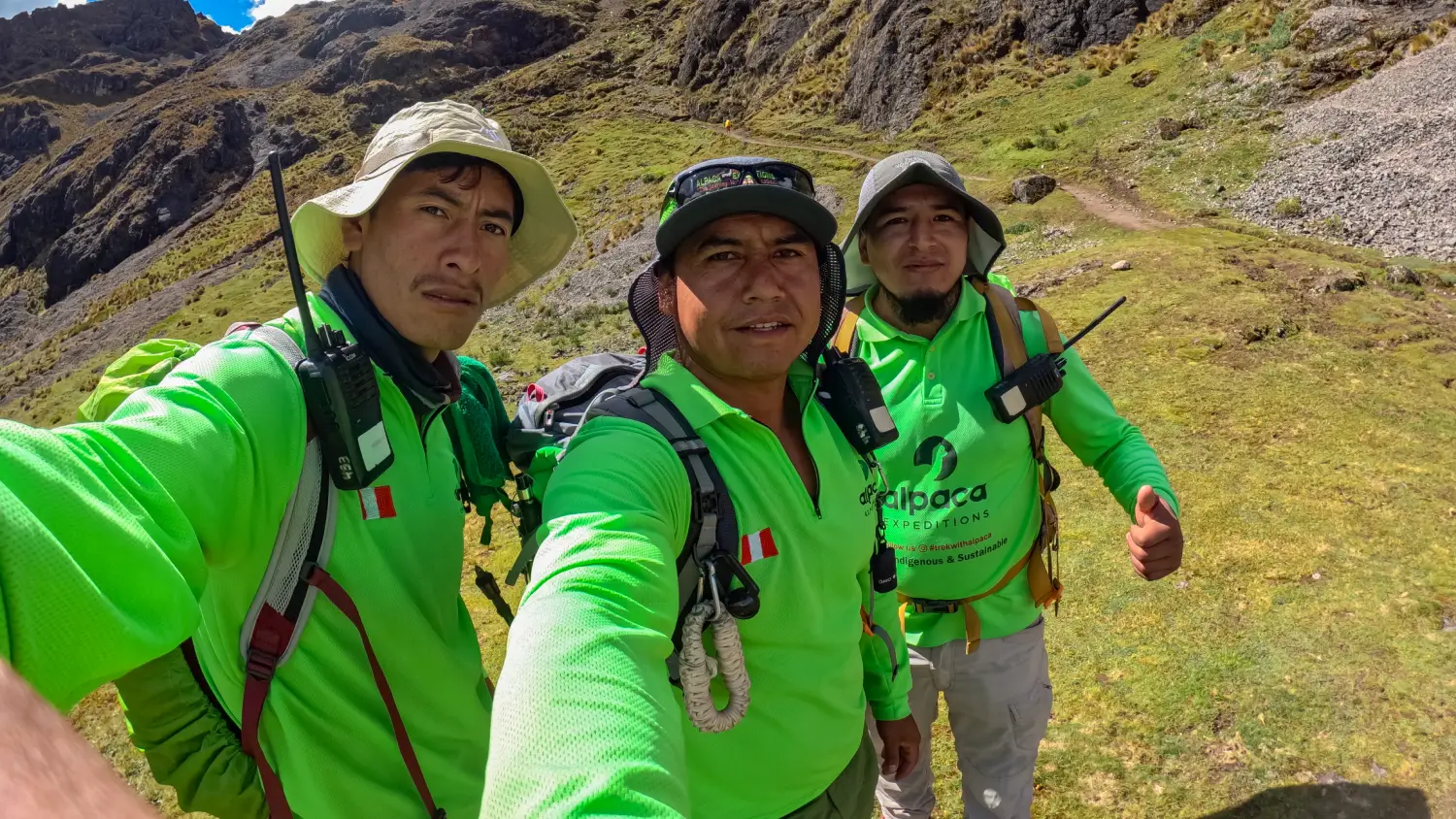
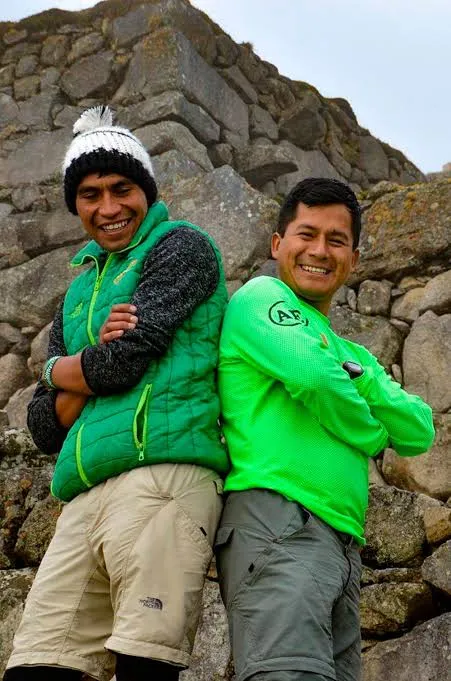
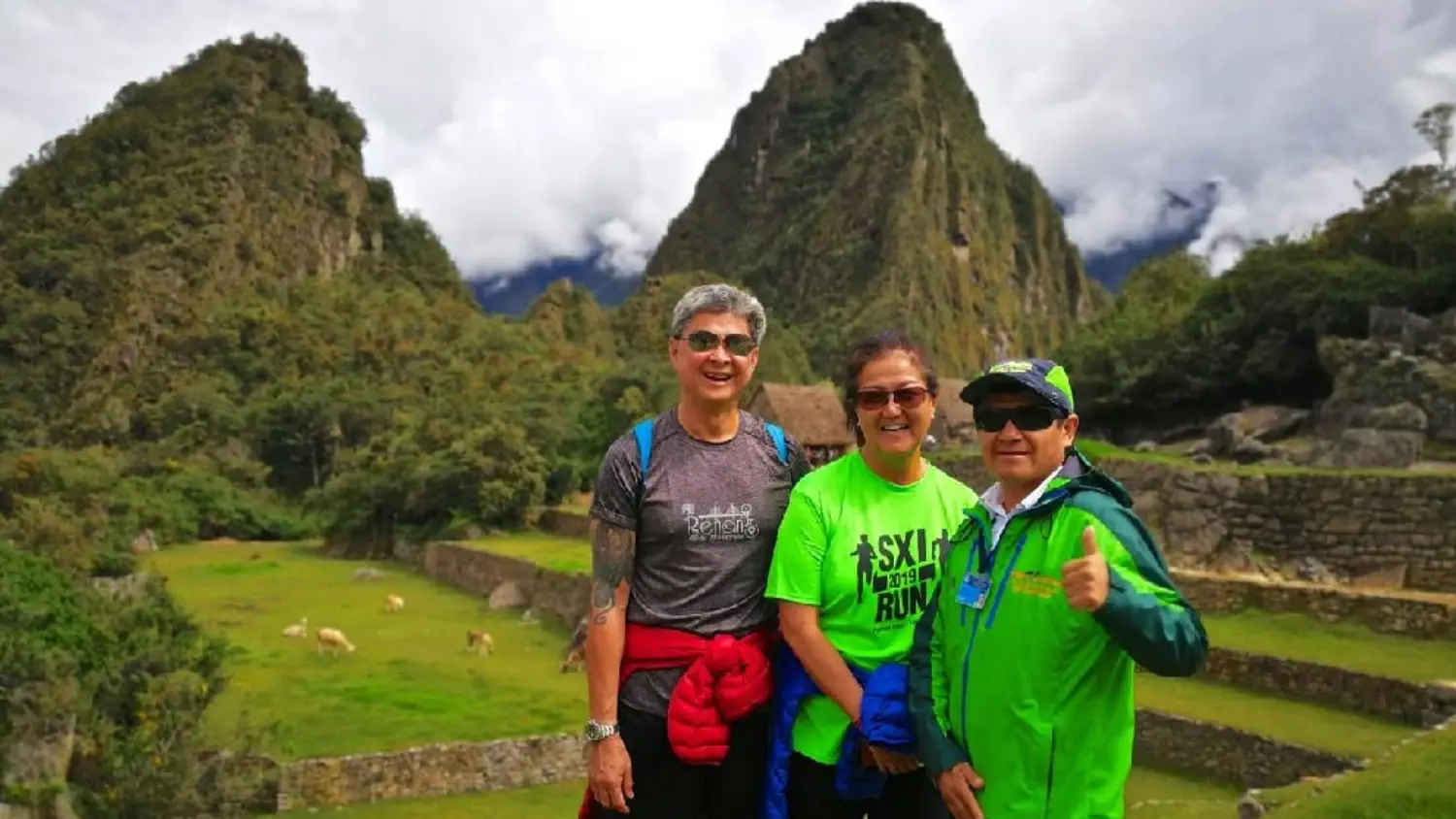
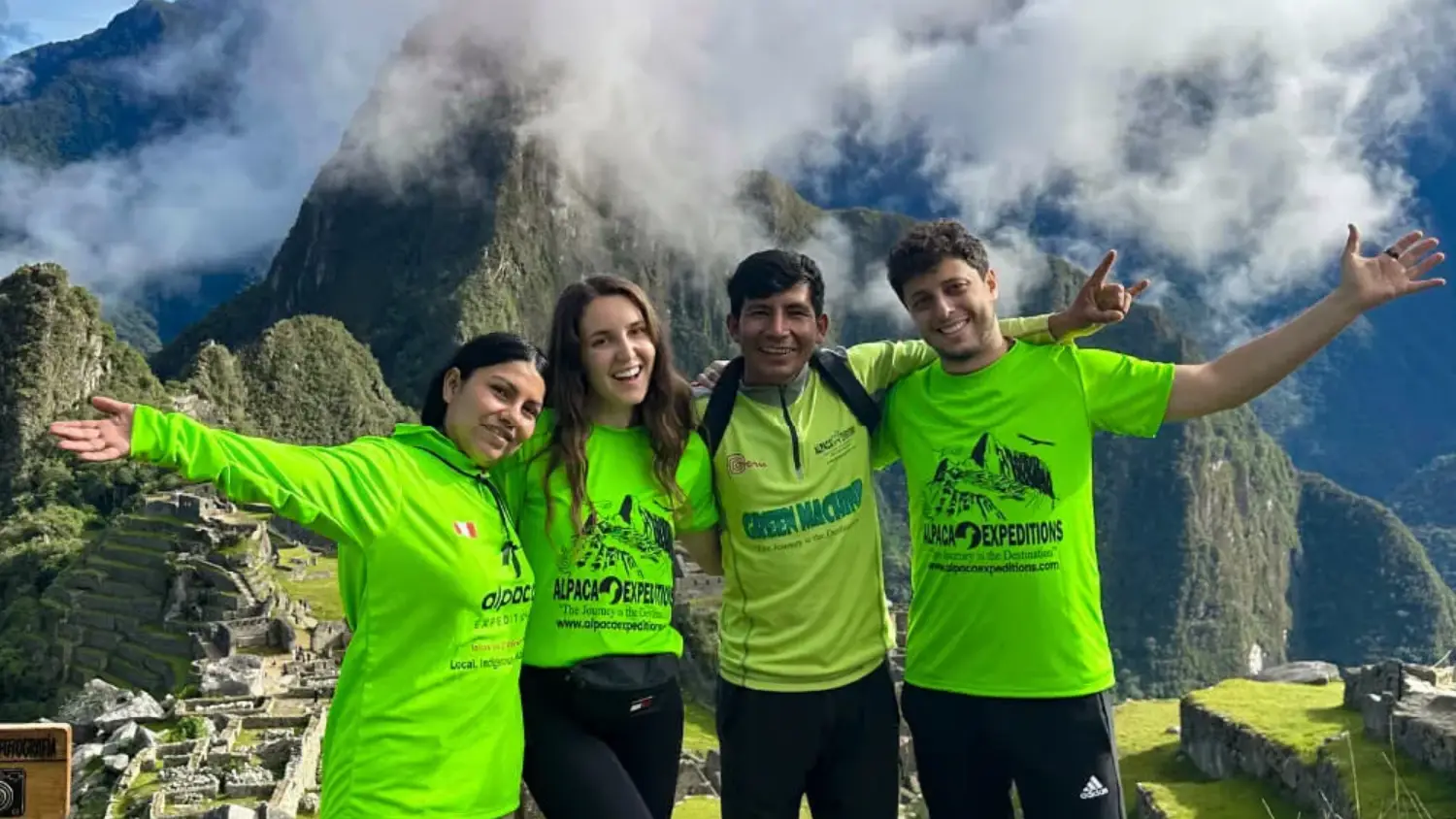
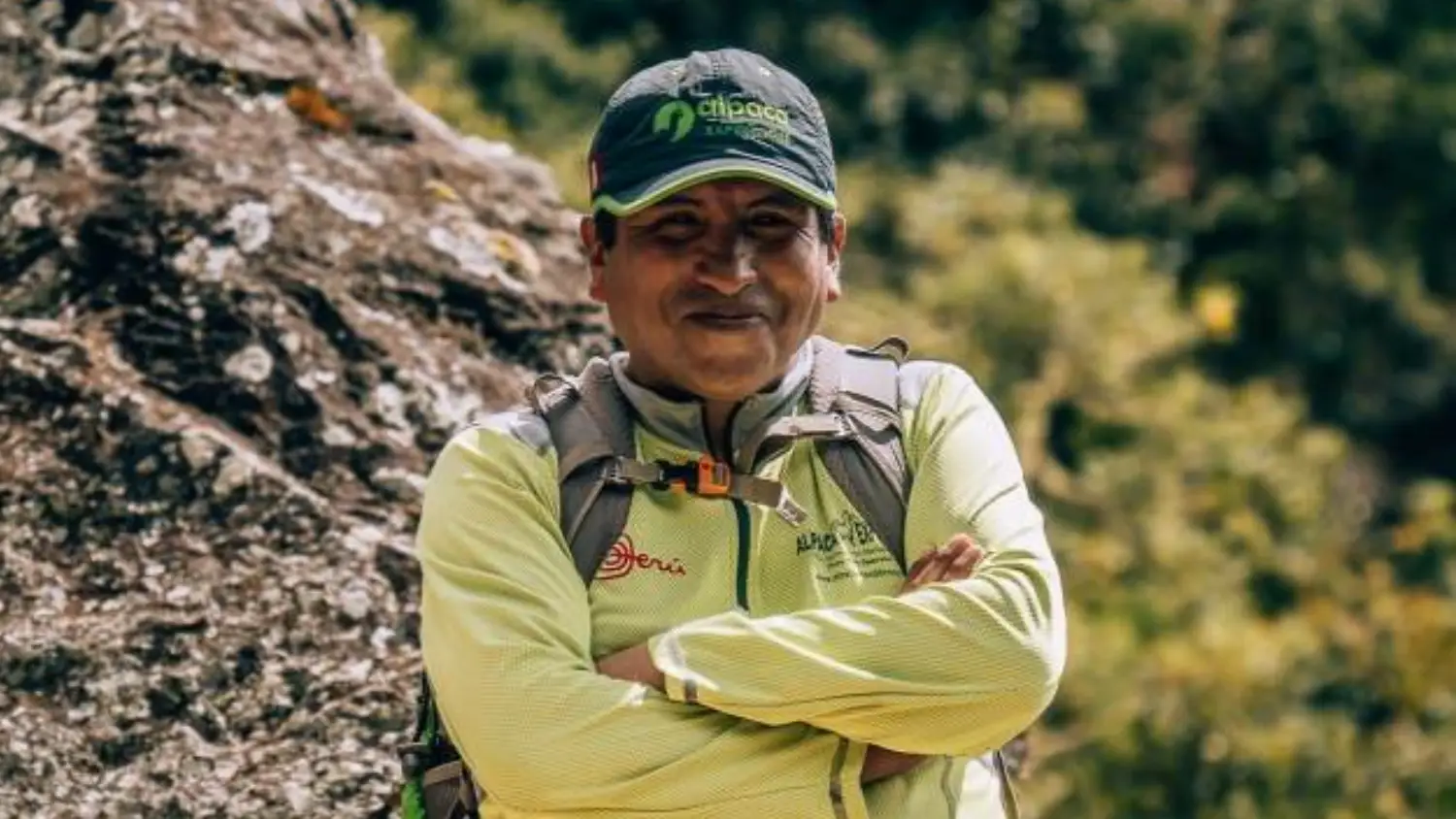
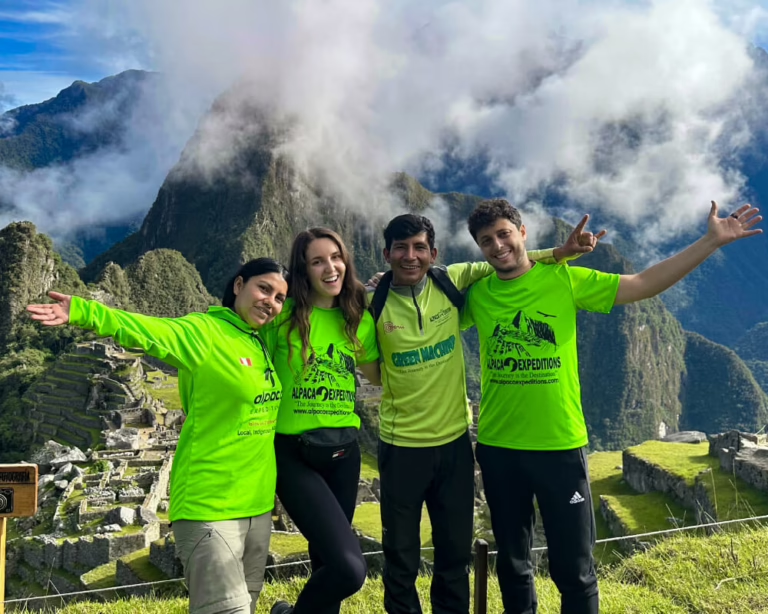
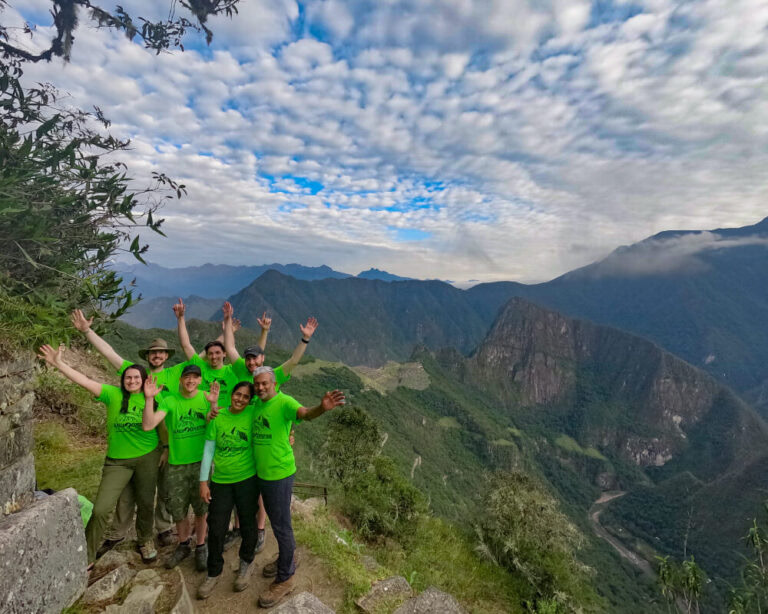
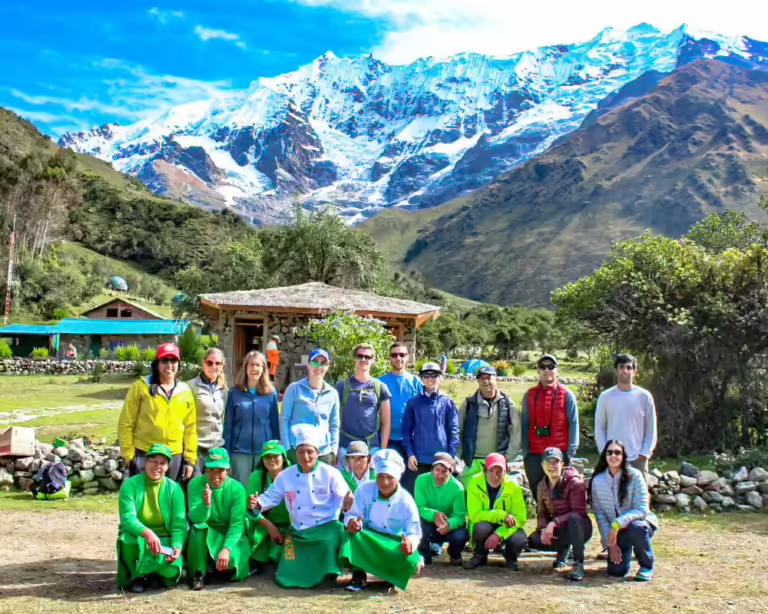
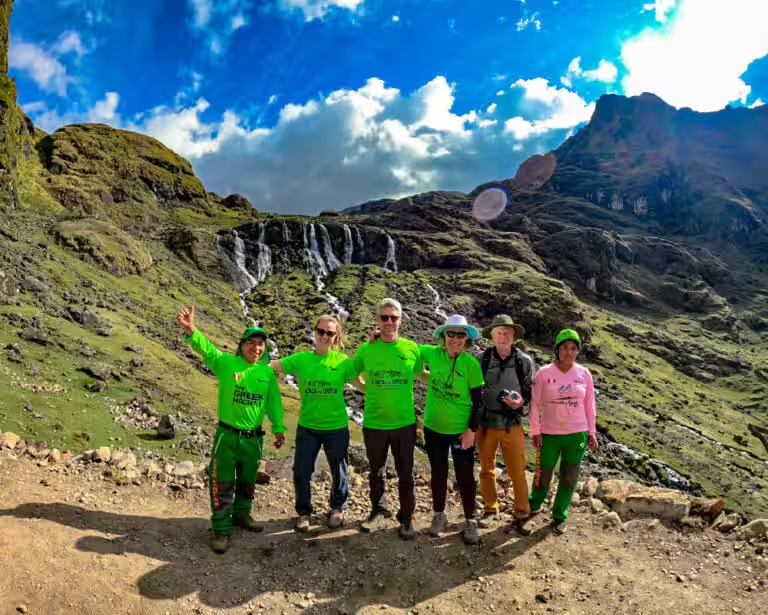
Alpaca Expeditions was founded by Raul Ccolque, who grew up in a small town in the Sacred Valley. While he was studying tourism, he worked as a porter, and later as a tour guide. Ccolque witnessed first hand the ways in which companies can take advantage of their porters; not only were they not paid properly, but they would also be badly bruised or injured due to carrying heavier loads than necessary. As a result, Raul committed himself to changing this inhumane situation with his own company. All of Alpaca Expedition’s porters are well-treated and supplied with proper equipment.
Porters on the Alpaca Expeditions Inca Trail
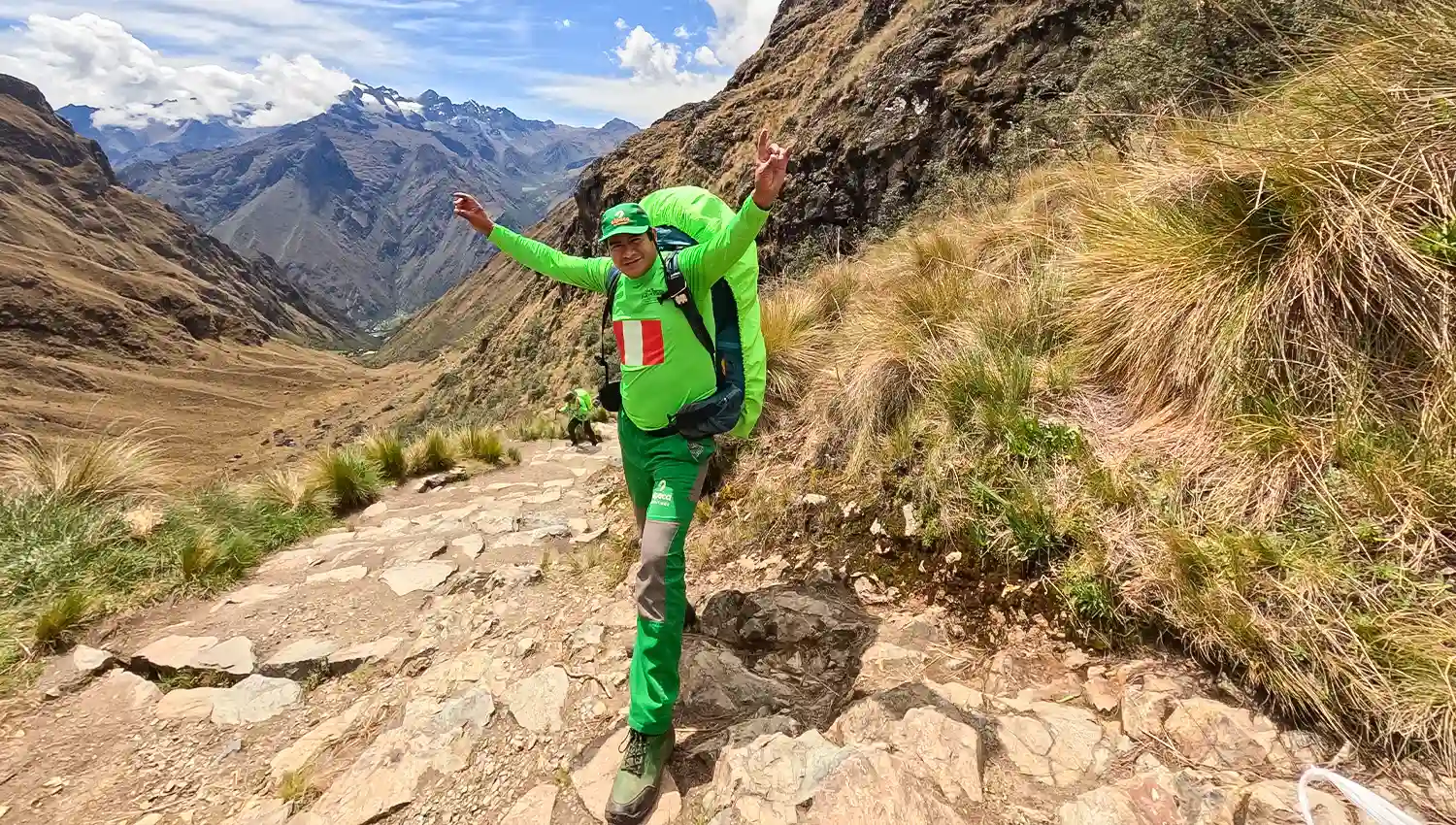
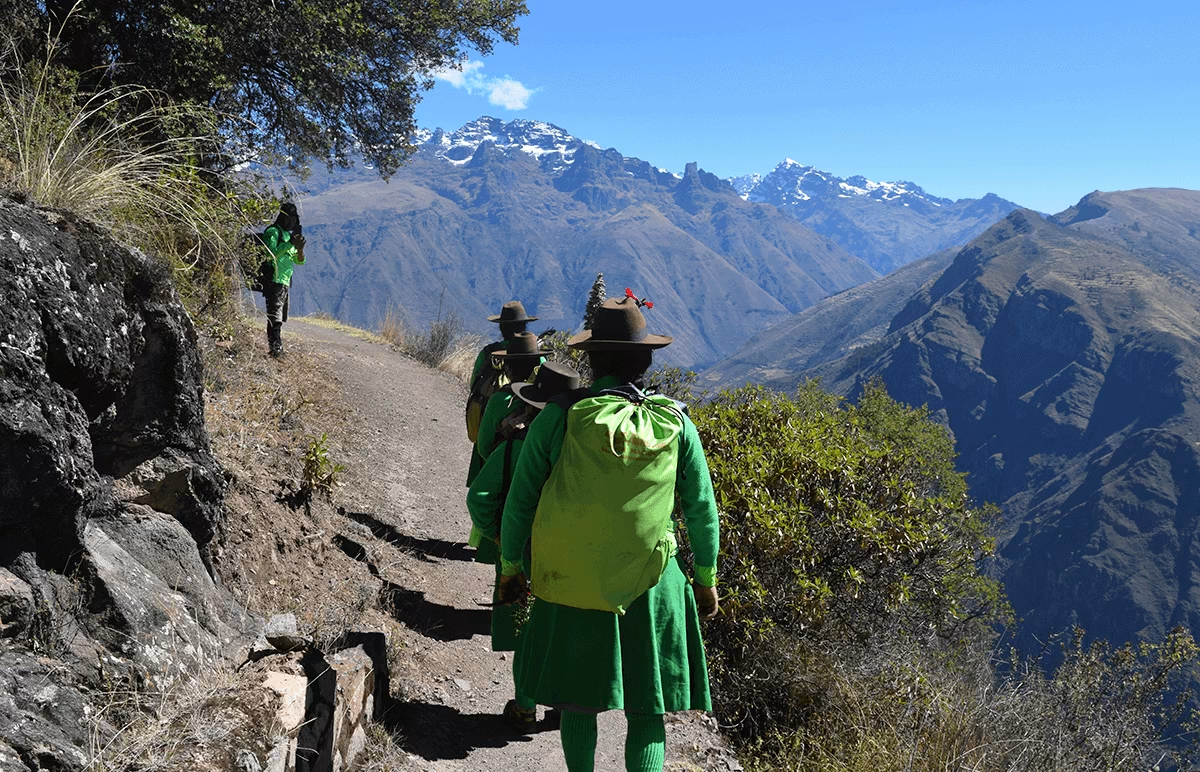
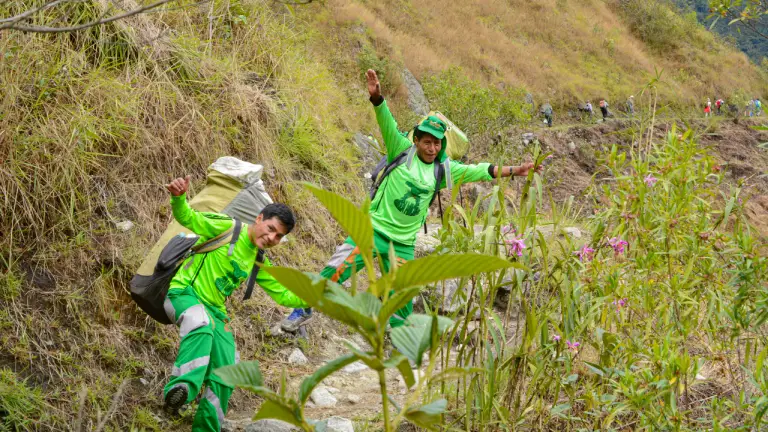
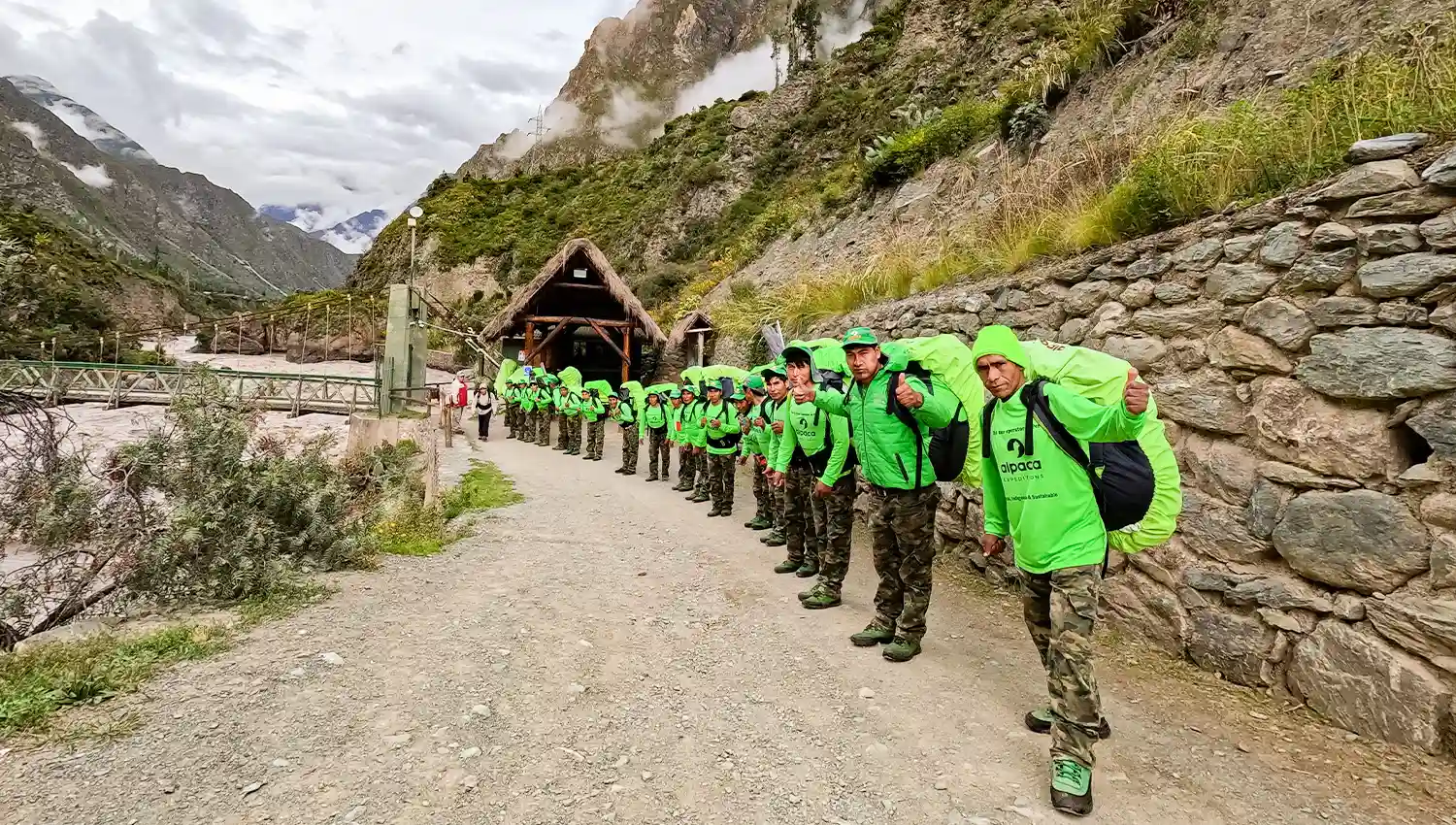
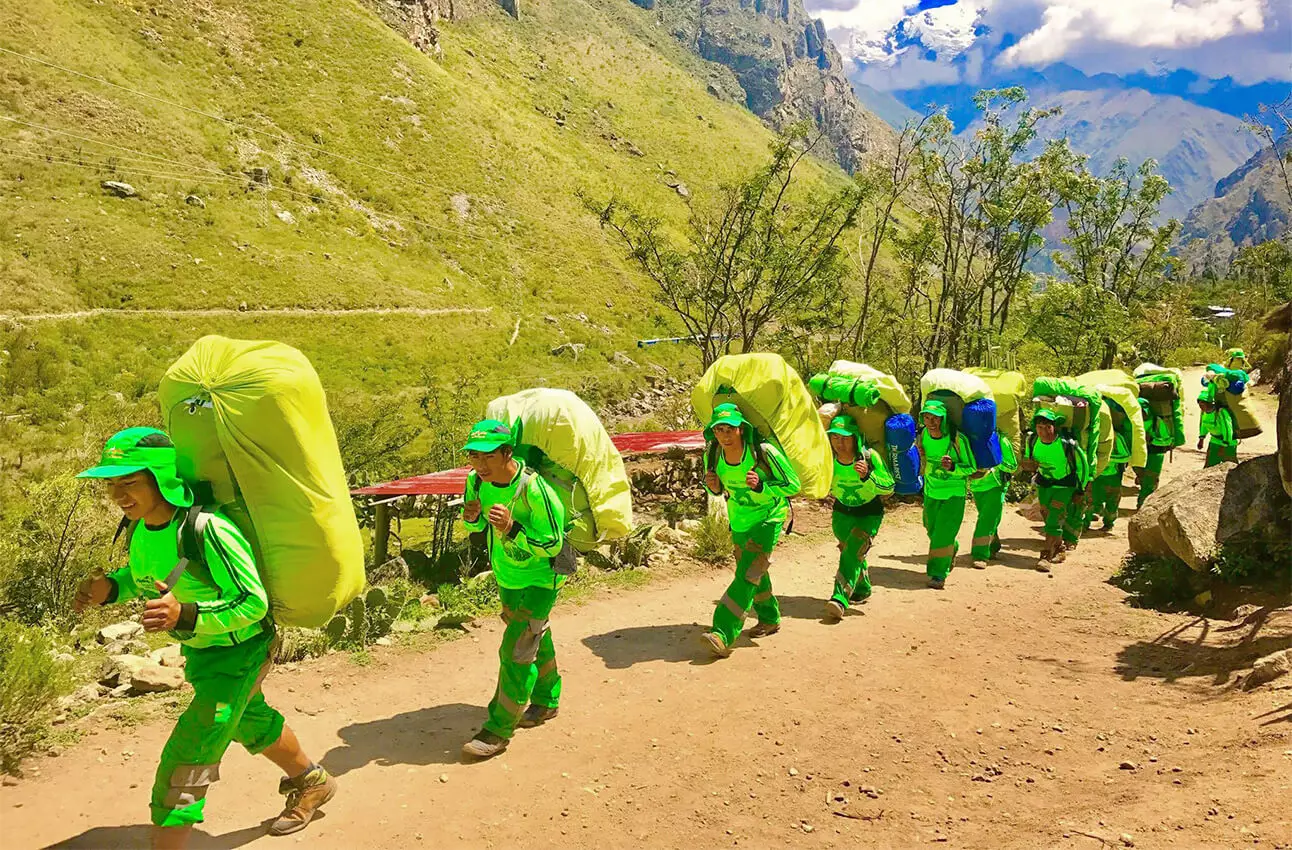
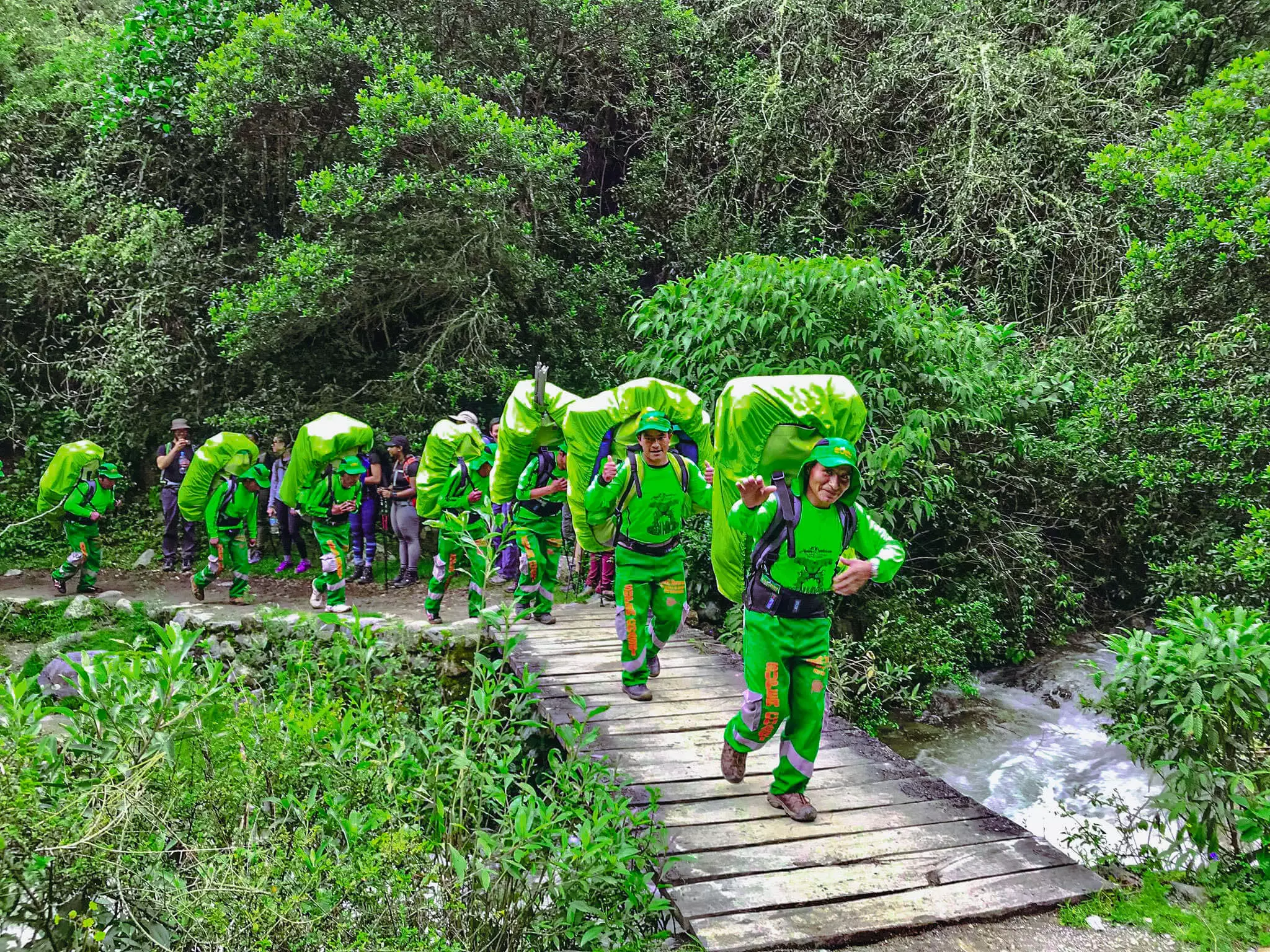
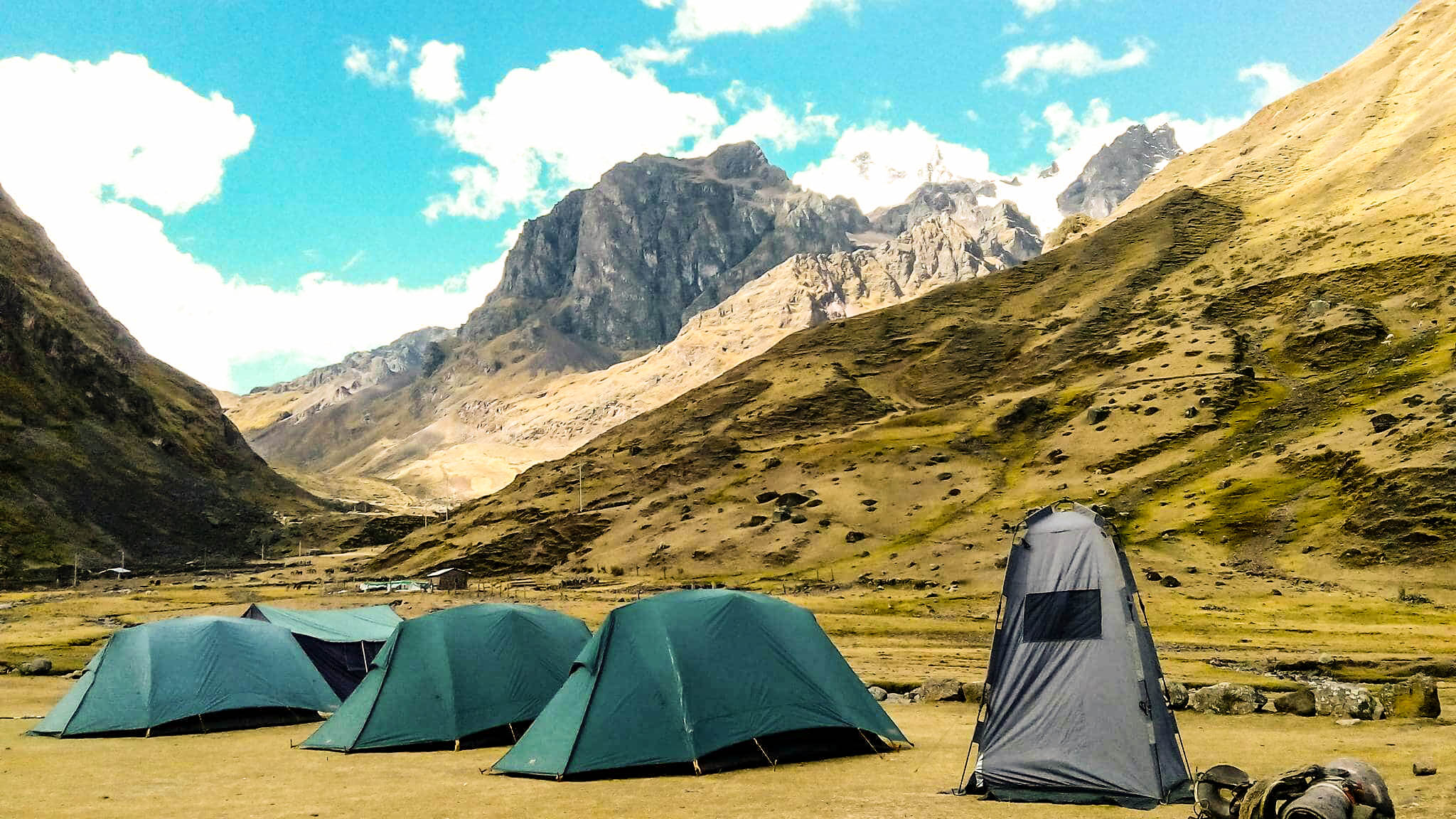
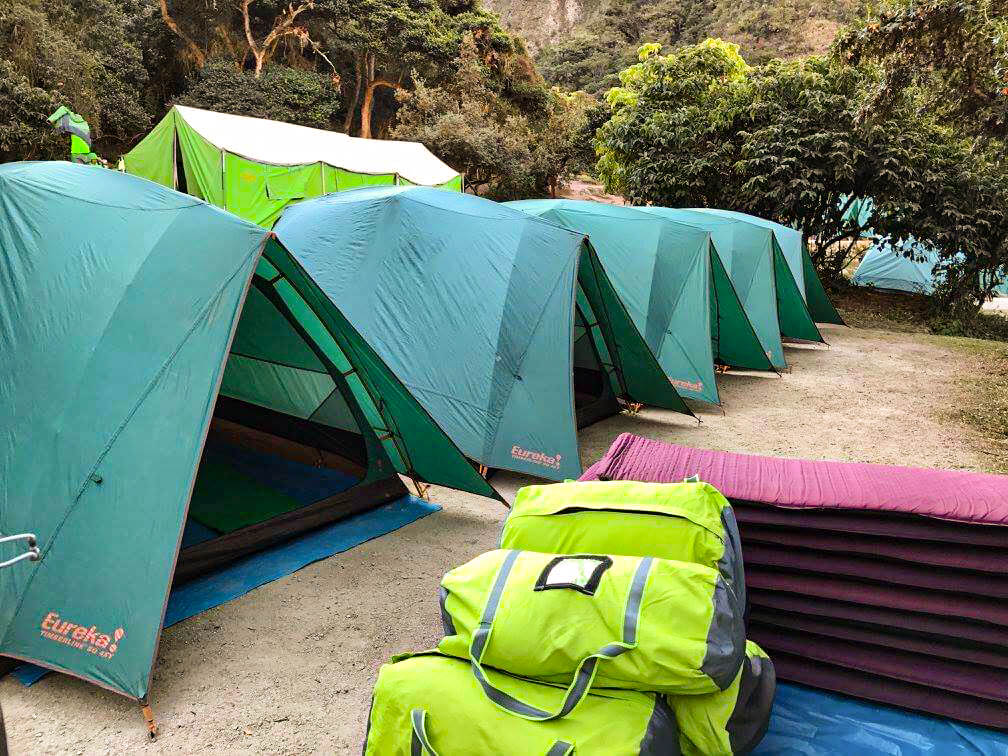
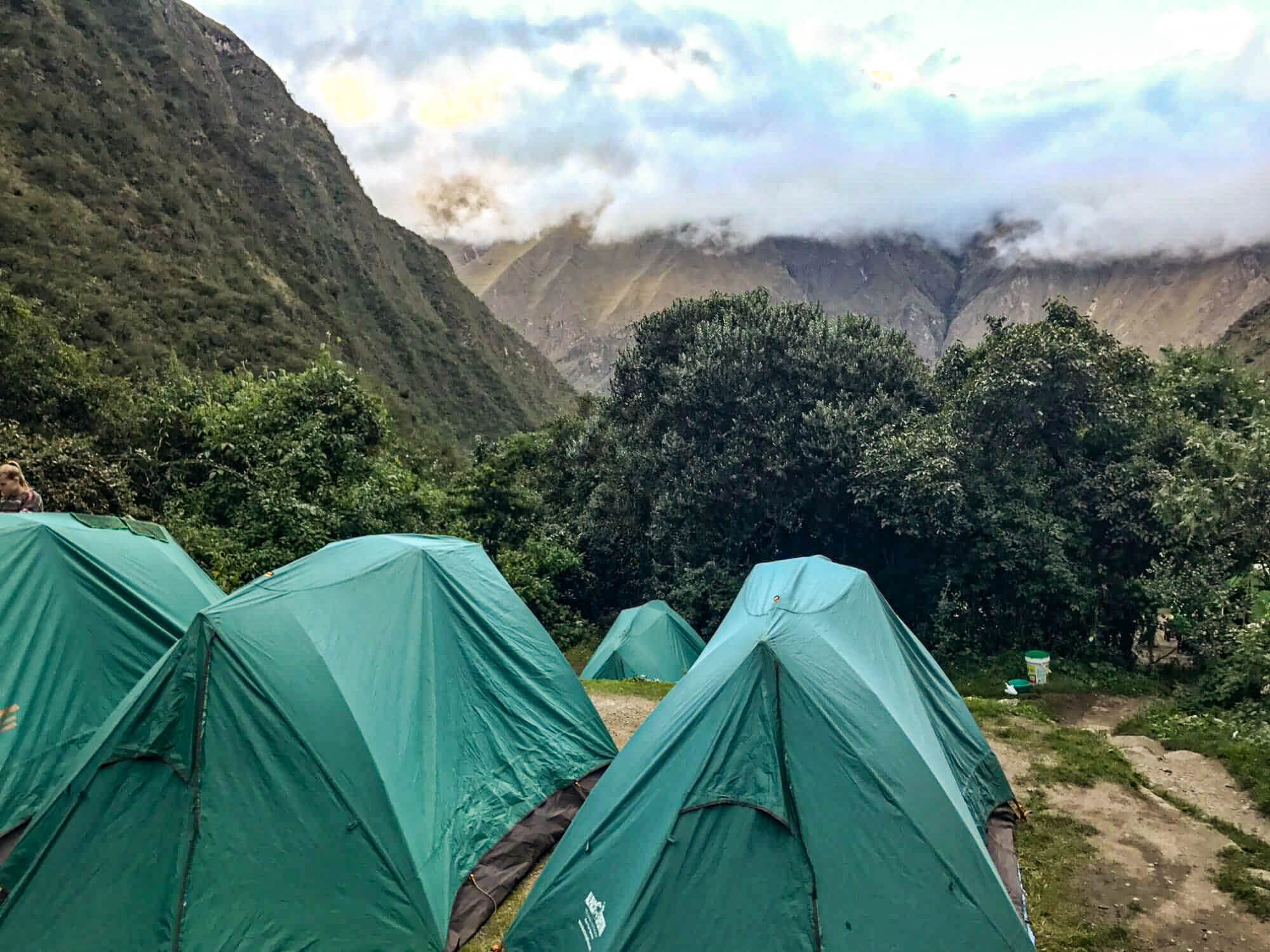
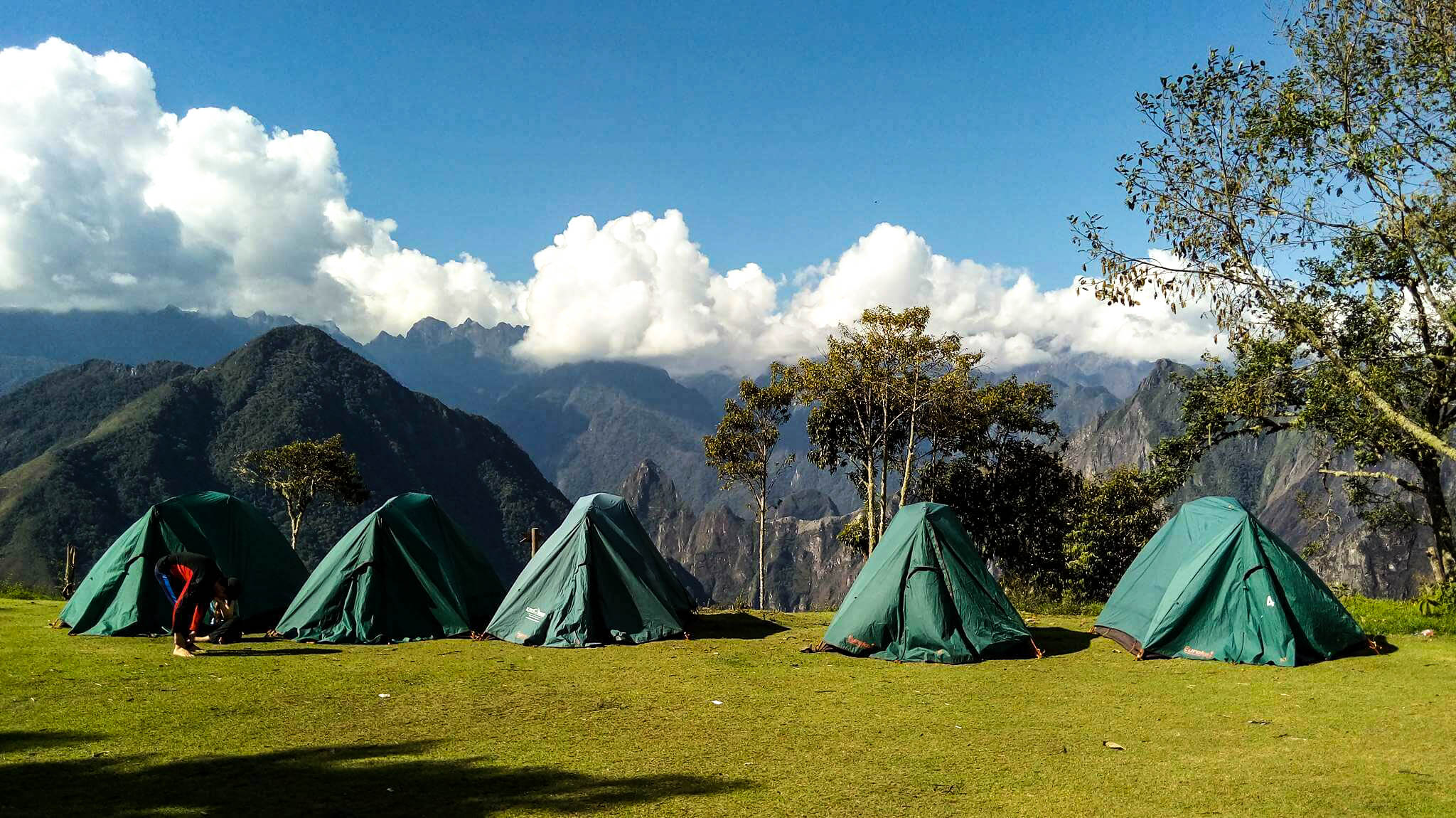
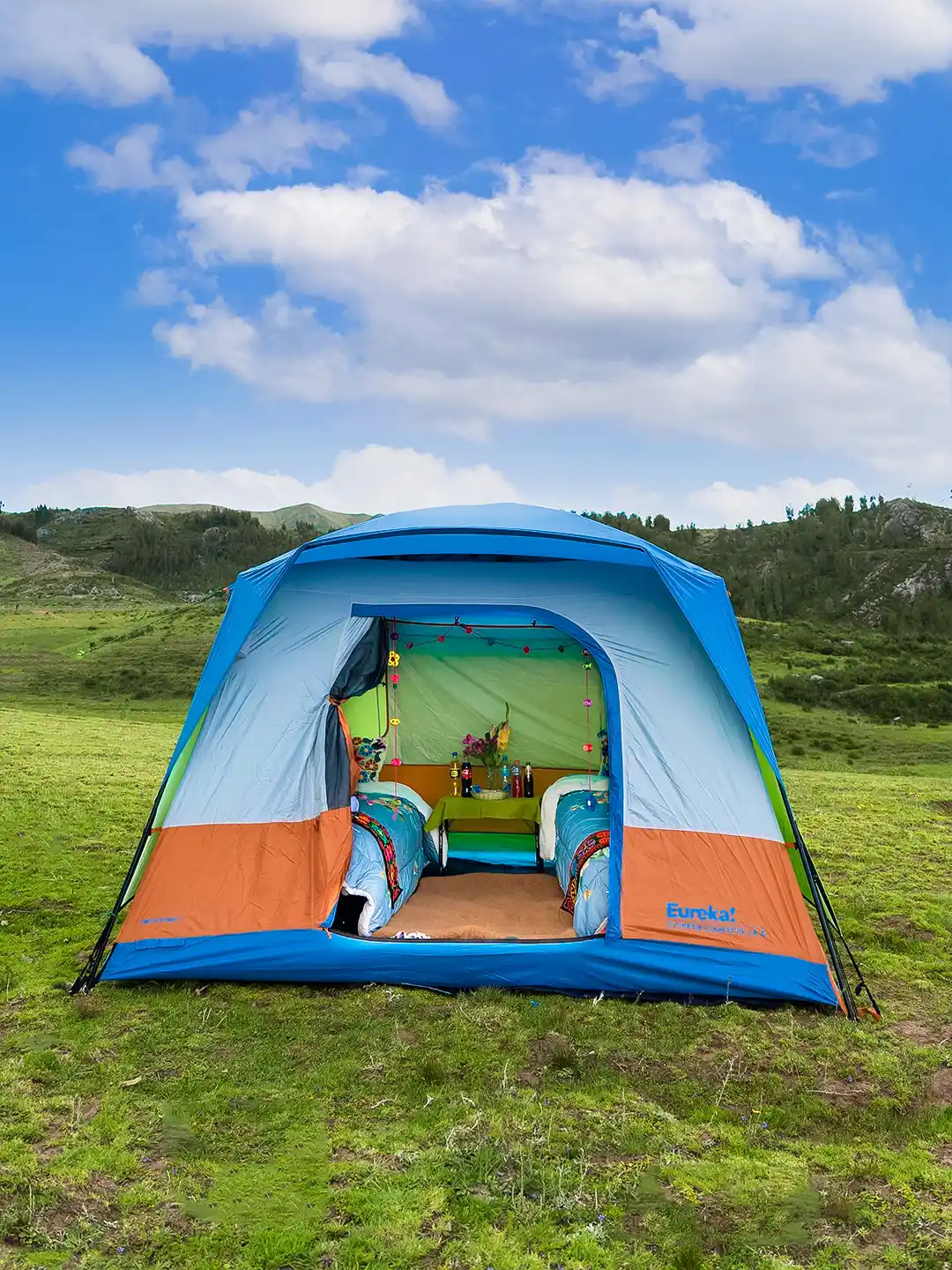
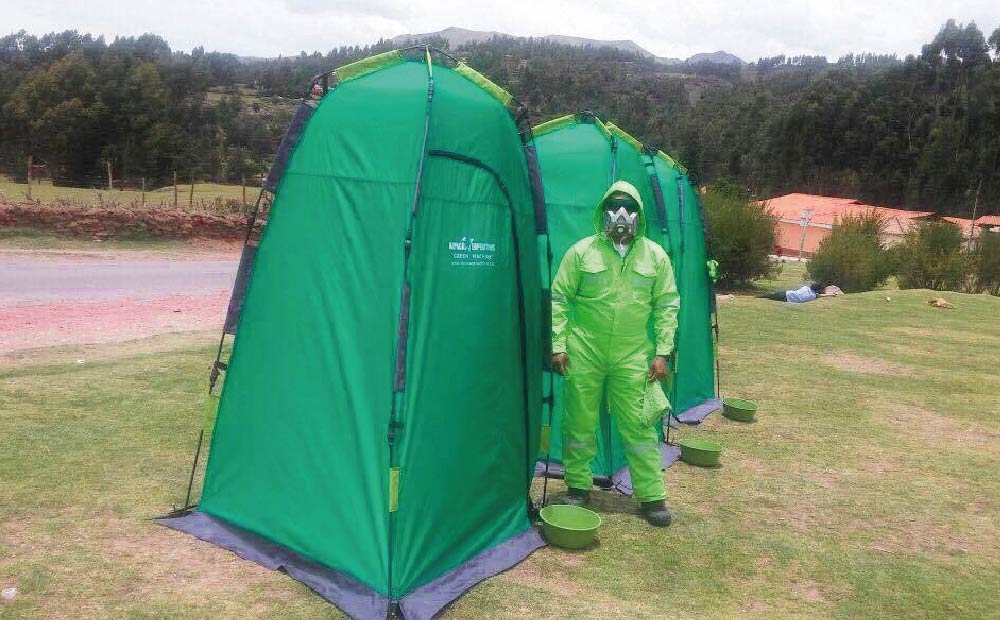
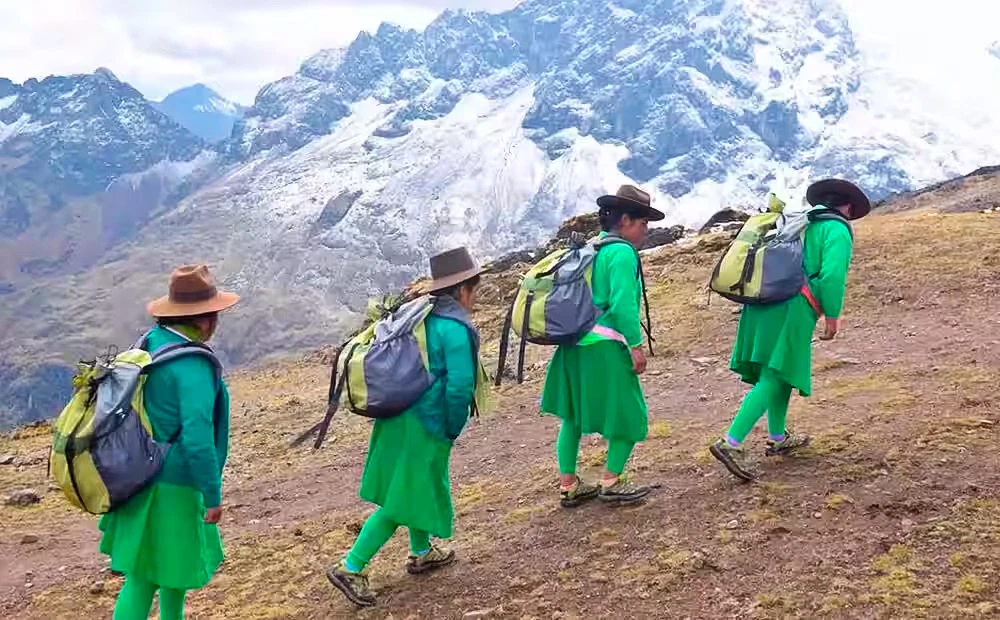
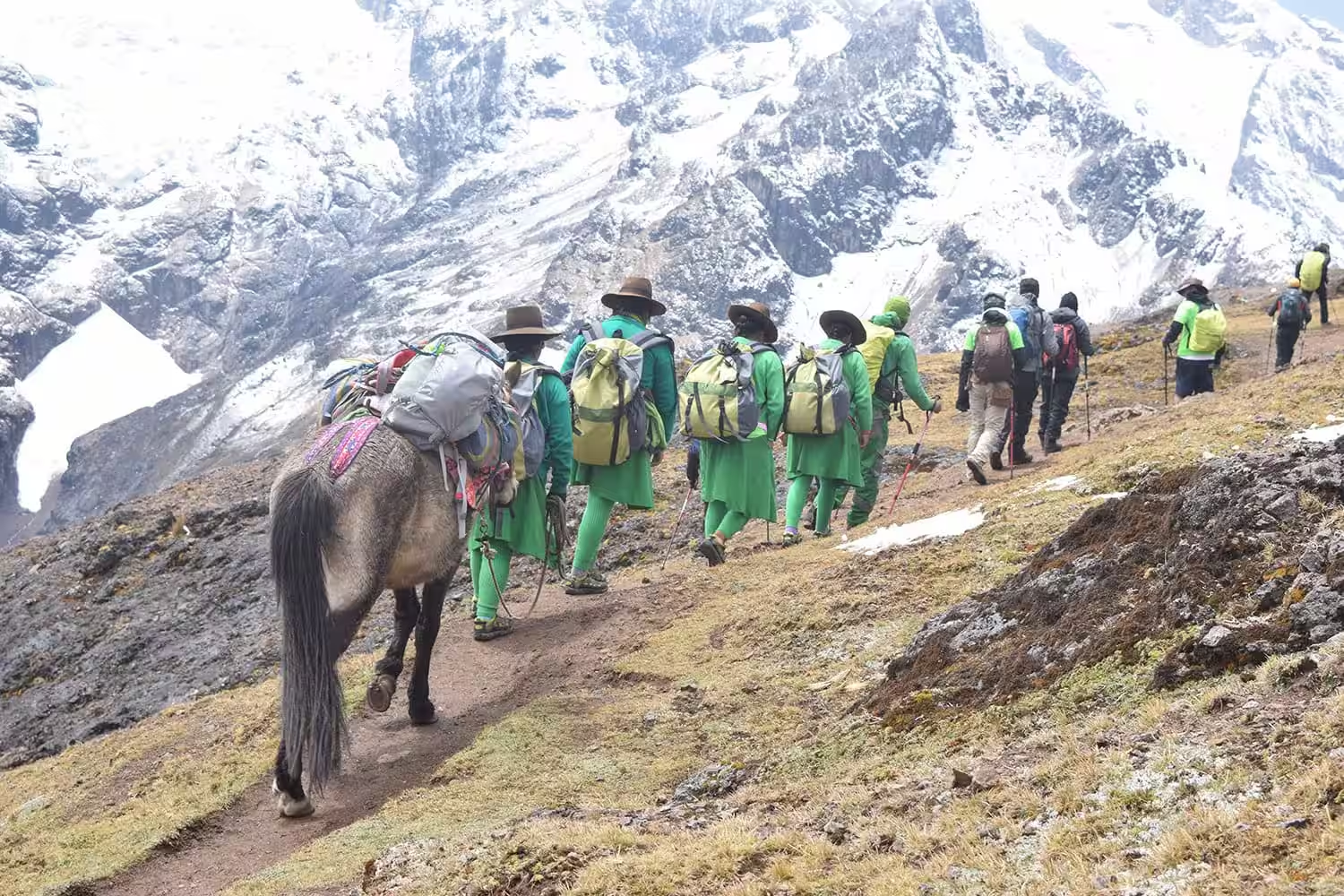
Without a doubt, Inca Trail porters are the hardest workers on the mountain. They carry all the necessary equipment and make arrangements to hike and camp along the Inca Trail to Machu Picchu (tents, food, gear, etc). Without porters, climbing the Inca Trail would be close to impossible for most people. Your job is to enjoy the hike, they do everything else. They will set up your tents, help cook and serve you amazing food, prepare hot water to wash with, and happily welcome you to each site, always with a smile on their face.
Why is it Mandatory to Have Porters on the Alpaca Expeditions Inca Trail?
Before 1990, the Alpaca Expeditions Inca Trail was not regulated by the Peruvian Government and tourists would carry their own equipment and food, and cook for themselves. Unfortunately, many of these early hikers didn’t pay enough respect to Pachamama and left a lot of trash along the way. Without rangers, there was nobody walking behind them collecting the garbage they left behind. The government took note of this problem and initiated a project to protect the trail. It was at this time that they began the permit process limiting the number of people entering the trail to 500 per day for crew and tourists.
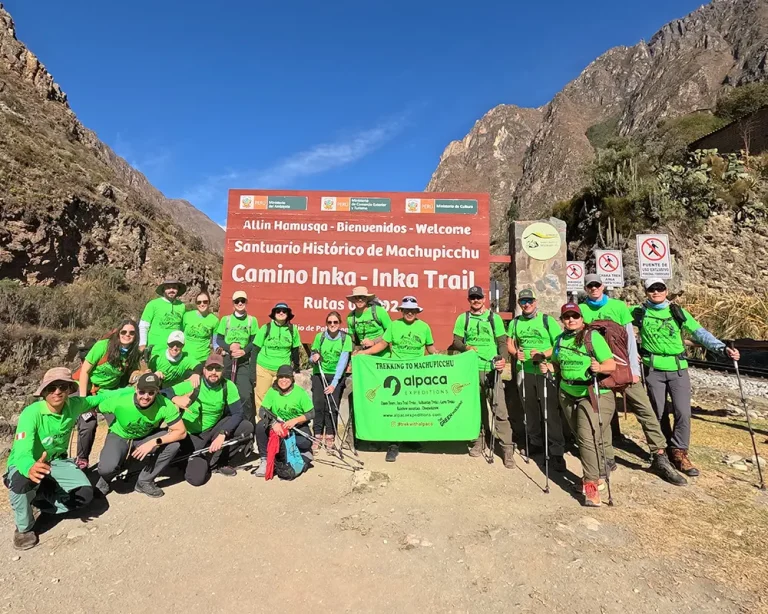
The government started making these changes in 1990 which became stricter over time. Today, visitors can only enter with a licensed tour company – it is not possible to enter on your own. Each tour company can organize groups with a maximum of 16 trekkers, 2 guides and 22 porters. Each porter can carry a maximum of 25 kg.
The government has started the process of taking care of the porters, and we have taken this a step further with our approach to supporting our porters and their communities.
Alpaca Expeditions Inca Trail Porters
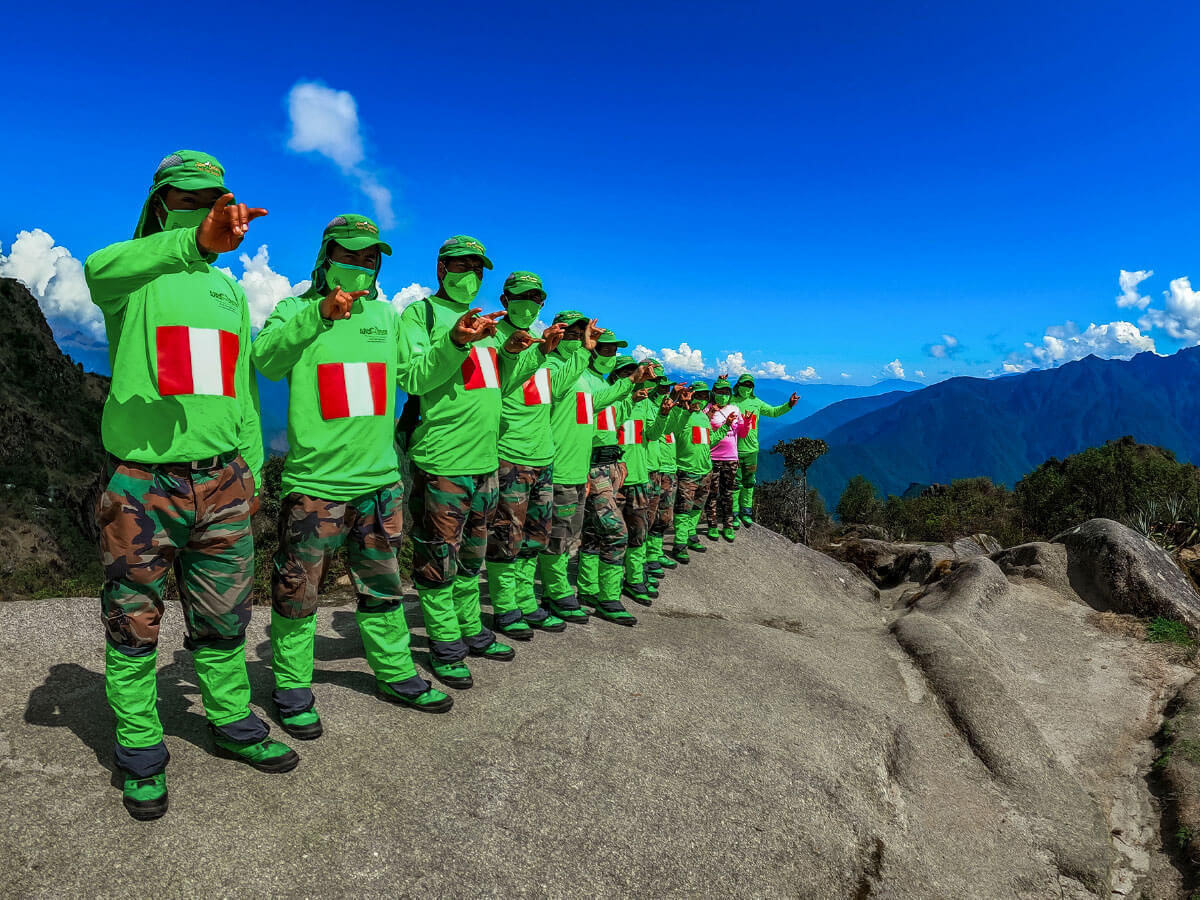
Raul Ccolque, the owner & general manager of Alpaca Expeditions, worked as a porter from 2000 to 2003. While he saw some companies treating their porters better than others, he felt there was not enough being done for them and their families. We could not have a successful company without our porters and because of that we have made them a part of our family. We, listen to their suggestions and follow through on our promise to make their lives better.
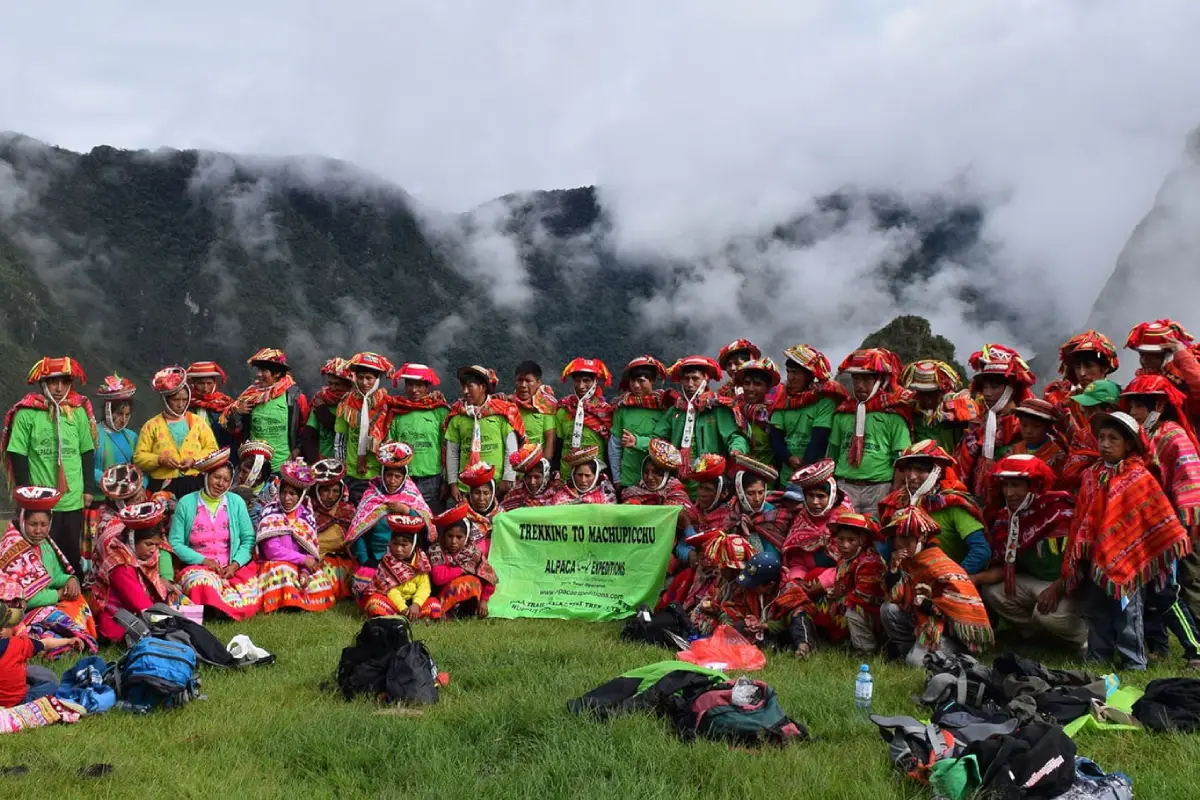
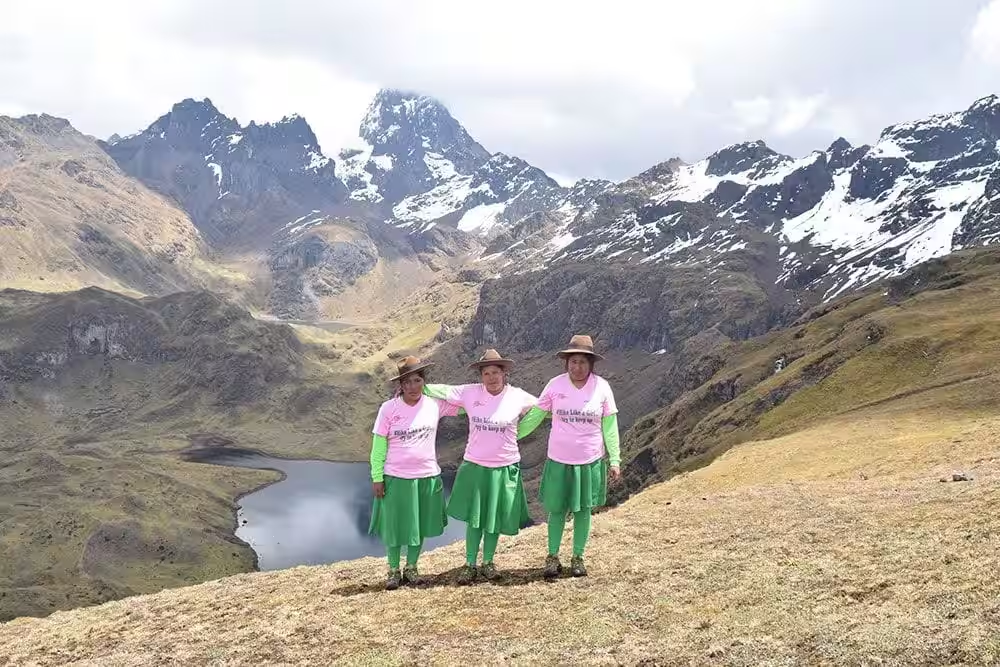
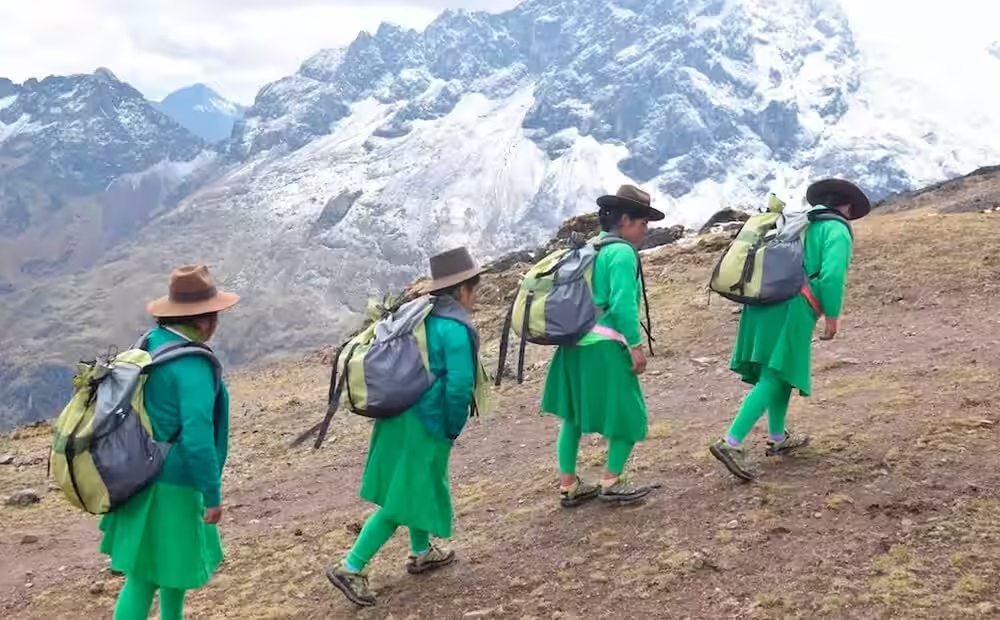
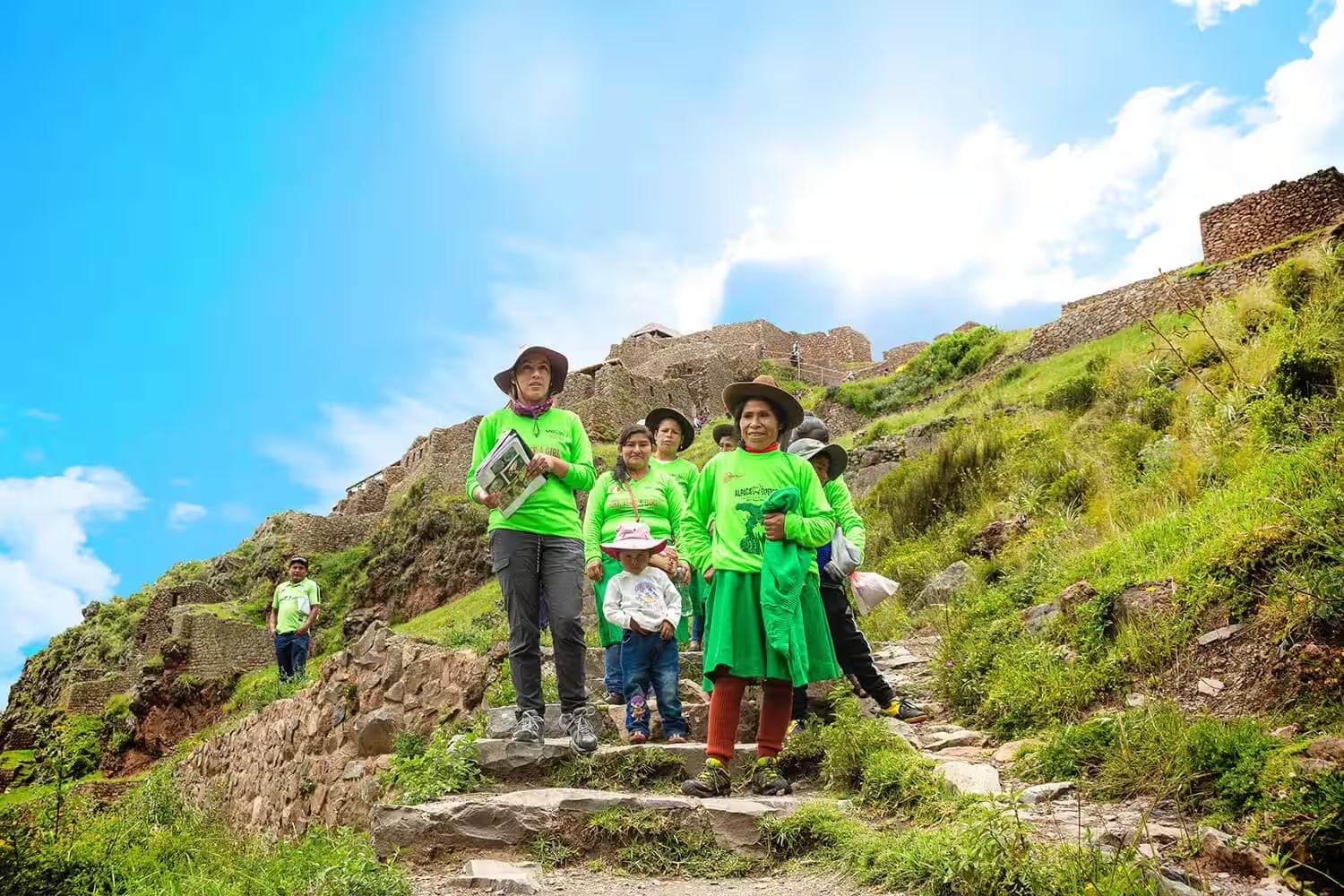
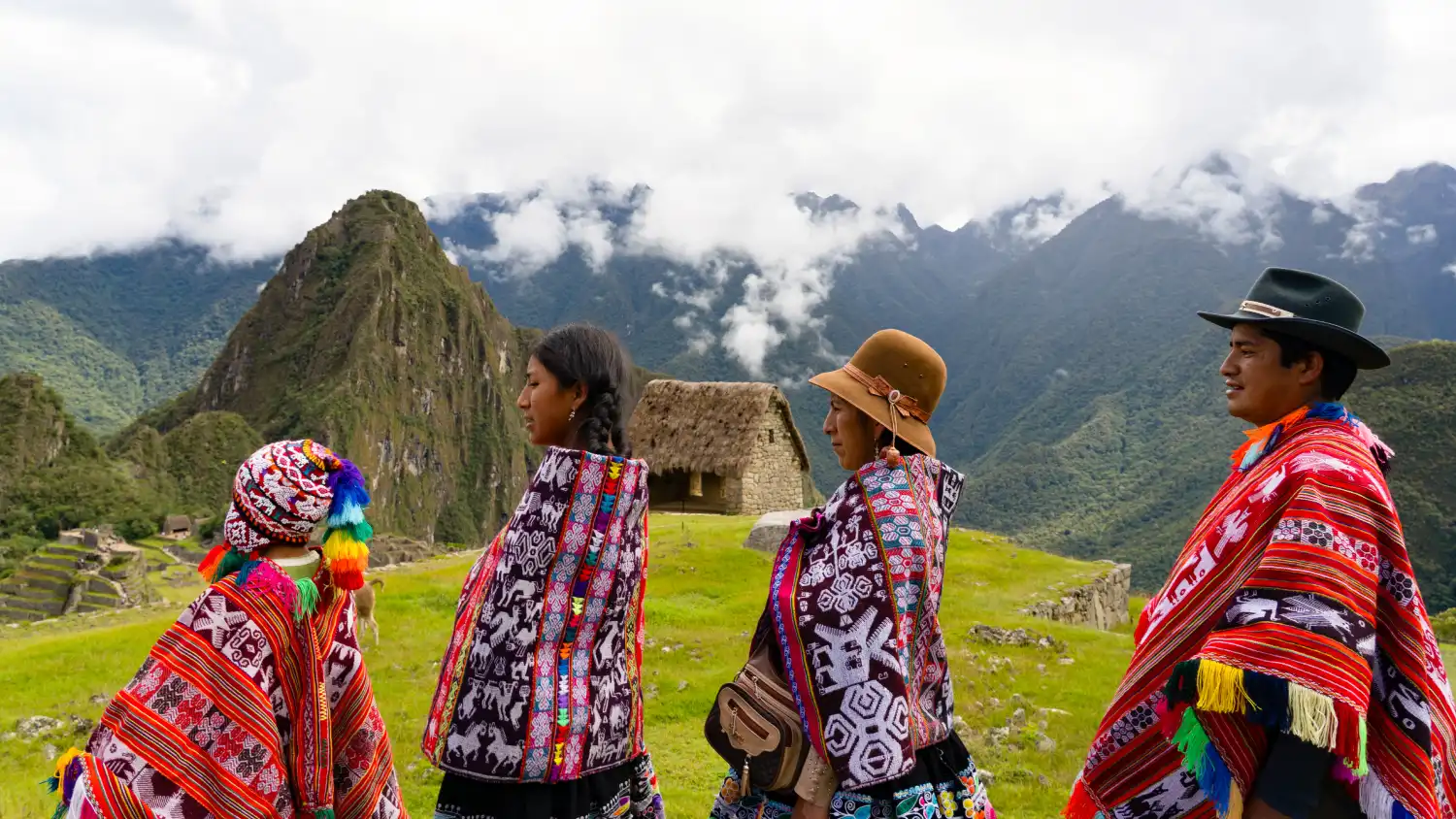
Our Alpaca Expeditions Inca Trail porters range from 18 years old to 55 and come from several different villages in the Cusco region. We employ approximately 250 porters from the following villages:
- Comunidad wakatinku 25 porters, located at 3800 meters
- Comunidad Llullucha 20 porters, located at 3700 meters
- Comunidad Choquekancha 25 porters , located at 3400 meters
- Comunidad Pumapunko 25 porters located at 3700 meters
- Comunidad Kachin 25 porters located at 3700 meters
- Comunidad Anparaes 25 porters located at 3500 meters
Quechua is their main language and farming is their primary economic activity. Being a porter is a second income for them.
Our Promise to Our Alpaca Expeditions Inca Trail Porters
We could not be successful without our team of Alpaca Expeditions Inca Trail porters. They have promised us that they will work endlessly to make each trekker have a magical journey, so we have made an equally important promise to them to do what we can to make this difficult job a little less daunting.
As we explained earlier, most of our porters live in villages outside of Cusco – typically 2 to 4 hours away. We cover all entrance fees (45 soles – $15 US per porter) and transportation to and from the trek for our porters, separate from their salary. They are paid directly after the trek, so they do not have to travel back to Cusco before heading home. We provide better wages, health insurance and all of their equipment for free. This includes hiking boots, pants, jerseys, fleeces, jackets, hats, flashlights, sleeping bags, and amazing food to eat. We make sure they have a comfortable bed in a lovely room to sleep before (and after if needed) the trek instead of crashing on a floor – a common practice of our competitors. We visit the communities they live in and supply toothpaste, toothbrushes, soap and other needed supplies to their families, as well as educational materials for their children.
This is just the beginning for us and we are always looking for ways to do more.
How Much does the Alpaca Expeditions Inca Trail Porter Carry?
While the government allows each porter to carry up to 25kg, we keep our limit at 20kg. Each porter will carry up to 15kg from the company and 5kg of their personal stuff. This is why it is so important to keep your personal duffel within weight restrictions and not exceed our 7kg allowance. You will see other companies carrying more than the allotted weight, but we will not allow our porters to carry this burden as it is a health and safety risk.
Alpaca Expeditions Inca Trail | Keeping Porters Comfortable
Every year, Alpaca Expeditions provides new sleeping bags and sleeping pads for each porter. We provide them all the gear they need along the hike. Our jackets, for example, are all lined and warm, and our boots are all waterproof.
What Do the Alpaca Expeditions Inca Trail Porters Eat?
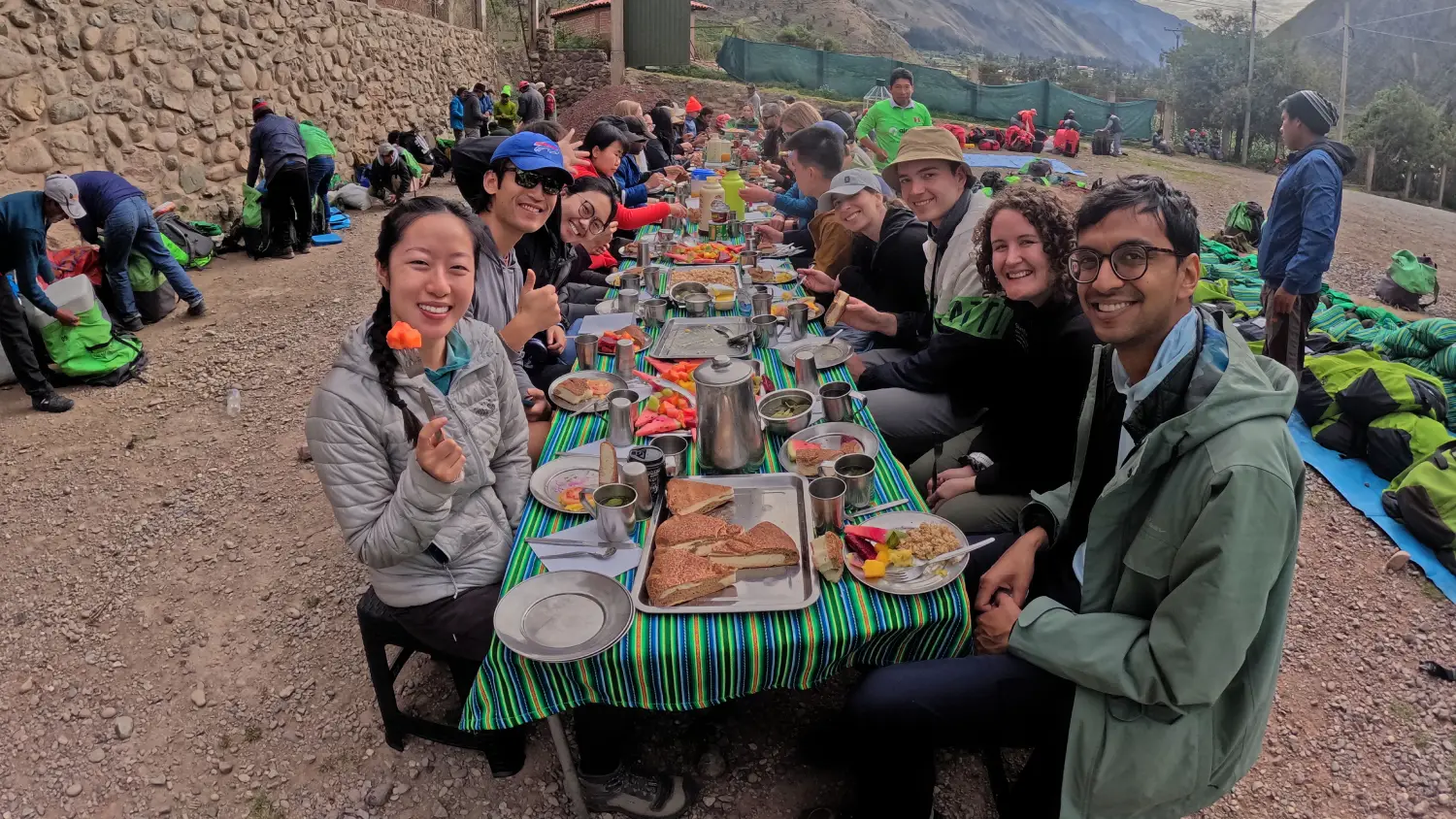
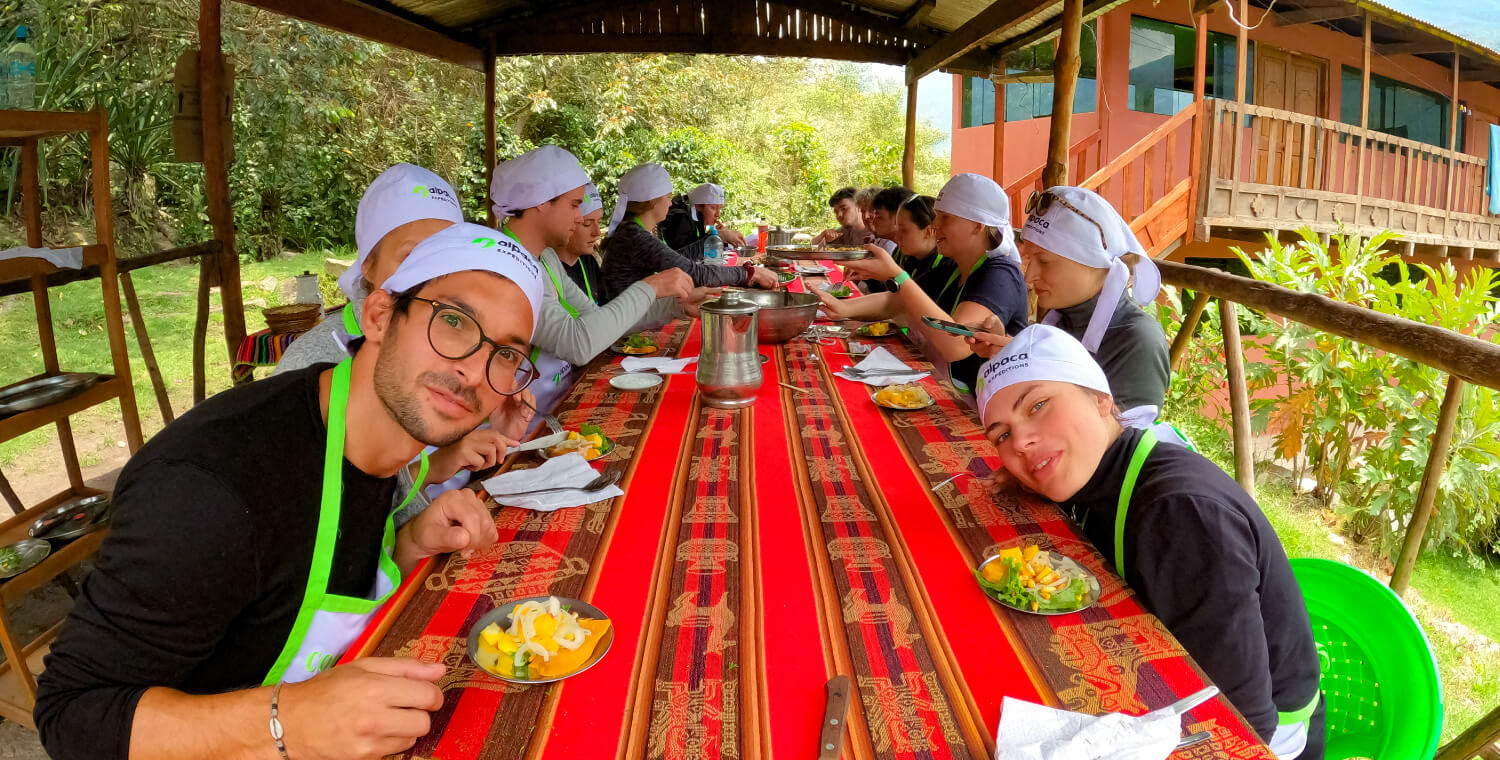
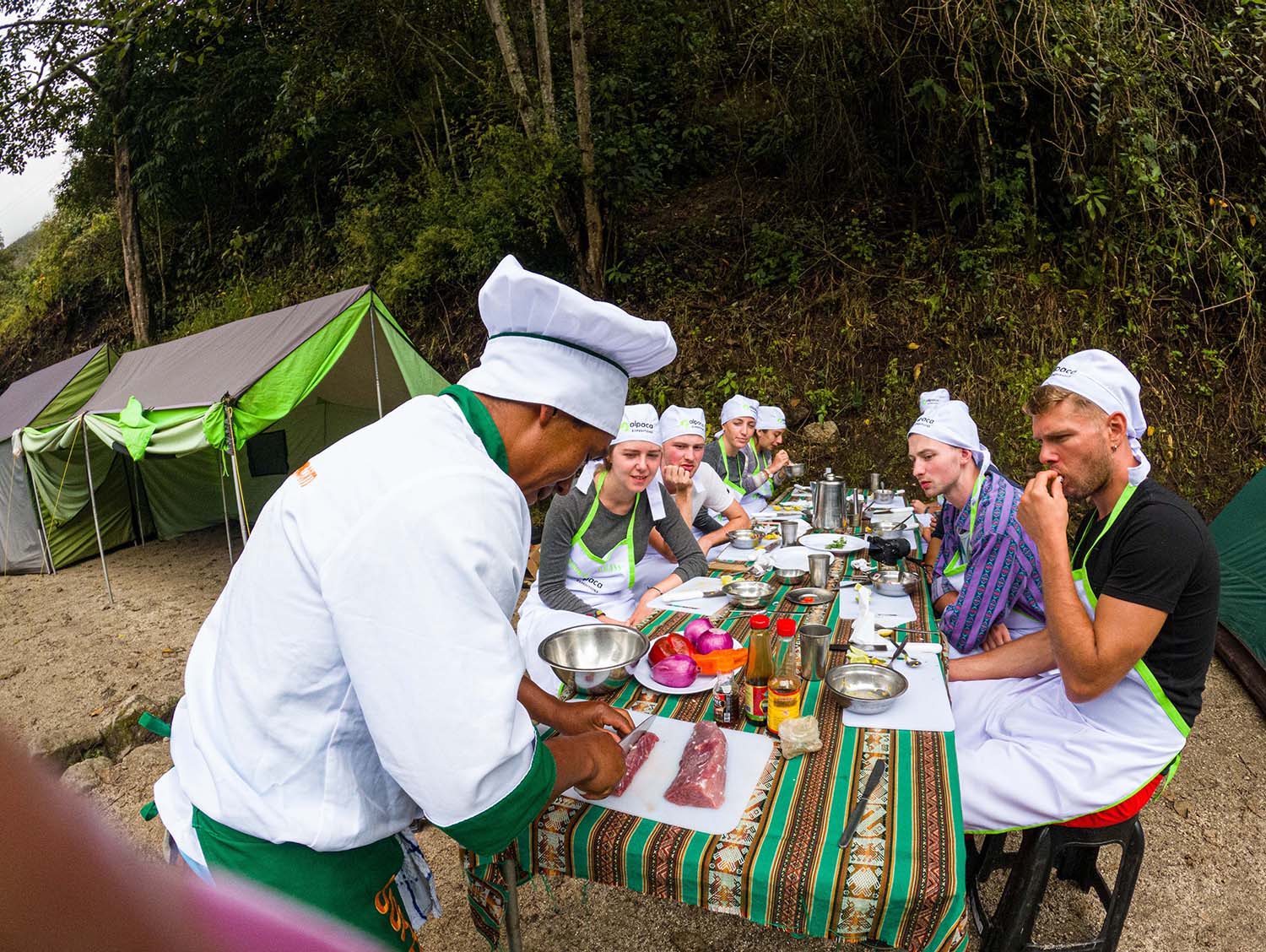
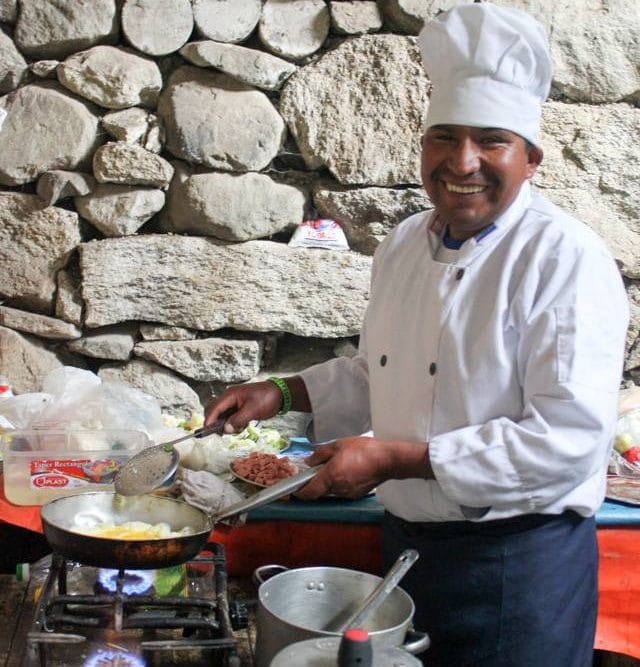
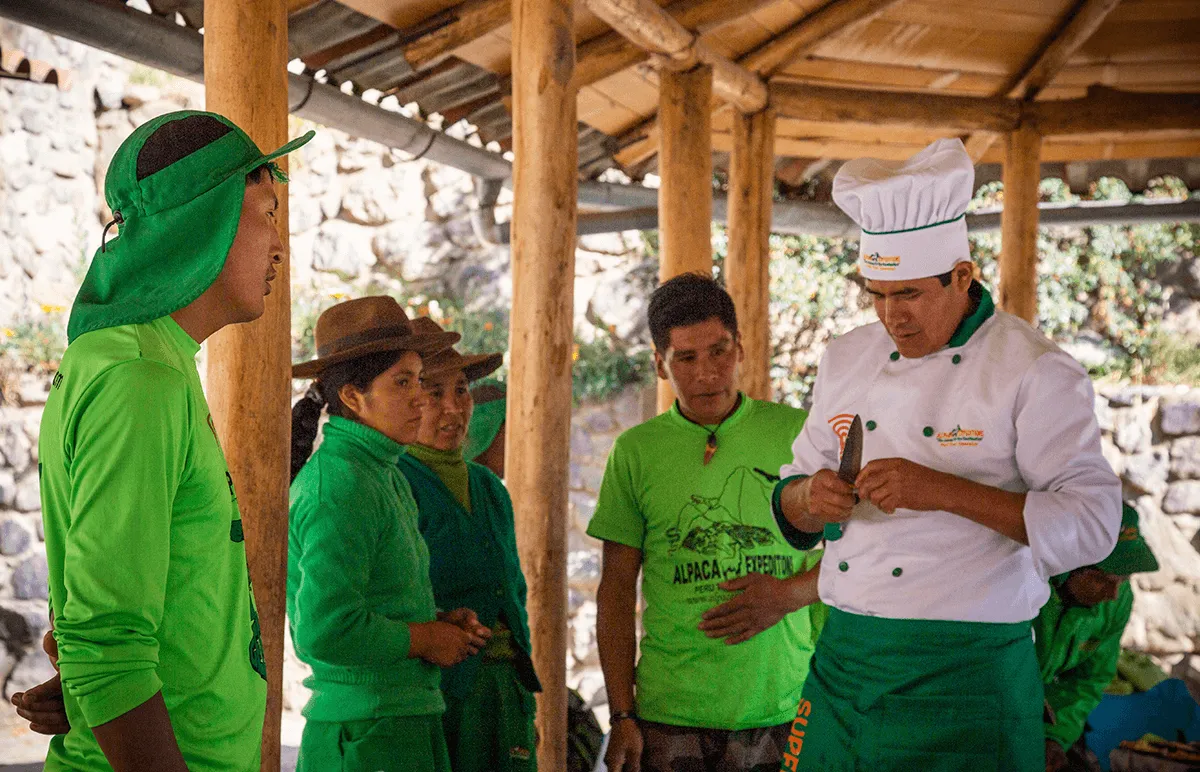
Our porters eat the same amazing meals as our customers. Our chef buys enough food to cook for all our trekkers and porters and makes enough for everyone to be satisfied at the end of the day. We serve our meals in a buffet style so that you can eat what you want and no food goes to waste!
Helping The Alpaca Expeditions Inca Trail Families
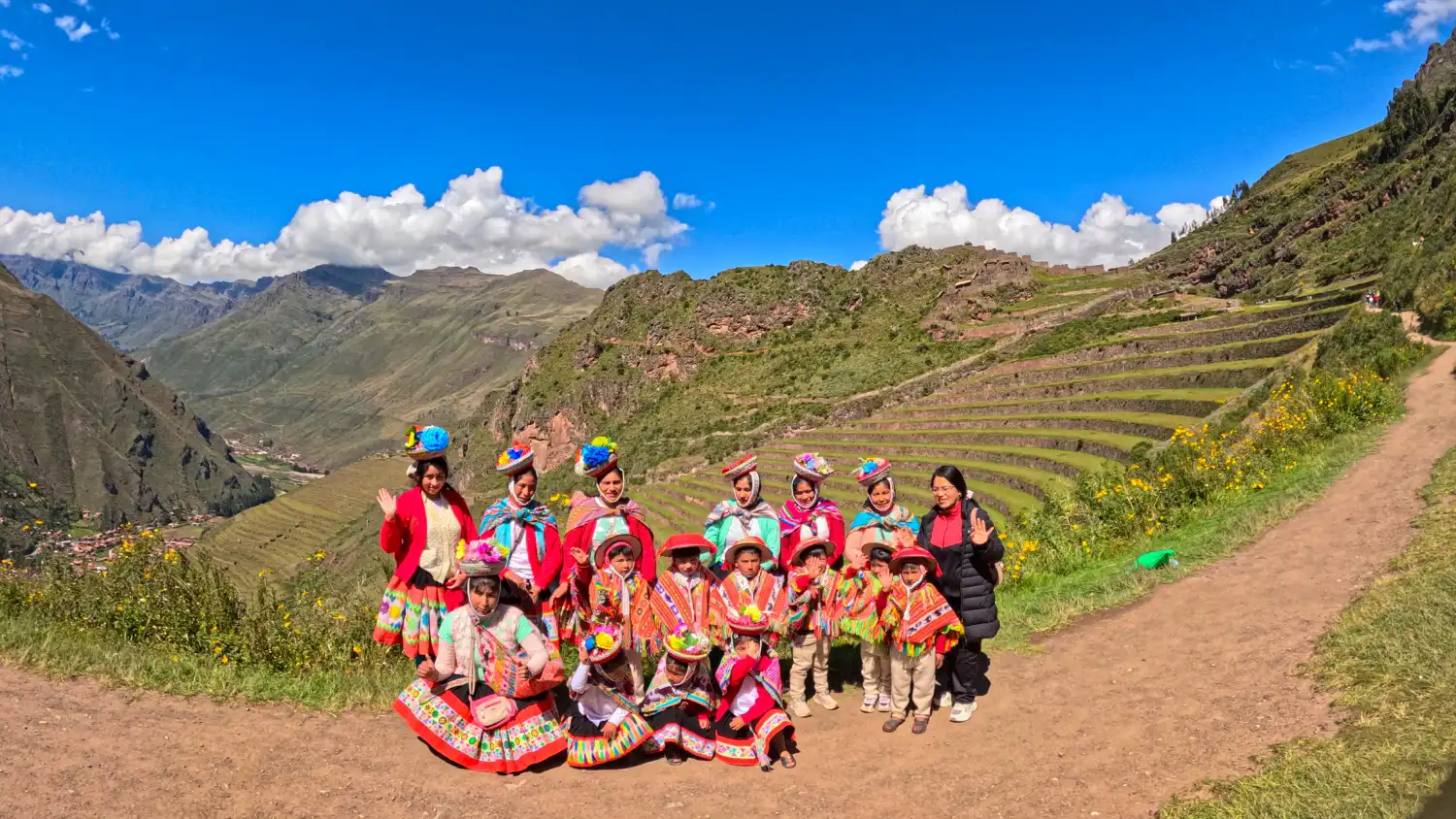
All our Alpaca Expeditions Inca Trail porters are Quechua language speakers who come from farming villages where they take advantage of the seasons to grow their crops. Alpaca Expeditions helps their communities in many ways including education, health and culture. We have different ongoing projects and hope to add many more. Some of the projects we do for our porters include:
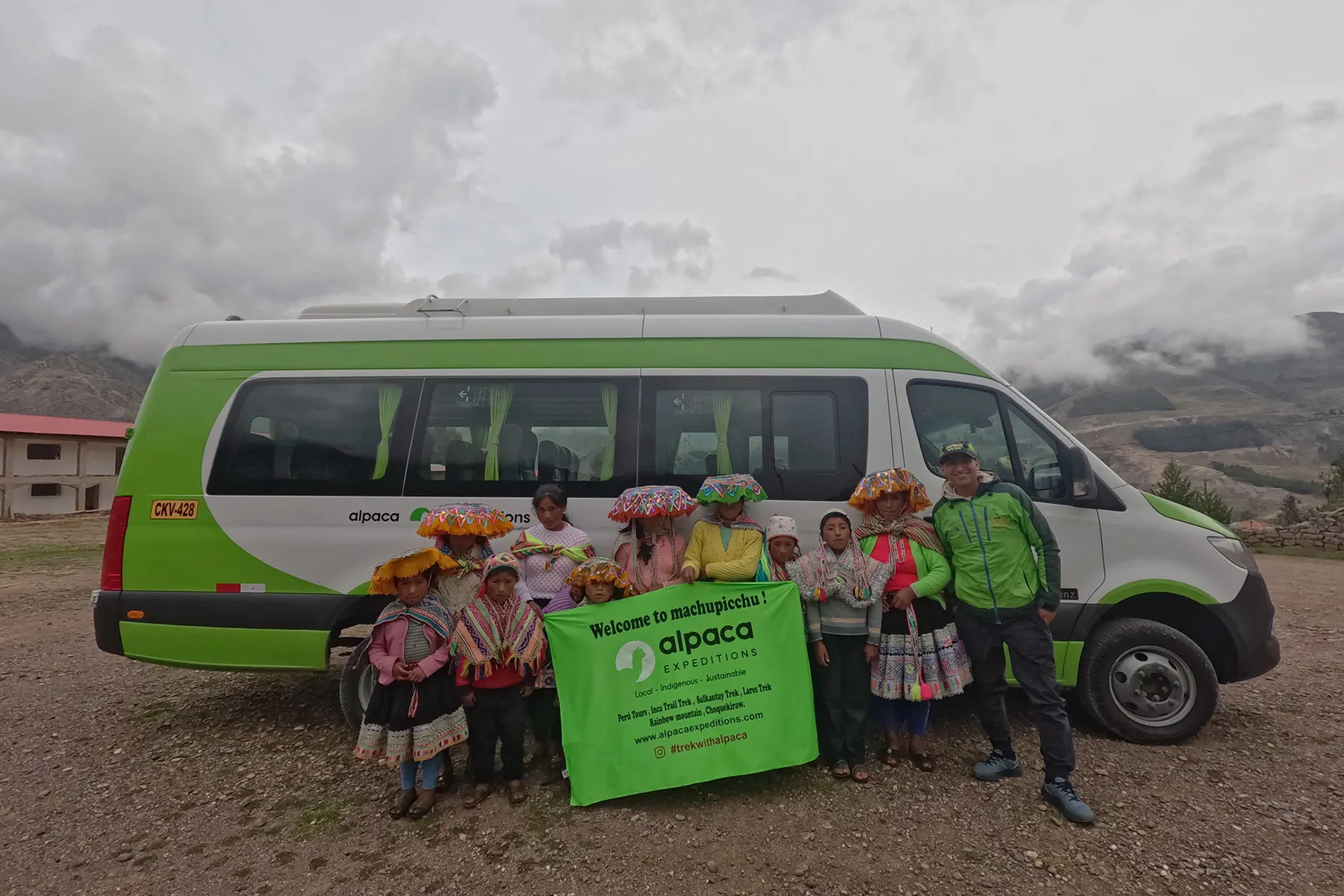
Every three months, we take a kit of toiletries to Wakantinku elementary school for 204 Quechua speaking children. They range in age from 3 to 12 years old in kindergartethrough grade 6. When we arrived to this village for the first time a few years ago, the children had trouble keeping up with daily hygiene. We made sure they always have toothpaste, toothbrushes, soap, and hand sanitizer.
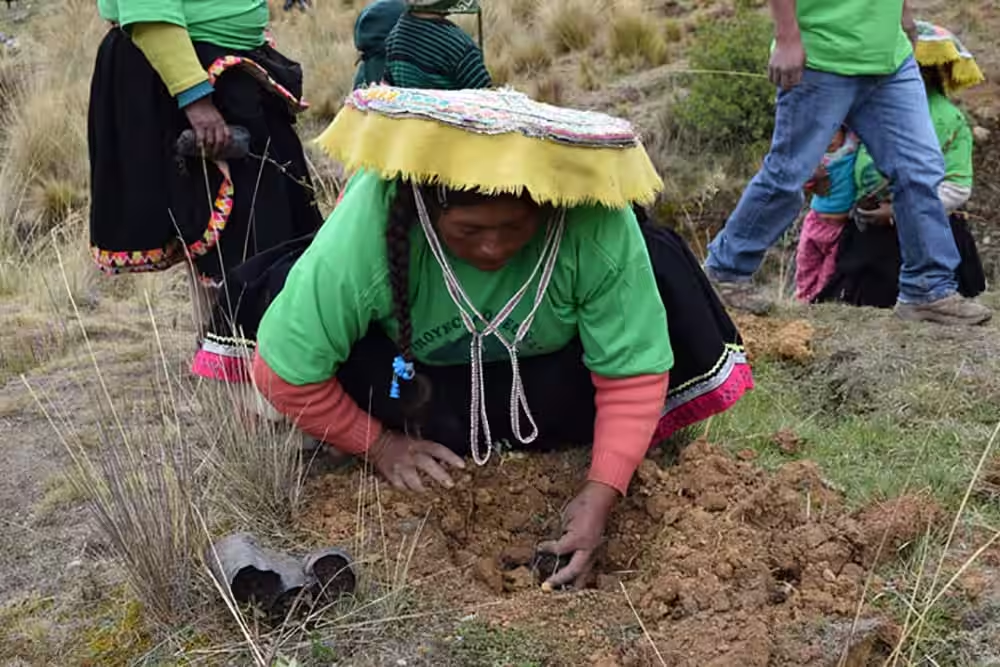
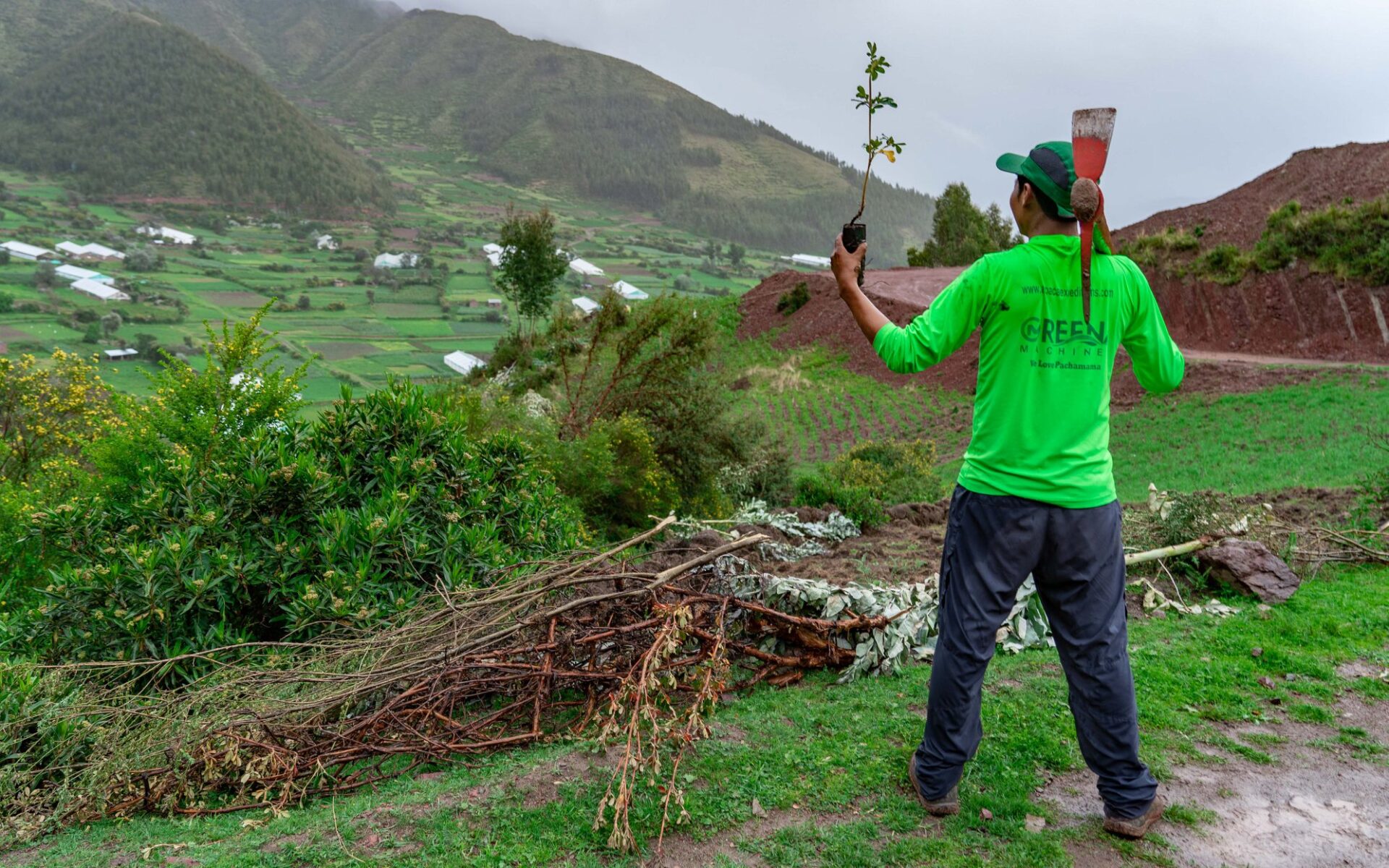
• We planted more than 3,000 native trees, Queuña (andean polylepis), in the community of Wakatinku to reforest their village. These trees are more sustainable than other varieties and eventually Will serve as fertilizer to help grow more grass for their Alpacas, which are the most common animals in this village.
• We covered the 2015 salary of a full-time teacher in the High School of Wakatinku to teach math, art and english. This teacher has done amazing work and was instrumental in helping the first class from the village reach graduation day. We are continuing this sponsorship.
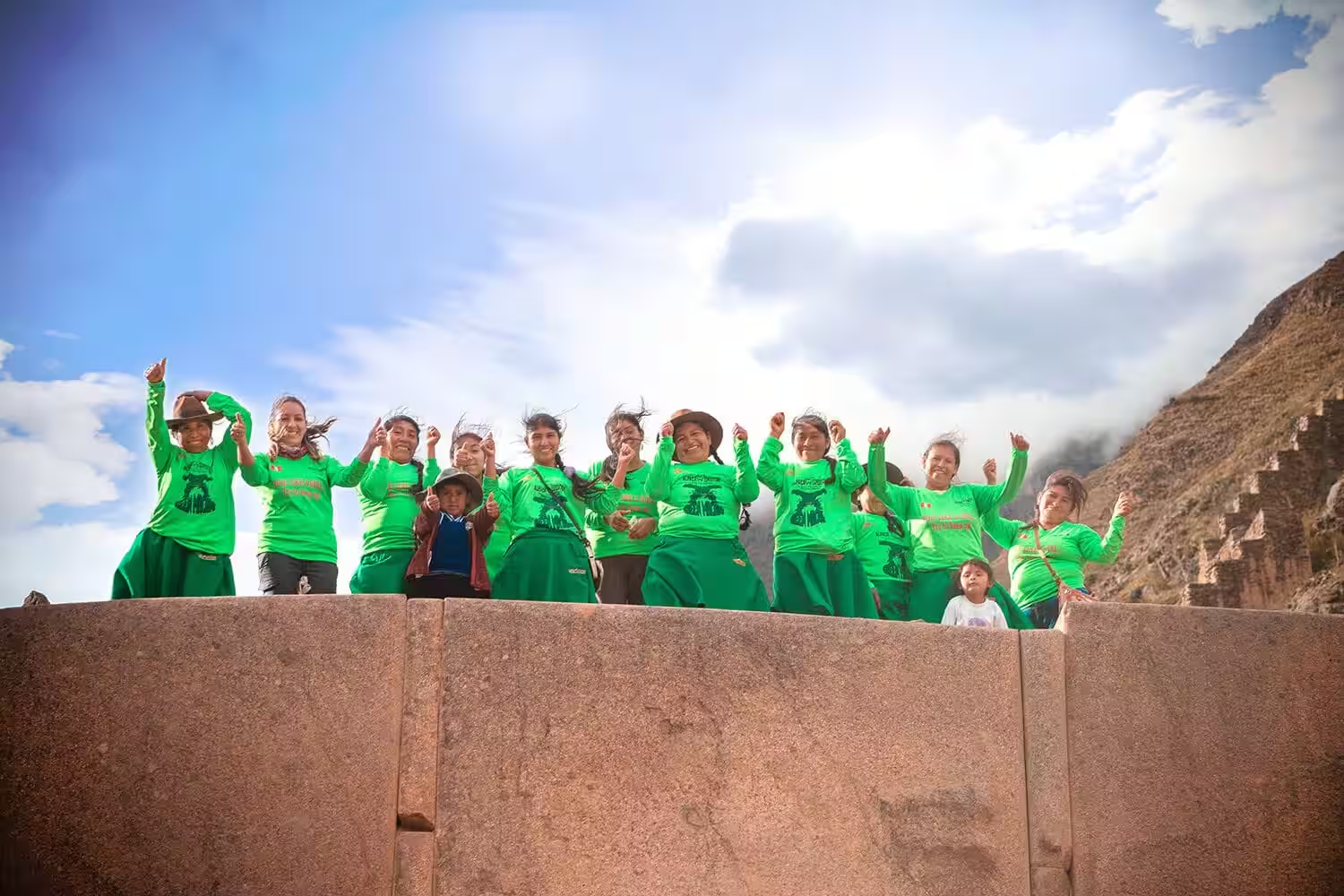
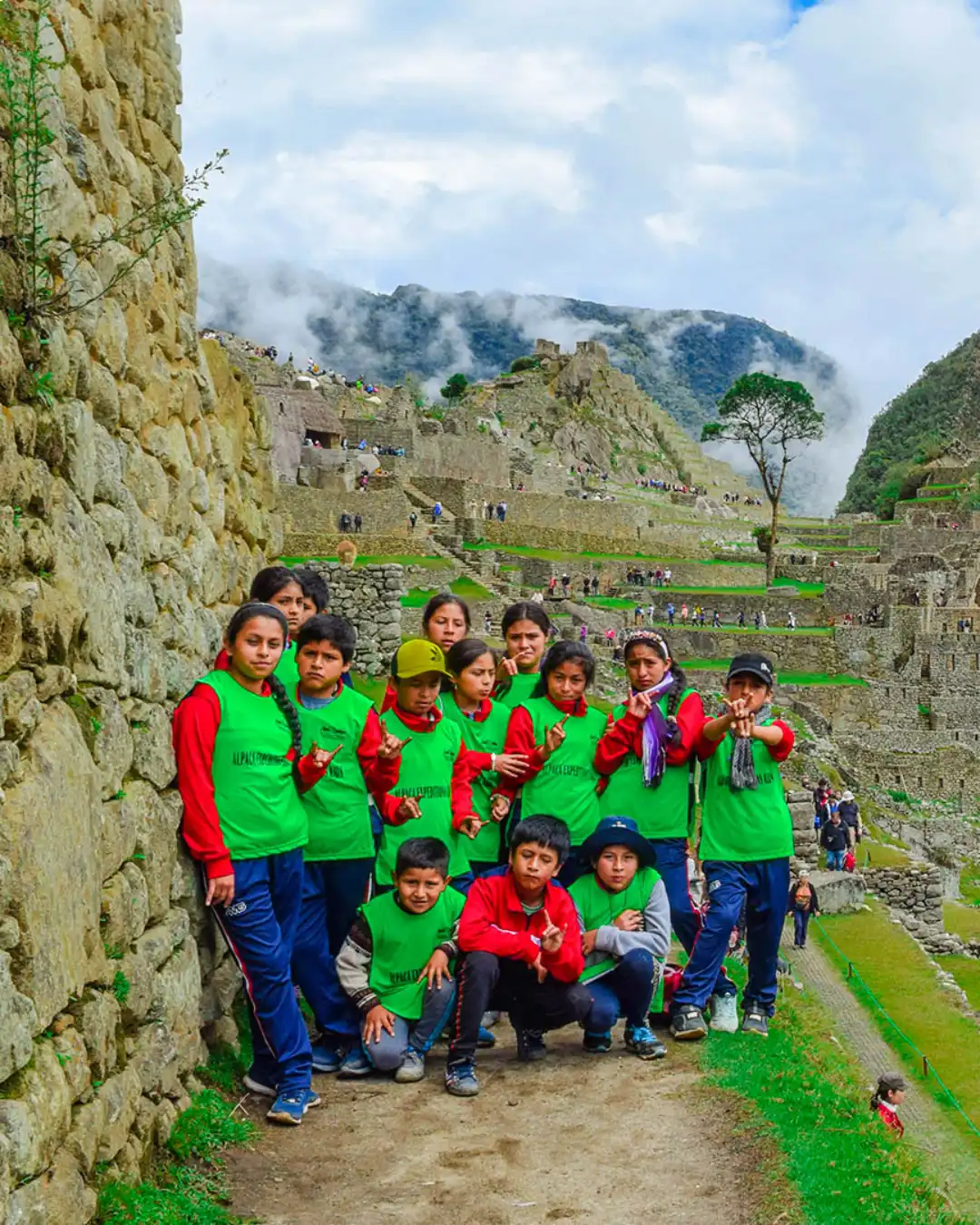
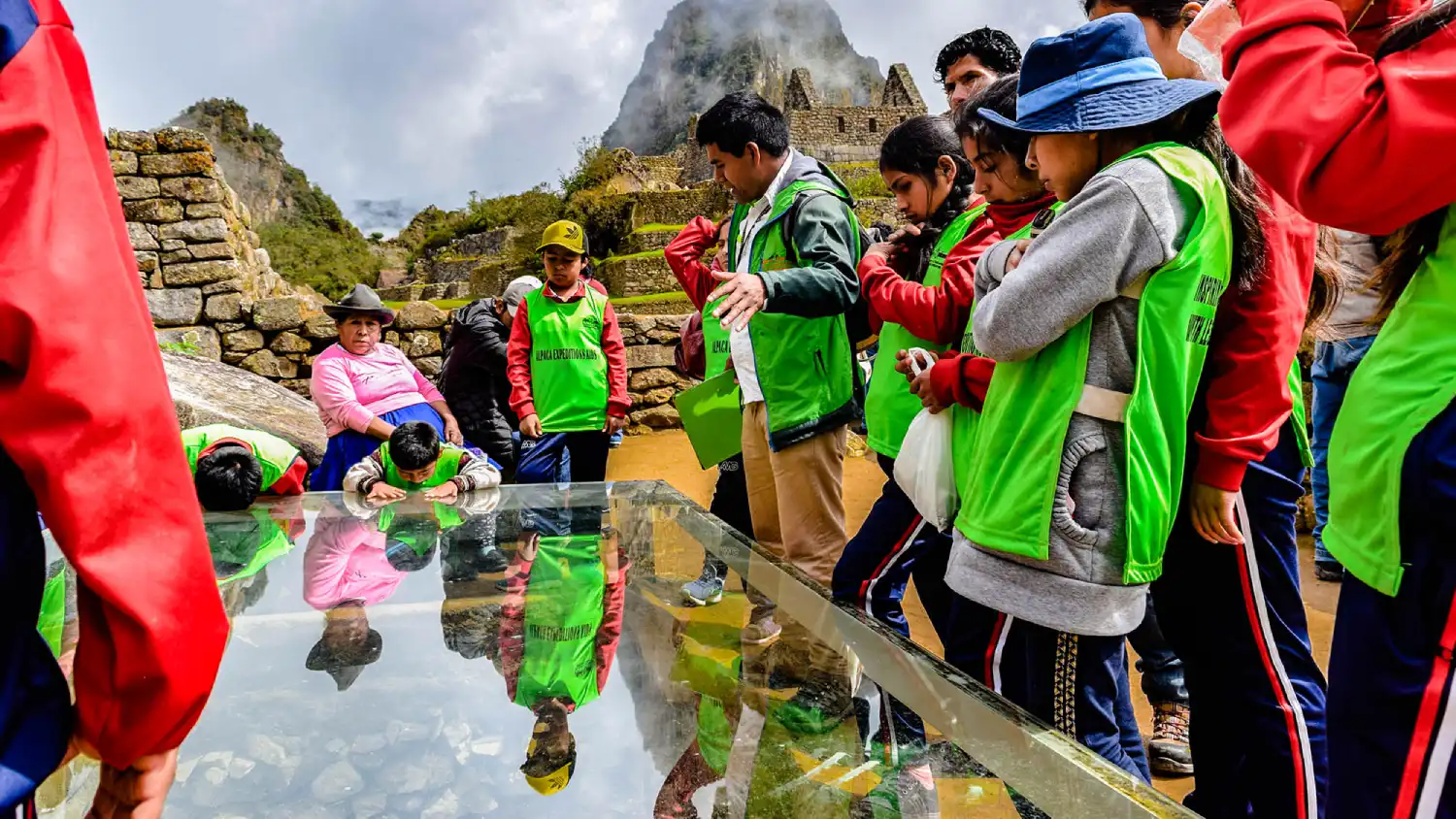
• Every February, we invite our porters and their families to come with us to visit Machu Picchu. In the past, we’ve gone with families from Wakawasi village, a community we visit on the Lares Trek. We plan on doing this trip every February with new families to help them enjoy their own history.
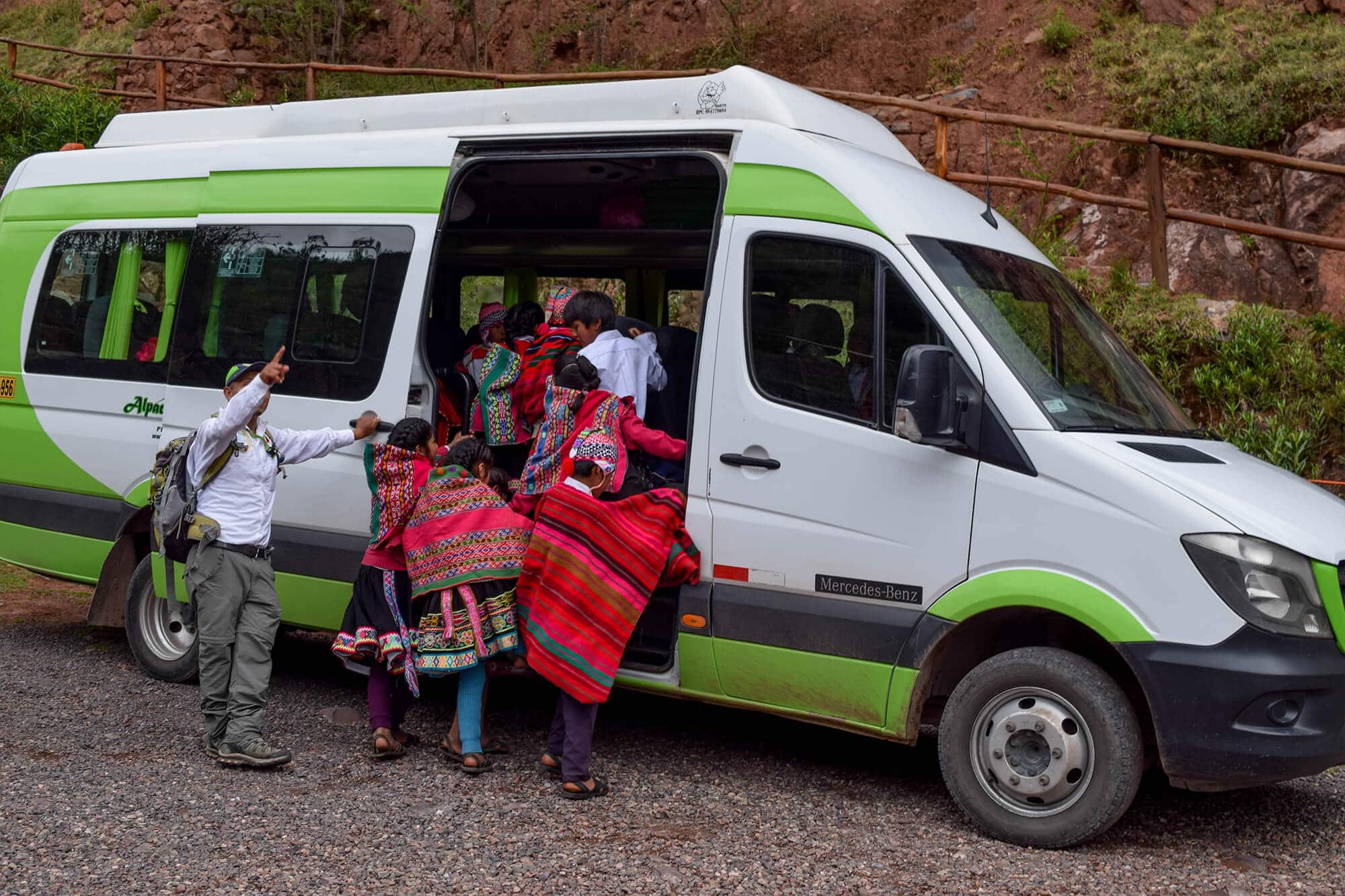
• In October 2015, we helped celebrate the end of the school year with 17 students and their parents and some of our porters for a trip through the Sacred Valley and Machu Picchu. This 2-day trip followed the same itinerary that our clients enjoy.
• Many of our clients ask how they can help. Some Alpaca Expeditions Inca Trail trekkers have raised money back at home to buy computers to donate to a local village. We matched their donation and went together to donate four computers to the school in Wakatinku village. This was their first experience on computers and has been very successful. Of course it is hard for 204 students to share four computers, so we hope to bring more in the coming years.
• To help celebrate the anniversary of Llulucha village in July 2015, we booked and provided transportation for an amazing local band, Alicia de Acomayo, to play. It was a great party for everyone to enjoy.
• We are working with a local clinic in Cusco to provide dental care and skin examinations for the children of each of our porters’ villages.
• We have recently bought land in Cusco that is currently under construction to create dormitories, classrooms and teaching kitchens for our team. This is provided to those who do not live in Cusco so they can have access to a nice, warm place to sleep before their treks. We will have English, computer, and cooking classes for any member of our team and their family to use, free of charge. This is a huge project for us that we are really excited about.
These are just a few of the projects we are working on. We are lucky enough to have the best porters in the region and we feel responsible to ensure they are healthy, strong and capable of providing their families with the best life possible.