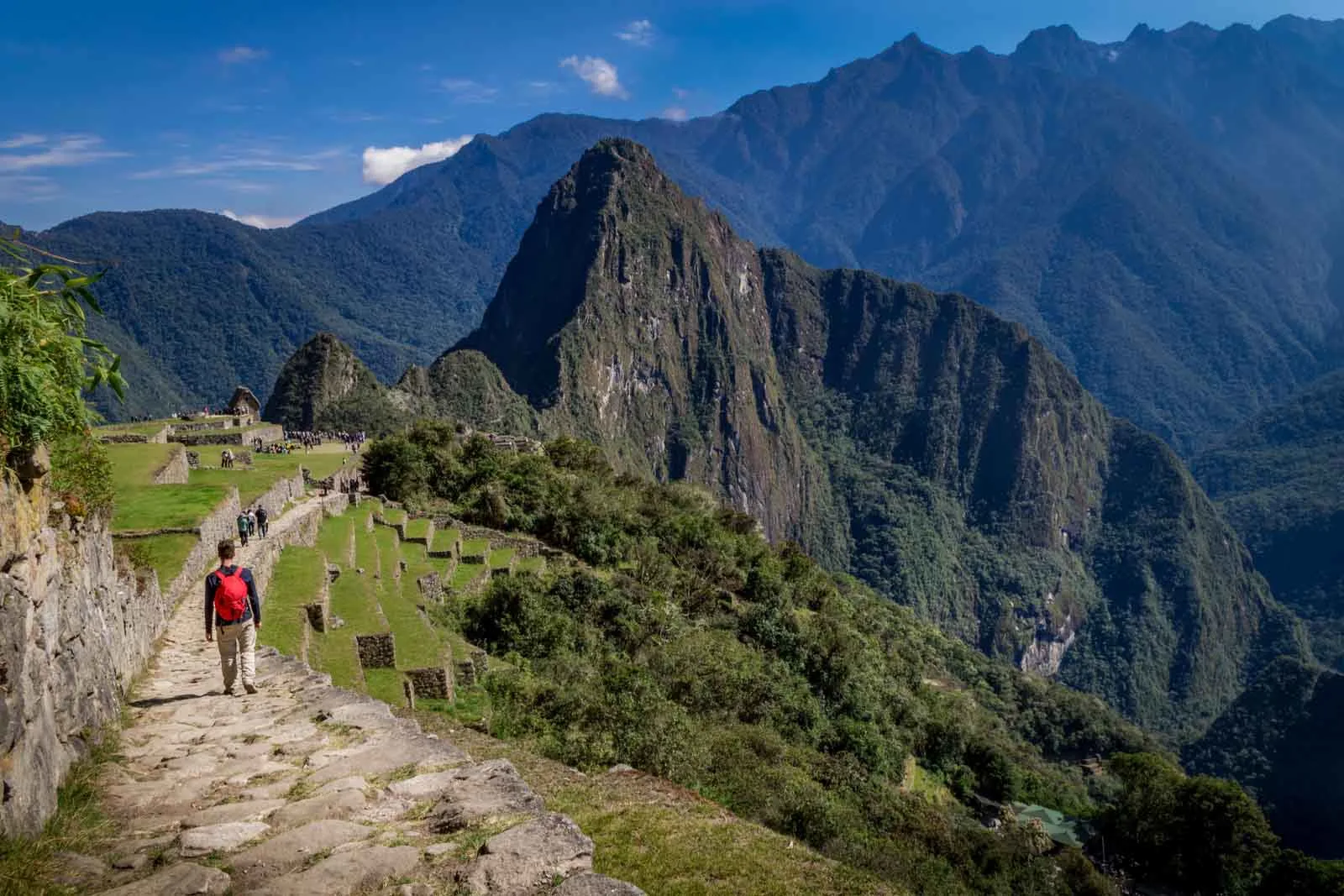
Most first-time hikers do not struggle on the Inca Trail because they are incapable of completing it. They struggle because they underestimate altitude, arrive in Cusco too late to acclimatize, train for distance but not hills and stairs, carry too much, use untested footwear, start each day too fast, or fail to prepare for rapidly changing conditions. In this blog we will address the Mistakes of First-Time Hikers.
The good news is that nearly all of these mistakes are preventable.
The Classic Inca Trail is not a technical mountaineering expedition, but it is a high-altitude, multi-day trek over steep and uneven terrain. Preparation matters more than speed. Give your body time to adjust to elevation, train for repeated climbs and descents, pack intelligently, listen to your guide, and treat the trek as a journey rather than a race.
For American travelers hiking at serious altitude for the first time, understanding these details before flying to Peru can completely change the experience.
Why First-Time Inca Trail Hikers Often Underestimate the Trek
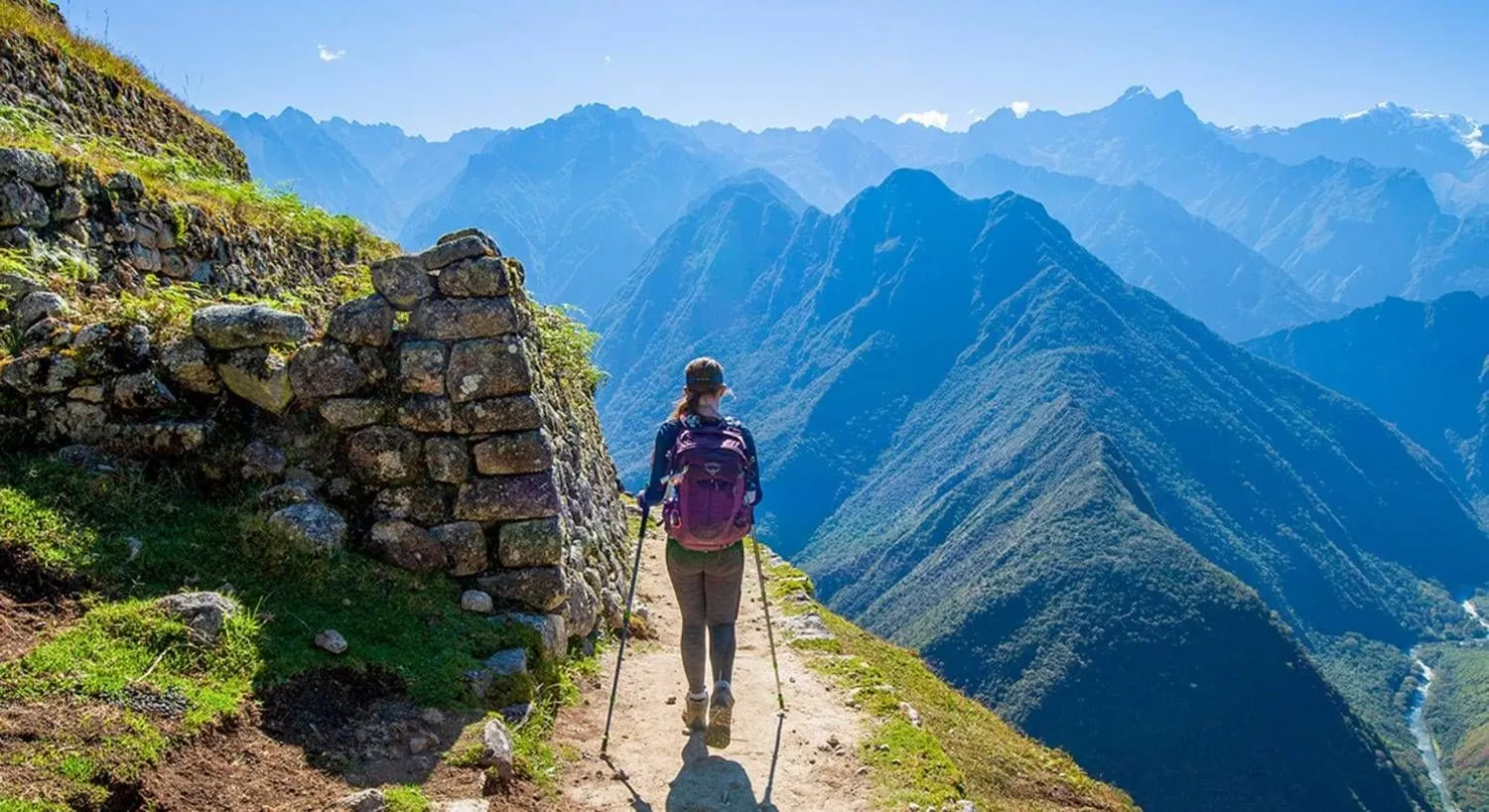
Pictures of the Inca Trail tend to show the highlights: mist-covered mountains, stone pathways, ancient ruins and the final entrance toward Machu Picchu.
Those images are real. What they do not always show is the amount of climbing required to reach them.
On Alpaca Expeditions’ Classic Inca Trail itinerary, the trail begins around 2,720 meters, or 8,923 feet, and the highest section reaches Dead Woman’s Pass at approximately 4,215 meters, or 13,829 feet. Cusco itself sits around 3,350 meters, or roughly 11,000 feet above sea level.
To put that into perspective for U.S. travelers, Cusco is already higher than many well-known mountain destinations in Colorado.
The CDC considers unacclimatized travelers sleeping at elevations of roughly 8,000 feet or higher to be at risk of altitude illness. It also emphasizes that physical fitness does not determine whether someone will develop altitude sickness. A marathon runner can feel ill at altitude while a less athletic traveler may adapt without significant problems.
That is why the smartest preparation for the Inca Trail is not simply “get fitter.”
It is preparing for the specific combination of altitude, elevation gain, stone steps, multiple hiking days and mountain weather.
Here are the mistakes that matter most.
Mistake 1: Flying Into Cusco and Starting the Trek Almost Immediately
For travelers coming from places such as New York, Miami, Dallas, Los Angeles or other low-elevation cities, arriving in Cusco is a major altitude change.
Cusco sits at roughly 3,350 meters, or 11,000 feet. The CDC identifies destinations above 2,500 meters, including Cusco, as places where travelers can be at risk of altitude illness.
One of the biggest first-time Inca Trail mistakes is planning something like this:
Monday: Fly from the U.S. to Lima[Text Wrapping Break]Tuesday: Fly from Lima to Cusco[Text Wrapping Break]Wednesday: Start the Inca Trail
That schedule leaves very little time to learn how your body responds to elevation.
What should you do instead?
Build acclimatization days into your Peru itinerary before the trek.
Alpaca Expeditions recommends arriving in the Cusco region before beginning the Inca Trail so your body has time to adapt. Their preparation guidance specifically advises using the days immediately before the hike to acclimatize in Cusco.
Your first day at altitude should not become a sightseeing marathon.
Walk gently, eat normally, rest, and pay attention to how you feel.
The CDC advises mild exercise during the first 48 hours at altitude and recommends avoiding alcohol during that period.
That may mean saying no to the celebratory pisco sours on your first night in Cusco. Machu Picchu will still be there after your body has had a chance to adjust.
Mistake 2: Assuming Being Fit Means Altitude Cannot Affect You
This mistake catches athletic travelers by surprise.
Maybe you run five miles every morning.
And maybe you have completed half-marathons.
Maybe you spend every weekend at the gym.
That fitness will certainly help your legs and cardiovascular endurance. It does not make you immune to altitude sickness.
According to the CDC Yellow Book, training and physical fitness do not determine a person’s susceptibility to altitude illness. Prior response to similar altitude is more useful, although even that cannot perfectly predict what will happen on a future trip.
What does altitude sickness feel like?
Acute mountain sickness, or AMS, commonly involves headache along with symptoms such as:
- Fatigue
- Dizziness
- Loss of appetite
- Nausea
- Occasionally vomiting
Symptoms often appear within several hours of arriving at a new altitude or after sleeping there for the first time.
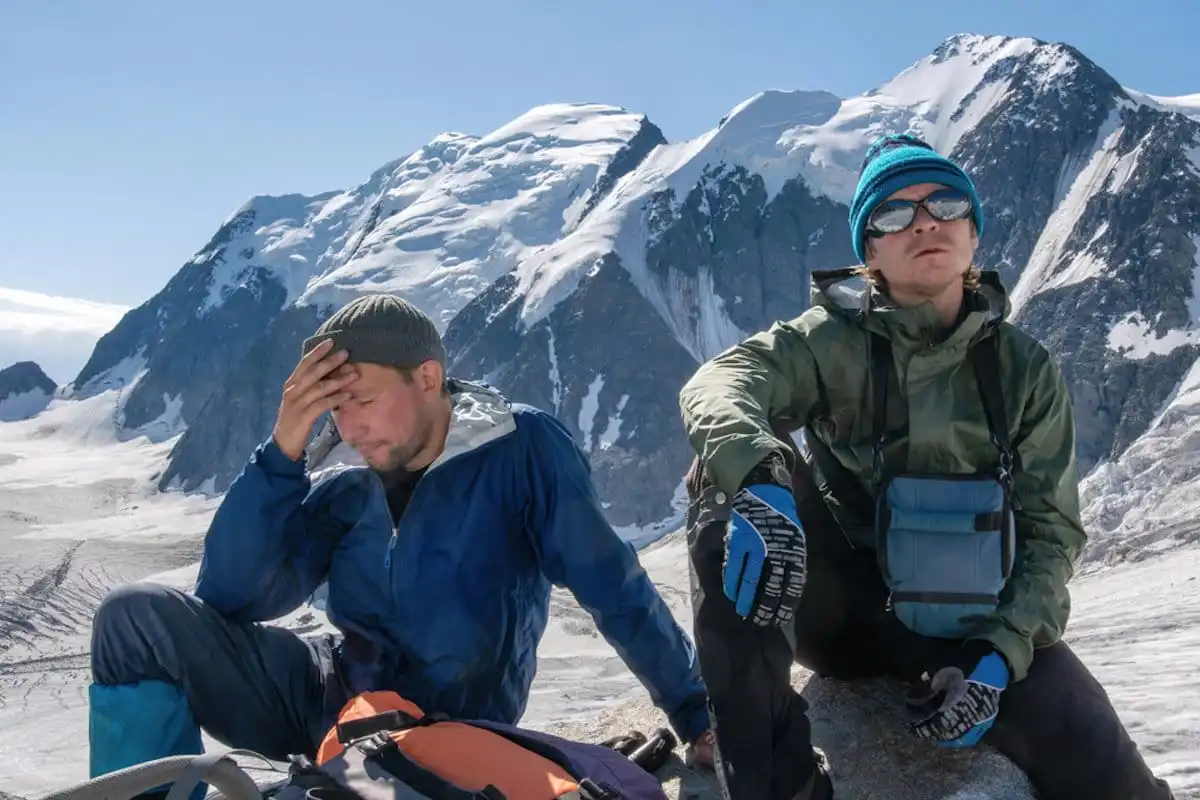
Feeling winded while hiking uphill at 13,000 feet is not automatically altitude sickness. But a worsening headache combined with nausea, dizziness and unusual fatigue deserves attention.
The wrong reaction is:
“I’m fit. I’ll just push through.”
The smarter reaction is:
“Something feels different. I’ll tell my guide.”
On a high-altitude trek, being honest about how you feel is a strength, not a weakness.
Mistake 3: Training for Miles but Not for Elevation
Walking six flat miles around your neighborhood is useful preparation.
It is not the same as hiking six miles over steep stone stairs in the Andes.
The Inca Trail repeatedly gains and loses elevation. Some sections involve long climbs. Other sections involve extended descents over stone steps of different heights.
That means your training needs four things:
Cardiovascular endurance: for sustained hiking.
Leg strength: especially glutes, quads and calves.
Descending strength: especially eccentric strength in the quadriceps.
Back-to-back endurance: because finishing one difficult hiking day does not end the trek.
A better training approach
Several months before your trip, begin walking or hiking regularly.
Gradually add:
- Hills
- Stair climbing
- Incline treadmill sessions
- Longer weekend walks
- Strength training
- Hiking with your actual daypack
- Consecutive active days
You do not need to become an ultramarathon runner.
You need to make several hours of walking feel familiar.
Alpaca Expeditions recommends incorporating regular hiking well before departure rather than waiting until the final few weeks.
Do not forget downhill training
People often obsess over Dead Woman’s Pass and forget what comes afterward.
Descending hundreds of uneven steps can be tough on tired legs and knees.
Practice going down stairs and hills under control rather than always choosing the elevator after your uphill workout.
Mistake 4: Trying to Win the First Climb
There is no prize for being the first person from your group to reach camp.
One of the classic beginner mistakes is walking too quickly when everyone feels fresh.
The first hour goes well.
Then the trail begins climbing.
Instead of slowing down, the hiker keeps the same pace because everyone else seems comfortable.
By lunch, the legs are tired.
By afternoon, every step feels harder.
At altitude, sustainable pacing matters.
Find a pace you could maintain for hours
Take shorter steps on climbs.
Keep your breathing controlled.
Pause when you need to.
Do not feel pressure to match the fastest member of the group.
Experienced guides understand that hikers move differently. The goal is to arrive with enough energy to enjoy the archaeological sites, landscapes, camp and following day’s trek.
Dead Woman’s Pass is not a finish line.
Machu Picchu is still ahead.
Mistake 5: Wearing Brand-New Hiking Boots
New boots may look great in Cusco.
Your feet may have a different opinion after several hours of hiking.
The Inca Trail includes uneven surfaces, long climbs and extensive stone steps. Alpaca Expeditions recommends lightweight hiking boots and specifically advises breaking new footwear in before the trek.
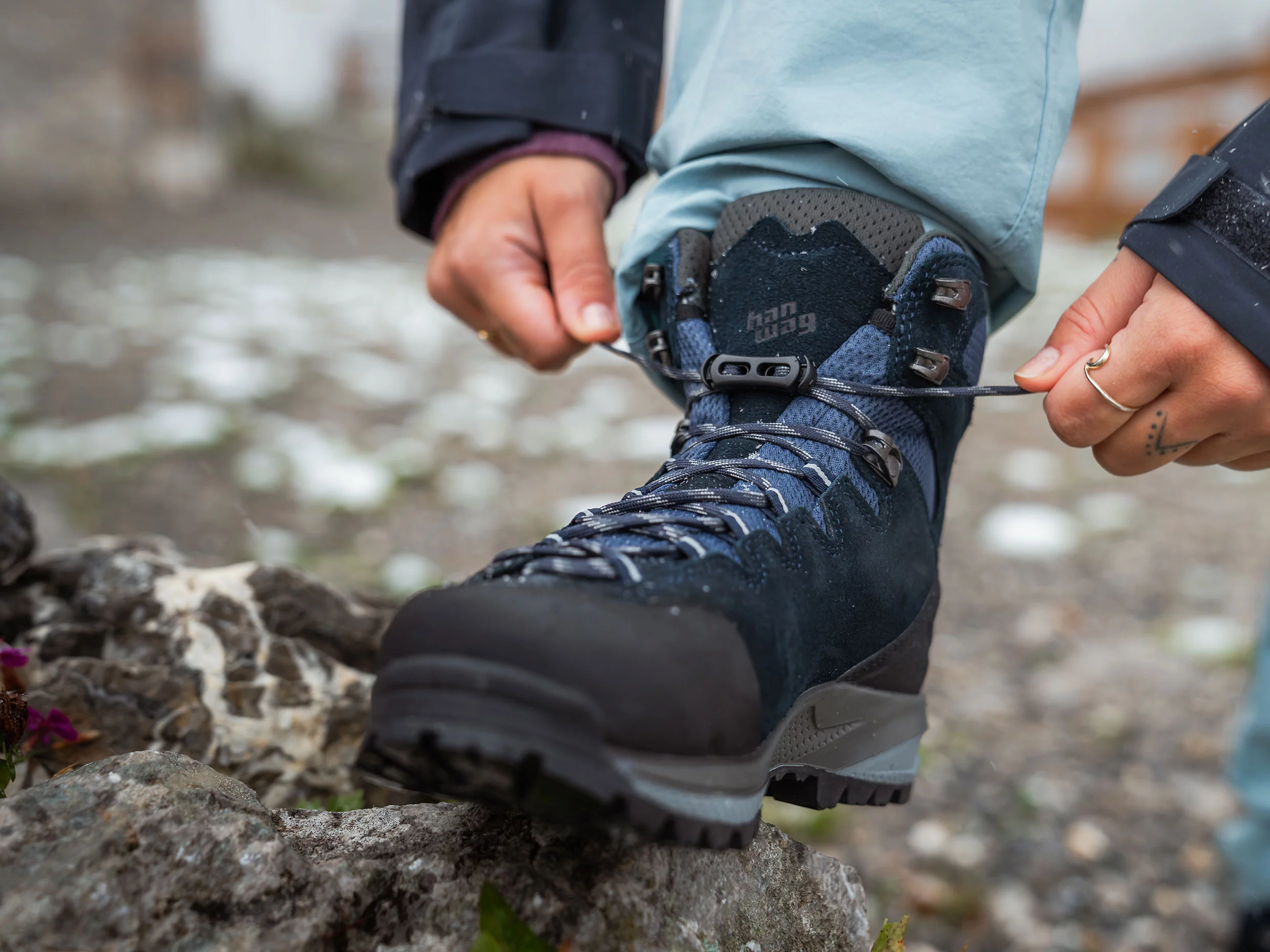
A boot that feels perfect in a store for ten minutes may rub against your heel after two hours.
That small hot spot can become a blister.
The blister changes how you walk.
That altered movement can lead to more discomfort.
Break your footwear in at home
Wear your trekking footwear on:
- Neighborhood walks
- Stair workouts
- Weekend hikes
- Longer training days
- Wet-weather walks when possible
Use the socks you intend to wear in Peru.
Your Inca Trail should not be the first time your feet meet your boots.
What about trail runners?
Some experienced hikers prefer trail-running shoes.
Others appreciate the ankle support and protection of hiking boots, especially on uneven stone.
There is no single shoe that works for everyone.
The important questions are:
Does it fit properly?
Does it provide reliable traction?
Have you tested it extensively?
Can you walk downhill comfortably in it?
If yes, you are already ahead of many first-time hikers.
Mistake 6: Carrying Far Too Much in Your Daypack
At sea level, an extra jacket, huge camera lens, second pair of shoes and three pounds of “just in case” items might not seem significant.
Halfway up a mountain pass, every unnecessary pound becomes more noticeable.
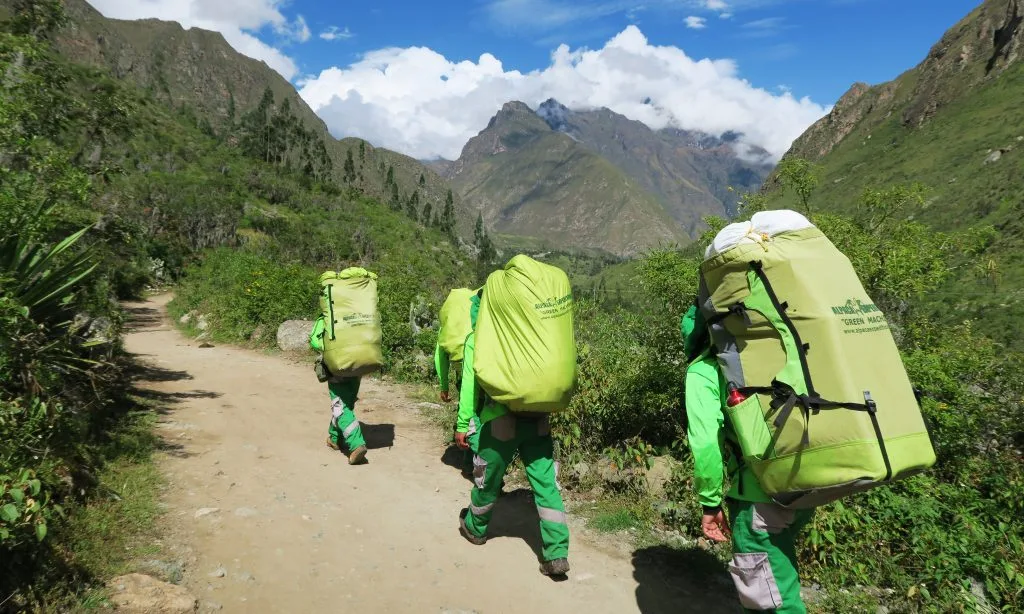
Alpaca Expeditions’ Classic Inca Trail service includes porter support for designated personal belongings, meaning hikers do not need to carry everything they brought to Peru on their backs.
Your daypack should contain what you genuinely need during the hiking day.
Typical items include:
- Water
- Rain protection
- Warm layer
- Sun protection
- Personal medications
- Small snacks
- Toilet paper
- Hand sanitizer
- Camera or phone
- Power bank
- Passport where required
- Basic blister care
Alpaca’s packing guidance notes that your duffel is generally accessed at camp rather than throughout the hiking day, so anything you may need while walking belongs in your daypack.
Ask yourself one question while packing
Will I realistically use this during the hike today?
If the answer is no, it probably does not belong on your back.
Mistake 7: Packing for One Kind of Weather
Weather in the Andes can change quickly.
Your morning may feel cold.
A climb in direct sunlight can feel hot.
Clouds can arrive.
Rain can appear.
Temperatures may fall again when the sun disappears.
That is why experienced hikers think in layers, not one heavy outfit.
Alpaca Expeditions’ trekking packing guidance recommends layers and notes that conditions vary with elevation and time of day. Its current packing information describes the Cusco region in terms of a wetter season and a drier season, while still emphasizing that trekkers should prepare for changing conditions.
A practical layering system
Start with a moisture-managing base layer.
Add an insulating layer when needed.
Keep rain protection accessible.
Carry a warmer layer for cold periods.
Bring a hat and sun protection.
Avoid burying your rain jacket at the bottom of your backpack under six other items. Weather does not wait while you unpack.
“Dry season” does not mean “guaranteed dry”
Mountain weather does not obey your vacation itinerary.
Rain protection belongs in your pack even when the forecast looks promising.
Mistake 8: Ignoring Sun Exposure Because the Air Feels Cool
This one surprises hikers from the U.S.
A cool breeze can make the sun feel harmless.
It is not.
High-altitude environments expose travelers to increased ultraviolet radiation, which the CDC lists among the environmental factors associated with high elevations.
You may spend hours outdoors with limited shade.
Cloud cover does not mean sun protection is unnecessary.
Bring:
- Broad-spectrum sunscreen
- Sunglasses
- A brimmed hat or cap
- Lip protection with SPF
- Lightweight coverage for exposed skin
Apply sunscreen before you feel your skin burning.
Sunburn is an unnecessary addition to already tired hiking legs.

Mistake 9: Treating Hydration Like a Competition
Yes, drinking water is important.
No, you do not need to force enormous amounts of water into your body simply because you are at altitude.
Drink regularly according to your needs and activity level.
Remember that headaches, fatigue and nausea can have several possible causes on a trek, including altitude illness, dehydration, exhaustion and other medical problems. The CDC specifically notes that altitude symptoms can overlap with other conditions, making self-diagnosis unreliable.
That is another reason to communicate with your guide rather than deciding that every headache means “I need more water.”
Alpaca Expeditions states that it supplies treated drinking water during its Classic Inca Trail trekking service, with hikers responsible for having water available for the initial portion before the first refill. Check the instructions for your specific departure because operational details can change.
Bring a reusable bottle or hydration reservoir and make drinking easy while hiking.
Mistake 10: Ignoring a Headache or Nausea Because You Do Not Want to Slow the Group
Nobody wants to be “the person holding everyone up.”
That mindset can become dangerous in the mountains.
Mild symptoms may have a simple explanation. They may also be early signs that your body is struggling with altitude.
You are not expected to diagnose yourself.
Tell your guide.
Know the altitude warning signs
Acute mountain sickness can involve headache, fatigue, dizziness, reduced appetite, nausea and vomiting.
More serious altitude illnesses are uncommon but require urgent attention.
High-altitude cerebral edema, or HACE, can involve confusion, severe drowsiness and loss of coordination.
High-altitude pulmonary edema, or HAPE, can progress to unusual shortness of breath, including breathing difficulty at rest, chest symptoms and severe exercise intolerance.
The CDC advises that a person with worsening altitude illness should not keep ascending and that worsening symptoms despite rest or treatment can require descent.
Do not hide symptoms so that you can stay on schedule.
The mountain does not care about your itinerary.
Your health comes first.
Travelers with significant preexisting heart, lung or other medical conditions should discuss high-altitude travel with an appropriate medical professional before departure.
Mistake 11: Assuming Trekking Poles Are Only for Older Hikers
Trekking poles are not a sign that you cannot hike.
They are tools.
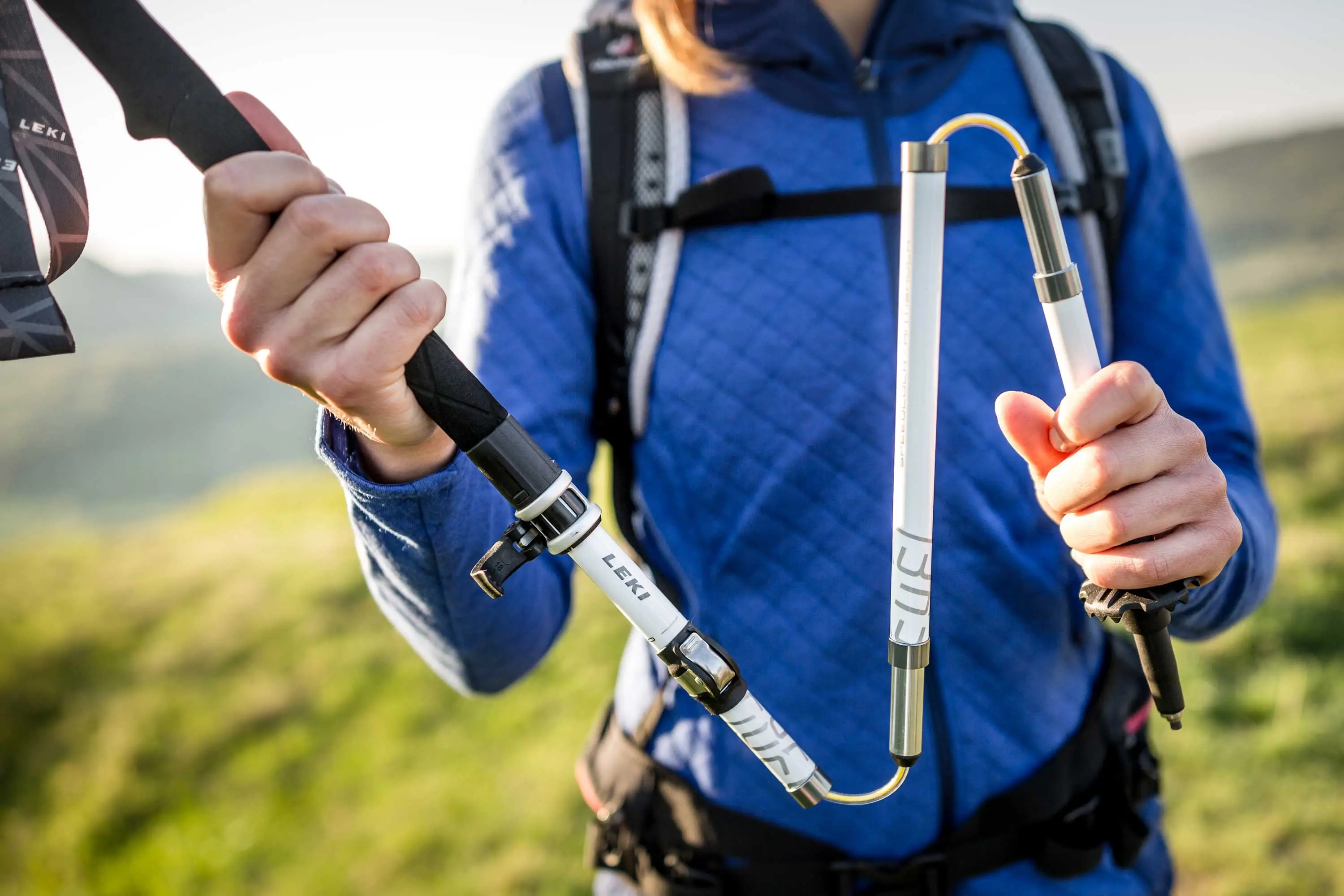
The Inca Trail contains numerous uneven stone steps. Poles can improve balance and reduce some of the strain hikers feel during repeated climbs and descents.
Alpaca Expeditions recommends walking poles for the trail and notes an important rule: poles used on the Inca Trail need protective rubber tips rather than exposed metal tips.
Practice before Peru
Do not wait until Day 2 to figure out pole length and hand placement.
Use your poles during training hikes.
Practice:
- Climbing stairs
- Descending
- Adjusting pole length
- Collapsing and attaching them to your pack
- Walking without tripping yourself
By the time you reach the Andes, using them should feel natural.
Mistake 12: Forgetting That Downhill Can Be Harder Than Uphill
Ask first-time hikers what they fear most and many will say:
“Dead Woman’s Pass.”
That is understandable.
The high point of the trail sits at roughly 4,215 meters, or 13,829 feet, and reaching it requires a serious climb.
But hikers are often surprised by the descent.
Long downhill sections stress muscles differently than climbing.
Uneven steps require concentration.
Wet stone can demand even more care.
How to descend better
Slow down.
Take controlled steps.
Use trekking poles when helpful.
Keep enough distance between yourself and the person ahead.
Do not jump from step to step to save time.
Let faster hikers pass safely.
Your knees will appreciate patience.
Mistake 13: Forgetting the Passport and Permit Details Until the Last Minute
This is a mistake fitness cannot fix.
Access to the regulated Inca Trail is controlled, and permits are tied to individual travelers.
For 2026, Alpaca Expeditions’ updated permit guidance explains that official permits are limited and can sell out quickly, particularly for popular trekking periods.
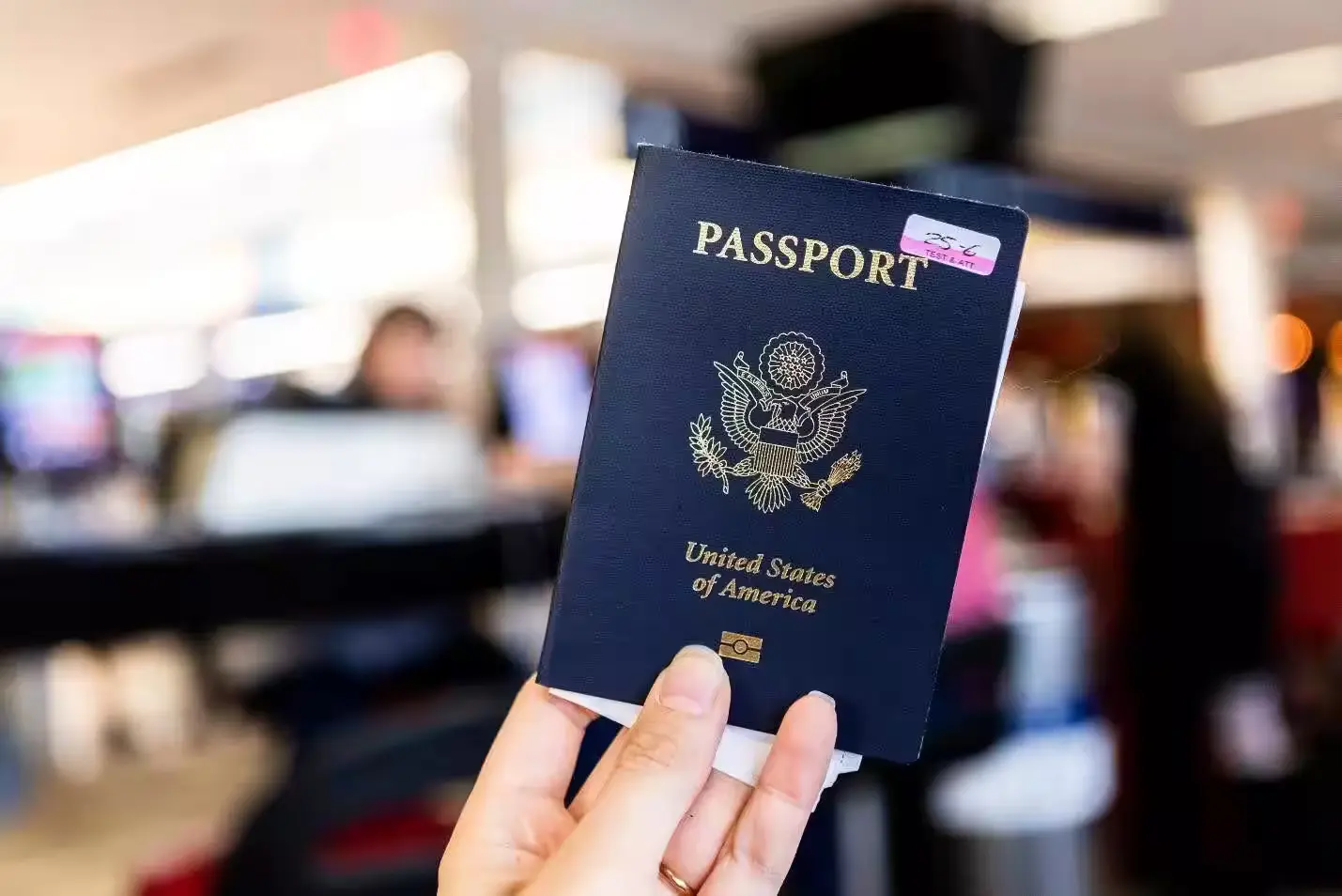
Alpaca’s booking terms also require traveler information to match passport details and explain the documentation procedures when a passport has been renewed after booking.
Before leaving the United States, check:
- The name on your booking
- Passport number
- Passport validity
- Any passport renewal updates
- Trek confirmation
- Travel insurance information
- Required documents communicated by your operator
Do not discover at a checkpoint that your documentation does not match your reservation.
Permit rules are one reason the Inca Trail is different from deciding to hike a U.S. state park on Saturday morning.
Plan ahead.
Mistake 14: Trying to Book the Classic Inca Trail at the Last Minute
You can book a hotel in Cusco at the last minute.
You cannot assume you can do the same with an Inca Trail permit.
Peruvian authorities regulate access to the trail, and travelers must enter through the regulated system rather than hiking independently.
Alpaca Expeditions advises travelers to reserve well in advance, with the most popular periods often requiring months of planning.
February is also different
The Inca Trail network closes during February for annual conservation and maintenance.
For 2026, Peru’s National Service of Natural Areas Protected by the State confirmed that access was suspended throughout February and reopened March 1.
Machu Picchu itself should not be confused with the Inca Trail closure. Travelers can visit the region through other arrangements while the trekking routes affected by the closure are unavailable.
The lesson is simple:
Choose your trekking dates before you build the rest of your Peru vacation around them.
Mistake 15: Assuming You Need a Luxury Hiking Setup
Walk into a U.S. outdoor store before your trip and you could easily spend thousands of dollars.
You do not need to.
Comfort and reliability matter.
Prestige does not.
A $400 jacket will not compensate for boots that give you blisters.
A $500 backpack will not help if it does not fit properly.
Focus your spending on essentials:
- Well-tested footwear
- Good socks
- Rain protection
- Comfortable layers
- Sun protection
- A properly fitted daypack
- Personal medications and necessities
Renting certain equipment at your destination may also make more sense than flying with gear you will use once.
Check what your trek already includes before buying anything.
Mistake 16: Forgetting to Train With Your Actual Backpack
You trained.
And you walked.
You climbed stairs.
Then you arrive in Peru and put a loaded backpack on for the first time.
Suddenly your shoulders hurt.
The straps rub your neck.
The pack moves when you descend.
That is preventable.
During the final weeks of training, use the backpack you plan to hike with.
Load it realistically.
Carry:
- Water
- Rain jacket
- Warm layer
- Snacks
- Sunscreen
- Personal essentials
Learn how the hip belt sits.
Learn where everything goes.
Know how to access your water without removing half the contents.
Small efficiencies matter when you repeat them dozens of times over several days.
Mistake 17: Bringing Cotton for Everything
Cotton may be comfortable while walking around your hometown.
It is less useful when you sweat, get caught in rain, or need clothing to dry quickly.
For active hiking, moisture-managing synthetic fabrics or suitable wool layers are usually more practical.
Alpaca Expeditions’ current packing list recommends quick-drying trekking shirts and emphasizes breathable layering for changing trail conditions.
You do not need an entirely new wardrobe.
Just make sure the clothing next to your skin and the layers you depend on most can handle sweat and changing temperatures.
Dry clothes are happier clothes.
Mistake 18: Eating Very Little Because Altitude Has Reduced Your Appetite
Altitude can affect appetite.
So can nerves.
That does not mean hiking all day on half a granola bar is a good strategy.
Multi-day trekking requires energy.
Eat breakfast.
And eat lunch.
Eat dinner.
Use snacks between meals when useful.
Do not suddenly experiment with unfamiliar sports supplements simply because someone on YouTube called them essential.
Bring a few familiar snacks from home if you know your stomach tolerates them well.
And tell your guide if persistent nausea or loss of appetite accompanies other altitude symptoms.
Mistake 19: Celebrating Too Hard in Cusco the Night Before the Trek
You made it to Peru.
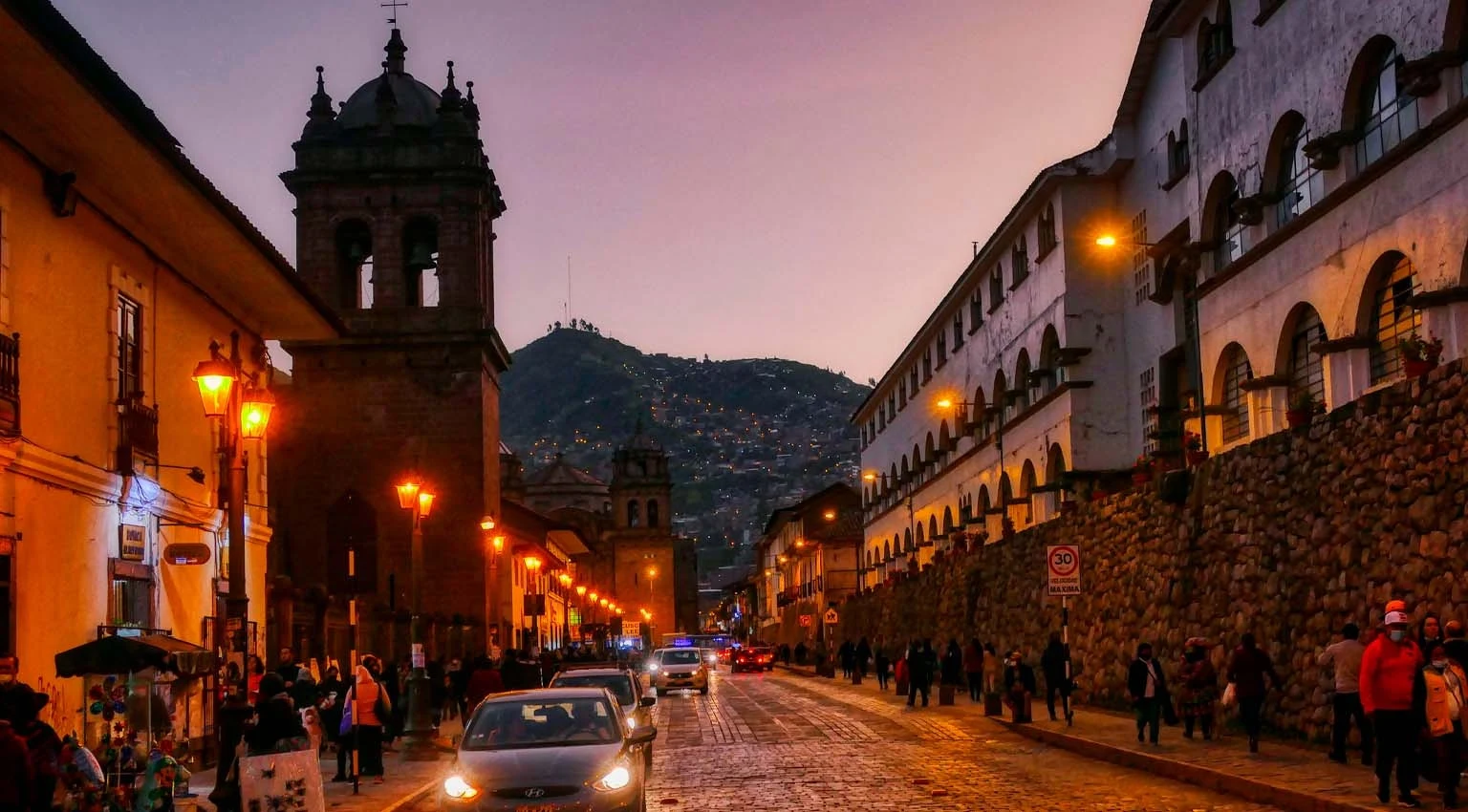
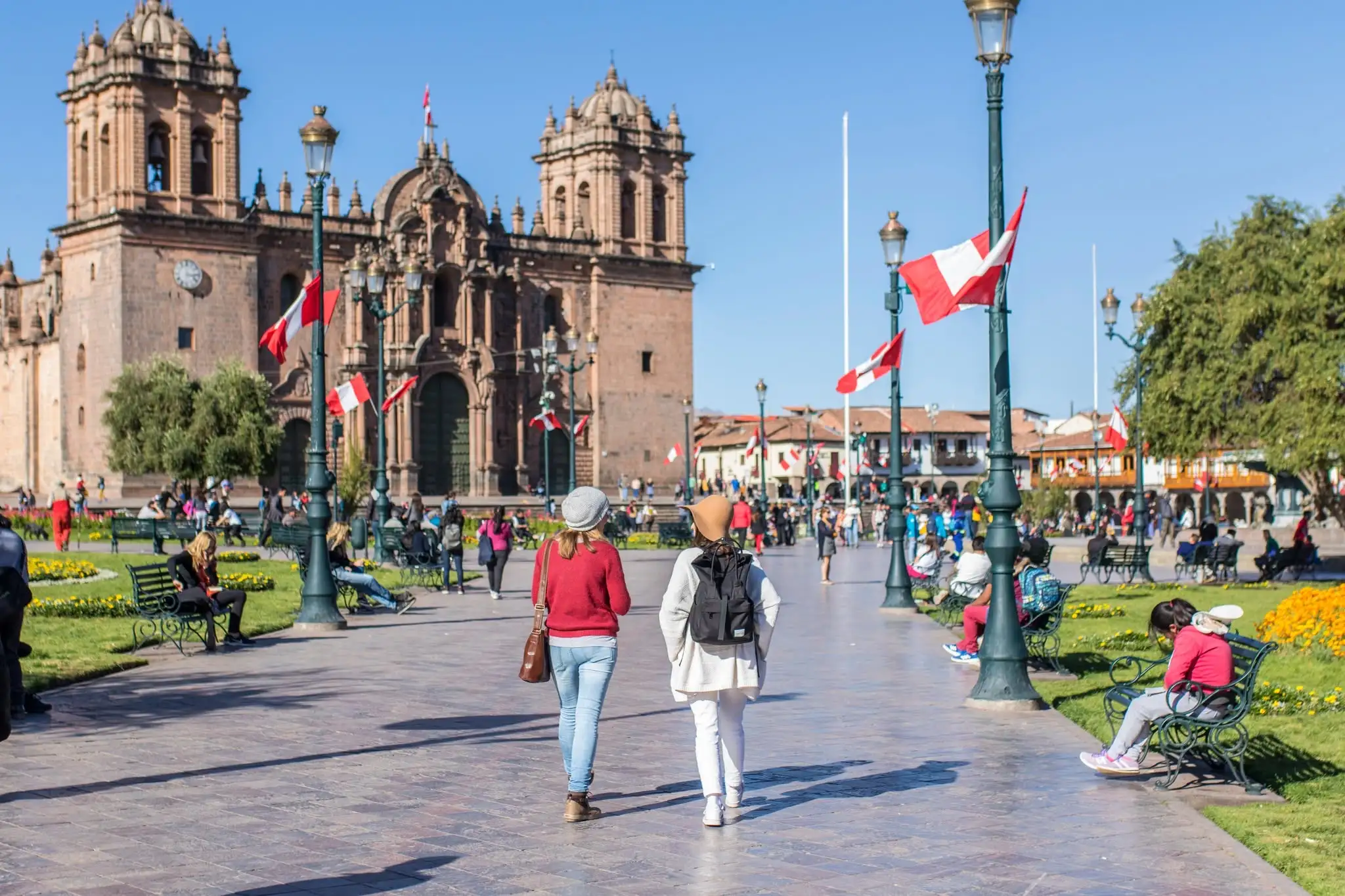
The plaza looks beautiful.
The bars are open.
Your trek starts tomorrow.
This is not the ideal night to discover how many pisco sours you can handle at 11,000 feet.
Alcohol can interfere with the sensible acclimatization strategy you have spent months planning. The CDC advises avoiding alcohol during the first 48 hours after arriving at altitude.
Before the trek, prioritize:
- Sleep
- Food
- Hydration
- Final packing
- Your pre-trek briefing
- A calm evening
Celebrate after the adventure.
Mistake 20: Arriving Without Travel Insurance
Most travelers expect the trek to go smoothly.
Usually it does.
Travel planning should still account for the unexpected.
Illness can happen.
Flights can change.
A medical issue can interrupt a trip.
Weather can affect plans.
Remote-area medical assistance or evacuation can be expensive.
Alpaca Expeditions recommends travel insurance in its booking information and notes that travelers remain responsible for evacuation-related costs when evacuation is required.
Before buying a policy in the United States, read the details carefully.
Confirm whether the policy covers:
- Your planned trekking elevation
- Hiking activities
- Emergency medical treatment
- Emergency evacuation
- Trip interruption
- Cancellation circumstances relevant to you
Do not assume every standard travel policy covers every adventure activity.
Mistake 21: Expecting the Inca Trail to Feel Like a Continuous Wilderness Hike
The Inca Trail is not just a route from Point A to Point B.
It is a historical journey through archaeological sites, mountain ecosystems and centuries-old infrastructure.
If your entire focus becomes miles, pace and heart rate, you miss much of what makes this route different from an ordinary hiking vacation.
Stop.
Look around.
Listen to your guide.
Learn why the ruins are where they are.
Notice how the environment changes as you move through different elevations.
Take photographs, but occasionally put the phone away.
You spent a long time getting to Peru.
Experience where you are.
Mistake 22: Comparing Yourself With Everyone Else
A 27-year-old runner may climb faster than a 60-year-old first-time trekker.
Someone who lives in Colorado may feel different from someone who flew in from Florida.
Someone may love climbing and hate descending.
Another person may be the opposite.
None of that determines who “deserves” to finish the trail.
High-altitude trekking is deeply individual.
Your successful pace is the pace that allows you to move safely and consistently while enjoying the experience.
Do not burn your energy proving something on Day 1.
You have several days ahead.
Mistake 23: Treating the Guide Like a Tour Narrator Instead of a Safety Resource
Your guide is not simply there to identify ruins and take group photos.
During a trek, the guiding team is your primary point of communication when something does not feel right.
Alpaca Expeditions states that its trekking guides carry first-aid equipment and safety resources for its Inca Trail groups.
That makes communication important.
Tell your guide about:
- Unusual headaches
- Significant nausea
- Dizziness
- Breathing that feels abnormal
- Knee or ankle pain
- Blisters
- Feeling unusually weak
- Problems eating or drinking
- Medication or medical concerns relevant to the hike
Do not wait until a manageable problem becomes a major one.
Mistake 24: Thinking Machu Picchu Is the Highest Part of the Trip
For many U.S. travelers, “Machu Picchu” and “high altitude” become interchangeable.
But Machu Picchu is substantially lower than the highest portions of the Classic Inca Trail.
Machu Picchu sits at roughly 2,430 meters, or about 8,000 feet, while Dead Woman’s Pass reaches approximately 4,215 meters, or about 13,829 feet. Cusco is also higher than Machu Picchu.
This matters when planning acclimatization.
Looking only at the elevation of Machu Picchu does not tell you what your body will experience during the trek.
Your preparation needs to reflect the trail, not just the destination.
Mistake 25: Planning Every Minute of Your Peru Vacation With No Buffer
A packed itinerary looks efficient on a spreadsheet.
It can feel very different after an overnight flight.
Imagine:
U.S. flight.
Connection.
Lima.
Cusco.
Full-day tour.
Inca Trail.
Machu Picchu.
Flight home.
No rest days.
And no flexibility.
No room for jet lag, altitude adjustment, or unexpected changes.
Give yourself breathing room.
A free afternoon in Cusco is not wasted vacation time.
It may be exactly what lets you enjoy the four days you traveled thousands of miles to experience.
The Biggest Inca Trail Mistakes at a Glance
| Mistake | Why It Creates Problems | Better Approach |
| Arriving in Cusco immediately before the trek | Little acclimatization time | Arrive early and adjust gradually |
| Assuming fitness prevents altitude sickness | Fitness does not determine susceptibility | Learn symptoms and monitor how you feel |
| Training only on flat terrain | Trail involves major climbing and descending | Train hills, stairs and consecutive days |
| Starting too fast | Burns energy early | Maintain a sustainable pace |
| Wearing new boots | Increased blister and comfort risk | Break footwear in before Peru |
| Overpacking | Extra effort at altitude | Carry only daily essentials |
| Packing for one weather condition | Mountain conditions change | Use layers and rain protection |
| Ignoring sun exposure | UV exposure is stronger at altitude | Use sunscreen, hat and sunglasses |
| Hiding symptoms | Problems may worsen | Tell your guide early |
| Skipping trekking poles without considering them | Descents can be demanding | Consider poles with permitted tips |
| Booking late | Permits are limited | Reserve well ahead |
| Ignoring passport details | Permit information must match | Verify documents early |
| No insurance | Unexpected medical costs can be substantial | Check trekking and evacuation coverage |
| Treating the trek as a race | Reduces enjoyment and increases fatigue | Walk your own pace |
How Should First-Time Hikers Prepare for the Inca Trail?
Think of preparation in stages rather than leaving everything until the month before departure.
Three to six months before
Confirm trekking dates.
Begin regular walking.
Add hills and stairs.
Strengthen your legs.
Research appropriate travel insurance.
Check your passport.
Start wearing the footwear you plan to use.
If you have medical concerns, discuss high-altitude travel with your healthcare professional.
One to two months before
Increase hiking duration.
Train on consecutive days occasionally.
Use your real daypack.
Test your trekking poles.
Finalize clothing and rain gear.
Avoid making major last-minute footwear changes.
One week before leaving the U.S.
Review your booking information.
Check required documents.
Confirm your packing list.
Charge electronics and power banks.
Prepare personal medications.
Check baggage requirements for trekking poles and other gear with your airline.
After arriving in the Cusco region
Give yourself time to acclimatize.
Keep your first activities gentle.
Rest properly.
Eat regular meals.
Avoid treating your first night as a party.
Pay attention to any altitude symptoms.
Attend your pre-trek briefing and ask questions.
During the trek
Walk steadily.
Drink regularly.
Eat.
Protect yourself from rain and sun.
Communicate with your guide.
Enjoy the archaeological sites rather than rushing through them.
Take care on descents.
And remember that stopping for 30 seconds to look at the Andes is not “falling behind.”
It is the reason you came.
What Should Be in a First-Time Hiker’s Daypack?
Your exact list depends on your itinerary, season and operator instructions, but a practical daypack typically contains:
Water: bottle or hydration reservoir.
Rain protection: preferably immediately accessible.
Warm layer: conditions can change quickly.
Sun protection: sunscreen, sunglasses and hat.
Personal medications: anything you may need during the hiking day.
Blister treatment: particularly useful before a small problem becomes painful.
Small snacks: especially familiar foods you know you tolerate.
Toilet paper and sanitizer: useful on the trail.
Passport/documentation: according to your operator’s instructions.
Camera or phone: because you will probably use it more than you expect.
Power bank: charging access is limited compared with a hotel-based vacation.
Trekking poles: when using them and when permitted.
Alpaca Expeditions maintains a dedicated trekking packing list with recommendations for clothing, footwear, packs, rain gear and accessories.
When Is an Inca Trail Symptom More Than Normal Tiredness?
Being tired after climbing thousands of feet is normal.
Breathing harder while hiking uphill at altitude is expected.
Muscle soreness is common.
Altitude illness is different.
Pay attention when a headache appears alongside symptoms such as nausea, dizziness, unusual fatigue, or loss of appetite.
More concerning signs include confusion, difficulty walking normally, major changes in alertness, or breathing problems that are disproportionate to exertion or continue at rest.
The CDC’s central safety advice is straightforward: recognize symptoms early, do not continue ascending to sleep higher when altitude illness is present, and descend when symptoms worsen despite remaining at the same elevation.
Your guide and medical professionals, not an online article, should determine what action is appropriate for your individual situation.
Why Preparation Matters More Than Being an Experienced Hiker
Plenty of people hiking the Inca Trail are not lifelong mountaineers.
That is part of its appeal.
You can prepare for a world-famous Andean trek without becoming a technical climber.
The key is respecting what makes the route challenging:
Altitude.
Repeated climbing.
Long descents.
Uneven stone.
Several active days.
Remote sections.
Changing weather.
Once you understand those factors, preparation becomes much more straightforward.
You train your legs.
You arrive early.
And you pack lighter.
You break in your boots.
You walk slower.
Tell your guide when something is wrong.
Those decisions may sound simple.
On the trail, they matter far more than buying the most expensive hiking gear.
Hiking the Inca Trail With Alpaca Expeditions
For a first visit to Peru, one of the advantages of trekking with an experienced local team is having support for logistics that may be unfamiliar to international travelers.
Alpaca Expeditions handles regulated Inca Trail trekking services that include permits and guide support, and its Classic Inca Trail itinerary provides porter assistance for personal gear within its stated allowance. Its trekking resources also guide packing, physical preparation, acclimatization and trail logistics before departure.
That does not mean hikers can skip preparation.
Quite the opposite.
The best experience comes when the trekking team handles the route logistics while you arrive physically prepared, properly acclimatized and ready to walk at your own pace.
The Inca Trail is supposed to challenge you.
It is not supposed to surprise you because nobody told you what to expect.
Frequently Asked Questions About First-Time Inca Trail Hiking
1. Is the Inca Trail suitable for first-time hikers?
Yes, many people complete the Inca Trail without extensive trekking experience, but beginners should prepare in advance. Regular cardiovascular exercise, hill and stair training, appropriate footwear, acclimatization and sensible pacing make a substantial difference. The route involves several days of hiking, steep climbs, uneven stone steps and elevations above 13,000 feet.
2. How fit should I be before hiking the Inca Trail?
You do not need elite athletic fitness, but you should be comfortable walking for several hours and repeating that effort over consecutive days. Train cardiovascular endurance, leg strength, and descending ability. Fitness helps you handle the physical workload, but remember that being very fit does not make you immune to altitude illness.
3. How early should I arrive in Cusco before the Inca Trail?
Allowing time to acclimatize before a high-altitude trek is strongly recommended. Many trekking itineraries encourage travelers to spend a few days in the Cusco region before starting. The CDC recommends gradual acclimatization and keeping activity relatively mild during the first 48 hours after arriving at high elevation.
4. What is the hardest part of the Classic Inca Trail?
For many hikers, Day 2 and the climb toward Dead Woman’s Pass are the most physically demanding. The pass reaches approximately 4,215 meters (13,829 feet). Long descents afterward can also be difficult, particularly for hikers who have not trained their knees and legs for downhill walking.
5. Is Machu Picchu higher than Cusco?
No. Machu Picchu is around 2,430 meters, or roughly 8,000 feet, while Cusco is around 3,350-3,400 meters, or approximately 11,000 feet. The Classic Inca Trail climbs considerably higher than both, reaching approximately 4,215 meters at Dead Woman’s Pass.
6. Can physically fit hikers still get altitude sickness?
Yes. Physical fitness does not reliably predict who will develop altitude sickness. Rate of ascent, sleeping elevation, acclimatization, and individual susceptibility are more important factors. Even athletes should take altitude seriously, acclimatize appropriately and communicate symptoms to their guide.
7. Do I need hiking boots for the Inca Trail?
Comfortable trekking footwear with reliable traction is essential. Alpaca Expeditions recommends lightweight hiking boots, particularly for inexperienced hikers navigating uneven stone and repeated descents. Whatever footwear you choose, break it in well before your Peru trip rather than using new shoes on the trail.
8. Should I use trekking poles on the Inca Trail?
Many hikers find trekking poles helpful for balance and for reducing strain during climbs and long descents. Alpaca Expeditions notes that poles used on the Inca Trail need appropriate protective rubber tips rather than exposed metal tips. Practice using poles before your trip.
9. How far in advance should I book the Inca Trail?
Book as early as practical, especially for popular travel periods. Official permits are limited, and desirable trekking dates can sell out months ahead. Alpaca Expeditions advises planning because access is regulated and permits are issued for individual trekkers.
10. Can you hike the Inca Trail independently?
No. Access to the regulated Inca Trail requires travelers to trek through the authorized system with an appropriate licensed operator and guide. Alpaca Expeditions’ current visitor information confirms that independent hiking is not permitted.
11. Is the Inca Trail open in February?
The Inca Trail network is normally closed during February for conservation and maintenance. Peru’s SERNANP confirmed the February 2026 closure and reopening from March 1, 2026. Travelers planning future trips should verify current regulations for their specific year before booking flights.
12. What should I carry in my daypack?
Carry the things you will need while hiking: water, rain protection, a warm layer, sunscreen, hat, personal medications, small snacks, hygiene essentials, blister care and required documents. Avoid carrying items that can remain in your duffel or stored luggage. Alpaca Expeditions provides a detailed trekking packing guide for its trips.
13. What are the early signs of altitude sickness?
Acute mountain sickness commonly involves headache accompanied by symptoms such as fatigue, dizziness, nausea, reduced appetite or vomiting after recent ascent. Symptoms should be reported rather than hidden. More serious neurological or breathing problems require urgent attention and professional assessment.
14. Does drinking more water prevent altitude sickness?
Normal hydration is important during strenuous hiking, but water alone does not guarantee protection from altitude illness. Acclimatization and rate of ascent are important factors. Do not assume every headache can be solved simply by drinking additional water; communicate symptoms to your guide when you feel unwell.
15. Can I drink alcohol in Cusco before my trek?
It is wiser to prioritize acclimatization, hydration, food, and sleep after arriving at altitude. The CDC recommends avoiding alcohol during the first 48 hours at high elevation; saving the celebratory drinks until after your trek is a simple way to start the trip on better terms.
16. How long should I train for the Inca Trail?
Starting several months ahead gives you time to build endurance gradually. Walk regularly, add hills and stairs, train your legs, practice descents and eventually carry your planned daypack. Consistency matters more than cramming intense workouts into the final two weeks before departure.
17. What happens if I feel sick during the Inca Trail?
Tell your guide as soon as possible. Do not conceal worsening headache, nausea, dizziness, confusion, unusual breathing problems or severe weakness. Your guide can evaluate the situation within the team’s procedures and determine when medical assistance, rest, itinerary changes or evacuation need to be considered.
18. Should I buy travel insurance for the Inca Trail?
Travel insurance is strongly worth considering for a remote high-altitude trek. Review the policy rather than simply buying the cheapest option. Verify emergency medical coverage, evacuation, trekking elevation limits, cancellation rules, and trip interruption protection. Alpaca Expeditions also recommends travel insurance to its trekkers.
Final Thoughts: Avoid the Mistakes, Not the Challenge
The biggest first-time Inca Trail mistakes are usually not dramatic.
They are small decisions made before the trek begins.
Booking flights too close to departure.
Skipping acclimatization.
Training only on flat roads.
Packing twice as much as necessary.
Wearing new boots.
Walking too quickly.
Ignoring a headache.
Forgetting rain gear.
Comparing your pace with someone else’s.
Each one is avoidable.
Prepare your body several months ahead. Give yourself time in the Cusco region before the trek. Learn how altitude can affect travelers regardless of fitness. Test your gear. Pack intelligently. Take descents seriously. Communicate openly with your guide.
Most importantly, remember why you are there.
The Inca Trail is not just the physical route to Machu Picchu. It is several days of Andean landscapes, archaeological sites, mountain passes and moments that cannot be reproduced from the seat of a train or bus.
There will be hard climbs.
And there may be sore legs.
There will probably be moments when you wonder why you signed up.
Then you will look around and remember.
Prepare well enough that the challenge becomes part of the story rather than the thing that stops you from enjoying it.