


The Inca Trail to Machu Picchu is one of the world’s most iconic treks, but it is also surrounded by outdated advice, half-truths and information that no longer reflects how the route actually works in 2026.
Some travelers assume the trail is only for young athletes. Others worry that it is overcrowded, unsafe or impossibly expensive. And this year, changing government rules around Inca Trail permits and Machu Picchu access have created even more confusion.
The good news is that most of these concerns become much easier to understand once you separate the myths from the facts. Here are seven of the most common Inca Trail myths, explained with the practical details you need before you book.
Inca Trail quick facts for 2026
- The Classic Inca Trail is approximately 42-43 km (26-27 miles) and reaches about 4,215 m (13,829 ft) at Dead Woman’s Pass.
- Only about 500 Inca Trail permits are issued per day in total, including guides, porters and support staff; roughly 200 are for trekkers.
- The trail is closed every February for annual conservation and maintenance.
- Inca Trail access is regulated, so you cannot simply arrive at the trailhead and hike independently.
- Machu Picchu entry is now controlled by a specific date, time, circuit and route. Inca Trail arrivals continue to use Circuit 3, Route 3-B under the 2026 rules, subject to capacity.
Myth #1: The Inca Trail is too expensive
The Inca Trail is not a bargain backpacking hike, but the price makes more sense when you look at what a regulated multi-day expedition actually includes. A professional trek requires permits, licensed guides, porters, mountain chefs, camping equipment, meals, transportation, train service and emergency support, all while operating inside a protected archaeological and natural sanctuary.
For a real 2026 reference, Alpaca Expeditions currently lists the Classic 4-Day Inca Trail at about US$815 per person with the Expedition Train or US$835 with the Vistadome Train. The 5-Day Inca Trail is around US$995, while the 2-Day Short Inca Trail with hotel starts around US$585. Prices can change, so always confirm the current rate and inclusions before booking.
The cheapest advertised price is not always the best comparison. Look at what is included, the guide-to-guest ratio, campsite quality, porter working conditions, emergency equipment, transportation and whether important extras are added later. A well-run Inca Trail trip is a complete expedition, not just a trail permit.
Myth #2: The Inca Trail is always overcrowded
The Inca Trail is popular, especially from May through September, but it is not an unrestricted hiking route. Daily access is capped. Alpaca Expeditions currently notes that only 500 permits are issued per day in total, with approximately 200 available to tourists and the rest used by guides, porters and support staff.
You will see other groups at checkpoints, campsites and major archaeological sites, and the final approach to Machu Picchu can feel busier. But there are also long stretches where groups naturally spread out, particularly when guides adjust pacing and departure times.
If crowding is one of your main concerns, consider the 5-Day Inca Trail. It follows the same historic route at a slower pace, giving you more time at archaeological sites and allowing your schedule to differ from many standard four-day groups. Before choosing your dates, check the latest Inca Trail availability and permits.
The bigger planning issue is not unlimited crowds; it is limited availability. Popular dates can sell out months in advance, which is why booking early is much more important than waiting for a last-minute deal.
Myth #3: It is only for young, extremely fit travelers
You do not need to be an elite athlete to complete the Inca Trail, but you do need realistic preparation. The Classic route combines several days of hiking, steep Inca staircases, long descents and high altitude. The most demanding section climbs to Dead Woman’s Pass at approximately 4,215 m (13,829 ft).
There is no government age limit for the trek. In practice, readiness matters more than the number on your passport. A well-prepared older traveler who walks regularly and acclimatizes properly may have a better experience than a much younger traveler who arrives from sea level without training.
A sensible training plan for the weeks before your trip should include:
- Regular walking or hiking, gradually increasing distance.
- Hill or stair training to prepare for sustained climbs and descents.
- Cardiovascular exercise two to four times per week, depending on your normal routine.
- Leg and core strengthening.
- At least a few longer hikes wearing the daypack and footwear you plan to use in Peru.
If you prefer a gentler pace, the 5-Day Inca Trail spreads the same route over more time. Travelers who want the Inca Trail experience without several days of camping can consider the 2-Day Short Inca Trail.
Myth #4: Solo travelers cannot hike the Inca Trail
Solo travelers are welcome on the Inca Trail. The important distinction is that the regulated trail is not an independent backpacking route. You cannot simply hike it alone without the required permits and authorized trekking arrangements.
Most solo travelers join a scheduled group departure. That means you can arrive in Peru on your own, book one space on a trek, and then share the trail with a small group of travelers, guides, chefs and porters. For many people, this is one of the best parts of the experience: you keep the freedom of solo travel while gaining a built-in trekking community for several days.
If you are considering the Inca Trail on your own, start with our Top 50 Questions About the Inca Trail and browse our trekker stories to see how other travelers describe the experience.
Myth #5: The Inca Trail is unsafe
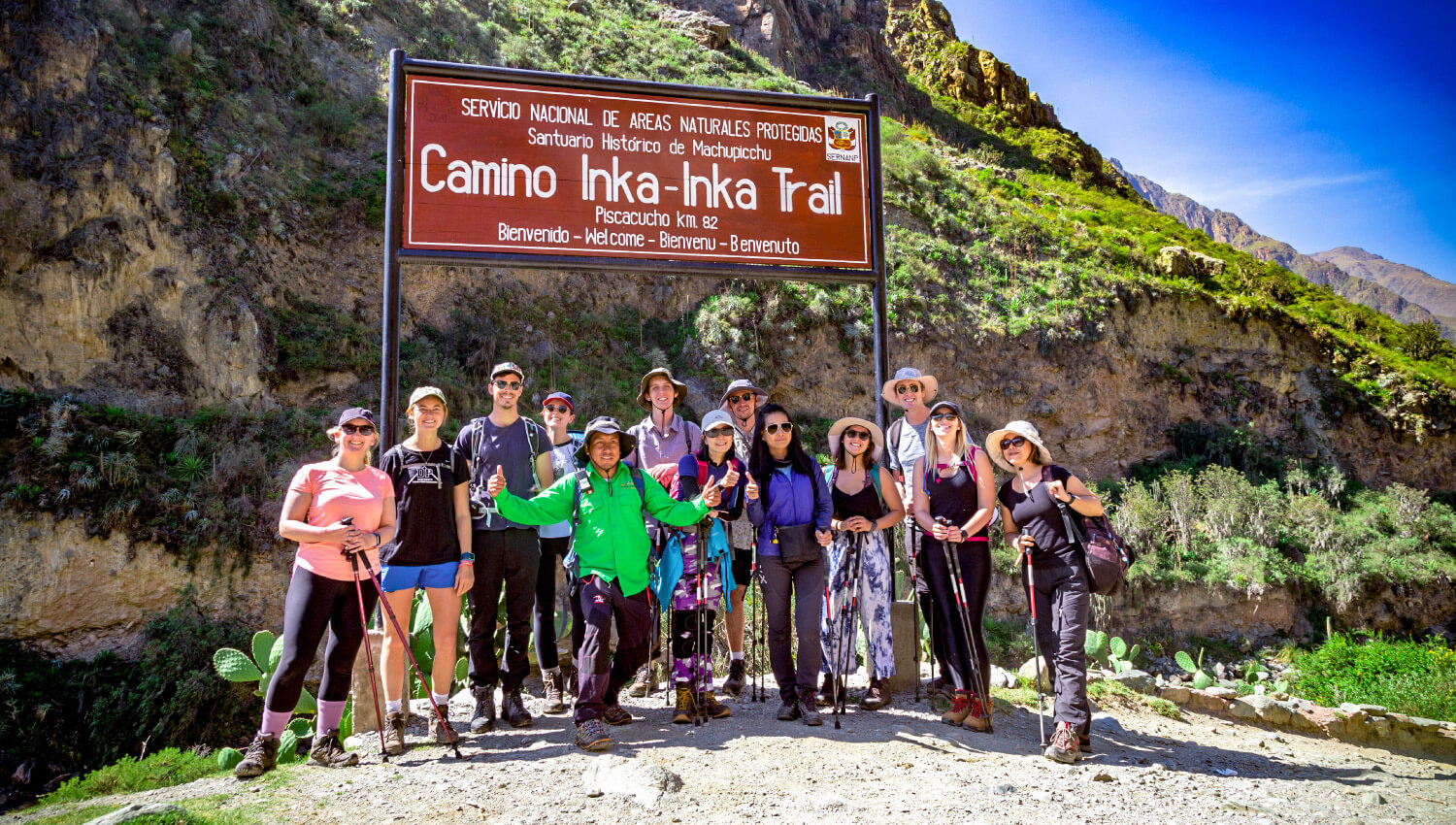
The Inca Trail is a mountain trek, so it would be misleading to call it risk-free. Weather changes quickly, stone steps can be slippery, the route is remote and the altitude adds physical stress. The real question is how those risks are managed.
A responsible operator should have trained guides, first-aid supplies, emergency oxygen, reliable communication and an evacuation plan. At Alpaca Expeditions, guides are trained and retrained in first aid, carry first-aid kits and full oxygen tanks, and every trek leaves with satellite communication equipment because normal mobile service is unreliable on much of the route.
You can read more about the team, equipment and operating standards on Why Alpaca Expeditions? Travelers should also do their part: wear broken-in hiking shoes, carry rain layers, follow guide instructions, stay hydrated and tell the guide early if something does not feel right.
Myth #6: If I am fit, I do not need to worry about altitude sickness
This is one of the most important Inca Trail myths to correct. Physical fitness does not make you immune to altitude illness. Cusco sits at roughly 3,350 m (11,000 ft), and the Classic Inca Trail climbs above 4,200 m. Even strong runners and experienced hikers can feel the effects if they ascend too quickly.
Common symptoms of acute mountain sickness can include headache, unusual fatigue, nausea, dizziness, loss of appetite and poor sleep. The best defense is not to “push through” symptoms; it is to give your body time to acclimatize and communicate honestly with your guide.
For most travelers, a practical altitude plan includes:
- Arriving in the Cusco region at least two days before the trek; extra acclimatization time is even better when your itinerary allows it.
- Keeping exercise light during the first day or two at altitude instead of immediately doing a strenuous hike.
- Staying well hydrated and eating normally.
- Avoiding heavy alcohol consumption during the first 48 hours at altitude.
- Speaking with a healthcare professional before the trip if you have a medical condition, a history of severe altitude illness or questions about preventive medication.
The CDC’s 2026 Yellow Book specifically notes that physical fitness does not reduce the risk of altitude illness and recommends gradual acclimatization. For more trip-specific preparation, see our Inca Trail FAQ.
Myth #7: Once I have an Inca Trail permit, Machu Picchu access is simple and never changes
This myth is especially important in 2026 because the rules changed more than once during the year. Travelers who read an article from early 2026 can now find information that is already incomplete.
What changed at the beginning of 2026?
For the 2026 season, Peru initially moved toward separate controlled handling of Inca Trail access and the final Machu Picchu citadel visit. That created an additional availability check and made it more important for agencies to secure the correct Machu Picchu capacity for travelers arriving from the Inca Trail.
What changed again in September 2026?
On September 11, 2026, Peru’s Ministry of Culture issued new resolutions that modify the system again. RM 333-2026-MC states that the ticket for the Red de Caminos Inka includes one visit to the Llaqta of Machupicchu within the validity period established for the route. RM 334-2026-MC confirms that visitors arriving from the Inca Trail continue into Machu Picchu through Circuit 3, Route 3-B, using a limited daily allocation managed through the official TuBoleto system.
The September regulation also establishes a transition: up to 10 calendar days for technical implementation of the platform changes, followed by a 30-day pilot or “marcha blanca” period before the new platform process becomes mandatory. That is why a good 2026 travel article should explain the transition instead of pretending the rules stayed the same all year.
Before paying, confirm exactly what your package includes and which Machu Picchu route is reserved for your travel date. For more details, review our guide to how Inca Trail permits work and the live Inca Trail availability calendar.
What about the Machu Picchu visit time limit?
The old idea of a loosely managed visit is no longer useful for planning. Machu Picchu tickets are controlled by a specific date, entrance time, circuit and route, and visitors must follow the itinerary attached to that ticket. Maximum visit times are route-specific: some routes allow up to four hours, while others are shorter or have their own mountain-access schedules.
In other words, do not plan on arriving whenever you want and wandering across every section of the citadel. If a particular viewpoint, mountain route or additional Machu Picchu experience matters to you, arrange it when you book because availability can disappear long before your trek begins.
Before you book: a simple Inca Trail checklist for 2026
- Choose the trek length that matches your pace: 2, 4 or 5 days are the most common Inca Trail options.
- Check permit availability before buying non-refundable travel arrangements.
- Plan to acclimatize in the Cusco region before the trek.
- Ask exactly which Machu Picchu circuit/route is included and whether any optional entrance is an additional cost.
- Confirm train type, porter allowance, equipment, meals and emergency support.
- Book early for the dry-season months, especially May through August.
So, is the Inca Trail worth it?
Yes, as long as you arrive with realistic expectations and current information. The Inca Trail is not simply a four-day walk to Machu Picchu. It is a journey through high Andean passes, cloud forest, centuries-old stone roads and archaeological sites that most visitors to Peru will never see from a train or bus.
The challenge is part of what makes it memorable, but good preparation changes the experience. Train before you travel, give yourself time to acclimatize, choose an itinerary that fits your pace, and make sure your operator is working with the latest permit and Machu Picchu regulations.
Ready to start planning? Check the latest Inca Trail permit availability, compare the Classic 4-Day Inca Trail with the 5-Day Inca Trail, and contact our team if you need help choosing the right trek for your travel dates.