




There’s a particular kind of excitement that comes with finally deciding you’re going to hike the Inca Trail. Maybe Machu Picchu has been sitting on a list somewhere for years, quietly waiting behind “someday.” Maybe a friend just got back from theirs and hasn’t stopped talking about Dead Woman’s Pass. Whatever brought you here, the moment you start looking into how to actually book the trip, that excitement usually runs straight into a wall of questions. When do Machu Picchu in 2027 open? Is it too early to book, or already too late for the dates you want? What actually happens after you submit a form – do you just sit there and hope?
This guide walks through the whole process from start to finish, the same way we explain it to travelers who call or message our office every week. We’re Alpaca Expeditions, and we’ve spent years getting people onto this trail and through the Sun Gate, so none of this is theoretical. It’s exactly how booking for the 2027 season works, including the parts nobody mentions until you’re already deep into planning and wondering why your dates suddenly show zero availability.
By the time you finish reading, you’ll understand how the government permit system actually works, which of our Inca Trail itineraries fits your trip best, what happens line by line when you sit down with our booking form, what everything costs and when you pay it, what the trail itself actually feels like day by day, how to pack for it, and what to expect in the weeks between booking and standing at Km 82 with your boots laced and your passport in hand.
Why You Can’t Just Decide to Hike the Inca Trail Next Month
Most hikes don’t require paperwork. You pick a date, you show up, you walk. The Inca Trail doesn’t work that way, and there’s a good reason for it. The trail runs through Machu Picchu National Park, and the Peruvian government tightly controls how many people are allowed to set foot on it each day.
The rule exists because, left unchecked, the trail’s popularity would erode the very stone paths and Inca sites that make the hike worth doing in the first place. So instead of open access, every single person on the trail – hikers, guides, porters, cooks, all of them – needs a permit tied to their exact passport details.
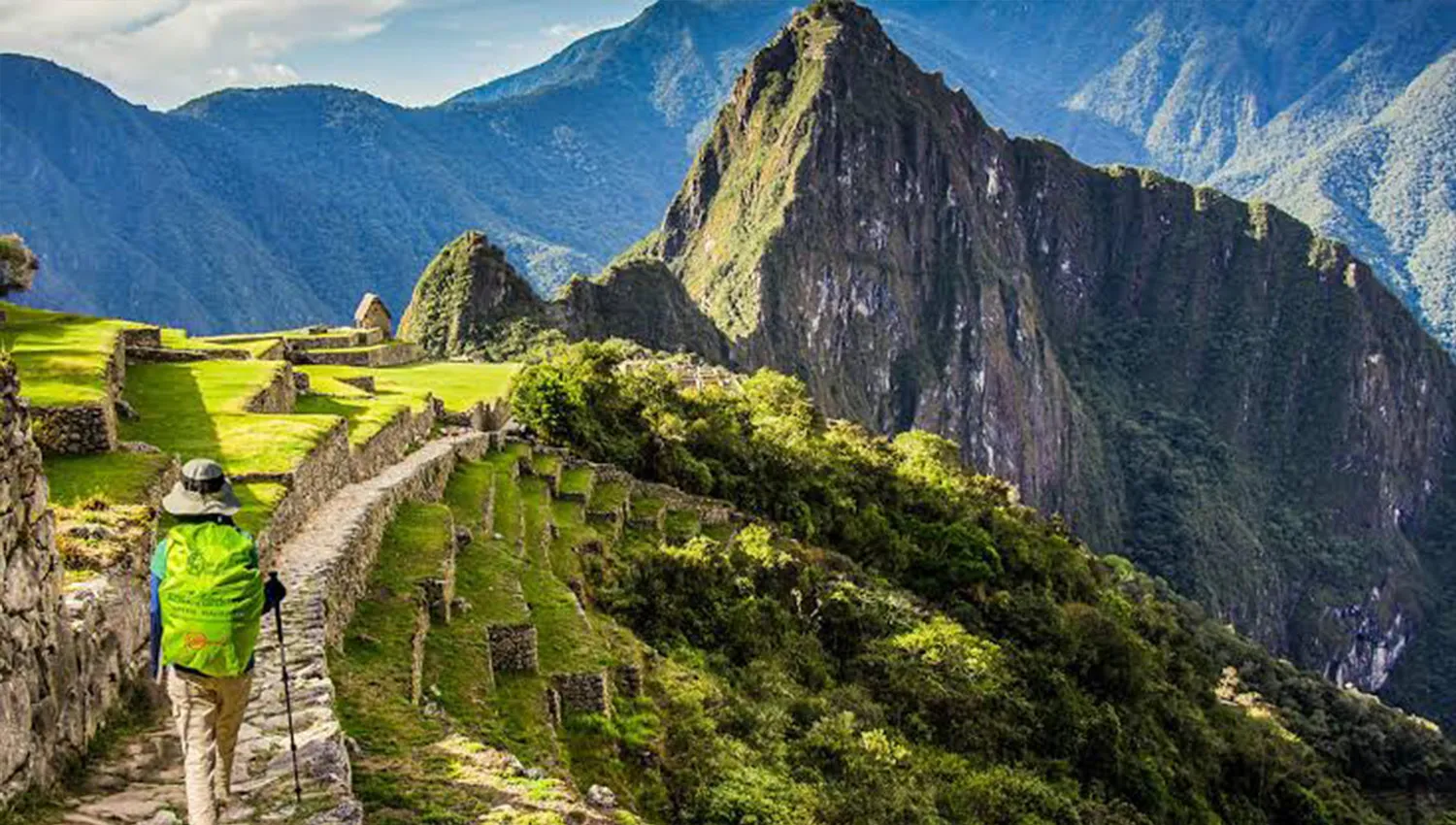
Here’s the part that surprises a lot of first-time trekkers: only around 200 of the roughly 500 daily permits issued for the Classic Inca Trail actually go to paying trekkers. The rest are absorbed by the guides, porters, and kitchen staff who make the trek possible in the first place.
Short Inca Trail or 2-Day Inca Trail:
A group of eight trekkers, for instance, typically travels with around fifteen porters supporting them. That 200-person daily cap is shared across every tour operator working the trail, which is exactly why popular dates can disappear months before the season even starts. The shorter route starting at Km 104 – what we call the Short Inca Trail or 2-Day Inca Trail – draws from a separate pool of roughly 250 permits per day, so it’s worth knowing the two trails don’t compete for the same allocation.
There’s also no such thing as buying a permit yourself. Only licensed Inca Trail tour operators can purchase them from the Peruvian government, which is why every legitimate Inca Trail booking runs through a company like Alpaca Expeditions rather than a generic travel site.
And once a permit is issued, it’s locked to a name and a passport number. It cannot be handed off to a friend who decides to come instead of you, it cannot be refunded if your plans change, and it cannot be moved to a different date once confirmed. The only detail that can ever be updated after the fact is a passport number, and only if you’ve genuinely renewed your passport before traveling. Knowing this upfront saves a lot of frustration later – the flexibility you might expect from an ordinary plane ticket simply doesn’t exist here.
When 2027 Permits Actually Open – and Why the Calendar Might Be Lying to You
Here’s something that confuses almost everyone planning a year ahead: if you check our Inca Trail availability calendar for 2027 dates right now, you’ll probably see the entire year showing wide open, every single date looking available. That’s not a glitch, and it’s not us being generous. It’s because the Peruvian government simply hasn’t started releasing 2027 permits to tour operators yet. Until they do, the calendar can’t show real scarcity – there’s nothing to be scarce yet.
The government typically begins distributing the following year’s permits to operators in the final months of the prior year, often starting around October, with the rollout continuing into the early weeks of the new year. Once that window opens, things change fast. Tour operators across Cusco – not just us – start submitting reservation requests against those fresh permits the moment they become available, and the popular months fill in a hurry.
May through September is high season, and those dates have a habit of disappearing within a matter of months once the gates open, sometimes faster for departures that line up with school holidays or milestone trips.
Advance Booking:
So what does that mean practically, if you’re reading this in 2026 and dreaming about a 2027 trek? It means the smartest move is to submit your booking form and deposit now, even though the calendar looks deceptively open.
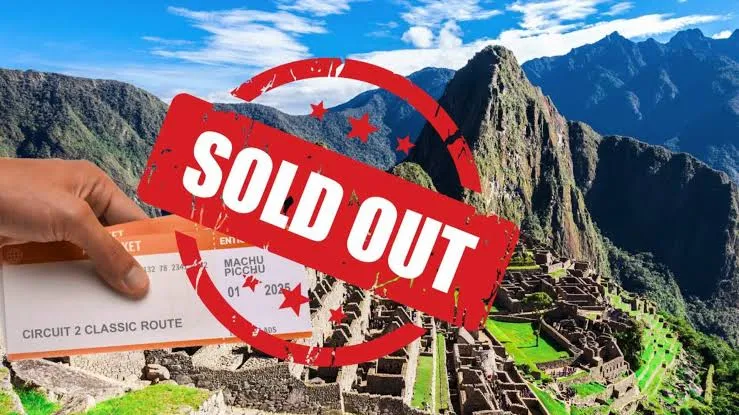
Doing this puts your name and travel details on file with us so that the instant the government opens that year’s permit window, our team is ready to purchase yours immediately – rather than you finding out in November that your ideal July date already has a waitlist.
We’ve watched this play out enough seasons in a row to say with confidence: the people who book early are the ones who get the date they actually wanted, not just whatever was left over.
Why Trekkers Keep Choosing Alpaca Expeditions for This Trail
Since you’re going to be trusting an operator with both your money and your government permit, it’s worth knowing exactly who you’re trusting. Alpaca Expeditions was founded by Raul Ccolque, who started his career on this exact trail as a porter, carrying loads up the same passes our trekkers now walk with daypacks. That background shapes the entire company.
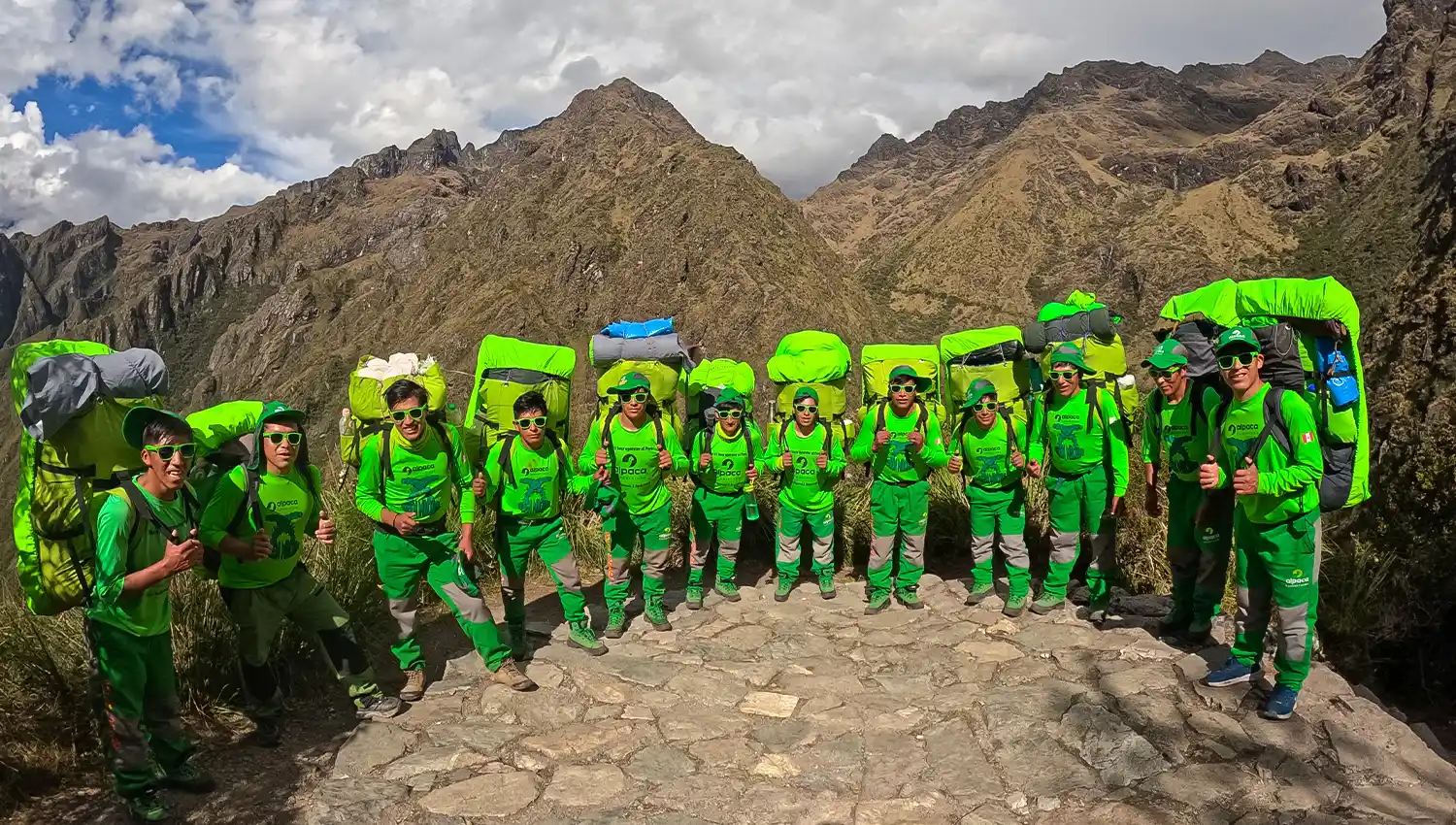
Our porters are paid directly and promptly after each trek rather than relying on tips to make a living wage, and we provide every piece of their gear ourselves – boots, jackets, sleeping bags, headlamps – at no cost to them. We keep a dedicated Porter House in Ollantaytambo where our team sleeps comfortably before and after every trek, with a doctor available on-site through the week to look after their health, and we run social programs that bring school supplies, dental visits, and tree-planting projects back into the communities our porters call home.
None of that is invisible to the people who actually hike with us. It shows up as a genuinely well-run trek: a personal porter included in every package so you can hand off up to 7kg of your own gear without paying extra, portable private toilets set up at every meal stop and campsite rather than relying purely on public facilities, and a satellite phone carried by every guide on every trek – not just a radio – so a doctor, hospital, or worried family member back home is always one call away, no matter how far into the mountains you are.
Food safety standard:
We’ve also built a five-rule food safety standard into every kitchen we run on the trail, backed by a guarantee: if anyone ever gets sick from our food, we make it right. Since 2022 we’ve folded an optional cooking class into the trek itself, where our trekking chefs teach guests to prepare a Peruvian classic like lomo saltado right there in the dining tent.
On the recognition side, the World Travel Awards named us Peru’s Best Tour Operator in 2021, 2022, 2023, and 2025, and we hold four ISO certifications plus a carbon footprint certificate – a level of formal, audited standardization most independent operators on this trail simply don’t carry.
None of this is meant to be a sales pitch buried inside a planning guide. It answers the question every first-time trekker eventually asks: does it actually matter which company I book with? On a trail this regulated and this remote, it genuinely does.
Picking the Right 2027 Inca Trail Trek for You
Before you ever touch the booking form, it helps to know which version of the trail you’re actually booking. “The Inca Trail” isn’t one single product – we run several itineraries that cover different distances, paces, and comfort levels, and choosing the right one upfront will save you from second-guessing later.
The Classic 4-Day, 3-Night Inca Trail is the one most people picture when they imagine this hike, and it’s our most booked itinerary by a wide margin. You’ll cover roughly 26 miles over four days, camping each night, climbing over Dead Woman’s Pass on day two, and arriving at the Sun Gate for your first look at Machu Picchu on the morning of day four.
Experts list it as a challenging trek, and it earns that label, but reasonably fit travelers of almost any age can absolutely achieve it if they give themselves a bit of training time beforehand. This version runs as a group departure with a minimum of two travelers, and it includes a Vistadome train experience on the return leg.
Private 4D/3N Inca Trail:
If you’d rather not share the trail with strangers, the Private 4D/3N Inca Trail follows the exact same route and itinerary but is run exclusively for your group – your own guide, your own pace, your own schedule for breaks and photo stops. It’s a popular choice for families, honeymooners, or small groups who want flexibility without changing what they actually see and do.
For trekkers who’d rather take things slower, or who are traveling with kids or anyone nervous about the pace of the classic version, the 5-Day, 4-Night Inca Trail covers essentially the same ground with an extra day built in to ease the daily distances and allow more time at each archaeological site along the way. Same permits, same trail, same Machu Picchu finale – just less rushed.
Short on time but still determined to walk through the Sun Gate on foot? The 2-Day, 1-Night Short Inca Trail with Camping starts further along the route at Km 104, after a scenic train ride, and packs the most dramatic section of the trail – including the approach to the Sun Gate – into a single day of hiking, followed by a full second day exploring Machu Picchu.
2-Day, 1-Night Short Inca Trail with Hotel
If camping isn’t your thing but you still want that one unforgettable day on the trail, the 2-Day, 1-Night Short Inca Trail with Hotel swaps the tent for a three-star hotel bed in Aguas Calientes, the town beneath Machu Picchu, so you finish your hiking day with a hot shower and a proper mattress rather than a sleeping pad.
Travelers chasing two of Peru’s signature treks in a single trip often combine the Inca Trail with the equally famous Salkantay route through our 7-Day, 6-Night Salkantay and Inca Trail Expedition, which lets you experience the high-altitude scenery of Salkantay before joining the Inca Trail for its final, most iconic stretch. And if you’re looking for a trip built specifically around women supporting women on the trail, our Women-Only Inca Trail runs the 4-day classic itinerary with an all-female support team and a group of fellow women trekkers.
If you just want the short version side by side, here’s how the most popular options stack up against each other:
| Trek | Length | Sleeping | Best for |
| Classic Inca Trail (Group) | 4 days / 3 nights | Camping | First-timers who want the full classic experience |
| Inca Trail (Private) | 4 days / 3 nights | Camping | Families or groups who want their own pace |
| Inca Trail Expedition | 5 days / 4 nights | Camping | Slower hikers, families with children, photographers |
| Short Inca Trail with Camping | 2 days / 1 night | Camping | Limited time, still want to hike to the Sun Gate |
| Short Inca Trail with Hotel | 2 days / 1 night | 3-star hotel | Limited time and prefer a real bed |
| Salkantay + Inca Trail | 7 days / 6 nights | Camping | Trekkers who want two iconic routes in one trip |
| Women-Only Inca Trail | 4 days / 3 nights | Camping | Women who want an all-female trekking community |
None of these are wrong choices. The right one just depends on how much time you have, how you feel about camping versus a hotel bed, and how much you want the day-to-day pace dialed up or down.
Step by Step: How Our Booking Form Actually Works
Once you’ve picked a trek, the actual booking process happens in three stages, and it’s worth understanding what’s happening behind the scenes at each one so nothing catches you off guard.
Step 1: Check Availability Before You Fill Anything Out
Start on our Inca Trail Availability page, where you can browse the calendar for your trek of choice and see, date by date, whether spots remain. Remember the earlier point about 2027 looking artificially wide open before government permits release – once that window opens, this calendar becomes your real source of truth. If you’re booking once permits are live and you land on a date that already shows limited or zero spaces remaining, that’s the calendar doing its job, not a bug. Pick a backup date and move forward.
Step 2: Fill Out the Booking Form
Most people feel nervous about this part, mostly because they assume it is complicated. It isn’t, but it does ask for a few things you should have ready before you start.
The form opens by asking which tour you want and confirming the date. You’ll select your itinerary from a dropdown – say, the Classic Inca Trail’s 4-Day/3-Night option – and then choose whether you want Group or Private service. Next comes your Start Date, and right next to it, an Alternative Date field. Don’t skip that second one. It exists specifically for situations where your first-choice date sells out at the government level between the moment you submit the form and the moment our team purchases your actual permit.
Giving us a real backup date means we can move instantly to secure something for you rather than pausing to ask what you’d like to do instead. Then you’ll set your Number of Travelers, and the form will display live availability for that date – something like “Availability: 12 spaces” if you’re in good shape, or a stark “Availability: 0 spaces” if that particular date is already full. Seeing a zero there isn’t the end of the road, it just means it’s time to lean on that alternative date or pick a neighboring one from the calendar.
Traveler Details
From there, the form moves into Traveler Details. One person can fill out this section for the entire group. However, you must enter the following details accurately for every traveler: full legal name exactly as it appears on their passport, passport number, nationality, date of birth, gender, and an individual email address.
Pay close attention to this part because authorities issue permits using these exact details, and once they confirm a permit, you cannot change the name on it. A typo here isn’t a minor inconvenience to fix later – it can mean a forfeited permit. Take the extra two minutes to pull out everyone’s actual passports and copy the details directly rather than typing from memory.
Move any additional information into the next section, where you can flag anything that affects your trip beyond the base itinerary—whether you want to add a Huayna Picchu or Machu Picchu Mountain climb, upgrade your train, request gear rentals, specify your exact pickup location, or share dietary restrictions and food allergies so your trekking chef can plan ahead.
Then comes a quick review and acceptance of our service policies, which covers the cancellation terms and permit conditions you’ll want to actually read rather than skim, since they govern everything from this point forward.
Step 3: Submit Your Deposit
We do not truly consider the form ‘submitted’ or lock in your trek until we receive your deposit. For most treks and overnight tours, that’s $200 USD per person. For longer, hotel-inclusive itineraries of five days or more, it’s $400 USD per person. You can make your payment through PayPal, which adds a 5.5% merchant processing fee that we pass along to the traveler. Alternatively, you can send a direct bank wire to our accounts at Bank of America or Citibank – we do not charge wire fees if you use either of those institutions. Whichever way you choose, please let us know you are using this route so we can match the payment to your booking.
We do not need to receive all deposits from a group at once or from the same card; as long as everyone ties their payment to the same booking form, individuals can pay separately as they get organized.
The moment we have your details and your deposit, our team moves on the permit. It is purchased in your name as soon as it’s physically possible to do so, and once it’s confirmed, your invoice and a written confirmation that your spot is fully locked in are sent over. From that point forward, the start date is guaranteed – barring the kind of force majeure events that can’t be planned around, like a regional strike or trail closure.
Passport Rules and Paperwork You Genuinely Cannot Skip
This is the section we wish more people read before booking, because it solves problems before they happen. Peru requires your passport to remain valid for at least six months beyond your entry date.
If yours is going to expire sooner than that, you’ll need to renew it before you travel – but that doesn’t stop you from booking right now. You can absolutely reserve your trek and secure your permit using your current passport number, or even your driver’s license number if your passport isn’t to hand. The key thing is simply to have a valid document number to put on file.
Once you receive your new passport, simply send us the new passport number and we will update it on the permit – we don’t need a copy of your old passport or any other supporting document. The process is quick and straightforward on your end.
What you cannot do is swap the traveler entirely, and – critically – first and family names cannot be changed under any circumstances. When filling out the booking form, every traveler must enter their name exactly as it appears on their passport — no nicknames, no shortened versions, no informal names used with friends or family. If your passport says “Jonathan,” do not enter “Jon.” If it says “Maria del Carmen,” enter every part of that name.
The government permit is issued against these exact details and there is no mechanism to correct a name once it has been confirmed. A mismatch between the permit and your passport at the trail checkpoint means you will not be allowed to start the trek, and the permit cannot be refunded. Getting the name right the first time is the single most important thing you can do when booking.
Day by Day: Inside the Classic Inca Trail Itinerary
It helps to actually picture what you’re booking, so here’s what the four days of the Classic Inca Trail genuinely look like on the ground, start to finish.
Day 1: Cusco to Ayapata
Your day starts early, with pickup from your hotel in Cusco between 4:00 and 4:30 AM, a little later from Urubamba or Ollantaytambo if that’s where you’re staying. After breakfast and a quick stop to meet your team of porters, the Km 82 checkpoint will be driven to by you, and the first control point of the trail will be passed through. Your original passport should be kept in hand here, since it will be checked against your permit.
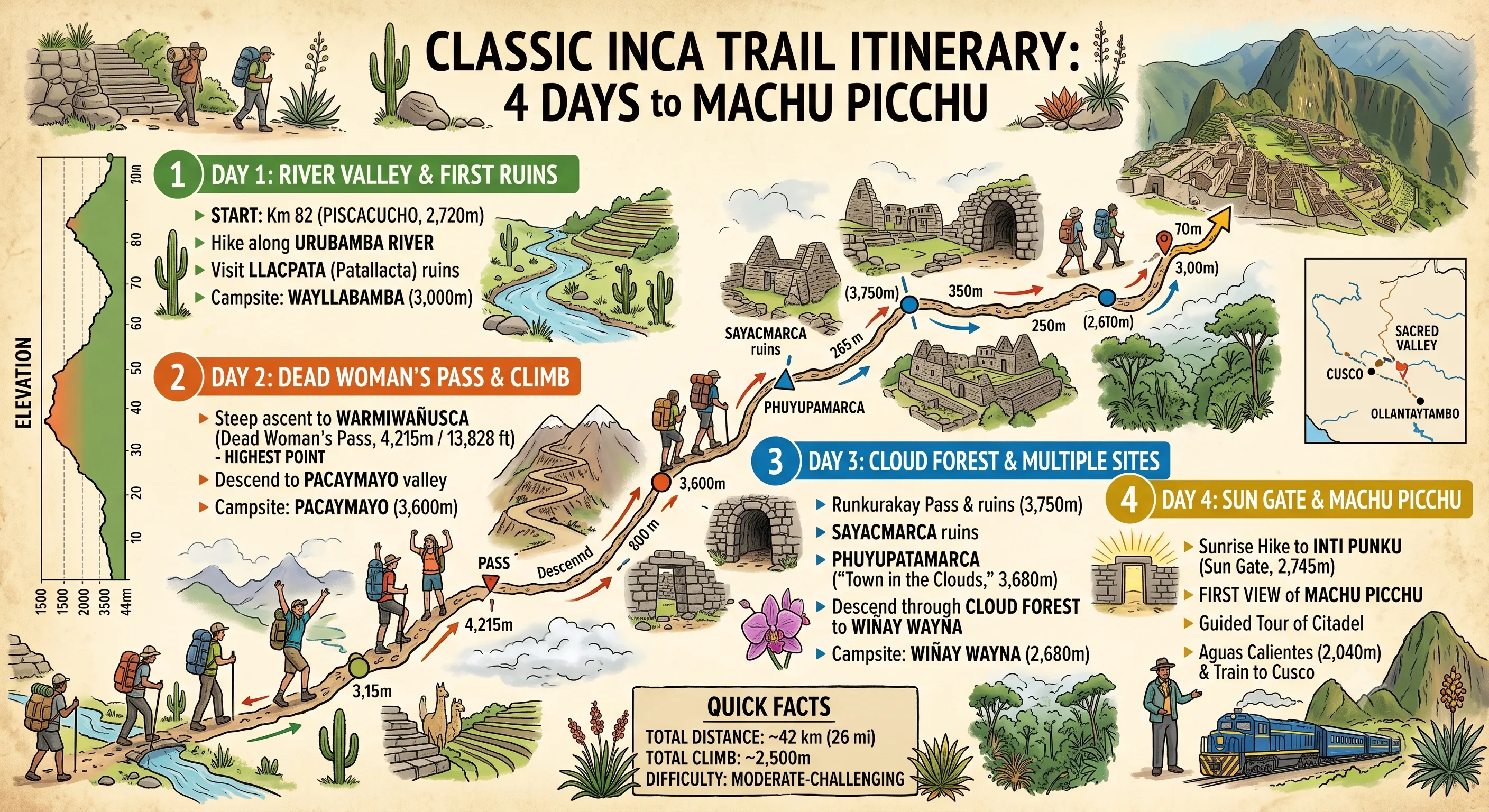
The first stretch is a relatively gentle two hours to Patallacta, an old Inca checkpoint that gives you your first real taste of the scenery ahead. After lunch, another two and a half hours of walking brings you to Ayapata, your first campsite at 3,300 meters.
About 14 kilometers (8.7 miles) will be covered in total, in roughly six to seven hours, on what is considered a moderate first day designed to ease the participants into trail life rather than having the hardest terrain thrown at them right away.
Day 2: Ayapata to Chaquicocha – Dead Woman’s Pass
This is the day everyone talks about afterward. You’ll wake to coca tea delivered to your tent, then start climbing toward Dead Woman’s Pass, the highest point of the entire trek at 4,215 meters (13,829 feet) above sea level. It takes roughly four hours of steady climbing to reach it, and the views from the top – assuming clear weather – are the kind that make the climb worth every step.
From there it’s downhill into the Pacaymayu Valley for lunch, then back uphill over a second pass near the Inca site of Runkuracay, past a pair of waterfalls cascading down the opposite valley wall. The day ends at Sayacmarca, an Inca site perched almost inaccessibly on its own ridge, before a short final stretch to Chaquicocha campsite at 3,600 meters.
All told, it’s about 16 kilometers (9.94 miles) over seven to eight hours, and it’s genuinely the toughest day of the trek – but it’s also the one most trekkers feel proudest of finishing.
Day 3: Chaquicocha to Wiñay Wayna
After the climb of day two, day three feels like a reward. You’ll walk along what guides call “Inca flat” – long, gentle inclines through cloud forest, with views toward Salkantay, the second-highest snow-capped peak in the region.
You’ll pass through Phuyupatamarca, a ridge-top Inca site with sweeping views down toward the Urubamba River, then descend through Intipata’s dramatic agricultural terraces before reaching Wiñay Wayna campsite at 2,680 meters – the most popular campsite on the trail thanks to its proximity to Machu Picchu itself.
It’s a shorter day, around 10 kilometers (6.2 miles) over five hours, much of it downhill. In the late afternoon, your guide leads an orientation visit to the Wiñay Wayna ruins themselves, tying together everything you’ve learned so far before the final push to Machu Picchu the next morning.
Day 4: Wiñay Wayna to Machu Picchu via the Sun Gate
This is the day the whole trek has been building toward, and it starts in the dark. Wake-up is around 3:00 AM, breakfast at 3:30, and by 4:00 you’re walking toward the final checkpoint, which opens at 5:30 AM – early enough that porters can catch the only daily train back at Km 107.
The hike from the checkpoint to the Sun Gate (Intipunku) takes about an hour, including a short, steep section nicknamed the “Gringo Killer” stairs. Then you arrive at the Sun Gate itself, and Machu Picchu opens up below you for the first time. After soaking that in for fifteen to thirty minutes, it’s another hour of gentle downhill walking to reach the main viewpoint – the exact spot behind nearly every classic postcard photo of the citadel – usually around 7:30 to 8:00 AM.
From there, your guide leads a roughly two-and-a-half-hour tour through the citadel’s temples, palaces, and water channels, before you head down to Aguas Calientes for lunch, the train back to Ollantaytambo, and the drive back into Cusco, typically arriving around 8:00 PM. If you’ve added on Huayna Picchu, that climb happens after the guided tour, on this same day.
Getting to Cusco and Giving Your Body Time to Adjust
Most international travelers reach Cusco by flying into Lima first. Even if you book your connecting flight to Cusco on the same ticket and same airline, you’ll still need to collect your luggage in Lima, clear customs, and recheck your bags before continuing on – Lima effectively becomes a hard stop, not a quick connection.
From Lima, LATAM runs the most frequent daily departures to Cusco, usually at a higher price point, while Sky Airlines and JetSmart offer solid budget alternatives. A smaller number of direct international routes now serve Cusco from Santiago and Bogotá as well, which can be worth checking depending on where you’re flying from.
Once you land, the bigger adjustment isn’t jet lag – it’s altitude. Cusco sits above 11,000 feet (around 3,400 meters), and most of this trek stays at or above that elevation the entire time.
We genuinely recommend spending at least two full days in Cusco before your trek begins, simply to let your body adjust before you start climbing higher. Mild altitude effects are common and usually feel like a flu-ish hangover: headache, fatigue, low appetite, occasional nausea or dizziness, trouble sleeping.
Coca tea is the traditional local remedy and does seem to help many travelers; staying well hydrated, going easy on alcohol and heavy caffeine, and skipping sleeping pills during your first days at altitude all make a real difference too.
If you have a history of altitude sensitivity, it’s worth talking to your doctor beforehand about preventive medication, started a couple of days before you arrive. And if symptoms ever feel like more than mild discomfort once you’re on the trail, immediately tell your guide – they have training to handle it and would much rather know early.
What to Pack: A Practical Checklist
Packing for a multi-day trek at altitude is different from packing for a normal trip, mostly because of one number: 7 kilograms. That’s the maximum weight your duffel bag can be, since a personal porter carries it for the entire trek, and it has to include both your clothing and your sleeping gear.Here’s how to think about it in four categories.
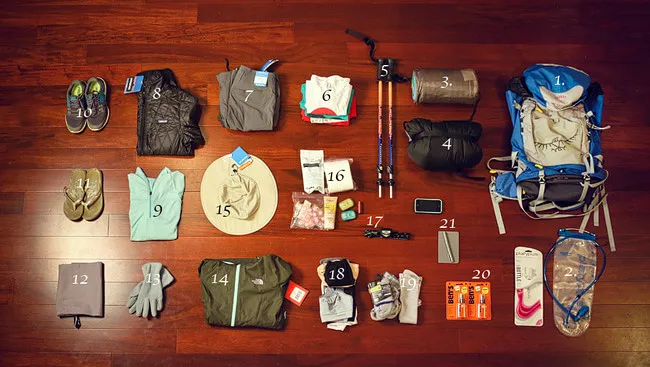
Always carry with you: your passport, a valid student card if you’re using one for the discount, a smaller daypack (bags over 25 liters aren’t allowed inside Machu Picchu itself), a water reservoir holding at least 2 to 3 liters, and hiking boots that you have already broken in – not fresh out of the box.
Inside your 7kg duffel:
Two or three moisture-wicking shirts, two or three hiking pants, four sets of underwear, four pairs of hiking socks, a fleece layer, a genuinely warm down jacket for cold nights, a rain jacket and rain pants, a sun hat and a separate wool hat, a headlamp, waterproof gloves, comfortable shoes for camp, a quick-dry towel, a small bar of soap, a battery charger (there’s no power to plug into on the trail), a few large plastic bags to keep things organized and dry, and a sleeping bag rated for at least -10°C if you’re bringing your own rather than renting.
Toiletries: sunscreen, face moisturizer, bug spray, hand sanitizer, wet wipes, a toothbrush and toothpaste, toilet paper, any personal medication, and a small first aid kit with basics like band-aids and moleskin for blisters.
Inside your daypack each day: your water supply, sun hat, rain gear, fleece, camera, headphones if you want music for the easier stretches, hand sanitizer, toilet paper with a small bag to pack out waste, extra cash for tips and souvenirs, and earplugs for camp. One detail worth remembering: we provide clean water at every meal, but not before your first lunch on day one, since that’s when our porters first have the setup to filter and boil it – so carry enough water from your hotel that morning to get you through the first stretch.
What a 2027 Inca Trail Trek Actually Costs
Pricing naturally varies depending on which itinerary you choose, how many people are in your group, and which add-ons you want, but here’s a clear picture of how the numbers work so nothing feels like a surprise.
| Trek | Price per person |
| Classic 4D/3N Inca Trail (Group) | $835 USD ($800 with valid student rate) |
| Short Inca Trail with Hotel – 2 travelers | $1,000 USD |
| Short Inca Trail with Hotel – 3 travelers | $910 USD |
| Short Inca Trail with Hotel – 4 travelers | $850 USD |
| Short Inca Trail with Hotel – 5 travelers | $770 USD |
| Short Inca Trail with Hotel – 6 travelers | $710 USD |
| Short Inca Trail with Hotel – 7 travelers | $650 USD |
| Short Inca Trail with Hotel – 8 or more | $625 USD |
These reflect current 2026 season pricing. Rates for 2027 typically see only a modest year-over-year adjustment, so they’re a solid planning estimate – we’ll confirm exact 2027 figures on the live trek pages as departures open. The student rate above applies to anyone holding a valid university student card at the time of the trek, or anyone seventeen years old or younger, with proof emailed to our team at the time of booking.
Pricing Details:
Beyond the base trek price, a handful of optional add-ons come up often enough that they’re worth budgeting for in advance:
| Add-on | Cost |
| Huayna Picchu entrance | $75 USD per person |
| Machu Picchu Mountain entrance | $75 USD per person |
| Vistadome Observatory train upgrade | $75 USD per person |
| Extra 7kg duffel bag | $120 USD |
| Single tent (instead of shared) | $50 USD |
| Sleeping bag rental | $30 USD |
| Inflatable sleeping pad rental | $25 USD |
| Trekking poles, rented pair | $25 USD |
| Satellite phone use | $2.50 USD per minute |
Climbing Huayna Picchu, the dramatic peak rising behind the citadel in every classic Machu Picchu photo, requires its own separate, extremely limited entrance ticket reserved at the time of your Inca Trail booking – it genuinely sells out faster than the trail permits themselves some seasons.
Climbers can take the longer but less steep alternative route up Machu Picchu Mountain, which offers sweeping panoramic views; however, because of its early entry windows, visitors generally need to plan a second visit to Machu Picchu on a separate day rather than combine it with their guided Inca Trail tour.
Once you pay your deposit and secure your permit, you must pay the remaining balance no later than two days before your trek begins. Most travelers settle it in cash at our Cusco office – we accept both US dollars and Peruvian soles, though we can’t take torn or damaged bills. If you’d rather not carry that much cash, you’re welcome to pay the balance in advance through PayPal or bank wire under the same terms as the deposit, or settle it with a major credit card at our office for an added 5% processing fee.
Tipping Your Trekking Team
Tipping isn’t mandatory, but it’s such an established part of trekking culture in Peru that it’s worth planning for ahead of time rather than scrambling for cash on the last night. The usual approach is for everyone in your group to pool money together for the porters and chef as a collective gift, presented during the closing ceremony on the final evening of camping. You tip guides separately and more personally, based on your own relationship with them over the trek, and they’re comfortable receiving US dollars, Peruvian soles, or even a card.
| Trek | Per porter | Chef |
| Inca Trail (4, 5, or 7 days) | 60–80 soles | 150 soles |
| Short Inca Trail with Camping (2D/1N) | 50 soles | 100 soles |
Those figures represent what each individual porter and chef should end up receiving once your group’s pooled tip is divided – think of the table as a per-person reference point rather than a single lump sum.
Our Cancellation Policy: Know This Before You Pay
Because we purchase Inca Trail permits from the government immediately and they are entirely non-refundable on our end, we structure our cancellation terms to reflect real costs we’ve already committed to on your behalf, not arbitrary penalties. If your plans change, here’s exactly how it breaks down based on how close you are to your departure date when you notify us in writing at info@alpacaexpeditions.com:
| Notice given before departure | Amount due |
| 8 weeks or more | Deposit only (forfeited) |
| 8 to 4 weeks | 60% of total trek price |
| 4 weeks to 5 days | 80% of total trek price |
| 5 days to 36 hours | 90% of total trek price |
| Less than 36 hours | 100% of total trek price |

It’s worth genuinely budgeting for travel insurance given how firm these terms are. We work with Ahart, Frinzi & Smith, a US-based agency that specializes in trip protection for travelers heading to destinations exactly like this one, and if your circumstances ever do require a cancellation, we’re glad to provide documentation to support an insurance claim on your end.
Mapping Your 2027 Trip Around Peru’s Calendar
Timing your trek isn’t only about permit availability – Peru’s weather and cultural calendar both play a real role in how your trip actually feels. The dry season runs roughly from March through October, and within that window, May through September counts as high season, with the clearest skies, the most reliable trail conditions, and, predictably, the highest demand.
The rainy season stretches from November through February, bringing short, intense downpours that turn the surrounding hills a vivid green, though the trail itself stays walkable for most of that window with the right rain gear.
One date deserves special mention: June 21st marks the winter solstice and Inti Raymi, the largest festival on Cusco’s calendar, drawing huge crowds into the city itself. If you’re trekking around that date, expect Cusco to feel especially lively before and after your hike – and expect those surrounding dates on the trail to be some of the first to sell out each season.
And then there’s February, which isn’t a scheduling choice at all – it’s simply off the table. The Inca Trail closes entirely every February for government-mandated maintenance, and no operator, including us, runs departures during that month. If you’re sketching out a 2027 trip timeline, build around it rather than against it.
For travelers hoping to dodge the thickest crowds without sacrificing good weather, the shoulder months right at the edges of high season – April and October in particular – tend to offer a nice middle ground: still firmly within the dry season, but with permit competition that’s noticeably less intense than the peak summer months.
What Happens Between Booking and Your First Step on the Trail
Once you confirm your permit, things go quiet on your end for a while, and that’s exactly how you should feel. Roughly seven to fifteen days before your trek, we will send you a trip reminder confirming your specific hotel (if your itinerary includes one), pickup details, and any last logistics, so you have a natural checkpoint before departure where you can reconfirm everything rather than leaving it to assumption.
We’d recommend arriving in Cusco at least two full days before your trek starts, purely for altitude reasons, as covered above. The night before your trek, you’ll come to our office for a briefing – usually around 6:00 PM – where your guide walks the group through final details, answers last-minute questions, and hands out your duffel bags. Those bags hold up to 7 kg between your personal items and your sleeping gear, and they’ll travel with your porter team, only coming back into your hands each evening at camp.
Pickup the next morning depends on where you’re staying: roughly 4:00 to 4:30 AM from central Cusco, 5:30 to 6:00 AM from Urubamba, or a slightly more forgiving 6:30 to 7:00 AM if you’re based in Ollantaytambo. From there, you experience exactly the adventure you signed up for. If you want the most current, exhaustive version of everything to pack, our Ultimate Packing List covers it in even more detail than the checklist above.
Frequently Asked Questions About Booking the 2027 Inca Trail
How far in advance should I book my 2027 Inca Trail trek?
As soon as you know your travel dates, even if the calendar still shows full availability. Submitting your booking form and deposit early means we can purchase your permit the instant the government releases that year’s allocation, rather than having you join a queue after popular dates are already gone.
Why does the 2027 calendar show every date as open right now?
Because the Peruvian government hasn’t released 2027 permits to tour operators yet. The calendar can’t reflect real scarcity for permits that don’t technically exist yet – that happens once the government’s release window opens, typically in the closing months of the prior year.
Can one person book for the whole group?
Yes. A single booking form can cover your entire travel party, as long as you have accurate passport details for every traveler. Different group members can even pay deposits separately, as long as that same booking ties everyone together.
What if my chosen date sells out before my permit is purchased?
This is rare once a deposit and full traveler details are on file, since we move on permits immediately. But if it ever happens, our sales team will reach out directly to help you move to the closest available alternative, which is exactly why we ask for a backup date on the booking form itself.
Is the deposit refundable if I change my mind?
No. Deposits are non-refundable and non-transferable, which reflects the fact that Inca Trail permits themselves carry the same restriction once purchased on your behalf.
My passport will expire before my trek – can I still book?
Yes. Book with your current passport details, then update us once you issue your renewed passport, well before you travel. We’ll need copies of both the old and new documents to make that change.
Can I add Huayna Picchu after I’ve already booked my Inca Trail trek?
It’s best to request it at the time of your original booking because they separately limit Huayna Picchu tickets, and they tend to sell out even faster than Inca Trail permits themselves. The earlier you flag your interest, the better your odds of securing a spot.
Do I need to be an experienced hiker to do the Classic Inca Trail?
No, but you do need a reasonable baseline of fitness. Most of our trekkers aren’t dedicated hikers – they are regular people who spent a few months getting comfortable walking uphill for a couple of hours at a time before the trip. Going slowly and consistently matters far more than being naturally athletic.
What’s actually different between the Classic 4-Day and the 5-Day version?
The route, the campsites, and the Machu Picchu finale are essentially the same. The 5-day version simply spreads the same distance across an extra day, which means shorter daily walking times and more breathing room at each archaeological site – a better fit if you’re traveling with children, prefer a relaxed pace, or just want more time to actually look around rather than push toward camp.
Can children hike the Inca Trail?
Yes, and we see families on the trail regularly, though the 5-Day version or one of our shorter options tends to suit younger trekkers better than the more demanding Classic 4-Day pace. If you’re planning a family trip, it’s worth talking through age and fitness specifics with our team before choosing an itinerary.
Ready to Lock In Your 2027 Inca Trail Dates?
The Inca Trail rewards people who plan ahead, and there’s nothing quite like watching your preferred date hold steady on the calendar because you got your details in early rather than scrambling later.
Whether you already know exactly which itinerary fits your trip or you’re still weighing the classic four days against the shorter version with a hotel bed waiting at the end, our team is genuinely happy to walk through the options with you before you commit to anything.
Head over to our booking form when you’re ready, or reach out to us directly if you’d rather talk through your dates first – either way, we’ll be here to help turn “someday” into an actual stamp in your passport.
Your Booking Checklist
- A quick run-through ensures nothing is missed:
-
- Pick your trek and a first-choice date, plus a backup.
- Check that date on the availability calendar.
- Confirm with the sales team that permits are still open.
- Check your passport is valid for at least six months past your trip.
- Complete the booking form with details exactly as they appear on each passport.
- Add any extras, deciding early on limited-ticket ones like Huayna Picchu.
- Read and accept the service policies.
- Pay the USD 200 per person deposit by PayPal.
- Save your confirmation email.
- Arrange travel insurance with cancellation and high-altitude cover.
- Book flights and hotels around your confirmed trek date.
- Plan acclimatization days in Cusco or the Sacred Valley.
Ready to Book Your 2027 Inca Trail?
Permits for 2027 are open now, and the best dates go first. Here is how to take the next step:
- Check your start date on the [availability calendar].
- Message the team to confirm it is still open.
- Complete your booking and pay the deposit to lock it in.
Contact the team: WhatsApp +51 984 441 260, USA line 202-550-8534, or email
The trail has waited 800 years. Secure your date, and let our team handle the rest.