



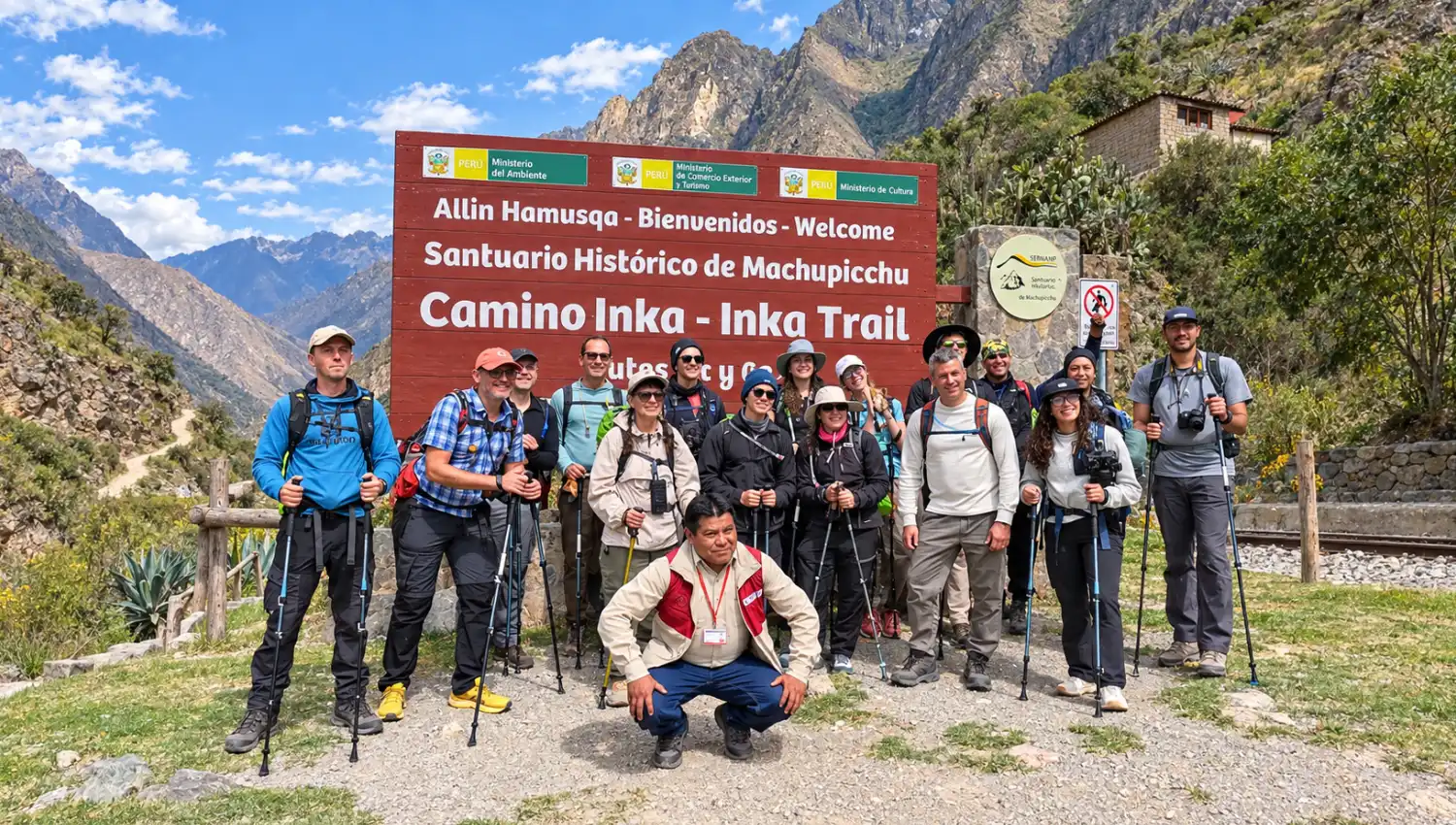
Inca Trail Reopens September 5, 2026: Is It Safe to Hike? What Travelers Should Know
The Inca Trail to Machu Picchu is scheduled to reopen to tourists on Saturday, September 5, 2026, after technical inspections and maintenance following unusually heavy rainfall that affected parts of the trail network in August.
For travelers, especially visitors coming from the United States, the important message is straightforward: a reopening means authorities have determined that controlled visitor access can resume, but hikers should still prepare for changing mountain weather, potentially damp trail sections, ongoing maintenance, and the normal risks that come with hiking at altitude.
If your Inca Trail permit is confirmed and your departure is operating, there is no reason to assume you must cancel simply because of the temporary closure. Prepare properly, stay flexible, follow your guide, and check the status of your specific itinerary immediately before departure.
Latest update – September 4, 2026: Tourist access to key routes of the Inca Trail network is scheduled to resume September 5 following inspections and rehabilitation work. Conditions in mountainous areas can change quickly, so travelers should continue confirming their individual departures before hiking.
The recent closure was triggered by unusually intense rainfall that affected sections of the Inca Trail network around Machu Picchu.
Why Was the Inca Trail Temporarily Closed?
Heavy rain in mountainous terrain can create several problems at once:
- Landslides
- Soil erosion
- Rising streams
- Flooded trail sections
- Loose rocks
- Damage to bridges or crossings
- Problems around campsites
- Unstable slopes
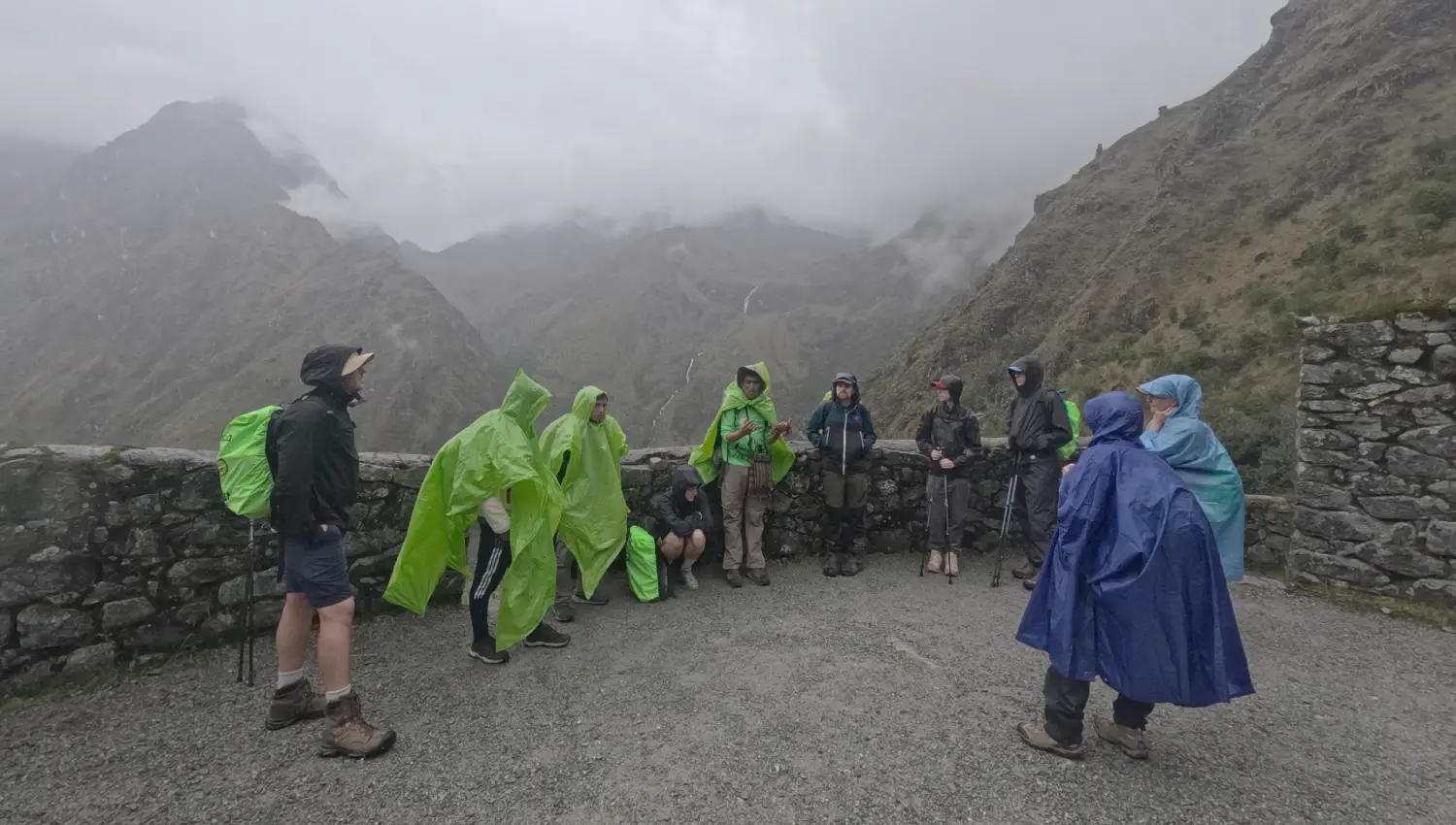
When these conditions develop along an archaeological route used by hundreds of visitors, porters, guides, and maintenance personnel, temporarily stopping access is a sensible safety measure.
The closure allowed specialists to inspect the routes, identify unstable areas, remove debris, assess damaged infrastructure, and determine where maintenance was required before visitors returned.
That is an important distinction.
The closure did not mean that the entire historic Inca Trail had been destroyed or permanently closed. It was a precautionary response to weather-related damage.
When Is the Inca Trail Reopening?
The current scheduled reopening date is:
Saturday, September 5, 2026.
Authorities carried out technical evaluations before announcing the resumption of visitor access.
Because trail conditions depend on weather, drainage, slope stability, and ongoing maintenance, travelers should not treat any reopening announcement as a lifetime guarantee that the trail can never close again.
A more useful way to think about it is:
The Inca Trail is monitored continuously. It opens when conditions permit safe, controlled tourism and may be restricted again if future conditions create a genuine risk.
If you already have a trek booked with Alpaca Expeditions, check your specific departure rather than relying on a general social media headline.
You can also review the current Inca Trail availability and permit information before planning your dates.
Is the Inca Trail Safe to Hike After September 5?
The reopening indicates that authorities consider visitor access suitable to resume following inspections, but the Inca Trail is still a mountain trek and cannot be described as completely risk-free.
No serious hiking route can.
Safety depends on several factors:
- Weather
- Trail conditions
- Individual fitness
- Altitude acclimatization
- Proper equipment
- Guide instructions
- Pace
- Group behavior
- Changing conditions during the trek
A trail can be officially open and still have wet stone steps, muddy areas, cold weather, rain, or recently maintained sections.
That does not automatically make it unsafe.
It means travelers need to hike appropriately for the conditions.
What reopening actually means
Think of the reopening this way:
Reopened does not mean “nothing happened.”
It means:
- Authorities inspected affected areas.
- Necessary work was carried out where required.
- Visitor access was reassessed.
- Tourism can resume under current conditions.
- Monitoring and maintenance can continue.
For most travelers, this should be reassuring rather than alarming.
What Safety and Maintenance Work Happens Before a Trail Reopens?
Maintenance on the Inca Trail is more complicated than repairing an ordinary hiking path.
This trail combines:
- Historic Inca stonework
- Original staircases
- Archaeological structures
- Mountain slopes
- Bridges
- Drainage channels
- Cloud forest
- Campsites
- River and stream crossings
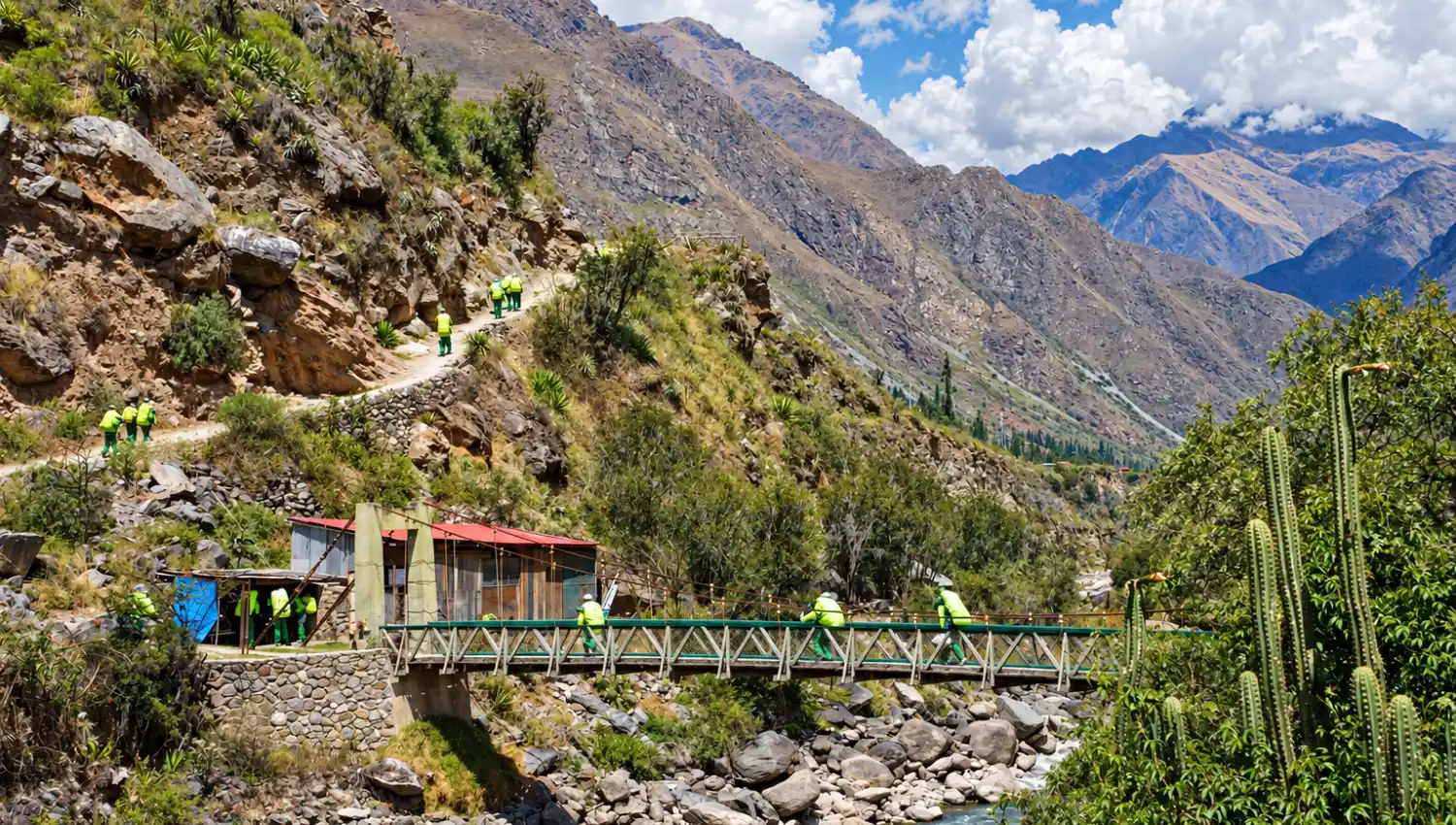
Recent rehabilitation work elsewhere in the Inca Trail network has included measures such as:
- Removing unstable rocks
- Clearing debris
- Removing fallen vegetation
- Stabilizing slopes
- Repairing retaining structures
- Maintaining ancient stone paths
- Repairing wooden infrastructure
- Improving damaged trail surfaces
- Managing vegetation
- Inspecting bridges and crossings
Because the Inca Trail forms part of an internationally important archaeological and natural landscape, maintenance must also protect the historic fabric of the route.
This is one reason repairs can take time.
Will Maintenance Continue After September 5?
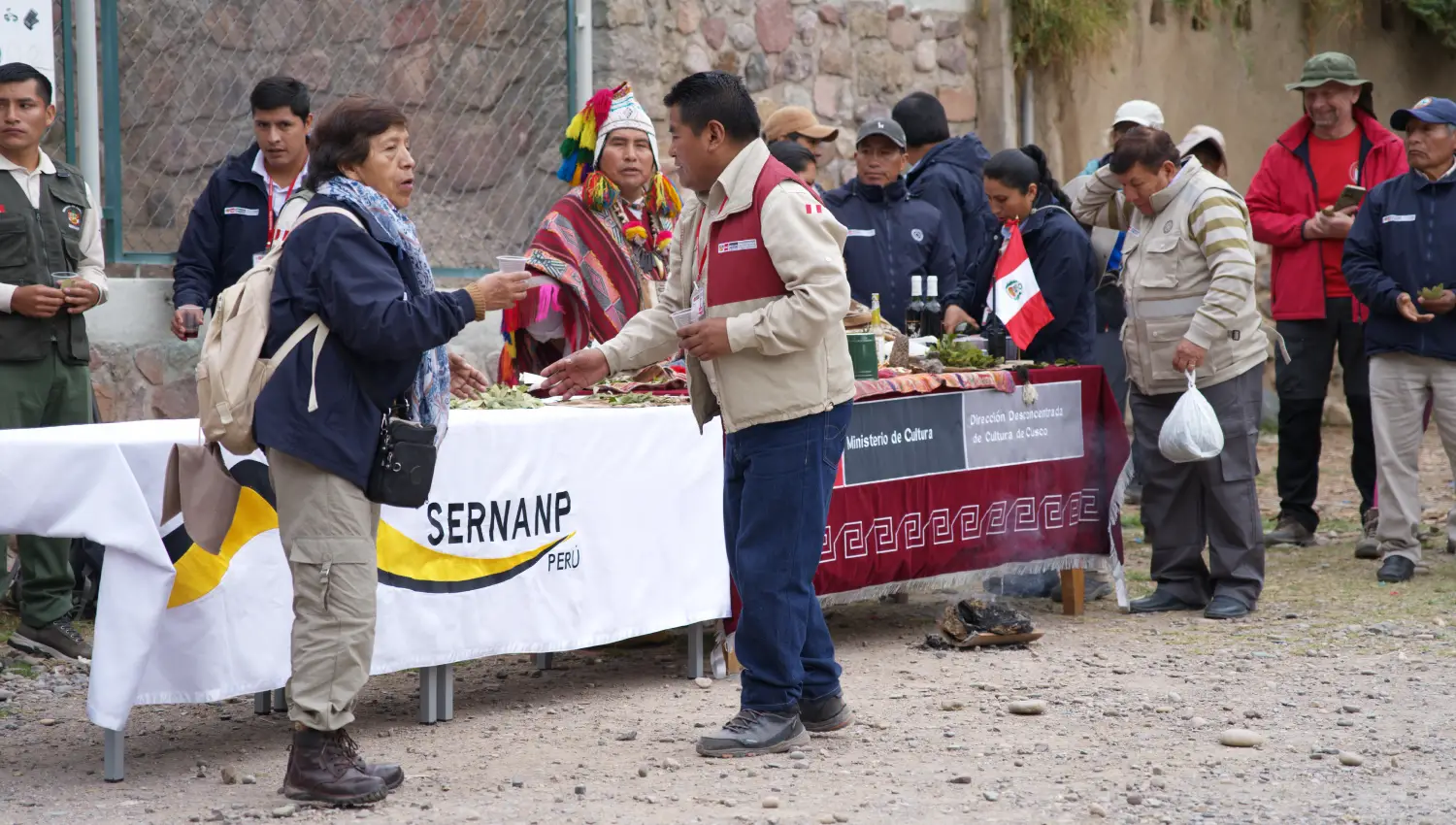
Yes, maintenance may continue in some areas even after visitor access resumes.
That should not automatically concern travelers.
Mountain routes require continuous care, particularly following unusual weather.
You might notice:
- Recently cleaned sections
- Repaired drainage
- Workers along particular sections
- New or repaired railings
- Protected areas hikers should avoid
- Sections where your guide asks the group to move carefully
Always follow your guide and park personnel around active work areas.
The goal is not only to make the trail walkable today but to preserve it for future generations.
Which Inca Trail Should You Hike?
Travelers sometimes speak about “the Inca Trail” as though there is only one itinerary.
In reality, several trekking options provide access to portions of the historic trail system.
Alpaca Expeditions offers multiple Inca Trail trekking options to Machu Picchu, allowing travelers to choose according to available time, fitness, and the type of experience they want.
Classic 4-Day Inca Trail
For travelers seeking the traditional multi-day experience, the Classic 4-Day Inca Trail Trek is the iconic route.
It includes:
- Multiple days of trekking
- High mountain passes
- Major archaeological sites
- Cloud forest
- Camping
- Ancient Inca stone paths
- Arrival toward Machu Picchu through the traditional route

This is the option most people imagine when they say they want to “hike the Inca Trail.”
Short 2-Day Inca Trail
Travelers with limited time or those who prefer a less demanding trek can consider the 2-Day Short Inca Trail with hotel accommodation.
The hiking portion begins near Km 104 and includes important sites such as Wiñay Wayna before continuing toward the Sun Gate.
There is also a 2-Day Short Inca Trail with camping for travelers who want a short hike but still prefer a camping experience.
Do not assume that every Inca Trail route always has exactly the same access conditions. Confirm your specific itinerary before travel.

Will the Inca Trail Be Muddy After Reopening?
Some sections could remain damp depending on rainfall immediately before your trek, shade, drainage, elevation, and trail surface.
You should not expect the entire trail to be covered in mud.
Much of the Inca Trail includes stone surfaces, stairs, natural trails, and forest paths, and each responds differently to rain.
The bigger concern after rainfall is often traction, especially on wet stone.
Ancient Inca staircases can become slippery when wet.
Slow down.
Do not rush downhill simply because another group is moving faster.
What Is the Inca Trail Weather Like in September?
September normally falls near the end of the main dry-season period around Cusco, making it a popular month for trekking.
Travelers can often experience:
- Dry or mostly dry days
- Strong sunshine
- Cool mornings
- Cold nights
- Clear mountain views
- Occasional clouds
- Increasing chances of rain as the season changes
But the August 2026 weather event is an important reminder:
Dry season does not mean rain-free season.
Mountain weather can change rapidly.
Typical September conditions vs. what to prepare for
| Typical September condition | What hikers should do |
| Strong daytime sunshine | Carry sunscreen, sunglasses, and a sun hat |
| Cool mornings | Start with insulating layers |
| Cold nights at elevation | Pack warm sleeping layers |
| Lower rainfall than wet season | Still carry full rain protection |
| Variable cloud cover | Keep layers accessible |
| Wet stone after showers | Slow down and use trekking poles carefully |
| Strong UV exposure | Reapply sunscreen throughout the day |
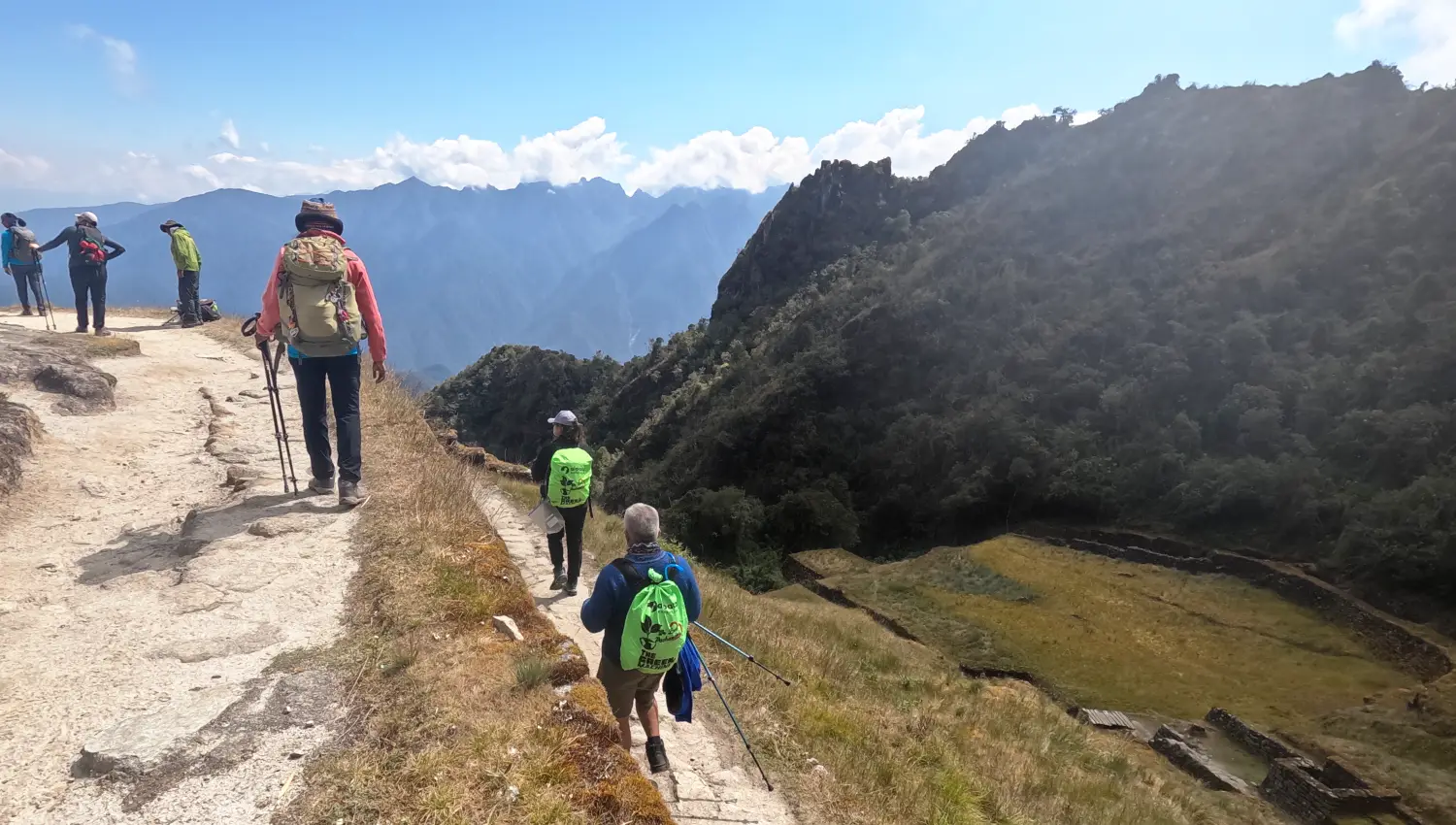
For detailed equipment guidance, review Alpaca Expeditions’ Inca Trail and Peru trekking packing information before leaving home.
Should I Still Hike the Inca Trail in September 2026?
Yes, if your specific route is officially open, your trek is confirmed, and you are physically prepared, September can still be an excellent time to hike the Inca Trail.
The temporary August closure should not automatically cause travelers to cancel a confirmed September trip.
Instead, ask practical questions:
- Is my departure confirmed?
- Is my route currently open?
- Have authorities issued any new restrictions?
- What is the latest weather forecast?
- Has Alpaca Expeditions changed any logistics?
- Am I properly acclimatized?
- Do I have adequate rain protection?
- Does my travel insurance cover trekking and disruption?
Those questions are far more useful than simply asking, “Was the trail closed last month?”
What Should I Do Before My Trek?
1. Confirm your departure
A few days before hiking, make sure your trek is operating as planned.
Check:
- Departure date
- Pickup time
- Permit information
- Briefing location
- Passport details
- Route
- Packing instructions
2. Attend your briefing
Do not skip the pre-trek briefing.
This is where your guide can provide the latest practical information about:
- Trail conditions
- Weather
- Campsites
- Start time
- Packing
- Porter logistics
- Water
- Safety
- Route-specific instructions
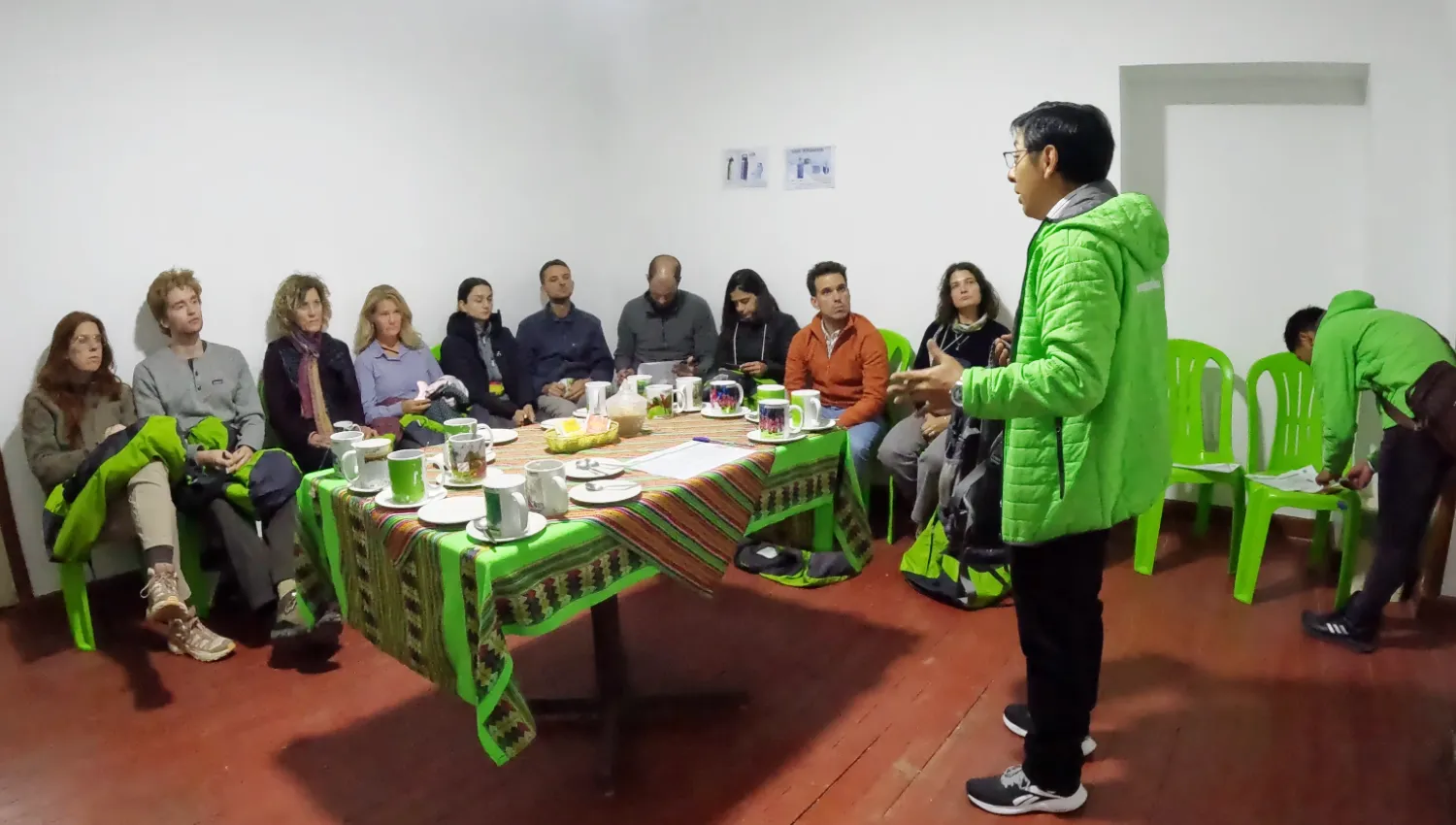
The information you hear locally shortly before departure may be more useful than an old weather post you found online months earlier.
3. Prepare your body for altitude
Trail conditions are only one part of Inca Trail safety.
Altitude remains one of the biggest challenges for visitors coming from the United States.
Cusco sits at roughly 11,000 feet above sea level, while the Classic Inca Trail climbs even higher.
Give yourself time to acclimatize.
A good plan is generally to arrive in the Cusco region several days before beginning a demanding trek.
How Difficult Is the Classic Inca Trail?
The Classic Inca Trail is achievable for many reasonably active travelers, but it should not be underestimated.
The route involves:
- Long hiking days
- Significant elevation gain
- Long descents
- Thousands of stone steps
- Uneven surfaces
- High altitude
- Consecutive days of physical activity
One of the best places to compare route expectations is Alpaca Expeditions’ Inca Trail trek overview.
What is the hardest part?
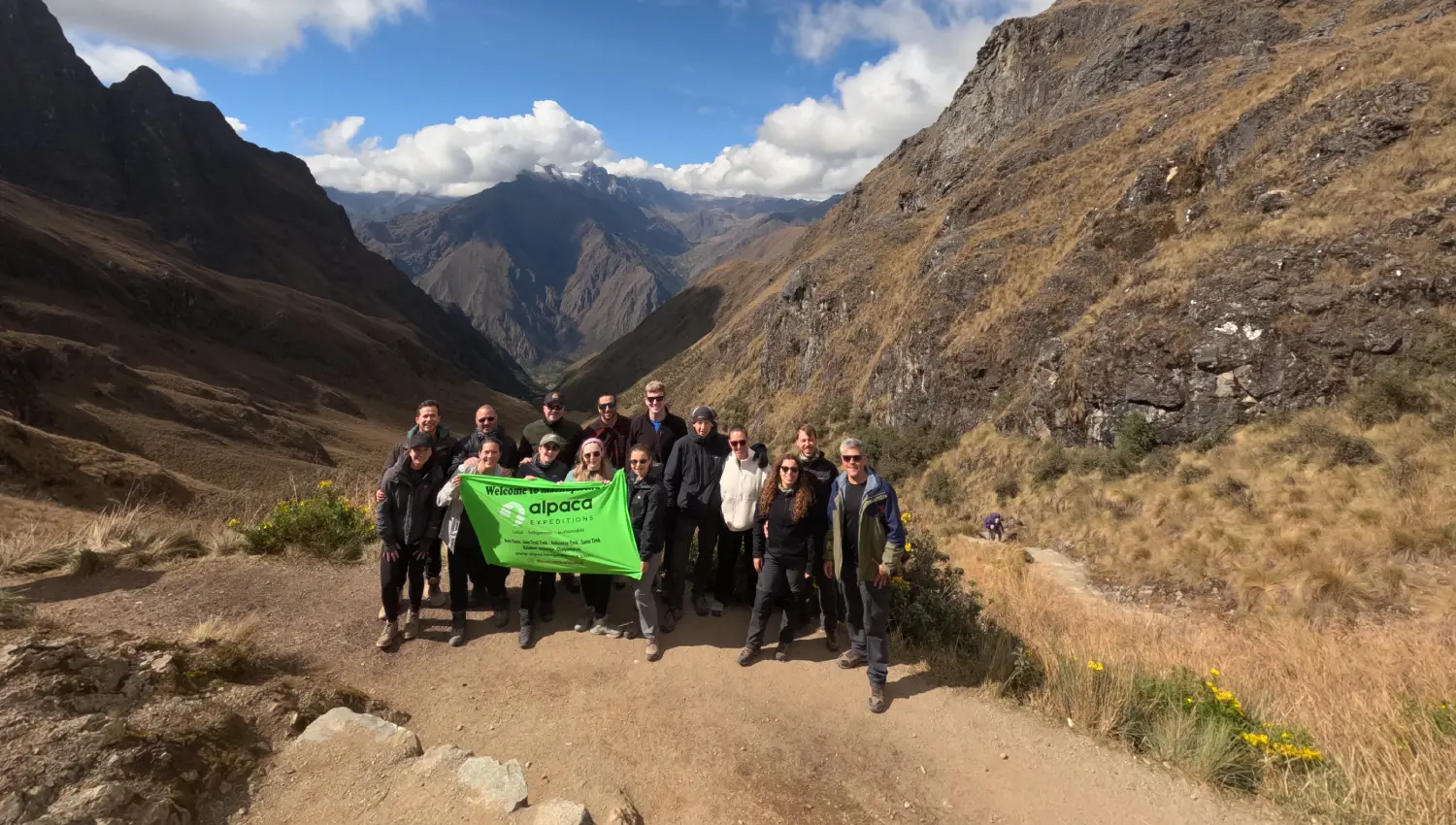
For many hikers, the toughest section is the climb toward Dead Woman’s Pass, the highest point on the traditional route at approximately 4,215 meters, or around 13,800 feet.
At that elevation, the same uphill effort feels much harder than it does at sea level.
Take your time.
The Inca Trail is not a race.
Does Being Fit Prevent Altitude Problems?
No.
Fitness helps you handle the physical workload, but it does not make you immune to altitude sickness.
A marathon runner can experience altitude symptoms.
A moderately active traveler may acclimatize well.
What matters greatly is:
- How quickly you ascend
- How high you sleep
- Your personal susceptibility
- Whether you give yourself enough time before the trek
Use fitness training for physical preparation and acclimatization days for altitude preparation.
They are different.
How Should I Train for the Inca Trail?
Begin training well before arriving in Peru.
Cardiovascular preparation
Useful activities include:
- Hiking
- Brisk walking
- Cycling
- Stair climbing
- Incline treadmill walking
Strength preparation
Focus particularly on:
- Squats
- Lunges
- Step-ups
- Calf raises
- Core stability
Practice descending
This is frequently overlooked.
Long descents can put substantial stress on the knees and quadriceps.
Practice downhill hiking or controlled step-down exercises.
Train with your daypack
Use the actual equipment you plan to take.
That includes:
- Hiking shoes
- Backpack
- Trekking poles
- Hiking clothes
You want to discover uncomfortable shoes at home, not halfway through the Andes.
What Should You Pack After the September Reopening?
Recent rainfall makes waterproof equipment particularly important, but your overall packing strategy should remain balanced.
Do not pack as though you are going on a winter expedition.
Do not pack as though every day will be sunny.
Prepare for both.
Essential clothing
- Moisture-wicking hiking shirts
- Hiking pants
- Warm base layer
- Fleece
- Insulated jacket
- Waterproof outer shell
- Rain pants
- Hiking socks
- Warm hat
- Sun hat
- Gloves
Essential rain protection
- Waterproof jacket
- Waterproof pants
- Backpack rain cover
- Dry bags or waterproof liners
- Waterproof protection for electronics
- Waterproof storage for documents
Hiking equipment
- Comfortable daypack
- Trekking poles
- Headlamp
- Water bottle or hydration bladder
- Sunglasses
- Sunscreen
- Insect repellent
Personal essentials
- Original passport
- Prescription medication
- Small first-aid supplies
- Personal toiletries
- Power bank
- Snacks
You can review current trek-specific requirements on the Classic Inca Trail itinerary page before packing.
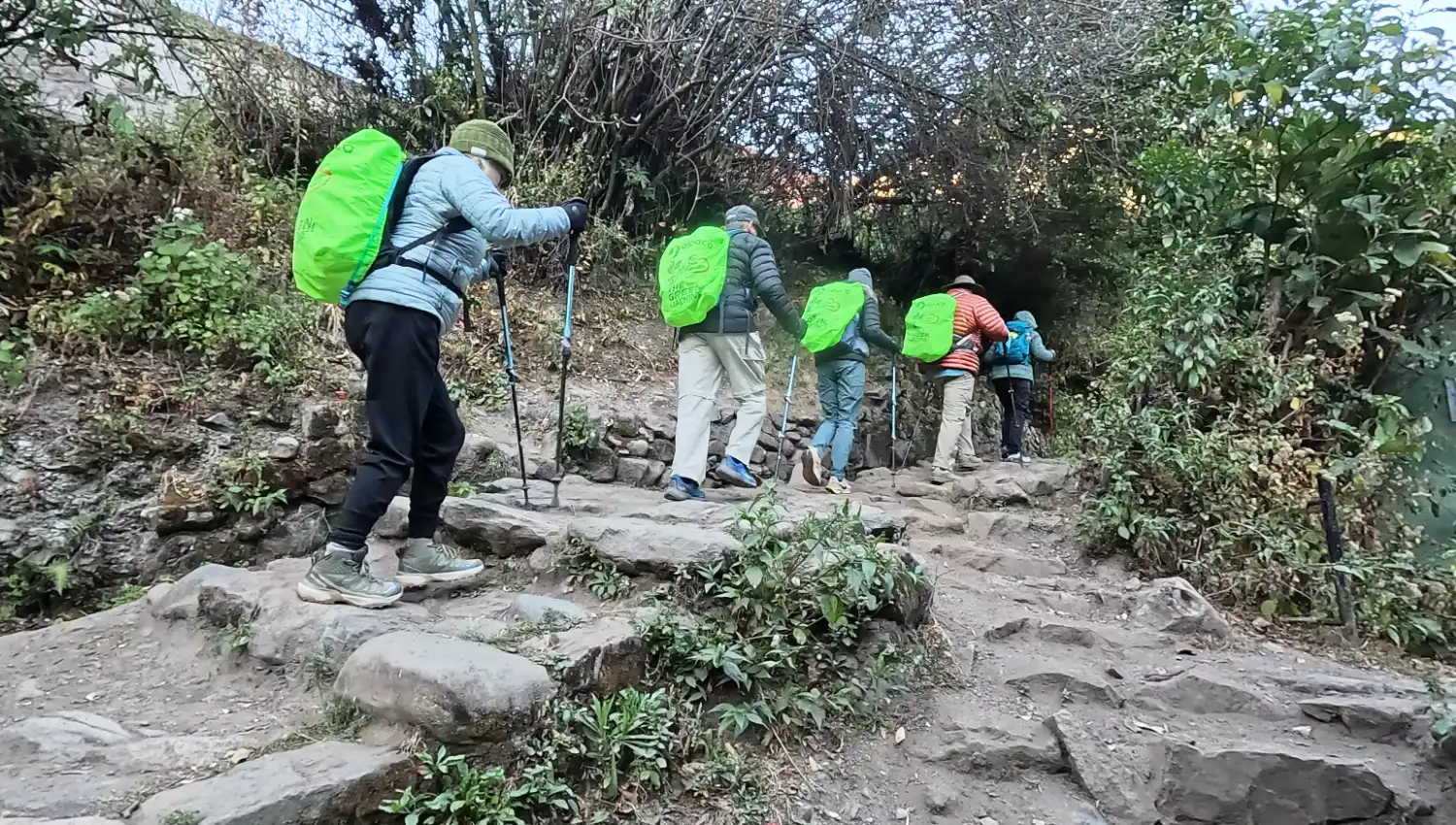
Are Trekking Poles Worth Taking?
For most travelers, yes.
Trekking poles can help with:
- Balance
- Long descents
- Knee strain
- Uneven surfaces
- Wet stone
- Fatigue late in the day
They become especially helpful when ancient stone stairs are damp.
Use approved rubber tips where required to protect archaeological surfaces.
Should I Wear Waterproof Hiking Boots?
Waterproof boots can be useful, but comfort and traction matter more than the word “waterproof” on the label.
A suitable hiking shoe should provide:
- Good grip
- Reliable fit
- Comfort over long distances
- Support appropriate for you
- Proven performance
Do not bring brand-new boots.
Break them in properly before traveling.
Blisters can create a much bigger problem than a small amount of rain.
What Should You Do If It Rains During the Trek?
Rain does not automatically mean the hike has become unsafe.
The Andes receive rain.
Your response matters.
When rain begins:
- Put on waterproof layers before your clothing becomes soaked.
- Protect your backpack.
- Store electronics securely.
- Slow down on stone steps.
- Use trekking poles carefully.
- Keep dry clothing protected.
- Follow your guide’s pace.
- Avoid rushing downhill.
One common mistake is waiting until you are already wet before unpacking your rain jacket.
Keep rain gear accessible.
Do not bury it beneath everything else.
Could the Inca Trail Close Again?
Yes.
A future temporary closure is possible if authorities determine that weather, landslides, flooding, infrastructure damage, or another issue creates an unacceptable risk.
That does not mean another closure is expected.
It means mountain access is conditional on safety.
If authorities close part of the route, tour companies must follow those instructions.
Depending on the situation, your options might involve:
- Rescheduling
- Alternative access
- A different itinerary
- Train-based Machu Picchu arrangements
- Waiting for further government guidance
The available solution depends on the exact circumstances.
Does an Inca Trail Closure Mean Machu Picchu Is Closed?
No.
This is one of the biggest sources of confusion during weather disruptions.
The Inca Trail and the Machu Picchu archaeological site are related, but they do not always share the same access status.
A restriction on one hiking route does not automatically mean the entire Machu Picchu complex is closed.
Always check separately:
- Inca Trail access
- Machu Picchu entry
- Train operations
- Hiking routes
- Local transfers
When you see a headline saying “Machu Picchu closed,” determine exactly what the notice refers to before changing your trip.
Do I Still Need an Inca Trail Permit?
Yes.
The September reopening does not change the permit system.
The Inca Trail is a regulated archaeological route with limited daily access.
Permits:
- Are limited
- Are tied to specific dates
- Require traveler information
- Can sell out well in advance
You can check current Inca Trail permit availability before choosing your travel dates.
If you are planning farther ahead, Alpaca Expeditions also provides guidance on how Inca Trail booking works for future seasons.
Can I Hike the Inca Trail Without a Guide?
The regulated Inca Trail is not an unrestricted self-guided hiking route.
Access is managed through Peru’s tourism and cultural-heritage system, and trekkers use authorized operators and licensed guides.
These controls help manage:
- Visitor numbers
- Archaeological preservation
- Campsites
- Waste
- Safety
- Porter operations
- Trail use
Do not arrive at Km 82 expecting to buy a walk-in ticket and hike independently.
What Role Does Your Guide Play in Safety?
Your guide does much more than explain Inca history.
During a multi-day trek, guides monitor:
- Hiker condition
- Group pace
- Weather
- Trail surfaces
- Timing
- Altitude symptoms
- Rest requirements
- Operational instructions
- Government restrictions
Tell your guide immediately if something feels wrong.
That includes:
- Persistent headache
- Severe nausea
- Vomiting
- Dizziness
- Difficulty breathing
- Chest discomfort
- Significant injury
- Unusual exhaustion
- Difficulty walking normally
Hiding symptoms because you do not want to inconvenience the group is a mistake.
Early communication creates more options.
Why Do Porters Matter to Inca Trail Safety?
Porters are one of the foundations of multi-day trekking on the Inca Trail.
They help transport:
- Tents
- Food
- Cooking equipment
- Camp infrastructure
- Group supplies
They also work in demanding mountain conditions at altitude.
Travelers should therefore take packing limits seriously.
Do not add unnecessary weight simply because someone else will carry it.
If you want to understand the people behind the trekking experience, read Alpaca Expeditions’ guide to Inca Trail porters and ethical trekking in 2026.
Responsible trekking means thinking about both visitor safety and the working conditions of the people supporting the journey.
Is September Still a Good Time to Hike the Inca Trail?
Yes.
September can be one of the most rewarding times of year for trekking around Cusco.
Potential advantages include:
- Generally favorable trekking weather
- Good chances of mountain views
- Comfortable daytime temperatures
- Conditions that are typically drier than the main rainy season
- Excellent scenery
But travelers should avoid interpreting “dry season” too literally.
September can still bring:
- Rain
- Clouds
- Cold nights
- Wet trail surfaces
- Sudden temperature changes
Prepare for variation.
How Many Days Should You Spend in Cusco Before Hiking?
For travelers arriving from low-elevation parts of the United States, spending several days in the Cusco region before a strenuous trek is sensible.
Use the time to:
- Sleep
- Eat properly
- Walk gently
- Adjust to altitude
- Organize gear
- Attend your briefing
- Monitor how your body responds
Do not schedule your hardest adventure the morning after arriving from sea level.
Should You Visit Rainbow Mountain Before the Inca Trail?
Be careful with this plan.
Rainbow Mountain reaches an elevation significantly higher than Cusco and can be strenuous.
Doing it immediately after arrival or immediately before the Inca Trail may leave you:
- Tired
- Dehydrated
- Sore
- Poorly rested
- Experiencing altitude symptoms
If you want to combine both experiences, plan the sequence intelligently rather than using Rainbow Mountain as an aggressive “acclimatization hike.”
Common Mistakes Travelers Should Avoid After the Reopening
Mistake 1: Assuming reopened means perfectly dry
It does not.
A trail can be safe to use while still having damp sections.
Mistake 2: Leaving rain gear behind
September is not guaranteed to be rain-free.
Mistake 3: Trusting an old social media update
Conditions change quickly.
Check recent information.
Mistake 4: Wearing new boots
Break in your hiking footwear before Peru.
Mistake 5: Overpacking
Carry only what you genuinely need.
Mistake 6: Ignoring altitude symptoms
Tell your guide.
Mistake 7: Racing other hikers
Your pace should be sustainable.
Mistake 8: Leaving the official trail
Do not take shortcuts.
Mistake 9: Assuming every Inca Trail route has the same status
Confirm your specific itinerary.
Mistake 10: Treating a schedule as more important than safety
Mountain itineraries occasionally need to change.
How Can Hikers Help Protect the Inca Trail?
The Inca Trail is both a trekking route and an extraordinary cultural landscape.
Travel responsibly.
Follow these principles:
- Stay on designated trails.
- Do not climb archaeological walls.
- Do not remove stones.
- Do not pick plants.
- Follow waste-management instructions.
- Use reusable bottles.
- Respect campsites.
- Respect porters.
- Follow park personnel.
- Avoid damaging historic surfaces.
The reopening is also a useful reminder that preserving the Inca Trail requires continuous work.
Visitors have a role in that preservation.
A September 2026 Pre-Trek Checklist
Three days before departure
- Confirm your trek is operating.
- Check your permit.
- Confirm the route.
- Attend or schedule your briefing.
- Check your passport.
- Review weather information.
- Test your rain jacket.
- Organize your daypack.
- Check trekking poles.
- Charge devices.
- Monitor altitude symptoms.
The night before
- Pack waterproof clothing where it is easily accessible.
- Protect electronics.
- Pack sunscreen.
- Pack sunglasses.
- Pack medications.
- Prepare water storage.
- Protect your passport.
- Eat a normal meal.
- Avoid excessive alcohol.
- Get enough sleep.
While hiking
- Follow your guide.
- Tell the guide if you feel sick.
- Slow down on wet stone.
- Stay on the trail.
- Respect maintenance areas.
- Keep rain gear accessible.
- Drink regularly.
- Do not race.
- Respect porters and trail staff.
What Should Travelers Take Away From the Reopening?
There are two inaccurate ways to interpret this situation.
The first is:
“The trail reopened, so there is absolutely nothing to think about.”
The second is:
“There was a closure, so the Inca Trail must now be dangerous.”
Neither is useful.
A better conclusion is:
Unusual weather affected sections of the Inca Trail. Authorities temporarily restricted access so specialists could inspect and maintain the network. Visitor access is scheduled to resume September 5 after those evaluations, while monitoring and maintenance continue.
That is normal risk management for an important mountain route.
Is the Inca Trail Worth Hiking After the Reopening?
For hikers whose routes are open and confirmed, absolutely.
The Inca Trail is much more than a way to reach Machu Picchu.
The journey includes:
- High Andean landscapes
- Cloud forests
- Historic Inca engineering
- Archaeological sites
- Ancient stone stairways
- Mountain passes
- Changing ecosystems
- The gradual approach toward Machu Picchu
Arriving on foot creates a completely different sense of place from simply reaching Machu Picchu by transportation.
For travelers considering the full experience, explore Alpaca Expeditions’ Inca Trail trekking itineraries and compare the Classic and Short Inca Trail options.
Final Thoughts: Is the Inca Trail Safe After the September 5 Reopening?
The Inca Trail is scheduled to resume tourist access on September 5, 2026 following inspections and rehabilitation after unusual August weather affected parts of the network.
For travelers, that means:
- The reopening follows technical evaluation.
- Some maintenance may continue.
- Mountain weather can still change.
- September remains a strong trekking period.
- Rain protection remains necessary.
- Proper footwear matters.
- Altitude preparation is essential.
- Permits are still required.
- Travelers should confirm their specific departure.
- Guide instructions should always take priority over a fixed itinerary.
If you’re traveling with Alpaca Expeditions, arrive in Cusco with enough time to acclimatize, attend your briefing, pack for changing conditions, and communicate openly with your guide.
The smartest approach is neither fear nor overconfidence.
It is preparation.
And once the trail is officially open and your trek is confirmed, you can focus on what brought you to Peru in the first place: walking one of the world’s most remarkable historic trails toward Machu Picchu.
7. Frequently Asked Questions
1. Is the Inca Trail open in September 2026?
The Inca Trail is scheduled to resume tourist access on September 5, 2026, following technical inspections and maintenance after weather-related disruption. Travelers should still confirm their exact route immediately before departure.
Check Alpaca Expeditions’ Inca Trail availability page when planning your trip.
2. Why was the Inca Trail closed in August 2026?
Unusually intense rainfall affected parts of the trail network, creating issues such as landslides, erosion, rising water, and infrastructure concerns. Access was temporarily restricted while authorities assessed and repaired affected areas.
3. Is the Inca Trail safe after reopening?
The reopening follows technical evaluations designed to determine whether visitor access can resume. However, the Inca Trail remains a high-altitude mountain trek, so hikers should follow guides, pack appropriately, and remain prepared for changing weather.
4. Should I cancel my September Inca Trail trip?
Not automatically. If your route is officially open and your departure is confirmed, the previous closure alone is not a reason to cancel. Contact Alpaca Expeditions for the status of your specific booking and monitor conditions near your departure date.
5. Which is better after reopening: the Classic or Short Inca Trail?
That depends on your time, fitness, and preferred experience.
The Classic 4-Day Inca Trail offers the traditional multi-day trekking experience.
Travelers with less time can consider the 2-Day Short Inca Trail with hotel or the Short Inca Trail with camping.
6. Is September a good month to hike the Inca Trail?
Yes. September generally falls within the drier trekking period around Cusco and can offer favorable hiking conditions. However, rain can occur at any time, so waterproof equipment is still necessary.
7. Will the Inca Trail be muddy after reopening?
Some shaded or recently rain-affected sections may remain damp, depending on weather. The entire trail should not be assumed to be muddy. Good footwear and careful pacing are more important than trying to predict every trail surface.
8. Do I need waterproof boots for the Inca Trail?
Water resistance can help, but fit, traction, and comfort are more important. Never bring brand-new boots. Use footwear you have already tested on longer hikes.
9. Are trekking poles useful on the Inca Trail?
Yes. Trekking poles can improve balance and reduce knee strain, particularly on long descents and wet stone stairs. Use rubber tips where required to protect archaeological surfaces.
10. Do I still need an Inca Trail permit after the reopening?
Yes. The temporary closure does not change the permit system. Inca Trail access remains limited and date-specific.
Check Inca Trail permits and availability before choosing travel dates.
11. Can I buy an Inca Trail permit when I arrive in Cusco?
You should not plan on doing so. Permits are limited and popular dates can sell out months in advance. The safest strategy is to reserve your trek well before traveling.
12. Can I hike the Inca Trail without a guide?
No. The regulated Inca Trail operates through authorized tourism procedures and licensed trekking operations. It is not an unrestricted self-guided trail.
13. How difficult is the Classic Inca Trail?
The Classic route is physically demanding because of altitude, long hiking days, steep climbs, stone stairs, and significant descents. Travelers should train before arriving and allow time to acclimatize.
See the Classic Inca Trail itinerary for route details.
14. How many days should I acclimatize before the Inca Trail?
Many travelers benefit from spending at least two or three days in the Cusco region before beginning a strenuous trek, especially when arriving from near sea level.
15. Does being physically fit prevent altitude sickness?
No. Fitness helps with hiking but does not guarantee protection from altitude illness. Gradual acclimatization remains important even for very fit travelers.
16. Does an Inca Trail closure mean Machu Picchu is closed?
Not necessarily. Access to particular Inca Trail routes and access to the Machu Picchu archaeological complex may have different statuses. Always verify what a closure notice actually covers.
17. What happens if bad weather returns after the trail reopens?
Guides and authorities may change timing, impose restrictions, adjust operations, or temporarily close a route if conditions become unsafe. Travelers should remain flexible.
18. What should I pack for the Inca Trail in September?
Bring layered clothing, a waterproof jacket, rain pants, good hiking shoes, sun protection, a daypack, trekking poles, water storage, personal medication, and waterproof protection for important items.
Review the trek information on Alpaca Expeditions’ Inca Trail planning hub before packing.
19. Should I hike Rainbow Mountain before the Inca Trail?
Be cautious about scheduling Rainbow Mountain immediately before your trek. It reaches a very high elevation and can leave travelers tired or experiencing altitude symptoms. Give yourself sufficient acclimatization and recovery time.
20. Why are porters important on the Inca Trail?
Porters carry essential camp equipment and supplies and play a major role in making multi-day trekking possible. Travelers should respect packing limits and responsible porter practices.
Learn more in Alpaca Expeditions’ guide to Inca Trail porters and ethical trekking.
21. Is the Short Inca Trail easier than the Classic Inca Trail?
Generally, yes. The Short Inca Trail involves much less hiking time and does not include the same multi-day high-pass experience as the Classic route.
Compare the 2-Day Short Inca Trail with the 4-Day Classic Inca Trail before deciding.
22. How far in advance should I book the Inca Trail?
Popular dates can sell out months ahead because permit numbers are limited. Booking well in advance is particularly important for peak-season travel.
Travelers planning next year can read Alpaca Expeditions’ step-by-step guide to booking the Inca Trail.