



Why Machu Picchu Remains the Traveler’s Dream
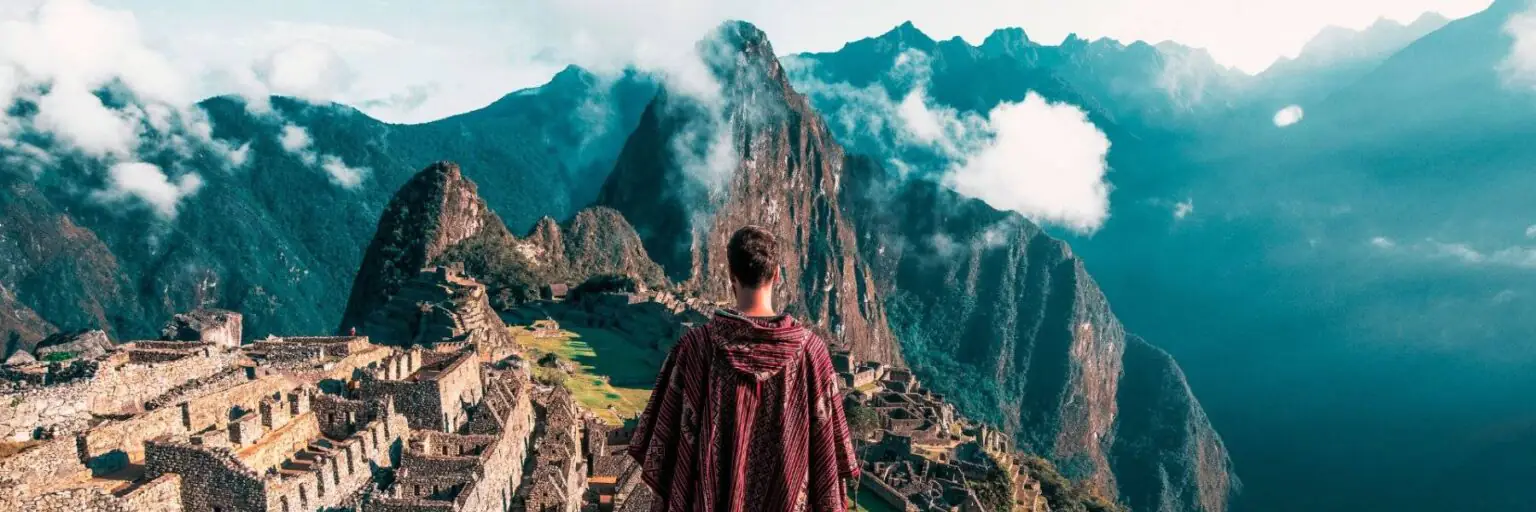
Journey to Machu Picchu isn’t just a destination; it’s an experience that weaves together history, ecology, and personal growth. This 15th‑century citadel sits atop a mountain ridge 2 430 m (7,970 ft) high in Peru’s Eastern Cordillera, about 73 km (45 mi) northwest of Cusco.
Its terraces, temples, and plazas were unknown to outsiders until explorer Hiram Bingham brought the ruins to world attention in 1911.
When our travelers first glimpse the Sacred Plaza and its views of Huayna Picchu, we often see tears. Machu Picchu has a rare ability to connect modern souls with ancient ingenuity. Your journey there starts long before you step on the citadel’s stones.
It begins in Cusco – a UNESCO site 3,400 m (11,155 ft) above sea level – and winds through valleys, forests, and mountain passes. We hope this guide helps you choose the route that suits your spirit, budget, and curiosity.
How to Use This Guide
The following sections cover everything you need to plan your Machu Picchu journey:
- Transport options – including trains, buses, taxis, and alternative routes.
- Classic and alternative treks – Inca Trail, Salkantay, Lares, and more.
- Practical information – acclimatization, permits, costs, weather, and packing.
- Life at Aguas Calientes (Machu Picchu Town) – hot springs, market,s and travel tips.
- Frequently asked questions and resources – to answer what our clients most often ask.
Getting from Cusco to Machu Picchu: Transport Options
Machu Picchu is not accessible by road; this remoteness protects the site’s fragile environment. You can reach it by train, on foot or via a combination of bus and train. Each method offers distinct experiences.
Direct Train from Cusco to Aguas Calientes (Machu Picchu Pueblo)
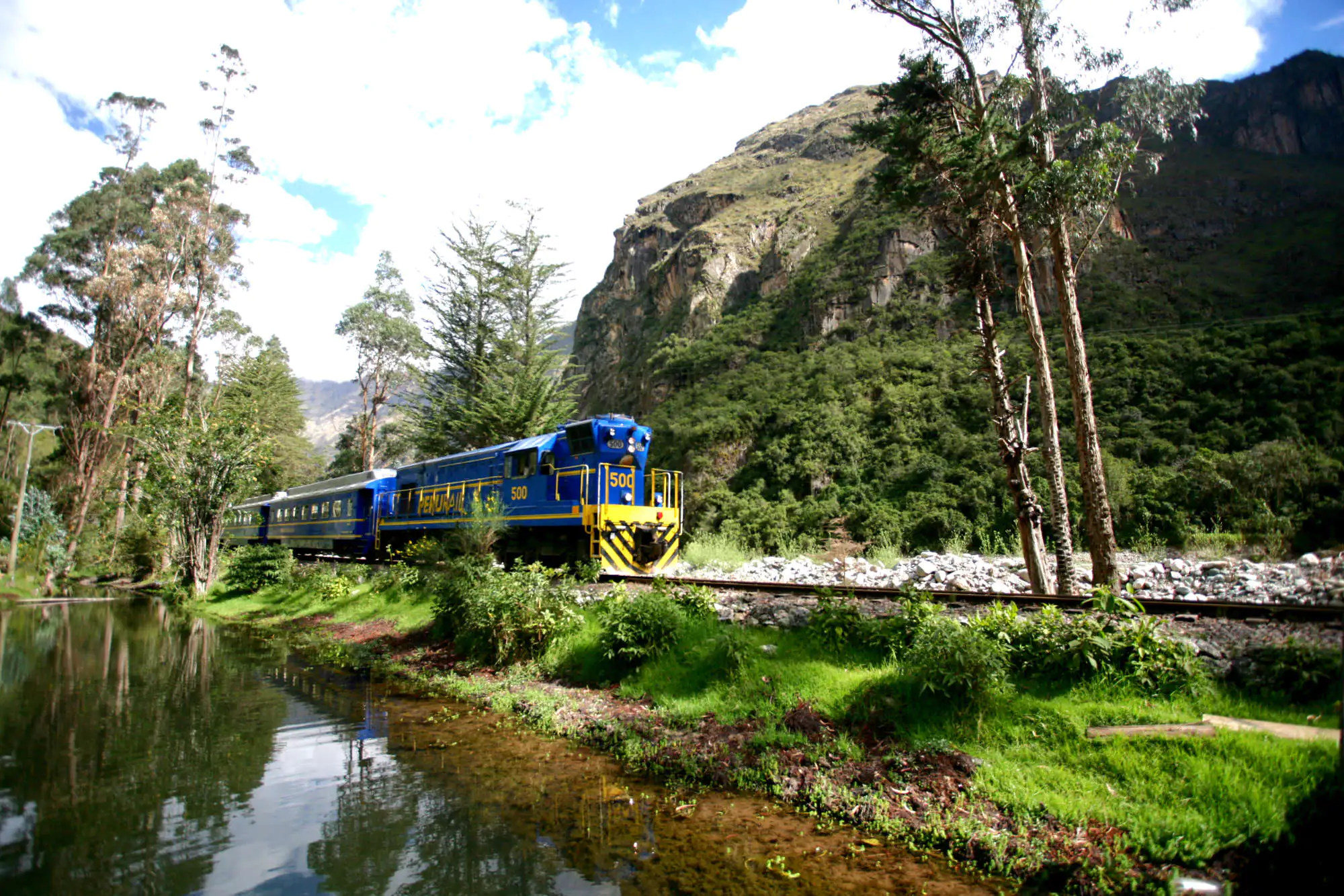
The simplest route is the direct train from Cusco’s San Pedro or Poroy station to Aguas Calientes (also called Machu Picchu Pueblo). Trains take roughly 3–4 hours and wind through the Sacred Valley, following the Urubamba River. We recommend traveling in daylight to admire the scenery. Here’s what to expect:
Direct Train from Cusco to Aguas Calientes
Direct Train from Cusco to Aguas Calientes
1. PeruRail Services
PeruRail operates multiple categories:
- Expedition – the most economical class offers comfortable seats, large windows, and snack service. Prices run about US $65–70.
- Vistadome – upgraded coaches with panoramic windows, live Peruvian dance or fashion shows on board, and slightly more spacious seating. Fares generally range US $62–90.
- Vistadome Observatory – includes a bar/observatory car with floor‑to‑ceiling windows and live Andean dance performances. Tickets fall within US$62–90.
- Hiram Bingham – the luxury Belmond train with wood‑paneled carriages, gourmet meals, an open bar, and a bus ticket to Machu Picchu; one‑way fares start around US $480 and can exceed US $1 000 for round‑trip service. This is an indulgent experience suited for special occasions.
Trains leave from San Pedro/Poroy only a few times a day; in some seasons operate solely from Ollantaytambo (see next option). Book early, especially June–August.
2. Inca Rail Services
The Inca Rail provides similar categories:
- Voyager – comfortable seats and snack service, priced around US $63.
- 360° – large windows with on‑board entertainment; tickets cost about US $70–90.
- First Class – gourmet meals, an observatory lounge, and fewer passengers; fares run higher, typically US $100–150.
Inca Rail trains depart from San Pedro, Poroy, and Ollantaytambo. In our experience, Inca Rail’s smaller trains create a more intimate atmosphere.
Pros & Cons
| Feature | Pros | Cons |
| Comfort & speed | Fast (3–4 hours) with comfortable seating; scenic views; minimal walking required | Expensive compared to bus routes; limited departure times |
| Convenience | Book tickets online; straightforward for families and those with limited mobility | Must arrange onward bus from Aguas Calientes to the citadel (see below) |
| Environmental impact | Train travel minimises road traffic to the sanctuary | High tourism volume contributes to crowding; choose sustainable operators and carbon‑offset programs |
Train via Ollantaytambo (Bus + Train Combination)
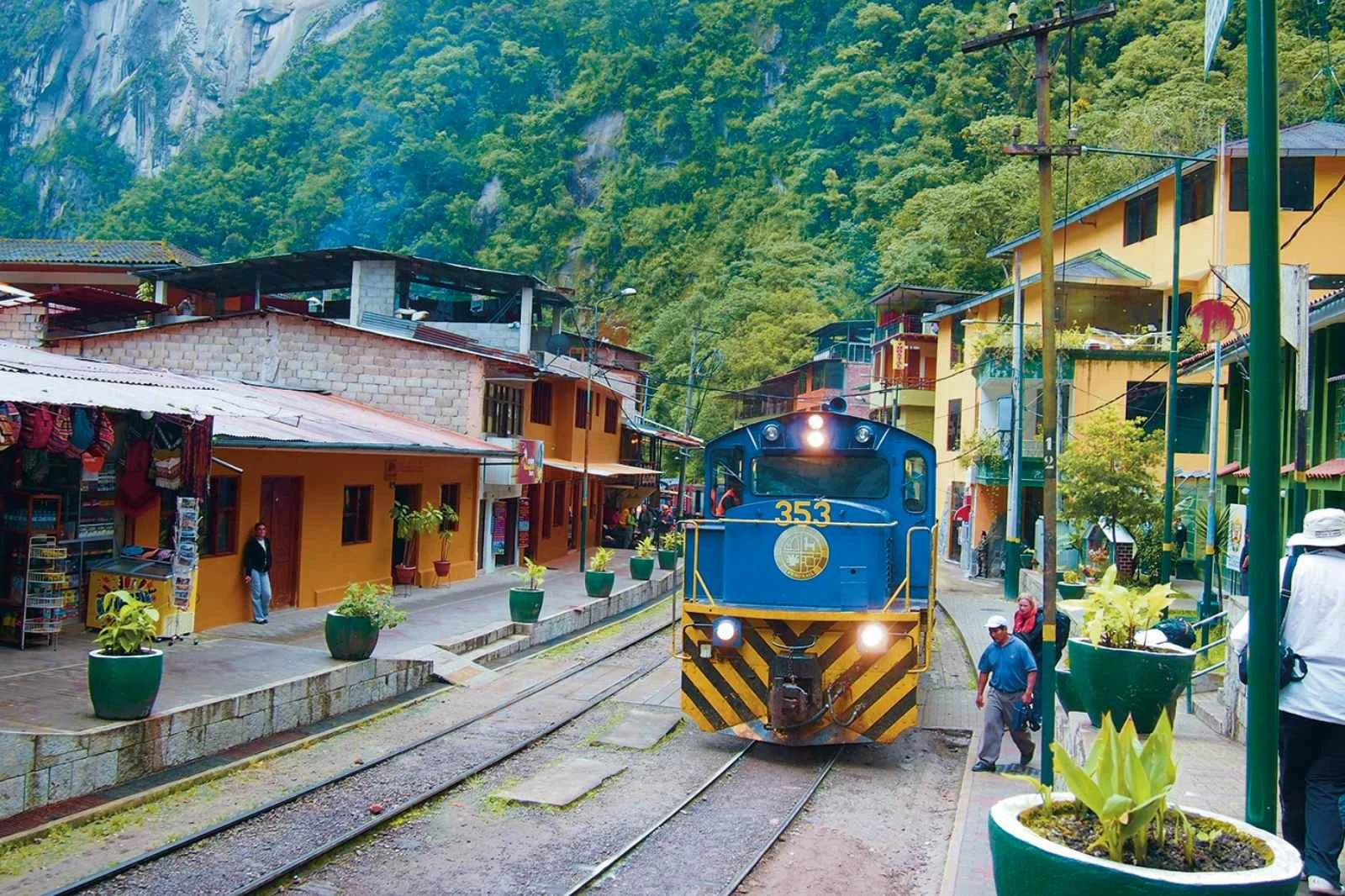
Many travelers take a bus or taxi from Cusco to Ollantaytambo, then catch a train to Aguas Calientes. This route takes 5–6 hours and costs between US$50 and $200 depending on class and season. We recommend this option when direct trains from Cusco are sold out or when you wish to explore the Sacred Valley en route.
Train via Ollantaytambo
Ollantaytambo lies at a lower altitude (2,792 m/9 160 ft) than Cusco. Spending a night here helps acclimatize and allows visits to the Ollantaytambo ruins. Frequent collectivos (shared taxis) and bus services link Cusco and Ollantaytambo in about 2 hours for a modest fee.
Once in Ollantaytambo, follow the same train categories described above. Tip: our travelers often enjoy riding the Vistadome on the outward journey and returning on the Expedition to balance cost and comfort.
Private Taxi from Cusco to Ollantaytambo or Hydroelectric Station
Hiring a taxi from Cusco to Ollantaytambo (2 hr) or even directly to the Hydroelectric Station near Aguas Calientes is possible. The competitor’s article cited taxi rides from Cusco to Machu Picchu at about US $150 and taking 4–5 hours.
This figure is generally accurate for a one‑way hire, though prices vary by negotiation and vehicle type. Taxis offer flexibility—stop for photos, markets, and side trips—but the cost is high for solo travelers. If you are traveling with a small group, a taxi can be economical and time‑saving.
Budget Route via the Cusco–Hydroelectric Road
Adventurous travelers and backpackers often choose the Hydroelectric route, combining bus, minibus, taxi and a final walk or short train ride. It’s slower but significantly cheaper than train routes. According to a detailed guide, this journey follows four stages:
- Bus from Cusco to Santa Teresa – about 6 hours. Buses charge around S/30 (~US $10).
- Taxi from Santa Teresa to the Hydroelectric Station – about 30 minutes and costs S/5 (~US $2).
- Hydroelectric to Aguas Calientes – take the PeruRail local train (≈45 minutes) for US $31 or walk along the railway line for 2–3 hours. The walk is flat but crosses two tunnels; stay vigilant.
- Aguas Calientes to Machu Picchu – a 25‑minute bus ride costing US $24 (round‑trip) or a 1–2 hour uphill hike.
The overall cost of this route is about US $67 if you take the train from Hydroelectric, and around US $12 if you walk the last two stages. It suits budget travelers who prefer slow, scenic journeys. Note: roads can be muddy in the wet season; landslides occasionally cause closures. Always check conditions before departure.
Bus from Aguas Calientes to Machu Picchu
A final leg remains for all travelers except trekkers arriving at the Sun Gate: the short bus ride from Aguas Calientes to Machu Picchu’s entrance. Buses depart every five minutes between 5:30 a.m. and 3:30 p.m. and take about 25 minutes to ascend the switchback Hiram Bingham road.
Tickets cost around US $12 one way or US $20 round trip, and you can purchase them in Aguas Calientes or online. During high season (June–August) the queue can be long; we suggest boarding one of the first buses before sunrise for quieter ruins. Alternatively, you can hike up – a steep trail gaining 400 m (1,310 ft) that takes 75 minutes to 2 hours. Arrive early enough to enjoy the morning light and fewer people.
Summary of Transport Options
| Route | Travel Time | Typical Cost (return per person) | Description |
| Direct train from Cusco | 3–4 h | US $120–200 (Expedition), up to $1 000 (Hiram Bingham) | Comfortable and scenic; easiest for families; limited departures; high demand |
| Bus/taxi to Ollantaytambo + train | 5–6 h | US $50–200 | Allows exploring the Sacred Valley; flexible scheduling; moderately priced |
| Taxi from Cusco to Machu Picchu | 4–5 h | ≈US$150 one way | Private service with stops; ideal for groups; expensive for solo travelers |
| Hydroelectric route (bus + taxi + train/hike) | 7 h | US$12–67 | Cheapest, slow; scenic; recommended for budget travelers comfortable with walking |
| Bus from Aguas Calientes to the citadel | 25 min | US$24 (round‑trip) | Mandatory for most visitors; frequent departures; the alternative is a steep 1–2 h hike |
Trekking Routes to Machu Picchu
Hiking to Machu Picchu is transformative. The route you choose depends on your time, physical ability, budget, and desire for solitude. Here we summarize the most popular treks, their highlights, and costs.
1. The Classic Inca Trail (4 or 5 days)
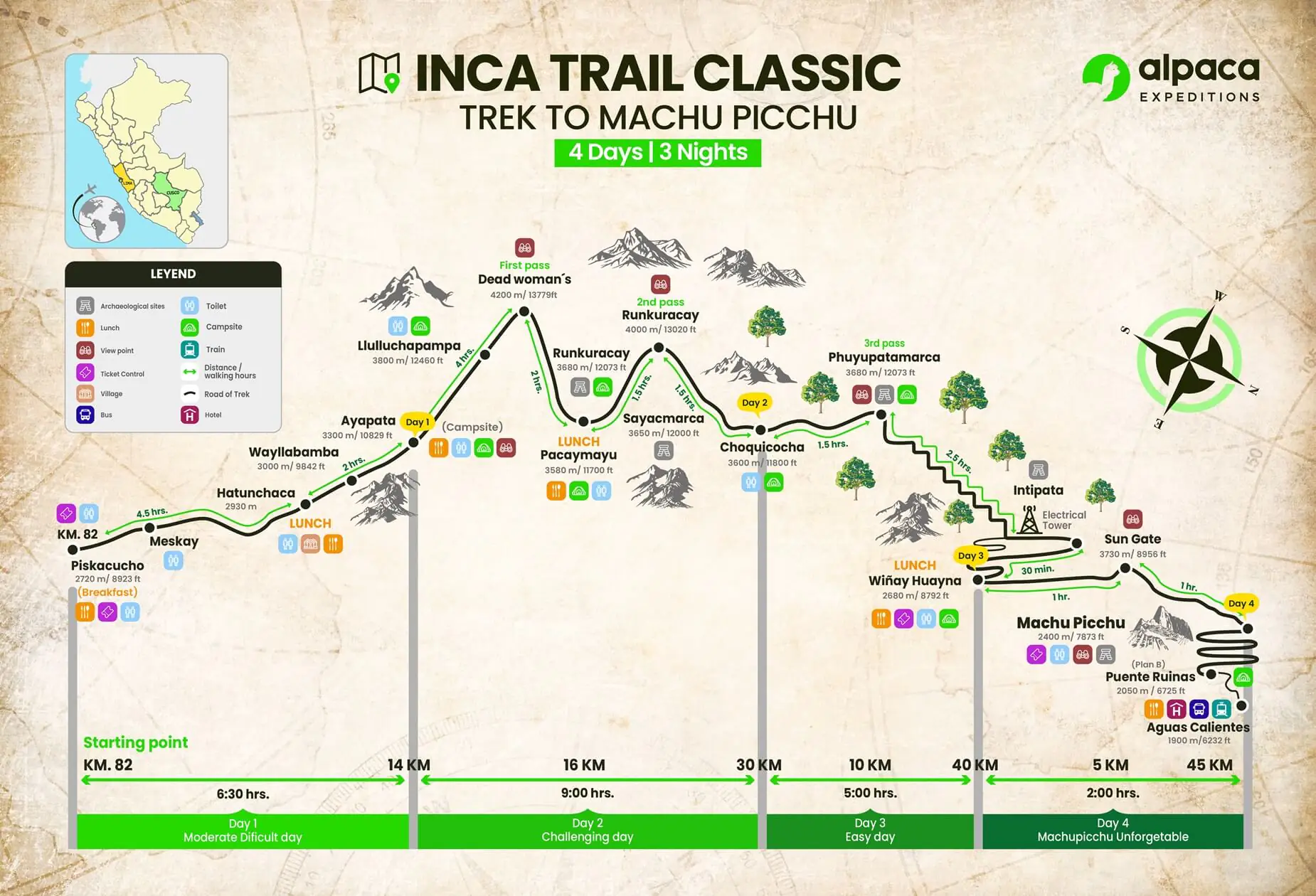
The legendary Inca Trail is Peru’s flagship trek. A four‑day version is the most common, while a five‑day itinerary allows more leisurely exploration and less crowded camps. The route follows stone pathways built by the Incas, culminating at the Sun Gate (Inti Punku) for a sunrise arrival into Machu Picchu.
Permits and planning – Only 500 people (including porters) can start the Inca Trail each day. Permits sell out months in advance, especially April–September. Our team handles permits for our guests. According to the Inca Trail travel guide, the highest point is Dead Woman’s Pass at 4,200 m (13,779 ft), so spending two days acclimatizing in Cusco is essential. Tours typically cost around US $400 and include the trail permit, meals, porters, tents, and return train ticket.
The Classic Inca Trail
Itinerary overview:
- Day 1: Start at Km 82 near Ollantaytambo; trek through fertile valleys to Wayllabamba.
- Day 2: Ascend to Dead Woman’s Pass; descend to Pacaymayo.
- Day 3: Cross Runkurakay Pass; visit the archaeological sites of Sayacmarca and Phuyupatamarca.
- Day 4: Early morning hike to the Sun Gate; descend into Machu Picchu for a guided tour.
Why choose this trail? The Inca Trail offers a mix of high Andean landscapes, cloud forest, well‑preserved ruins, and the thrill of entering Machu Picchu through the Sun Gate. However, the trail is crowded and regulated; hikers must travel with an authorized agency.
2. Short Inca Trail (2 days)
For those short on time or reluctant to camp, the Short Inca Trail covers the last 12 km of the route. You’ll visit the ruins of Wiñay Wayna and enter Machu Picchu via the Sun Gate in the afternoon of Day 1. Day 2 is dedicated to exploring the citadel with a guide before returning to Cusco by train. Permits are still required, but availability is better than the full Inca Trail.
3. Salkantay Trek (4–6 days)
The Salkantay Trek is a wild, high‑altitude trail that crosses the Salkantay Pass at 4,600 m (15,091 ft). It begins in Mollepata and typically ends at the Hydroelectric Station, linking to Aguas Calientes by train or on foot. The trek offers dramatic alpine scenery, turquoise lakes, and views of Mount Salkantay (6,271 m). Three main route variations exist:
- Classic Salkantay (4 days) – cross the pass and descend through cloud forest to La Playa and the Hydroelectric Station.
- Salkantay + Inca Trail (6 days) – longer route that joins the Inca Trail after the pass.
- Mollepata to Machu Picchu (6 days) – includes detours to remote communities and lakes.
Expect to walk 10–12 km per day, camp in tents or basic lodges, and experience drastic climate changes. Guided tours cost around US $280 for four days, including meals, mules, and a return train ticket; a cheaper package with a van return costs about US $180. Unlike the Inca Trail, you can hike Salkantay independently, but we recommend a guide for safety and cultural insight.
4. Lares Trek (4 days)
The Lares Trek offers an immersive cultural experience through remote Andean villages. There’s no permit requirement, which makes availability flexible. According to TreXperience, an organized Lares trek costs US $450–650 and includes a guide, pack animals, lodging and meals. Trekking independently costs US $200–300 but requires carrying your own gear and arranging transport.
Highlights of the Lares trek include:
- Lares hot springs – a warm soak before hiking.
- Condor Pass – one of the highest points at 4,750 m (15,584 ft), offering panoramic mountain vistas.
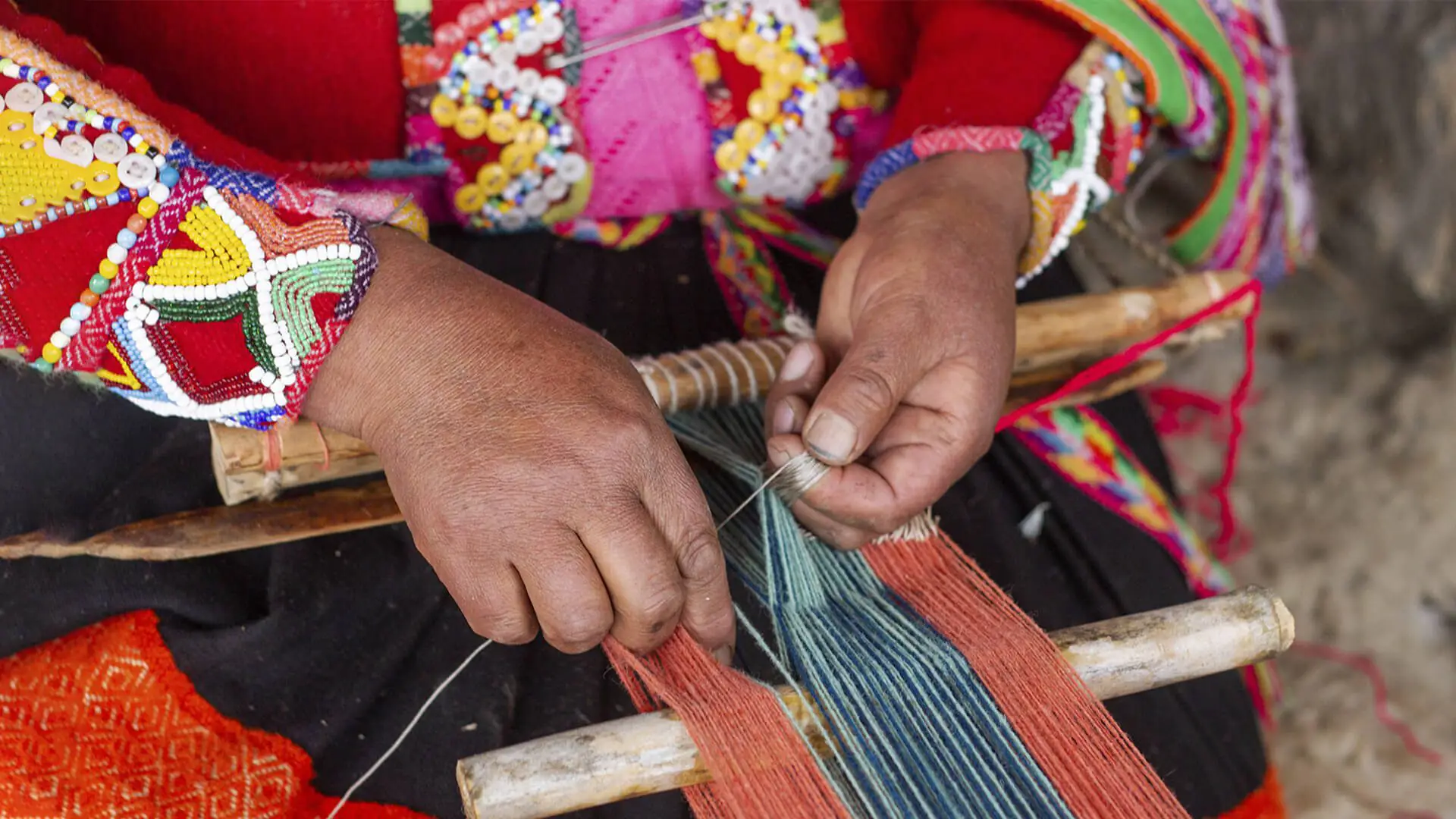
- Traditional villages – such as Canchacancha and Patacancha, where families weave textiles using ancestral techniques.
- Homestays – optional nights with local families for cultural exchange.
This route ends in Ollantaytambo, from where a train takes you to Aguas Calientes. Because of its cultural focus, we find the Lares trek ideal for travelers who prioritize interaction with Andean communities over Incan ruins.
5. Alternative Treks: Choquequirao, Inca Jungle & Others
While this guide concentrates on the most popular routes, Peru boasts numerous lesser‑known treks:
- Choquequirao Trek – a challenging 4–9‑day trek to the remote sister city of Machu Picchu. Expect steep descents and ascents; the reward is exploring ruins with few other tourists.
- Inca Jungle Trek – combines mountain biking, rafting, zip‑lining and hiking along the old Inca Trail to arrive at Machu Picchu by the Hydroelectric route. It suits adventure seekers who want variety.
- Huchuy Qosqo, Ausangate, and Inca Quarry – shorter treks near Cusco that can be combined with a Machu Picchu visit.
All alternative treks require preparation and acclimatization. Choose reputable operators who practice fair labor standards and environmental stewardship.
Check our Inca Trail tours, Salkantay trek packages, Lares trek itineraries, and alternative treks for further details and availability.
Tickets, Regulations, and Practical Information
Entry Tickets & Circuits
Machu Picchu entry tickets must be purchased in advance through the official government website or authorized agencies. Since June 2024, the Ministry of Culture has introduced three main Machu Picchu circuits with sub‑routes to better manage foot traffic:
- Circuit 1 (Panoramic – Red): Focuses on upper terraces, offering panoramic views and routes to Machu Picchu Mountain or the Sun Gate.
- Circuit 2 (Inca City – Blue): The most complete route, visiting upper terraces, the Sacred Main Square, Intihuatana (currently closed for maintenance), Sacred Rock, Temple of the Condor, and more.
- Circuit 3 (Royalty – Yellow): Concentrates on lower terraces and includes access to Huayna Picchu, Huchuy Picchu, and the Temple of the Moon.
Each circuit offers several sub‑routes with different durations and entry times. When booking a ticket, you must choose your preferred circuit and any additional mountain hike (Huayna Picchu, Huchuy Picchu or Machu Picchu Mountain). Prices vary by circuit and nationality. Tickets sell out quickly, especially for Huayna Picchu; we recommend booking at least 3–4 months in advance for peak season.
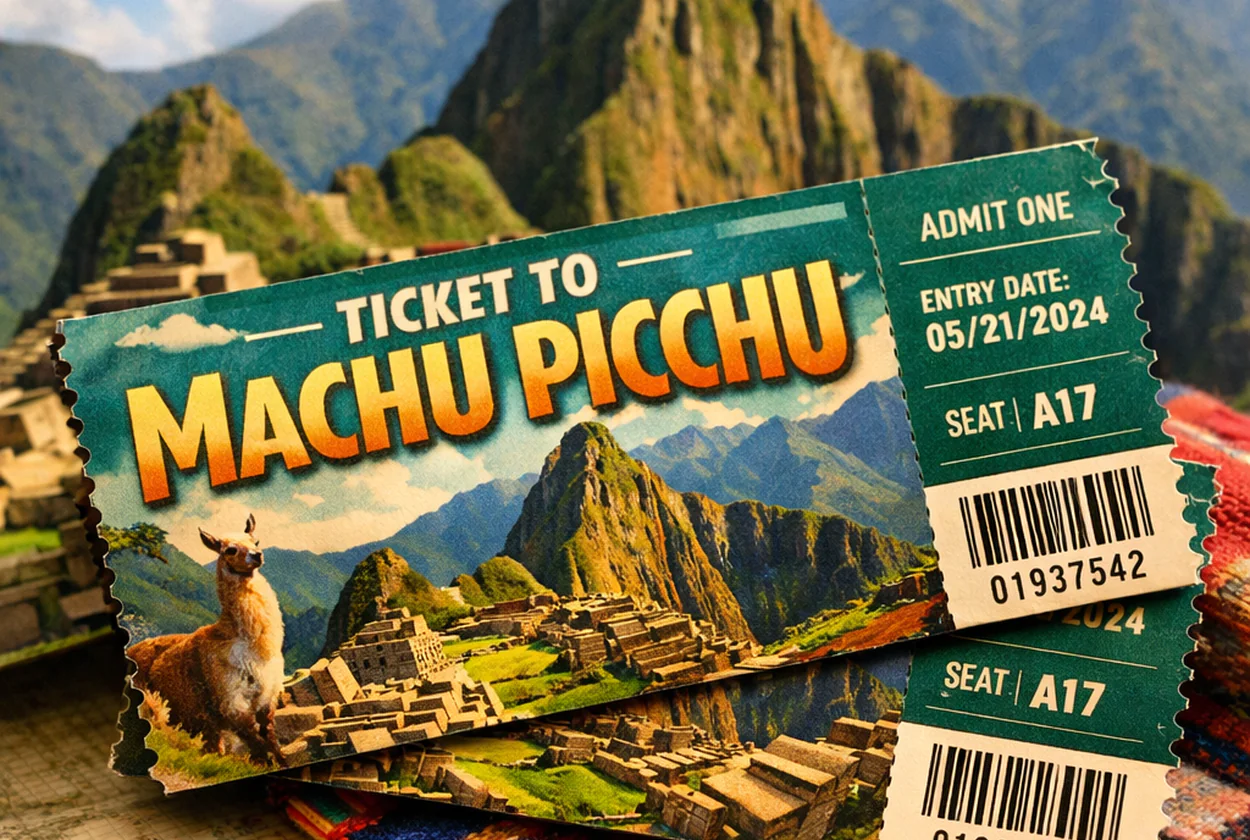
Daily Visitor Limits & Time Slots – The sanctuary opens at 6 a.m. and closes at 5 p.m., with entry allowed every hour until 3 p.m. Each ticket has a one‑hour entry window and a 45‑minute tolerance. Daily visitor limits are 4,500 during the low season and 5,600 during the high season. Arrive within your slot; if you miss it, you may not be allowed in.
Hiring a Guide
Regulations require all visitors to be accompanied by a certified guide on their first entrance. This rule is not always enforced for individual travelers, but we strongly recommend hiring a professional guide to understand the citadel’s history, astronomy, and engineering. Our Alpaca Expeditions guides are bilingual, licensed, and passionate about sharing Inca culture.
Bus & Entry Ticket Purchasing Tips
A limited number of entry tickets can be purchased in person at the Ministry of Culture office in Aguas Calientes from 3:30 p.m. to 10 p.m. the day before. However, this is risky because tickets often sell out. Buy both your bus ticket and entry ticket well in advance, either online or through your tour operator.
Site Regulations: Do’s & Don’ts
To protect Machu Picchu’s fragile ecosystems and structures, authorities enforce strict rules. Visitors are not allowed to carry backpacks larger than 16 × 14 × 8 inches (40 × 35 × 20 cm) or more than 20 liters. Large bags must be stored in lockers outside the entrance. Other prohibited items include plastic bottles, food, tripods, drones, and umbrellas.
Only baby carriers with non‑metal frames are allowed. Wearing hard‑sole shoes, climbing on walls, feeding animals, or straying off marked paths is prohibited.
Packing List for a Day at Machu Picchu
A small daypack (under 20 L) should carry:
- Passport and entry tickets (required for entry).
- Water bottle – reusable (plastic bottles are banned).
- Snacks – energy bars or fruit; food cannot be consumed inside the citadel but is allowed at designated areas.
- Sunscreen, hat, and sunglasses – UV levels are high year‑round.
- Light rain jacket or poncho – weather changes quickly.
- Camera or phone – drones and tripods are not allowed.
- Cash – small bills for buses, restrooms, and souvenirs.
Acclimatization & Altitude Considerations
Many travelers underestimate the effects of altitude. Cusco sits at 3,400 m (11,155 ft), about 1,000 m higher than Machu Picchu. At this elevation, your body receives around 35 % less oxygen per breath. Symptoms of acute mountain sickness may include headache, nausea, fatigue, dizziness, and shortness of breath.
To minimize altitude issues:
- Arrive early – spend at least 1–2 days in Cusco before trekking or taking the train. Use this time to explore the Plaza de Armas, the San Blas neighborhood, and Sacsayhuamán.
- Stay hydrated – drink 3–4 liters of water per day and avoid alcohol and caffeine during your first days.
- Eat light meals – choose carbohydrate‑rich foods to conserve energy.
- Sleep with head elevated – use extra pillows to reduce nighttime symptoms.
- Natural remedies – drink coca tea or muña tea; these traditional infusions help relieve altitude‑induced fatigue and nausea.
- Medication – consult your doctor about acetazolamide (Diamox) or ibuprofen; both can reduce symptoms.
By acclimating properly, you ensure you have energy to explore Machu Picchu and enjoy the trek. Our team provides oxygen and first aid on all tours and monitors each traveler’s health.
Best Time to Visit
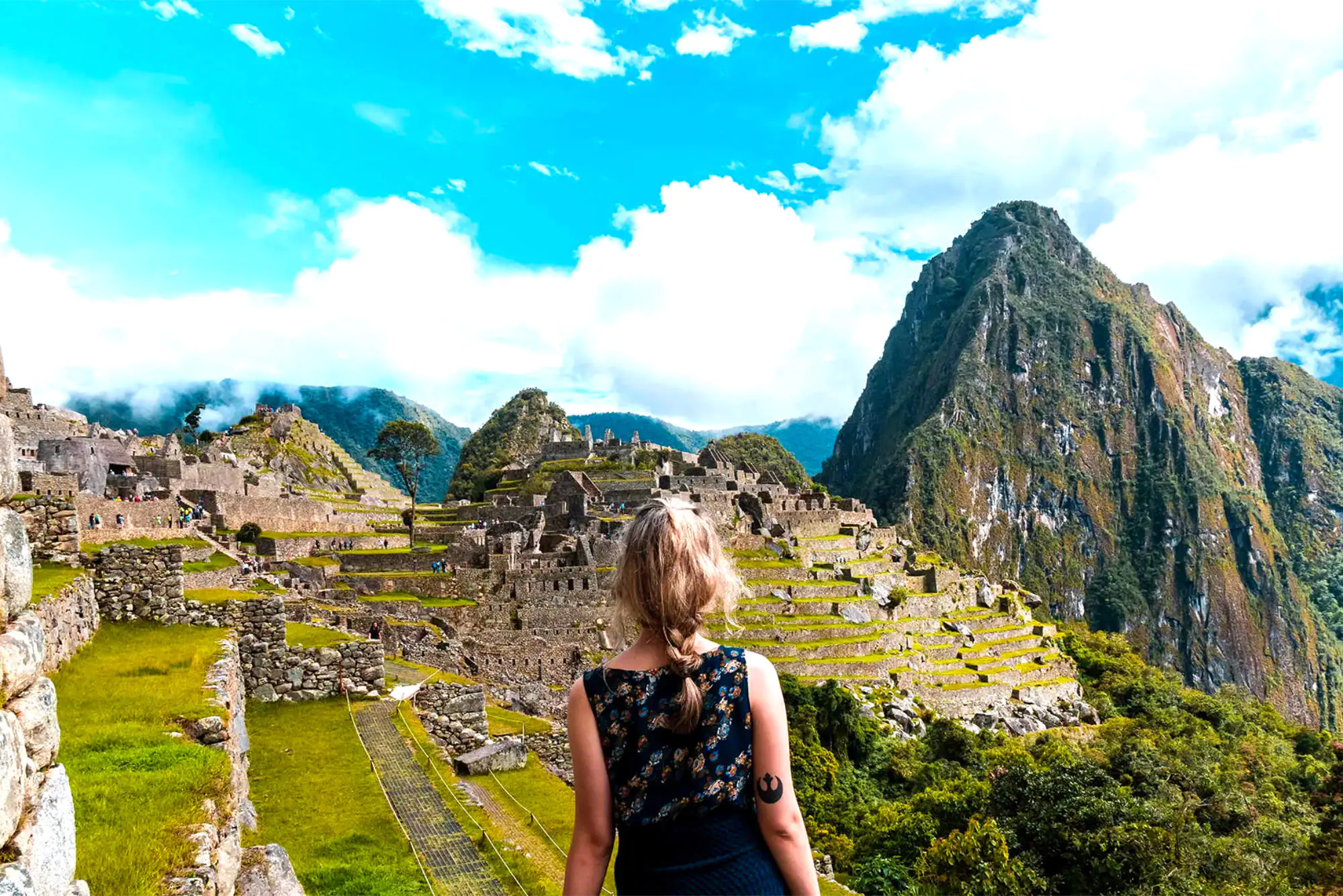
The best time to visit Peru has two main seasons: dry (May–October) and wet (November–March). The dry season features clear skies, mild temperatures, and the best trekking conditions, but also the largest crowds and higher prices.
The wet season offers lush green landscapes and fewer tourists; however, heavy rainfall (up to 151 mm in March) can make trails slippery and cause train delays.
Best Time to Visit
We love the shoulder months of April–May and September–October: fewer crowds, fresh greenery, and relatively stable weather. June–August is the peak season with minimal rain but high visitor numbers. November–March is considered off‑peak; expect frequent showers and mist, but enjoy quieter ruins and lower prices.
Temperature ranges – Daytime temperatures at Machu Picchu range 17–22 °C (62–72 °F) while nights can drop below freezing during the dry season. Packing layers is essential. Rain falls mostly between January and March; bring waterproof gear and plan for delays.
Safety Tips & Responsible Travel
- Stay on marked paths – straying can damage fragile terraces and is strictly prohibited.
- Respect wildlife – do not feed llamas, vizcachas or condors.
- Carry out trash – pack out everything you bring, including tissue.
- Tread lightly – wear soft‑sole shoes; avoid jumping or running in the ruins.
- Hire reputable guides – ensure porters receive fair wages and responsible operators adhere to Leave No Trace principles.
- Tipping – tipping is customary in Peru; plan for tips for guides, cooks, and porters. A guideline of US $10–15 per day for your guide and US $5–7 per day for support staff is appreciated.
Look into our altitude acclimatization tips and weather guide for more details.
Life in Aguas Calientes (Machu Picchu Pueblo)
Most visitors stay at least one night in Aguas Calientes, the gateway town below Machu Picchu. It is set on the banks of the Urubamba River and offers hotels, restaurants, markets and natural hot springs. Spending a night here helps you catch the first bus to the citadel and breaks up long journeys.
Hot Springs & Relaxation
The town’s Baños Termales are a highlight. The pools have temperatures ranging 38 °C to 46 °C (100 – 115 °F) and open at 5 a.m.. Facilities offer pools of varying heat and even a cocktail service.
Entrance fees are approximately S/.20 (about US $5) for Aguas Calientes pools and S/.10 for the Machu Picchu thermal baths. To avoid crowds, arrive early and bring a towel, swimwear, and waterproof sandals.
Hidden Gems & Activities
Beyond soaking, explore Aguas Calientes by:
- Visiting the local market – sample Peruvian dishes like lomo saltado and buy handmade textiles.
- Taking a guided town tour – our guides explain the town’s history, including how it developed alongside the railway.
- Joining a cooking class or Andean ceremony – learn about traditional ingredients or participate in a gratitude offering to Pachamama.
- Exploring secret waterfalls and murals – trails near the hot springs lead to cascades, and colourful murals brighten the town.
Aguas Calientes is safe, but pickpocketing can occur. Keep valuables secure and avoid poorly lit areas late at night. Important emergency numbers include local police (+51 84 211 065) and hospital (+51 84 211 055).
Budgeting for Aguas Calientes
Costs in Machu Picchu town are higher than in Cusco due to remoteness. A guide estimates daily expenses as follows:
| Category | Budget | Mid‑range | Luxury |
| Transportation | $100–200 | $200–300 | $300–500 |
| Accommodation | $200–300 | $300–500 | $500–1 000 |
| Food & drink | $100–200 | $200–300 | $300–500 |
To save money, book train tickets early, choose family‑owned hostels, dine at local eateries, and enjoy free activities like hiking and visiting markets. An overall budget trip might cost US $500–700, whereas luxury travelers can spend over US $1 000 per day.
Internal links suggestion: Link to our Aguas Calientes guide for hotel recommendations, restaurant reviews, and community projects we support.
Preparing & Packing for Your Adventure
Clothing & Gear
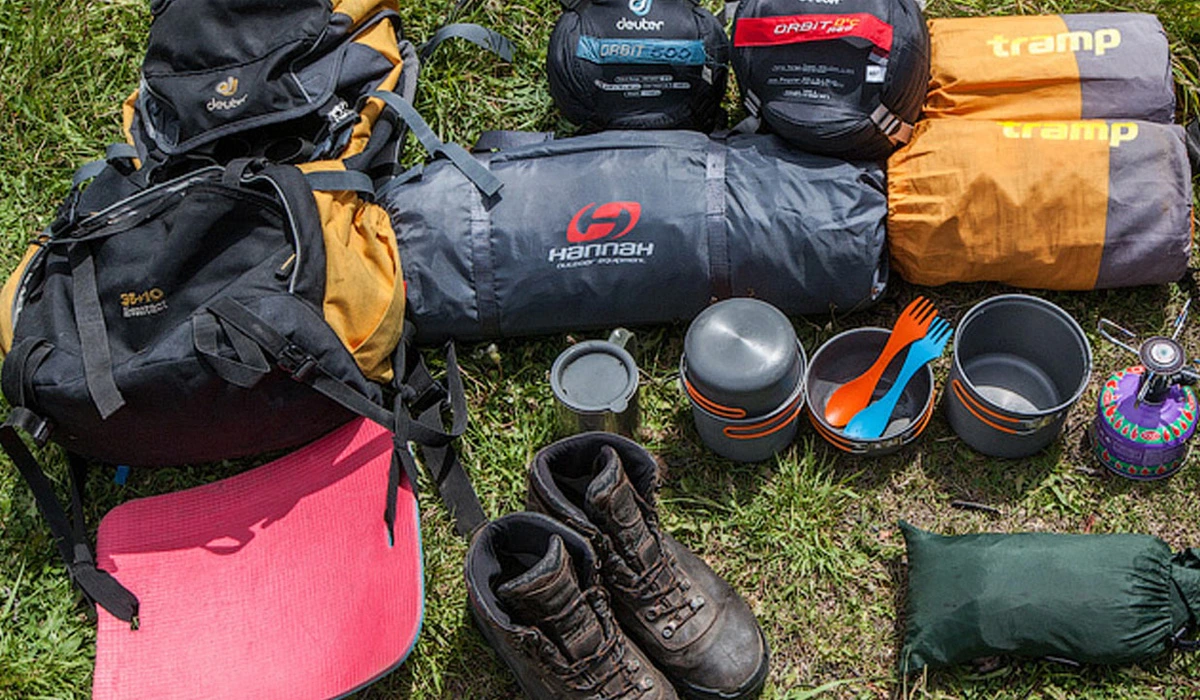
Because the weather in the Andes varies drastically with altitude and time of year, layering is key. Here’s a checklist:
- Base layers – breathable, quick‑dry shirts (merino wool or synthetic) and thermal underwear for cold nights.
- Insulating layer – fleece or a lightweight down jacket, such as an Icepeak jacket for added warmth in colder conditions.
- Shell layer – waterproof and windproof jacket; rain pants during wet season.
- Trekking pants & shorts – convertible trousers are practical.
- Warm hat & sun hat – protect against cold nights and strong sun.
- Gloves & scarf – especially for early mornings on treks.
- Sturdy hiking boots – broken‑in and ankle‑supporting; soft‑sole shoes for the citadel (required).
- Trekking poles – required rubber tips; forbidden inside Machu Picchu unless for elderly or physically challenged visitors.
- Headlamp – for trekking camps; some ruins have no lighting.
- Sleeping bag – rated at least 0 °C (32 °F) for dry season; –10 °C (14 °F) for shoulder/wet season.
- Reusable water bottle & purifier – to meet hydration needs and avoid plastic waste.
- Small first‑aid kit – include blister plasters, rehydration salts, pain relief, and altitude medication.
For those joining our treks, we provide tents, sleeping pads, portable toilets, and a duffel bag for personal items. Porters carry up to 7 kg of your gear; pack light and respect weight limits.
Preparing & Packing for Your Adventure
Food & Nutrition
On treks, we serve balanced meals featuring quinoa, potatoes, lean meats, vegetables, and Andean superfoods. If you bring your own snacks, choose high‑calorie, non‑perishable items like energy bars, nuts, and dried fruit. At altitude, your appetite may diminish; small, frequent snacks help maintain energy. Remember to avoid heavy meals during acclimatization.
Health & Safety Essentials
- Travel insurance – ensure it covers high‑altitude trekking, medical evacuation, and trip cancellation.
- Vaccinations – consult your doctor about routine vaccines and consider hepatitis A, typhoid, and yellow fever if you plan to visit the Amazon.
- Water purification – most natural water sources require treatment; pack purification tablets or a filter.
- Sun protection – at high altitude UV exposure is intense; apply sunscreen frequently and wear UV‑blocking sunglasses.
- Insect repellent – the cloud forest sections (particularly Salkantay and Lares) host mosquitoes; choose DEET‑based repellents.
Cultural Etiquette
Peruvians are warm and proud of their heritage. Learning a few phrases in Quechua or Spanish shows respect and opens doors to deeper connections. Dress modestly in villages; avoid photographing people without permission. When visiting sacred sites, speak softly and avoid disruptive behavior.
Real Stories & Insider Insights
The Andes are more than statistics and logistics. Here we share experiences from our guides and clients to bring Machu Picchu’s journey to life.
Sunrise at the Sun Gate
Our guide Rosa, recalls a June morning when she led a family of four on the Inca Trail. “We had woken at 3 a.m. and hiked under a canopy of stars. As we approached Inti Punku, the sky began to lighten.
At the moment the sun’s first rays touched the ruins, the father silently hugged his teenage son. Tears rolled down their cheeks. That shared awe is why I still climb these mountains after ten years,” she says.
Arriving at the Sun Gate is not just about the view; it’s about the journey—hours of effort culminating in that moment. Hikers often tell us that the physical challenge cleared their minds, allowing them to appreciate the past more deeply.
Meeting the Weavers of Patacancha
On the Lares trek, traveler Mei from Singapore was fascinated by a weaving demonstration in Patacancha. “The women showed us how they spin alpaca wool and dye it with cochineal and plants. I realised every pattern has meaning—rivers, mountains, family.
Meeting the Weavers of Patacancha
Buying a scarf directly from the woman who made it felt more meaningful than any souvenir shop.” She also noted how our guide served as translator between Quechua and English, allowing heartfelt exchanges. These encounters highlight the importance of responsible tourism; a portion of our Lares trek fees supports weaving cooperatives.
Surviving the Salkantay Snow
In August, our group faced an unexpected snowstorm on Salkantay Pass. Guide Juan recounts: “We crossed the 4,600 m pass under heavy snow. The group stayed calm because we had proper gear and our muleteers were experienced. We provided hot cocoa tea and emergency blankets at the camp.
The next morning, the storm cleared, revealing a turquoise Humantay Lake glistening against white peaks. Everyone agreed it was one of the most beautiful sights they had ever seen.” This story underscores why preparation and local expertise matter.
Hidden Waterfall Hike in Aguas Calientes
Many travelers assume Aguas Calientes is only a transit town, but Miguel, one of our local guides, loves taking clients on a 45‑minute walk to a lesser‑known waterfall. “Most visitors head straight to the hot springs. Few know this trail exists.
The sound of cascading water, birds chirping, and the absence of crowds provide a peaceful counterpoint to the bustle of the ruins,” he shares. The waterfall also offers a refreshing dip on humid afternoons.
The Day the Citadel Closed
In February 2023, heavy rains washed out the railway to Aguas Calientes. Machu Picchu is temporarily closed, stranding visitors. Emily, a traveler from Canada, wrote: “I was upset at first. We had come so far. But Alpaca Expeditions rearranged our itinerary, taking us to the Sacred Valley and Rainbow Mountain instead.
When the line reopened, we toured Machu Picchu with fewer people than I could have imagined. The delay became a blessing.” Her story reminds us that flexibility is essential; weather can disrupt travel in the Andes, but there are always alternative experiences.
Frequently Asked Questions (FAQ)
- What is the difference between Cusco and Machu Picchu’s altitude?
Cusco sits at 3,400 m (11,155 ft), whereas Machu Picchu is at 2,430 m (7,970 ft). This difference often provides relief for travelers descending from Cusco, but proper acclimatization is still crucial. - Do I need to book Machu Picchu tickets in advance?
Yes. Daily visitor numbers are capped at 4,500–5,600, and specific time slots fill months ahead. Book your entry and optional mountain hikes at least 3–4 months in advance. - What’s the best month to visit Machu Picchu?
We recommend April–May or September–October, which combine moderate weather and manageable crowds. June–August offers clear skies but heavy tourist traffic, while November–March is rainy but quiet. -
How much does it cost to visit Machu Picchu?
Costs vary based on route and comfort. A budget Hydroelectric trip can be as low as US$12 (if you walk the last sections). Standard train packages range from US$120–200, while luxury experiences exceed US$1,000. A guided Inca Trail trek costs around US $400, and a Salkantay trek costs US $180–280.
- Is a guide mandatory at Machu Picchu?
Regulations require certified guides for all visitors, though solo travelers sometimes enter unaccompanied. We advise using a guide to enrich your understanding and support local employment. - Can I bring my large backpack to Machu Picchu?
No. Bags must not exceed 40 × 35 × 20 cm or 20 liters. Larger items must be stored outside. - What are the circuit options at Machu Picchu?
There are three main circuits—Panoramic (1), Inca City (2), and Royalty (3)—each with sub‑routes. Choose when booking your ticket. - How long is the bus ride from Aguas Calientes to Machu Picchu?
The bus takes about 25 minutes and costs US $24 round-trip. - Are there ATMs in Aguas Calientes?
Yes, but we recommend bringing cash from Cusco as ATMs sometimes run out or charge high fees. - What should I pack for a trek?
Bring layered clothing, waterproof gear, good boots, a warm sleeping bag, a headlamp, a water purifier, and a small first‑aid kit. See our packing list above.
Conclusion
A journey to Machu Picchu is as much about introspection as exploration. Whether you choose a luxury train, the adventurous Hydroelectric route, or a challenging trek, the path you take shapes your experience. The citadel itself is only part of the magic; the landscapes, people, and stories along the way leave lasting impressions.
At Alpaca Expeditions, we are committed to providing safe, ethical, and unforgettable experiences. Our guides are local experts who love sharing their heritage. We prioritise fair wages for porters, eco‑friendly practices, and cultural respect. When you travel with us, you directly support Andean communities and help protect one of the world’s great wonders.
Ready to start planning? Explore our Inca Trail packages, Salkantay and Lares treks, and tailor‑made train journeys. Book your next adventure with Alpaca Expeditions and experience the Andes like never before.