



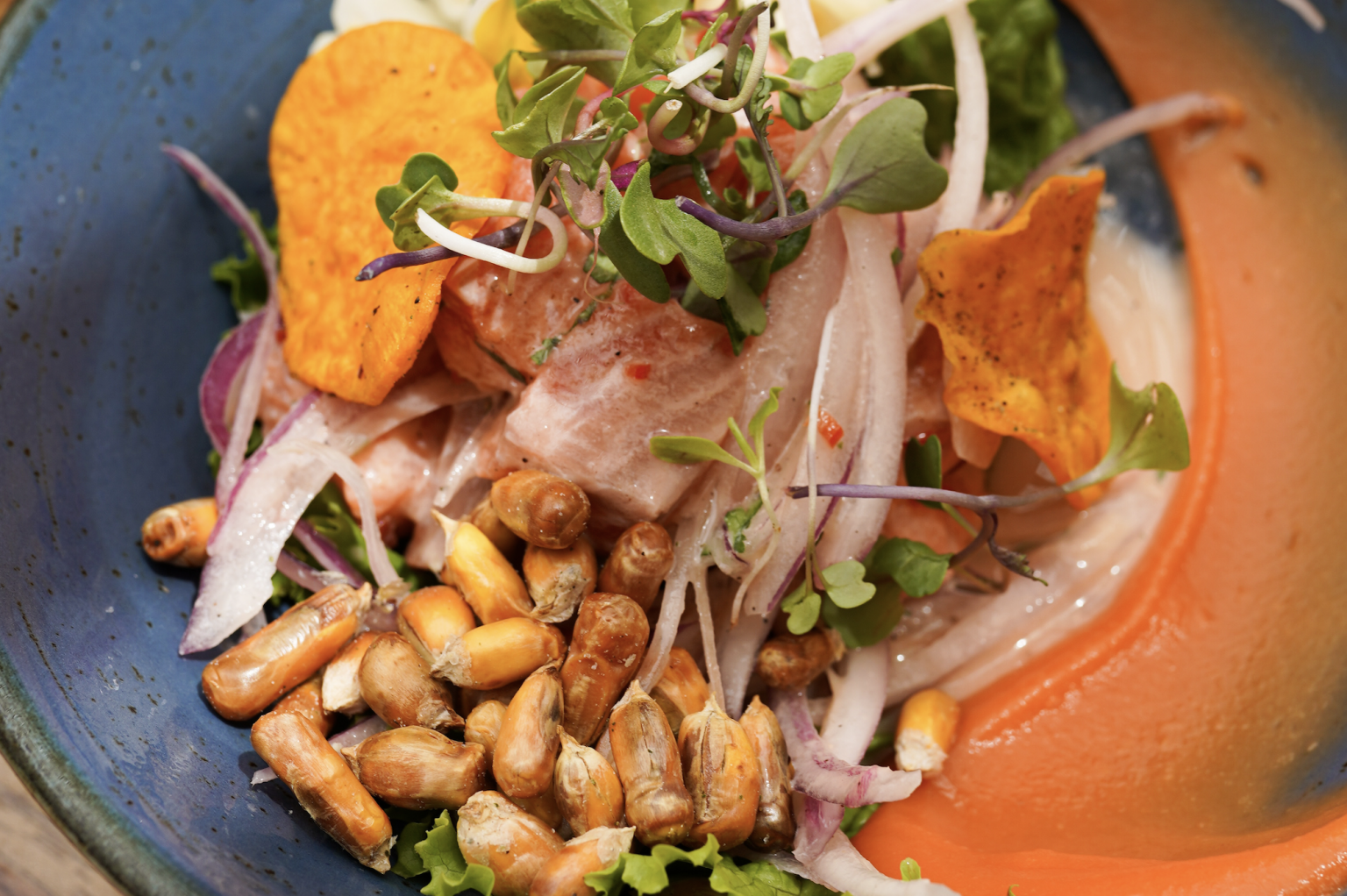
Peru is often described as the gastronomic capital of South America, and no dish encapsulates its culinary spirit more profoundly than ceviche – Peru’s National Dish. This citrus‑marinated seafood dish has become synonymous with Peruvian identity.
It is eaten everywhere – from seaside fish markets and jungle towns to high‑altitude Andean villages and cosmopolitan Lima restaurants.
For travellers seeking authentic and luxury adventure experiences, ceviche offers more than a meal; it is a gateway into Peru’s history, culture, and relationship with the sea. Understanding how ceviche evolved over millennia, why it became the national dish, and how to enjoy it responsibly can enrich any journey through Peru.
This comprehensive guide explores ceviche’s origins, cultural significance, traditional and modern recipes, regional variations, health considerations, and sustainable practices. Along the way, you’ll discover where to sample the best ceviche and how to incorporate culinary experiences into your bespoke Alpaca Expeditions adventure.
Origins of Ceviche: A Journey Through Time
Ancient Beginnings – Caral, Moche and Inca Civilisations
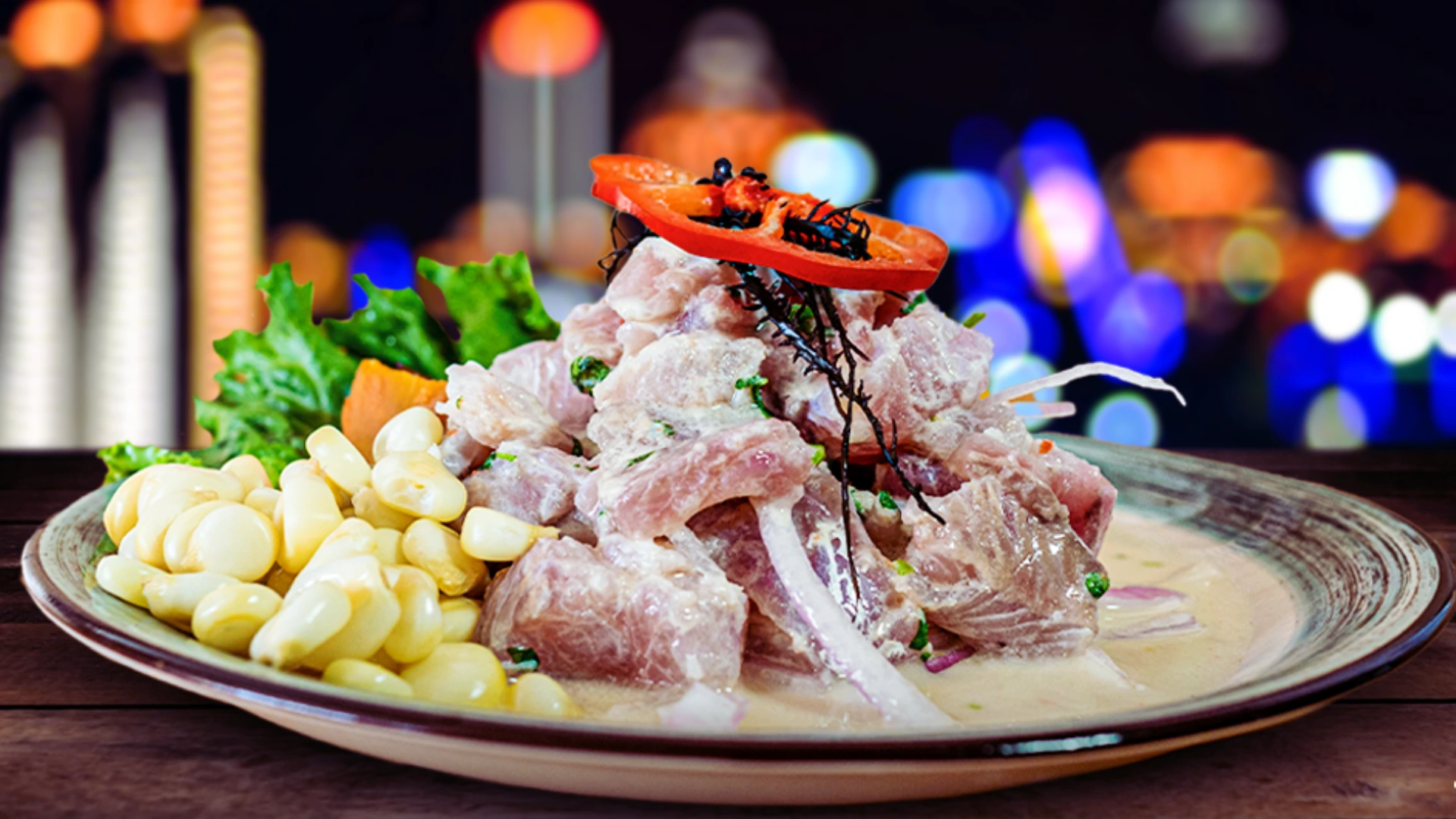
Ceviche’s roots stretch deep into South American history. Archaeological evidence from the Caral civilisation (3500–1800 BC) and the Moche civilisation, which thrived along Peru’s northern coast nearly 2,000 years ago, shows that raw fish was consumed with chili and salt. Researchers believe Moche fishermen used the fermented juice of tumbo (banana passionfruit) to marinate fish.
During the Inca Empire, fish were marinated in chicha, an Andean beverage made from fermented corn. These early methods highlight an Indigenous tradition of “cooking” fish using acids from local fruits and beverages long before Spanish colonisation.
Ancient Beginnings – Caral, Moche and Inca Civilisations
Moorish and Spanish Influences
The Spanish arrival in the 16th century introduced new ingredients and techniques. Culinary historians suggest the marinating method may trace back to escabeche, a dish from Spain’s Muslim heritage wherein meat is cured with vinegar.
Spanish colonists brought citrus fruits such as sour oranges, lemons, and limes, as well as onions and coriander. The introduction of citrus transformed local fish dishes. The term ceviche itself may derive from the Spanish escabeche or from the Quechua word siwichi, meaning fresh fish.
Japanese & Chinese Influences – The Nikkei Revolution
Peru’s late‑19th‑century influx of Japanese immigrants profoundly altered ceviche. Nikkei chefs, accustomed to eating raw fish as sashimi, shortened the marinating time dramatically. Instead of soaking fish for hours or overnight, they served ceviche within minutes of adding lime juice, preserving the fish’s delicate texture.
This method, adopted widely in the 1970s, gave rise to modern Peruvian ceviche, which is served almost immediately after mixing. The influence of Chinese immigrants also surfaced in ceviche’s accompaniments and other Peruvian dishes, underscoring Peru’s rich multicultural heritage.
19th‑Century Documentation and National Recognition
The first published ceviche recipe is attributed to Manuel Atanasio Fuentes in 1866, reflecting the dish’s growing popularity in Lima.
In 2004, Peru’s National Institute of Culture officially declared ceviche a part of the nation’s cultural heritage, and in 202,3 UNESCO added “the practices and meanings associated with the preparation and consumption of ceviche” to its Intangible Cultural Heritage of Humanity list.
These recognitions solidify ceviche’s role not just as a dish, but as a cultural practice representing sustainable fishing, regional identity, and intergenerational knowledge transfer.
A Symbol of Identity
Ceviche’s evolution from pre‑Incan traditions through Spanish, Moorish, Japanese and Chinese influences mirrors Peru’s own history. It is a culinary tapestry that reflects Indigenous ingenuity, colonial encounters, and global migrations.
Today, Peruvians eat ceviche daily across diverse terrains—from coastal fishing villages to Amazonian markets and Andean highlands. For travellers, understanding this journey deepens appreciation for the dish and for the land and cultures that created it.
Cultural Significance & UNESCO Recognition
National Dish and Cultural Identity
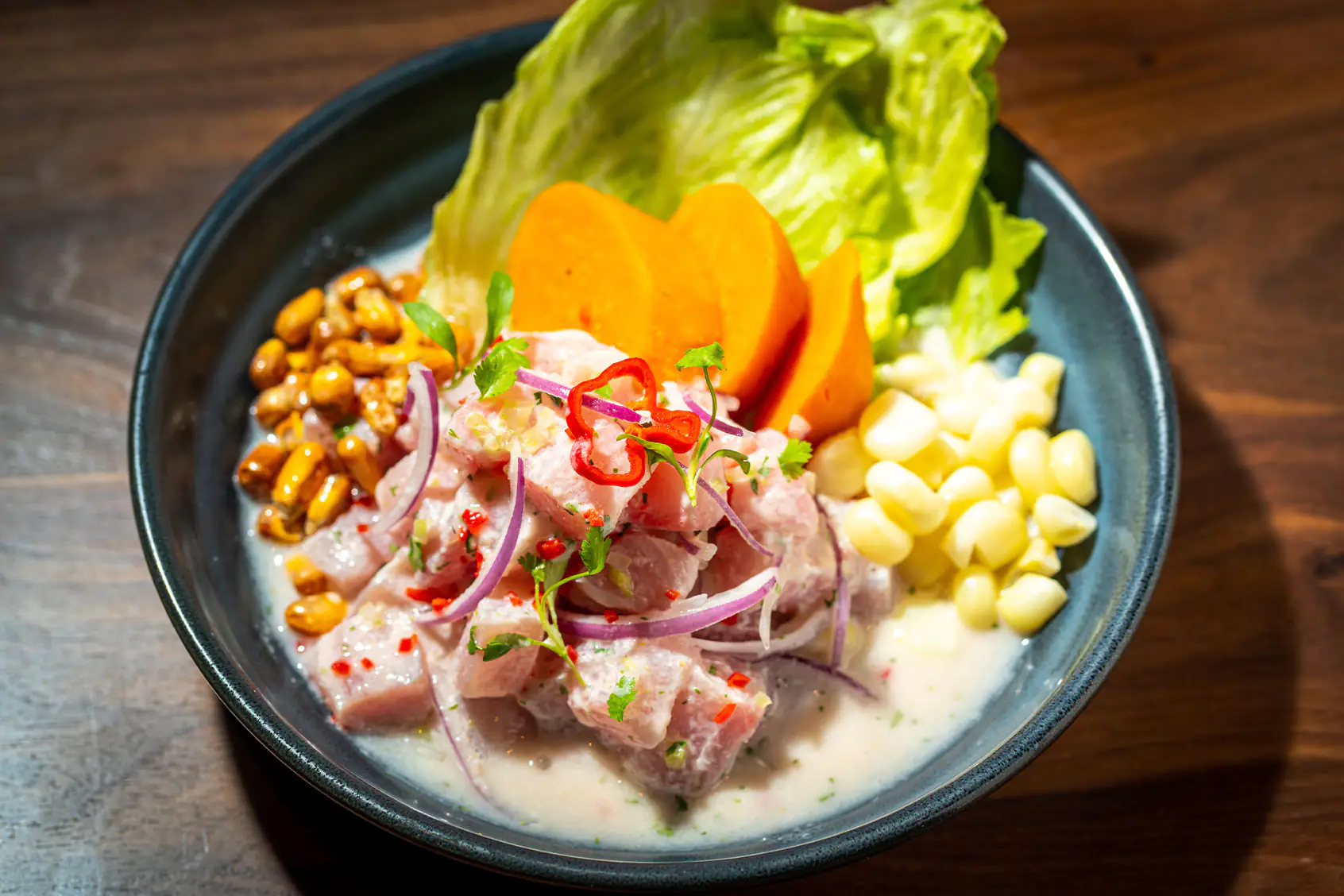
Peru regards ceviche as its national dish. More than a recipe, it is a symbol of Peruvian identity and pride. Many Peruvians describe ceviche as “heaven on a plate,” celebrating its harmony of local ingredients—fresh fish, chili peppers, lime, onions and herbs. The dish is deeply ingrained in daily life; Peruvians consume it for lunch, during celebrations or even as a hangover cure, and they pass preparation techniques from generation to generation.
National Dish and Cultural Identity
UNESCO Intangible Cultural Heritage
In December 2023, UNESCO inscribed the practices and meanings associated with ceviche on its Intangible Cultural Heritage of Humanity list. The recognition emphasises ceviche’s role in cultural identity, highlighting the importance of artisanal fishers, traditional female cooks in cevicherías and regional variations. UNESCO also noted that ceviche’s traditions strengthen regional cultural identities and require the safeguarding of knowledge, ingredients and sustainable fishing practices. This designation positions ceviche alongside other globally recognised culinary traditions such as Neapolitan pizza and Ukrainian borscht.
National Ceviche Day
Peruvians love ceviche so much that they dedicate June 28 annually as Día Nacional del Ceviche (National Ceviche Day). Established officially in 2008, the holiday celebrates ceviche with food fairs, competitions and special menus across Peru. Restaurants and hotels create innovative interpretations, while plazas host festivities that honour one of Peru’s culinary treasures. Celebrating National Ceviche Day is an immersive cultural experience for travellers and provides insights into Peru’s passion for food.
Ceviche as Social Fabric
Beyond festivals, ceviche serves as a social connector. Sharing a plate of ceviche fosters communal bonds—whether among fishermen after a catch, families at home or friends in cevicherías. UNESCO noted that ceviche promotes social cohesion, “sharing and recognition between Peruvians”. When travellers partake in ceviche with locals or learn to prepare it themselves, they engage in a living tradition that transcends mere consumption.
Traditional Ingredients & Preparation Methods
Essential Ingredients
Authentic Peruvian ceviche uses a handful of fresh, high‑quality ingredients, each contributing texture and flavour:
- Fish: Traditionally, white, saltwater fish such as corvina (sea bass), sole (lenguado) or grouper are cut into bite‑sized cubes. In the Andes or Amazon, trout or river fish may substitute. The fish must be ultra‑fresh; Peruvians frequently ask, “¿Es pescado fresco de hoy?” (Is this today’s catch?) to ensure quality.
- Citrus Juice: Freshly squeezed lime or sour orange juice provides the acidity that “cooks” the fish by denaturing its proteins. Sour orange historically used before limes arrived from Asia during the Spanish era.
- Aji Peppers: Native chili peppers, particularly ají limo or ají amarillo, add heat and distinctive fruitiness. Some regional versions use rocoto, a spicy Andean chili.
- Red Onion: Thinly sliced red onion contributes crunch and pungency. Soaking the onion briefly in salted water helps reduce bitterness.
- Cilantro (Coriander): Adds aromatic herbal notes and vibrant colour.
- Salt: Enhances flavour and assists protein denaturation.
- Accompaniments: Traditional sides include steamed sweet potato, boiled Peruvian corn (choclo), cancha (toasted corn nuts) and chifles (plantain chips). These accompaniments balance the citrus acidity and heat with sweetness and crunch.
Preparation Technique
The preparation of ceviche is deceptively simple yet requires attention to freshness, timing, and balance:
- Prep the Onions & Peppers – Soak thinly sliced red onions in salted water for at least 10 minutes to mellow their flavour. Slice chili peppers (ají limo or ají amarillo) and deseed if less heat is desired.
- Cube the Fish – Cut the fish into 1–2 cm cubes. Toss with salt to season and begin denaturation.
- Marinate Briefly – Combine the fish, lime juice, onions, peppers and a sprig of cilantro. In modern Peruvian ceviche, the marinating period is very short—often just 5–15 minutes. Ice cubes may be added to neutralise acidity and preserve texture.
- Serve Immediately – Once the fish turns opaque around the edges but remains tender, remove the cilantro and peppers. Plate the fish with its citrus juice, garnish with chopped cilantro, and side accompaniments. Traditional Peruvian etiquette recommends consuming ceviche before 1 p.m., when the fish is freshest.
The acid in the lime juice denatures proteins in the fish, giving the appearance of being cooked without heat. However, acid does not kill all pathogens, so freshness and hygiene are critical.
Modern vs. Traditional Marinating Times
Early Peruvian ceviche would marinate fish for several hours at room temperature. After the Japanese influence, marinating times shortened dramatically to preserve the fish’s delicate texture and to mimic sashimi’s freshness.
Today, many chefs and home cooks marinate fish just until the dish is assembled and served—a practice often referred to as ceviche rápido. Travellers may notice variations depending on the region and the chef’s style.
Leche de Tigre: The Soul of Ceviche
The tangy, slightly opaque liquid left after marinating fish is called leche de tigre, or “tiger’s milk.” It is a zesty mixture of fish juices, lime juice, onions, and chili peppers. Some versions are blended with fish bits to create a creamier texture, occasionally with milk or coconut milk.
Locals prize leche de tigre not only as a flavour enhancer but also as an aphrodisiac and hangover cure. In many cevicherías, leche de tigre is served separately in a small glass, inviting guests to drink it either before or after finishing their ceviche.
A variant, leche de pantera (“panther’s milk”), includes additional spices or herbs. Leche de tigre exemplifies how nothing goes to waste—every drop of citrus‑infused broth is savoured.
Regional Variations Across Peru
Coastal Lima – The Classic Standard
Lima’s coastal ceviche is considered the gold standard. It features cubed white fish marinated in fresh lime juice, ají limo chili, red onion, cilantro, and salt. Served with sweet potato and choclo, this version emphasises simplicity and freshness. Many celebrated chefs have refined Lima‑style ceviche into elegant dishes at world‑class restaurants, elevating it while preserving its essence.
Northern Coast & Huanchaco – Ancient Roots
Northern Peru, particularly Huanchaco, is often cited as ceviche’s birthplace. Here, fishermen have prepared raw fish dishes for millennia. Northern ceviche sometimes uses skin‑on, bone‑in mackerel or cabrilla (grouper).
Chef Mitsuharu Tsumura of Lima’s Maido praises this northern style, where diners suck the fish from the bones and savour the experience slowly. Northern versions may incorporate seaweed (cochayuyo) and use tumbo fruit juice as a nod to pre‑Hispanic practices.
Andean Highlands – Trout & Rocoto
In the highlands, particularly around Lake Titicaca and Cusco, ceviche often features trout from mountain lakes. The high altitude and cooler climate call for rocoto, a fiery Andean chili, instead of ají limo. Andean ceviche may be heartier, sometimes accompanied by mote (hominy) or broad beans. Eating ceviche at high altitude highlights the dish’s adaptability across diverse ecosystems.
Amazon Basin – Gamitana & Tumbo
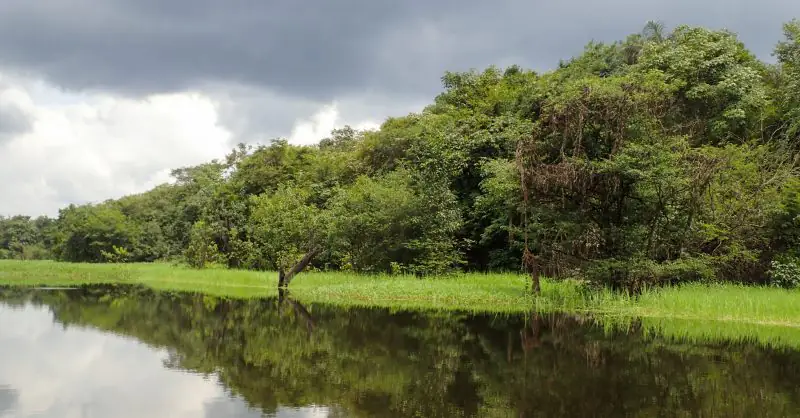
In the Amazon, where citrus fruit is less abundant, ceviche may use gamitana or paiche (river fish) marinated with the juice of tumbo or other tart fruits. This variant connects directly to ancient methods using passionfruit‑like fruits for marinating. Amazonian ceviche may include local herbs and is often accompanied by cassava or plantains.
Amazon Basin – Gamitana & Tumbo
Regional Accents & Innovations
Ceviche’s diversity across Peru extends beyond these broad categories. In Trujillo, it’s made with shark (tollo), while in Ica and Arequipa, chefs incorporate rocoto, garlic, or fish bone broth. Lima’s modern chefs experiment by adding smoked peppers, ginger, avocado, or capers.
The Inter‑American Development Bank notes that Peru’s multitude of ceviches reflects the country’s cultural diversity, with fishers, farmers, and chefs collaborating to innovate. Travellers exploring different regions should seek out local cevicherías to appreciate these nuances.
Ceviche Around the World
Ceviche’s appeal has spread far beyond Peru. While Peru remains the cultural epicentre, many countries along the Pacific coast and beyond have adopted and adapted the concept of acid‑marinated seafood. Each version reflects local ingredients and tastes:
- Ecuador: Shrimp or shellfish ceviche is often served in a tomato‑based broth and accompanied by chifles (plantain chips) and popcorn. The Manabí style sometimes incorporates peanut butter.
- Mexico: Mexican ceviche may use shrimp, octopus, or mackerel and includes diced tomatoes, avocado, and olives. It’s often served on tostadas or as a seafood cocktail.
- Chile: Chilean versions feature halibut or Patagonian toothfish marinated in lime and grapefruit juice with minced garlic and fresh mint.
- Central America & Caribbean: In El Salvador, ceviche de concha negra uses black conch with lime, yerba buena, and hot sauce. In Panama, ceviche includes lemon juice, celery, and peppers. Caribbean versions may add coconut milk and allspice.
- Beyond Latin America: Filipino kinilaw uses vinegar and sour fruits. Tahitian poisson cru combines raw tuna with lime and coconut milk. These connections reveal a global fascination with citrus‑cured seafood.
While travellers can savour international ceviche variations, understanding differences ensures authenticity. Peruvian ceviche rarely includes tomatoes or avocado—those are hallmarks of Ecuadorian or Mexican styles.
Health Benefits and Safety Considerations
Nutritional Advantages
Ceviche is inherently nutritious when prepared with fresh ingredients. It is low in calories—around 200–300 per serving—and rich in lean protein because fish forms the base. Fish provides essential omega‑3 fatty acids, which support heart health, along with minerals such as iodine, selenium, and phosphorus.
The lime juice, onions, and chili peppers contribute vitamin C, folate, potassium, manganese, and vitamins A, K, and E. Traditional accompaniments like sweet potato and corn add fibre, vitamin A, and additional nutrients.
From a glycaemic standpoint, fish has a minimal glycaemic load, making ceviche suitable for diabetics when served without sugary sauces. The dish is versatile for weight‑loss diets because it is high in protein but low in fats and carbohydrates.
Safety & Risks
Despite its benefits, ceviche uses raw fish, which carries potential health risks. Bacteria, viruses, and parasites such as Anisakis simplex and Vibrio parahaemolyticus can be present in raw seafood【685901061894771†L463-L474】. The acidity of lime juice denatures proteins but does not kill all pathogens. To reduce risk:
- Ensure freshness: Only use fish caught the same day. Ask cevicherías about their supply chain.
- Eat ceviche early: Peruvians traditionally consume ceviche for lunch because fish is freshest before noon.
- Avoid pre‑marinated batches: Long marinating times can increase bacterial growth and make the fish rubbery.
- High‑risk individuals: Pregnant women, those with compromised immune systems or liver conditions should avoid raw seafood.
Travellers can also ask if restaurants follow responsible sourcing and hygiene standards—an important factor when selecting cevicherías.
Hangover Cure Myth
Peruvians often tout ceviche and leche de tigre as hangover cures. While scientific evidence is limited, the combination of electrolytes, vitamin C and spices might aid rehydration and energy. It’s a cultural tradition worth experiencing—though moderation is key.
Sustainable Fishing & Ethical Dining
Why Sustainability Matters
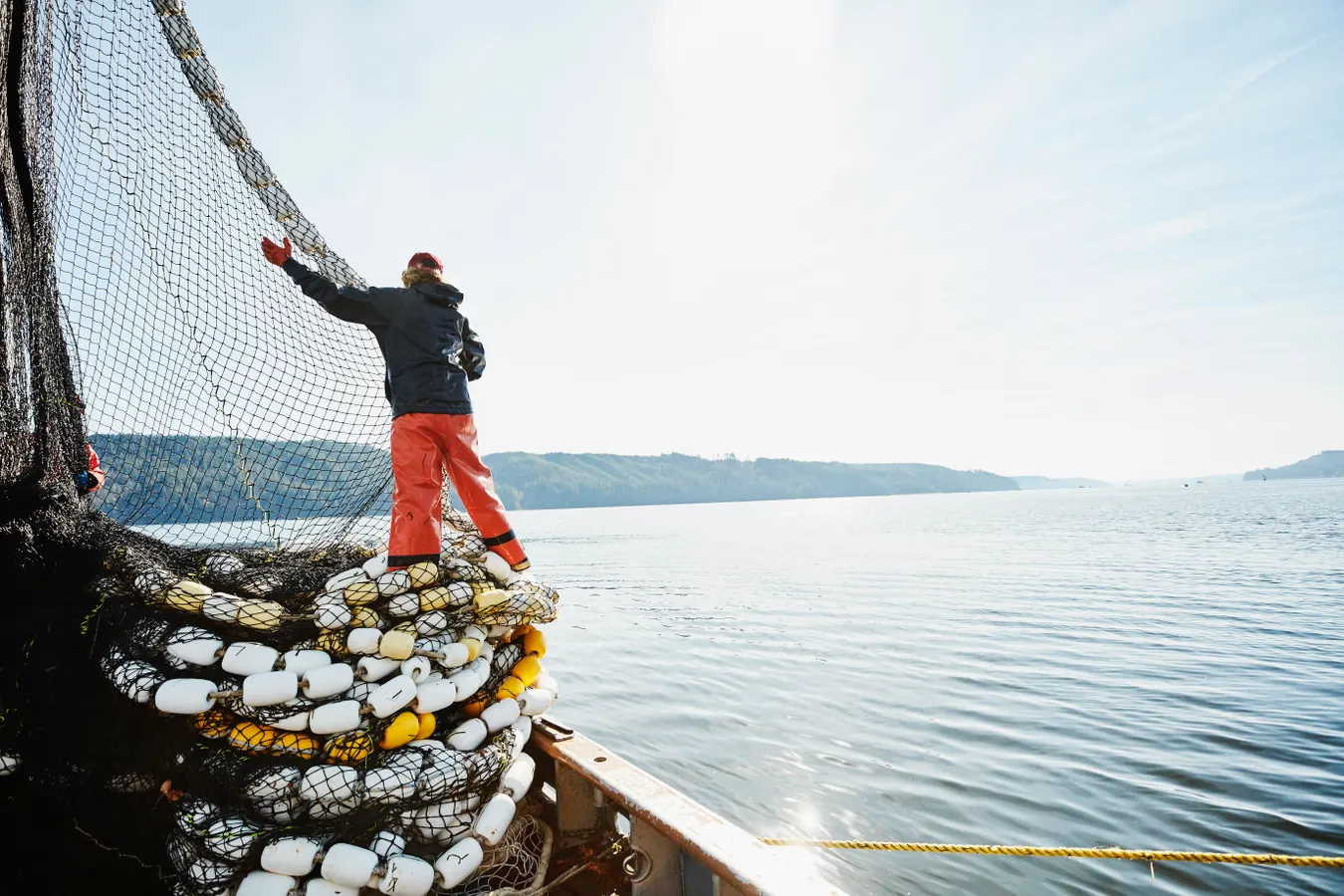
Ceviche’s future depends on healthy marine ecosystems. Peru’s Pacific waters host diverse fish species, but overfishing and climate variability threaten stocks. UNESCO’s recognition highlighted the role of artisanal sustainable fishers and the responsible production of ingredients in ceviche’s survival.
Sustainable Fishing & Ethical Dining
A UNESCO representative noted that ceviche is a cultural practice tied directly to sustainable development, valuing artisanal fishing and the sustainable production of lemons.
Emerging Responsible‑Sourcing Initiatives
Despite ceviche’s popularity, the sustainable and traceable seafood movement in Peru remains nascent. A report by Future of Fish observed that there is no consistent definition of “responsible sourcing” in Peru; different stakeholders interpret it differently.
Recognising a need for clarity, their “Pesca Consciente, Ceviche Por Siempre” initiative aims to develop a responsible sourcing guide and convene chefs, restaurant managers, NGOs, and government to establish common standards.
Preliminary surveys reveal that most people choose seafood based on personal preference and freshness, and associate responsible fishing with respecting seasonal closures and minimum sizes.
Choosing Ethical Ceviche
As a conscientious traveller, you can support sustainability by:
- Patrónising cevicherías that source fish responsibly. Look for restaurants that work with small‑scale fishers and have transparent supply chains. Some upscale eco‑hotels in Lima and Miraflores have committed to 100 percent responsible seafood sourcing and have eliminated single‑use plastics.
- Asking about the catch: In local markets or street stalls, ask vendors if the fish is from regulated fisheries and if it’s seasonal.
- Avoiding endangered species: Shark and certain reef fish populations may be vulnerable. Opt for abundant species like corvina, sole or trout.
- Timing your visit: Avoid ordering ceviche during periods of heavy rain or El Niño when water contamination may increase the risk of waterborne diseases.
- Participating in responsible tourism: Choose tour operators that emphasise sustainability, respect for local communities and environmental stewardship—qualities central to Alpaca Expeditions’ ethos.
By making mindful choices, travellers can savour Peru’s national dish while contributing to the conservation of marine ecosystems and the livelihoods of artisanal fishers.
Experiencing Ceviche in Peru
Exploring ceviche is not just about tasting; it’s about immersing yourself in Peru’s culinary landscape. From upscale restaurants to bustling markets and hands‑on cooking experiences, there are many ways to enjoy this dish responsibly.
Top Places to Eat
Peru’s cevicherías range from humble coastal shacks to refined restaurants. When selecting places to dine, seek venues that value freshness, authenticity, and sustainable sourcing. Here are some general categories of experiences rather than specific restaurants—allowing you to discover hidden gems while avoiding brand endorsements:
- Contemporary Cevicherías – Modern establishments in Lima’s Miraflores or Barranco districts offer innovative takes on ceviche. Menus may feature multiple variations—classic fish ceviche, Nikkei‑style tuna ceviche with soy sauce and avocado, or warm ceviche served with seared trout. Many of these restaurants emphasise sustainability and refined presentation.
- Traditional Coastal Stalls – In districts like Chorrillos or La Victoria, family‑run cevicherías serve some of the freshest ceviche. Diners often sit at communal tables and enjoy whatever the chef prepared that day. The experience is authentic and connects visitors directly with local fishermen and their traditions. Ask for sin picante if you prefer less spice.
- High‑Altitude Gems – In Cusco or Arequipa, restaurants incorporate regional ingredients like river trout, rocoto peppers, and Andean corn. These ceviches highlight how the dish adapts to different climates and terrains.
- Eco‑Hotels & Sustainable Eateries – Some eco‑friendly hotels and boutique restaurants source all their seafood responsibly and have eliminated single‑use plastics. Dining at such venues allows travellers to support sustainability while enjoying world‑class ceviche.
Regardless of where you eat, arrive before 1 p.m. to avoid lunchtime crowds and ensure the fish is at its freshest. Pair your ceviche with a chilled local beer or a pisco sour for an authentic Peruvian meal.
Cooking Classes & Culinary Tours
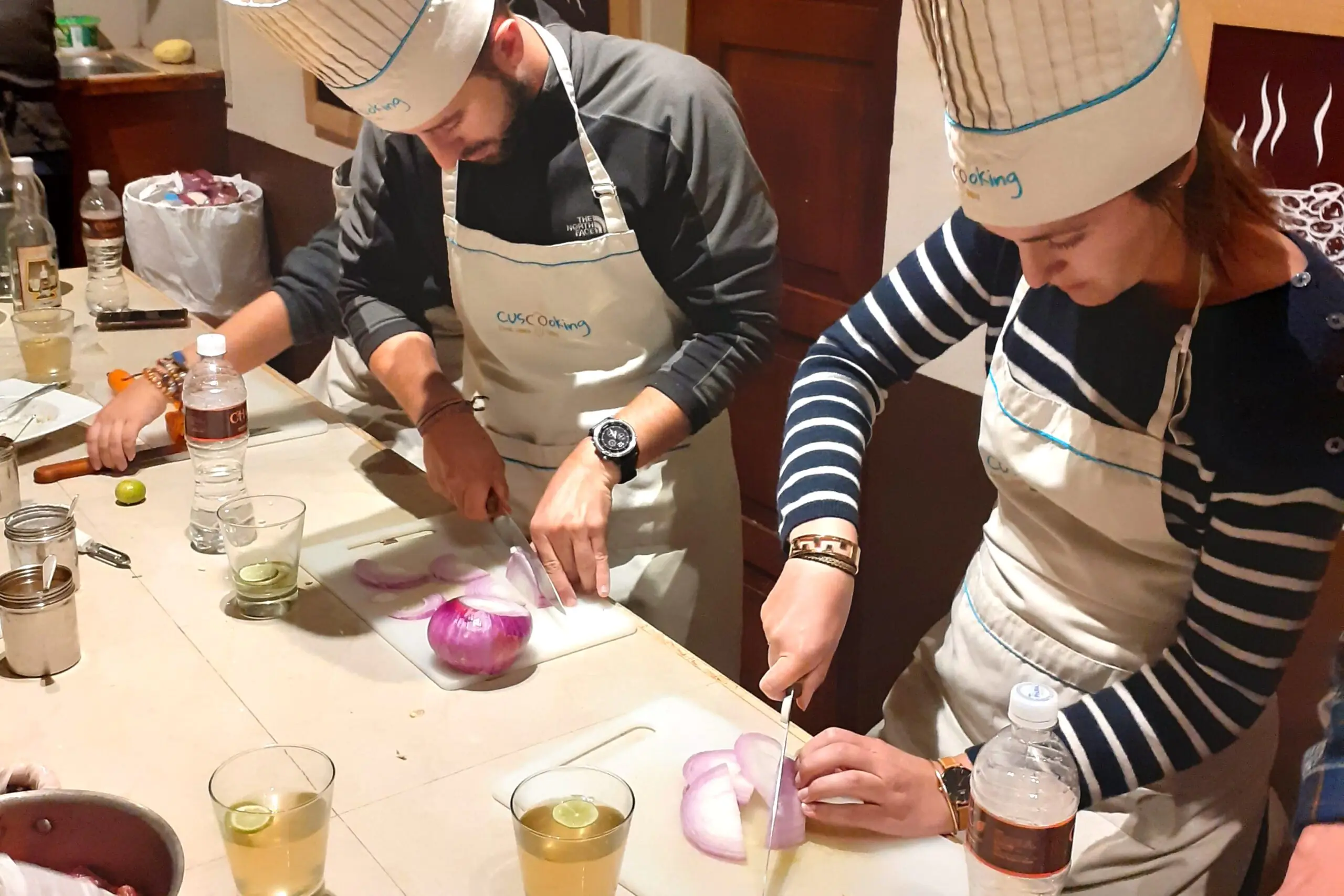
Participating in a cooking class enriches your appreciation of ceviche by connecting you with local chefs and markets. Lima’s culinary tours often begin with a market visit, where travellers learn about Peru’s vast array of fruits, vegetables, spices, and seafood.
After tasting exotic fruits and discovering ingredients like black corn and ají peppers, participants head to a kitchen or rooftop terrace for a hands‑on cooking session.
Cooking Classes & Culinary Tours
Under the guidance of expert chefs, they chop fresh fish, squeeze limes, and mix in garlic and chilies to create their own ceviche. These experiences sometimes include preparing other Peruvian classics like lomo saltado and causa rellena, and conclude with tasting pisco sours.
High‑end culinary experiences may last several hours and include a four‑course meal, while shorter sessions focus solely on ceviche and pisco sours. Many tours emphasise sustainability by highlighting responsible sourcing, reducing food waste, and supporting local producers.
When booking through Alpaca Expeditions, you can request customised culinary experiences that align with your itinerary and ethical values.
National Ceviche Day & Culinary Festivals
If you’re in Peru on June 28, immerse yourself in National Ceviche Day festivities. Plaza celebrations offer free tastings, while restaurants compete to create unique ceviche interpretations.
In Lima’s parks and plazas, you’ll find vendors serving ceviche alongside live music and dance. It’s a lively way to experience Peruvian culture and interact with locals who share your passion for food.
Throughout the year, food festivals such as Mistura (held periodically in Lima) feature ceviche prominently among hundreds of Peruvian dishes. Culinary competitions and regional fairs also celebrate ceviche, allowing you to taste variations from across the country.
Street Food & Local Markets
For adventurous eaters, sampling ceviche at local markets can be exhilarating. Markets like Mercado de Surquillo in Lima or coastal fish markets in Huanchaco serve up freshly prepared ceviche at modest prices. Vendors often combine fish with lime, onion and chili on the spot, demonstrating the simplicity and speed of traditional preparation. When trying street ceviche, follow local advice: eat early, select busy stalls (indicating high turnover) and ask if the fish is today’s catch.
Pairings & Drinks
Peru offers several beverages to accompany ceviche:
- Pisco Sour: Peru’s iconic cocktail made with pisco (grape brandy), lime juice, simple syrup and egg white. Its citrus notes complement ceviche’s acidity.
- Chicha Morada: A purple corn drink spiced with cinnamon and cloves, providing a sweet counterbalance to ceviche’s tartness.
- Craft Beers & Local Lagers: Traditional beers like Pilsen Callao or Cusqueña pair naturally with ceviche. Peru’s craft beer scene offers IPAs and lagers infused with local ingredients.
- Inca Kola: A neon‑yellow soft drink with a sweet, bubblegum flavour—a fun pairing if you have a sweet tooth.
While wine isn’t traditionally paired with ceviche, crisp Sauvignon Blanc or Albariño can complement its citrus and spice. Non‑alcoholic options include agua de hierbas (herb‑infused water) or freshly pressed juices.
How to Make Ceviche at Home: A Step‑by‑Step Recipe
Preparing ceviche at home allows you to bring a taste of Peru into your kitchen. Below is a classic Lima‑style ceviche recipe adapted from traditional methods and culinary sources. Ensure you purchase the freshest fish available—ideally sushi‑grade or from a trusted fishmonger.
Ingredients (Serves 4)
- 500 g (1 lb) skinless, boneless white fish (e.g., sea bass, grouper, sole)
- 1 cup freshly squeezed lime juice (approximately 10–12 limes)
- 2 medium red onions, thinly sliced
- 1–2 ají limo or habanero peppers, deseeded and finely sliced
- 1 small garlic clove, mashed (optional)
- 1 sprig fresh cilantro, plus chopped cilantro for garnish
- 1 teaspoon sea salt (or to taste)
- Cracked black pepper (optional)
- Ice cubes
Accompaniments:
- 2 sweet potatoes, boiled and sliced
- 1 cup boiled Peruvian corn (or fresh corn on the cob)
- 1 cup cancha (toasted corn nuts)
- 1 cup chifles (plantain chips)
- Lettuce leaves (optional)
Method
- Prepare Onions & Peppers: Soak the sliced onions in salted water for 10 minutes to reduce bitterness. Drain and rinse.
- Season the Fish: Rinse the fish under cold water, pat dry and cut into 2 cm cubes. Place the cubes in a glass or ceramic bowl and sprinkle with sea salt. Let rest for 5 minutes.
- Marinate: Add the lime juice, onions, sliced peppers, garlic (if using) and cilantro sprig to the fish. Add a few ice cubes to keep the mixture cold and temper acidity. Gently mix and refrigerate for 5–10 minutes.
- Taste & Adjust: Remove the cilantro sprig and chilies. Taste the fish and add more salt if needed. For a less acidic ceviche, drain some of the lime juice before serving.
- Serve Immediately: Divide the fish, onions and leche de tigre among four plates. Arrange slices of sweet potato, corn, cancha and chifles on the side. Sprinkle with chopped cilantro and serve immediately.
Variations
- Rocoto Kick: Add minced rocoto pepper for extra heat.
- Garlic & Broth: Some regional recipes incorporate a splash of fish bone broth or garlic paste.
- Amazonian Twist: Use river fish like gamitana and marinate with passionfruit juice instead of lime.
- Nikkei Style: Swap lime juice for a mix of citrus and soy sauce, add thin slices of tuna and avocado.
When experimenting, maintain the dish’s essence: fresh fish, balanced acidity and the interplay of softness, crunch and spice.
Ceviche & Luxury Travel: Incorporating Culinary Heritage with Adventure
Travellers who seek premium experiences can integrate ceviche into a luxury adventure itinerary. Peru’s culinary renaissance has elevated ceviche into fine‑dining menus worldwide. Here’s how to combine gastronomy with exploration:
Fine‑Dining Ceviche
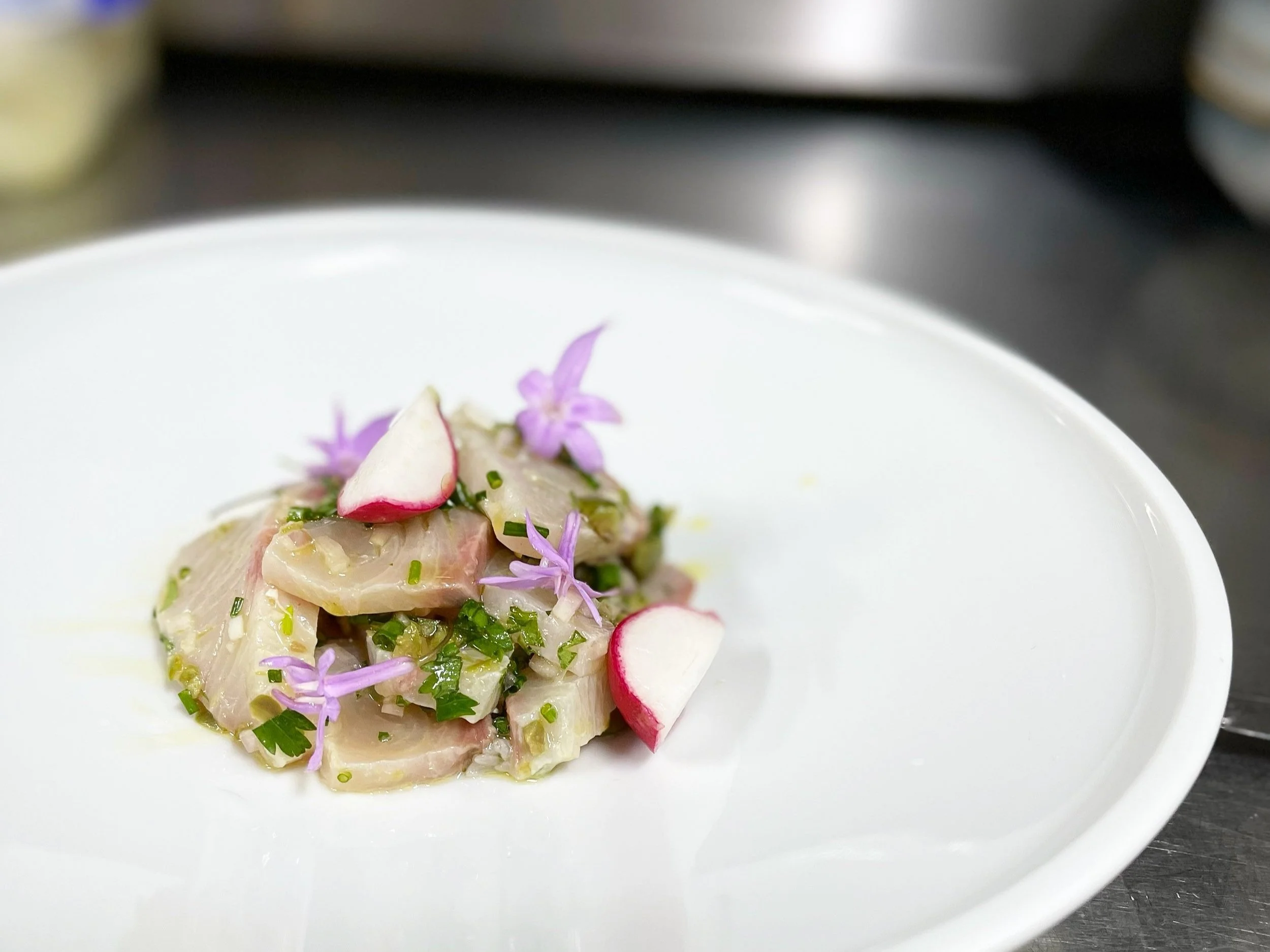
Many of Lima’s acclaimed restaurants feature innovative ceviche that marries tradition and modernity. Chefs experiment with smoked peppers, ginger, capers, and unusual seafood like purple crab or grilled grouper.
Fine‑Dining Ceviche
Dining at these establishments offers a refined interpretation of ceviche with polished service and curated wine pairings. For the ultimate indulgence, reserve a tasting menu that pairs ceviche with other Peruvian specialties.
Private Market Tours & Chef‑Led Classes
Luxury culinary experiences often begin with a private market tour in Miraflores or Barranco. Guided by a chef, you’ll explore stalls overflowing with tropical fruits, colorful potatoes, and freshly caught fish. The tour may continue to a private kitchen or rooftop terrace where you’ll learn to prepare ceviche under expert instruction.
Sipping freshly shaken pisco sours while you assemble your dish is part of the indulgence. These private sessions can be customised to focus on sustainability, emphasising responsible ingredient selection and reducing waste.
Culinary Journeys Beyond Lima
Ceviche experiences aren’t limited to the capital. Consider venturing to Piura or Tumbes on the northern coast to taste ancestral recipes, or to Arequipa and Puno for trout‑based ceviches with rocoto.
Pair these tastings with visits to archaeological sites like Huacas de Moche or Caral for a deep dive into the dish’s origins. In the Amazon, combine river expeditions with culinary workshops that teach you how to marinate fish using local fruits.
Bespoke Culinary Trekking
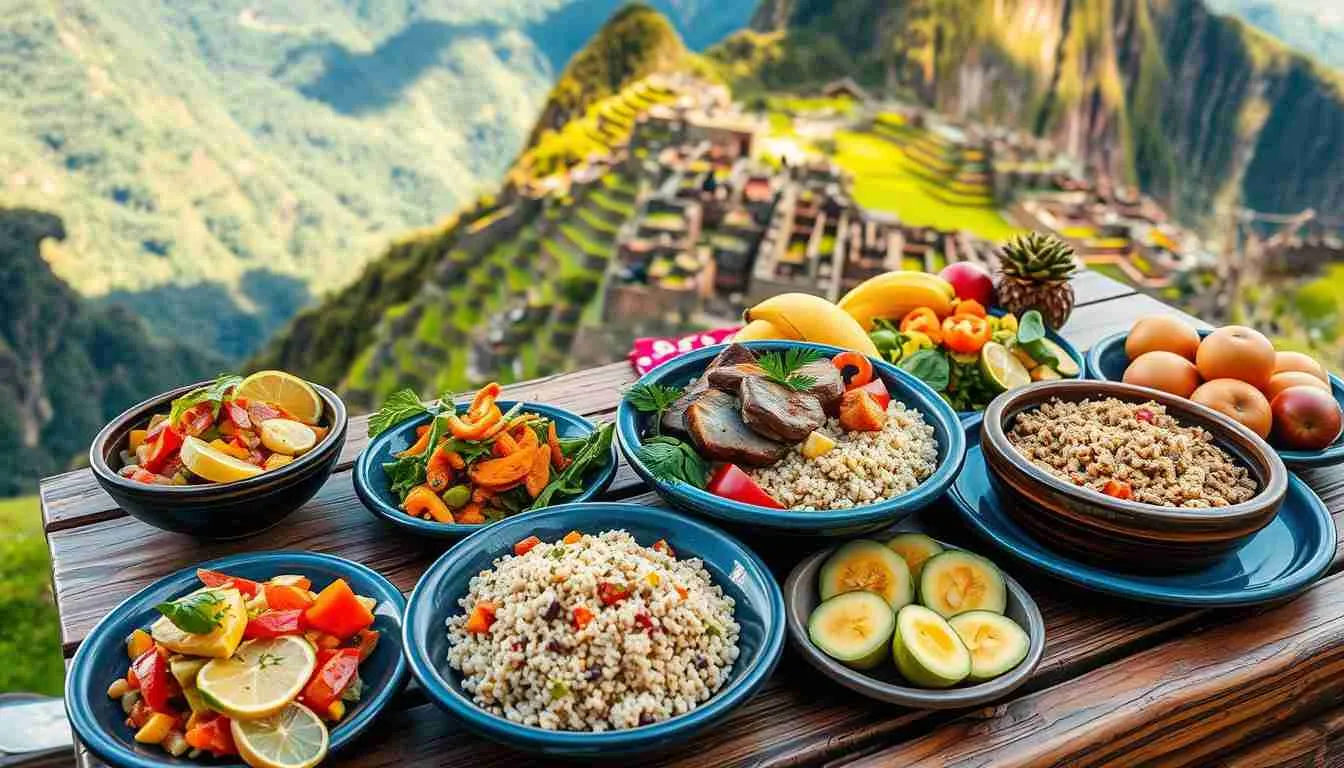
Alpaca Expeditions specialises in luxury treks and customised adventures. You can include culinary elements such as picnics featuring ceviche made from freshly caught trout, visits to Indigenous communities to learn about traditional marinating methods or exclusive dining experiences at eco‑lodges that support sustainable fishing.
Bespoke Culinary Trekking
Our guides prioritise ethical tourism, ensuring that your culinary explorations respect local cultures and the environment. Whether trekking the Inca Trail or exploring the Sacred Valley, weaving ceviche into your journey adds a savoury dimension to your adventure.
Cultural Landmarks & Culinary History
Pairing ceviche explorations with visits to archaeological and cultural sites enriches understanding:
- Huanchaco & Chan Chan: The fishing village of Huanchaco is believed to be where the earliest ceviche was eaten. Nearby lies Chan Chan, the largest pre‑Columbian city in South America, offering insights into ancient coastal civilisations.
- Huaca Pucllana: Located in Lima’s Miraflores district, this pre‑Incan pyramid neighbours restaurants that serve acclaimed ceviche. Dining here juxtaposes ancient architecture with contemporary cuisine.
- El Brujo Archaeological Complex: Near Huanchaco, this site showcases Moche mummies and artifacts. Observing how fishermen catch and prepare fish echoes the Moche traditions described by food historian Maricel Presilla.
- Caral: A UNESCO World Heritage site, Caral offers a glimpse into the civilisation that consumed raw anchovies with chili and salt thousands of years ago. Visiting Caral deepens appreciation for ceviche’s ancient lineage.
Combining these sites with culinary experiences creates a narrative journey from antiquity to modern gastronomy.
Frequently Asked Questions
What is ceviche?
Ceviche is a cold dish consisting of raw fish or shellfish marinated in citrus juice and seasoned with chili peppers, onions, and cilantro. The citrus acid denatures the proteins in the seafood, giving the appearance of cooking without heat.
Why is ceviche considered Peru’s national dish?
Peru designated ceviche as its national dish due to its deep historical roots, cultural significance, and ubiquity across the country. UNESCO recognised the practices surrounding ceviche as Intangible Cultural Heritage, noting that they reinforce cultural identity and involve artisanal fishers, farmers, and cooks.
When is National Ceviche Day?
National Ceviche Day (Día Nacional del Ceviche) is celebrated every June 28 in Peru. Restaurants and communities host special menus, fairs and competitions to honour the dish.
How did Japanese immigration influence ceviche?
Japanese immigrants in the late 19th century introduced the idea of serving fish raw, as in sashimi, which led to shorter marinating times for ceviche. This modern method, popularised in the 1970s, preserves the fish’s texture and freshness.
What fish is best for ceviche?
Traditionally, corvina (sea bass) or sole are used, but trout, grouper or other firm white fish are also suitable. The key is that the fish must be extremely fresh. Avoid oily fish like salmon unless prepared in a specific style.
Is ceviche safe during pregnancy?
Because ceviche uses raw seafood, pregnant women should avoid it due to potential exposure to bacteria and parasites. Cooked alternatives or vegetarian ceviche using mushrooms or hearts of palm are safer options.
Can I make ceviche with frozen fish?
Peruvians prefer fresh fish, but high‑quality flash‑frozen fish can be used if properly thawed and handled. Ensure you remove excess moisture so the lime juice can effectively denature the proteins.
Why is leche de tigre important?
Leche de tigre is the flavourful citrus and fish juice left after marinating ceviche. It’s considered an essential component, often consumed as a shot for its supposed aphrodisiac and hangover‑curing properties.
How do regional ceviches differ in Peru?
Coastal Lima’s ceviche uses white fish, ají limo and sweet potato; the northern coast may incorporate mackerel and seaweed; the Andean highlands feature trout and rocoto; the Amazon Basin uses river fish and passionfruit‑like tumbo. Each region adjusts ingredients and accompaniments to local ecosystems and tastes.
What does UNESCO’s recognition mean for travellers?
UNESCO’s designation underscores the need to preserve ceviche’s cultural practices, including sustainable fishing and intergenerational knowledge. Travellers can support this by choosing restaurants that source ingredients responsibly and by participating in culinary tours that respect local traditions.
Conclusion
Ceviche is far more than a delicious plate of citrus‑cured fish. It is a culinary narrative that spans pre-Incan civilizations, colonial encounters, and global migrations. Each bite tells a story of coastal fishermen marinating their catch in passionfruit juice, Moorish and Spanish cooks introducing citrus and onions, and Japanese chefs refining the technique to emphasise freshness.
Today, ceviche is celebrated as Peru’s national dish and recognised by UNESCO for its cultural and environmental importance.
For travellers seeking premium, ethical adventures, ceviche offers an immersive way to connect with Peru. Exploring regional variations reveals the country’s biodiversity, while cooking classes and market tours provide a hands‑on understanding.
Choosing restaurants that prioritise sustainable fishing supports marine ecosystems and local livelihoods. Combining ceviche experiences with treks to ancient sites like Machu Picchu or Caral creates a journey that feeds both body and soul.
At Alpaca Expeditions, we believe food is a gateway to understanding culture. Our tailored itineraries weave culinary heritage into adventure travel, ensuring you savour authentic dishes in responsible and luxurious ways.
From private market tours and chef‑led cooking classes to picnic‑style ceviche on scenic treks, we craft experiences that respect Peru’s traditions while delivering unparalleled comfort and service. Join us on an expedition that satisfies your appetite for both adventure and authenticity, and taste for yourself why ceviche is the beating heart of Peruvian cuisine.