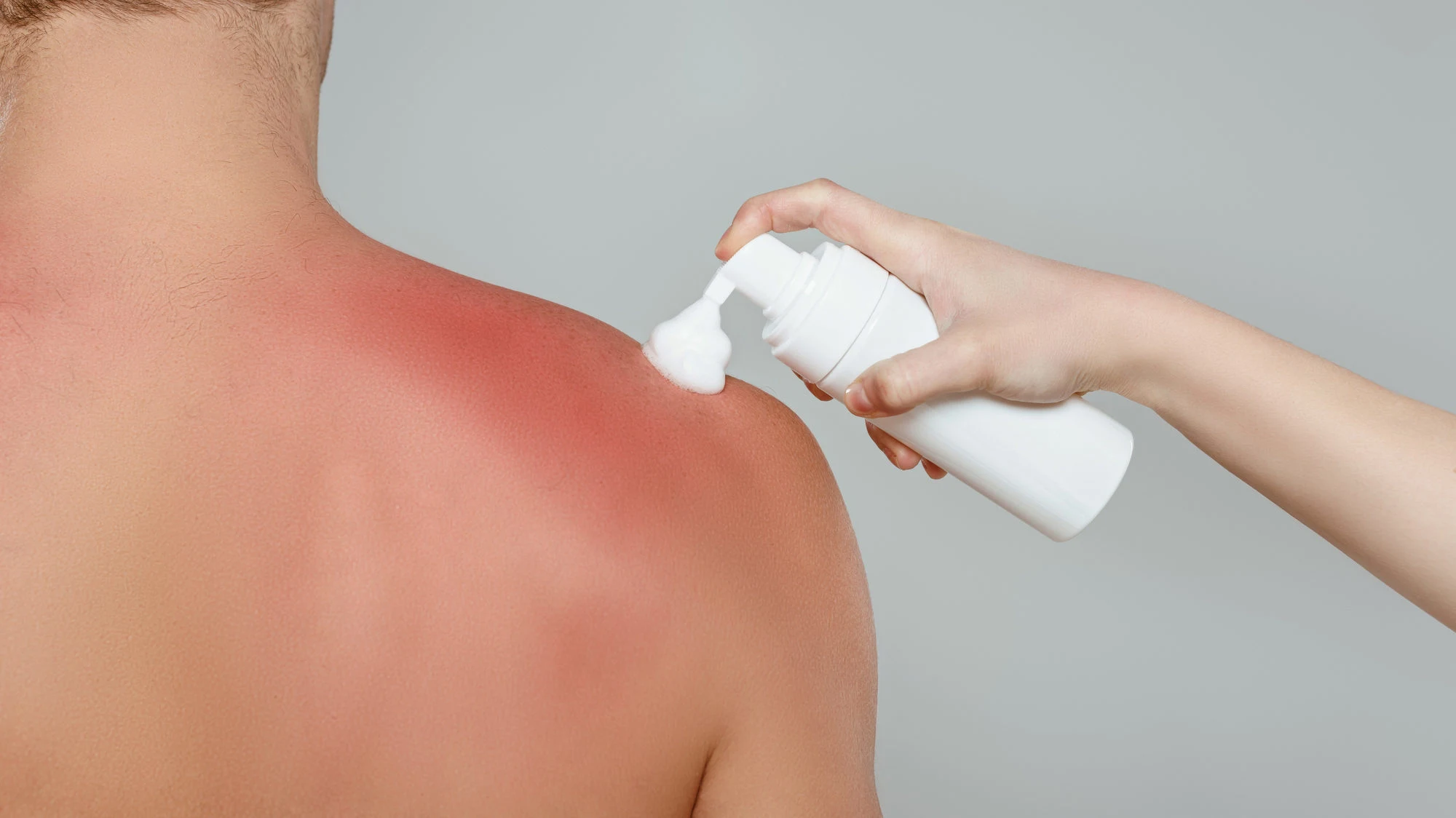
You step outside your hotel in Cusco, and the air feels cool. There may even be clouds over the mountains. A few hours later, your nose is bright red, the back of your neck feels hot, and you are wondering how you managed to get sunburned when the weather never felt particularly warm. Sunburn at Altitude can be surprising, but very much possible.
That experience surprises many travelers visiting Peru.
The sun can be especially intense in the Andes because ultraviolet radiation increases with altitude, and Peru’s location closer to the equator adds another important factor. On the Inca Trail, you can spend hours walking through exposed mountain terrain at elevations far above those most U.S. travelers experience at home.
Good sun protection here means more than putting sunscreen on your face before breakfast. Sunglasses with real UV protection, sunscreen applied correctly, protective clothing, a hat, lip protection, and regular reapplication should all be part of your hiking routine.
Why Is the Sun So Strong in the Andes?
Temperature and ultraviolet radiation are not the same thing.
This is one of the most important things to understand before traveling to Cusco or hiking in the Peruvian Andes.
A cool mountain breeze may make the day feel comfortable. Clouds can make the sky look harmless. You might hike in a jacket rather than a T-shirt. None of those things necessarily mean UV exposure is low.
The World Health Organization explains that UV levels generally increase as altitude rises because there is less atmosphere above you to absorb the radiation. Its approximate rule is a 10% increase in UV levels for every 1,000 meters, or about 3,280 feet, of elevation gained. UV exposure is also generally higher closer to the equator.
That combination matters in Peru.
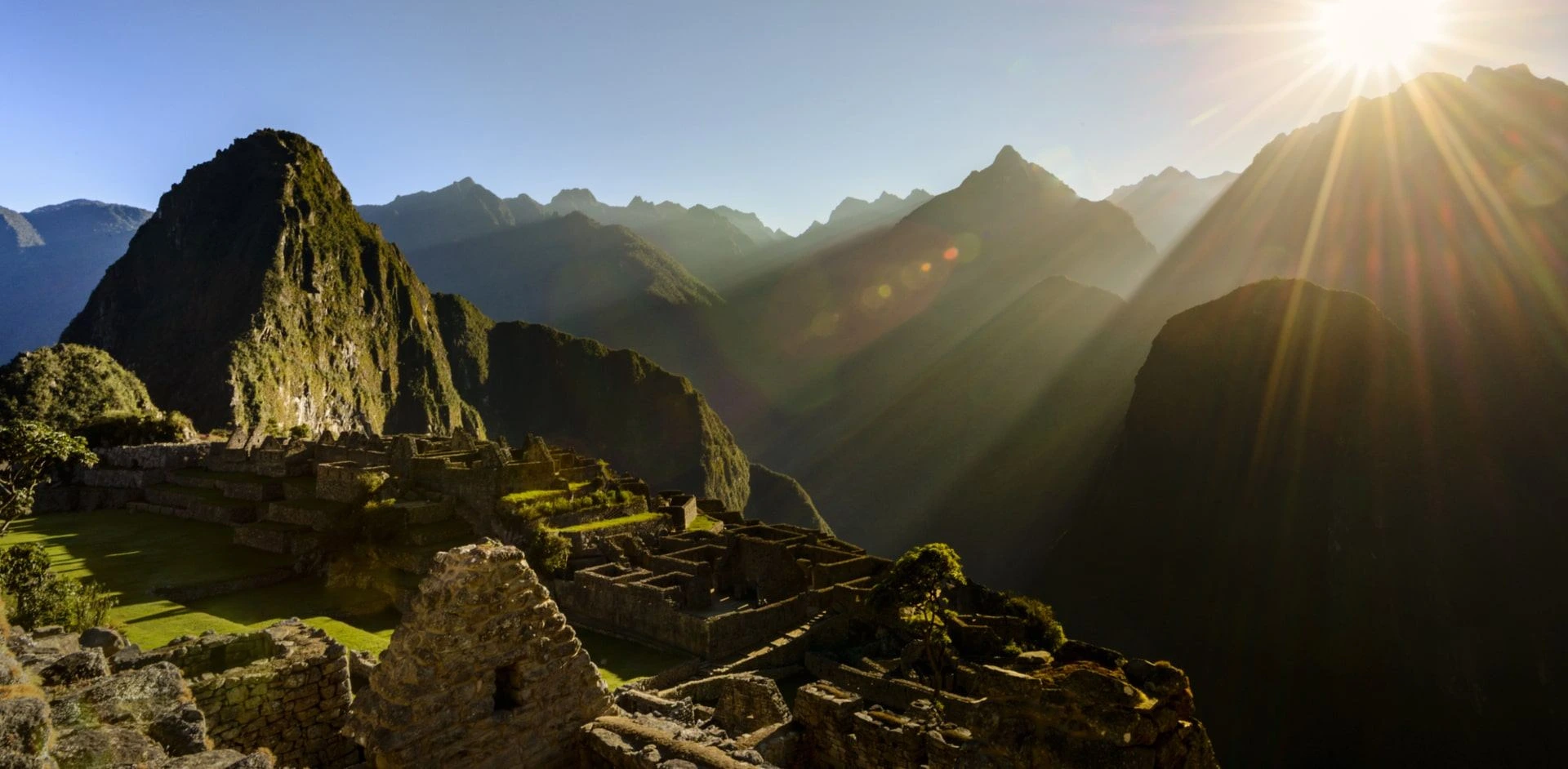
Machu Picchu sits about 2,430 meters, or 7,970 feet, above sea level, according to UNESCO. Cusco is around 3,400 meters, while Dead Woman’s Pass on the Classic Inca Trail reaches approximately 4,215 meters, or 13,829 feet.
Using the WHO altitude guideline only as a rough illustration, the elevation component alone could correspond to approximately:
| Location | Approx. Elevation | Rough Altitude-Related UV Increase* |
| Machu Picchu | 2,430 m / 7,970 ft | ~24% |
| Cusco | 3,400 m / 11,155 ft | ~34% |
| Dead Woman’s Pass | 4,215 m / 13,829 ft | ~42% |
*Compared with sea level under otherwise similar conditions. This is not a prediction of the actual UV Index. Cloud cover, ozone, time of day, latitude, season, surface reflection, and other conditions also affect exposure.
In other words, the Andes are not just “closer to the sun” in the casual sense. You are also standing beneath less atmosphere capable of filtering some of the UV radiation before it reaches you.
Why Doesn’t the Sun Always Feel Dangerous?
Because UV radiation is not something you can reliably judge by temperature.
You can feel heat. You can notice bright visible sunlight. But harmful UV exposure can occur even when the mountain air feels cool.
Clouds can also create a false sense of security. WHO notes that significant UV can pass through clouds, and light or thin cloud cover does not necessarily offer the protection travelers expect.
That matters on a trek such as the Inca Trail, where conditions can change rapidly as you climb mountain passes, descend through valleys, and enter cloud forest.
You may begin the morning wearing layers because it is chilly, remove them as you climb, hike for several hours in partial cloud, and only notice that your shoulders or neck are burning later in the afternoon.
Do not use air temperature as your sunscreen reminder.
Use time, exposure, the UV Index, and your planned activity.
Does Altitude Really Increase Your Chance of Sunburn?
Yes. Altitude is one of several factors that can increase UV exposure.
CDC guidance on sunburn specifically notes that the time it takes someone to burn can be influenced by factors including skin tone, altitude, time of day, and season. It also stresses that anyone can experience sunburn regardless of skin tone.
The mistake many visitors make is thinking about sunscreen the way they would during a regular sightseeing day in the United States.
A trek is different.
During an Inca Trail day, you may be outside for many hours with limited opportunities to stay indoors. Sweat can reduce sunscreen coverage. A backpack can rub sunscreen from your shoulders or neck. Hats get removed. Sleeves get rolled up. The back of your hands remains exposed while using trekking poles.
A small mistake at breakfast can become several hours of unprotected exposure.
What Does the UV Index Mean for Travelers in Peru?
The UV Index tells you the intensity of ultraviolet radiation expected at a particular place and time.
The higher the number, the greater the potential for skin and eye damage and the faster that damage can occur.
WHO recommends taking sun-protection measures when the UV Index reaches 3 or above.
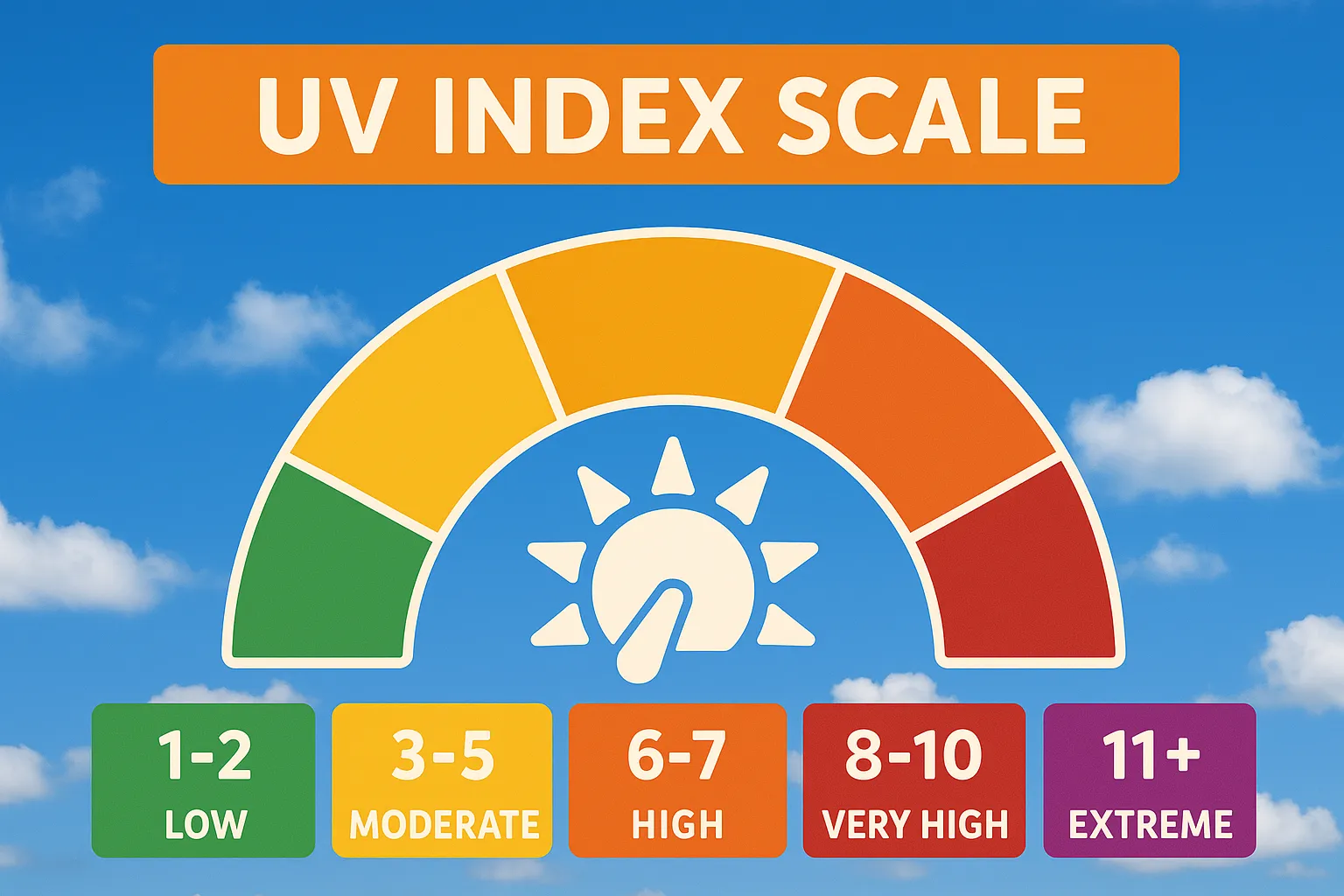
For travelers, that means checking the UV forecast can be as useful as checking the temperature or chance of rain.
Before leaving your hotel or campsite each morning, look at:
- UV Index
- cloud cover
- expected temperature
- rain
- wind
- your route and expected exposure
- the hours you expect to spend outdoors
Remember that a cloudy forecast does not mean you can skip sun protection.
What Sunscreen Should You Use for the Inca Trail?
For a long outdoor trek, choose sunscreen based on protection and practicality rather than brand.
The American Academy of Dermatology recommends sunscreen that is:
Broad spectrum: protects against UVA and UVB radiation.
SPF 30 or higher: appropriate for regular outdoor protection.
Water resistant: useful during physical activity where sweat is unavoidable.
For hikers, SPF 30 is a sensible minimum. Many travelers prefer SPF 50 for long trekking days because it provides an additional margin when exposure is prolonged.
However, SPF 50 does not mean you can apply sunscreen in the morning and forget about it until dinner.
Application matters just as much as the number printed on the bottle.
How Should You Apply Sunscreen Before Hiking?
Apply sunscreen before you start walking, not after you begin feeling the sun.
The American Academy of Dermatology advises applying sunscreen around 15 minutes before outdoor exposure and reapplying approximately every two hours, as well as after heavy sweating or water exposure.
For an Inca Trail morning, that means sunscreen should become part of getting dressed.
Apply it before your backpack goes on.
Pay particular attention to areas travelers commonly miss:
- ears
- nose
- cheeks
- forehead
- neck
- back of the neck
- jawline
- hands
- forearms
- shoulders
- lower legs when wearing shorts
- tops of feet when exposed
- scalp if hair is thinning
- lips
AAD guidance also recommends SPF lip protection, particularly when spending extended periods outdoors.
A practical trail routine
Before breakfast or departure:
Apply sunscreen to all exposed skin.
Around two hours later:
Reapply, especially to your face, ears, neck, and hands.
After heavy sweating:
Check exposed areas again rather than assuming water-resistant sunscreen is still providing full coverage.
During lunch:
Use the break as a sunscreen reset.
During the afternoon:
Reapply again if you are still hiking in exposed terrain.
A small sunscreen bottle stored in your daypack is far more useful than a large bottle packed with luggage you cannot reach.
Are SPF 50 and SPF 100 Necessary at High Altitude?
Higher SPF can be useful, but the most important sunscreen is one you apply correctly and repeatedly.
A high SPF number does not compensate for missing half your face, applying too little, or failing to reapply after sweating.
For most hikers, the practical priorities are:
- broad-spectrum protection,
- SPF 30 or higher,
- water resistance,
- adequate application,
- reapplication,
- clothing and shade where possible.
Sun protection should be a system rather than a single product.
Mineral or Chemical Sunscreen: Which Is Better for Peru?
Both can be effective when they meet appropriate broad-spectrum protection standards and are used correctly.
What matters during a trek is whether the sunscreen works for your skin and is comfortable enough that you will actually use it multiple times per day.
Travelers with sensitive skin may prefer certain mineral formulations. Others prefer lightweight lotions because they are easier to reapply while hiking.
Test your sunscreen before traveling to Peru.
A four-day trek is not the ideal place to discover that your new sunscreen stings your eyes when you sweat or causes a skin reaction.
Should You Wear Sunglasses on the Inca Trail?
Absolutely.
Sunglasses are not simply a comfort accessory in the Andes. They are protective equipment.
The U.S. Food and Drug Administration recommends sunglasses labeled UV400 or 100% UV protection, which block more than 99% of UVA and UVB radiation. The National Eye Institute similarly recommends lenses providing 99% to 100% UVA and UVB protection.
For hiking, look for:
- UV400 or 100% UV protection
- secure fit
- good side coverage
- comfortable nose and temple contact
- durable lenses
- frames that stay in position while walking
- a retaining strap if you tend to remove glasses frequently
Wraparound or larger frames can reduce light entering around the sides.
The National Eye Institute notes that fit matters because sunglasses that cover the eye area well reduce light entering from above, below, and the sides.
Are Darker Sunglasses Better?
Not necessarily.
One of the most important shopping mistakes travelers make is judging UV protection by lens color.
A very dark lens does not automatically provide strong UV protection. FDA guidance says lens darkness is not an indicator of how effectively sunglasses block ultraviolet radiation.
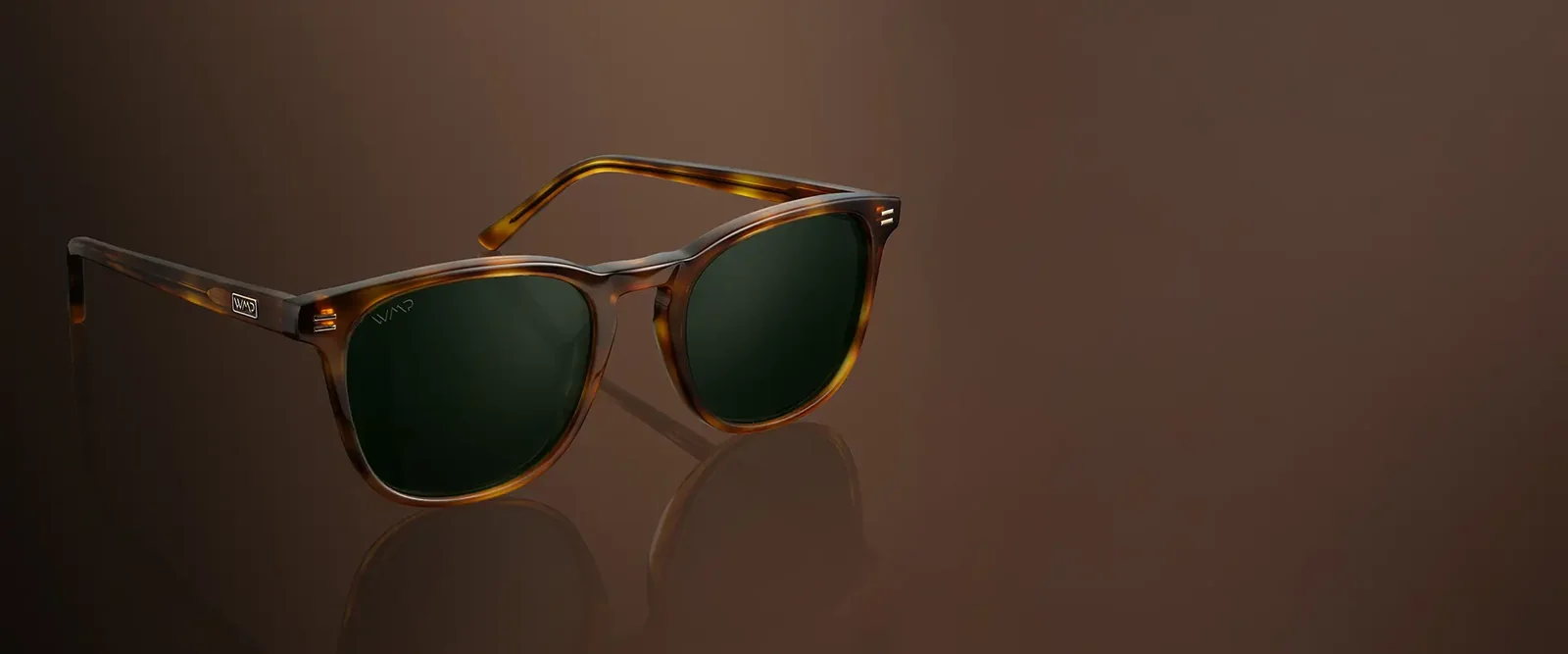
Look for the label:
UV400
or
99–100% UVA and UVB protection
That matters more than whether the lens is gray, green, amber, mirrored, or nearly black.
What About Polarized Sunglasses?
Polarized lenses can be excellent for outdoor travel because they reduce glare, particularly around reflective surfaces.
The National Eye Institute specifically notes that polarization can help reduce glare from surfaces such as water or snow.
But treat polarization and UV protection as separate features when shopping.
A hiking pair might ideally offer:
UV400 + good coverage + comfortable fit + polarization
rather than selecting glasses based on polarization alone.
Can Your Eyes Get Sunburned?
Your eyes and surrounding tissues can also be affected by intense UV exposure.
Reflection becomes especially important in high mountain environments where snow is present. WHO notes that fresh snow can reflect a large amount of UV radiation, substantially increasing total exposure.
Most Classic Inca Trail travelers are not walking across major snowfields, but other high-Andean routes and mountain viewpoints may bring hikers closer to snow-covered terrain.
Good sunglasses become even more important under those conditions.
Eye pain, strong light sensitivity, unusual tearing, gritty sensations, or vision changes should not simply be ignored as “tired eyes.” Seek medical guidance if symptoms are significant or persistent.
Why Are Hats So Important in the Andes?
Sunscreen protects exposed skin, but physically blocking sunlight is extremely effective.
WHO emphasizes clothing, hats, sunglasses, shade, and sunscreen as complementary forms of UV protection.
For trekking, a hat helps protect areas that receive constant direct exposure:
- scalp
- forehead
- ears
- nose
- cheeks
- neck
A wide-brimmed hat offers more coverage than a baseball cap.
That said, a cap is still better than nothing when paired with sunscreen on the ears, neck, and sides of the face.
Make sure your hat is comfortable and secure enough for windy mountain conditions.
Should You Wear Long Sleeves While Hiking?
Often, yes.
Lightweight hiking clothing can reduce the amount of skin requiring sunscreen and make sun protection easier during long days.
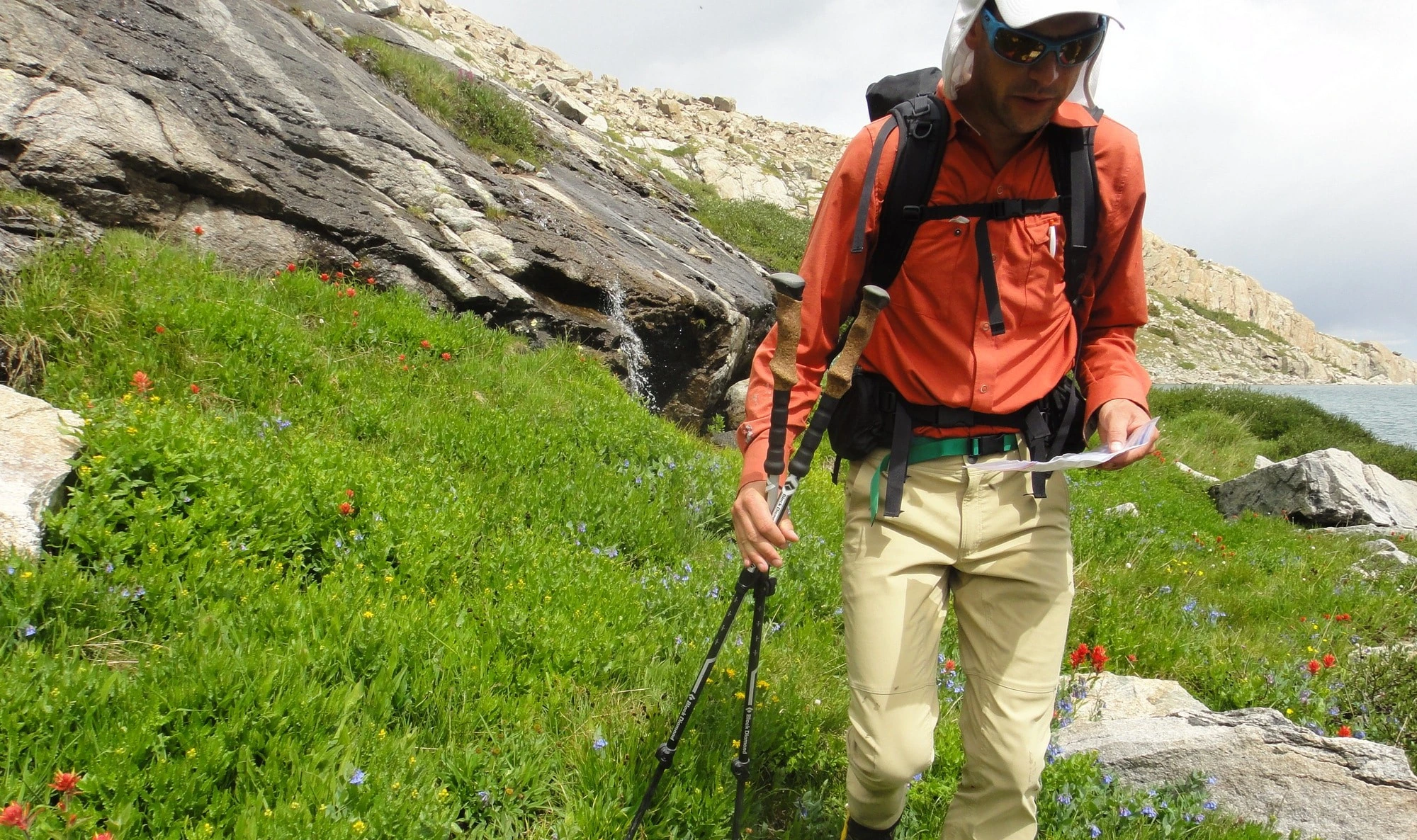
Consider:
- lightweight long-sleeve hiking shirts
- breathable hiking pants
- sun hoodies
- neck gaiters
- wide-brimmed hats
- UPF-rated clothing
The AAD recommends sun-protective clothing and notes that garments carrying a UPF rating provide additional information about UV protection.
For a four-day trek, clothing can be especially helpful because remembering to reapply sunscreen to every exposed area several times per day is difficult.
Does Cloud Cover Protect You From Sunburn?
Not reliably enough to skip protection.
This is one of the biggest mistakes tourists make in Cusco and on the Inca Trail.
WHO warns that UV radiation can pass through clouds and that light cloud cover may do less to reduce UV than people expect.
Imagine a morning that begins like this:
It is 52°F. Mist hangs over the mountains. You are wearing a fleece.
You start climbing.
An hour later, you are warm and remove the fleece.
Another hour passes.
The clouds thin, but the air remains cool.
By lunchtime, your shoulders have been exposed for two hours.
Nothing about that morning felt like a beach day.
Your skin does not care.
Can You Get Sunburned During Peru’s Cooler Months?
Yes.
Sunburn is caused by ultraviolet radiation, not hot weather.
CDC specifically recommends sun protection throughout the year and notes that UV reaches people even on cloudy and cool days.
For U.S. travelers, this can feel counterintuitive.
At home, sunscreen may be associated with summer vacations, pools, or Florida beaches.
In the Andes, you could be wearing a warm jacket at more than 13,000 feet while your face is receiving significant UV exposure.
Think “outdoor exposure,” not “hot weather.”
Which Areas Burn Most Often While Trekking?
The obvious answer is the face, but several areas are frequently forgotten.
Ears
Caps provide little protection.
Back of the neck
Your neck can remain exposed for hours while you walk facing forward.
Nose
The nose receives direct sunlight from multiple angles.
Lips
Wind, dry air, and sun can leave lips uncomfortable surprisingly quickly.
Hands
Trekking poles do not provide protection from ultraviolet radiation.
Scalp
Travelers with short, fine, or thinning hair may expose more scalp than they realize.
Lower legs
People sometimes apply sunscreen to their face and arms but forget their calves after switching to shorts.
Make sunscreen coverage part of your clothing check before leaving camp.
Why Sweat Makes Sun Protection Harder
Hiking at altitude is demanding.
Even on cold days, climbing thousands of feet can make you sweat.
Sweat creates two problems.
First, sunscreen can wear away.
Second, hikers often wipe sweat from their forehead, nose, and eyes, physically removing some of their protection.
This is why water-resistant sunscreen and reapplication matter.
Also keep a small cloth or trekking towel available so you are not constantly wiping your face with your sleeve or hands.
Can Sunscreen Replace a Hat and Long Sleeves?
No.
Think of sun protection as several layers:
Layer 1: Avoid unnecessary exposure
Use available shade during long breaks.
Layer 2: Clothing
Cover skin where comfortable.
Layer 3: Hat
Protect the head, face, ears, and neck.
Layer 4: Sunglasses
Protect the eyes.
Layer 5: Sunscreen
Protect exposed skin.
WHO specifically states that sunscreen should not be used as a reason to extend time in the sun and that protection is strongest when multiple approaches are combined.
What Should You Pack for Sun Protection on the Inca Trail?
For most hikers, the following items deserve space in the daypack rather than the main luggage.
Sun Protection Packing Checklist
- Broad-spectrum SPF 30+ sunscreen
- Small sunscreen container for easy reapplication
- SPF lip balm
- UV400 sunglasses
- Sunglasses case
- Sunglasses retaining strap
- Brimmed hiking hat
- Lightweight long-sleeve shirt
- Hiking pants or UPF clothing
- Neck gaiter or buff
- Water bottle or hydration system
- Small mirror if helpful for sunscreen coverage
- Moisturizer for after hiking
Do not store everything with luggage handled by support staff if you will need it throughout the day.
Keep your sun protection accessible.
How Does Sun Exposure Differ Between Cusco, the Inca Trail, and Machu Picchu?
The altitude changes substantially throughout a Peru trip.
Cusco
Cusco sits around 3,400 meters, or roughly 11,000 feet.
Many visitors spend their first days walking around plazas, archaeological sites, restaurants, and viewpoints. Because this feels like sightseeing rather than hiking, people frequently underestimate how much time they spend outside.
Wear sunscreen during city exploration too.
Classic Inca Trail
The Classic Inca Trail reaches approximately 4,215 meters at Dead Woman’s Pass. Alpaca Expeditions’ published itinerary shows the trek moving through elevations and environments ranging from lower trailheads to high passes and cloud forest.
That changing terrain makes flexibility important.
You need clothing for cool conditions but also effective sun protection when the sky opens.
Machu Picchu
Machu Picchu is lower than Cusco and the highest sections of the Inca Trail, sitting around 2,430 meters above sea level.
Lower does not mean “no UV problem.”
You can still spend several hours outdoors exploring terraces and viewpoints, often with limited shade.
Continue using sunscreen, sunglasses, and a hat on your Machu Picchu day.
What About Salkantay and Other High-Andean Treks?
Sun protection becomes equally important, and sometimes even more obvious, on routes through exposed mountain landscapes.
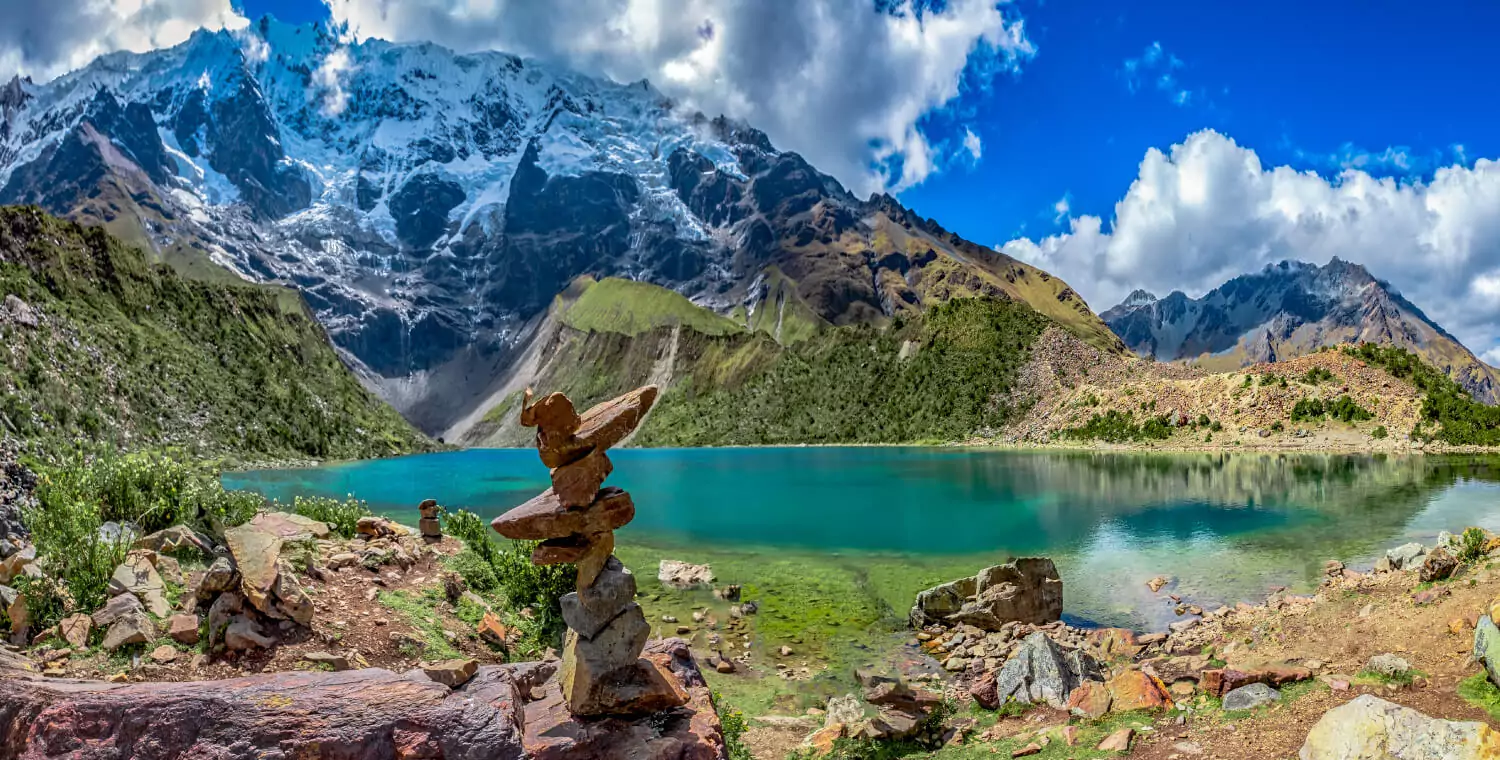
Alpaca Expeditions’ Salkantay itineraries travel through high-altitude terrain, mountain environments, lagoons, and changing ecosystems before descending toward Machu Picchu.
Regardless of the route, your approach should remain the same:
check the UV conditions, cover exposed skin, protect your eyes, and keep sunscreen accessible.
What Does Sunburn Look Like?
Sunburn can appear differently depending on skin tone.
CDC describes typical signs as skin that becomes warmer than normal, tender, painful, or visibly different in color. Severe burns may involve swelling or blistering, and some people may develop headache, fever, fatigue, or nausea.
On darker skin, redness may be less obvious, so pain, warmth, tenderness, tightness, or later peeling may be more noticeable than a dramatic color change.
Do not wait for your skin to turn bright red before deciding it has had too much exposure.
What Should You Do If You Get Sunburned During Your Peru Trip?
First, reduce additional UV exposure.
Move into shade or indoors if possible and keep the affected area covered while it heals.
For mild sunburn, common supportive measures include:
- cool showers or cool damp cloths
- gentle moisturizing products
- adequate fluids
- avoiding additional sun exposure
- protecting damaged skin
- leaving intact blisters alone
CDC and Mayo Clinic both recommend cooling and moisturizing the affected skin and avoiding additional sun exposure while it heals.
Avoid treating severe symptoms as just another hiking inconvenience.
When Does Sunburn Need Medical Attention?
Seek medical assistance when a sunburn is severe, involves significant blistering, or is accompanied by concerning symptoms.
Mayo Clinic recommends medical assessment for problems such as large blisters, severe swelling, worsening pain, fever, chills, confusion, nausea, eye pain, vision changes, or signs of infection. Emergency care may be necessary when severe sunburn is associated with confusion, faintness, dehydration, or very high fever with vomiting.
On a remote trail, tell your guide if you feel unwell rather than waiting until camp.
Symptoms such as headache, nausea, weakness, dizziness, and fatigue can also have causes unrelated to sunburn, including altitude illness, dehydration, infection, or other medical problems. Do not assume you know the cause.
Can Some Medications Make You More Sensitive to Sunlight?
Yes.
Certain medications can increase photosensitivity in some people.
If you take prescription medication or have previously experienced unusual reactions to sunlight, discuss sun exposure with your physician or pharmacist before traveling.
This is particularly important before a multi-day high-altitude trek where avoiding outdoor exposure may not be easy.

Do not stop prescribed medication simply because you are traveling.
Instead, ask whether you need additional precautions.
What Are the Most Common Sun-Protection Mistakes on the Inca Trail?
Mistake 1: Applying sunscreen once
A morning application is not an all-day shield.
Mistake 2: Trusting clouds
Clouds do not guarantee low UV.
Mistake 3: Buying sunglasses because they look dark
Dark lenses do not automatically provide UV protection.
Mistake 4: Leaving sunscreen in inaccessible luggage
Keep it in your daypack.
Mistake 5: Forgetting lips, ears, hands, and neck
These areas can receive hours of exposure.
Mistake 6: Assuming cold weather means weak sun
Temperature tells you very little about UV intensity.
Mistake 7: Waiting until skin feels burned
UV damage has already occurred by the time sunburn becomes obvious.
Mistake 8: Relying only on sunscreen
Use clothing, sunglasses, a hat, shade, and sunscreen together.
A Simple Sun-Protection Routine for an Inca Trail Day
You do not need to make sun protection complicated.
Before Leaving Camp
Check the day’s weather and UV Index.
Apply sunscreen to exposed areas.
Use SPF lip balm.
Put on your hiking shirt, hat, and sunglasses.
Place sunscreen somewhere you can reach without unpacking your entire bag.
During the Morning
Pay attention when removing layers.
If sleeves come off or pants become shorts, newly exposed skin needs protection.
Midmorning
Reapply sunscreen, especially if you have been sweating.
Lunch
Use lunch as your main reset.
Reapply sunscreen to:
- face
- ears
- nose
- neck
- hands
- arms
- legs
Check your lips.
Afternoon
Continue wearing sunglasses even if clouds move in.
Reapply sunscreen when necessary.
At Camp
Wash sweat and dirt from your skin when practical.
Apply moisturizer if your skin feels dry.
Inspect exposed areas for tenderness or burning.
That routine takes only a few minutes but can make the difference between enjoying the next day’s hike and walking with painful burned skin.
How Alpaca Expeditions Travelers Can Prepare
High-altitude trekking is easier when small practical habits are planned before the hike begins.
When preparing for a trip with Alpaca Expeditions, review your itinerary, expected elevations, walking time, weather conditions, and recommended packing list before departure.
The Classic Inca Trail, for example, includes long hiking days and elevations exceeding 4,000 meters. Having sunscreen or sunglasses somewhere at the bottom of your luggage is not enough; the items you need during the day should stay with you.
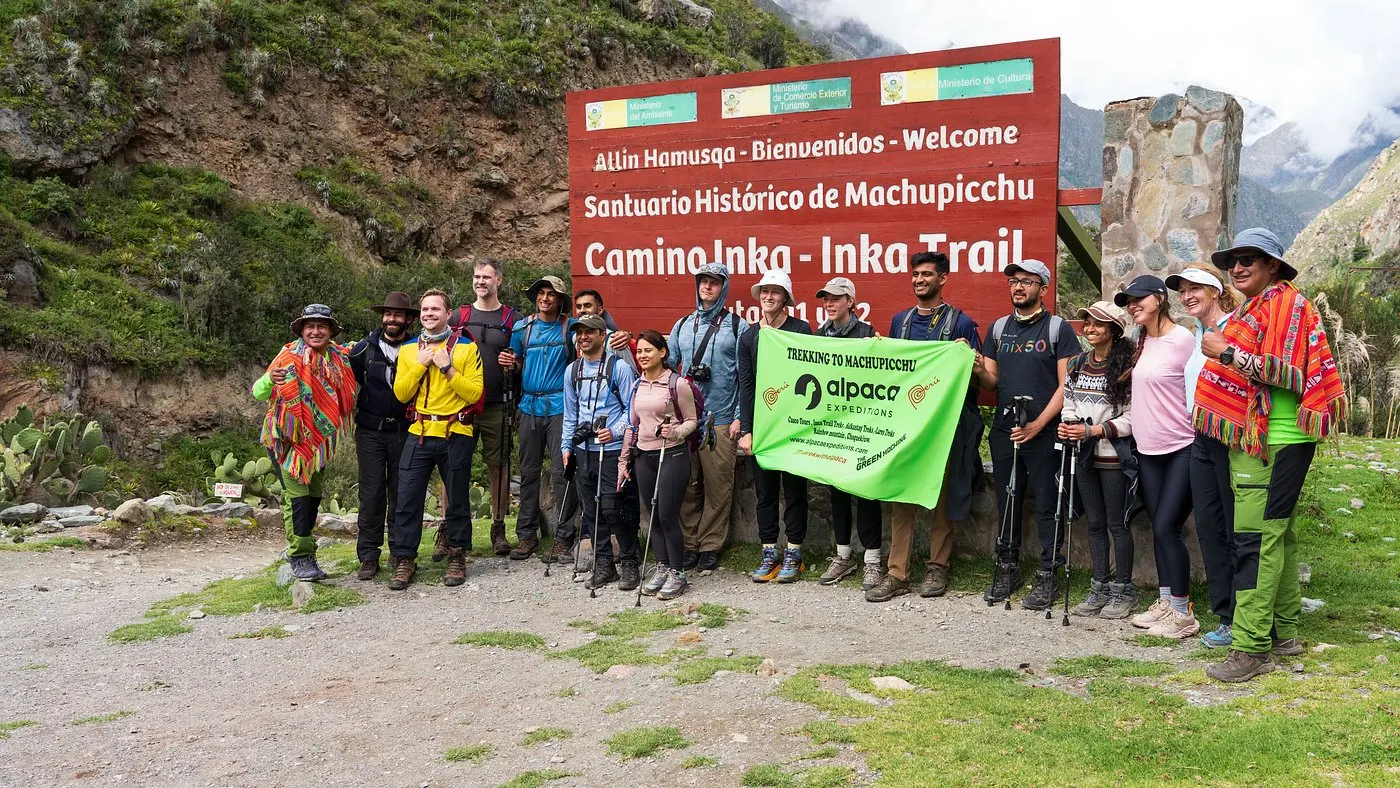
Use your pre-trek preparation to clarify what belongs in your daypack and ask your guide about expected weather before each day’s hike.
Experienced local guidance helps with route planning and changing conditions, but personal sun protection remains something every traveler should actively manage.
Quick Comparison: What Protects You From What?
| Protection | Main Benefit | Trail Tip |
| Broad-spectrum sunscreen | Helps protect exposed skin from UVA and UVB | SPF 30+ and reapply |
| UV400 sunglasses | Protects eyes from UV | Wear even during cloudy conditions |
| Wide-brimmed hat | Shades face, ears, scalp and neck | Secure it in wind |
| Long sleeves | Reduces exposed skin | Use breathable hiking fabric |
| Hiking pants | Protects legs | Useful during long exposed sections |
| SPF lip balm | Protects lips | Reapply regularly |
| Shade | Reduces direct sun exposure | Use breaks wisely |
| Polarized lenses | Reduces glare | Also confirm UV400 protection |
7. Frequently Asked Questions
1. Is the sun stronger at high altitude in Peru?
UV radiation generally increases with elevation because there is less atmosphere available to absorb it. WHO estimates UV levels rise by roughly 10% for every 1,000 meters of elevation, although actual exposure also depends on clouds, latitude, ozone, season, time of day, and surface reflection.
2. What SPF should I use for the Inca Trail?
Choose a broad-spectrum, water-resistant sunscreen with SPF 30 or higher. For prolonged outdoor trekking, many travelers prefer SPF 50. More important than the exact number is applying enough sunscreen and reapplying it approximately every two hours and after heavy sweating.
3. Can I get sunburned in Cusco when it is cloudy?
Yes. UV radiation can pass through clouds, and cloudy or cool weather does not eliminate sunburn risk. Continue using sunscreen, protective clothing, a hat, and sunglasses even when the sky does not look particularly sunny.
4. What sunglasses should I wear on the Inca Trail?
Choose sunglasses labeled UV400 or providing 99–100% protection from UVA and UVB radiation. A comfortable, close-fitting or wraparound design is useful for hiking because it reduces light entering around the sides of the lenses.
5. Are polarized sunglasses enough for hiking in Peru?
Polarization reduces glare and can be useful in bright mountain conditions. However, look specifically for UV400 or 99–100% UVA/UVB protection when selecting hiking sunglasses. UV protection should be the priority.
6. Can darker sunglasses protect my eyes better?
Not necessarily. Lens darkness does not tell you how much UV protection sunglasses provide. Even lighter-colored lenses can offer excellent protection when they are properly rated. Check for a UV400 or 100% UV protection label.
7. Do I need sunscreen at Machu Picchu?
Yes. Machu Picchu stands approximately 2,430 meters, or 7,970 feet, above sea level, and visitors often spend hours outside exploring the site. Wear sunscreen, sunglasses, and a hat regardless of whether you arrive by train or hike the Inca Trail.
8. How often should I reapply sunscreen while hiking?
AAD recommends reapplying approximately every two hours and after swimming or sweating. During a strenuous trek, also reapply whenever sunscreen may have been rubbed or wiped away.
9. Can people with darker skin get sunburned in Peru?
Yes. Anyone can experience sunburn regardless of skin tone. Redness may be less visible on darker skin, but tenderness, warmth, swelling, discomfort, or peeling may still occur.
10. Can snow increase UV exposure?
Yes. Snow reflects ultraviolet radiation, increasing exposure to both skin and eyes. This is particularly relevant on high-Andean routes around snow-covered mountains. Sunglasses with appropriate UV protection are especially important in reflective environments.
11. Should I wear sunscreen during Peru’s dry and cooler seasons?
Yes. Sunburn depends on UV exposure rather than air temperature. Sun protection should be considered year-round when the UV Index and outdoor exposure warrant it.
12. What should I do if I get sunburned during the Inca Trail?
Reduce further sun exposure, cool the skin, moisturize it, stay hydrated, and protect the affected area. Tell your guide if symptoms are significant. Seek medical care for large blisters, severe symptoms, confusion, dehydration, eye problems, or signs of infection.
Final Takeaway:
The Peruvian Andes can completely change your idea of what “strong sun” feels like.
You may be cold while standing in powerful UV radiation. You may get burned under broken clouds. You may spend an entire day hiking without ever feeling overheated.
Altitude reduces the amount of atmosphere filtering ultraviolet radiation, Peru’s latitude contributes to potentially strong UV exposure, and long trekking days give that exposure time to accumulate.
Fortunately, protecting yourself is straightforward.
Wear sunglasses labeled UV400 or 99–100% UVA/UVB protection. Use broad-spectrum, water-resistant SPF 30 or higher sunscreen. Apply it before you begin hiking and reapply throughout the day. Protect your lips. Wear a brimmed hat. Cover your skin with lightweight clothing when practical. Keep your sunscreen in your daypack.
And remember the most useful rule of all:
Do not judge UV exposure by how hot the Andes feel.
Prepare properly, and you can focus on the mountains, Inca sites, cloud forests, and the unforgettable walk toward Machu Picchu rather than spending your trek thinking about a painful sunburn.