



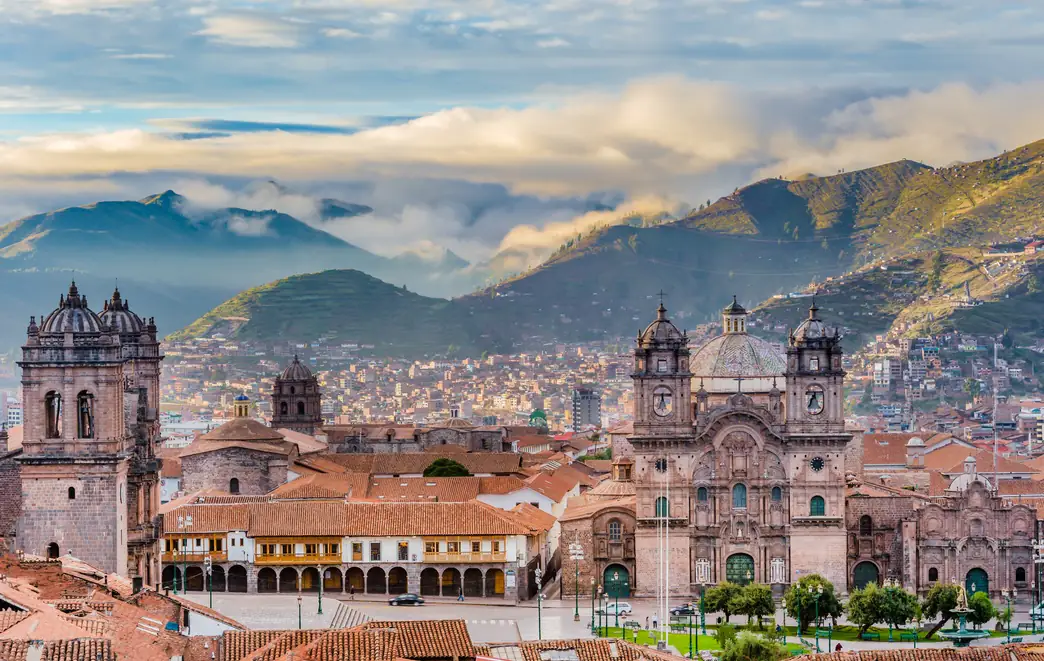
High in the Peruvian Andes sits Cusco, the ancient capital of the Inca Empire. Today Experiencing Cusco, this remarkable city balances a vibrant modern life with impressive archaeological remains, colonial architecture, and living Andean traditions.
The 1993 Peruvian constitution declared Cusco the country’s historical capital, recognising its heritage and its pivotal role in Peruvian identity. Located at around 3,399 m (11,152 ft) above sea level, Cusco welcomes more than two million visitors per year, many of whom pass through on their way to Machu Picchu and the Sacred Valley.
While famous for nearby Machu Picchu, Cusco itself and its surroundings offer superb experiences for travellers seeking a blend of history, culture, and natural beauty. From exploring monumental Inca temples and terraced agricultural laboratories to wandering colourful markets, savouring gourmet Andean cuisine, or trekking to remote alpine villages, the region rewards those who linger.
This ultimate guide helps you craft a luxury yet authentic itinerary with insights into the area’s history, top attractions, unique experiences, and practical advice. Throughout, we highlight ways to travel responsibly and introduce Alpaca Expeditions, a locally based outfitter known for ethical, high‑quality adventures.
A Brief History of Cusco
Inca origins and Pachacuti’s transformation
The valley where Cusco sits has been inhabited for millennia, but it was the Inca ruler Pachacuti (1438–1471/1472) who transformed it into the empire’s capital. Under his leadership, Cusco (from the Quechua qusqu, meaning “rock of the owl” or “navel of the world”) became a sophisticated urban centre with distinct religious and administrative functions. Massive stone structures were built with ashlar masonry, and the city was laid out in the shape of a puma, symbolising power.
Spanish conquest and colonial overlay
When Spanish forces arrived in the 1530s, they destroyed much of the Inca city yet marvelled at its engineering. They preserved the basic street plan but erected colonial churches and mansions atop Inca foundations.
The Cathedral of Cusco now dominates the Plaza de Armas. Construction of the cathedral began in 1559 and was completed in 1654; it sits on the site of Viracocha Inca’s palace (Kiswarkancha) and the Suntur Wasi armoury. Because of its significance, the cathedral forms part of the Historic Centre of Cusco—a UNESCO World Heritage site since 1983.
Modern recognition
Cusco’s unique blend of Inca and Spanish influences earned it UNESCO World Heritage status in 1983. The city now serves as a gateway for travellers exploring Peru’s southern Andes. Yet its status is more than touristic; Cusco is a living Andean city where Quechua is widely spoken and indigenous festivals remain integral to daily life.
Practical Considerations and Acclimatization
Altitude and acclimatization
At 3,399 m (11,152 ft), Cusco’s high elevation can affect visitors not used to thin air. The Centers for Disease Control and Prevention (CDC) recommends ascending gradually and avoiding a jump from low altitude directly to elevations above 2,750 m.
If you arrive from sea level, spend a couple of nights at a moderate altitude—perhaps in the Sacred Valley (~2,800–3,000 m)—before staying in Cusco. Once above 2,750 m, the CDC advises increasing sleeping altitude by no more than 1,600 ft (500 m) per day and taking an extra day to rest for every 3,300 ft (1,000 m) gained.
Symptoms of acute mountain sickness include headache, fatigue, loss of appetite, nausea and vomiting. These often resolve within a few days. Avoid heavy exercise, alcohol and large meals until you’ve acclimated, and stay hydrated. More serious forms—high‑altitude cerebral edema (HACE) and high‑altitude pulmonary edema (HAPE)—can be life‑threatening.
HACE manifests as extreme fatigue, drowsiness and confusion, while HAPE presents as shortness of breath, weakness and cough. If symptoms worsen, descend to lower elevation and seek medical help.
Best time to visit
Cusco has two main seasons: the dry season (May–September) and the wet season (October–April). The dry season brings clear skies and cooler nights—ideal for trekking and visiting ruins. June sees major festivals, including the Inti Raymi.
The rainy season offers fewer crowds and lush landscapes but can cause landslides on mountain roads. For a balanced combination of good weather and fewer tourists, aim for shoulder months (April–May or September–October).
Getting to Cusco and transportation
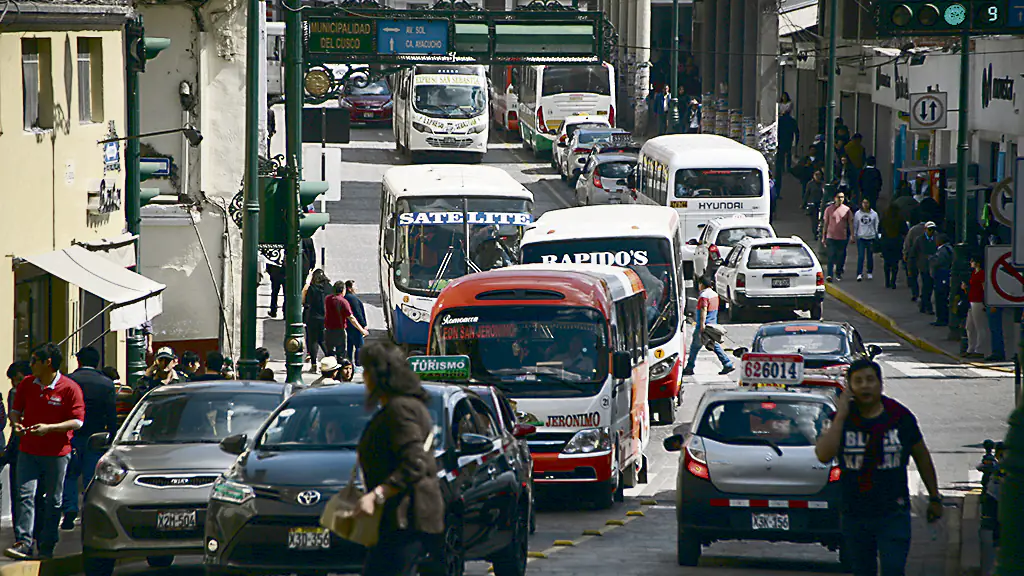
Most travellers fly into Alejandro Velasco Astete International Airport (CUZ) from Lima or other South American hubs. Private transfers, taxis, or ride‑sharing services transport visitors into town.
For travelers who frequently use public Wi-Fi at major airports or hotels to manage their itineraries, researching the various types of VPN can provide an essential layer of security to protect sensitive personal data and banking information from potential digital risks.
Within the city, walking is the easiest way to explore, but altitude can make uphill streets challenging. Taxis are cheap and plentiful—always agree on a price before getting in, or ask your hotel to arrange transportation.
Getting to Cusco and transportation
For excursions, high‑quality tour operators like Alpaca Expeditions provide private transportation to archaeological sites and trekking trailheads. The PeruRail and Inca Rail trains connect the Sacred Valley towns (especially Ollantaytambo) with Aguas Calientes, the gateway to Machu Picchu.
A newly proposed Chinchero International Airport may eventually shift traffic from Cusco, but for now, the rail journeys remain part of the adventure.
Exploring Cusco City
Plaza de Armas & Historic Centre
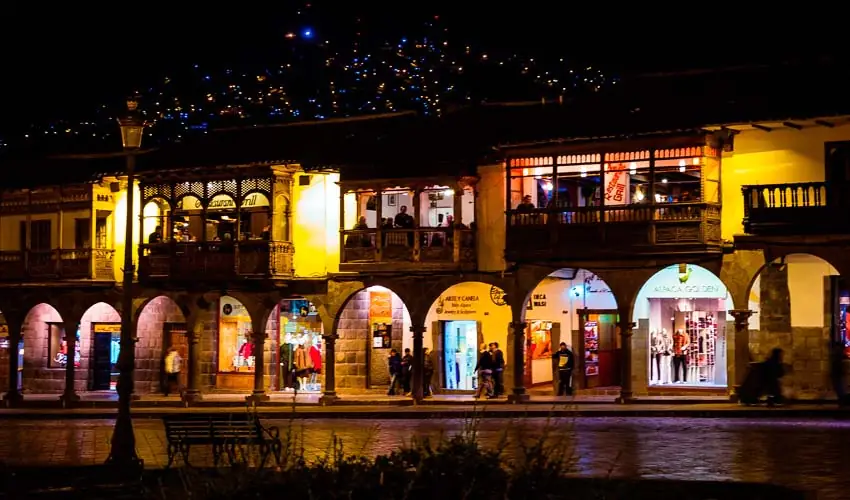
Cusco’s heart is its Plaza de Armas, a lively square lined with arcades, shops, restaurants, and baroque churches. This site was the Haukaypata, or main square, of the Inca city. Today, it hosts parades, festivals, and daily life. On the northeast side stands the Cathedral of Cusco, an imposing building blending Renaissance, late Gothic, and Baroque styles.
Built between 1560 and 1664 on the palace of Inca ruler Viracocha, the cathedral holds priceless Cuzco School paintings and a local rendition of the Last Supper featuring roasted guinea pig—a reminder of indigenous influence.
Next door is Iglesia del Triunfo, the first Christian church built in Cusco (1539) atop the palace of Viracocha. The churches and cobblestone streets around the square reveal the layering of cultures—massive Inca stones underpin white‑washed colonial buildings.
A gentle stroll around the square reveals cafés offering coca tea, vibrant craft vendors, and musicians strumming Andean folk tunes.
Qorikancha (Temple of the Sun)
A short walk from the square stands Qorikancha, known as the Temple of the Sun. It was the most important religious site in the Inca Empire, dedicated to the sun god Inti. Chroniclers described its walls lined with gold sheets and a courtyard filled with golden statues. Inca Yupanqui (Pachacuti) enriched the temple with oracles and gold; when the Spanish demanded a ransom for Atahualpa, much of this gold was taken from Qorikancha. Following the conquest, the Spanish dismantled the temple and built the Church of Santo Domingo atop its foundations.
Earthquakes destroyed much of the church, but the original Inca stone walls survive thanks to their perfect interlocking masonry. Today, visitors can see both Inca and colonial architecture and appreciate the temple’s alignment with astronomical events.
San Pedro Market: a feast for the senses
For a taste of everyday Cusqueño life, head to the Mercado Central de San Pedro. Established in 1925 and completed in 1950, this covered market occupies 7,000 m² and contains approximately 1,180 stalls. The oldest part of the market was designed by French engineer Gustave Eiffel.
Located on Cascaparo Street in the historic centre, San Pedro market supplanted open‑air markets for reasons of hygiene. It remains the city’s principal market where locals buy produce, meat, grains, cheeses, and medicinal herbs and enjoy hearty soups and fresh fruit juices.
Visitors can sample exotic fruits, browse alpaca wool clothing, or pick up Andean textiles crafted by local cooperatives. Remember to shop respectfully—ask before photographing vendors and support stallholders by purchasing goods.
Bohemian San Blas
Climb east of the Plaza de Armas into the San Blas quarter, a hillside neighbourhood known for its narrow alleys, whitewashed houses and artists’ studios. Historically home to artisans, San Blas has retained its creative vibe.
Visitors can peruse workshops where silver jewellery, pottery and wood carvings are crafted or relax in small cafés serving ethically sourced Peruvian coffee.
The San Blas Church features a baroque pulpit carved from a single cedar tree—worth a visit. At night, local bars host live Andean music, offering a cosy setting to enjoy a pisco sour while watching the lights of Cusco flicker below.
Archaeological Wonders Around Cusco
Sacsayhuamán: the mighty fortress
Towering above Cusco, Sacsayhuamán showcases the architectural prowess of the Incas. The site features three massive terrace walls built with huge limestone blocks; some weigh between 128 and 200 tonnes, yet they fit together so precisely that a sheet of paper cannot be inserted between them. The longest wall is about 400 m long and up to 6 m high, with stones quarried from 35 km away and transported with unknown methods.
Although often called a fortress, Sacsayhuamán likely served religious and ceremonial purposes in addition to defence. After the Spanish conquest, colonists dismantled much of it for building materials, leaving only the largest stones. Today, visitors can wander the vast esplanade, admire the massive zigzagging walls and enjoy panoramic views of Cusco.
Qenqo: the sacred labyrinth
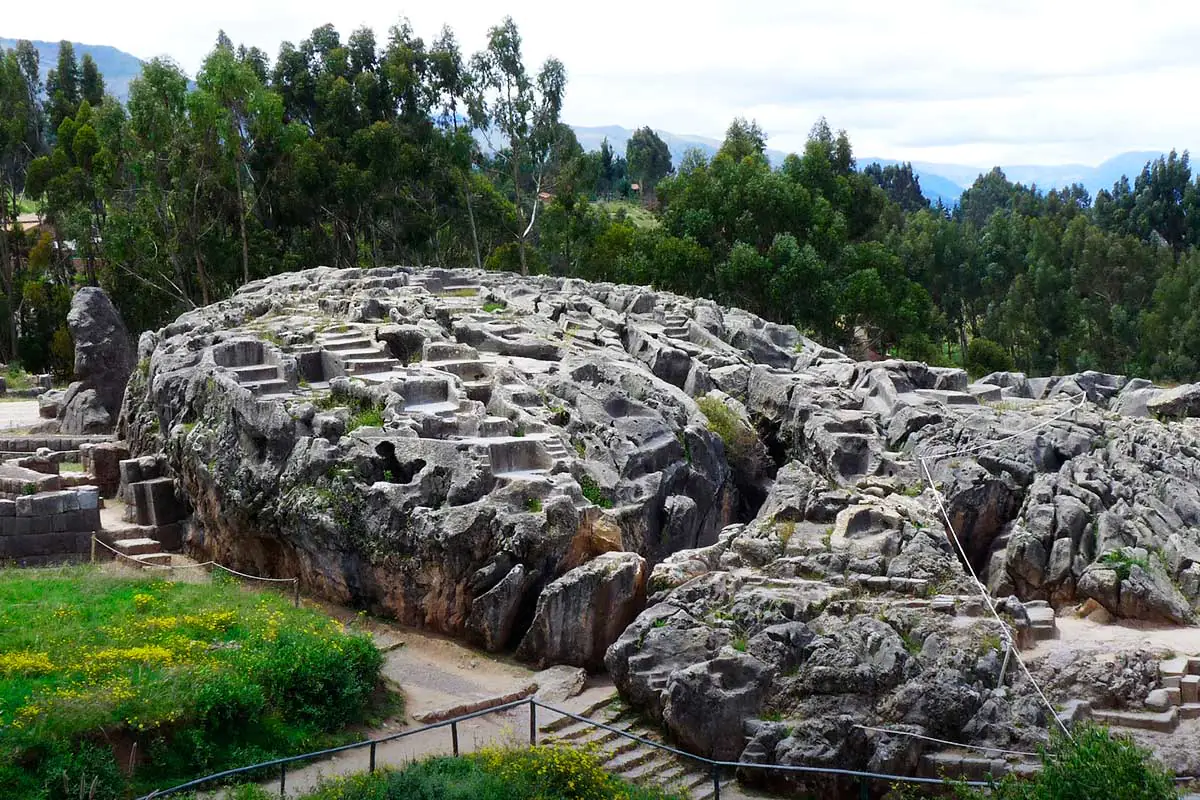
Located about 6 km northeast of Cusco, Qenqo (Quechua for “zig‑zag”) is one of the largest huacas (holy places) in the region. The site comprises a natural limestone outcrop carved into subterranean galleries, canals and a semi‑circular amphitheatre.
Archaeologists believe Qenqo was used for ritual sacrifices and mummification; a tunnel inside leads to a room with niches and a ceremonial table where bones and offerings were found.
Qenqo: the sacred labyrinth
As you explore, observe the serpentine channel carved into the rock—water or chicha (fermented maize beer) likely flowed through it during ceremonies. Qenqo’s location and labyrinthine design emphasise the Andean connection between the physical and spiritual worlds.
Tambomachay: the Inca water temple
Just a short drive from Cusco lies Tambomachay, an Inca site known for its aqueducts, canals, and waterfalls carved into terraced rock. Fed by natural springs, these channels still deliver water through three fountains, demonstrating sophisticated hydraulic engineering.
The exact purpose of Tambomachay remains debated—scholars suggest it may have been a spa resort for Inca elites, a military outpost guarding approaches to Cusco, or a religious site dedicated to water deities. Whatever its function, the combination of flowing water and tranquil stonework provides a serene stop on a tour of the ruins.
Puka Pukara: the red fortress
Nearby stands Puka Pukara (Quechua for “red fortress”), a complex of terraces, walls and staircases made of reddish stone. Situated on high ground 4–5 miles (7 km) from Cusco, the fort commands views of the Cusco valley and Tambomachay.
Built during the reign of Pachacutec, Puka Pukara functioned as a military checkpoint and administrative centre protecting the route toward Pisac and Antisuyu. Its red hue at sunset lends the fortress its name and creates a striking contrast against the surrounding landscape.
Tipón: hydraulic masterpiece
South of Cusco, the Tipón Archaeological Park showcases the Incas’ mastery of hydraulic engineering. Situated between 3,250 m and 3,960 m and 22 km southeast of Cusco, Tipón encompasses several ruins within a 239‑hectare park.
Its most famous section features precise, right‑angled terraces irrigated by canals that carry water from a monumental spring. The irrigation system includes stone-lined canals, fountains, aqueducts, and water drop structures—evidence of advanced engineering.
Scholars believe Tipón served as an imperial estate or ceremonial centre for elite Inca families and may have been used as an agricultural laboratory because of its various microclimates and reliable water supply. The park is still under excavation, and the American Society of Civil Engineers recognised Tipón as a Historic Civil Engineering Landmark in 2006.
The Sacred Valley and Beyond
The Sacred Valley of the Incas stretches northwest from Cusco along the Urubamba River. This fertile valley, with its milder altitude (around 2,800–3,000 m), features spectacular landscapes, living Quechua communities and important Inca sites. It makes an ideal base for acclimating before ascending to higher elevations.
Pisac: terraces and royal estate
The Inca complex at Pisac sits on a mountain ridge above the modern town. Covering about 65.5 hectares, it comprises agricultural terraces, residences, guard posts, watchtowers, and a ceremonial centre.
Although its exact purpose is debated, scholars think Inca emperor Pachacuti built Pisac around 1440 as a multi‑purpose royal estate—a residence, citadel, observatory, and religious site.
Its strategic location controlled the southern entrance to the Sacred Valley, linking the highlands with the Amazon and protecting Cusco from eastern tribes. Today, visitors explore the agricultural terraces, walk through the Intihuatana (sun‑dial) area, and marvel at the intricate stonework.
Ollantaytambo: fortress and living town
Further along the valley is Ollantaytambo, one of the few Inca settlements still inhabited. The town’s layout remains largely Inca, with narrow streets, canals and original walls. Above it rises Temple Hill, commonly miscalled a fortress. Here, the terraces of Pumatallis flank a steep slope and lead up to the Temple sector, which contains the Sun Temple and the Wall of the Six Monoliths.
These unfinished megalithic blocks suggest construction halted around the time of the Spanish invasion. Ollantaytambo’s agricultural terraces are notable for their high walls made from cut stones, rather than rough fieldstones, creating a microclimate that allowed cultivation of lowland crops.
The site functioned as a royal estate for Pachacuti and later served as Manco Inca’s fortress during his resistance against the Spanish. Today, travellers can climb the terraces, explore the storehouses (qullqas) perched on surrounding hills and wander the charming cobblestone town below.
Moray: agricultural laboratory
Northwest of Cusco lies Moray, an agricultural site consisting of circular terraced depressions. The largest depression is about 30 m deep, and temperature differences between the top and bottom terraces can reach 15 °C. Archaeologists believe the Inca used Moray as an experimental farm, simulating different microclimates to test crops.
Walking down the concentric terraces illustrates the Incas’ deep understanding of agroecology. The site provides sweeping views of the Andes and serves as a symbol of how ancient cultures harnessed environmental diversity.
Maras Salt Mines
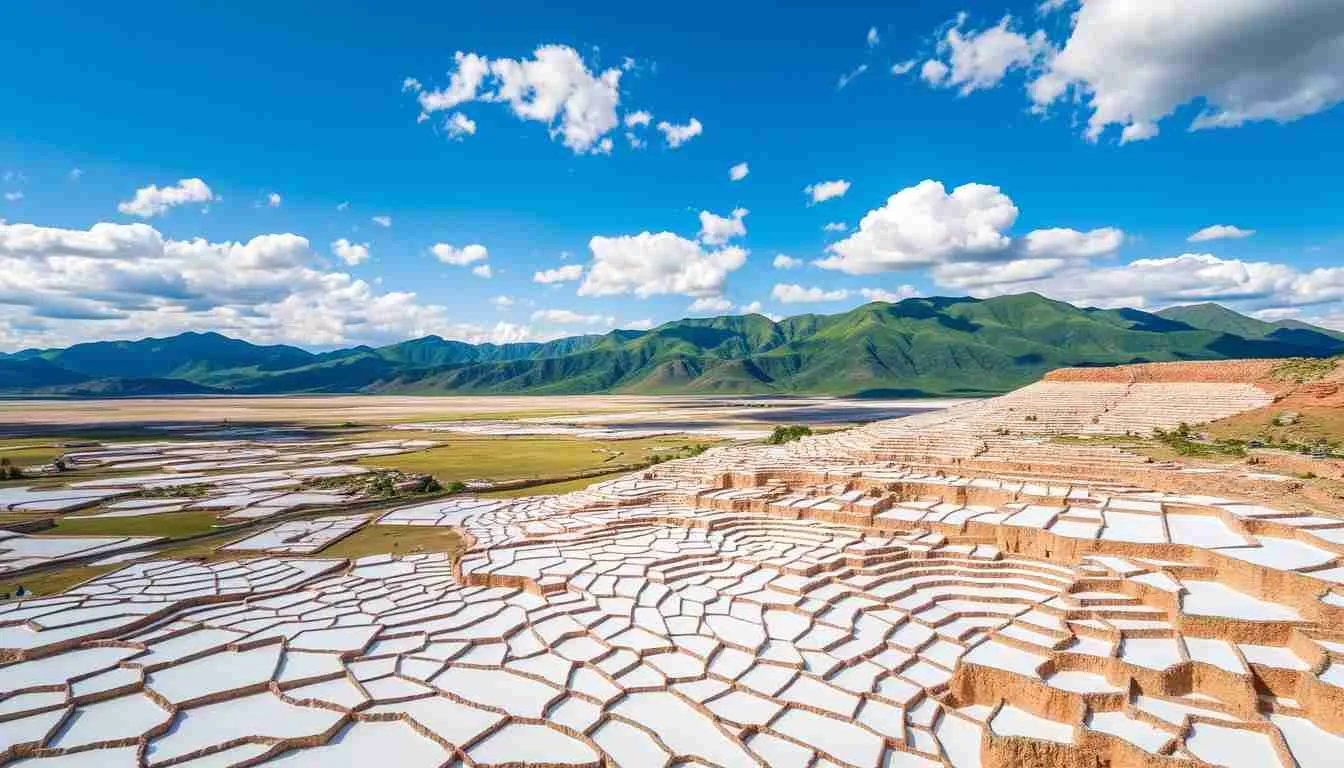
Near Moray, the Salineras de Maras consist of thousands of salt evaporation ponds cascading down a hillside at 3,200 m. These pans have been used for salt extraction since pre‑Inca times and are still owned by about 400 local families.
Water from a subterranean spring is channeled into shallow pools where it evaporates in the dry mountain air, leaving behind crystallised salt.
Maras Salt Mines
The salt’s pinkish hue comes from naturally occurring minerals. Visitors can view the salt terraces from designated viewpoints or hike down to purchase artisanal salt directly from producers.
Chinchero: weaving and high‑altitude beauty
Perched at around 3,762 m (12,343 ft), the village of Chinchero offers stunning views of snow‑capped peaks and a glimpse into Andean weaving traditions. The small colonial church of Nuestra Señora de la Natividad is built atop an Inca palace and decorated with vivid murals. On Sundays, a vibrant market fills the plaza with locals in traditional attire selling textiles and agricultural goods.
Nearby archaeological terraces and the ongoing construction of the Chinchero international airport reflect the tension between preservation and development. Visiting community‑run weaving cooperatives supports local livelihoods and offers insight into natural dyeing and backstrap‑loom techniques.
Other Sacred Valley gems
- Yucay and Urubamba: fertile valley towns offering boutique haciendas and easy access to trekking or rafting.
- Salka (Huchuy Qosqo): remote Inca site reachable by day‑hike from Lamay, featuring stone structures perched high above the valley.
- Maras & Moray village: combine salt mines and an agricultural laboratory in one excursion.
Epic Treks and Day Hikes
Cusco and the Sacred Valley are a gateway to some of the most spectacular hikes in South America. While Machu Picchu often steals the spotlight, many trails offer equally breathtaking scenery and fewer crowds. Here are highlights accessible from Cusco:
Classic Inca Trail to Machu Picchu
The Inca Trail is perhaps the world’s most famous trek. The classic route covers about 42 km (26 mi) and climbs from the Urubamba River valley through cloud forests and alpine tundra. The highest point, Warmi Wañusqa (Dead Woman’s Pass), stands at 4,215 m (13,829 ft). Hikers pass ruins like Patallaqta, Runkuraqay, Sayacmarca and Phuyupatamarka, culminating at the Intipunku (Sun Gate) overlooking Machu Picchu.
The Peruvian government limits the trail to 500 people per day (including guides and porters) and requires permits booked months in advance. Alpaca Expeditions offers premium treks with ethical porter treatment, comfortable camps and gourmet meals.
Salkantay Trek
For travellers seeking a less regulated route, the Salkantay Trek offers dramatic scenery. The most popular variation starts near Mollepata and traverses Salkantay Pass (4,600 m) before descending into the cloud forest and ending at Aguas Calientes.
Many itineraries take four to five days and can be combined with a visit to Machu Picchu. Alpaca Expeditions’ luxury version includes lodge accommodations or deluxe camping and emphasises environmental stewardship.
Lares Trek
The Lares Trek is a cultural alternative that threads through weaving villages, mountain lakes, and less‑visited valleys. Starting near the town of Lares, the trek crosses Ipsaycocha Pass (4,450 m) and ends in Ollantaytambo or Yanahuara.
Its shorter length (2–3 days) makes it ideal for travellers wanting a taste of high‑altitude trekking without the permit restrictions.
Ausangate Circuit & Rainbow Mountain
The Ausangate Circuit circles the sacred Ausangate Mountain over 70 km, climbing passes up to 5,100 m and traversing remote puna landscapes. Trekkers see turquoise lakes, glaciers and herds of alpaca and vicuña.
Nearby Vinicunca (Rainbow Mountain), at 5,036 m, has become famous for its mineral‑streaked colours; it is reached by a short hike from a trailhead after a two‑hour drive.
Mass tourism has increased the need for responsible visitation—travel with reputable operators who respect local communities and minimise environmental impact.
Choquequirao & Salkantay
The Choquequirao trek leads to a vast Inca site nicknamed the “sister of Machu Picchu.” Reached via a strenuous multi‑day hike from Cachora or Huanipaca, the trek involves steep descents to the Apurímac River and climbs to the ruins at about 3,000 m.
Fewer than 5,000 visitors make the journey each year, preserving a sense of discovery. Some expeditions continue over Yanama Pass (4,668 m) to join the Salkantay route towards Machu Picchu.
Laguna 69 and the Cordillera Blanca (Huaraz)
Northwest of Cusco, the Cordillera Blanca near Huaraz offers world‑class hikes like Laguna 69 (a turquoise lake at 4,604 m) and the Santa Cruz trek, which climbs to Punta Union Pass (4,750 m). Although outside the Sacred Valley, these treks demonstrate the broader Andean landscapes accessible from Cusco via domestic flights or overnight buses.
Cultural Experiences and Festivals
Inti Raymi: the Festival of the Sun
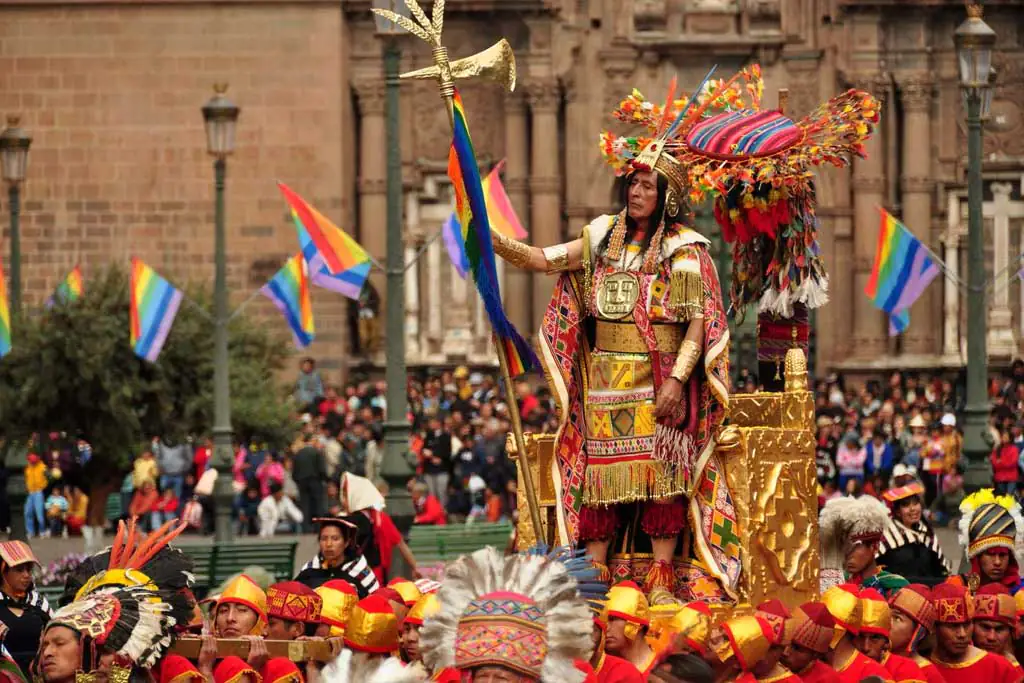
Cusco hosts Peru’s largest festival, Inti Raymi, every June 24. This traditional Inca ceremony honours the sun god Inti and celebrates the winter solstice and the Incan New Year. Historically, the festival lasted nine days with colourful dances, processions and animal sacrifices. The Spanish banned Inti Raymi in the 16th century, but a historical reconstruction in 1944 revived it.
Inti Raymi: the Festival of the Sun
Today, over 800 performers reenact rituals at Qorikancha, Plaza de Armas and Sacsayhuamán, attracting thousands of spectators. Tickets for seats at Sacsayhuamán sell out months in advance. Even if you miss the festival, the lead‑up includes parades and dances across the city.
Other festivals
- Corpus Christi (May/June): Processions of saints and virgins from Cusco’s churches converge in the Plaza de Armas; locals enjoy chiri uchu, a traditional cold dish.
- Semana Santa (Holy Week): Cusco’s unique mixture of Catholic and Andean traditions culminates in the procession of the Lord of Earthquakes.
- Santurantikuy (December 24): A Christmas Eve market on the Plaza de Armas where artisans sell nativity figurines and handicrafts.
Weaving cooperatives and cultural immersion
The weaving communities of the Sacred Valley preserve ancient textile techniques. Visit cooperatives in Chinchero, Patacancha, or Amaru to learn how alpaca and sheep wool is spun, dyed with natural plants, and woven on backstrap looms.
Purchasing textiles directly supports artisans and helps keep traditions alive. Many tours by Alpaca Expeditions include visits to these communities, where travellers can also share a meal or participate in a farm activity.
Gastronomy and drinks
Cusco’s culinary scene ranges from street‑food stalls to world‑class restaurants. Signature dishes include cuy al horno (roast guinea pig), lomo saltado (stir‑fried beef with onions and tomatoes), aji de gallina (creamy chicken stew), and chuño‑based soups.
Don’t miss chicha morada (purple corn juice), chicha de jora (fermented corn beer), or a pisco sour. For coffee lovers, try a local brew made with high‑altitude beans from the nearby Quillabamba region; our earlier blog on Peruvian coffee dives deeper into this topic.
High‑end dining experiences include Cicciolina, Chicha by Gastón Acurio, and MAP Café, which blend Andean ingredients with contemporary techniques. For a casual bite, visit San Pedro Market or try Pacha Mama and Kion for Nikkei cuisine.
Nightlife and arts
In the evenings, Cusco’s bars and performance venues come alive. The Centro Qosqo de Arte Nativo showcases traditional music and dance. Many bars offer live Andean or fusion music, while cocktail lounges craft drinks featuring Andean botanicals. If you’re interested in contemporary art, visit the Museo de Arte Contemporáneo, and for pre‑Columbian pieces, explore the Museo de Arte Precolombino.
Luxury Stays and Responsible Travel
Premium accommodations
Cusco and the Sacred Valley host outstanding hotels that combine comfort with heritage. Options include restored colonial mansions such as Belmond Palacio Nazarenas and JW Marriott El Convento Cusco, boutique properties like Inkaterra La Casona, and countryside lodges such as Explora Valle Sagrado or Sol y Luna.
These hotels emphasise service, spa facilities and gourmet dining. Booking early ensures availability, especially during peak season and festival periods.
Ethical and sustainable tourism
As visitor numbers grow, responsible travel practices become essential to protect Cusco’s cultural and natural heritage. Here are some guidelines:
- Hire ethical operators: Choose tour companies like Alpaca Expeditions that prioritise fair treatment of guides and porters, adhere to environmental guidelines and contribute to local communities.
- Respect archaeological sites: Stay on marked paths, do not climb on walls or move stones, and follow park regulations. Resist the urge to carve names or leave trash.
- Support local businesses: Purchase crafts directly from artisans, dine at locally owned restaurants and tip service providers fairly.
- Conserve resources: Carry a reusable water bottle, avoid single‑use plastics and take your waste back to town. At higher elevations, water and energy are scarce; use them thoughtfully.
- Cultural sensitivity: Ask permission before photographing people, learn a few words of Quechua and Spanish, and dress modestly when visiting churches or rural communities.
- Health and safety: Protect yourself from sun exposure at high altitude with hats and sunscreen, and follow altitude acclimatisation guidelines. Respect local wildlife and do not feed or harass animals.
FAQ – Frequently Asked Questions
What is the best time to visit Cusco and the Sacred Valley?
The dry season (May to September) has clear skies for trekking but also more crowds and cooler nights. The shoulder months of April–May and September–October balance good weather and fewer visitors. The wet season (October–April) sees lush landscapes and fewer tourists but may involve rain‑related delays.
How high is Cusco, and will I get altitude sickness?
Cusco sits at around 3,399 m (11,152 ft). Acclimatisation is crucial. Spend a couple of days in the Sacred Valley or gradually ascend from sea level. Symptoms of mild altitude sickness include headache and nausea; these usually resolve with rest and hydration. If symptoms worsen, descend and seek medical attention.
How do I get from Cusco to Machu Picchu?
Most travellers take a train from Ollantaytambo or Poroy to Aguas Calientes, then a bus to the citadel. Alternatively, you can trek via the Inca Trail, Salkantay, Lares or other routes. Book train and site entrance tickets in advance, especially during the high season.
Are the archaeological sites near Cusco accessible on my own?
Sites like Sacsayhuamán, Qenqo, Tambomachay and Puka Pukara are located within a short drive from the city and can be visited independently or with a guide. However, hiring a guide enriches your understanding of Inca cosmology and history. Some sites require a Boleto Turístico (tourist ticket), which can be purchased in Cusco.
Can I visit the Sacred Valley in one day?
Yes, it’s possible to see highlights like Pisac, Ollantaytambo and a weaving community on a day trip. However, to fully appreciate each site and acclimate to altitude, consider spending two or more days in the valley. Stay overnight in a boutique hotel to enjoy the serenity of the countryside.
What should I pack for Cusco and the Sacred Valley?
Pack clothing in layers because temperatures fluctuate between sunny days and chilly nights. Pack a warm jacket, rain jacket, comfy shoes, sun hat, sunscreen, and an extra battery pack. For treks, bring appropriate hiking gear: trekking boots, walking poles, water purification tablets, a headlamp and a reusable water bottle.
Is Cusco safe for travellers?
Cusco is generally safe, but like any tourist destination, petty theft can occur. Keep valuables secure, use registered taxis or transportation arranged by reputable operators, and be cautious in crowded areas. Avoid wandering alone late at night in unfamiliar neighbourhoods.
Do I need to speak Spanish or Quechua?
Many people in Cusco’s tourist industry speak English, but learning basic Spanish phrases enhances your experience and shows respect. In rural areas, Quechua is widely spoken, so learning greetings (rimaykullayki – hello; sulpayki – thank you) is appreciated.
How can I support local communities during my visit?
Buy directly from artisans and cooperatives, hire local guides, participate in community‑based tourism experiences, and contribute to social enterprises. Avoid buying crafts that use endangered animal products or artefacts that may have been illegally removed from archaeological sites.
What is the Inti Raymi festival, and how can I participate?
Inti Raymi is a reenactment of the Inca Festival of the Sun held annually on June 24. It begins at Qorikancha, proceeds to Plaza de Armas, and culminates with a grand ceremony at Sacsayhuamán, featuring over 800 actors.
Tickets are required for seating at Sacsayhuamán; they sell out months in advance. Even without tickets, you can watch parts of the procession in town and enjoy associated celebrations throughout June.
Are there eco‑friendly tours available?
Yes. Alpaca Expeditions is committed to responsible tourism—paying fair wages, limiting group sizes, using eco‑friendly camping equipment, and partnering with local communities. Other operators may label themselves eco‑friendly, but research their sustainability practices carefully before booking.
Elegant Conclusion and Invitation
Cusco and its surroundings offer an extraordinary tapestry of experiences, blending Inca ingenuity, colonial heritage, vibrant living culture, and spectacular landscapes. From the awe‑inspiring stones of Sacsayhuamán and the sacred terraces of Tipón to the bustling aisles of San Pedro Market and the colourful pageantry of Inti Raymi, every corner reveals a piece of Peru’s heart.
Beyond the city, the Sacred Valley features tranquil villages, agricultural labs, and glimmering salt mines.
As you plan your journey, strive to travel thoughtfully and sustainably. Support local communities, respect archaeological sites, and allow time for acclimatisation. Alpaca Expeditions stands ready to curate your adventure, offering luxury treks, cultural immersion, and ethical practices that ensure your visit benefits both you and the people who call these mountains home.
Whether you seek a deluxe trek to Machu Picchu, a cooking class in a colonial courtyard, or a private tour of the Sacred Valley’s hidden gems, we’re here to craft an experience worthy of this remarkable place.
Cusco is more than a gateway; it is a destination in itself. Let its cobblestone streets, towering ruins, markets, and mountain vistas inspire you to explore deeply, travel kindly, and return enriched.