



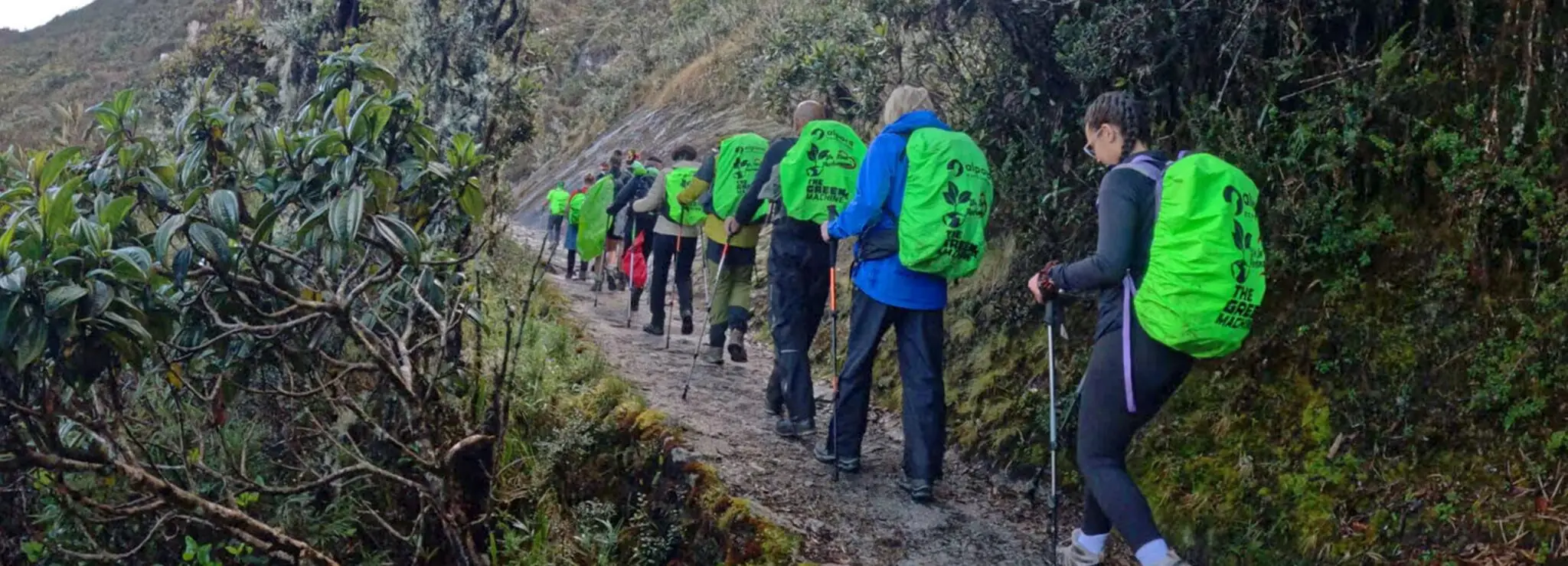
The Inca Trail 4-Day Trek is one of the most famous hikes in the world. It takes you through beautiful mountains, ancient Inca ruins, and peaceful cloud forests, all the way to the magical city of Machu Picchu. For many travelers, this trek is a once-in-a-lifetime adventure. But before booking the trip, most people have lots of questions. How hard is the trek? What should I pack? What will I eat and where will I sleep?
That’s where Alpaca Expeditions comes in. They are one of the most trusted tour companies in Peru. They have years of experience guiding travelers along the Inca Trail. Their team helps answer all your questions so you feel prepared and confident before you start hiking.
Whether you’re hiking for the first time or you’re an experienced traveler, Alpaca Expeditions makes sure your trek is safe, fun, and unforgettable. Their expert guides, friendly porters, and delicious food make the 4-day Inca Trail experience even more special.
In this blog, we’ll answer the top 10 questions people ask about the Inca Trail 4-Day Trek. Let’s get started and help you get ready for this amazing adventure!
1. How long is the Inca Trail 4-Day Trek?
The Inca Trail 4-Day Trek is about 42 kilometers long, which is around 26 miles. This distance is divided over four days of hiking through the beautiful Andes Mountains in Peru, ending at the amazing site of Machu Picchu.
On Day 1, you will walk around 14 kilometers (about 8.7 miles). This is a great day to get used to the trail and enjoy views of the mountains and small Inca ruins.
Day 2 is the hardest. You will hike about 16 kilometers (about 10 miles) and cross the highest point of the trail called Dead Woman’s Pass, which is 4,215 meters (13,829 feet) above sea level. It can be tough, but the views are worth it.
On Day 3, the trail becomes easier. You’ll walk around 10 kilometers (about 6.2 miles), mostly downhill. You will pass more Inca ruins and beautiful cloud forests.
Day 4 is the shortest. You’ll hike just 5 kilometers (around 3 miles) to reach the Sun Gate, where you get your first magical view of Machu Picchu.
Alpaca Expeditions carefully plans each day to help hikers enjoy the journey without stress. Their expert guides and support team make sure you’re safe and comfortable the whole way.
2- Do I need a permit to hike the Inca Trail?
Yes, if you want to hike the Inca Trail, you must have a permit. The Peruvian government only gives out a limited number of permits each day—usually around 500. These permits are not just for hikers but also for the porters, guides, and cooks who help run the tours. That means they sell out very fast, especially during the busy season from May to September. You cannot buy the permit yourself unless you are part of a licensed tour group.
That’s where we help you. When you book your Inca Trail tour with them, they take care of the entire permit process. You don’t have to worry about anything. As long as you give them your passport details and book early, they will secure your spot on the trail.
Because permits can sell out months in advance, it’s smart to book your trip as early as possible. We know how the system works and will make sure everything is done right.
3- What is the difficulty level of the trail?
The Inca Trail 4-Day Trek is considered a moderate to challenging hike. It is not easy, but it is not too hard either—most people can do it with some preparation. The trail includes walking uphill and downhill through mountains, valleys, and steps built by the ancient Incas. One of the hardest parts is Dead Woman’s Pass, which is the highest point on the trail at 4,215 meters (13,829 feet). This section can be tough because of the steep climb and the thinner air at high altitude.
But don’t worry! With our help, many people of different ages and fitness levels complete the trek successfully. Their friendly and trained guides walk with you, give you encouragement, and make sure you are safe and comfortable. They also help you go at your own pace, take breaks when needed, and check in on how you’re feeling.
If you train a little before your trip—like walking, hiking, or doing stairs—you’ll feel more ready. With Alpaca Expeditions, you are in good hands. They make sure your Inca Trail 4-Day Trek is not only doable but also enjoyable and memorable!
4- What is the best time of year to hike the Inca Trail?
The best time to hike the Inca Trail is during the dry season, which runs from May to September. During these months, the weather is usually sunny and clear, making it perfect for hiking. You’ll get better views of the mountains, Inca ruins, and the beautiful landscapes without worrying much about rain or slippery paths.
April and October are also good months to hike. These are just before and after the busy tourist season, so the trail is a little quieter. You might see some light rain, but the scenery is still amazing, and the temperatures are comfortable for walking.
February is the only month when the Inca Trail is closed. This is because the government uses this time for maintenance and cleaning to help protect the trail for future visitors. It also tends to rain a lot in February, which makes hiking difficult and sometimes dangerous.

5. What should I pack for the trek?
Packing the right items for the Inca Trail 4-Day Trek is very important to make sure you are safe, warm, and comfortable during your journey. You will be hiking through different types of weather and landscapes, so you need to be prepared.
First, wear comfortable hiking boots with good grip. They will help you walk on rocky and steep trails. Next, pack clothes in layers—like t-shirts, long sleeves, a warm jacket, and a fleece. It can be sunny during the day but cold at night. You should also bring rain gear, like a waterproof jacket or poncho, because the weather can change quickly.
Don’t forget toiletries like toothbrush, toothpaste, sunscreen, hand sanitizer, and wet wipes. Bring some snacks like energy bars or nuts to give you energy while hiking.
6- What kind of food is served during the trek?
One of the best surprises on the Inca Trail is the amazing food served during the trek. Even though you are hiking in the mountains, you won’t be eating basic or boring meals. With us, you will enjoy delicious, freshly cooked Peruvian food every day.
Each meal is carefully prepared by a professional trekking chef who travels with your group. Breakfast might include pancakes, eggs, or oatmeal with fresh fruit. Lunch and dinner often include warm soups, rice, pasta, meats, and vegetables. There are also snacks and hot drinks like coca tea to keep your energy up.
We are proud to offer meals that are both tasty and healthy. If you are vegetarian, vegan, or have any food allergies, just let them know when you book. They will make sure your food fits your needs without any problem.
All meals are made from local ingredients, and everything is cooked fresh at each campsite. After a long day of hiking, having a hot, satisfying meal is one of the best parts of the day.
7- Where do we sleep during Inca Trail 4-day trek?
During the Inca Trail 4-day trek, you will sleep at beautiful campsites set up along the trail. Each night, after a day of hiking through mountains, valleys, and Inca ruins, you will rest in a quiet and peaceful area surrounded by nature.
We take great care in choosing the best campsites. Their team of porters arrives early to set up everything before you get there. When you arrive, your tent will already be ready for you, so you can relax and enjoy the scenery. The tents are high-quality, waterproof, and comfortable. They are made to keep you warm and dry, even if it rains at night.
If you want extra comfort, we also offer a luxury camping experience. This includes larger tents, thicker sleeping pads, and even extra services like hot showers or massage sessions at camp. This is perfect if you want to enjoy nature while still feeling cozy and pampered.
Sleeping well is very important during the trek, so we ensure that we take good care of you. Whether you choose the standard or luxury option, you will have a safe and restful night before the next day’s adventure.
8- How do I prepare physically for Inca Trail 4-day trek?
Preparing your body before hiking the Inca Trail is very important. This trek is beautiful, but it can be challenging because of the high mountains and long walking hours. To enjoy the journey and stay safe, you should do some physical training before your trip.
Start with cardio exercises like walking, jogging, biking, or hiking. These will make your heart and lungs stronger. Try walking up and down hills or stairs, because the Inca Trail has many steep parts. If you have a chance, practice hikes with a backpack to get used to carrying weight.
Another important step is acclimatization. The Inca Trail is at a high altitude, which means the air has less oxygen. This can make people feel tired or dizzy. To prevent this, you should spend 2 or 3 days in Cusco before the trek. Rest, drink lots of water, and avoid heavy meals and alcohol.
9- Is altitude sickness common?
Yes, altitude sickness is common when hiking the Inca Trail because you will be walking at high elevations, especially on the second day when you climb to Dead Woman’s Pass at over 4,200 meters (13,800 feet). At this height, the air is thinner, meaning there is less oxygen, and this can make it harder to breathe.
Some hikers feel dizzy, tired, or get headaches. They call this altitude sickness. But don’t worry—there are simple ways to prevent it. First, it’s important to drink a lot of water to stay hydrated.
Second, spend a few days in Cusco before your trek to get used to the high elevation. Researchers call this acclimatization. Third, walk slowly and take breaks—don’t rush, even if you feel strong at first.
10- What makes hiking with Alpaca Expeditions different?
Hiking with Alpaca Expeditions is a special experience because they care about every part of your journey. First, they are a local, indigenous-owned company. This means people who grew up in the Andes run them and truly understand the history, culture, and land of the Inca Trail. When you hike with them, you are supporting local families and communities.
Alpaca Expeditions also provides expert guides who know the trail very well. These guides are friendly, speak English, and love to share stories about Inca history. They also make sure you feel safe, comfortable, and informed every step of the way.
The company uses high-quality gear like strong tents, warm sleeping bags, and clean cooking equipment. You will eat fresh, tasty meals prepared by skilled chefs—even while on the trail! They also take good care of their porters by giving them fair pay, good food, and proper clothing.
Conclusion
Planning your Inca Trail adventure can feel a bit overwhelming at first. There are so many things to think about—permits, packing, the best time to go, and how hard the hike is. In this blog, we answered the top 10 questions that travelers often ask before doing the 4-Day Inca Trail trek. From trail length and altitude to food and campsites, knowing what to expect can help you feel ready and excited.
With Alpaca Expeditions, you won’t need to worry. They take care of all the details—from permits and meals to expert guides and porter support. Their team is known for being friendly, helpful, and professional, making your journey to Machu Picchu smooth and unforgettable.
If you still have questions, don’t hesitate to contact Alpaca Expeditions. Their team is always happy to help you prepare for one of the most amazing treks in the world. Whether you’re traveling solo or with friends, they’ll make sure you’re comfortable and confident.
Get all your questions answered and enjoy a once-in-a-lifetime experience. Book your 4-Day Inca Trail trek with Alpaca Expeditions today!