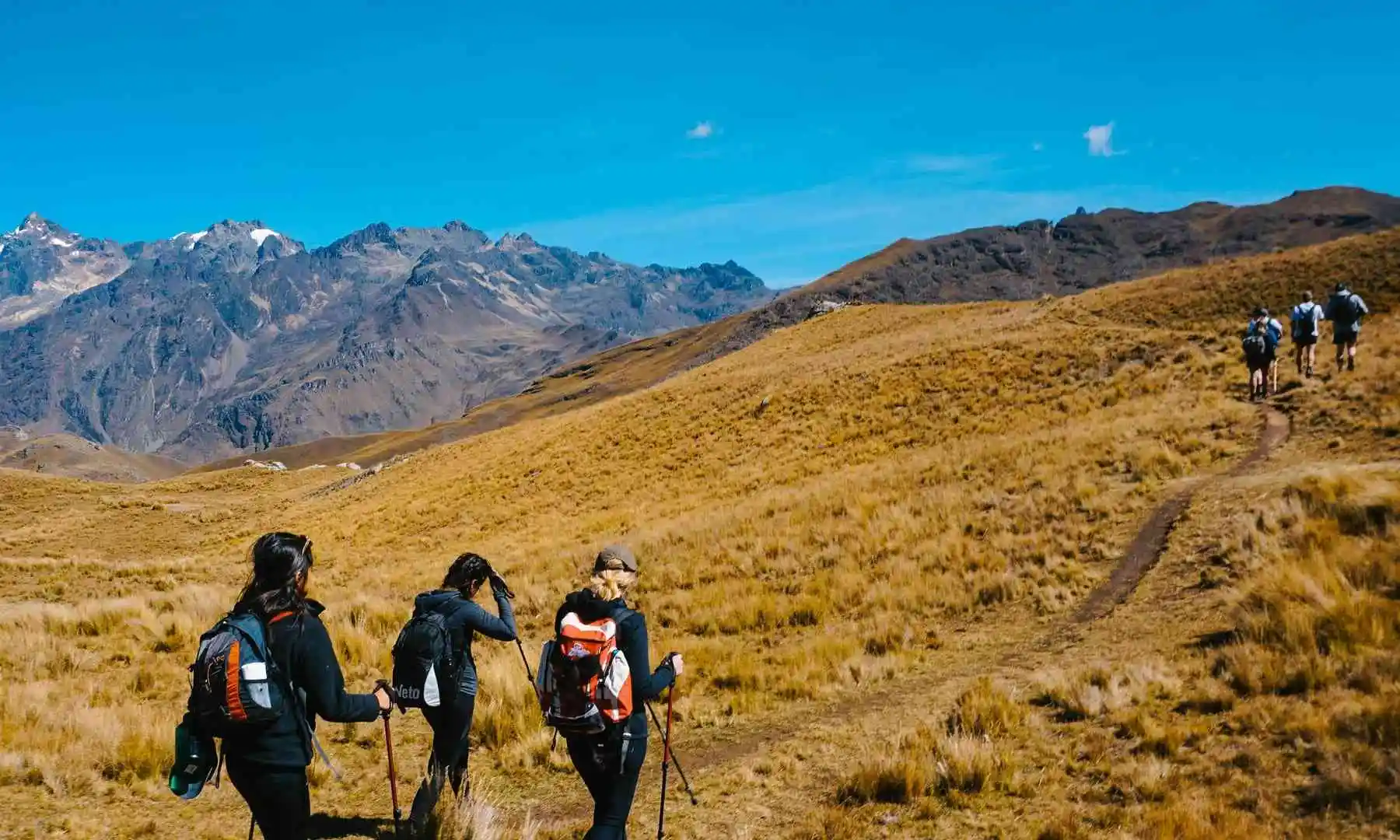
Maybe you have seen the photographs: stone paths winding through green mountains, hikers standing beneath enormous Andean peaks, and that unforgettable first view of Machu Picchu. This is the Inca Trail A Day-by-Day Guide for Nervous Hikers.
What the pictures rarely show is how the Inca Trail actually feels.
For most prepared hikers, the four-day Classic Inca Trail is not four straight days of suffering. Your experience changes constantly. On Day 1 may feel surprisingly manageable. Day 2 can leave your lungs working hard and your legs begging for a break. On Day 3 challenges tired knees with long stone descents. Day 4 brings an early start, excitement, and one final push toward Machu Picchu.
Being breathless on a steep climb, sweating, feeling tired legs, or needing frequent breaks does not mean you are failing. At the same time, hikers should know the difference between normal exertion and symptoms that could signal altitude illness.
Here is what nervous hikers can realistically expect.
Medical note: This guide provides general travel information, not individual medical advice. Travelers with health concerns, chronic medical conditions, previous altitude problems, or questions about medication should speak with a healthcare professional or travel-medicine specialist before trekking.
What Does Hiking the Inca Trail Really Feel Like?
The best answer is: different every day.
The Classic Inca Trail combines altitude, steep climbing, long descents, stone staircases, changing weather, early mornings, camping, and several hours of walking each day.
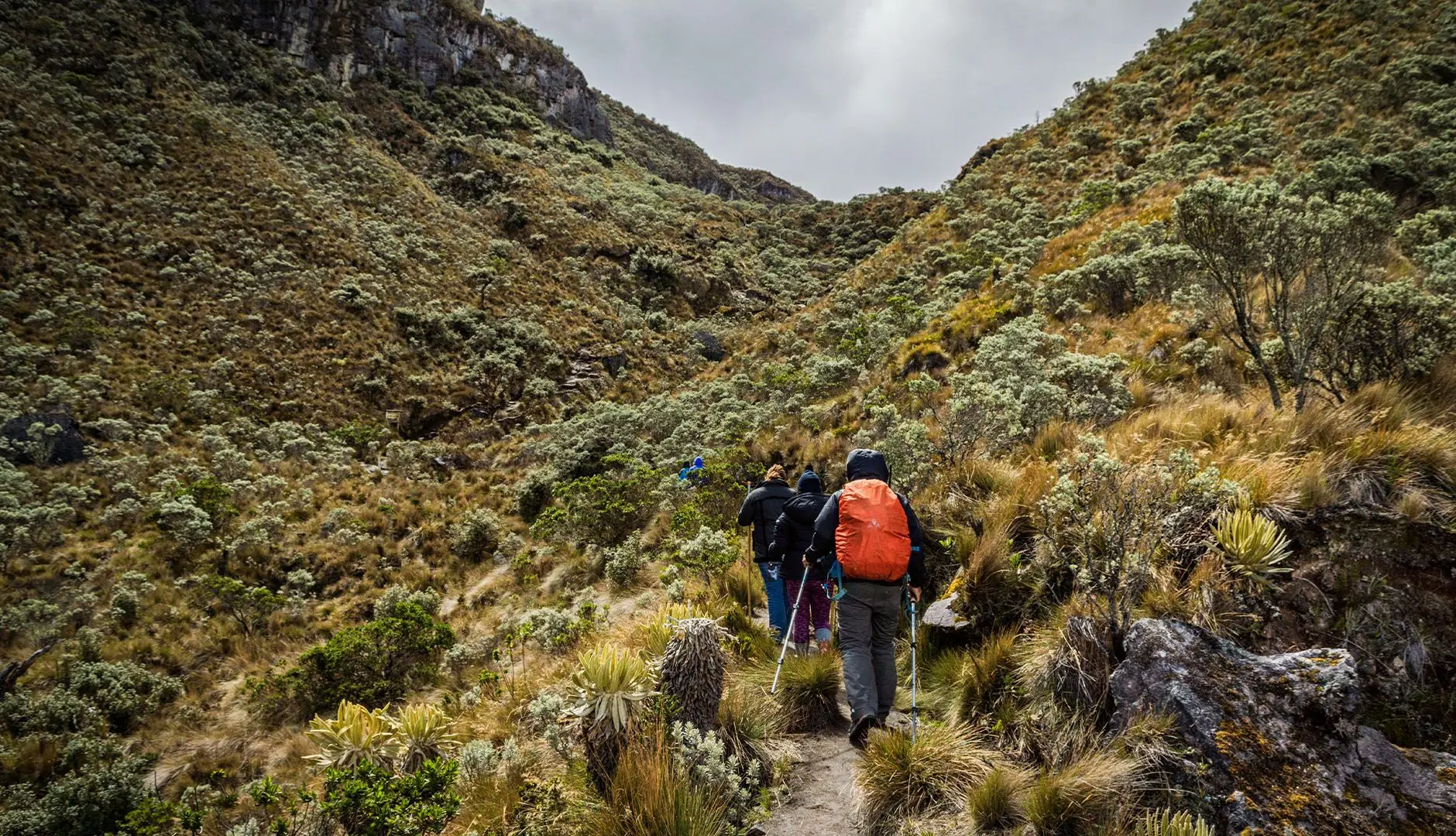
According to Alpaca Expeditions’ current four-day itinerary, hikers begin around 2,720 meters (8,923 feet) on Day 1, climb as high as 4,215 meters (13,829 feet) at Dead Woman’s Pass on Day 2, and eventually descend to Machu Picchu at approximately 2,400 meters (7,873 feet).
That elevation matters.
At high altitude, air pressure is lower, so less oxygen is available with each breath. Your body responds by increasing ventilation and making other adjustments over several days. The CDC notes that the first three to five days after reaching altitude are especially important for acclimatization.
That is why an uphill section that might feel ordinary near sea level can feel surprisingly demanding in the Andes.
The reassuring part? You do not need to sprint up these mountains. Trekking is about finding a pace your body can maintain.
The Classic Inca Trail at a Glance
| Day | Approx. Distance | Key Elevation | What Your Body May Notice |
| Day 1 | 14 km / 8.7 mi | Camp around 3,300 m / 10,829 ft | Excitement, mild breathlessness, warming legs |
| Day 2 | 16 km / 9.9 mi | Dead Woman’s Pass: 4,215 m / 13,829 ft | Heavy breathing, slow pace, tired legs, major effort |
| Day 3 | 10 km / 6.2 mi | Starts around 3,600 m / 11,800 ft | Muscle fatigue, knee and quad strain from descending |
| Day 4 | 5 km / 3.1 mi | Machu Picchu: about 2,400 m / 7,873 ft | Sleepiness from early start, excitement, tired but capable legs |
These figures follow Alpaca Expeditions’ current Classic Inca Trail itinerary. Exact hiking time and personal experience will vary according to pace, weather, acclimatization, fitness, trail conditions, and the individual.
Before Day 1: Your Body Starts Adjusting in Cusco
For many American travelers, the body’s biggest surprise happens before the trek even begins.
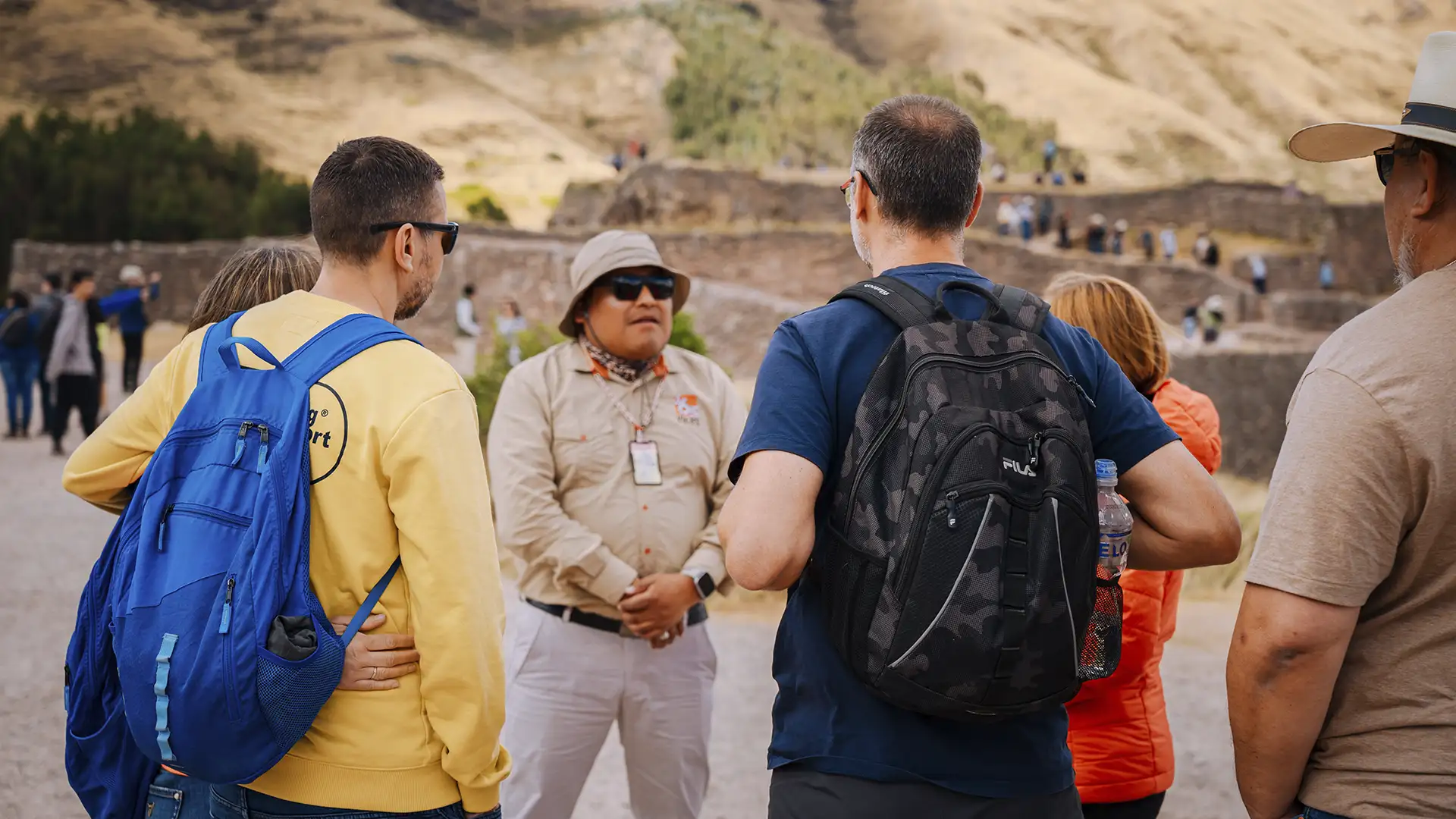
You might fly from Miami, Los Angeles, New York, Houston, Atlanta, or another relatively low-altitude city and suddenly find yourself in Cusco, which sits at approximately 3,350 meters, or 11,000 feet, according to the CDC.
Walking upstairs to your hotel room can suddenly feel like exercise.
You may notice yourself breathing faster while carrying luggage. Your heart may feel as though it is working harder during a hill climb. You may sleep differently.
That does not automatically mean something is wrong.
Your body has simply entered an environment where oxygen availability is different.
Give yourself time before trekking
One of the worst ways to approach the Inca Trail is to fly into Cusco and immediately treat your first day like a sightseeing marathon.
The CDC recommends only mild exercise during the first 48 hours at altitude and advises travelers to avoid alcohol during that period. It also emphasizes gradual acclimatization as the primary strategy for reducing altitude illness risk.
Build spare time into your Peru itinerary whenever possible.
Some travelers also choose to spend their first night or two at a lower elevation in the Sacred Valley before moving higher. The CDC specifically notes that travelers arriving in destinations such as Cusco can sometimes descend from the airport area to a lower sleeping elevation for the first one or two nights.
Do not confuse fitness with altitude immunity
This point is especially important for confident hikers.
You could run five miles every morning in California, cycle every weekend in Texas, or spend hours at the gym and still react to altitude.
Physical fitness can make the muscular and cardiovascular demands of trekking easier, but the CDC states that training and physical fitness do not determine whether someone will develop altitude illness.
So there is no shame in feeling altitude.
And there is no prize for pretending you do not.
Day 1: Excitement, Adrenaline, and the First Test of Your Legs
Route: Cusco – Km 82 – Ayapata Distance: About 14 km / 8.7 miles Trailhead: Around 2,720 m / 8,923 ft Camp: Around 3,300 m / 10,829 ft
Day 1 often begins with nerves.
You may wake up wondering whether you trained enough, whether Day 2 is really as hard as everyone says, and whether your backpack suddenly feels twice as heavy as it did at home.
Then you start walking.
For many hikers, the first hours are encouraging.
The terrain introduces you gradually to the rhythm of the trek, and the excitement of finally being on the Inca Trail can make the first miles pass quickly.
What Your Legs May Feel Like on Day 1
At first, your legs might feel fresh.
As the day continues, your calves and quadriceps begin to notice the climbing. Your hips may feel your daypack. Your feet start adjusting to several consecutive hours in hiking boots.
Someone accustomed to treadmill workouts may also discover an important difference between the gym and the Andes: outdoor hiking is uneven.
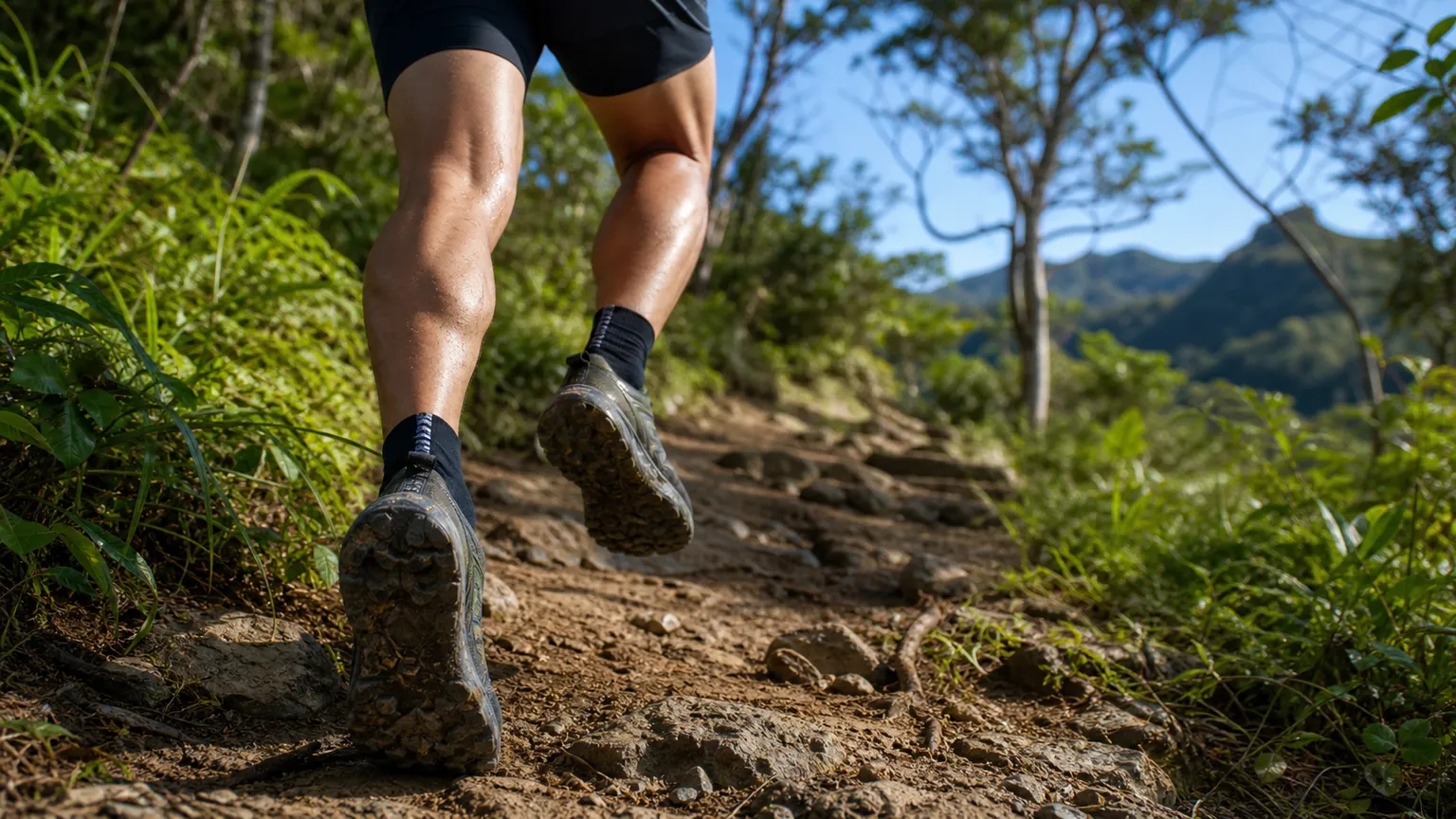
Stone, dirt, inclines, steps, and changes in footing continuously ask your muscles to stabilize your body.
That can fatigue smaller muscles you barely notice during ordinary exercise.
What is generally expected?
You might experience:
- Sweating during climbs
- Faster breathing on uphill sections
- Warm or tired quadriceps
- Mild calf fatigue
- Shoulder fatigue from your daypack
- Hunger once the initial excitement settles
- The desire to sit down whenever the group pauses
What matters is how those feelings behave.
Ordinary exertional breathlessness should improve when you slow down or stop to rest. Persistent or worsening symptoms deserve attention.
The altitude becomes more noticeable later in the day
The trailhead is lower than Cusco, but Day 1 eventually takes hikers toward a campsite around 3,300 meters.
At these elevations, there is no reason to race.
You may discover that the hiking pace that feels almost embarrassingly slow is actually perfect.
A common mistake among nervous trekkers is starting too fast because they do not want to be the slowest person in the group.
That strategy often backfires.
Your body does not care where you stand in the group. It cares how much work you are demanding from it.
Nervous hiker rule #1: Stop trying to win Day 1
The goal is not to reach camp first.
The goal is to reach camp feeling like you still have something left for tomorrow.
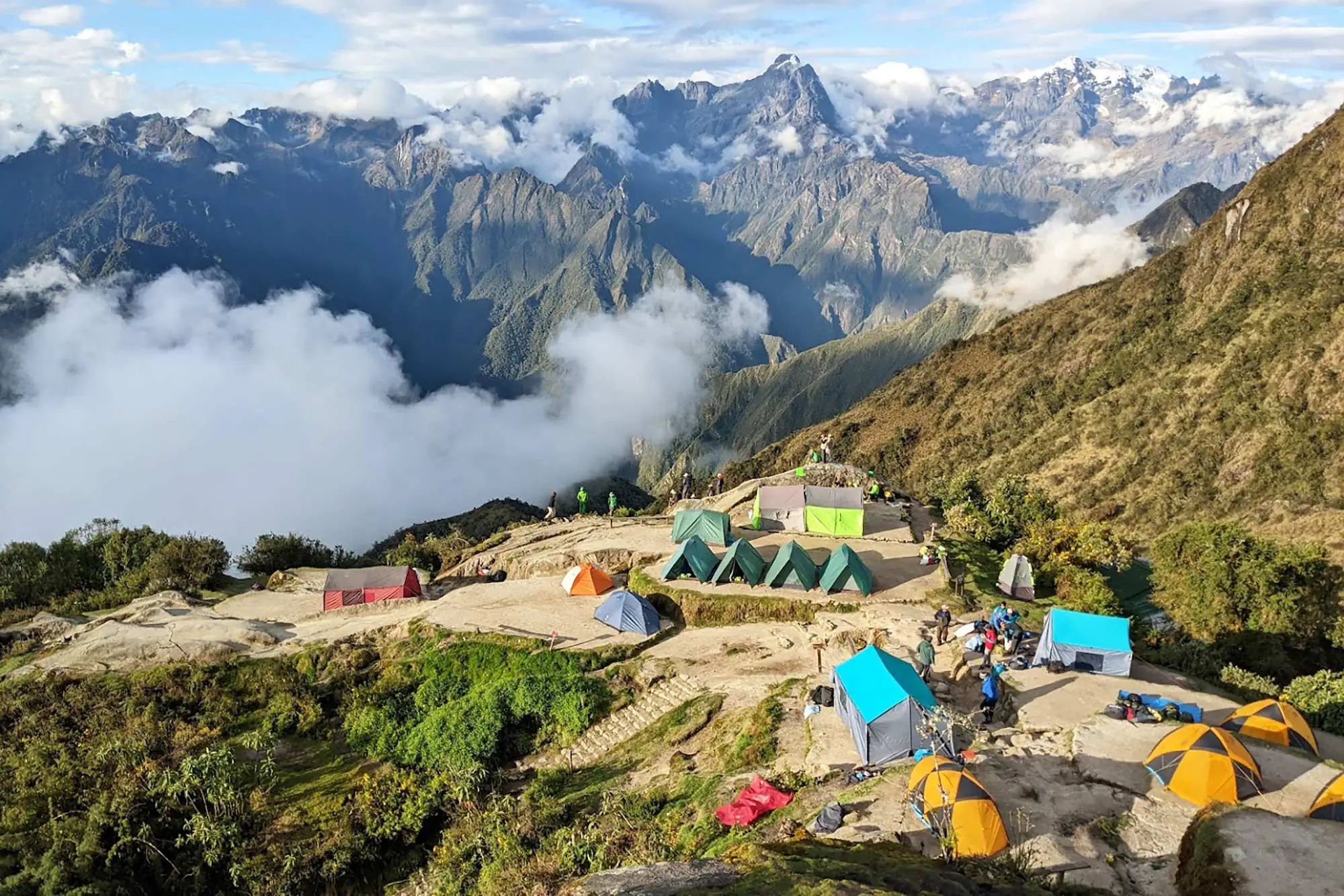
Take shorter steps on climbs. Let your breathing guide your pace. Eat when you have the opportunity. Drink regularly according to thirst and conditions.
And remember: the hardest day has not happened yet.
What your first night may feel like
You have completed your first trekking day, eaten dinner, crawled into your sleeping bag, and expect to sleep instantly.
Then you discover that sleeping at altitude can be strange.
The CDC describes sleep disturbance as the most common complaint among high-altitude travelers. Above roughly 2,700 meters, periodic breathing becomes common, and people may wake more frequently during the night. Sleep often improves as acclimatization progresses.
So a restless night does not necessarily mean the trek is going badly.
You are camping, sleeping somewhere unfamiliar, processing a huge day emotionally, and adapting to altitude simultaneously.
Try not to panic because you did not sleep like you do at home.
Day 2: The Day Your Lungs and Legs Have a Serious Conversation
Route: Ayapata – Dead Woman’s Pass – Runkuraccay Pass – Chaquiccocha Distance: About 16 km / 9.9 miles Highest point: 4,215 m / 13,829 ft Camp: About 3,600 m / 11,800 ft Typical hiking time listed by Alpaca Expeditions: about 7–8 hours
This is the day nervous hikers think about months before arriving in Peru.
Dead Woman’s Pass.
The name sounds worse than it needs to.
The real challenge is not anything mysterious. It is a long climb combined with high altitude.
What the climb toward Dead Woman’s Pass feels like
As you climb higher, maintaining the pace you normally use at home can become increasingly difficult.
Your breathing may become much deeper.
A section that looks short can take longer than expected.
You may walk for a few minutes, stop, breathe, look around, walk again, and repeat.
That is not weakness. At high elevation, your body is doing real physiological work.
At approximately 3,050 meters, the CDC notes that inspired oxygen pressure is around 69% of its sea-level value. As altitude increases, hypoxic stress becomes greater.
By the time you approach 4,215 meters, you may clearly feel that difference.
Your internal dialogue might sound like this:
“How is that pass still so far away?”
“I swear I have been climbing these stairs forever.”
“Why is the porter walking like this is a Sunday stroll?”
“Okay. Twenty more steps.”
“This view is unbelievable.”
“Twenty more.”
For many hikers, Day 2 becomes a series of small goals rather than one giant climb.
That is exactly how to approach it.
What happens to your legs?
Your quadriceps are driving you upward. And your calves are helping with every step. Your glutes are working. Your core is stabilizing you.
And unlike a stair machine, the mountain does not end after a 30-minute workout.
Fatigue accumulates.
This is why strength training before your trip can improve the trekking experience even though fitness does not make you immune to altitude sickness.
Training helps your body handle the work.
Acclimatization helps your body handle the altitude.
They are related to your hiking experience, but they are not the same thing.
Why you may feel surprisingly emotional at the pass
Eventually, the climb ends.
For nervous hikers, reaching Dead Woman’s Pass may bring more than physical relief.
You might laugh.
You might cry.
And you might hug someone you met two days ago.
You might take one photo and immediately put your jacket on because you are cold.
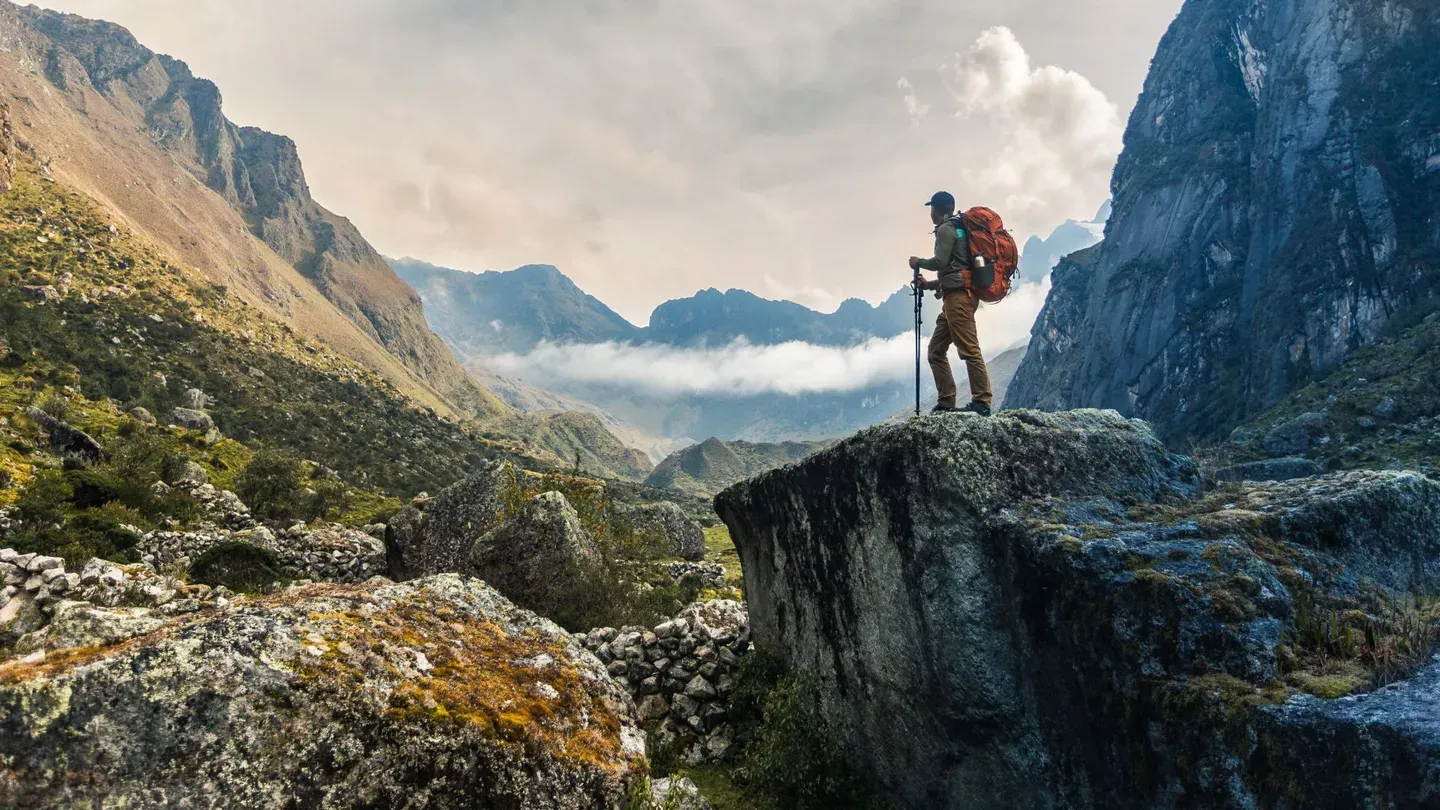
That moment is powerful because you have just reached the highest point of the Classic Inca Trail.
Alpaca Expeditions lists Dead Woman’s Pass at 4,215 meters, or 13,829 feet.
Take the achievement in.
But remember that reaching the top is not the end of Day 2.
You still have descending and more trail ahead.
Then your muscles face a completely different challenge
Going uphill stresses you one way.
Going downhill stresses you another.
As you descend steep Inca steps, your quadriceps repeatedly control your body’s downward movement. After hours of climbing, that can create a deep, shaky fatigue.
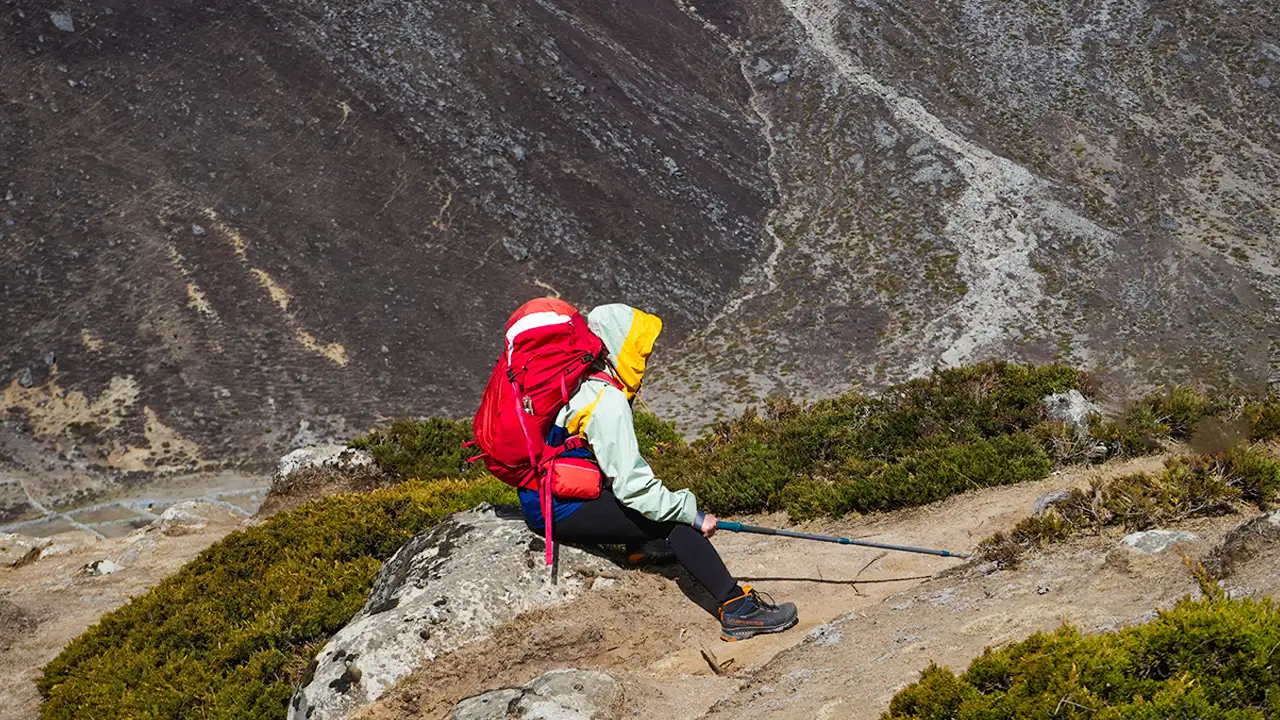
This is where trekking poles can become valuable for many hikers because they can help with balance and distribute some effort through the upper body.
The psychological shift is interesting, too.
Your lungs may finally feel like they have been given a break, while your knees begin filing complaints.
Welcome to the Inca Trail.
Is a headache after climbing just normal?
Do not automatically assume that it is.
A new headache after gaining altitude deserves attention, especially when accompanied by nausea, dizziness, unusual fatigue, or loss of appetite.
Acute mountain sickness, or AMS, commonly presents with headache plus one or more symptoms such as nausea, fatigue, dizziness, or appetite loss. Symptoms often develop between 2 and 12 hours after reaching a new altitude and frequently appear during or after the first night.
This is precisely why you should tell your guide how you feel instead of hiding symptoms because you are afraid of delaying the group.
Being honest early gives the team useful information.
Being stubborn gives altitude more time to make decisions for you.
Day 3: Your Lungs May Feel Happier, but Your Knees Know What Happened Yesterday
Route: Chaquiccocha – Phuyupatamarca – Wiñay Wayna Distance: About 10 km / 6.2 miles Starting elevation: Around 3,600 m / 11,800 ft Camp: Around 2,680 m / 8,792 ft
You wake up on Day 3 with an important realization:
You survived Day 2.
That alone can transform your confidence.
The mountain you spent months worrying about is behind you.
But when you stand up, your legs may remind you exactly what happened.
Morning stiffness is real
Your calves may feel tight.
And your quads can feel heavy.
Your shoulders may notice yesterday’s daypack.
The first several minutes of walking may feel awkward until your muscles warm up.
Then something wonderful often happens.
You start moving again.
The trail changes.
The scenery changes.
And for many hikers, Day 3 becomes less about fear and more about enjoying where they are.
Alpaca Expeditions’ itinerary takes hikers through the cloud forest toward Phuyupatamarca and then down toward Wiñay Wayna. The listed campsite drops to around 2,680 meters.
That lower sleeping altitude can feel different after the high passes of Day 2.
The new challenge: stairs, stairs, and more stairs
Day 3 contains extensive descending.
This can be deceptive.
Before the trip, hikers often fear climbing. After Day 2, they may celebrate hearing, “Mostly downhill today.”
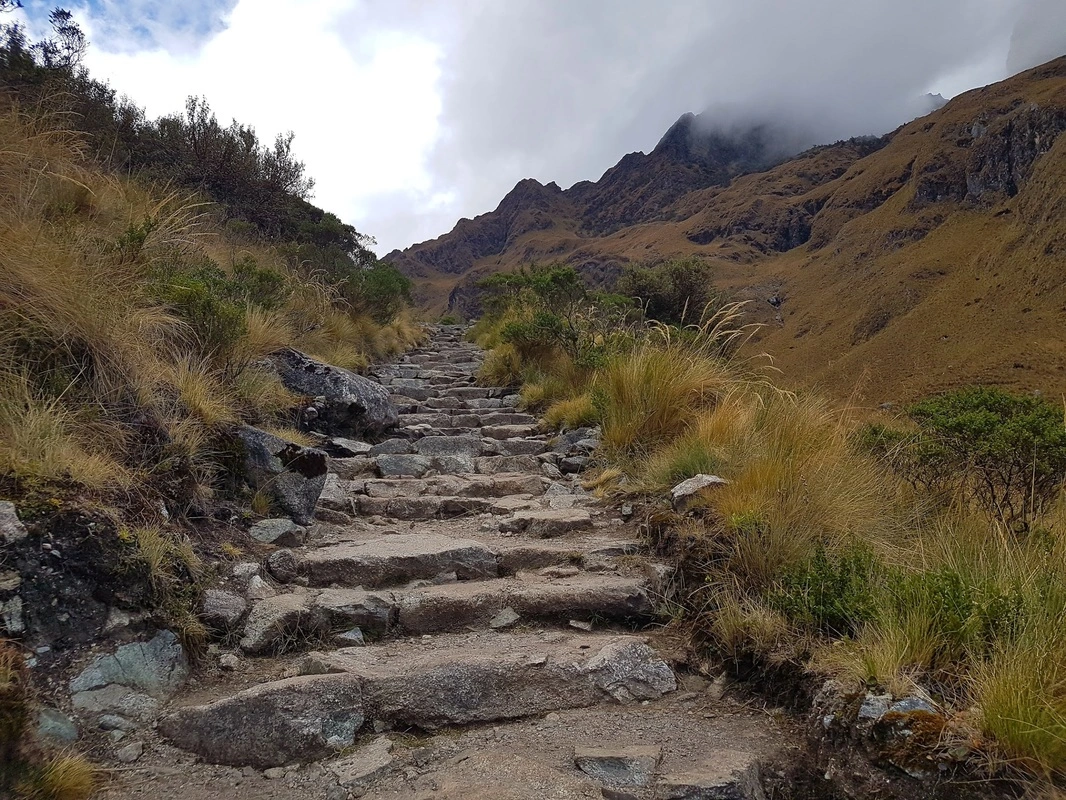
Your knees may have a different opinion.
Downhill hiking requires constant control.
Instead of pushing your body upward against gravity, your muscles are repeatedly braking your body as gravity pulls you down.
That can make your thighs feel tired even when your breathing is more comfortable.
How to make the descent easier
Focus on control rather than speed.
Keep your steps deliberate.
Use trekking poles correctly if you brought them.
Keep enough space between yourself and the hiker ahead.
Do not jump from step to step simply because your legs still feel strong early in the morning.
Most importantly, stay mentally present.
Fatigue can make hikers careless, and uneven ancient stone steps deserve your attention.
Your feet may become the main character
By Day 3, your lungs may no longer be the only thing you think about.
Now you notice your feet.
A hot spot on your heel that seemed insignificant yesterday may suddenly become annoying.
Your toes can move forward inside your boots during descents.
Socks that felt comfortable for two hours may feel different after several hiking days.
Deal with foot discomfort early.
Do not wait for a rubbing sensation to become a blister.
Properly fitted footwear, hiking socks you have already tested, and basic blister-management supplies are far more useful than brand-new equipment purchased just before flying to Peru.
Alpaca Expeditions maintains a dedicated trekking packing guide for travelers preparing for the Inca Trail and alternative routes.
Day 3 can feel easier emotionally than physically
Your muscles are tired.
Yet your mind may feel lighter than at any previous point.
Why?
Dead Woman’s Pass is behind you.
Machu Picchu is close.
You know what your trekking pace feels like.
And You have learned that stopping for breath is normal.
You know where things are in your daypack without searching for ten minutes.
You have probably stopped worrying about looking tired because everyone looks tired.
This psychological adaptation is one of the most underrated parts of a multi-day trek.
Your body may not be fresher than Day 1.
But you are better at being a trekker.
Day 4: Tired Legs, an Early Start, and a Huge Adrenaline Boost
Route: Wiñay Wayna – Sun Gate – Machu Picchu Hiking distance: About 5 km / 3.1 miles Starting elevation: Around 2,680 m / 8,792 ft Machu Picchu: Around 2,400 m / 7,873 ft
Day 4 is different.
You are not wondering whether you can complete the Inca Trail anymore.
You are almost there.
The morning begins early, and you may feel sleepy when you first get moving.
Your legs carry several days of fatigue. And your calves may feel stiff. Your knees remember Day 3.
Then someone says, “Machu Picchu.”
Suddenly, the body seems to find another gear.
Why the final miles may feel easier than expected
The final day is shorter than the previous trekking days in Alpaca Expeditions’ Classic Inca Trail schedule.
More importantly, you have a destination that has probably existed in your imagination for months or years.
Every turn feels meaningful.
Each staircase might be the staircase.
Every opening in the forest makes you wonder whether Machu Picchu is finally behind it.
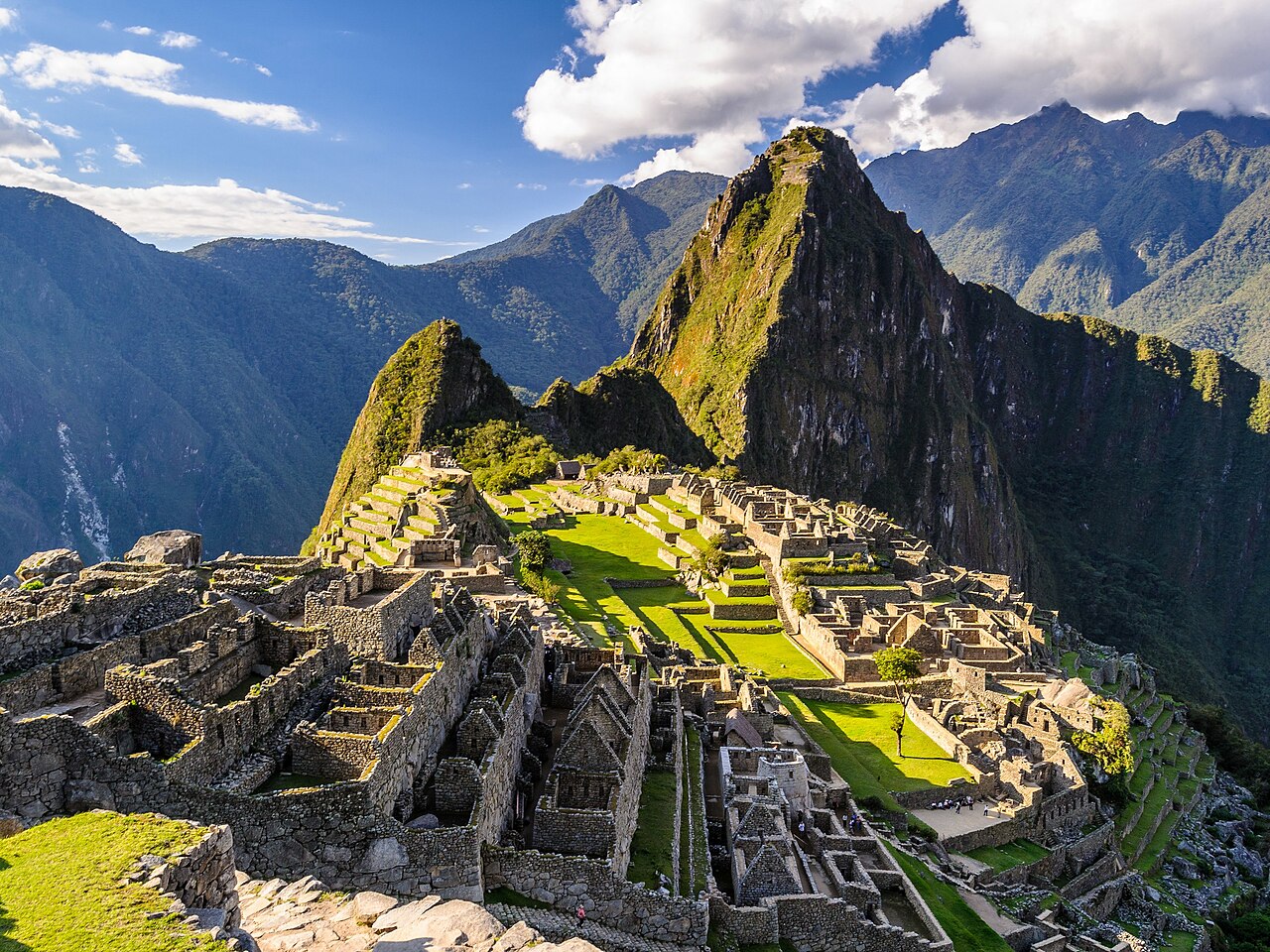
You may still breathe hard during steep sections.
Your legs can still feel tired.
But psychologically, the hike has changed.
You are no longer hiking toward an unknown challenge.
You are hiking toward the reason you came.
What does reaching the Sun Gate feel like?
There is no universal answer.
- 1. Some hikers become quiet.
2. Some cheer.
3. Some cry.
4. Some immediately reach for a phone.
5. Some stare.
And some discover that clouds have decided to hide everything for the moment.
The experience is still yours.
Walking into Machu Picchu after several days on the historic trail creates a completely different relationship with the site than simply seeing it appear outside a train window.
Your tired legs are part of the story.
What Is Normal Fatigue, and What Could Be Altitude Sickness?
This is one of the most important questions for nervous hikers.
Being tired on a multi-day mountain trek is expected.
Altitude illness is different.
You do not need to diagnose yourself, but you should understand the symptoms that deserve attention.
Normal hiking exertion may include
During strenuous uphill hiking, you may experience:
- Heavy breathing that improves when you slow or rest
- Sweating
- Muscle fatigue
- Burning quadriceps on climbs
- Tired calves
- General soreness after hiking
- Increased hunger
- Temporary tiredness after a long section
- Foot soreness
- Desire for more frequent breaks
These experiences usually have a clear connection to physical exertion.
Symptoms that should be reported
A new headache after ascending, particularly when accompanied by nausea, dizziness, unusual fatigue, vomiting, or appetite loss, can be consistent with acute mountain sickness.
The CDC emphasizes that AMS is associated with recent ascent and commonly involves headache plus additional symptoms such as fatigue, nausea, dizziness, or reduced appetite.
Do not hide these symptoms.
You are not inconveniencing anyone by mentioning them.
Emergency warning signs are different
Two severe forms of altitude illness are high-altitude cerebral edema (HACE) and high-altitude pulmonary edema (HAPE).
HACE may involve neurological changes such as confusion, abnormal coordination, difficulty walking normally, altered mental status, or unusual drowsiness.
HAPE may begin with an unusual reduction in exercise ability, chest congestion, cough, or breathlessness that seems excessive. More advanced illness can cause breathlessness at rest and respiratory distress.
Both conditions require urgent professional attention, and descent is a central part of field management when serious altitude illness is suspected.
Difficulty breathing while climbing a steep mountain is not the same thing as difficulty breathing while sitting still.
That distinction matters.
How Nervous Hikers Can Make the Inca Trail Feel More Manageable
The best way to reduce anxiety is not convincing yourself the hike will be easy.
It is knowing what you will do when it feels hard.
1. Arrive in Peru with time to acclimatize
Do not make your schedule so tight that you land at altitude and immediately begin the trek.
Acclimatization happens over time.
The CDC notes that the acute adjustment process is particularly important during the first three to five days after ascent and recommends gradual increases in sleeping elevation where practical.
Use your pre-trek days wisely.
2. Walk slower than your ego wants to
A sustainable pace can feel strangely slow.
Good.
Let it.
Short steps and steady breathing are much better than repeatedly charging forward and exhausting yourself.
There is no leaderboard at Machu Picchu.
3. Train for stairs, not just miles
Walking ten miles on flat ground is useful training.
But the Inca Trail is not flat.
Include:
- Hill walking
- Stair climbing
- Step-ups
- Squats and lunges
- Controlled downhill hiking
- Longer walks on consecutive days
The goal is to prepare your legs for repeated climbing and descending.
Again, training improves your ability to perform the physical work; it does not guarantee protection from altitude sickness.
4. Train with the shoes and daypack you will actually use
Your trek is not the place to discover that your boots rub your heel after four hours.
Complete several longer training walks wearing:
- Your hiking footwear
- Hiking socks
- Your actual daypack
- A realistic amount of weight
Find problems at home.
Not halfway up Dead Woman’s Pass.
5. Protect your knees before they hurt
Do not wait until Day 3 to think about descending.
Practice downhill hiking.
Learn how to use trekking poles before Peru.
Strengthen your quadriceps and glutes.
And take controlled steps instead of rushing down stone staircases.
6. Eat even when excitement reduces your appetite
Long trekking days need energy.
The goal is not to eat an enormous meal and immediately hike uphill.
Instead, maintain regular food intake throughout the trip using the meals and snacks available to you.
Pay attention if appetite loss occurs together with headache, nausea, dizziness, or unusual fatigue after gaining altitude, because loss of appetite can be associated with AMS.
7. Take hydration seriously, but do not treat water as altitude medicine
Hiking for hours can increase your fluid needs, and high-altitude environments can be dry.
Drink regularly based on exertion, weather, and thirst.
But drinking huge amounts of water does not make someone immune to altitude illness.
Altitude problems are fundamentally connected with exposure to lower oxygen pressure, individual susceptibility, and ascent profile.
Hydration is part of sensible trekking.
It is not a substitute for acclimatization.
8. Be honest with your guide
This may be your most important habit on the trail.
Say something when:
- 1. “My headache hasn’t gone away.”
2. “I feel dizzy.”
3. “I feel much weaker than I expected.”
4. “I feel sick.”
5. “I can’t catch my breath even though we’ve stopped.”
Do not wait until symptoms become severe.
Alpaca Expeditions’ Classic Inca Trail itinerary includes experienced guiding and organized support throughout the multi-day trek, so communicate with your guide rather than trying to interpret everything alone.
The Mental Side of the Inca Trail
Physical preparation gets most of the attention.
Mental preparation matters, too.
Many nervous hikers experience the same cycle.
Months before Peru
“What if I can’t do it?”
Day 1
“Maybe this isn’t so bad.”
Morning of Day 2
“Oh no. Today’s the day.”
Halfway up Dead Woman’s Pass
“Why did I book this?”
At Dead Woman’s Pass
“I DID IT.”
Day 3
“My knees would like to unsubscribe.”
Day 4
“I cannot believe I’m walking into Machu Picchu.”
The trick is not eliminating nervousness.
It is keeping today’s challenge inside today.
Do not climb Dead Woman’s Pass mentally while packing your bag on Day 1.
Do not worry about Day 3 stairs while eating breakfast on Day 2.
Walk the section in front of you.
Break intimidating climbs into tiny goals
When the trail looks endless, forget the summit.
Pick the next bend.
Or the next set of stairs.
Or five minutes of steady walking.
Then reassess.
A mountain can feel impossible when your brain thinks about 3,000 vertical feet at once.
Twenty steps are manageable.
Repeat twenty steps enough times, and eventually you are standing at the top.
What You May Feel Each Night
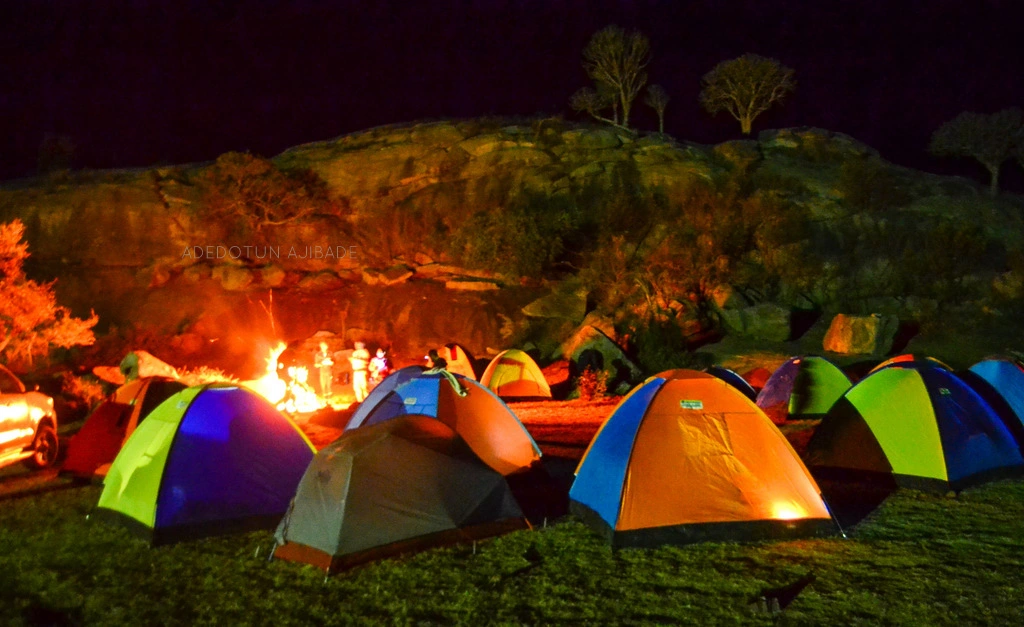
The hiking stops.
Your body does not.
Recovery is happening while you eat dinner, sit at camp, and sleep.
Night 1
You may feel proud but slightly unsure.
Your legs are tired enough to notice but not destroyed.
Sleep may be unfamiliar because of camping and altitude.
Night 2
This is often the deepest fatigue.
You completed the toughest climbing day, and your entire body knows it.
Your appetite may be strong, your legs may feel heavy, and getting into your sleeping bag can feel fantastic.
Pay attention to headaches, nausea, dizziness, or unusual weakness rather than automatically labeling every symptom “just tired.”
Night 3
Now there is anticipation.
Your legs are accumulated-tired rather than Day-2-tired.
You know Machu Picchu is close.
Sleeping can be surprisingly difficult simply because you are excited about morning.
Common Mistakes That Make the Inca Trail Feel Harder
Starting too fast
Fresh legs and adrenaline can fool you on Day 1.
Save something.
Comparing yourself with other hikers
Someone will walk faster.
Someone will walk slower.
Neither fact matters.
Underestimating the descent
The highest pass gets the headlines, but downhill stone steps can be demanding on tired knees.
Prepare for both directions.
Bringing untested footwear
Comfort beats fashion, every time.
Carrying unnecessary weight
Ask yourself honestly whether everything in your daypack needs to travel over a 13,829-foot mountain pass with you.
Alpaca Expeditions’ current Classic Inca Trail service includes porter support for a limited amount of personal belongings, so review the specific baggage arrangements for your booked itinerary before packing.
Trying to hide altitude symptoms
There is nothing heroic about pretending you feel fine.
Scheduling the trek immediately after arriving
Your body needs time to adjust to altitude.
Build acclimatization into the vacation rather than treating it as wasted time.
A Nervous Hiker’s Pre-Trek Checklist
Several months before Peru
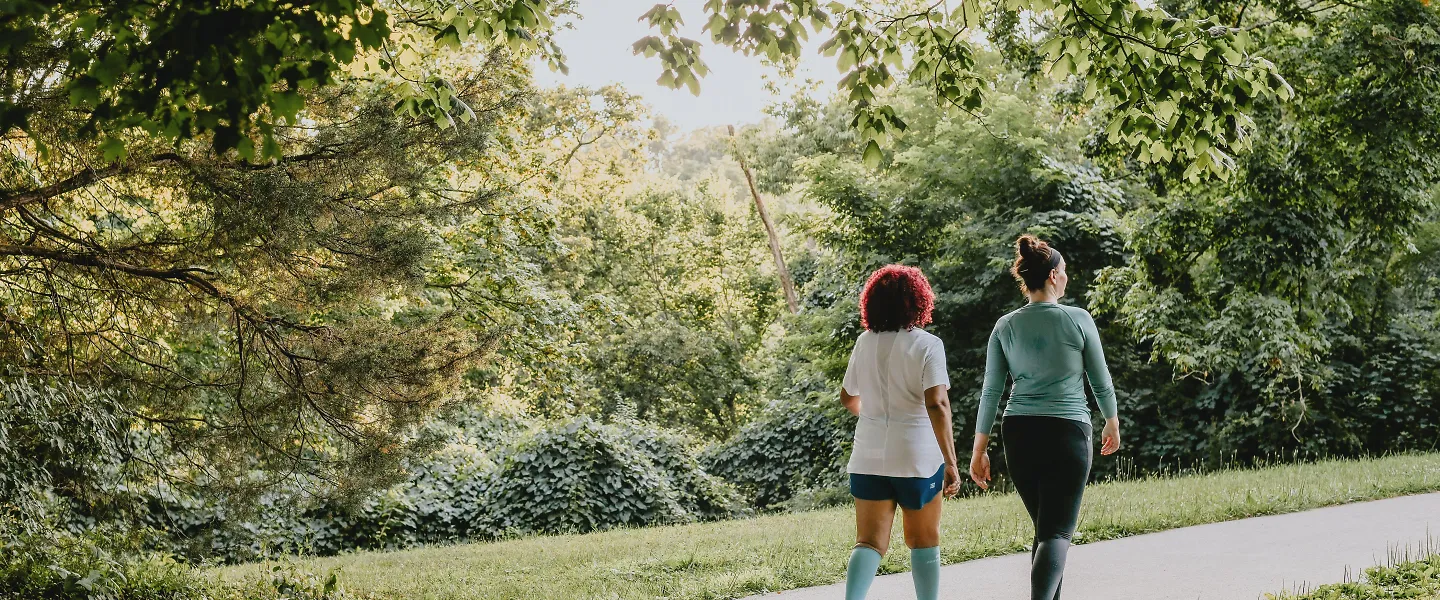
- Build a consistent walking routine
- Add hills or stairs
- Strengthen quads, calves, glutes, and core
- Practice consecutive hiking days
- Break in your hiking footwear
- Test trekking poles
- Discuss relevant health concerns with your doctor
One to two weeks before traveling
- Avoid suddenly increasing training volume
- Check footwear and socks
- Organize medications and prescriptions
- Confirm trekking equipment
- Review your packing list
- Focus on arriving healthy rather than squeezing in one last extreme workout
After arriving in the Cusco region
- Give yourself time to adjust
- Keep initial activity relatively light
- Prioritize sleep and recovery
- Avoid alcohol during the early acclimatization period
- Tell your trip team if you feel unwell
- Do not assume excellent fitness makes you immune to altitude illness
The CDC recommends mild activity during the first 48 hours at altitude and avoiding alcohol during that period.
Should You Be Worried About Dead Woman’s Pass?
Respect it.
Do not fear it.
At 4,215 meters, Dead Woman’s Pass is the highest point on the Classic Inca Trail and comes during its most physically demanding day.
That makes it challenging.
It does not mean only elite athletes can reach it.
The climb becomes much more manageable when you stop imagining it as one enormous effort.
Walk slowly.
Control your breathing.
Pause.
Look around.
Walk again.
A nervous hiker does not need to become a fearless hiker before Day 2.
You simply need to keep moving intelligently and communicate when something feels wrong.
What About Altitude Medication?
Some travelers discuss preventive altitude medication, particularly acetazolamide, with a healthcare professional before visiting Peru.
It can accelerate acclimatization and reduce the occurrence and severity of acute mountain sickness in appropriate travelers, but medication decisions depend on factors such as ascent schedule, prior altitude history, medical history, current medications, and individual risk.
The CDC and the Wilderness Medical Society publish evidence-based guidance on prevention and treatment of altitude illness. The 2024 Wilderness Medical Society guideline covers AMS, HACE, and HAPE prevention, diagnosis, and treatment.
Do not start prescription altitude medication solely because another traveler on social media says you should.
Ask a healthcare professional who understands your circumstances.
Medication is not a replacement for sensible acclimatization or responding appropriately to worsening symptoms.
Is the Inca Trail Too Hard for a First-Time Trekker?
Not necessarily.
You do not need years of mountaineering experience to hike the Classic Inca Trail.
But you should respect what the route involves.
Alpaca Expeditions currently rates its Classic 4-Day/3-Night group itinerary as challenging, with approximately 42 kilometers of total trekking and a maximum elevation of 4,215 meters at Dead Woman’s Pass.
A first-time multi-day hiker who trains, acclimatizes, packs appropriately, manages their pace, and communicates well may feel far more comfortable than an athletic traveler who arrives unprepared and tries to race the trail.
Experience helps.
Preparation helps more.
What You Will Probably Remember After the Soreness Is Gone
Months later, you probably will not remember exactly how much your quadriceps burned on a staircase.
- 1. You will remember waking up in the Andes.
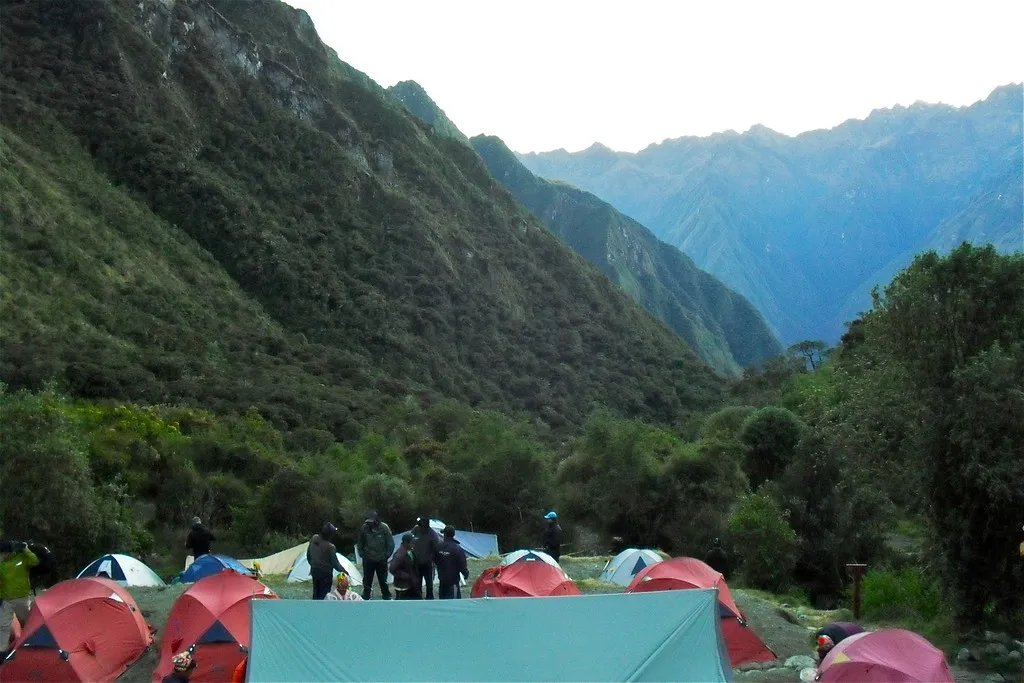
2. You will remember mountains appearing through clouds.
3. You will remember the person walking beside you saying, “We’re almost there.”
4. You will remember reaching the highest pass.
5. You will remember how good dinner tasted after a long day.
6. You will remember stepping through the Sun Gate.
And you will remember realizing that the nervous version of you who boarded the plane to Peru was capable of more than expected.
The Inca Trail is physically demanding.
That is part of why reaching Machu Picchu feels meaningful.
With sensible preparation, time for acclimatization, realistic expectations, and support from an experienced trekking team such as Alpaca Expeditions, nervous hikers can approach those four days with respect rather than fear.
You do not have to feel strong every minute.
You just have to listen to your body, take the trail one section at a time, and know when ordinary fatigue becomes something worth speaking up about.
Frequently Asked Questions
1. What does hiking the Inca Trail feel like physically?
Expect a mix of heavy breathing during climbs, tired legs, sore muscles, downhill strain, and general fatigue from several consecutive hiking days. The experience changes each day: Day 1 introduces the trail, Day 2 is the major altitude and climbing challenge, Day 3 tests tired legs on descents, and Day 4 is shorter and driven by the excitement of reaching Machu Picchu.
2. What is the hardest day of the Classic Inca Trail?
Day 2 is generally considered the hardest. Alpaca Expeditions‘ itinerary covers about 16 kilometers and crosses Dead Woman’s Pass at 4,215 meters, or 13,829 feet.
The combination of sustained climbing and altitude makes this day challenging even for fit hikers.
3. Is it normal to be out of breath on the Inca Trail?
Breathing harder during strenuous uphill hiking is expected, especially at altitude. It should generally improve when you slow down or rest.
Breathlessness at rest, severe respiratory distress, chest congestion, or a major unexplained decline in exercise ability can be warning signs of serious illness and require immediate attention.
4. Can fit people get altitude sickness on the Inca Trail?
Yes. Fitness does not make a traveler immune to altitude illness. The CDC states that physical training and fitness do not determine susceptibility to altitude illness.
Fitness can still make the muscular demands of trekking easier, so training remains worthwhile.
5. How high is Dead Woman’s Pass?
Dead Woman’s Pass is approximately 4,215 meters, or 13,829 feet, and is the highest point of the Classic Inca Trail.
You should expect the climbing pace near the pass to be slower than hiking at lower elevations.
6. Is Machu Picchu higher than Cusco?
No. The CDC places Cusco at approximately 3,350 meters, or 11,000 feet. Alpaca Expeditions lists Machu Picchu at around 2,400 meters, or 7,873 feet.
The Classic Inca Trail climbs much higher than either location at Dead Woman’s Pass.
7. How many days should I spend in Cusco before the Inca Trail?
There is no single number that guarantees acclimatization for everyone. Building at least a few days into your itinerary before strenuous trekking gives your body more opportunity to adjust.
The CDC emphasizes gradual ascent and notes that the acute acclimatization process occurs primarily over the first three to five days.
Discuss your itinerary with a healthcare professional if you have particular altitude concerns.
8. Will my knees hurt on the Inca Trail?
Some hikers find downhill portions surprisingly demanding because descending repeatedly loads the quadriceps and knees.
Training on hills, strengthening your legs, wearing appropriate footwear, maintaining a controlled pace, and practicing with trekking poles can make descending feel more manageable.
Persistent or significant pain should not simply be ignored.
9. Do I need to be an experienced hiker?
Not necessarily, but you should prepare seriously.
The Classic Inca Trail involves multiple days of walking, sustained climbing, long descents, rugged stone surfaces, camping, and high altitude. Building walking endurance, leg strength, and experience on hills before Peru can make the trek significantly more comfortable.
10. What are the first signs of altitude sickness?
Acute mountain sickness commonly involves a headache after recent ascent together with symptoms such as nausea, dizziness, fatigue, or appetite loss. Symptoms commonly begin within 2–12 hours after reaching a new altitude.
Report symptoms early rather than trying to push through them.
11. What altitude symptoms are an emergency?
Confusion, abnormal coordination or difficulty walking normally, unusual drowsiness, severe breathlessness at rest, respiratory distress, or worsening chest and breathing symptoms can indicate severe altitude illness.
Suspected HACE or HAPE requires urgent action and professional assistance, with descent playing a critical role in field situations.
12. Does drinking lots of water prevent altitude sickness?
Staying appropriately hydrated is sensible during strenuous hiking, but simply drinking more water does not guarantee protection from altitude illness.
Risk is strongly influenced by altitude exposure, ascent rate, previous response to altitude, and individual susceptibility.
13. Should I take altitude sickness pills for the Inca Trail?
Some travelers may benefit from preventive medication, while others may not need it. The decision depends on your itinerary, altitude history, health, and risk factors.
Discuss medication with a physician or travel-medicine professional before traveling rather than following a generic recommendation online.
14. Will I sleep badly while hiking the Inca Trail?
You might. Sleep disturbance is common at high altitude. The CDC notes that periodic breathing and frequent awakenings become common above about 2,700 meters and that sleep often improves as acclimatization progresses.
Camping conditions, excitement, temperature, and physical fatigue can affect sleep as well.
15. What if I am the slowest person in my group?
Being slower does not mean you are less capable.
Mountain trekking rewards consistency far more than speed. A steady pace that allows you to control your breathing and preserve energy is usually smarter than trying to match a faster hiker.
Your job is to hike your trail, not somebody else’s.