




Introduction:
Machu Picchu is not just an archaeological marvel perched high in the Andes; it is also a symbol of Peru’s heritage, a shrine to Incan ingenuity, and a destination that captivates travelers from around the world. In this blog we will learn more about Machu Picchu’s Carrying Capacity.
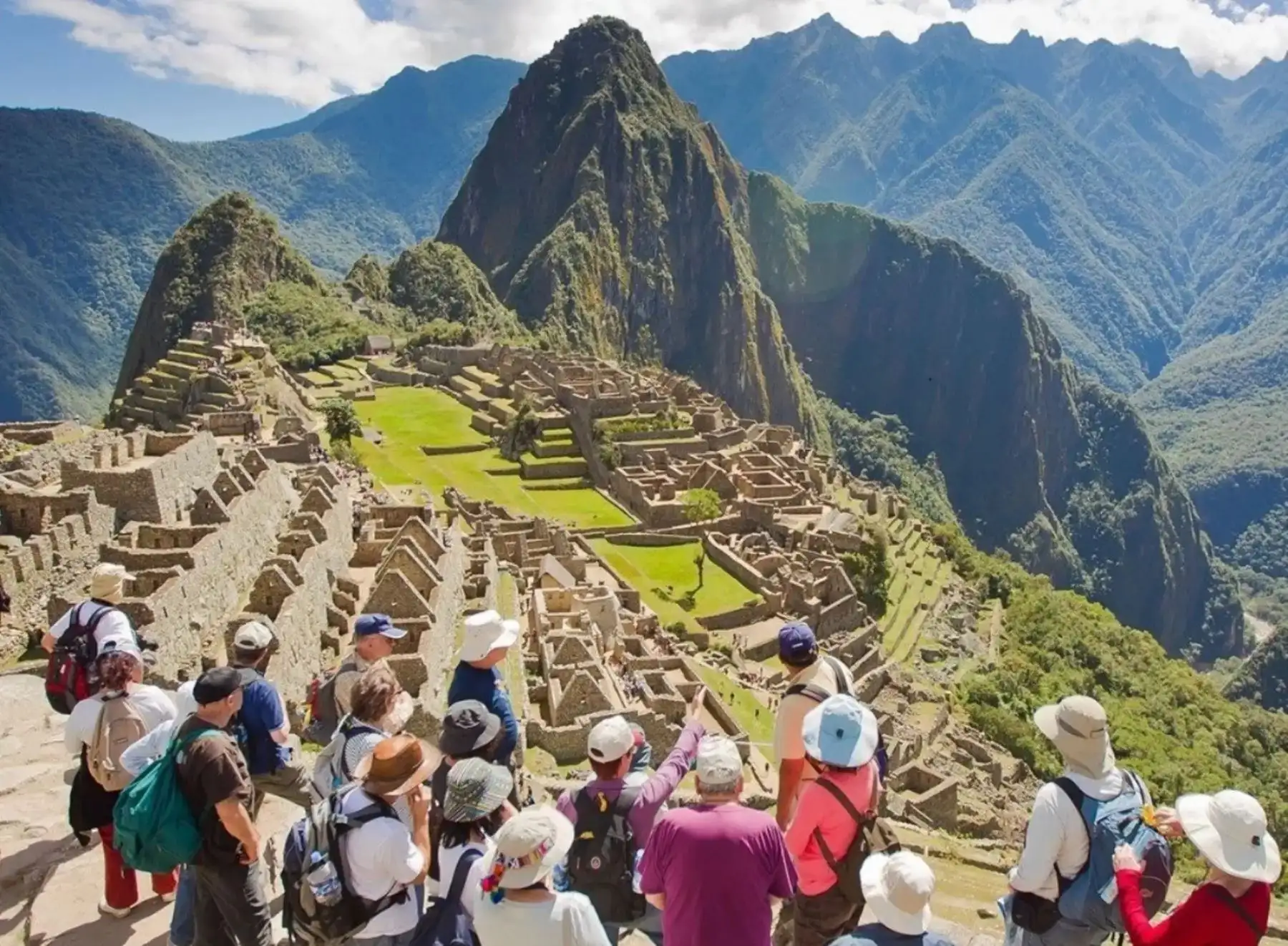
The ancient citadel, rediscovered by explorer Hiram Bingham in 1911, was built in the 15th century as an estate for the Inca Pachacuti. Today, over a century after its rediscovery, Machu Picchu remains on the travel bucket list of millions. Its terraces, temples, and living history invite visitors to experience a civilization that thrived against steep mountain slopes and dense cloud forests.
While the allure of walking among these ruins is undeniable, the question of how many visitors the site can accommodate has become increasingly pressing. In the past decade, growing numbers of tourists have put pressure on the fragile archaeological structures and the surrounding environment.
UNESCO Recognition:
Over tourism has led UNESCO and Peruvian authorities to intervene with policies aimed at limiting access and preserving the sanctuary for future generations. New rules require visitors to follow specific circuits, limit their time on site, and book tickets well in advance. The world has witnessed the consequences of unrestricted tourism at other cultural landmarks, making it all the more important to establish sustainable practices at Machu Picchu.
>This blog delves into the concept of carrying capacity as it applies to Machu Picchu, explains the evolving policies that govern visitor numbers, and explores the broader context of sustainable tourism in the region.
It also examines the debate surrounding the planned Chinchero International Airport and how improved access to Cusco and the Sacred Valley might affect visitor numbers at the citadel. Along the way, we’ll provide practical tips for travelers and share how Alpaca Expeditions supports responsible tourism.
Understanding Machu Picchu’s Carrying Capacity
Carrying capacity refers to the maximum number of visitors that a site can accommodate without compromising its integrity, ecological balance, or visitor experience. At Machu Picchu, carrying capacity takes into account the fragile stone structures, terraced slopes, and the surrounding cloud forest that together create one of the world’s most recognized heritage sites.
The concept is not only about physical wear and tear; it also addresses the cultural and spiritual value of the site. For the Quechua communities who live nearby and consider these mountains sacred, hordes of visitors can disrupt traditional practices and infringe upon sacred spaces.
World Monuments Fund:
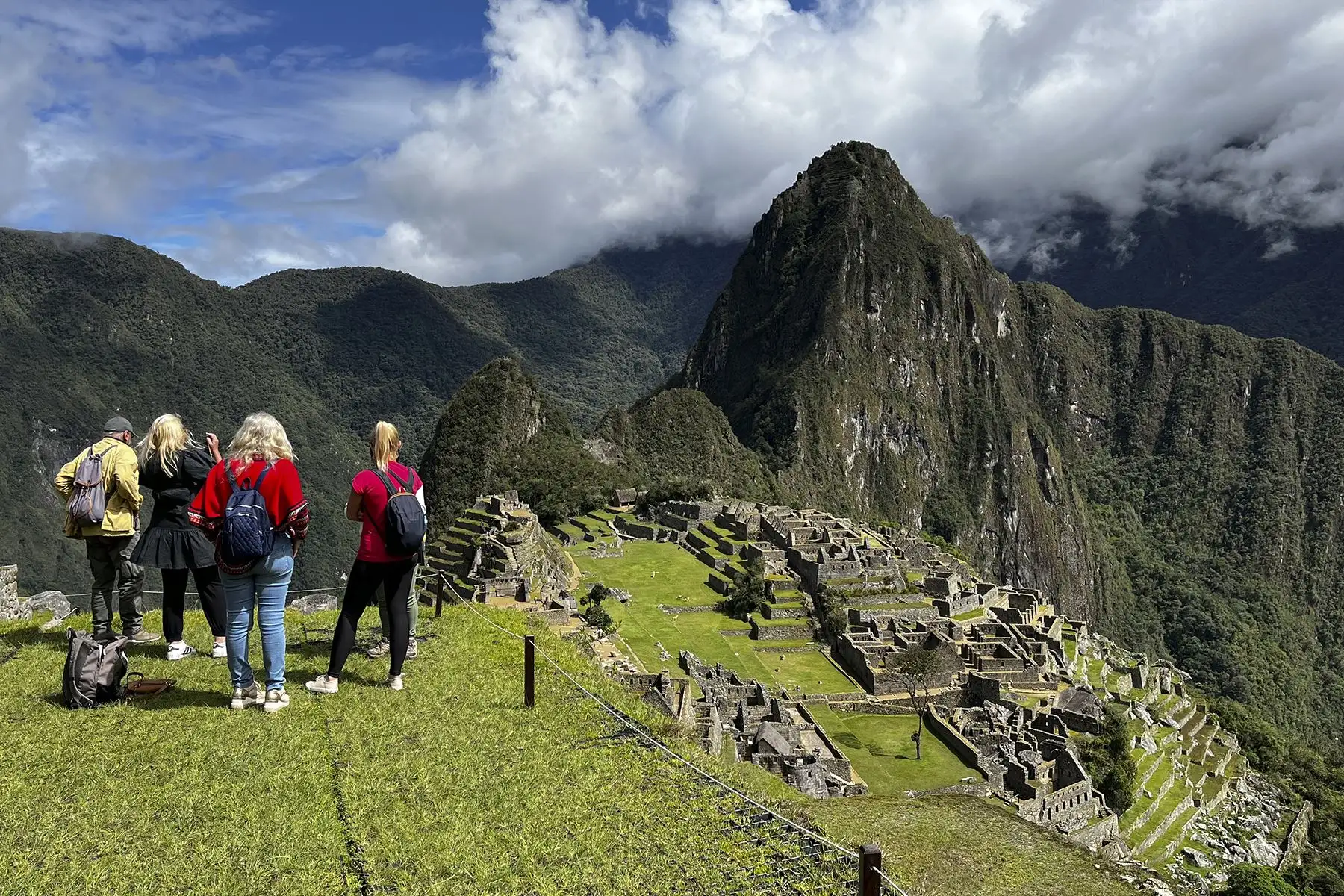
In the early 2000s, UNESCO and the World Monuments Fund highlighted Machu Picchu as a site threatened by overtourism. At the time, the annual number of visitors had surged from around 100,000 in the 1980s to more than a million. Recognizing the risks, the Peruvian government and UNESCO agreed to implement a daily cap of approximately 2,500 visitors.
This threshold reflected what researchers believed the site could accommodate without causing irreversible damage. Over the years, however, the popularity of Machu Picchu continued to grow, and pressure mounted to increase access. By the mid‑2010s, new proposals suggested raising the daily cap to meet demand, provoking debates between conservationists and tourism operators.
From 2017 onward, Peruvian authorities experimented with timed entry slots and designated circuits that split visitors across different routes. The aim was to distribute foot traffic evenly and prevent crowding at iconic viewpoints like the Temple of the Sun and the Sacred Rock.
Adjustments were made based on visitor patterns and the wear observed at different parts of the site. Despite these measures, the pandemic and subsequent recovery further complicated planning. In 2024, Machu Picchu welcomed about 1.5 million visitors, averaging just over 4,100 people per day. Such numbers pushed the limits of the original cap, prompting authorities to revisit the carrying capacity and adjust quotas seasonally.
From 2,500 to 5,600 – Evolving Policies
By 2025, the Peruvian Ministry of Culture adopted a differentiated approach to visitor quotas. Instead of a single number applied year‑round, the policy now sets a limit of 4,500 visitors per day during the regular season and allows a temporary increase to 5,600 visitors on peak holidays and during the high season.
Peak dates include New Year’s Day, Easter, late June through early November, and the end‑of‑year holiday. Even with the higher cap, only 2,400 visitors are allowed to be inside the citadel at any given time; the rest must wait in designated areas or enter later in the day. These adjustments aim to balance preservation with the economic benefits tourism brings to the region.
The policy shift has not been without controversy. Conservationists argue that increasing the daily cap risks accelerating erosion and deterioration of the site’s stonework. On the other hand, local communities and tourism businesses rely heavily on tourism revenue to sustain livelihoods.
The debate reflects the broader challenge of protecting cultural heritage while supporting economic development. In practice, authorities review the carrying capacity annually, taking into account technical reports from the Decentralized Directorate of Culture of Cusco. This allows for adjustments based on observed impacts and projected visitor demand.
Daily Visitor Caps and Entry Systems
Managing who enters Machu Picchu and when they enter is central to preserving the site. This online system enables authorities to monitor daily quotas and prevent unauthorized sales. When booking, visitors choose from one of three main circuits, each containing multiple routes that highlight different parts of the citadel. Circuit 1 includes the upper terraces and offers the classic postcard view, Circuit 2 focuses on the central urban zone, and Circuit 3 explores lower agricultural terraces and temples. Travelers must follow the circuit printed on their ticket and are not permitted to backtrack or wander freely.
Timed entry is another key feature of the system. Tickets are issued for specific entry times, usually in hourly blocks from the early morning through mid‑afternoon. Visitors are expected to complete their tour within four hours, or six hours if their ticket includes access to Huayna Picchu or Machu Picchu Mountain. Those who arrive early or linger too long may be asked to wait outside until their time slot or may be guided toward the exit. While some travelers lament the regulated experience, these measures are necessary to prevent overcrowding and to ensure that everyone can appreciate Machu Picchu safely.
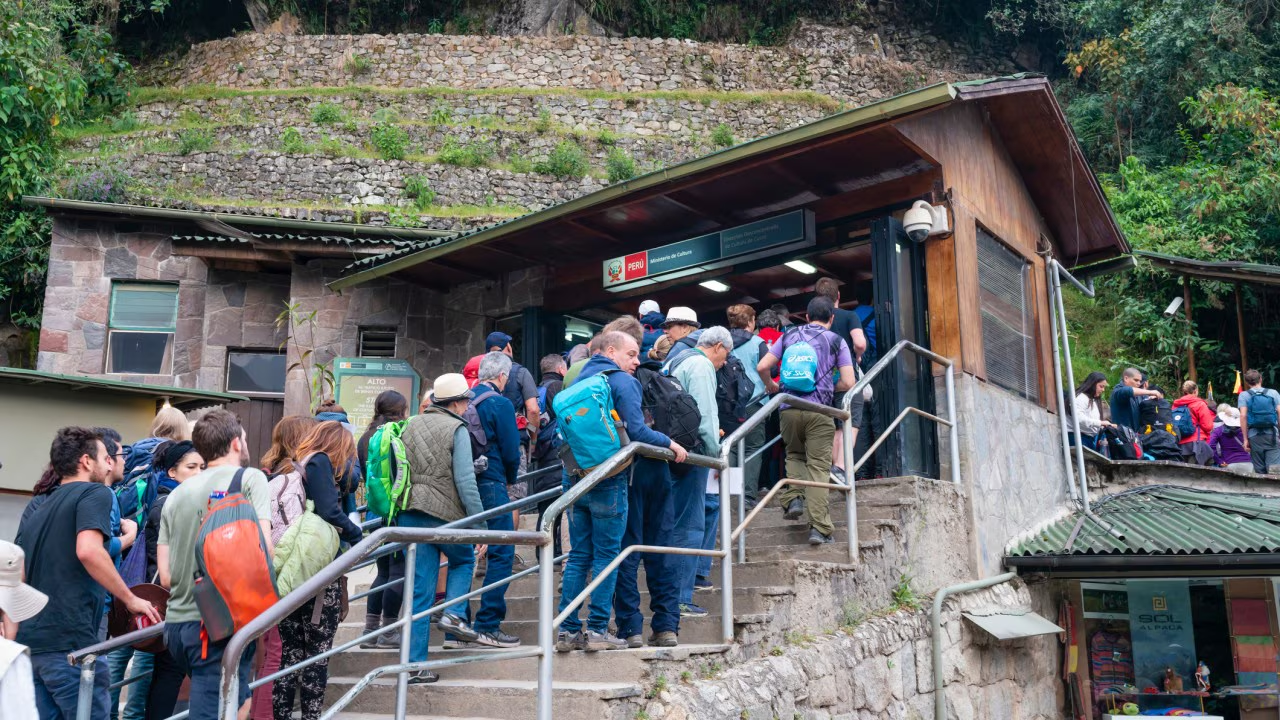
It is also important to note that tickets cannot be purchased on site. They often sell out weeks in advance during the high season, so early planning is essential. Travelers who wish to add hikes to nearby peaks must secure separate permits, and those, too, are limited. The system may seem restrictive, but it represents a compromise that helps protect the sanctuary while allowing visitors to experience its magic.
Inca Trail and Alternative Trek Capacities
Not all visitors arrive at Machu Picchu by train or bus; many choose to trek along ancient paths that wind through the Andes. The Inca Trail, a four‑day pilgrimage culminating at the Sun Gate, has become as iconic as the citadel itself.
To safeguard this historic route, the Peruvian government imposes a daily limit of 500 people on the trail, including trekkers, guides, porters, and cooks.
The cap ensures that foot traffic does not erode stone stairways or damage delicate cloud forest ecosystems. It also helps manage campsites and reduces congestion at archaeological sites along the trail.
Permits for the Inca Trail often sell out months in advance. To secure a spot, travelers should book their trek six to nine months before their desired date, particularly if they plan to travel during the dry season from April through September.
If permits are not available, alternative treks offer equally breathtaking experiences. Routes such as the Salkantay Trek, Lares Trek, Inca Jungle Trek, and the Choquequirao Trek take adventurers through high passes, remote villages, and dramatic landscapes before reaching Machu Picchu.
While these trails are less regulated than the Inca Trail, sustainable practices remain vital. Travelers should choose operators that prioritize environmental stewardship and fair treatment of support staff.
Whether trekking or arriving by train, the journey to Machu Picchu is part of what makes the visit memorable. By respecting permit limits and following Leave No Trace principles, visitors help ensure that these routes remain open and pristine for generations to come.
Visitor Statistics and Overtourism
Numbers tell part of the story of why carrying capacity matters. In 2024, Machu Picchu welcomed approximately 1.5 million visitors, marking a return to pre‑pandemic levels. Daily averages hovered around 4,100 to 4,300 people, with peaks during the dry season from May through August. Such figures underscore the importance of managing visitor flow to prevent overcrowding. When too many people converge on narrow terraces and staircases, the sense of serenity that makes Machu Picchu special can be lost, and the potential for physical damage increases.
Overtourism isn’t unique to Machu Picchu, but the consequences are particularly acute in a site perched on steep slopes prone to landslides. Erosion of trails and terraces, littering, and accidental damage to stone structures are some of the problems associated with high visitor numbers.
In 2008, the World Monuments Fund placed Machu Picchu on its watch list of endangered sites, and UNESCO has repeatedly warned Peru about the risks of unchecked tourism. In response, authorities have tightened rules over time: banning selfie sticks, prohibiting food and drink inside the site, requiring accredited guides, and restricting visits to designated circuits.
Another aspect of overtourism is the impact on nearby communities. Aguas Calientes, also known as Machu Picchu Pueblo, swells with visitors during the high season. Hotels, restaurants, and shops have transformed this once‑small town into a bustling tourist hub.
While tourism brings jobs, it also creates challenges, including strain on water and waste systems and an economy that depends heavily on external visitors. Responsible tourism encourages travelers to spread their spending beyond the citadel, visiting local markets, museums, and lesser‑known archaeological sites throughout the Sacred Valley.
The Chinchero Airport Debate
One of the most contentious developments in Peruvian tourism is the construction of Chinchero International Airport. Located near the town of Chinchero in the Sacred Valley, the airport is planned to replace Cusco’s current Alejandro Velasco Astete Airport and to serve as a gateway for travelers headed to Machu Picchu.
According to project plans, the airport will initially accommodate about five million passengers per year, with an eventual expansion to handle up to eight million. Proponents argue that direct international flights will reduce travel time by allowing visitors to bypass Lima and even Cusco entirely, thus making the region more accessible and boosting the local economy.

Yet many archaeologists, historians, and local activists are concerned about the cultural and environmental impact of an airport so close to the Sacred Valley. Chinchero sits amid terraced fields and centuries‑old communities, and the surrounding landscape is dotted with Incan roads and archaeological sites.
UNESCO Heritage:
UNESCO and heritage organizations have called for comprehensive impact studies and have urged the Peruvian government to slow or halt construction. Critics worry that airport construction could damage or destroy undiscovered artifacts, disrupt water sources, and lead to the loss of agricultural land.
A 2026 article from Euronews highlighted how the new airport could lead to a 200 percent increase in visitors to the region. The article also noted that the airport is expected to open in late 2027 and that residents and conservationists fear the impacts of increased air traffic and development.
Planes flying low over the Sacred Valley could disturb archaeological sites at Ollantaytambo and create noise pollution. There are also concerns about exacerbating water shortages and overwhelming the area’s waste management infrastructure.
The Chinchero airport debate mirrors the tension between enhancing tourist infrastructure and protecting cultural heritage. Supporters envision economic opportunities and improved connectivity, while opponents urge caution, arguing that easier access could exacerbate overtourism and strain Machu Picchu’s carrying capacity.
The outcome remains to be seen; for now, travelers should be aware that major infrastructure changes may affect how and when they visit the region.
Future of Machu Picchu Tourism
Looking ahead, the sustainability of Machu Picchu will depend on how effectively stakeholders can balance conservation with tourism. As capacity policies evolve, Peru’s Ministry of Culture will continue issuing annual resolutions based on technical assessments. These assessments consider factors such as foot traffic, weather conditions, erosion, and cultural practices. They may lead to further adjustments in visitor quotas or new requirements like pre‑approved guides, digital check‑ins, or dynamic pricing.
Technological solutions could play a role as well. Digital monitoring tools, such as sensors placed along the paths or an app that tracks visitor movement, could help administrators better understand how crowds flow through the site. Data‑driven management might allow for more flexibility, opening up more permits during less busy times and closing areas temporarily when signs of wear are detected.
At the same time, diversifying tourism in the region is critical. Encouraging travelers to explore alternative sites – such as Pisac, Ollantaytambo, Chinchero, Choquequirao, and the many smaller ruins scattered throughout the Sacred Valley – can reduce pressure on Machu Picchu. Promoting cultural experiences, like weaving demonstrations, agricultural tours, and community homestays, spreads tourism benefits and invites visitors to engage more deeply with local traditions.
Responsible Traveler Advice
Responsibility begins with understanding that visiting Machu Picchu is a privilege. To ensure that your trip contributes to the preservation of this UNESCO World Heritage Site, consider the following guidelines:
Plan and book through official channels– Secure your entry tickets and, if applicable, Inca Trail permits through authorized operators well in advance. This not only guarantees your visit but also supports legitimate businesses and reduces the risk of overbooking.
Choose responsible tour operators- Look for companies that respect environmental regulations, treat porters fairly, and invest in local communities. Operators like Alpaca Expeditions pay fair wages, limit group sizes, and adhere to Leave No Trace principles.
Respect the rules on site- Follow the designated circuits, stay on marked paths, and obey signage. Do not climb on walls or temples, as this can cause damage and accidents. The authorities prohibit eating, drinking, and smoking inside the archaeological zone.
Travel during the shoulder or low season- Visiting outside the peak months of May through August reduces crowding and allows for a more relaxed experience. The rainy season from November through March offers lush scenery and fewer tourists, though trails may be muddier.
Pack responsibly– Bring reusable water bottles and snack containers to minimize waste. Carry out everything you bring in, including tissues and food wrappers. Wear appropriate footwear, carry sun protection, and dress in layers; the weather can change quickly in the Andes.
Engage with local communities– Spend time in the Sacred Valley’s villages, shop at local markets, and hire local guides. Learn a few words of Quechua and respect cultural norms. Your engagement helps spread tourism income and fosters mutual respect.
By practicing mindful tourism, you become part of the solution, ensuring that Machu Picchu remains vibrant and accessible for years to come.
Why Choose Alpaca Expeditions for Your Machu Picchu Journey
A locally owned and operated trekking company with deep roots in the Cusco region operates Alpaca Expeditions. The company’s founder and many of its guides grew up in the Sacred Valley and understand both the cultural significance of the land and the practical realities of leading treks in the high Andes. Here are a few reasons why travelers choose Alpaca Expeditions:
Local expertise and cultural insight– Alpaca Expeditions hires experienced guides who share stories of Incan history, explain the importance of archaeological sites, and introduce guests to contemporary Andean life.
Commitment to sustainability– The company follows strict environmental practices on all treks, including packing out all waste, using biodegradable soap, and ensuring that campsites remain pristine. They keep trekking groups small to minimize impact.
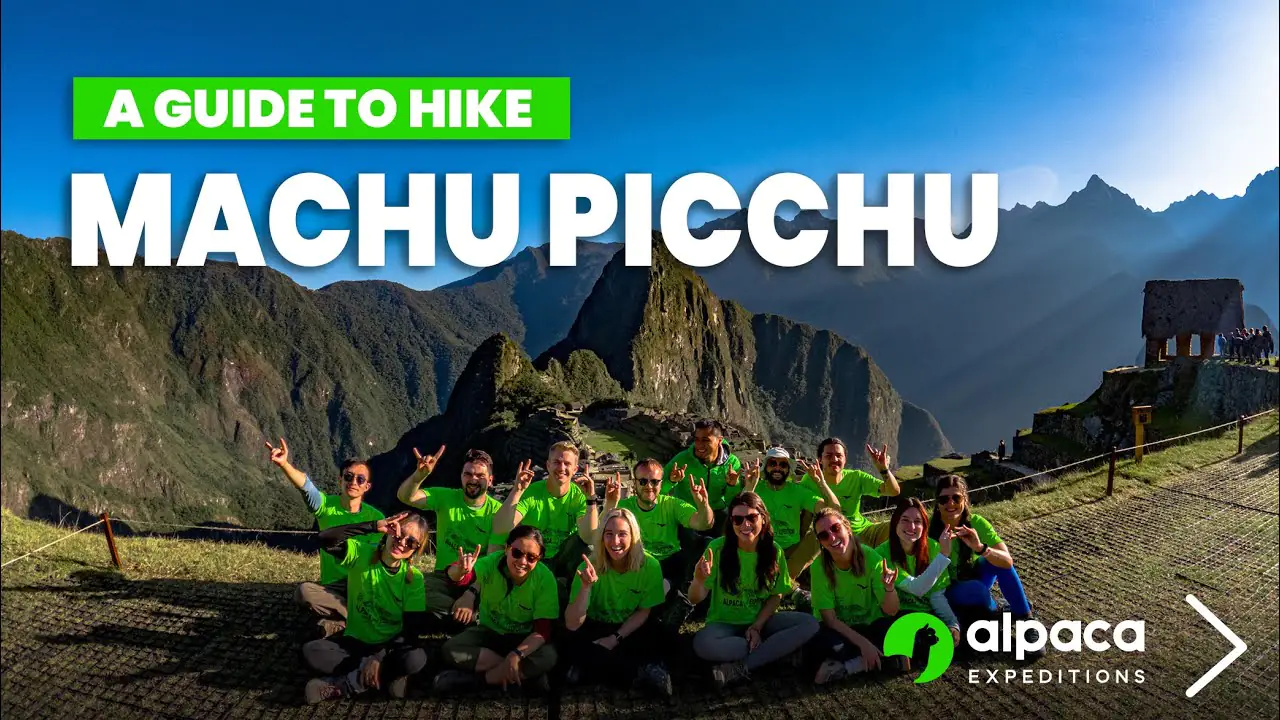
Fair treatment of porters and staff- Alpaca Expeditions advocates for porter welfare by providing fair wages, quality equipment, and access to healthcare. The company also arranges tours for porters to visit Machu Picchu themselves, recognizing that many have never seen the site they support.
Comprehensive support and logistics– From obtaining permits to arranging transportation and providing high‑quality camping gear, Alpaca Expeditions handles the details so travelers can focus on enjoying their journey. Their team monitors weather conditions, manages acclimatization schedules, and offers varied menus to suit dietary preferences.
Choosing a responsible operator enhances your experience while supporting the communities and environments that make Peru such a remarkable destination.
Frequently Asked Questions
What is the current daily visitor limit at Machu Picchu?
As of late 2025, Peru’s Ministry of Culture allows up to 4,500 visitors per day during the regular season and up to 5,600 visitors on high‑demand holidays and during the peak tourist season. The exact numbers may change each year based on technical assessments, so it is essential to check the official ticket portal or consult Alpaca Expeditions for the latest information.
Why did they raise the limit from 2,500 to more than 4,500 visitors per day?
Authorities introduced the original cap of 2,500 visitors per day to combat overtourism, but rising demand and economic considerations prompted them to explore higher quotas. By combining timed entry, designated circuits, and stricter enforcement, officials believed they could accommodate more people without overwhelming the site. Nevertheless, the increase remains controversial among conservationists.
Do the visitor limits include guides and staff?
At Machu Picchu, the visitor limits refer specifically to ticketed visitors inside the citadel. Guides must accompany visitors, but they do not count separately. However, for the Inca Trail, the 500‑person daily limit includes trekkers, guides, porters, cooks, and other support staff.
Will the new Chinchero Airport make it easier to visit Machu Picchu?
The developers expect the Chinchero International Airport to reduce travel times by offering direct flights to the Sacred Valley, bypassing Lima and Cusco. However, they are still building the project, which they plan to open around late 2027. While it may become more convenient to reach the region, travelers will still need to secure tickets to Machu Picchu, follow entry rules, and consider the same carrying capacity limits.
Could the airport increase crowding at Machu Picchu?
Possibly. Some analysts predict that easier access could lead to a significant increase in tourist numbers, potentially straining the site’s carrying capacity. Others argue that improved infrastructure might spread visitors more evenly throughout the Sacred Valley. Ultimately, how the airport affects Machu Picchu will depend on broader tourism management policies.
What happens if tickets sell out?
When we reach daily quotas, we do not sell any additional tickets for that day. Travelers who cannot secure a Machu Picchu ticket may explore other archaeological sites nearby, such as Pisac, Ollantaytambo, Moray, or Choquequirao. Booking with a trusted operator like Alpaca Expeditions can also improve your chances of obtaining permits and tickets.
How can travelers visit Machu Picchu responsibly?
Book through official channels, respect site rules, travel during off‑peak seasons, minimize waste, and engage with local communities. Choosing environmentally responsible tour operators and abiding by the designated circuits helps preserve the site for future generations.
Does Alpaca Expeditions provide customized itineraries?
Yes. Alpaca Expeditions works with travelers to design personalized itineraries based on interests, physical fitness, and travel schedules. Whether you want to trek the classic Inca Trail, try an alternative route, or combine Machu Picchu with other Peruvian highlights, the company can arrange a package that fits your needs.
Conclusion
Machu Picchu’s enchantment lies not only in its stone walls and panoramic vistas but also in the intangible connection it offers to a civilization that mastered high‑altitude living centuries ago. Preserving that magic requires careful management of visitor numbers, thoughtful infrastructure planning, and a commitment to responsible tourism.
The evolving policies around daily caps and circuits reflect an ongoing effort to balance access with preservation. The debate surrounding the Chinchero airport underscores the complexities of development in a region where cultural heritage and economic opportunity intersect.
As you plan your journey to the Inca citadel, stay informed about current ticket regulations, book early, and consider traveling during the shoulder seasons. Respect the rules designed to protect the site, support local communities, and choose tour operators who share your values. By doing so, you can help ensure that Machu Picchu remains a wonder for future generations to discover.
Ready to take the next step? Alpaca Expeditions is here to help you navigate permits, plan treks, and experience Peru with local insight and care. Contact our team today to start crafting an unforgettable adventure in the Andes.