



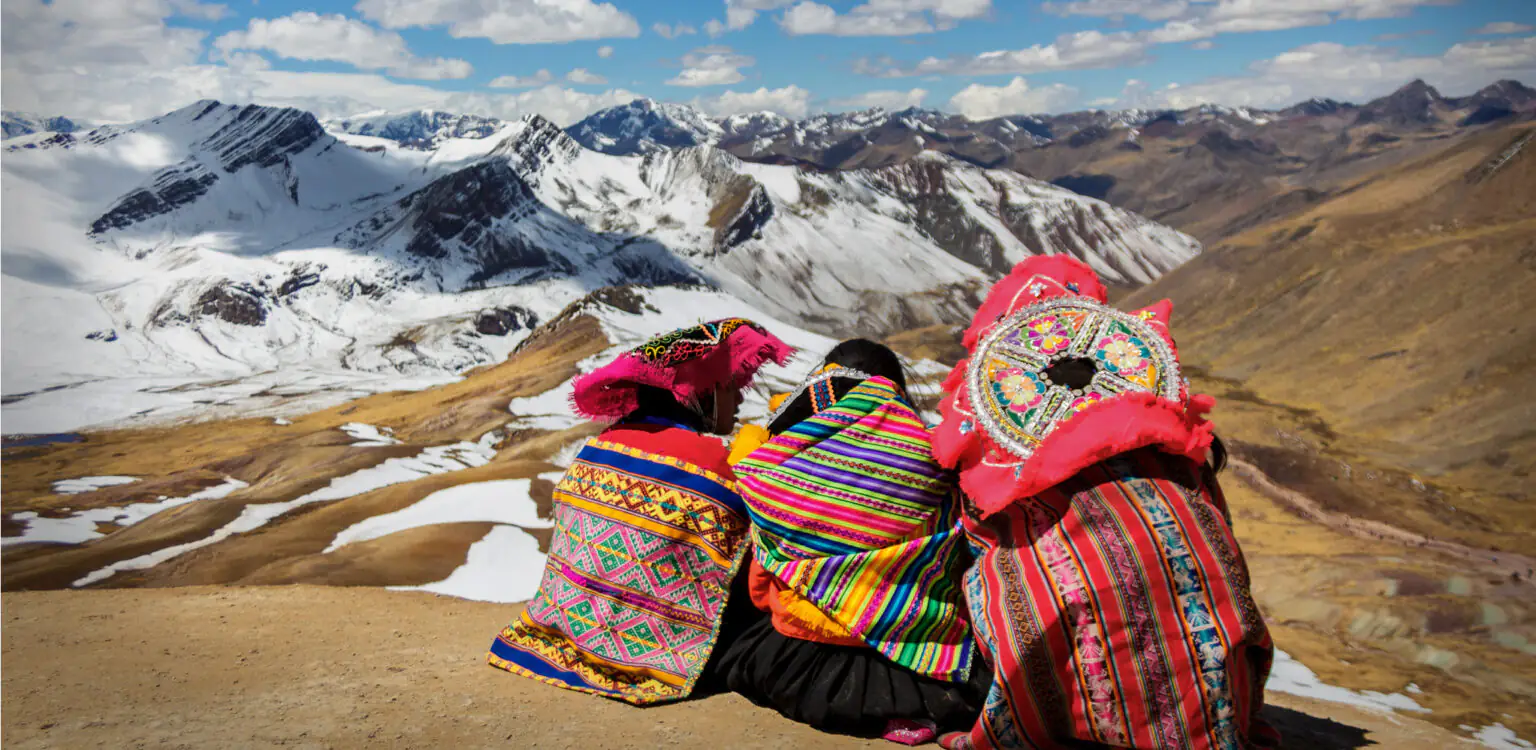
Peru is a land of contrasts. From the snow‑capped peaks of the Andes to the steamy Amazon jungle and the arid coastal deserts, few countries pack so much natural beauty and cultural heritage into such a compact area. It’s a place where modern cities sit alongside UNESCO‑listed ruins, where you can hike ancient Inca trails by day and dine in world‑class restaurants by night. With such variety, it’s no wonder Peru draws millions of visitors each year. So the questions arises how safe Is Peru for travelers? A Practical Guide for Tourists.
Yet for many would‑be travelers, the question remains: How safe is Peru? News coverage of protests, reports of petty crime, and tales of altitude sickness can leave travelers unsure of what to expect.
The truth is that Peru, like any destination, poses certain risks. Crime exists, protests flare up, and natural hazards such as earthquakes and landslides occur. But with preparation, awareness, and the right travel partner, Peru can be a safe, comfortable, and deeply rewarding destination.
This extensive guide cuts through sensational headlines to offer practical, evidence‑based advice for traveling in Peru. It synthesizes information from official government advisories, health agencies, and experienced travel operators to help you make informed decisions.
You’ll learn how to avoid common scams, which neighborhoods to stay in, how to prepare for high altitude and tropical diseases, and why picking the right tour company is essential for adventure excursions.
Throughout, we emphasize responsible and ethical travel—supporting local communities, respecting cultural heritage and minimizing environmental impact. As a premium adventure operator focused on safety and sustainability, Alpaca Expeditions serves as the gold standard for guided experiences in the Andes and beyond.
The goal of this article is not to scare you away, but to empower you to explore Peru confidently. By the end, you’ll understand the realities of traveling in Peru and how to mitigate risks, so that you can focus on what matters most: the exhilaration of standing among ancient stones, the aroma of freshly roasted Peruvian coffee, and the warmth of people proud to share their homeland.
Understanding Official Travel Advisories
A smart first step in assessing safety is to read the official travel advice issued by your home country. These advisories summarize key risks (such as crime, civil unrest, and natural hazards) and often include region-specific guidance that matters for route planning.
One important detail: advisory systems are not identical across countries, so you should not assume that a label from one government maps perfectly onto another. For example, the U.S. Department of State currently rates Peru Level 2: Exercise Increased Caution and adds “Do not travel” guidance for certain locations.
The Government of Canada currently lists Peru as Exercise a high degree of caution, with additional regional advisories (including “avoid all travel” and “avoid non-essential travel” areas).
The Foreign, Commonwealth & Development Office does not use numbered “Level 1–4” labels on its Peru page, but it does issue formal warnings where it advises against all but essential travel to specific parts of the country.
Across these advisories, several patterns are consistent:
Regional risk areas (generally far from mainstream tourist circuits)
The Peru travel advisories commonly flag a small number of remote zones where organized crime, drug trafficking, and limited state presence increase risk:
VRAEM (Valley of the Apurímac, Ene and Mantaro Rivers): The U.S. advises against travel to the VRAEM and describes it as higher risk due to crime and threats of terrorism; Canada lists the VRAEM as “avoid all travel”; and the U.K. advises against “all but essential travel” to the VRAEM.
Certain remote border zones near Colombia: The U.S. identifies the Colombia–Peru border area in Loreto as a “do not travel” area; Canada advises avoiding non-essential travel within 20 km of the Colombia border; and the U.K. advises against all but essential travel within 20 km south of the Putumayo River and the Colombia border (with specified exceptions).
Civil unrest, protests, and states of emergency
Peru can experience demonstrations and strike action that may escalate quickly and disrupt roads, rail services, and other transport. Both U.S. and Canadian advisories note that demonstrations can appear with little warning and create travel disruption (including roadblocks).
The U.K. advisory also notes protests can disrupt travel, including occasional disruption to train services in the south.
A key legal point appears in multiple advisories: foreigners are not allowed to participate in political activities such as demonstrations, and doing so can lead to detention or deportation.
Crime in major cities and tourist hubs
All three advisories highlight street crime and theft risks in major urban destinations (including Lima and Arequipa) and provide practical prevention tips. These commonly include safeguarding valuables, staying alert in crowded areas, and being careful with taxis, especially around airports and transport hubs.

Natural hazards
Peru is prone to natural hazards that can affect travel plans, including heavy seasonal rains (typically November to May), landslides in mountain/jungle areas, and seismic activity. Travel advisories recommend monitoring conditions and planning for disruption, especially in remote areas.
These advisories do not automatically mean Peru is “unsafe.” They are best read as a practical checklist: understand the higher-risk zones (which most tourists never visit), plan around protest disruption potential, and apply big-city theft prevention habits.
Crime and Personal Safety
Petty Theft and Common Scams
Like most major tourist destinations, Peru experiences opportunistic theft. Pickpocketing and bag‑snatching are common in busy hubs such as Lima, Cusco, Arequipa, and Puno. Crowded public transport, bus stations, hotel lobbies, markets, and restaurants are hot spots for such crimes.
The Canadian advisory recommends keeping personal belongings, passports, and cash in secure places, avoiding displays of wealth, and never leaving bags unattended. Pickpockets often work in teams using distraction techniques; one person might spill a drink or ask for directions while an accomplice steals your belongings. Other ruses include fake accidents, food spills, friendly locals offering to take photos, or individuals posing as police officers.
Practical tips to avoid petty theft:
- Keep valuables hidden. Use a money belt or neck pouch under your clothes. Carry only the cash you need for the day and leave the rest in a hotel safe. Keep your passport securely on you rather than in your backpack; on bus journeys, keep it with you rather than in overhead storage.
- Stay alert in crowds. At markets, festivals and bus terminals, keep backpacks zipped and wear bags across your body. Remain extra vigilant when taking photos or using your phone, as thieves may snatch devices, especially near roadways. Motorbike riders can grab phones through open car windows—so keep windows closed when using your phone in taxis.
- Beware of distraction scams. If someone spills something on you or engages you in conversation while another person lurks nearby, safeguard your belongings and politely but firmly decline assistance.
- Use caution with ATMs. Withdraw money inside banks, hotels or shopping centres during daylight hours. Cover the keypad when entering your PIN and watch for card skimmers. Be aware that counterfeit banknotes circulate in both Peruvian soles and U.S. dollars; avoid street money changers.
Violent Crime and Express Kidnappings
While most visitors never encounter violent crime, incidents of robbery, carjacking, and express kidnapping do occur in Peru. In 2025, the Canadian advisory noted an increase in violent crime in Lima. The advisory lists armed robberies, assaults, carjackings, and kidnappings among incidents that have occurred. The FCDO points out that robberies at gunpoint have happened in tourist areas of Lima, such as Miraflores and Barranco. Criminals often target cars at traffic lights and may snatch phones or bags through open windows.
Express kidnappings—short‑term abductions where victims are forced to withdraw money from ATMs—typically involve criminals posing as taxi drivers or working with taxi drivers. Victims are usually released unharmed after handing over cash, but the experience can be traumatic. Fake kidnappings also occur; criminals steal a phone, then call family members and demand ransom.
To minimize the risk of violent crime:
- Avoid high‑risk areas. Do not travel to the VRAEM region or within 20 km of the Colombian border. In cities, avoid poorly lit or deserted areas at night and stick to well‑lit, populated neighborhoods such as Miraflores, Barranco and San Isidro in Lima.
- Use licensed transport. Always arrange taxis through reputable app‑based services or official taxi desks at airports and bus terminals. Do not hail taxis on the street; criminals have posed as taxi drivers to rob and kidnap passengers. Ask your hotel or tour operator to recommend a trusted driver.
- Do not resist robbery. If confronted by an armed thief, hand over cash and valuables without resistance. Physical harm is rare when victims comply; resistance increases the risk of injury.
- Stay connected. Share your itinerary with someone at home and check in regularly. Keep your phone charged and password-protected. Consider carrying a small amount of emergency cash separate from your main wallet.
Sexual Assault and Safety for Women Travelers
Personal attacks, including sexual assault, are infrequent but do happen, particularly in Cusco and Arequipa. Some unscrupulous tour operators have targeted female travelers. Incidents are relatively rare compared with petty theft, but women travelers should remain cautious:
- Stay in reputable accommodations with good reviews and secure locks. Look for places with 24‑hour reception and safe transport options. Avoid accepting accommodation offers from strangers.
- Plan nights out carefully. Buy your own drinks and keep them in sight. Avoid walking alone at night and use trusted taxis or rideshare apps to return to your hotel.
- Monitor interactions. Be wary of overly friendly strangers who offer tours, drinks or transportation. Trust your instincts; if something feels off, remove yourself from the situation.
- Report incidents immediately. If you experience assault or harassment, contact the local police and your embassy as soon as possible. Medical examinations are part of the investigation process. Reputable tour operators such as Alpaca Expeditions have on‑call staff and support resources for guests.
Drug Safety, Alcohol and “Spiritual Cleansing” Ceremonies
Peru’s drug laws are strict. The FCDO and Canadian advisories warn that possession or trafficking of illegal drugs carries lengthy prison sentences. Never accept packages or luggage from strangers and pack your own bags to avoid being used as a courier. The export of coca leaves and coca tea is illegal; though coca tea is common at altitude, do not carry it home.
Another concern is the rise of “spiritual cleansing” ceremonies, such as ayahuasca or San Pedro rituals, offered to travelers in the Amazon and Andean regions. These ceremonies involve drinking brews containing hallucinogenic substances like DMT.
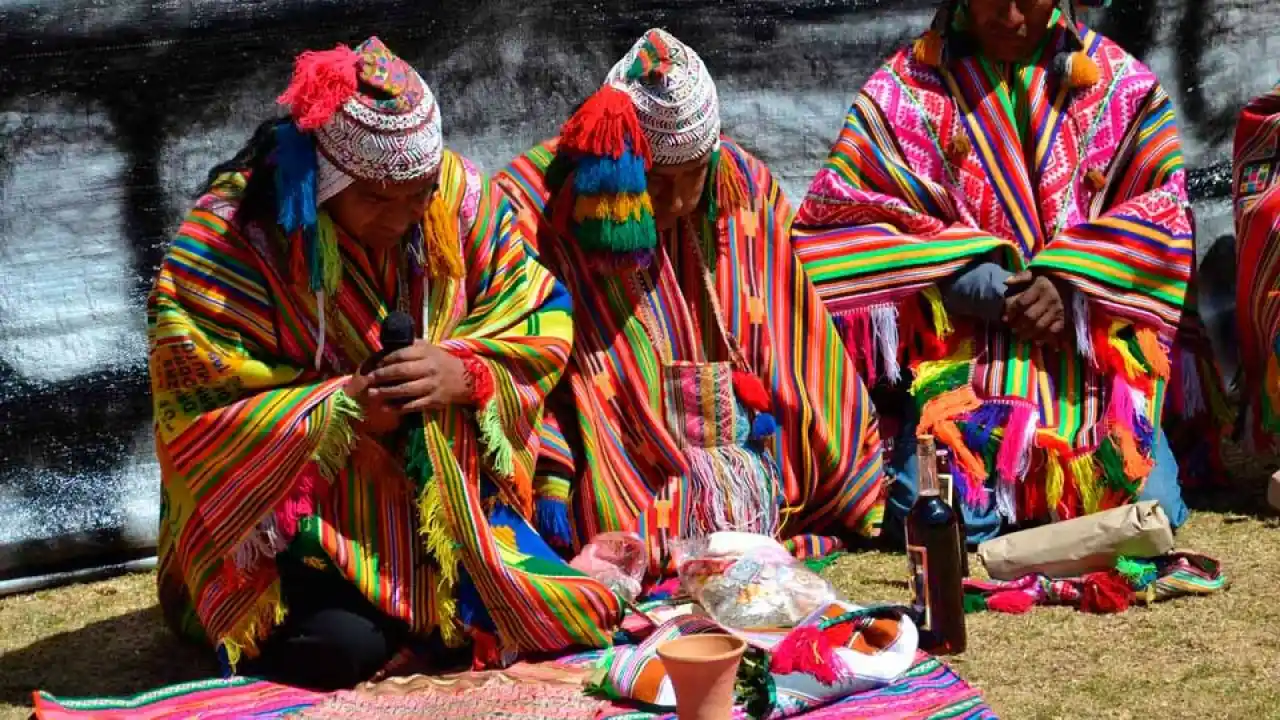
The FCDO warns that these ceremonies are unregulated; several travelers have died or become seriously ill after participating. Sexual assaults have also been reported at remote retreat centres. Participating in such ceremonies can put you far from medical help and may violate local laws.
Transportation Safety
Taxis and Ride‑Sharing
Getting around safely begins with choosing the right transportation. Fake taxi drivers pose one of the greatest risks to tourists. Criminals posing as drivers have robbed travelers at gunpoint or forced them to empty ATMs. To stay safe:
- Use app‑based services (such as Uber) or telephone‑dispatched taxis, which record the driver’s information and route. The FCDO advises travelers not to hail cabs on the street.
- At airports and bus terminals, use one of the official taxi companies operating from desks just outside the baggage hall or within the terminal.
- In Lima, Cusco, and other cities, ask your hotel or restaurant to call a trusted taxi. In some smaller towns, ride‑sharing may not be available; in these cases, look for registered taxis with visible company branding and taxi ID numbers and agree on the fare before the trip.
- Avoid open windows while using your phone in a vehicle; thieves on motorcycles can snatch phones through windows.
Buses and Long‑Distance Travel
Peru’s extensive bus network offers an affordable way to travel between regions. However, bus safety varies significantly by company. Bus crashes are common, particularly at night and on mountain roads. The FCDO recommends using reputable companies and avoiding overnight travel where possible. Opt for well‑known companies such as Cruz del Sur or Oltursa, which are known for better safety records. When traveling by bus:
- Choose daytime buses to reduce risks associated with poor visibility and driver fatigue.
- Keep personal items close and store luggage in monitored compartments.
- Book seats on the lower level of double‑decker buses, which may be safer on winding mountain roads.
Trains and Planes
Train travel in Peru—particularly to Machu Picchu via PeruRail or Inca Rail—is generally safe and scenic. Always arrive early at stations, keep your belongings in sight, and follow staff instructions. Domestic flights operated by reputable airlines are considered safe; however, flight schedules can be disrupted by weather or strikes. Plan buffer days around important connections.
Driving in Peru
If you plan to rent a car, be aware that driving standards in Peru are poor. Drivers often ignore traffic signals, and fatalities on the road are frequent. Road conditions vary, and remote areas may have narrow, winding roads with steep drops. Always drive defensively, obey speed limits, and avoid night driving. Never attempt to cross blockades during protests. To rent a car, you’ll need a valid licence—UK visitors can drive for up to six months with a photocard licence. Always carry your passport or immigration ID when driving.
Safety in Peru’s Main Destinations
Lima
Peru’s capital is often the first stop for visitors. Lima combines colonial architecture, modern skyscrapers, and world‑class dining, but it also has pockets of poverty and crime. Stick to well‑touristed districts such as Miraflores, Barranco, and San Isidro for accommodation and dining; these neighborhoods host most luxury hotels and restaurants and maintain a visible police presence.
Avoid districts with higher crime rates—such as Callao, La Victoria, and San Juan de Lurigancho—especially after dark. Even in safe districts, practice the petty crime avoidance tips mentioned earlier.
When exploring Lima:
- Secure your bag and avoid using your phone while walking along the street.
- Use official taxi services when moving between neighborhoods.
- Beware of traffic. Crossing streets can be challenging; drivers may ignore pedestrian crossings.
- Enjoy culinary experiences in Miraflores or Barranco. Lima’s restaurants often rank among the best in the world; just remember to keep valuables secure when dining outdoors.
Cusco and the Sacred Valley
Cusco, once the capital of the Inca Empire, is the gateway to the Sacred Valley and Machu Picchu. Its steep cobblestone streets and colonial plazas teem with visitors and vendors. Petty theft is the main risk, so keep valuables secured, use reputable taxis or ride‑sharing apps, and avoid walking alone at night.
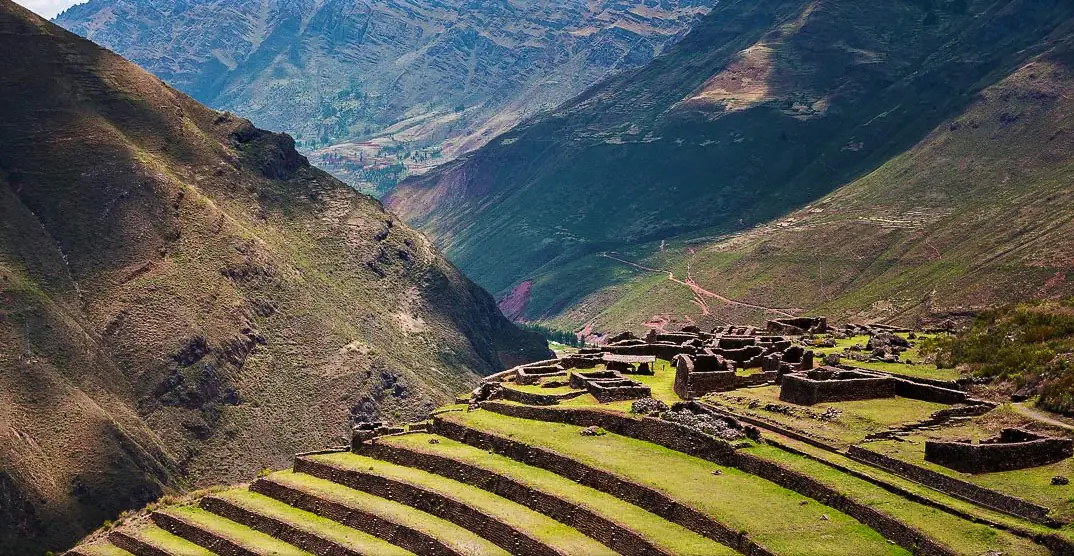
Pickpockets may target tourists distracted by the narrow streets and breathtaking architecture. Use ATMs inside banks or hotels.
Cusco sits at 3,400 m (11,155 ft) above sea level. Travelers should acclimate for at least two days before strenuous activities. Symptoms of high‑altitude illness include headaches, nausea, and dizziness; see the health section below for prevention tips. Drink plenty of water and avoid alcohol until you’ve acclimated.
Machu Picchu and the Inca Trail
The lost citadel of Machu Picchu is one of the world’s most popular heritage sites, and it is considered extremely safe. The main risks are altitude, steep steps, and weather. Bring adequate water, sturdy hiking shoes with good grip, sunscreen, and a hat. Stay on marked trails; straying off the path can lead to injuries.
Access to the citadel is strictly controlled; entry tickets are limited and must be purchased in advance. Travel with a guide if you want a deeper historical context or are not comfortable navigating on your own.
The Inca Trail is a multi‑day trek through high mountain passes and can be challenging. Altitude sickness is a risk, so acclimatise in Cusco first and hike with an authorised tour company. Licensed operators provide professional guides, porters, and emergency support; it is mandatory to trek with a company that holds permits.
Express kidnappings are rare on the trail, but pickpockets may operate at crowded checkpoints. Assaults have occurred along the Inca Trail and in the Cordillera Blanca, so hiking in groups and with licensed guides is recommended.
Arequipa
Peru’s “White City” is known for its elegant architecture and access to Colca Canyon. Arequipa is generally safe, but visitors should keep their valuables secure and avoid walking alone at night. Stick to the historic centre or the Yanahuara district, which have better security and tourist services. Some districts, such as parts of Socabaya and La Pampill,a have higher crime rates at night.
Amazon Regions: Iquitos and Puerto Maldonado
The Peruvian Amazon offers unforgettable wildlife encounters but presents unique challenges. In Iquitos, the largest city in the rainforest, use reputable taxi services or ride‑sharing apps and avoid walking alone at night. Ensure you have the necessary vaccinations (yellow fever and hepatitis A/B) and carry insect repellent, as mosquito‑borne diseases such as dengue and Zika are present.
Be cautious when eating street food; many travellers board Amazon cruises where food safety is easier to manage. Engage with local guides for city tours and excursions.
In Puerto Maldonado, the gateway to Tambopata National Reserve, follow guides’ instructions to minimize risks associated with wildlife encounters. Avoid wandering alone at night and stay with organised tours for nighttime activities. Drink plenty of water and ensure food hygiene to prevent gastrointestinal issues.
Other Regions and Off‑the‑Beaten‑Path Destinations
Peru has many other appealing destinations, from the dazzling white peaks of the Cordillera Blanca to the desert oases of Ica. When exploring remote areas, consider these additional tips:
- Huaraz and the Cordillera Blanca: Popular with climbers and trekkers, this region contains Peru’s highest peaks. However, serious accidents have occurred. Rescue operations are challenging because helicopters often cannot reach remote trails. Always inform iPeru or local authorities before trekking and carry appropriate gear. Hire licensed guides and avoid hiking alone.
- Ica and Huacachina: Sand‑boarding and dune buggy rides around Ica and Huacachina are thrilling, but accidents have occurred. These buggies are unregulated, and drivers may not prioritise passenger safety. Choose companies with strong safety records, wear seatbelts, and avoid rides where helmets are not provided.
- Surfing: Peru has world‑class surf breaks. However, unauthorized surfboard rentals operate on beaches in Miraflores, and lifeguards may not be present. Rent boards from reputable shops and surf with others.
- Adventure parks: Activities like ziplining, paragliding, and bungee jumping should only be done with licensed operators that meet safety standards. Ask about emergency procedures and equipment checks.
Health and Wellness
Vaccinations and Preventive Medication
Health risks vary between Peru’s coast, highlands, and rainforest. The Centers for Disease Control and Prevention (CDC) recommends that travelers be up‑to‑date on routine vaccines (MMR, tetanus, flu, and COVID‑19) and get vaccinated for Hepatitis A (transmitted through contaminated food and water) and Hepatitis B (transmitted through blood and body fluids).
Typhoid vaccination is recommended for travelers to rural areas or small cities. The yellow fever vaccine is recommended or required for travel to jungle regions below 2,300 m—such as Amazonas, Loreto, Madre de Dios, and San Martín—but is not necessary for Lima, Cusco, or other highland tourist areas.
If you plan to visit the Amazon or lowland jungle, ask your doctor about malaria prophylaxis. Malaria is present below 2,500 m east of the Andes. There is no vaccine for dengue or Zika, so preventing mosquito bites is critical. Wear long sleeves and pants, use insect repellent containing DEET or Picaridin, sleep in screened rooms or under bed nets, and treat clothing with permethrin. Avoid swimming in freshwater to prevent leptospirosis.
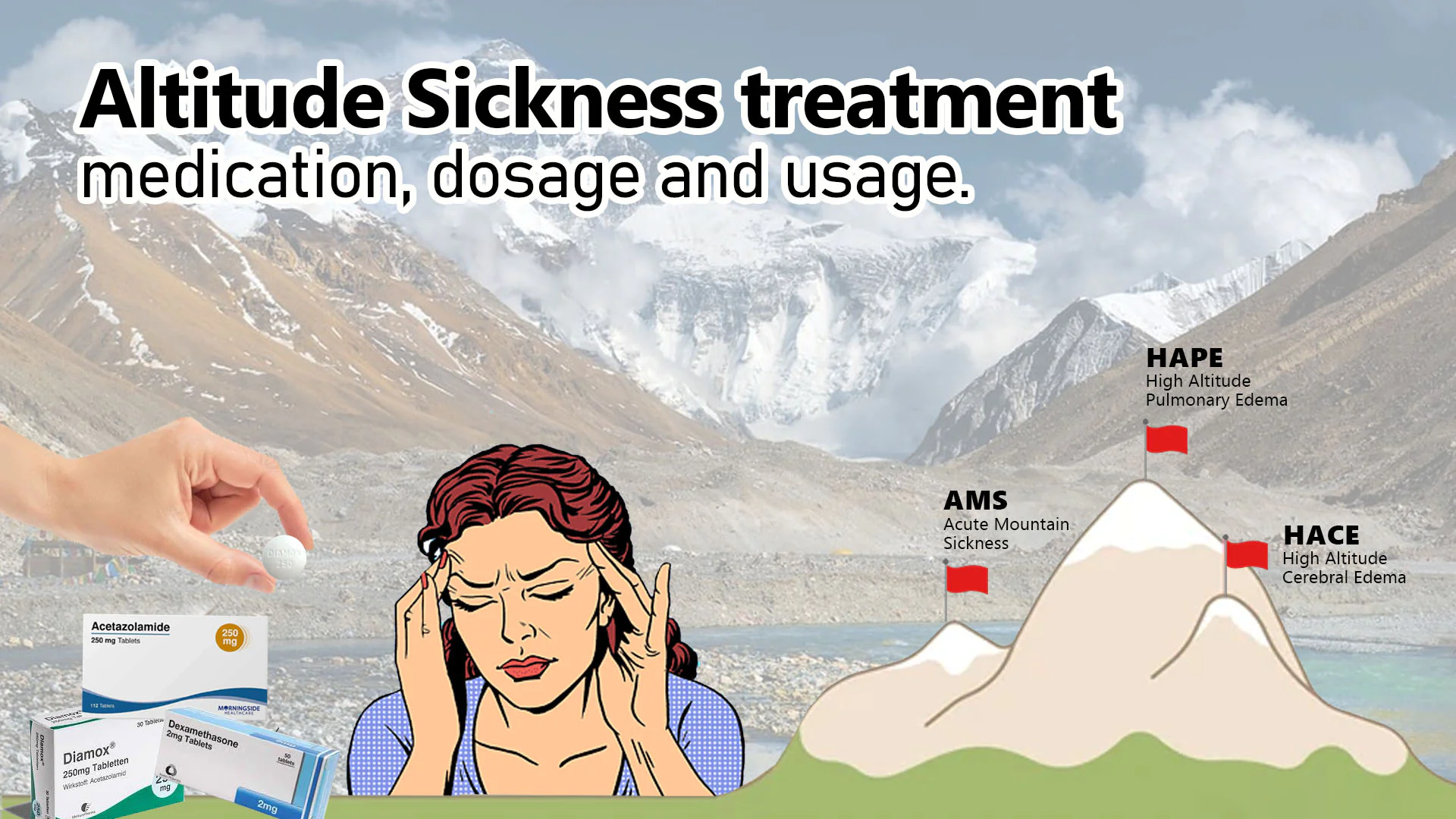
Altitude Sickness
Many of Peru’s top attractions are at high elevations. According to the Canadian advisory, you’re at risk of high‑altitude illness when traveling to areas 2,500 m (8,200 ft) or more, including Ayacucho, Cusco, Huaraz, Puno, Lake Titicaca and Colca Canyon. Rapid ascent, strenuous exercise or alcohol consumption increase risk. High‑altitude illness can be life‑threatening and may require evacuation. To prevent and manage altitude sickness:
- Ascend gradually. If possible, arrive via lower altitude cities (e.g., spend a day in the Sacred Valley before Cusco) or schedule a rest day upon arrival. Avoid running or heavy exercise until acclimatised.
- Stay hydrated. Drink plenty of water and avoid excessive alcohol and caffeine. Coca tea is commonly offered to help with altitude, but note that carrying coca leaves or tea outside Peru is illegal.
- Consider prophylactic medication. Consult a doctor about medicines such as acetazolamide (Diamox) before your trip. Ibuprofen may help relieve headaches.
- Know the symptoms. Mild symptoms include headache, nausea, fatigue and dizziness. If symptoms worsen or you develop shortness of breath, descend to a lower altitude and seek medical attention.
Food and Water Safety
Peruvian cuisine is a highlight of any visit, but tap water and some street food can expose you to gastrointestinal illnesses. To stay healthy:
- Drink only bottled or treated water. Check that the seal on bottled water is intact. Avoid ice unless you know it is made from purified water.
- Choose hot, cooked foods and avoid raw or undercooked dishes, especially salads and unpeeled fruit. Peru’s signature dish, ceviche, uses citrus juice to “cook” fish; if you have a weak stomach, choose ceviche from reputable restaurants.
- Wash hands often with soap and water; use an alcohol‑based sanitizer when water is not available.
- Pack a travel health kit with basic medicines, rehydration salts and anti‑diarrheal tablets; high‑quality hospitals may be far away from rural areas, and medical evacuation can be costly.
Mosquito‑Borne and Other Diseases
Besides malaria and dengue, travellers should be aware of leishmaniasis, chikungunya and yellow fever in the Amazon. Vaccination and mosquito bite prevention are the primary defences. Avoid freshwater swimming to prevent leptospirosis, and avoid wading through floodwaters during the rainy season to reduce the risk of infections like leptospirosis and melioidosis.
Laws, Culture and Responsible Travel
Carrying Identification and Respecting Local Laws
Peruvian authorities may ask to see identification at any time, and failure to show ID could result in detention. Carry your passport or a photocopy of it with you. It is illegal to photograph anything of a military nature; violators can face prison sentences. Penalties for drug possession and trafficking are severe; never accept packages from strangers and monitor your luggage at all times.
Peru strictly prohibits exporting antiques, artefacts from pre‑colonial civilizations, protected species, and coca products. Only purchase reproductions from reputable dealers and obtain documentation from Peru’s National Institute of Culture. At archaeological sites like Machu Picchu, behave discreetly, respect religious and cultural traditions, and follow established rules. Disrespectful behaviour can lead to fines and expulsion.
Social Attitudes and the LGBT+ Community
Same‑sex sexual activity is legal in Peru, but social attitudes remain conservative. Hate crime legislation does not include crimes against LGBT+ people, and public displays of affection by same‑sex couples may attract unwanted attention. LGBT+ travellers should exercise discretion and research LGBT‑friendly accommodations and venues. Peru’s queer scene is growing, particularly in Lima and Cusco, but resources are limited outside major cities.
Religious Festivals and Local Customs
Peruvian society is deeply religious, and Catholicism blends with indigenous traditions. During festivals—such as Inti Raymi in Cusco or Semana Santa across the country—respect locals’ space and avoid interrupting ceremonies. Dress modestly when visiting churches and monasteries. In rural Andean communities, ask before taking photos and seek permission to enter sacred sites.
Supporting Ethical and Sustainable Tourism
Responsible travel in Peru means minimising your impact on the environment and maximising positive contributions to communities. Here are ways to make your trip more sustainable:
- Choose reputable operators. Select companies like Alpaca Expeditions that pay fair wages, provide proper equipment for porters and guides, and adhere to environmental regulations. Avoid operators that exploit staff or ignore safety procedures.
- Stay on designated trails and respect archaeological sites. Straying off paths can damage fragile ecosystems and disturb wildlife. Refrain from touching ruins or removing stones as souvenirs.
- Pack out your waste and use refillable water bottles. Many trekking companies provide water purification systems and encourage zero‑waste practices.
- Support local economies. Purchase crafts from artisans, dine at locally owned restaurants and stay in locally run lodges or boutique hotels. Avoid buying endangered animal products or illegally harvested plants.
- Learn basic Spanish. Even a few words of greeting and thanks show respect and foster more meaningful interactions.
Adventure Activities: Staying Safe while Exploring
Peru is a playground for adventure seekers. Trekking to mountain passes, rafting down jungle rivers, and flying over desert lines all carry inherent risks. Follow these guidelines to ensure your adventure is memorable for the right reasons:
Trekking and Mountaineering
The Andes offer world‑class trekking, but altitude, weather, and terrain demand respect. Always trek with licensed guides; they know local conditions and can arrange emergency evacuations. Inform iPeru in Huaraz before attempting climbs in the Cordillera Blanca.
Bring appropriate gear, including layers for cold temperatures, rain protection, and proper footwear. Stick to established routes and never hike alone; assaults have occurred along the Inca Trail and in the Cordillera Blanca.
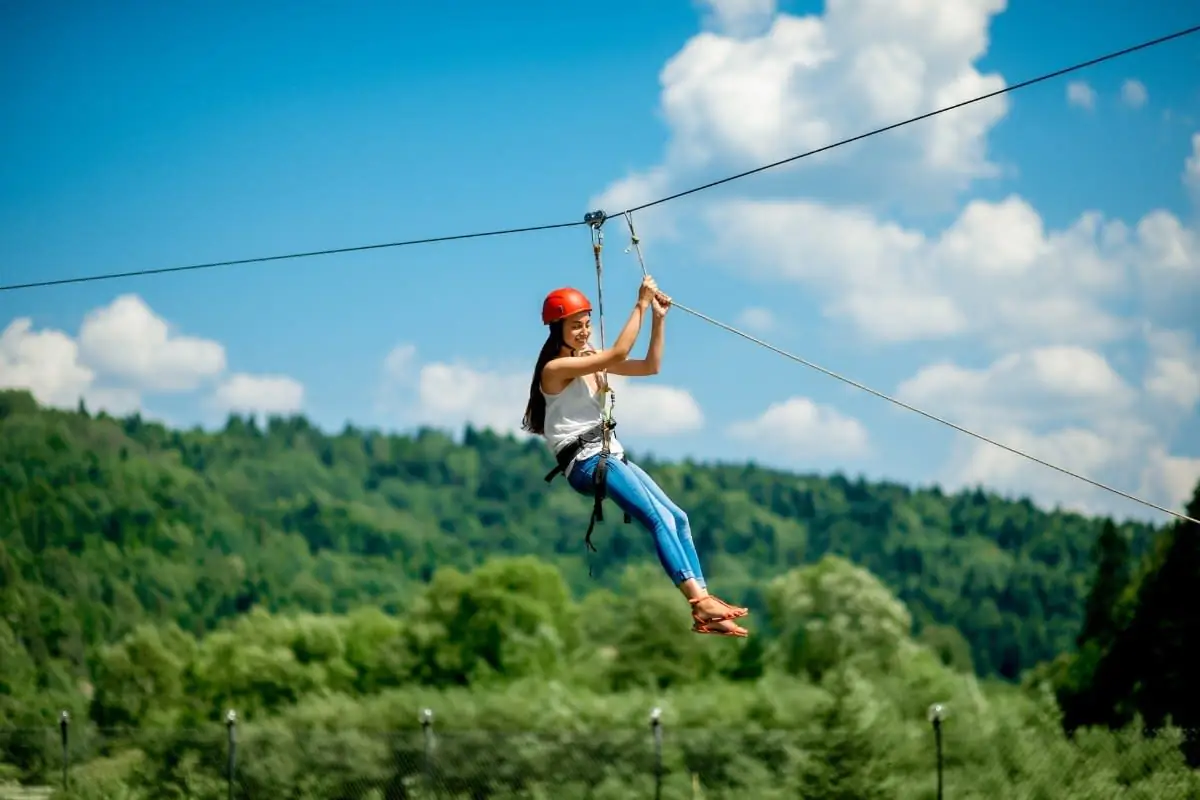
Ziplining, Paragliding and Bungee Jumping
Unregulated tour services exist in Peru, particularly for canopy tours, ziplines, bungee jumping, paragliding, kayaking, and surfing. The FCDO advises verifying that agencies hold proper licences and adhere to safety standards.
Ask operators about equipment maintenance, instructor certification, and emergency procedures. Choose companies recommended by reputable tour operators or the iPeru information service.
Sand Buggies and Dune Boarding
Riding sand buggies around the dunes of Ica and Huacachina is a highlight for many travellers. But accidents, some fatal, have occurred because these buggies are unregulated and drivers bear no responsibility for passenger welfare. When booking, check if the operator is licensed, ask for seatbelts and helmets and ensure that the vehicle is well maintained.
Surfing and Watersports
Peru’s coastline features legendary surf breaks like Punta Hermosa and Máncora. Surfing is generally safe, but unlicensed surfboard rentals operate in places like Miraflores, and beaches may lack lifeguards.
Rent boards from reputable surf shops, surf with a buddy, and pay attention to local conditions and currents. For kayaking and rafting, choose companies with experienced guides and safety equipment, and verify their licence through iPeru.
Jungle Excursions and River Cruises
Exploring the Amazon requires preparation. Jungle lodges and river cruises are usually safe when organised through reputable companies. Ensure your guide is licensed and familiar with the region. Wear long sleeves and pants to protect against insects and plants, and use insect repellent to prevent mosquito‑borne diseases.
Avoid walking alone at night in jungle towns like Iquitos and Puerto Maldonado. On river cruises, follow the crew’s safety briefings and remain inside the boat or designated walkways during wildlife spotting. Spiritual cleansing ceremonies are particularly risky and should be avoided.
Preparing for Natural Hazards
Rainy Season, Floods and Landslides
Peru’s rainy season runs from November through May, bringing heavy rainfall and snow to the Andes and Amazon. These conditions can disrupt travel services, cut off road access and delay flights. Landslides and mudslides are common along mountain and jungle roads, including routes to Machu Picchu, the Salkantay Trail, and Manu National Park.
Before starting treks or long bus journeys, check the latest conditions with your tour operator, monitor local media, and contact iPeru for updates. During the rainy season, travel with extra food, water, cash, and warm clothing.
Earthquakes, Volcanoes, and Tsunamis
Peru sits on the Pacific “Ring of Fire” and experiences frequent tremors. The FCDO advises travellers to follow local authorities’ instructions before, during, and after earthquakes. Familiarise yourself with earthquake safety procedures: drop to the ground, take cover under sturdy furniture, and hold on.
Peru’s most active volcano, Ubinas, has emitted gas and ash in recent years, leading to evacuations. If visiting volcanoes, heed warnings and stay away from restricted areas. Tsunamis are rare but can occur following offshore earthquakes. Higher tides also occur during the year; monitor advisories from the Peruvian Directorate of Hydrography and Navigation.
Wildfires and El Niño Phenomenon
Peru’s dry season (June – October) brings wildfires, especially in the jungle. Climate change and El Niño cause extreme weather: droughts, floods and increased temperatures. Be aware of local fire bans and avoid activities that could start fires. Stay informed about weather patterns and plan for flexibility in your itinerary.
Safety Tips for Women, Solo and LGBTQ+ Travelers
Peru welcomes travelers of all genders, but women, solo travelers and members of the LGBTQ+ community face unique challenges.
Women Travelers
Most women travel through Peru without incident. To enhance your safety:
- Choose accommodations wisely—opt for hotels or hostels with strong security and good reviews. Many boutique hotels in Miraflores, Barranco and Cusco cater to solo female travelers.
- Avoid isolated areas at night and travel with a companion whenever possible. Use rideshare apps or pre‑arranged taxis to return after dark.
- Watch your drinks and don’t accept beverages or food from strangers.
- Dress respectfully in rural and traditional communities, covering shoulders and knees to blend in and avoid unwanted attention.
Solo Travelers
Solo travel in Peru is rewarding but requires greater situational awareness. Share your itinerary with a friend or family member, schedule regular check‑ins, and register with your embassy before departure. Carry both digital and physical copies of important documents (passport, visa, insurance) and store them separately. Join group tours for activities such as trekking and Amazon excursions to meet other travellers and enhance safety.
LGBTQ+ Travelers
Peru’s legal framework allows same‑sex relationships but social attitudes can be conservative. Open displays of affection between same‑sex partners may attract negative attention, especially outside major cities.
Choose accommodations known to be LGBT‑friendly and research nightlife options in advance. Lima and Cusco have small but growing queer scenes; look for bars and cafes popular with locals. Use discretion when discussing your orientation in rural areas, and avoid confrontational situations.
Packing, Money, and Administrative Essentials
Packing for Safety and Comfort
- Documents: Bring your passport (and a photocopy stored separately), travel insurance papers, vaccination certificates and emergency contacts. Keep digital copies in secure cloud storage. For expert advice on setting up a travel VPN to protect these documents on public hotel and airport Wi-Fi, trusted cybersecurity expertise can help travelers stay secure online.
- Money: Carry a combination of cash and credit/debit cards. Use ATMs inside banks or hotels to avoid skimming. Keep small amounts of cash for daily purchases and stash emergency cash separately.
- Health kit: Include prescription medicines, altitude sickness medications (if recommended by your doctor), insect repellent with DEET, sunscreen, hand sanitiser, rehydration salts and basic first‑aid items.
- Clothing: Pack layers for varying climates, waterproof gear for the rainy season and proper footwear for hiking. A wide‑brimmed hat and sunglasses protect against high‑altitude sun.
- Safety gear: Use luggage locks, RFID‑blocking wallets and a cable lock for securing bags in hotel rooms or buses.
Money and Banking
El Perú usa el nuevo sol (PEN). Credit cards are widely accepted in hotels and upscale restaurants, but some smaller businesses prefer cash. Decline offers from street money changers to avoid counterfeit currency. When using cards, cover the keypad when entering your PIN and regularly monitor statements for fraudulent charges.
Travel Insurance and Emergency Services
Comprehensive travel insurance is essential for Peru. It should cover medical evacuation, hospitalization, adventure activities, trip cancellations, and theft. The UK’s FCDO notes that help from local authorities may be limited during protests or natural disasters. Private hospitals in Lima and other major cities offer better care but require proof of insurance or cash payment.
Always carry proof of insurance, and call your provider before seeking treatment. For emergencies, dial 911 in Lima and other major cities; outside metropolitan areas, emergency services may be slower to respond.
Responsible and Ethical Adventure with Alpaca Expeditions
Choosing a reliable tour operator can make the difference between a stressful trip and a seamless, safe adventure. Alpaca Expeditions is a premium adventure company dedicated to ethical tourism, environmental stewardship and traveller safety. The company offers small‑group trekking, cultural tours and luxury experiences across Peru’s highlands and rainforest. Here’s why traveling with Alpaca Expeditions maximizes safety:
- Licensed guides and staff training: Alpaca Expeditions hires local guides who are licensed, certified in first aid and trained in emergency response. The company provides continuous professional development and ensures all staff adhere to strict safety protocols.
- Porter welfare: Ethical treatment of porters is fundamental. Alpaca Expeditions pays fair wages, provides high‑quality gear and enforces weight limits to prevent exploitation. Happy, healthy porters enhance the overall safety of treks.
- Quality equipment: From sleeping tents to climbing harnesses, equipment is regularly inspected and replaced. On high‑altitude treks, portable oxygen tanks and satellite phones are available, and all guides are trained to recognize altitude‑related illnesses.
- Sustainable practices: The company follows “leave no trace” principles, carries out waste from campsites and participates in local conservation projects. Clients are educated about protecting archaeological sites and respecting indigenous traditions.
- Community support: Alpaca Expeditions invests in local communities through school programmes, porter training scholarships and economic development initiatives. When you travel with them, your tourism dollars directly benefit the people who make your experience possible.
Frequently Asked Questions (FAQ)
Is Peru safe to visit in 2026? Yes. Peru welcomes millions of visitors each year, and most travel without incident. By avoiding high‑risk regions like the VRAEM and border areas, using licensed transport, remaining aware of your surroundings and following travel advisories, you can explore safely.
Which areas in Peru should I avoid? Avoid the VRAEM region and areas within 20 km south of the Peru–Colombia border due to organized crime and drug trafficking. In cities, steer clear of high‑crime districts (Callao, La Victoria, San Juan de Lurigancho in Lima) after dark and avoid deserted areas.
Do I need a guide in Peru? While it’s possible to explore major cities independently, guides add safety and cultural insight, especially for treks and remote regions. The Inca Trail requires traveling with a licensed operator【204104013450313†L655-L657】. Guides also help navigate language barriers and local customs.
Is Machu Picchu safe? Yes. Machu Picchu and the Inca Trail are well‑managed, and violent crime is extremely rare. The main challenges are altitude, steep steps and weather. Acclimatize in Cusco and bring appropriate gear.
How can I avoid altitude sickness? Ascend gradually, stay hydrated, avoid alcohol and consult your doctor about medications. Know the symptoms of altitude sickness and descend to a lower altitude if they worsen.
What vaccinations do I need? Hepatitis A and B, typhoid, and yellow fever (for jungle areas) are commonly recommended. Discuss malaria prophylaxis if visiting the Amazon. Ensure you’re up‑to‑date on routine vaccines.
Are taxis safe? Use app‑based or telephone‑dispatched services, official airport taxis, and taxis arranged by your hotel. Do not hail taxis from the street, as fake drivers are a common cause of robberies and express kidnappings.
What should I do if there is a protest? Avoid the area, monitor local media, follow police instructions, and allow extra time for travel. Do not participate in protests; foreigners can be detained or deported.
Is Peru safe for female or LGBTQ+ travelers? Yes, with precautions. Women should avoid walking alone at night, watch their drinks, and stay in reputable lodgings. Same‑sex activity is legal, but social attitudes are conservative; public displays of affection may attract unwanted attention.
Do I need travel insurance? Absolutely. Insurance should cover medical evacuation, hospitalisation, theft, and adventure activities. Private hospitals require proof of payment, and evacuations from remote areas can be costly.
Conclusion
Peru is a tapestry of ancient civilizations, dramatic landscapes and welcoming people. With its alluring mix of adventure, culture and gastronomy, it’s no surprise that millions of travelers flock here each year. Safety concerns should not deter you; rather, they should inspire thoughtful preparation.
By understanding official advisories, choosing safe transportation, respecting local customs, staying healthy and traveling with reputable operators, you can greatly reduce risks and enjoy Peru’s wonders with confidence.
In the end, safety is as much about mindset as it is about circumstances. Keep your senses sharp, trust your instincts and approach the journey with respect and openness. Let the roar of waterfalls in the Sacred Valley, the mist rising over Machu Picchu at dawn and the laughter of local market vendors be the sounds that define your trip.
Alpaca Expeditions stands ready to guide you through this extraordinary country, ensuring that your experience is not only unforgettable but also safe, ethical and enriching. With the right preparation and the right partner, the only risk is falling in love with Peru and planning your next return.