



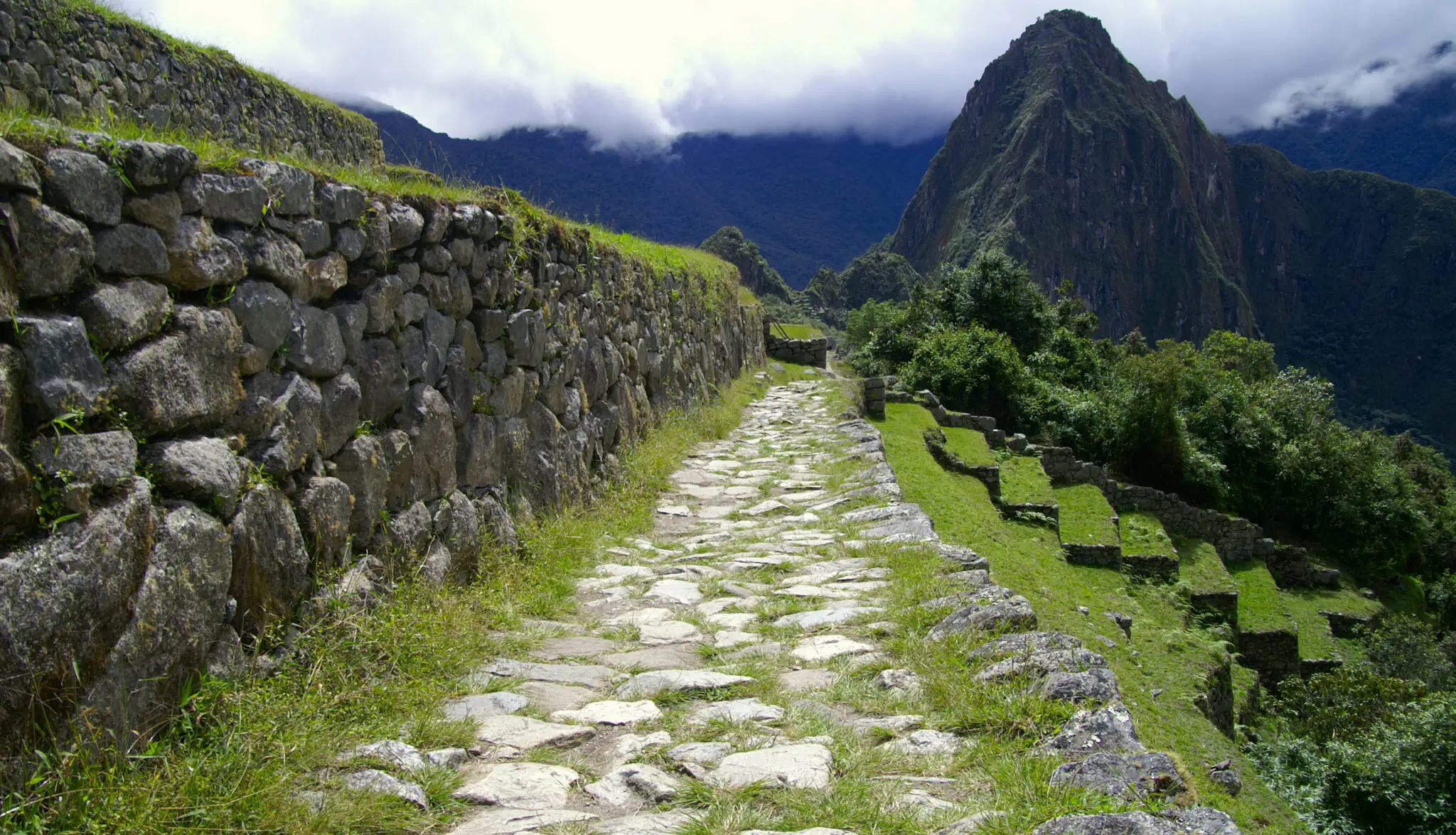
The Qhapaq Ñan, or Incas Built Roads of the Inca Empire, ranks among the most ambitious infrastructure projects in human history. Built across some of the harshest landscapes on earth, this network of routes stitched together an empire stretching from modern‑day Colombia to Chile. More than a roadway, it became a symbol of unity and ingenuity—an engineering marvel that still inspires travelers today.
In this long‑form guide, we explore how the Incas designed, built, and maintained their roads through mountains, deserts, and forests, and how you can walk in their footsteps with Alpaca Expeditions.
The Grand Vision: Why the Incas Built a Road Network
When Pachacuti Inca Yupanqui began expanding his realm in the 15th century, he inherited trade routes built by the Wari, Tiwanaku, and Chimu cultures. The Incas did not merely repave old paths; they wove these, and many new routes into a cohesive network called the Qhapaq Ñan, or “Great Inca Road.”
At its height, this system covered over 40,000 kilometres (25,000 miles) of roadway. Two principal highways ran north–south—one along the Pacific coast and one through the high Andes—with secondary routes branching off to connect remote valleys, ports, and agricultural terraces. This web of roads served multiple purposes:
- Military mobility: The empire’s armies could move quickly along the highways to defend borders or suppress rebellions. Because the network spanned ecological zones—from coastal deserts to cloud forests—troops could be deployed to nearly any corner of the realm.
- Economic integration: By linking communities in different ecological zones, the roads facilitated the exchange of goods. Llamas and porters carried maize, textiles, silver, salt, and tropical fruits over mountain passes. Regular tambos, or wayside inns, sat roughly 20 kilometres apart where traders and travellers could rest.
- Administration and communication: State officials and chasqui (relay runners) used the road to carry quipus—knotted cords conveying census and tax information—across vast distances. Relay runners stationed every 6–9 kilometres could move messages up to 240 kilometres in a day.
- Religious and ceremonial use: Pilgrims walked the network to sacred shrines and festivals, reinforcing a shared imperial identity.
The Qhapaq Ñan unified an empire that extended across modern Peru, Ecuador, Bolivia, Argentina, and Chile. For the Incas, “As far as the road stretches, the empire stretches”—a reminder that political power and infrastructure were inseparable.
Engineering Ingenuity: Building Roads Through the Andes
Surveying Without Compasses
The Incas constructed this vast network without metal tools, wheeled vehicles or beasts of burden beyond llamas. Yet their roads often matched or exceeded the craftsmanship of Roman highways. Workers used wooden, stone, and bronze tools to survey alignments and quarry stone.
Building Roads Through the Andes
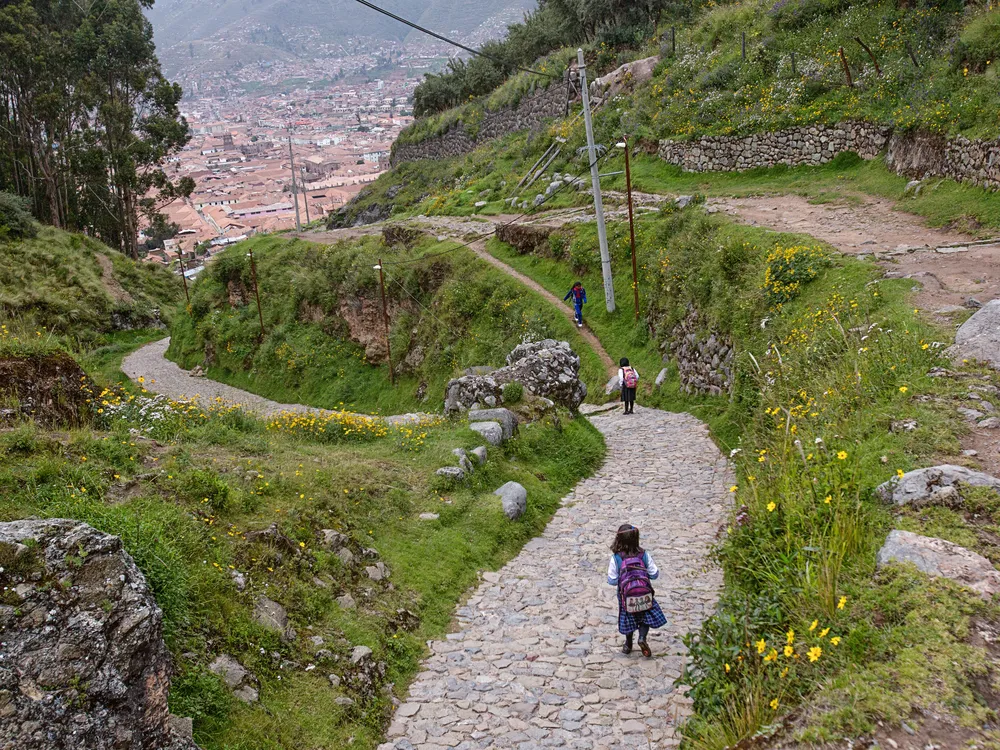
Rather than forcing perfectly straight lines, engineers followed the natural contours of the land, which minimized heavy earthmoving and reduced erosion. Road widths varied—common trails were 1–4 metres wide, while imperial highways near Huánuco Pampa reached up to 15 metres.
Foundations and Paving
Each section of road was adapted to local terrain and climate. Flattened, raised beds were formed by packing earth, sand or grass. In the highlands, workers laid precisely cut paving stones or cobbles to create stable surfaces. In coastal deserts, they used compacted sand and gravel.
Roads were often bordered with small stone walls, stone markers, or wooden posts to prevent edges from collapsing. Such attention to detail not only ensured durability but also impressed travellers and conquered peoples.
Managing Water: Drainage and Retaining Walls
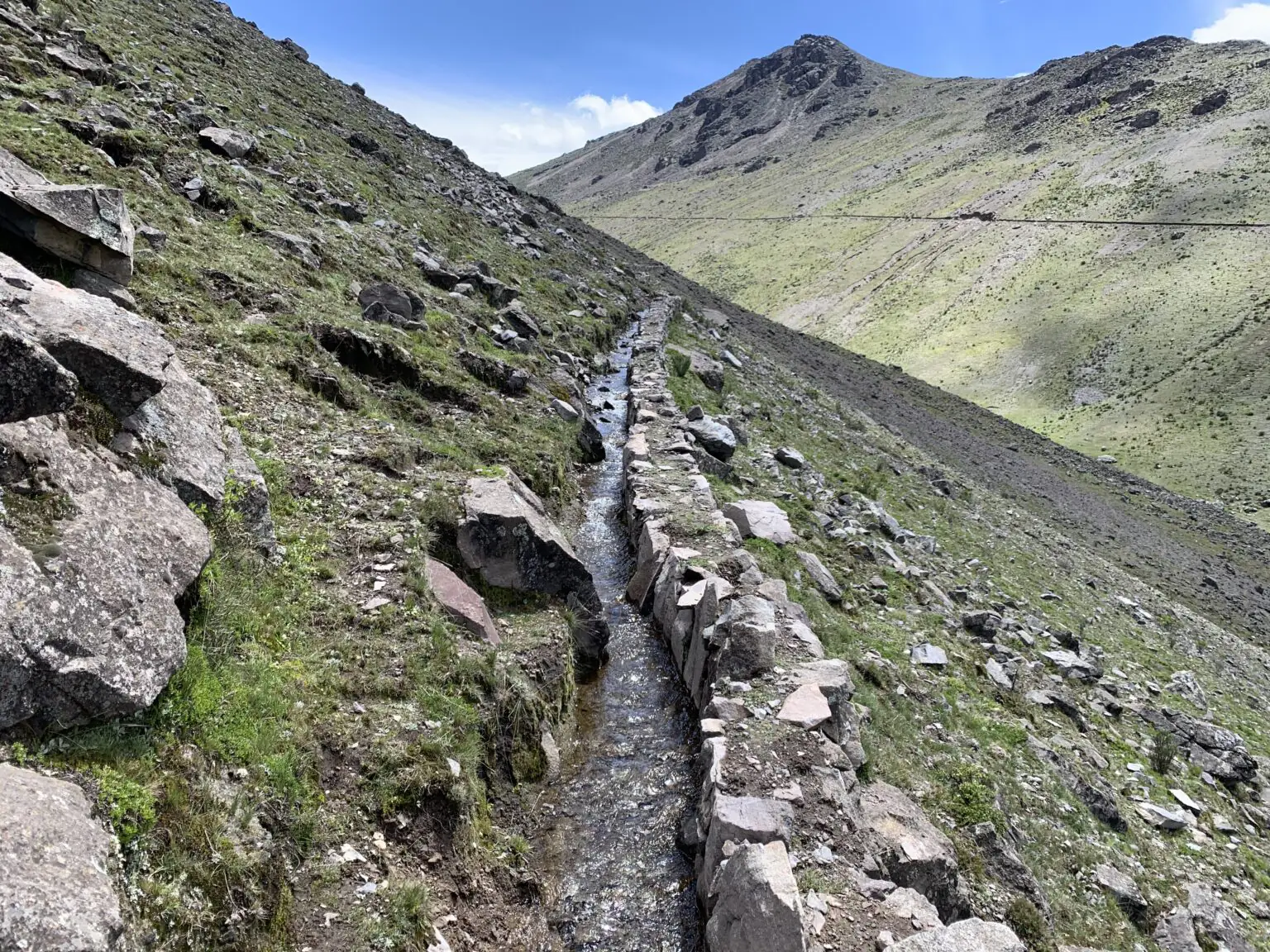
One of the greatest challenges of building roads in the Andes is managing water. Rain, snowmelt, and springs could quickly erode a trail. The Incas responded with sophisticated drainage systems: frequent drains and culverts drew rainwater off the roadway and channelled it alongside or beneath the surface. In mountainous and jungle regions, workers built ditches and culverts to handle constant precipitation.
On steep slopes, retaining walls of stone or adobe were constructed to support the roadbed and prevent landslides. Where roads crossed wetlands, they built buttress walls or raised causeways; some coastal causeways even accounted for fluctuating lake levels around Lake Titicaca.
Managing Water
Navigating the Vertical: Stairways and Terraces
At elevations exceeding 5,000 metres, Andean topography can feel impossibly steep. The Incas solved this by carving stone stairways and ramps directly into bedrock. Switchbacks allowed roads to zigzag up slopes while retaining walls stabilized the path. In some places, engineers even cut short tunnels through cliff faces.
Near the Apurímac River, for instance, the road was carved along a natural fault into the rock, and a tunnel with side openings allowed light to penetrate. Such features demonstrate the Incas’ willingness to modify the landscape when necessary while still working with natural contours.
Spanning Gorges: Bridges and Oroya Baskets
Bridges were critical to linking valleys separated by deep ravines and fast‑flowing rivers. The Incas built multiple types of bridges:
- Stone slab bridges – In narrow, shallow rivers, stone slabs rested on stone abutments and intermediate pillars. Retaining walls were meticulously fitted using hammerstones to shape the stones so precisely that mortar was unnecessary.
- Log bridges – Parallel logs tied together and covered with earth and vegetation spanned shorter gaps. Obtaining suitable timber in the Andes was challenging, so these bridges were often replaced every eight years.
- Rope suspension bridges – Perhaps the most iconic Inca structure, these bridges were woven from ichu (stipa) grass into thick cables. Suspension bridges could span up to 45 metres (148 ft) across gorges such as the Apurímac River. The famous Q’iswa Chaka bridge near Huinchiri is still rebuilt every June by local communities using traditional techniques. Maintaining these bridges was dangerous; villagers replaced the cables annually as part of their mit’a (public service obligation).
- Oroya baskets – Where a single span was impractical, travellers and goods crossed ravines in suspended baskets that could reach over 50 metres. Pulley systems allowed baskets to ferry two or three passengers at a time.
These structures reveal an impressive understanding of tension, load distribution, and materials science. They also underscore how Inca engineers collaborated with local communities—each region contributed materials and labour for nearby bridges and roads.
Maintenance: Keeping a Continent‑Spanning Road in Shape
Building the Qhapaq Ñan was only the beginning. The real challenge was keeping thousands of kilometres of road passable in a harsh climate. The Incas devised several strategies:
Mit’a Labor and Local Stewardship
Maintenance was organized through the mit’a system, which required communities to provide labour for state projects. Villagers repaired road surfaces, cleared debris, and re‑wove suspension bridges. Each community cared for the segment passing through its territory, fostering a sense of shared responsibility. For rope bridges, local peasants often devoted an entire year to gathering ichu grass and replacing cables.
Official Oversight
The empire appointed officials like the Chaka Suyuyuq to inspect bridges and ensure they remained safe. Tambos—rest stations located roughly a day’s walk apart—provided places for workers and travellers to eat, rest, and receive orders. In mountainous regions where heavy rain threatened roads, workers regularly cleared drains and culverts.
Adaptation and Resilience
The system’s resilience stemmed from its adaptability. When erosion or earthquakes damaged sections, workers quickly carved detours to bypass the damage. In wetlands, roads built on causeways allowed water to flow beneath them. Retaining walls prevented landslides from burying the path. By constantly adapting to local conditions, the Incas kept their network operational for decades.
Life on the Road: Users and Regulations
The Qhapaq Ñan was not a free‑for‑all highway. Ordinary citizens needed to obtain official permission to travel, and authorities sometimes charged tolls at bridges. On busy routes, it was common to find:
- Chasqui runners sprinting between relay posts, carrying oral messages reinforced by quipu
- Llama caravans transporting textiles, maize, and gold to state storehouses and markets.
- Administrative officials recorded census data, agricultural production, and tribute quotas.
- Pilgrims and nobles traveling to ceremonies in Cusco or the sacred mountains.
This regulated use maintained order and prevented overcrowding on narrow mountain passes. It also reinforced the road’s symbolic power—only those sanctioned by the state could experience the empire’s full breadth.
Roadbuilding in Context: Comparing the Incas to Other Civilizations
History often celebrates Roman roads or the Great Wall of China while overlooking Andean engineering. Yet the Inca road system deserves equal recognition. Built at elevations up to 5,000 metres, it crossed deserts, high plateaus, and dense cloud forests.
While Roman engineers benefited from iron tools and wheel transport, the Incas worked with bronze and stone tools and moved goods on foot and by llama. Their reliance on local materials and labour made the network sustainable and adaptable. Even today, many sections remain in use—a testament to their durability.
The road’s impact extends beyond engineering. It reshaped cultural exchange, facilitated the spread of the Quechua language and architecture, and enabled a centralized bureaucracy in a rugged environment, making it suitable for an Instagram reel maker.
The Spanish conquest exploited this infrastructure, using the roads to march armies and extract silver from Andean mines. Later, modern highways replaced or damaged parts of the Qhapaq Ñan. Today, conservation efforts by local communities and UNESCO aim to preserve the remaining sections.
Experiencing the Qhapaq Ñan Today
Walking a section of the ancient Inca road is one of the world’s great trekking experiences. Sections near Machu Picchu, Ollantaytambo, and Choquequirao are particularly well preserved. Alpaca Expeditions, a Peruvian‑owned tour operator, offers guided treks that allow travellers to experience this heritage responsibly. Why hike with Alpaca Expeditions?
Authentic Routes and Responsible Travel
- Access to the Classic Inca Trail: This four‑day trek follows some of the most dramatic stretches of the Qhapaq Ñan, culminating at the Sun Gate of Machu Picchu at sunrise. Our team monitors availability and handles permit logistics for this route, as we know group permits are limited and can sell out months in advance, so you can focus on the journey.
- Short Inca Trail and Alternative Treks: For travellers with limited time or those who prefer quieter paths, Alpaca Expeditions offers two‑day, one‑day, and combined routes. Options like the Salkantay Trek or the Lares Trek incorporate segments of the Qhapaq Ñan while exploring glacial passes and remote villages.
- Sustainable Practices: Alpaca Expeditions holds ISO 9001 and ISO 14001 certifications, reflecting a commitment to quality and environmental stewardship. We employ local guides and porters, ensure fair wages, and provide proper equipment. Our cooks prepare meals using locally sourced ingredients, and we minimize waste on the trail.
- Cultural Respect: Our itineraries are designed in partnership with Andean communities. When you cross a rope bridge or walk beside an apacheta (stone cairn), you do so with guides who can share the stories behind these traditions. Some tours include visits to workshops where artisans weave ichu grass into cables for the annual Q’iswa Chaka bridge rebuild, allowing you to witness living heritage firsthand.

Experiencing the Qhapaq Ñan Today
Planning Your Trek
To protect the Inca Trail, officials strictly limit permits. Check official sources or contact Alpaca Expeditions for the latest permit availability—dates and regulations can change. The dry season (May–September) offers clearer skies, while the shoulder seasons provide lush scenery with fewer crowds. Remember that altitudes can exceed 4,200 metres on the Classic Trail; acclimatization days in Cusco or the Sacred Valley are essential.
Packing tips include layering for cold nights, sturdy footwear, and rain gear, even in the dry season. Our team provides tents, sleeping pads, and dining equipment, but you should bring a reusable water bottle and snacks. Many travellers also carry walking sticks for steep descents. Before booking, consult a doctor about high‑altitude trekking and ensure you have appropriate travel insurance.
Beyond the Trail: Sites Connected by the Qhapaq Ñan
While the Inca Trail to Machu Picchu is the most famous portion of the Qhapaq Ñan, other segments offer equally rich experiences:
- Choquequirao Trek: This multi‑day adventure leads to a “sister city” of Machu Picchu, perched above the Apurímac River. The route includes steep switchbacks, stone stairways, and a descent to the river, where you can appreciate how rope bridges once connected remote settlements.
- Vilcabamba and Espiritu Pampa: These remote valleys were among the last holdouts of Inca resistance. Trails here reveal how roads connected hidden citadels and agricultural terraces.
- Q’iswa Chaka Bridge: Each June, communities near Huinchiri gather to replace the ropes of this 45‑metre suspension bridge. Visitors can watch or even assist in weaving the ichu grass cables. Walking across the finished bridge offers a visceral sense of how ancient travellers crossed gorges.
- Colca Canyon and Arequipa: Roads through these regions showcase the Incas’ agricultural ingenuity—stone stairways wind through terraced hillsides, demonstrating how they intertwined road and terrace construction.
These itineraries complement more popular routes and help distribute tourism benefits to lesser‑visited communities.
Preserving a Living Heritage
The Qhapaq Ñan is more than an archaeological relic; it is a living landscape. Many Andean villagers still use sections of the road for daily travel, and apachetas (stone mounds where travellers leave offerings) remain active. Conservation is challenging: urbanization, mining, and climate change threaten the integrity of ancient paths.
UNESCO designated the Andean Road System as a World Heritage Site in 2014, recognizing its universal value. Preservation efforts involve national governments, international organizations, and, crucially, local communities that maintain traditions like the annual bridge rebuilding.
Travellers play a role, too. By choosing responsible operators and following Leave‑No‑Trace principles—packing out rubbish, staying on marked trails, respecting local customs—you help ensure that future generations can experience the Qhapaq Ñan.
When you trek with Alpaca Expeditions, your fees support porter welfare, trail maintenance, and community development projects. You also gain a deeper appreciation for the ingenuity of Inca engineers and the resilience of Andean peoples.
Conclusion
Over six centuries ago, Inca engineers transformed the Andes with a network of roads that rivalled the great highways of Rome. Using stone, grass, and communal labour, they carved stairways into cliffs, spanned gorges with rope bridges, and built raised causeways across wetlands. Drainage systems, retaining walls, and carefully fitted paving stones reveal a sophisticated understanding of geology and hydrology.
The Qhapaq Ñan allowed armies, traders, priests, and messengers to traverse an empire, and its legacy endures in the terraced hillsides and suspension bridges still maintained by Andean communities.
For travellers seeking both adventure and connection to history, hiking a section of this road is a profound experience. Alpaca Expeditions invites you to step onto ancient stones, witness living traditions like the Q’iswa Chaka bridge reconstruction, and appreciate the engineering genius of the Inca people.
Whether you choose the classic four‑day trek to Machu Picchu or explore lesser‑known routes, you will discover how the Incas built and sustained their roads—and why their achievement continues to inspire awe.