

@trekwithalpaca
Alpaca Expeditions Travel Peru
 Scan here!






Peru is often lauded for its celebrated dishes like ceviche and lomo saltado, but beyond the seafood and meat there’s a vibrant vegetarian world waiting to be savoured. With 28 of the world’s climate zones packed into one country and more than 4,000 native potato varieties flourishing in the Andean highlands, Peru’s Plant‑Based Revolution offers botanical diversity unmatched elsewhere.
Indigenous communities have domesticated tubers for over 8,000 years, cultivated superfoods such as quinoa and maca, and preserved ancient recipes that celebrate plant‑based abundance. When explorers travel with us, they discover a plant‑based revolution shaped by history, biodiversity and innovation.
At Alpaca Expeditions we’ve guided thousands of travellers through the Andes, Amazon and coastal regions. We’ve listened as guests expressed surprise at the variety of vegetarian options, marveled at the colours of Andean corn, and savoured piping hot locro de zapallo on chilly evenings.

We’ve also seen confusion—soups are often simmered with chicken broth, sauces may be enriched with dairy, and some travellers assume they must give up on Peruvian cuisine entirely. Our mission with this guide is to demystify vegetarian travel in Peru.
We’ll explore the landscapes that foster such diversity, introduce the superfoods powering Peruvian dishes, share our favourite vegetarian recipes and restaurant recommendations, and provide practical tips for trekking while plant‑based. We’ll also weave in stories from our local guides and travellers who have enjoyed hearty Andean stews under the stars or found the perfect quinoa burger in a bustling Lima café.
Whether you’re planning a cultural tour through Lima’s neighbourhoods or dreaming of hiking the Inca Trail to Machu Picchu, this guide will help you taste Peru through a vegetarian lens. You’ll learn about the communities safeguarding biodiversity and why sustainable, plant‑forward eating supports the environment, local farmers and your health.
Together we’ll embark on a flavourful journey that proves Peru’s culinary heart isn’t just meat on a plate—it’s the ancient grains, colourful tubers and aromatic herbs that make every dish unforgettable.
Why Peru Is a Vegetarian’s Paradise
Peru’s extraordinary biodiversity is the foundation of its plant‑based cuisine. According to the International Potato Center, more than 4,000 native potato varieties grow in the Andean highlands of Peru, Bolivia and Ecuador, cultivated between 3,500 and 4,200 metres above sea level. Farmers select tubers for taste, texture and colour, conserving them on family farms and trading them as treasured heritage.
The result is a rainbow of potatoes—from deep purple to golden yellow—that appear in stews, salads and crispy snacks. Wild tubers were first domesticated around 8,000 years ago near Lake Titicaca, and today they symbolise a living link between the past and the present.
Beyond potatoes, Peru’s 28 climate zones support thousands of edible species. The coastal deserts foster olives, avocados and lucuma; the Andean highlands grow quinoa, kiwicha and tarwi; the Amazon rainforest offers camu camu, aguaje and exotic fruits.
Our guides often joke that one week in Peru can feel like tasting from twenty countries—each valley has its own crops, cooking methods and flavours.
Long before modern vegetarianism, indigenous Andean diets relied heavily on plants. Quinoa, maize, beans, squashes and native roots provided essential nutrients and sustained civilisations through harsh climates.
Meat was reserved for special occasions. This heritage continues today: in the villages we visit, families serve tarwi stew made from protein‑rich lupin beans and quinoa soup, a nourishing broth with carrots, cabbage and garlic.
Many travellers are surprised to learn that the Inca empire flourished on largely plant‑based foods; our archaeologists believe this diet contributed to the endurance required to build terraces, temples and roads.
Peruvian cuisine also reflects waves of migration. Spanish, Italian and German settlers introduced rice, wheat and dairy products, while Chinese and Japanese immigrants brought stir‑frying techniques and ingredients like soy sauce.
These influences merged with native staples to create chifa (Peruvian‑Chinese) and nikkei (Peruvian‑Japanese) cuisines—both of which offer vegetarian delights such as vegetable chaufa (fried rice) and tofu‑tempura sushi rolls. Recognising these cultural layers helps us appreciate why Peruvian food can be so inventive.
Peru’s geographical variety directly shapes what ends up on your plate. In the arid coastal region, warm temperatures and irrigation channels allow farmers to grow avocados, citrus fruits, tomatoes, olives and grapes.
Coastal vegetarian dishes often feature fresh vegetables dressed with ají verde (a tangy green sauce of cilantro, chillies and onions), plus ingredients like yuca fries and vegetarian ceviche made with mango, avocado and mushrooms.
The Andean highlands are characterised by altitude, cooler temperatures and seasonality. Here farmers cultivate corn, quinoa, kiwicha, tarwi, beans and countless tubers. Highland cuisine emphasises stews and soups to warm the body in chilly climates: dishes like locro de zapallo (pumpkin and potato stew) and sopa de quinua (quinoa soup) sustain trekkers and villagers alike.
The highlands are also home to superfoods such as maca (discussed later) and aromatic herbs like huacatay (black mint) used in vegetarian chupe de verduras (vegetable chowder).
Deep in the Amazon, a lush tropical environment supports exotic fruits and medicinal plants. Foods like aguaje (a red palm fruit), camu camu (a berry with 30–50 times more vitamin C than an orange), lucuma, cherimoya, dragon fruit and banana passionfruit thrive in the jungle and often appear in smoothies, juices, desserts and salads.
Even within the Amazon there is variation: riverine communities rely on plantains and cassava, while upland communities cultivate grains like quinoa and kiwicha. Travellers with us to Manu or Tambopata often remark that the Amazon’s vegetarian dishes are more colourful and sweet than those in the Andes.
Peruvian Superfoods: Powering Your Adventure
The term “superfood” refers to nutrient‑dense ingredients rich in vitamins, minerals and antioxidants. Peru’s geography yields an impressive collection of natural superfoods. Knowing these ingredients will help you order at restaurants, shop at markets and even bring home dried powders to incorporate into your daily life.
Quinoa (Chenopodium quinoa) is arguably Peru’s most famous superfood. It has been cultivated in the Andes for millennia and grows at elevations between 2,500 and 4,000 metres.
The plant belongs to the amaranth family and produces small seeds that are gluten‑free and packed with a complete protein containing all nine essential amino acids. Traditionally, Andean farmers consumed quinoa as a savoury stew or porridge, simmered with apples, pineapple and cinnamon for breakfast.
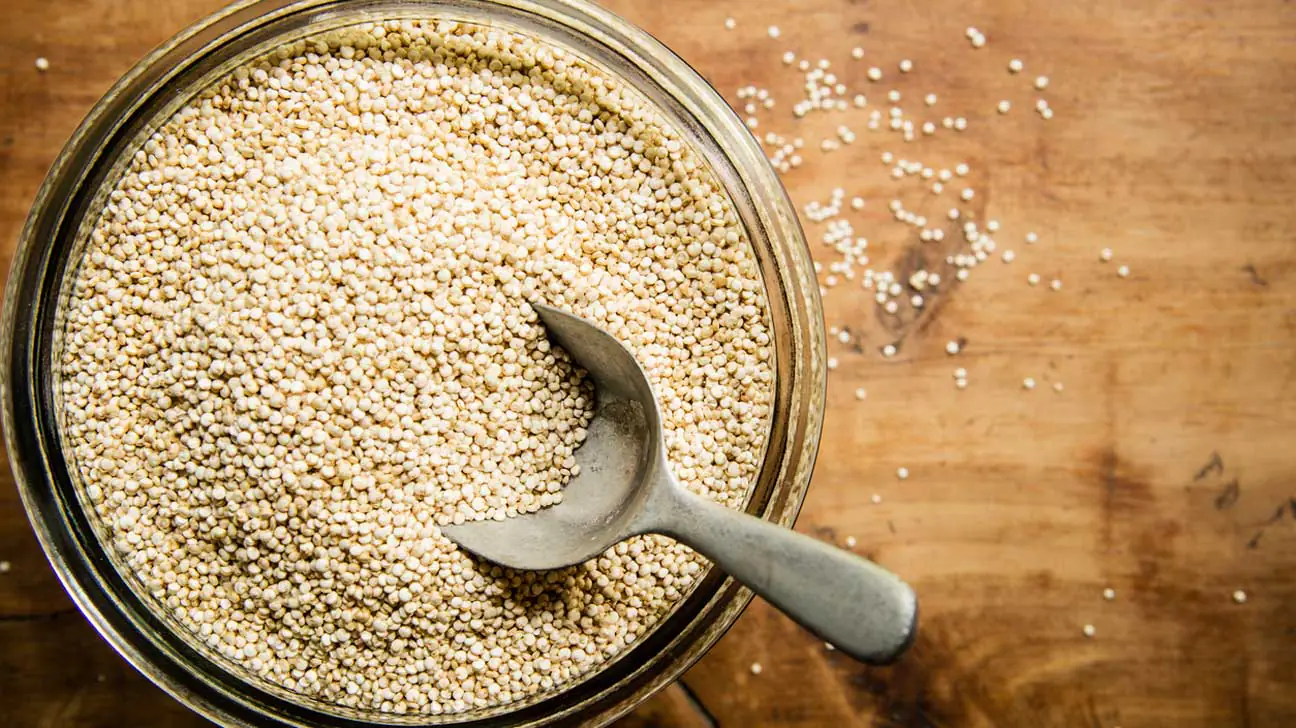
Today quinoa has become a global health food, but Peruvians continue to innovate. In Cusco you’ll find quinoa burgers, quinoa risotto and sweet mazamorra de quinoa. On our treks our chefs often prepare quinoa tabbouleh or stuffed rocoto peppers (see Section 4) filled with spiced quinoa, vegetables and raisins—a hearty lunch that keeps energy levels high while hiking.
Because quinoa thrives in poor soils and extreme climates, supporting its cultivation also supports Andean farmers facing climate change. If you’re buying quinoa at markets, look for red, black and white varieties: red has a nuttier flavour and holds its shape well, while black quinoa is earthy and slightly sweet.
Maca (Lepidium meyenii) is a cruciferous root vegetable native to Peru’s Junín region at altitudes between 12,400 and 14,700 feet. Often dubbed the “Peruvian ginseng,” maca has been associated with stamina, endurance and fertility for centuries. Legends tell of Inca warriors eating maca before battle.
Modern studies highlight its adaptogenic properties, which means it may help balance the endocrine system and reduce stress. Maca root is rich in carbohydrates, protein, fibre, calcium and potassium.
In Peru, maca is consumed in many forms: roasted and mashed into a porridge, added to bread dough, stirred into soups, or blended into smoothies. In Puno locals drink maca coffee, a hot beverage made from roasted maca flour and sugar.
On the Inca Trail our cooks might offer warm maca oatmeal before a steep ascent. Outside of Peru, maca powder is popular in smoothies and energy bars; if you’re new to it, start with one teaspoon and gradually increase. Its flavour is earthy with hints of caramel and butterscotch.
Camu camu (Myrciaria dubia) is a cherry‑sized berry native to flood‑prone areas of the Amazon lowlands. Remarkably, this fruit contains 30–50 times more vitamin C per ounce than an orange and is also rich in antioxidants such as ellagic acid. Local people harvest camu camu by canoe and use the tart pulp to make refreshing juices, ice creams and jams.
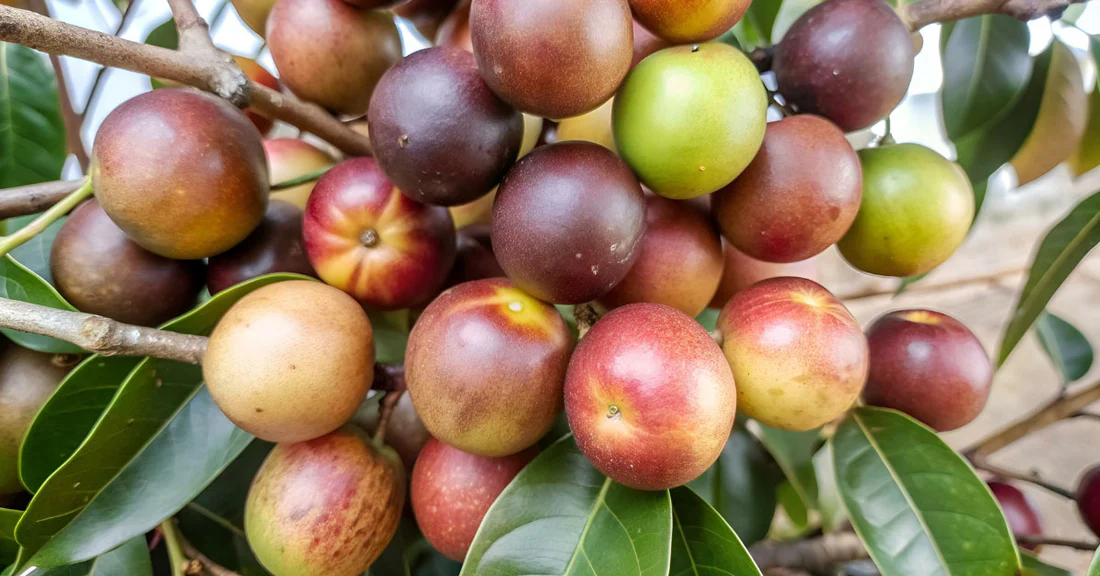
The juice is a beautiful pink colour thanks to the berry’s skin. Because raw camu camu is extremely sour, it’s usually sweetened or dried into powders that can be stirred into smoothies. Try it in the Amazon as a jugos de camu camu or buy freeze‑dried powder at markets in Cusco for a natural vitamin boost when you’re back home.
Kiwicha (also known as amaranth or mini quinoa) is another Andean grain cultivated since pre‑Inca times. It is rich in protein, fibre and lysine—an amino acid that supports tissue repair. Tarwi (also called chocho) is a legume from the lupin family containing high levels of protein and healthy fats.
Traditional Tarwi stew is creamy and hearty, cooked with onions, garlic and spices. Both kiwicha and tarwi are often popped and used in sweets or mixed into salads. In our vegetarian cooking classes, travellers enjoy popping kiwicha seeds like mini popcorn.
Peru’s superfoods aren’t limited to grains. Lucuma is a fruit with a creamy, maple‑like flavour and an orange flesh. It contains antioxidants and minerals such as beta‑carotene, zinc and calcium and was once called the “Gold of the Incas.” Lucuma is usually dried and ground into a flour used in ice creams, smoothies and pastries.
Aguaymanto (goldenberry or Inca berry) grows on Andean slopes between 1,600 and 9,800 feet. These tart, citrusy berries provide vitamins A, C and B‑complex plus protein and trace minerals. Travellers can snack on dried aguaymanto like raisins or order cheesecake de aguaymanto in Lima’s cafés.
Cherimoya, also called custard apple, has a flavour reminiscent of strawberries and cream. It’s high in vitamins and has a silky texture. Locals eat it fresh or blend it into juices and desserts. Ask for helado de chirimoya (cherimoya ice cream) in Cusco for a sweet treat after a long hike.
Though not strictly vegetarian staples, seeds like sacha inchi (Incan peanuts) and Peruvian cacao are worth mentioning. Sacha inchi seeds contain omega‑3 fatty acids and appear in vegan trail mixes and energy bars.
Peruvian cacao, grown primarily in the Amazon, produces some of the world’s finest chocolate and is used in vegan desserts. Together, these superfoods form the backbone of the nutritious, energy‑packed meals we serve on our treks.
Regional Vegetarian Explorations
Lima, Peru’s capital, is a culinary hub where centuries of immigration and innovation collide. For vegetarians, the city offers a mosaic of flavours drawn from coast, highlands and beyond.
Ceviche Without Fish – Peru’s national dish is typically raw fish marinated in lime juice, but vegetarian and vegan chefs have created alternatives using mushrooms, hearts of palm, mango and even seaweed.
At AlmaZen in Miraflores (a contemporary vegan restaurant that sources ingredients from local farms), you can try ceviche de champiñones—marinated mushrooms topped with red onions and ají limo. The texture mimics fish while letting the citrus and chilli shine. Another variant uses palmitos (hearts of palm) cut into sashimi‑like strips.
Tamales and Humitas – In markets like Surquillo or Barranco’s feria bioferia, you’ll find tamal verde, a steamed corn dough mixed with spinach and herbs, often wrapped in banana leaves. Ask sellers whether the tamales contain lard and request tamal sin carne (without meat). Humitas, similar to tamales, are made from fresh corn and can be filled with cheese or sweet fruits.
Vegetarian Chifa – Lima’s large Chinese community gave birth to chifa cuisine. Many chifa restaurants offer vegetable stir‑fries and chaufa verde—fried rice cooked with spinach and vegetables. Look for spots labelled chifa vegetariano or ask for chaufa de verduras. The combination of soy sauce, ginger and Peruvian peppers results in a comforting yet zesty dish.
Cusco, once the capital of the Inca Empire, sits at 3,353 metres above sea level. Its altitude means heartier fare dominates menus. Traditional ingredients include corn, quinoa, potatoes, maca and tarwi. Vegetarian travellers will find a growing number of dedicated restaurants thanks to the city’s popularity among hikers.
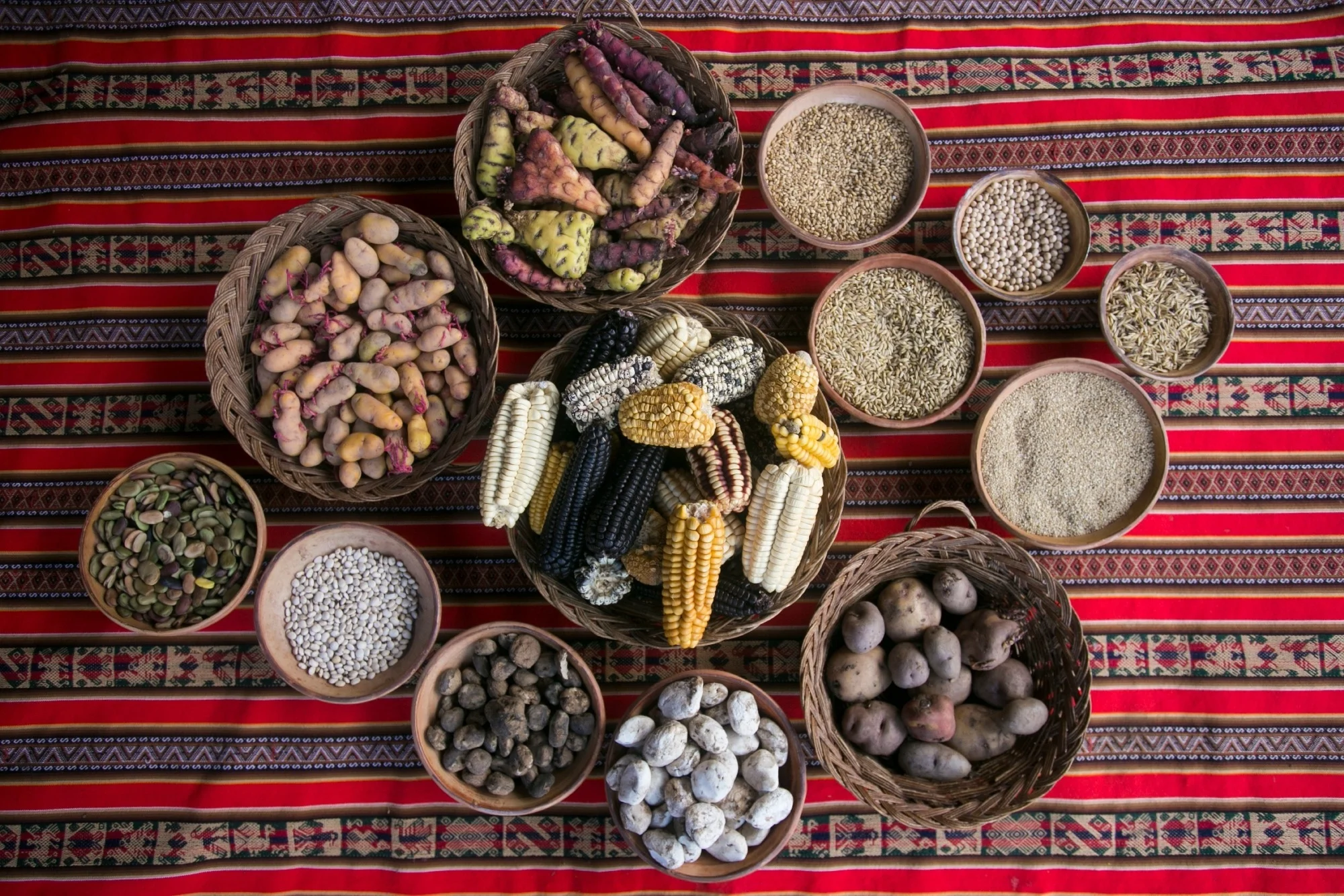
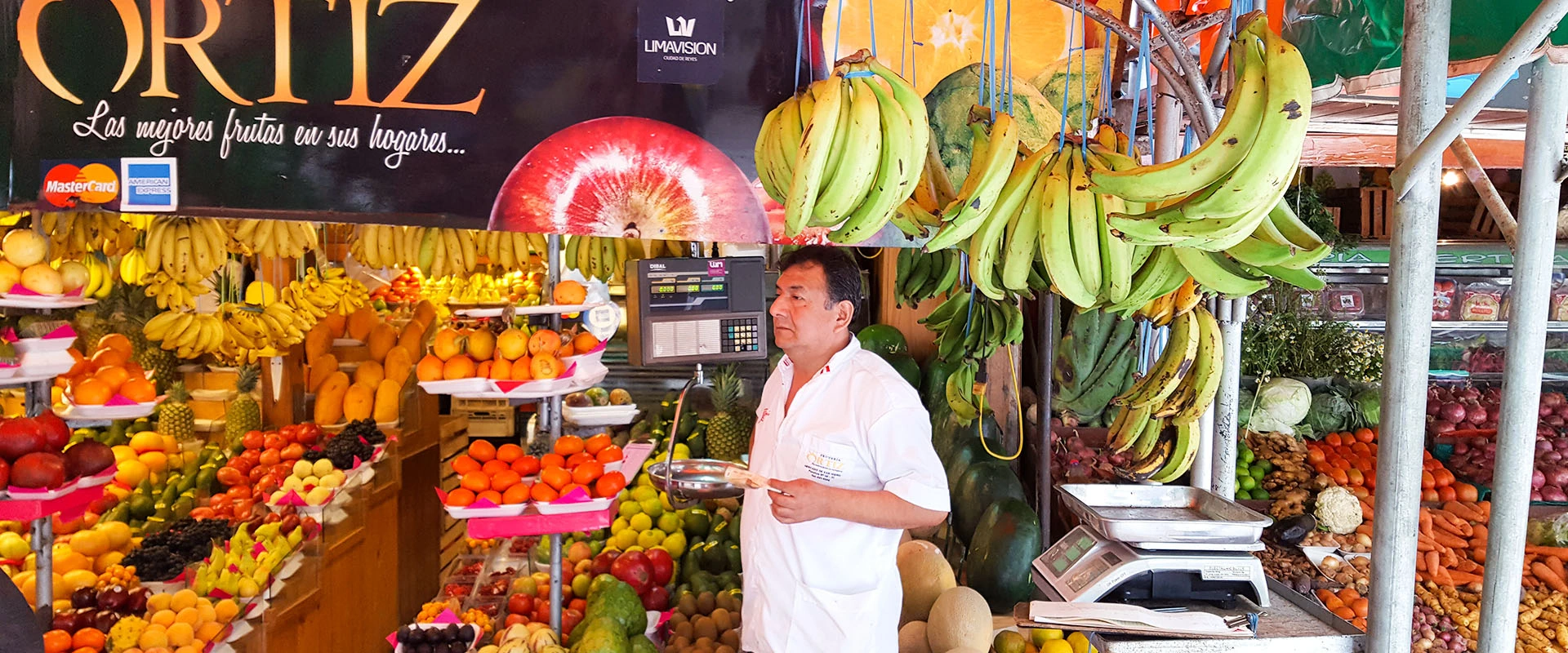
Markets – Cusco’s San Pedro Market is a must‑visit. Browse stalls selling dozens of potato varieties, colourful corn, lupin beans and tropical fruits. Enjoy mango con quinoa, smoothies blended with maca and lucuma, and choclo con queso (giant corn with fresh cheese) though vegans can skip the cheese.
Always ask vendors whether soups use caldo de pollo (chicken broth), manteca (butter) or leche (milk) to ensure your meal is entirely plant‑based.
The Sacred Valley, stretching from Pisac to Ollantaytambo, offers tranquil towns, archaeological sites and farm‑to‑table experiences. Farmers markets in Pisac sell organic produce and artisanal bread. Stop by Ayni in Pisac, a community‑run café that serves vegetarian soups and salads.
In Ollantaytambo, Chuncho restaurant highlights traditional ingredients; their vegetarian tasting menu features oca (a sweet tuber), mashua (an Andean root), pithaya (dragon fruit) and seasonal legumes.
If you’re staying in the Sacred Valley with Alpaca Expeditions, we often organise cooking classes with local families. Travellers learn to grind aji amarillo (yellow chilli) on a stone, sauté vegetables in clay pots and prepare papa rellena (mashed potato stuffed with vegetables). These experiences connect our guests to the origin of ingredients and support community economies.
Arequipa, Peru’s second‑largest city, sits beneath the Misti volcano and is renowned for its colonial architecture and picanterías (traditional eateries). The region produces white corn, peppers and dairy, but vegetarian travellers still find a wide array of plant‑based dishes.
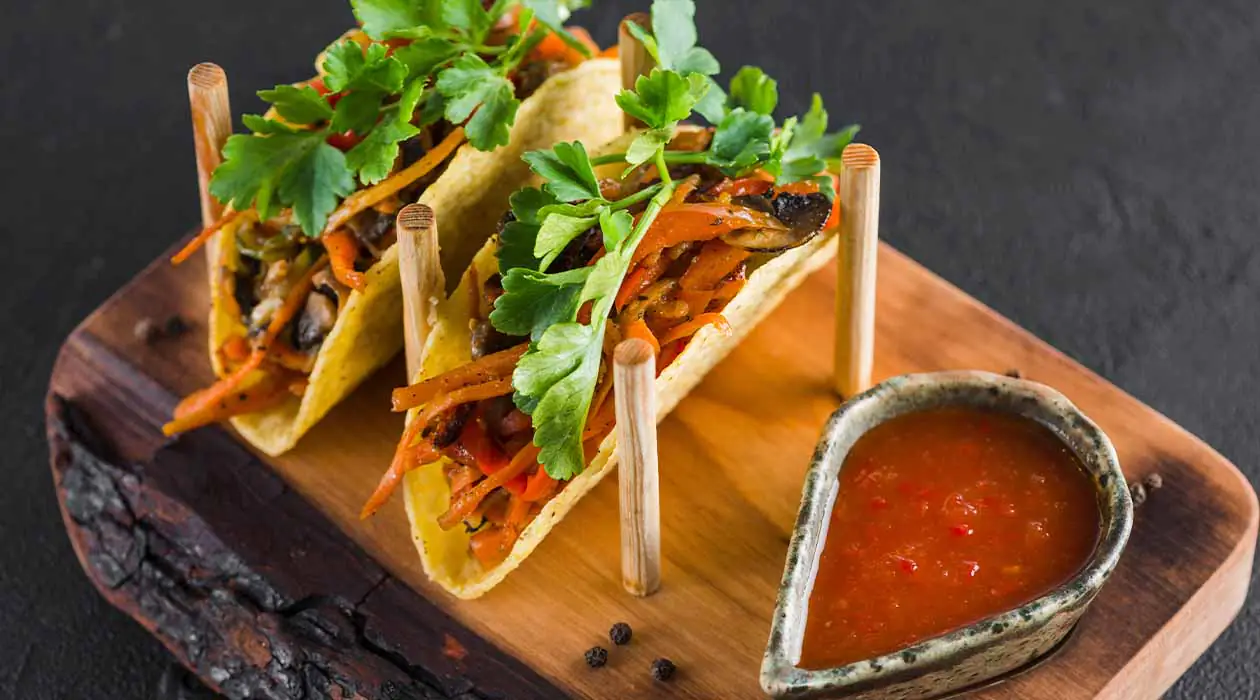
Arequipa’s vegetarian restaurants include El Puente (vegetarian buffet) and Govinda’s. The city also boasts Middle Eastern and Asian eateries catering to vegetarian diets. If you’re exploring the Colca Canyon, pack snacks and coordinate with your tour operator to arrange vegetarian meals in small villages.
Travelling to Peru’s Amazon reveals a completely different set of ingredients. Along the Madre de Dios and Ucayali rivers, communities cultivate plantains, cassava, sweet potatoes and a plethora of fruits. As a vegetarian you’ll enjoy:
The Amazon also offers fruits like aguaje, cocona, copoazú and guaba. Try a smoothie of camu camu or lucuma ice cream after a day exploring the jungle. When travelling with us, we coordinate with local lodges to ensure plant‑based menus that highlight seasonal produce and support sustainable harvesting.
Essential Vegetarian Dishes & Home‑Friendly Recipes
Peruvian vegetarian dishes combine hearty staples with flavourful sauces and global influences. Below you’ll find a curated list of classic and modern dishes to try on your journey or recreate at home. Our team has included notes on vegan adaptations and cultural context.
A beloved appetizer from the central highlands, papa a la Huancaína features sliced boiled potatoes smothered in a creamy, spicy sauce made from ají amarillo, cheese and milk. The dish is garnished with olives and hard‑boiled eggs. To make it vegan, substitute the cheese with blended cashews and omit the egg. Serve chilled on lettuce leaves as a starter.
Originating from Arequipa, this dish traditionally stuffs rocoto peppers with spiced minced beef and peanuts. The vegetarian version replaces meat with sautéed onions, garlic, tomatoes, olives, quinoa and raisins. After stuffing, the peppers are baked until tender and served with a slice of Andean cheese or vegan cashew cream. The result is a sweet–spicy balance that warms the palate.
Chupe de verduras is a hearty stew made from corn, beans, squash, potatoes and huacatay (black mint). Historically, chupes were eaten during religious fasts when meat was prohibited. The vegetarian version uses vegetable broth and can be thickened with puréed corn or quinoa. If you enjoy smoky flavours, char the corn over an open flame before adding it to the stew.
A signature fusion dish of Peruvian and Chinese cuisine, lomo saltado usually combines beef stir‑fried with onions, tomatoes, soy sauce and vinegar, served over fries and rice. To make it vegetarian, swap beef for portobello mushrooms or seitan. Sauté mushrooms on high heat so they get crisp edges, then deglaze the pan with soy sauce and red wine vinegar. Serve over French fries and steamed rice for the authentic double‑carb experience.
Traditionally, aji de gallina is a shredded chicken stew in a creamy sauce of ají amarillo, walnuts, bread and milk. A vegan twist uses jackfruit or tofu as the protein. Blend soaked cashews, bread and ají amarillo paste with vegetable broth to create the sauce. Add cooked jackfruit, simmer until tender, and garnish with pecans and parsley. Serve with white rice and boiled potatoes.
This pumpkin stew is a highland staple, cooked with pumpkin, potatoes, corn and Andean cheese. Vegan adaptations replace cheese with plant‑based cream or mashed white beans. For extra protein, add tarwi beans or quinoa. Locro’s silky texture makes it a perfect comfort meal after a long trek.
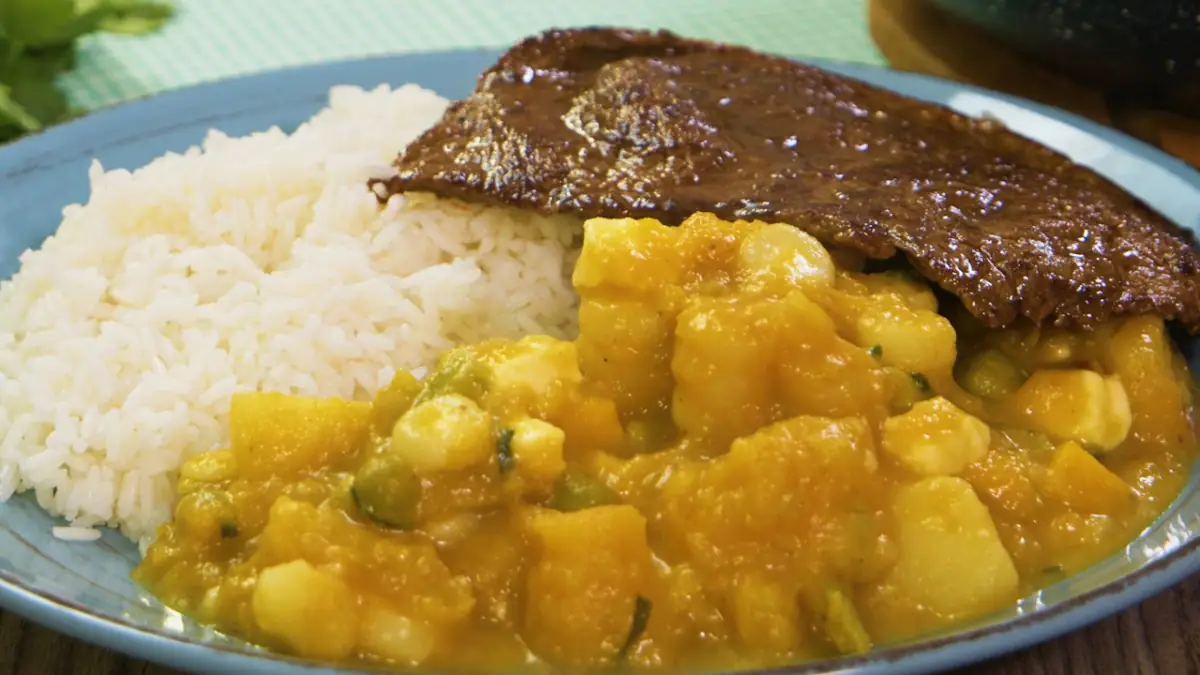
Borrowed from chifa cuisine, chaufa de verduras is fried rice loaded with vegetables like bell peppers, carrots and bok choy. Season with soy sauce, a touch of sesame oil and aji amarillo paste. For protein, add scrambled tofu or tempeh. Serve with a wedge of lime and extra chilli sauce.
This simple yet satisfying soup combines quinoa, carrot, leek, cabbage, garlic and seasonings. Start by sautéing onions, garlic and ají in oil, then add vegetables, quinoa and vegetable broth. Simmer until the quinoa blooms. Stir in chopped cilantro and lime juice. It’s economical, gluten‑free and loaded with protein.
Yuca (cassava) fries are a crisp alternative to potato fries. Peel and chop yuca into thick sticks, boil briefly to soften, then fry or bake until golden. Toss with sea salt and serve with salsa criolla (a relish of red onion, chili and lime). Roasted corn kernels, sometimes called cancha, are lightly toasted with salt and served as bar snacks across Peru. Our guides love packing them for hikes.
Made with tarwi beans (chocho), this creamy soup is rich in protein and healthy fats. Soak tarwi overnight to remove bitterness, then cook with onions, garlic, cumin and turmeric. Add vegetable broth and cubed potatoes. Blend half the soup for a creamy texture while leaving some beans whole. Garnish with cilantro and avocado slices.
Ceviche is synonymous with Peru. For a vegetarian twist, thinly slice hearts of palm, mango or mushrooms and marinate them in lime juice, chopped cilantro, ají peppers and red onion. Add a splash of coconut milk for creaminess. Serve with cancha and sweet potato rounds. This dish is refreshing on hot Amazonian afternoons.
Layer whipped coconut cream, lucuma puree and crunchy popped kiwicha in a glass. Top with goldenberry compote and toasted almonds. This dessert merges multiple superfoods and offers a caramel‑like flavour profile.
Feel free to adapt these recipes to suit your taste. Peruvian cuisine encourages experimentation; the key lies in balancing spicy ají with earthy grains and sweet fruits.
Street Food & Market Hacks for Veggie Travellers
Markets are the heartbeat of Peruvian cities. They pulse with colour, aromas and chatter as vendors sell everything from fresh produce to herbal remedies. Navigating them as a vegetarian is an adventure in itself. Here are our tips:
Peruvian Spanish has some key terms vegetarians should know. According to vegetarian travel guides, travellers should watch for non‑vegetarian ingredients like caldo de pollo (chicken broth), manteca or mantequilla (butter), leche (milk), queso fresco (fresh cheese), huevos (eggs) and salsa de pescado or ostión (fish or oyster sauce).
When ordering, clearly state “soy vegetariano/a” or “soy vegano/a”, and ask “¿Tiene opciones sin carne?” (Do you have meat‑free options?). Learn to ask “¿Esto tiene caldo de pollo?” or “¿Puedo pedirlo sin huevo y sin queso?”. Most vendors will happily accommodate when asked politely.
Markets offer the freshest produce and some of the most authentic vegetarian meals. Dishes are usually cheap, but ingredients like butter and chicken broth are common. Restaurants, especially tourist‑friendly ones, may offer labelled vegetarian or vegan menus but at higher prices.
As one travel guide notes, being vegetarian in Peru can cost a few dollars more than average, because ingredients like plant‑based cheese and imported tofu are pricey. To balance your budget, mix market meals (smoothies, fruit, tamales) with sit‑down dining. Always carry snacks like roasted corn kernels and energy bars on treks.
Top Cities & Restaurant Recommendations
We’ve compiled our favourite vegetarian‑friendly eateries across Peru, drawing on TripAdvisor reviews, local knowledge and our travellers’ feedback. Please note that restaurant offerings may change; always call ahead or check current menus.
When visiting local restaurants, always check if dishes are cooked with chicken broth or lard. Most cooks are happy to adjust recipes once they understand your needs.
Planning Your Vegetarian Journey with Alpaca Expeditions
At Alpaca Expeditions we take pride in crafting meals that reflect Peru’s heritage while meeting your dietary needs. On our treks—whether the Classic Inca Trail, Salkantay or Lares—our porters carry fresh produce from local markets.
Our chefs prepare vegetarian and vegan dishes such as quinoa porridge, vegetable curry with aji amarillo, stuffed rocoto peppers, gluten‑free pasta with tomato and mushroom sauce, and salads bursting with avocado and tomato. We avoid canned goods and emphasise organic ingredients when possible. If you have allergies or requirements (gluten‑free, nut‑free, low‑sugar), we ask for details when you book so our team can plan accordingly.
The Peruvian government limits the number of people on the Inca Trail to protect the ancient path. Only 500 permits are available per day, including guides and porters, leaving approximately 200 tourist slots. Permits are non‑refundable, non‑transferable and must be secured by a licensed tour operator.
The trail is closed every February for maintenance. Because of this, we recommend booking three to six months in advance to secure your preferred dates. Our 99 % success rate in securing permits is thanks to early coordination and alternative date options.
If permits sell out, we offer alternative treks such as Salkantay, Lares, Choquequirao and Ausangate. These routes don’t require permits, yet they immerse you in breathtaking Andean scenery and end at Machu Picchu or Aguas Calientes. For trekkers craving less crowds and greater solitude, alternative treks can be a more intimate experience.
While both treks lead to Machu Picchu, the experience differs. The Classic Inca Trail spans approximately 40 kilometres (25 miles), reaches a maximum altitude of 4,215 metres at Dead Woman’s Pass and climbs through cloud forests, alpine tundra and Inca ruins. In contrast, our Salkantay Trek covers over 60 kilometres and crosses Salkantay Pass at 4,600 metres (15,092 feet).
According to our trek comparison article, the Salkantay route starts around 3,800 metres, ends at 4,200 metres at Machu Picchu and includes extremes of cold mountain weather and hot jungle humidity. Because the highest elevation is reached on day 1, it requires good acclimatisation. The Inca Trail, while slightly lower in altitude, is steep and includes many stone staircases; both treks require moderate fitness.
From a vegetarian perspective, both treks offer abundant plant‑based meals because our cooks carry ingredients. On Salkantay we sometimes incorporate wild herbs or edible flowers found along the trail. On the Inca Trail we often prepare quinoa soup, pumpkin curry and tacu tacu (a mix of rice and beans) to refuel hikers.
To illustrate how to integrate culinary exploration with trekking, here’s a sample itinerary for a week‑long trip. Feel free to adjust based on your interests.
This itinerary balances altitude acclimatisation, cultural immersion and vegetarian dining. We can customise it to include Amazon extensions or alternative treks.
Whether trekking the Inca Trail or Salkantay, altitude is a serious consideration. The highest point on the Inca Trail is 4,215 metres, while Salkantay reaches 4,600 metres. Altitude sickness can affect anyone, regardless of fitness.
We recommend arriving in Cusco or the Sacred Valley two or three days before your trek to acclimatise. Stay hydrated, avoid alcohol, drink coca tea and consider medication like acetazolamide after consulting your doctor.
Altitude sickness manifests in three main forms: acute mountain sickness (AMS), high‑altitude pulmonary edema (HAPE) and high‑altitude cerebral edema (HACE). AMS is the most common and includes headache, nausea, dizziness and shortness of breath.
HAPE and HACE are rare but serious and require immediate descent. Understanding the symptoms helps you respond quickly and prevent complications.
Our guides emphasise listening to your body. If you feel fatigued or develop a persistent headache, rest, hydrate and let your guide know. Mild symptoms often subside within 24–48 hours as your body produces more red blood cells. Severe symptoms call for immediate descent and medical attention; we carry oxygen and coordinate evacuations.
Plant‑based remedies are part of Andean tradition. Indigenous communities have chewed coca leaves and brewed coca tea for centuries to cope with the high altitude. Coca leaves contain about 4.2 mg of alkaloids per cup, offering a mild stimulant similar to coffee.
While scientific evidence for altitude benefits is limited, many travellers find coca tea relieves headaches and digestive discomfort. Our porters often greet trekkers with steaming cups of coca tea each morning. If you prefer non‑caffeinated options, try herbal infusions of muña, ginger or lemongrass to soothe the stomach and warm the body.
Always consult your doctor about altitude medication and monitor for interactions; coca products may be restricted in some countries. Stay hydrated, avoid alcohol and heavy meals, and sleep at lower elevations when possible.
Our itineraries include gradual ascents and rest days to maximise acclimatisation and ensure you enjoy the trail without compromising your health.
Our chefs provide balanced vegetarian meals, but high‑energy snacks help during long hiking days. Pack:
If you have specific dietary needs (gluten‑free, soy‑free), bring some speciality items as they may be hard to find in Peru. Always keep snacks accessible in your day pack.
Support sustainability by bringing a reusable water bottle with a filter, bamboo utensils, beeswax wraps for snacks and a cloth shopping bag for markets. Packing extra bags helps separate waste on treks. Don’t forget biodegradable soap and a small towel—while the Salkantay trek offers shower options at some campsites, the Inca Trail’s facilities are basic.
Peru is generally affordable, but vegetarian travellers should plan for some extra expenses. According to travel guides, vegetarian meals may cost a few dollars more, particularly when ordering plant‑based cheese or speciality dishes in tourist centres.
A basic vegetarian menu at a local menu del día (set lunch) ranges from 6–15 soles (US $1.50–$4), while a vegan burger in a trendy Lima café might cost 25–35 soles (US $7–$9). In markets, fresh fruits and vegetables are inexpensive; a kilo of quinoa costs about 12 soles (US $3) and a kilo of potatoes only 2 soles (US $0.50).
Trekking costs include permits (if applicable), guide and porter services, meals, transport and equipment. When you book with us, vegetarian meals are included, so there’s no price difference between omnivores and vegetarians. In cities, budgeting 50–70 soles (US $13–$18) per day for food will comfortably cover markets, cafés and occasional fine dining.
Choosing vegetarian meals in Peru can support sustainability. Plant‑based diets generally produce lower greenhouse‑gas emissions, use less water and land, and reduce pressure on fish stocks and wildlife.
When you buy local produce, you further support small farmers conserving biodiversity. In potato‑growing communities, farmers exchange varieties at festivals and guard them as cultural treasures. Purchasing native potatoes and Andean grains helps maintain these traditions.
Our tours emphasise ethical tourism: we buy from local markets, avoid single‑use plastics, pay fair wages to porters and invest in community projects. We encourage travellers to respect cultural food practices while advocating for vegetarian options.
When visiting remote villages, be transparent about your dietary needs but remain open to trying new ingredients—some communities may proudly offer tarwi or oca, foods rarely seen outside Peru.
Peru’s seasons influence travel conditions and produce availability. The dry season (May–September) is ideal for trekking and outdoor activities; nights can be cold in the highlands, but skies are clear.
Peak trekking months (June–August) require early permit bookings. Fresh corn and beans appear in markets during this time. The wet season (October–April) brings fewer tourists and lush landscapes. Tropical fruits like mango, passionfruit and guava flood markets.
However, heavy rain can make treks muddy and landslides may cause trail closures; remember that the Inca Trail is closed in February. Visiting during shoulder months (April–May or September–October) offers a balance of good weather, abundant produce and permit availability. Culinary festivals also dot the calendar—Mistura in Lima (usually in September) celebrates Peruvian cuisine with stalls representing every region.
Is Peru vegetarian‑friendly?
While meat and seafood are prominent in Peruvian cuisine, vegetarians will find numerous options, particularly in Lima, Cusco and tourist towns. Markets offer fresh produce and vegetarian staples like quinoa, beans and potatoes. Many restaurants now cater specifically to vegetarian and vegan diets. However, you’ll need to communicate clearly and occasionally pay a small premium.
How do I ask for vegetarian meals in Spanish?
Use phrases like “Soy vegetariano/a” (I’m vegetarian) or “Soy vegano/a” (I’m vegan). Ask “¿Esto tiene caldo de pollo/pescado?” (Does this have chicken/fish broth?) and “¿Puede prepararlo sin queso, sin leche y sin huevo?” (Can you prepare it without cheese, milk and egg?). Travel guides list common non‑vegetarian ingredients to avoid.
Highlights include papa a la Huancaína, rocoto relleno, locro de zapallo, quinoa soup, chaufa de verduras, aji de gallina vegano, and vegetarian ceviche. Don’t miss street snacks like tamal verde and anticuchos de champiñones.
Yes. Our cooks specialise in vegetarian and vegan meals, preparing dishes like quinoa porridge, pasta primavera, vegetable curry and stuffed peppers. When booking, inform us of your dietary requirements so we can plan menus accordingly.
Do I need a permit for the Inca Trail and what’s the process?
The Inca Trail has a daily quota of 500 permits, including guides and porters. Only 200 spaces are for tourists. Permits are non‑refundable and must be booked through a licensed operator. We recommend reserving 3–6 months in advance. The trail closes in February.
How high is the Inca Trail? Will altitude be a problem?
The Inca Trail’s highest point is Dead Woman’s Pass at 4,215 metres. Altitude sickness can affect anyone. Arrive in Cusco early to acclimatise and stay hydrated. The Salkantay Trek is even higher, crossing Salkantay Pass at 4,600 metres, so proper preparation is essential.
What should I pack as a vegetarian trekker?
Pack high‑energy snacks, reusable utensils, water purification, biodegradable soap and layers for changing weather. See Section 7.5 for details.
Are there vegetarian options in rural areas?
In remote regions, options are limited but possible. Meals often centre on potatoes, corn and beans. Carry snacks and communicate your dietary needs in advance. Travelling with our guides ensures that local cooks prepare vegetarian dishes using fresh ingredients.
Most Peruvian beers and spirits are vegan. Pisco sour, the national cocktail, typically uses egg white; however, some bars create vegan versions with aquafaba (chickpea brine). Ask your bartender to omit egg or use aquafaba.
Can I bring home Peruvian superfoods?
Yes. Markets in Lima and Cusco sell packaged quinoa, maca powder, camu camu powder, tarwi beans and lucuma flour. Make sure powders are sealed and declare them at customs if required.
Peruvian cuisine is a tapestry woven from diverse cultures. When the Spanish arrived in the 16th century they brought wheat, livestock and European cooking methods. African slaves introduced spices and resourceful techniques that birthed dishes like tacu tacu and anticuchos. In the 19th century, waves of migrants from China and Japan added new layers of flavour and vocabulary.
An article on chifa, the Chinese‑Peruvian fusion cuisine, notes that over 100,000 Chinese immigrants arrived after slavery was abolished. Many endured harsh conditions on plantations but eventually opened restaurants around Lima’s Calle Capón, creating a vibrant Barrio Chino.
The term chifa comes from a Cantonese expression meaning “to eat rice”. Chinese cooks introduced ingredients such as rice, soy sauce, ginger and wok stir‑frying. Dishes like lomo saltado—a stir‑fried medley of beef, tomatoes and onions seasoned with soy—exemplify this fusion. Chifa restaurants proliferated during Peru’s 1980s economic crisis, when set menus made them affordable for all.
Today they serve vegetarian options such as chaufa de verduras (fried rice with vegetables) and tallarín saltado de vegetales. Many also offer tofu, mushrooms or seitan to replace meat. To drink, locals often choose Inca Kola, a sweet yellow soda that pairs with fried rice.
Japanese immigrants shaped nikkei cuisine, blending sashimi techniques with Peruvian ingredients. Restaurants like Maido in Lima reimagine ceviche with yuzu and soy, while vegetarian versions feature mushrooms, avocado and quinoa tempura.
This creativity underscores how Peruvian food continually evolves. Outside Asia, Italian pasta, Middle Eastern falafel and French pastries have also found Peruvian homes. In Barranco you might enjoy hummus made with Andean beans, and in Arequipa Spanish, African and Indigenous traditions meld in the picanterías.
Cultural fusion extends into language. Words like chaufa (fried rice), sillao (soy sauce) and quión (ginger) derive from Cantonese. The slang taypá, commonly used to request a generous serving, may also trace back to Chinese roots. By learning these words and stories, you’ll appreciate each vegetarian dish as a product of migration and innovation.
Vegetarian cooking in Peru is not a modern trend—it is integral to the country’s culinary heritage. Coastal and highland communities have long relied on grains, beans and tubers to create satisfying meals. Here we revisit some classic dishes that have sustained generations.
Causa is a cold layered salad of mashed yellow potatoes seasoned with lime, aji pepper and oil. Traditionally, a layer of avocado or vegetable salad sits between two potato layers. The dish’s Quechua name, kausaq, hints at its ancient roots. Modern chefs experiment with fillings like beet purée, quinoa or spicy mushrooms. To make a vegan causa at home, use mashed avocado or chickpea salad instead of mayonnaise.
In the highlands, potatoes star in numerous recipes. Papa a la Huancaína features boiled potato slices coated in a creamy sauce of ají amarillo, cheese and milk. Papas a la ocopa from Arequipa smother potatoes in a peanut‑based sauce and serve them with fried cheese. While rich, these dishes are easily veganised by swapping dairy for cashew cream or blended peanuts. The Vegetarian Survival Guide observes that papas a la ocopa is delicious but filling.
Solterito is a refreshing salad combining fava beans, corn, tomatoes and queso fresco with lime and olive oil. Omit the cheese for a vegan version without sacrificing flavour. Another salad, salpicón, mixes shredded vegetables and fruits with vinegar—a legacy of Spanish colonists. Such salads highlight Peru’s abundant produce and contrast with heavier stews.
In Ayacucho, puca picante simmers potatoes and beetroot in a peanut and aji sauce. Though often served with meat, the vegetarian version lets the vegetables shine. Coastal regions favour tamal verde, a steamed corn cake tinted green with spinach and herbs. It may be stuffed with cheese or vegetables and makes a hearty breakfast. Humitas and tamales vary across regions, filled with spiced cornmeal or sweet raisins and steamed in husks.
Peruvian chefs constantly reinterpret traditional dishes. Vegetarian ceviche substitutes mushrooms or hearts of palm for fish and marinates them in citrus and aji. Adobo vegano in Arequipa swaps pork for mushrooms simmered in corn beer and spices. These adaptations show respect for heritage while embracing plant‑based trends. When travelling, ask about daily specials—creative chefs often have off‑menu vegetarian options.
Desserts and beverages are key to experiencing Peru’s culinary culture. Many sweets are naturally vegetarian or easily adapted.
Picarones are doughnuts made from sweet potato and squash batter, deep‑fried and drizzled with chancaca syrup. Because they’re fried in oil, they’re usually vegan. Pair them with tea after a market stroll. Alfajores consist of crumbly biscuits joined by dulce de leche and dusted with sugar. For a dairy‑free treat, try alfajores filled with coconut caramel or lucuma jam.
Mazamorra morada is a thick pudding made from purple corn, pineapple, dried fruits and spices. Its jewel‑toned hue comes from anthocyanins in the corn, and it is traditionally served at festivals. Arroz con leche, a creamy rice pudding, mixes rice, milk, cinnamon and raisins. Vegan versions substitute coconut or almond milk for dairy.
On hot days, locals sip chicha morada, a refreshing drink made by boiling purple corn with apple, cinnamon and sugar and serving it cold. It’s packed with antioxidants and is often sold alongside plates of sweet potato fritters at markets.
Coca tea (mate de coca) is another ubiquitous beverage in the highlands. Made by steeping coca leaves in hot water, it provides a mild stimulant—about 4.2 mg of coca alkaloids per cup. Though not proven to prevent altitude sickness, locals and travellers alike use coca tea to relieve headache, fatigue and digestive upset. Drinking coca tea is legal in Peru, but carrying coca leaves across borders is often prohibited, so enjoy it while you’re here.
In the evenings, street vendors sell emoliente, a warm medicinal infusion made from roasted grains of barley and an assortment of herbs like Andean horsetail, linseeds, alfalfa and boldo. Emoliente, introduced during the colonial era, is believed to support digestive, reproductive and respiratory health.
Modern vendors add ingredients such as cat’s claw, maca, muña, aloe, honey and fruit juices for extra warmth and nutrients. Sipping a hot emoliente on a chilly night in Cusco feels both soothing and deeply traditional.
Another iconic beverage is Inca Kola, a neon‑yellow soda beloved at chifa restaurants. Though sugary, its ubiquity makes it a cultural experience—you’ll see families sharing bottles at lunchtime and children sipping it alongside plates of chaufa de verduras.
Peru’s superfruits inspire desserts too. Lucuma has a maple‑like flavour and appears in ice cream, pastries and smoothies, while camu camu—packed with vitamin C—brightens sorbets and juices. Look for vegan pastries featuring lucuma custard or camu camu glaze.
Markets are the heartbeat of Peruvian gastronomy. According to Kuoda’s guide, open‑air markets like San Pedro in Cusco and Surquillo in Lima showcase a plethora of fruits, vegetables and juice stands. Shoppers discover that Peru boasts over 4,000 potato varieties and taste exotic fruits like lúcuma, cherimoya and aguaymanto.
Weekend bioferias in neighbourhoods such as Magdalena del Mar, Surquillo, Miraflores and Barranco sell organic produce, goat cheese, vegan snacks and heritage grains. The Kuoda article encourages travellers to visit these markets for a deeper connection to local life. Wander through stalls, taste free samples and learn from vendors—just remember to ask whether dishes contain caldo de pollo, manteca or dairy.
Joining a food tour can make market visits less daunting. Our guides lead travellers through markets to sample tamal verde, jugos sin leche and vegan ceviche. Voyagers Travel suggests being adventurous with street food but choosing stalls with long lines. Eating where locals eat ensures turnover and freshness. At the same time, respect cultural etiquette by greeting vendors, thanking them for samples and using expressions like “Buen provecho”.
Organic and sustainable markets have blossomed across Peru’s cities. In Lima, the Bioferia Miraflores takes place every Saturday from 8:30 AM to 2:00 PM in Parque Reducto. It offers organic fruits, vegetables, plant‑based snacks and natural beauty products and hosts workshops on sustainable living.
Nearby, the EcoFeria La Molina, Mercado Saludable and Feria Verde de Barranco provide similar experiences, selling goat cheese, quinoa, vegan cookies and artisanal kombucha. Many of these markets feature small producers like Natural Origins Peru and OrganicCrops, who grow heritage grains and supply restaurants.
Surquillo’s central market in Lima includes an organic section where vendors sell unusual ingredients such as rocoto, camu camu and purple corn. According to Freetour’s guide, the market also offers local fruits like camote and morada and is known for its high turnover of fresh fish and seafood.
Even if you don’t buy animal products, exploring these markets helps you understand Peru’s culinary ecology. Many vendors speak only Spanish, so learning food terms or bringing a translation card can enhance your experience.
Lima also hosts speciality stores, like the shop on Calle Colón 355 in Miraflores, which sells plant‑based meats, vegan cheese, gluten‑free cereals and natural cosmetics. They even have a nutritionist on site and bilingual staff to help travellers navigate labels.
Cafés such as Holy Plants and Raw Café serve cold‑pressed juices, Buddha bowls, raw chocolates and dairy‑free pastries. Exploring these venues reveals a thriving community of health‑conscious Peruvians shaping a sustainable food movement.
No exploration of Peruvian markets is complete without honouring the farmers safeguarding potato diversity. In the Andean villages of Paru Paru and Amaru near Pisac, Quechua farmers grow between 120 and 140 native potato varieties. Nationwide, Peru cultivates more than 2,800 types of potato, each with a distinct flavour, texture and medicinal use. Potatoes are not only food but medicine and trade; some varieties are used to treat headaches or stomach ailments.
Diversifying crops has protected communities from disasters like the Irish potato famine. Traditional preservation techniques such as chuño and moraya—freeze‑drying potatoes at high altitudes—allow Andean families to store food for years. In winter, villagers cook watya by burying potatoes in earth ovens, creating smoky, earthy flavours shared during festivals.
The Potato Park (Parque de la Papa) near Pisac is a biocultural reserve managed by six Quechua communities. Together with the International Potato Center (CIP), they cultivate around 1,400 native potato varieties and maintain seed banks to safeguard genetic diversity. The park hosts workshops on sustainable farming and advocates against genetically modified organisms and biopiracy.
Visitors can join tours to learn about potato ceremonies, such as the quintu ritual where farmers offer three coca leaves to Pachamama and apus (mountain spirits) before planting. For travellers, supporting these initiatives by buying native potatoes and visiting the park helps ensure that future generations enjoy the same bounty.
Beyond major cities, explore weekly fairs in small towns. The Pisac Market in the Sacred Valley bustles on Sundays with organic vegetables, while Arequipa’s Mercado de San Camilo is renowned for fresh fruit and juices. In Lima, the Bioferia de Miraflores offers vegan pastries and kombucha every Saturday. Buying from these markets supports farmers who preserve biodiversity and cultural heritage.
Cooking classes deepen your understanding of Peru’s culinary diversity. Voyagers Travel points out that market tours and cooking courses reveal how ingredients are selected and how different cultures shape dishes.
In Lima, schools like SkyKitchen and Urban Kitchen offer vegetarian courses that begin with a market visit and teach dishes such as causa, mushroom ceviche and quinoa croquettes. Participants learn traditional techniques, like grinding ají on a stone mortar, and leave with recipes to replicate at home.
In Cusco, our recommended Peruvian Cooking Class leads you through San Pedro Market before showing you how to prepare lomo saltado vegano, quinoa soup and chicha morada. Arequipa’s classes focus on picantería favourites like rocoto relleno and solterito.
For a deeper experience, join a farm‑to‑table workshop in the Sacred Valley, where you harvest vegetables and cook with local families. These experiences strengthen community economies and allow travellers to engage directly with indigenous culinary knowledge.
For travellers with extra time, we craft itineraries that weave food experiences across Peru. A 12‑day journey might include:
These itineraries can be customised with hikes in Huaraz (paired with home‑cooked meals at Lazy Dog Inn), visits to coastal cities like Trujillo, or additional cooking workshops. Our team will tailor the pace and locations to your interests and dietary needs.
What is chifa and can I eat there as a vegetarian?
Chifa is Chinese‑Peruvian fusion cuisine developed by immigrants in the 19th century. It incorporates ingredients like rice, soy sauce and ginger. Today, chifa restaurants offer vegetarian dishes such as chaufa de verduras and tallarín saltado de vegetales. Ask for mushroom, tofu or seitan versions and check if soups use chicken broth.
Which vegetarian Peruvian desserts should I try?
Sample picarones (sweet potato and squash fritters), mazamorra morada (purple corn pudding), alfajores filled with coconut caramel and sip chicha morada, a cold drink of purple corn, apple and cinnamon.
Yes. Enjoy quinoa porridge topped with fruits, tamales stuffed with vegetables, smoothie bowls with lucuma and chia, and avocado toast. Confirm that bread or pastries are made without butter or milk.
How can I avoid cross‑contamination in restaurants?
Communicate clearly. Ask if dishes contain caldo de pollo or are cooked in manteca, request clean utensils and separate pans, or dine at vegetarian restaurants. Carry a translation card listing ingredients to avoid.
How do I sign up for a cooking class?
Book through local operators or our team. Popular classes include SkyKitchen (Lima), Peruvian Cooking Class (Cusco) and farm‑to‑table workshops. Many jungle lodges also offer cooking demonstrations.
– Bring reusable utensils and containers to reduce waste.
– Carry condiments like soy sauce or nutritional yeast for extra flavour.
– Pack digestive aids like ginger chews to adjust to new foods.
– Learn food terms such as sillao (soy sauce) and aji amarillo to help when ordering.
– Support farmers at markets by purchasing their organic produce and asking about the stories behind unique grains and potatoes.
– Embrace slow travel: savour meals, chat with vendors and explore bioferias to connect with Peru’s sustainable food movement.
Conclusion
Peru’s plant‑based revolution is more than a culinary trend—it’s a celebration of biodiversity, tradition and innovation. From ancient grains cultivated in the high Andes to tropical fruits nurtured in the Amazon, the country offers an endless palette of flavours for vegetarian and vegan travellers.
You’ve learned about superfoods that fuel your body, regional dishes that tell stories, market hacks to find hidden gems, and how to prepare for treks while maintaining a plant‑based diet. You’ve also discovered that travelling sustainably and ethically means supporting local farmers who preserve native crops and acknowledging the cultural importance of food.
At Alpaca Expeditions, we believe travel should nourish both body and soul. Our team of local guides, chefs and porters is committed to creating unforgettable adventures that respect the environment, honour indigenous knowledge and delight your taste buds.
Whether you join us on the Classic Inca Trail, Salkantay, Lares or a custom culinary itinerary, we’ll ensure your vegetarian journey through Peru is flavourful, enriching and socially responsible.
If this guide has ignited your appetite for Peru’s plant‑based delights, we invite you to book your next adventure with Alpaca Expeditions. Let’s explore ancient ruins, trek through breathtaking landscapes and share meals under the stars—all while celebrating the vibrant vegetarian cuisine of Peru. Visit our website or contact us today to start planning. ¡Buen provecho!
Connect with us on our social media platforms to discover more!
Alpaca Expeditions Travel Peru
Scan here!
Alpaca Expeditions
 Scan here!
 Scan here!
Alpaca Expeditions
 Scan here!