


Where to Stay in Cusco: Your Friendly Guide to Neighborhoods, Lodging and Practical Tips
Cusco Imperial City of the Incas-has been captivating travelers for centuries. Perched high in the Andes at approximately 3,400 m (11,155 ft), this former capital of the Inca Empire offers a heady mix of history, culture, adventure and gastronomy. Today, it serves as the gateway to Machu Picchu and the Sacred Valley, yet it is much more than a transit city.
With its cobbled streets, colonial buildings built upon Inca foundations, bustling markets, and thriving arts scene, Cusco demands at least a few days’ stay. Choosing where to stay is, therefore, a crucial decision that shapes your entire experience.
Travelers must balance budget, comfort, altitude acclimatization, cultural immersion, and logistics while being mindful of ethical travel practices.
This comprehensive guide is designed to help readers from the USA and the UK make informed decisions. It covers every major neighborhood and accommodation type, offers decision frameworks and itineraries, provides field‑tested acclimatization advice, delves into local cuisine and customs, and emphasizes sustainability and porter welfare.
Whether you’re a luxury seeker, a backpacker, a family with children, or an adventurer preparing for the Inca Trail, this article will equip you with the knowledge to plan the perfect Cusco stay.
Cusco at a Glance
Geography and elevation
Cusco lies in a fertile valley in the southern Andes of Peru at about 3,400 m (11,155 ft) above sea level. The city sprawls along valley floors and climbs up hillsides, creating neighborhoods at different elevations that offer distinct views and experiences. Its dramatic topography means that while the Historic Center is relatively flat and walkable, areas like San Blas and Lucrepata require uphill climbs that can feel strenuous at high altitude.
Weather and seasons
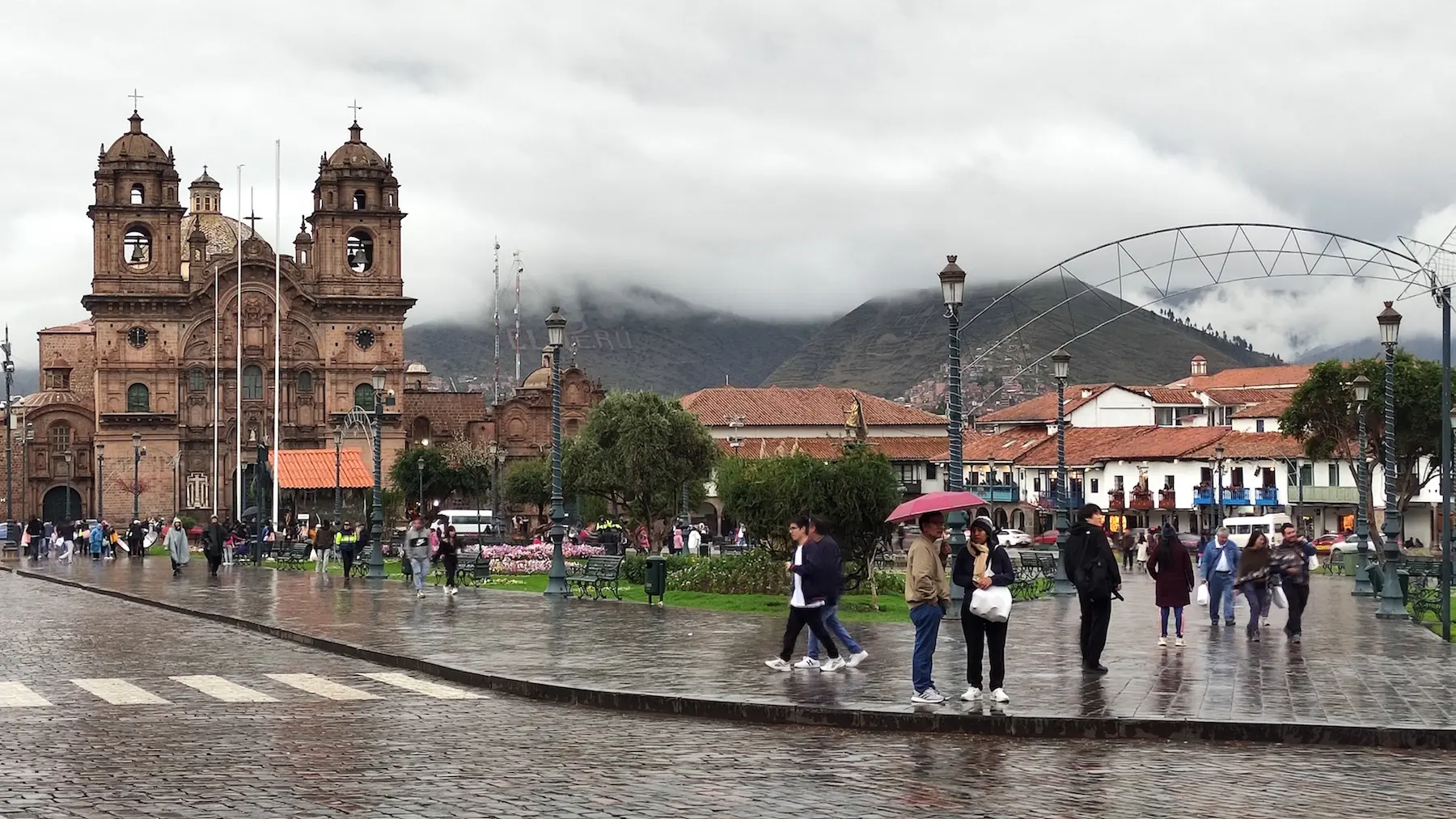
Cusco experiences two principal seasons-a dry season and a rainy season-plus a shoulder month. The dry season, lasting from May through October, brings sunny skies and predictable weather. Daytime temperatures hover around 11–13 °C (52–55 °F), while nights can drop below freezing during June and July.
These months are ideal for trekking and sightseeing, but coincide with peak tourism, so expect crowds and higher prices. The rainy season runs from November through March, bringing afternoon showers and lush green landscapes.
Weather and seasons Cusco
Though travel can be more challenging due to mud and occasional flight delays, fewer tourists mean lower prices and a calmer atmosphere. April serves as the shoulder month, offering a blend of lingering rains and emerging sunshine. When planning your stay, factor in weather preferences, crowd tolerance, and the activities you intend to pursue.
High‑altitude considerations
Altitude is a defining feature of a Cusco trip. At around 3,400 m above sea level, oxygen levels are significantly lower than at sea level. Nearly everyone who ascends rapidly to 3,352 m (11,000 ft) experiences some degree of acute mountain sickness (AMS).
Symptoms include headache, nausea, fatigue, trouble sleeping, and loss of appetite. Serious complications-high‑altitude cerebral edema (HACE) and pulmonary edema (HAPE)-can develop if symptoms are ignored. The best prevention strategy is gradual ascent: spend a couple of days at moderate elevations (2,400–3,000 m) before reaching Cusco and avoid increasing your sleeping altitude by more than 500 m (1,640 ft) per day when above 8,000 ft.
Hydrate well, eat light meals rich in carbohydrates, avoid alcohol for at least 48 hours after arrival, and consider medication like acetazolamide after consulting your doctor. Locals recommend chewing coca leaves or drinking coca tea, which may alleviate mild symptoms. Always listen to your body and descend immediately if symptoms worsen.
Choosing the Right Neighborhood
Cusco’s neighborhoods are like characters in a novel-each has a distinct personality, and choosing the right one can elevate your trip. The city’s compact Historic Center concentrates most tourist accommodations within walking distance of major attractions, yet the steep topography creates varied perspectives. Below is an in‑depth look at each area.
Historic Center (Centro Histórico and Plaza de Armas)
The Historic Center encompasses the Plaza de Armas and surrounding streets where Spanish colonial buildings stand atop Inca foundations. Staying here means complete immersion in Cusco’s history and culture. Within a few blocks, you’ll find Cusco Cathedral, the Qorikancha temple, Museo de Arte Precolombino, the Inca Museum, and a host of churches, museums and artisan shops. It is the ultimate convenience for sightseeing, dining and shopping. Major attractions are within 5–10 minutes’ walk, reducing transportation costs and time.
Pros:
- Unmatched convenience: Everything from attractions to restaurants and travel agencies is at your doorstep. Professional tour operators maintain offices here, making it easy to arrange day trips to Sacred Valley, Rainbow Mountain or Machu Picchu.
- Dining and nightlife: The Historic Center boasts the highest concentration of quality restaurants, ranging from traditional picanterías to upscale contemporary Peruvian Evening entertainment includes folk music venues, craft beer bars and cultural performances.
- Safety: Well‑lit streets and regular police presence create safe environments for evening exploration.
Cons:
- Higher costs: Accommodation here commands premium prices due to the prime location and demand. Budget options exist but are limited and often book out early.
- Noise and crowds: With restaurants, bars and street vendors, the area can be noisy, especially around Plaza de Armas. Rooms facing busy streets may experience loud music and traffic. Crowds can make simple errands feel hectic.
Who should stay here?
First‑time visitors, travelers with limited time, and those who want to be in the heart of the action will appreciate the Historic Center. Couples seeking romance can book balcony rooms overlooking Plaza de Armas to watch daily life unfold. Business travelers needing easy access to banks and travel agencies will also benefit.
Plaza de Armas
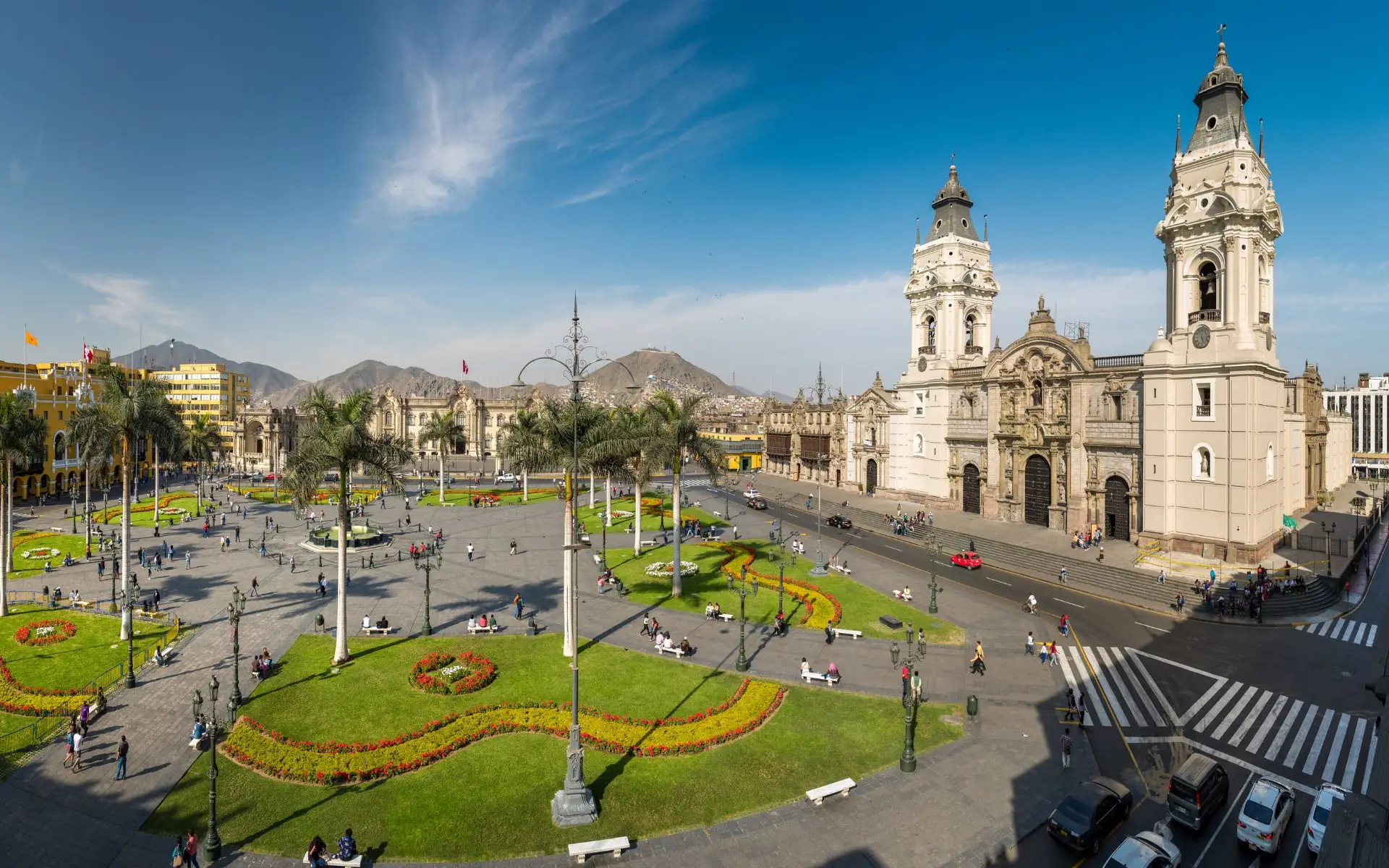
Technically part of the Historic Center, Plaza de Armas deserves its own spotlight. This central square has served as the ceremonial and administrative heart of Cusco since Inca times. Hotels surrounding the plaza offer front‑row seats to festivals and parades, allowing you to witness the blend of indigenous vendors, international tourists and street performers.
Pros:
- Ultimate convenience: You can step out of your hotel and immediately be at the cathedral, museums and restaurants. The ability to return to your room for rest or altitude relief without losing sightseeing time is invaluable.
- Cultural immersion: From your balcony you can observe dancing troupes, Andean musicians and everyday local life.
- Range of options: Luxury hotels occupy restored colonial buildings with courtyards and terraces; mid‑range options include converted mansions offering character and convenience; budget accommodations are scarce but some hostels provide basic rooms at unbeatable locations.
Plaza de Armas
Cons:
- Noise: Restaurants, bars and vendors operate from early morning until late at night. Festival days see constant music and announcements, which may disrupt sleep.
- Parking and traffic: Vehicle access is limited; if you drive, expect to park several blocks away.
- Vendor attention: Persistent sales pitches from tour and souvenir vendors require polite but firm refusals.
Who should stay here?
Short‑term visitors who want to maximize their time and those fascinated by people‑watching. It’s ideal for couples and photographers seeking iconic views. Light sleepers might prefer interior courtyard rooms.
San Blas
San Blas is Cusco’s bohemian quarter. Located uphill from Plaza de Armas, it is a labyrinth of narrow cobblestone streets lined with artisan workshops, galleries and cafés. This creative hub attracts artists and musicians and offers spectacular views over the city’s red‑tiled roofs and surrounding mountains. The area’s elevated location ensures stunning sunrise and sunset vistas.
Accommodation character
San Blas accommodations typically occupy converted colonial buildings with wooden balconies, stone courtyards and local art. Guesthouses emphasize personal touches-home‑cooked breakfasts, culturally themed décor and staff who provide insider tips on artisan workshops. Many properties include terraces or patios that make the most of the views. Prices generally exceed Historic Center rates because of the neighborhood’s desirability, but the premium often translates to better service and unique ambiance.
Physical and practical considerations
San Blas sits on a hill, requiring a 10–15 minute uphill walk from Plaza de Armas along steep cobblestone streets. While the climb yields gorgeous views, it can be challenging when acclimatizing to the altitude or carrying heavy luggage. Many streets are too narrow for cars, and some are restricted to pedestrians, so arrange porter services or choose properties accessible by vehicle. Dining options, though excellent, are fewer than in the Historic Center, and nightlife is relatively quiet.
Who should stay here?
Repeat visitors, artists, digital nomads and travelers seeking authentic cultural immersion will love San Blas. It suits those who appreciate boutique style, creative vibes and scenic overlooks. Families with young children or travelers with mobility issues may find the steep streets challenging.
Lucrepata and Emerging Neighborhoods
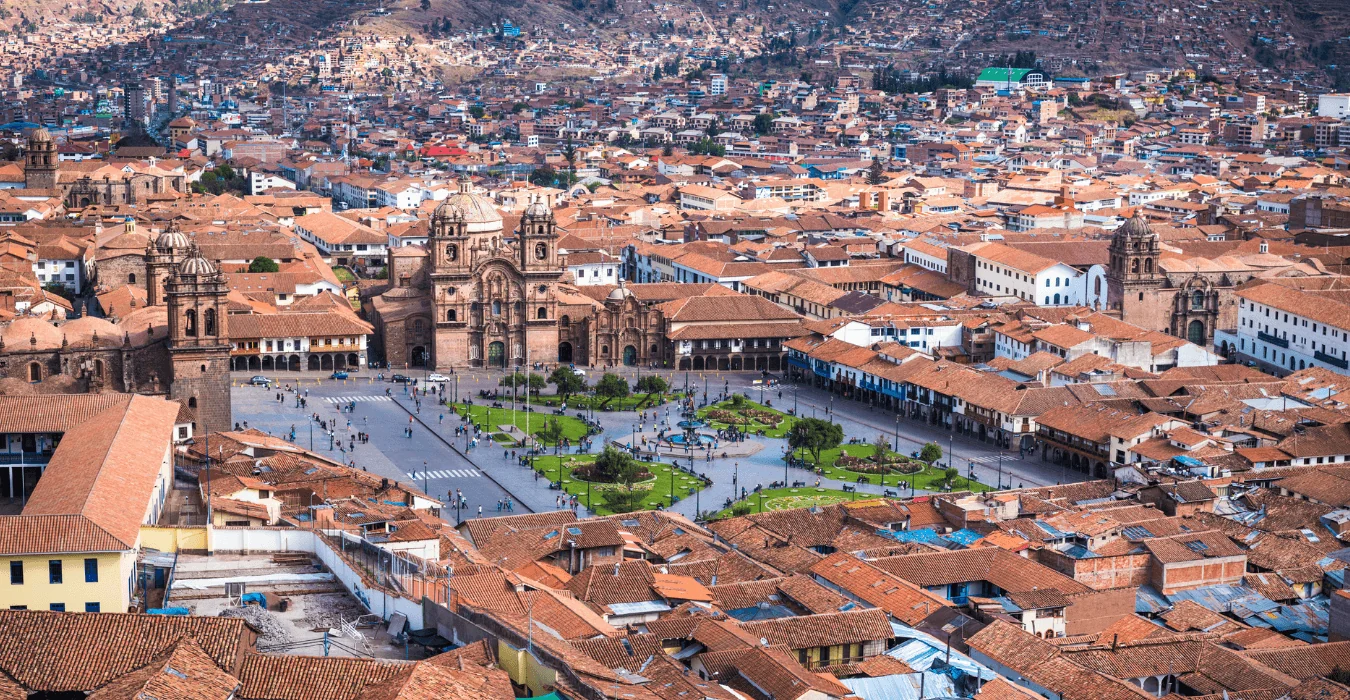
For visitors seeking authenticity and better value, consider Lucrepata and other emerging residential neighborhoods near San Blas. These areas offer family‑run guesthouses, small hotels and vacation rentals that emphasize local hospitality. Staying here gives you glimpses into daily Cusqueño life: breakfast conversations with hosts, advice on hidden restaurants, and quieter environments that allow better sleep.
Advantages:
- Lower accommodation costs: Prices are generally lower than in the Historic Center and San Blas, enabling budget‑conscious travelers to enjoy quality lodging.
- Cultural immersion: Reduced tourist concentration creates opportunities to interact with local residents and practice Spanish. Markets and neighborhood restaurants offer authentic pricing and experiences.
- Quiet: Minimal street noise helps travelers rest and acclimate.
Lucrepata and Emerging Neighborhoods
Drawbacks:
- Limited tourist infrastructure: Fewer English‑speaking staff and less assistance with tour bookings means you must be comfortable with basic Spanish and self‑reliant planning.
- Walking distances: Attractions remain within 15–20 minutes but uphill walks can feel strenuous at altitude.
- Limited nightlife: These areas are quiet, which suits those seeking rest but not those seeking after‑dark entertainment.
Lucrepata and similar neighborhoods suit independent travelers, language learners and long‑stay visitors who value local connections over convenience.
Wanchaq, Magisterio & Budget Areas
Budget travelers will find value in neighborhoods like Wanchaq, Magisterio and areas around Avenida El Sol. These districts offer simple hotels, hostels and guesthouses with basic amenities and friendly staff. Accommodation costs are significantly lower than in the Historic Center while still providing reasonable access to attractions via public transportation.
Advantages:
- Cost savings: Reduced lodging expenses allow longer stays and more money for tours or dining. Larger rooms and included services can offer better value compared to tourist‑focused properties.
- Authentic environments: These neighborhoods provide genuine cultural immersion and local pricing at markets and restaurants. You’ll observe daily life away from tourist crowds.
- Convenient transport: Bus connections and taxis from budget neighborhoods remain practical and affordable.
Considerations:
- Distance and logistics: Longer walking distances or bus rides to major attractions add time and potential costs. Evening returns may require taxis for safety.
- Limited English services: Basic Spanish is useful, and you’ll need to arrange tours independently.
- Security awareness: While Cusco is generally safe, residential areas require greater awareness as they see fewer international visitors. Follow common‑sense safety practices.
These neighborhoods cater to travelers who prefer to stretch their budgets and aren’t bothered by being away from the center. They are good choices for students, digital nomads and backpackers.
Sacred Valley
The Sacred Valley stretches northwest of Cusco and includes towns like Pisac, Urubamba and Ollantaytambo. Sitting at elevations between 2,700 and 3,400 m, it offers slightly lower altitudes, lush farmland, and stunning mountain scenery. Many travelers choose to stay here either before or after visiting Cusco to ease altitude adjustment.
Advantages:
- Altitude relief and scenic beauty: Lower elevations provide easier acclimatization while offering spectacular views and rural tranquility.
- Connection to nature and culture: Eco‑lodges and haciendas integrate organic gardens, traditional cooking classes and interactions with indigenous communities. You can observe traditional farming techniques and experience authentic Andean life.
- Proximity to archaeological sites: Staying in the valley eliminates day‑trip logistics and allows visits to Pisac, Moray, Maras salt mines and Ollantaytambo before crowds arrive.
Considerations:
- Distance to Cusco city: Trips to museums or nightlife require a vehicle and add travel time.
- Limited entertainment: Evening activities are quiet; there are few bars or clubs.
- Weather exposure: Open valley locations face stronger winds, greater temperature swings and heavier rains during the wet season.
Sacred Valley stays suit hikers, families seeking space and travelers planning multiple day trips to valley sites. It’s a great option for those who prioritize rural tranquility, cultural immersion and altitude acclimatization.
San Pedro and San Juan de Dios
While not always featured in typical neighborhood guides, San Pedro and San Juan de Dios offer unique experiences for travelers seeking authentic markets and homestays. San Pedro is home to the Central Market, inaugurated in 1925 and designed by Gustave Eiffel (famed for the Eiffel Tower).
The market covers an entire city block and sells everything from fresh produce and meats to textiles, herbs and handmade crafts. Wandering its aisles is a sensory adventure-steam rises from soup stalls, vendors call out specials, and you’ll see locals buying everything from Andean cheese to herbal remedies.
San Pedro and San Juan de Dios
San Pedro Market is also a food paradise: try chicharrón de cerdo (fried pork belly), tamales, humitas, fresh fruit smoothies and coca tea. Many dishes cost between 5 and 35 PEN and are cooked right in front of you. Morning is the best time to explore when the market is busiest.
San Juan de Dios is a quieter, residential district known for its homestays and cultural exchange programs. Visitors can stay with local families, take cooking classes and participate in community festivals.
Prices tend to be lower than in tourist areas, and experiences are more authentic. The neighborhood sits within walking distance of the San Pedro Market and the Historic Center. San Juan de Dios suits cultural travelers who value meaningful connections over luxury amenities.
Decision Matrix: Choosing Your Neighborhood
To help you visualize the trade‑offs between neighborhoods, the following table compares key factors such as cost, convenience, altitude strain, atmosphere and suitability for different traveler types. Use it to decide where to base yourself.
| Neighborhood | Typical nightly price (USD) | Convenience & proximity | Atmosphere | Altitude & terrain | Best for |
| Historic Center | 50–200+ | 5–10 min walk to major attractions; abundant dining & tour services | Bustling, historic, touristy | Mostly flat; easy walking | First‑time visitors, short stays, museum lovers |
| Plaza de Armas | 70–300+ | At the square; direct access to festivities | Energetic, lively, can be noisy | Flat; crowds everywhere | Couples, photographers, nightlife seekers |
| San Blas | 60–250+ | 10–15 min uphill walk; boutique shops nearby | Bohemian, artsy, quieter evenings | Steep cobblestone streets; limited car access | Repeat visitors, artists, digital nomads |
| Lucrepata / Emerging | 25–80 | 15–20 min walk; fewer services | Residential, authentic | Hilly; moderate walk | Independent travelers, language learners |
| Wanchaq & Budget Areas | 15–50 | 10–20 min by bus/taxi; markets and local eateries | Local, commercial | Flat to gently sloped | Budget travelers, students, and long‑term stays |
| Sacred Valley | 40–300+ | 1–2 hours from Cusco; closer to valley sites | Rural, tranquil | Lower elevation; spread out | Hikers, families, longer itineraries |
| San Pedro / San Juan de Dios | 20–80 | 10–15 min walk to the center; near markets | Lively market (San Pedro), quiet residential (San Juan) | Flat to slight slopes | Foodies, cultural travelers |
Accommodation Types and Recommendations
After choosing a neighborhood, the next step is selecting a lodging type. Cusco offers a diverse range: heritage hotels with oxygen services, boutique guesthouses brimming with character, budget hostels with social atmospheres, homestays for cultural immersion, and eco‑retreats in the Sacred Valley.
Luxury Hotels
Luxury seekers will find opulent properties in restored monasteries and mansions. Rooms often feature oxygen enrichment (to ease altitude adjustment), plush bedding, spas and gourmet restaurants. Top choices include:
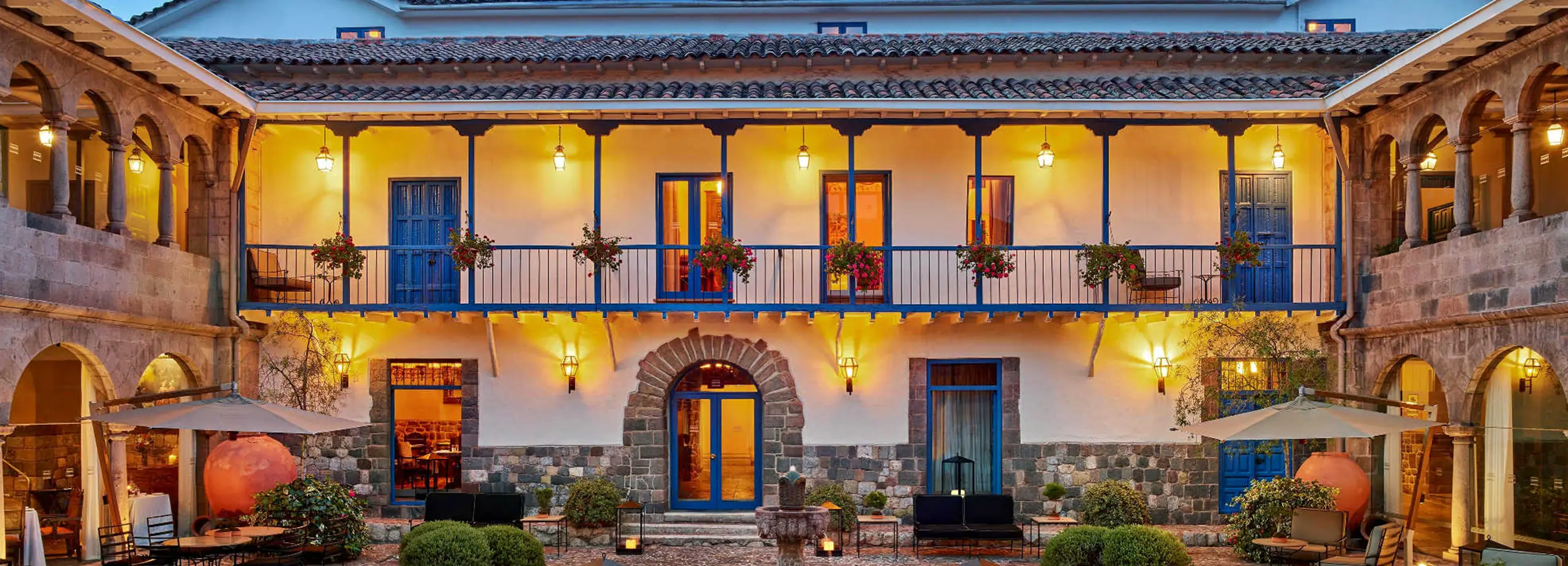
- Belmond Palacio Nazarenas – Set in a former palace and convent near Plaza de Armas, this hotel offers suites with heated floors, oxygen systems and butler service. The courtyard pool and Andean spa treatments provide welcome relaxation after a day of sightseeing. Rates are at the higher end of the spectrum.
- JW Marriott El Convento – Housed in a 16th‑century convent, this property blends colonial architecture with modern amenities. Rooms surround a central courtyard, and the hotel offers a pisco sour bar and fine Peruvian dining.
- Palacio del Inka – Part of Marriott’s Luxury Collection, this hotel sits across from the Qorikancha temple and features elegantly decorated rooms, a spa, and a restaurant serving dishes inspired by ancient Inca recipes. Oxygen services are available upon request.
These luxury hotels command premium rates (200–500 USD per night) but deliver exceptional service, location and comfort. They suit honeymooners, travelers celebrating special occasions, and those who value amenities like spas and fine dining.
Boutique and Mid‑Range Hotels
Mid‑range travelers often seek accommodations with character and comfort without extreme price tags. Boutique hotels like Quinta San Blas, El Balcón, Antigua Casona San Blas, Casa Andina Standard Cusco Plaza and Retablo offer colonial architecture, courtyards, breakfast service and local artwork. Nightly rates range from 60 to 150 USD, depending on the season. These properties typically provide better value than chain hotels and emphasize local hospitality.
- Quinta San Blas – A charming property in San Blas featuring hand‑carved wooden furniture and a quiet courtyard. Includes breakfast and helpful staff. Perfect for couples seeking a boutique atmosphere.
- El Balcón – Located just outside the center but still within walking distance, this converted colonial home offers terraces with city views and gardens. Rooms are simple yet stylish, and rates are moderate.
- Antigua Casona San Blas – Combines contemporary comfort with colonial charm; has a spa, restaurant and cozy bar. Slightly higher priced but known for excellent service.
Budget Hotels and Hostels
Backpackers and students will find numerous hostels and simple hotels across Cusco. Hostels like Pariwana, Flying Dog, Kokopelli and Wild Rover offer dormitory beds (10–20 USD) and private rooms (30–60 USD) along with social lounges and tour booking services. Pariwana in the Historic Center stands out for its colonial building, courtyard, bar and helpful staff who can store luggage while you trek.
Budget hotels in Wanchaq, Magisterio and along Avenida El Sol provide private rooms with basic amenities for 25–50 USD per night. They’re ideal for travelers who prioritize cost savings over central location.
Airbnbs and Vacation Rentals
Airbnb has expanded in Cusco, offering apartments, lofts and entire houses. These accommodations can be cost‑effective for families or groups who need more space. Advantages include kitchens for self‑catering, privacy and an opportunity to live like a local. However, some rentals are outside the central areas; consider transport times and altitude when booking.
Sacred Valley Resorts and Eco‑Lodges
If you decide to stay in the Sacred Valley, look for eco‑lodges like Sol y Luna near Urubamba, Las Qolqas Eco Resort in Ollantaytambo and Willka T’ika in the village of Huayllabamba. These properties integrate sustainable practices such as solar power, water conservation, organic gardens and community engagement.

Sacred Valley Resorts and Eco‑Lodges
They often offer spa treatments, yoga classes and cultural experiences like weaving demonstrations. Nightly rates range from 100 to 300 USD. Staying at these lodges supports responsible tourism and provides a rejuvenating environment before or after the Inca Trail.
What to Consider When Booking
Budget and price ranges
Your budget will largely determine your lodging choices. Use the decision matrix table above to gauge typical price ranges. Expect to pay 50–200 USD per night in the Historic Center, 60–250 USD in San Blas, 25–80 USD in emerging neighborhoods, 15–50 USD in budget districts, and 40–300 USD in the Sacred Valley.
Altitude and health
Consider booking hotels equipped with oxygen services (common in luxury properties) or those at slightly lower elevations, such as in the Sacred Valley. Prioritize accommodations near medical facilities if you have pre‑existing conditions. Plan to acclimate gradually; our sample itinerary below includes rest periods and gentle activities for your first days.
Proximity to attractions and nightlife
If you want to explore museums and restaurants easily, stay in the Historic Center or Plaza de Armas where attractions are within 5–10 minutes’ walk. For arts and crafts and quieter evenings, choose San Blas. Nightlife lovers should stay near Plaza de Armas; families and those seeking tranquility might prefer emerging neighborhoods or the Sacred Valley. Always consider the terrain-steep hills may be challenging at altitude.
Safety, noise and accessibility
Cusco is generally safe, but standard precautions apply. The Historic Center and San Blas have regular police presence. Budget neighborhoods require greater awareness. Light sleepers should choose interior rooms or neighborhoods away from the plaza. Travelers with mobility issues should avoid steep areas like San Blas.
Sustainability and ethics
Opt for tour operators and accommodations that adhere to fair labor practices and environmental guidelines. The new Peruvian porter law (Law 31614) mandates increased wages, overtime pay, rest periods, health insurance, load limits (20 kg for men and 15 kg for women), protective equipment, proper camping gear and a minimum age of 18.
Confirm with your trekking company that porters are adequately compensated and that operations follow leave‑no‑trace principles. Supporting hotels and restaurants that source locally and reduce plastic waste contributes to sustainable tourism. At Alpaca Expeditions, we want you to leave all your stress behind. For many students, balancing a complex travel budget with a heavy course load is a challenge; if you’d rather focus on the trail than numbers, you might find yourself looking for someone to do my accounting assignment before you head into the mountains. We recommend settling all your academic and financial tasks early so you can fully immerse yourself in the Andes.
Seasonal Planning
When to visit Cusco depends on your priorities for weather, crowd levels and activities.
Dry Season (May–October)
This is the peak tourist period. Days are sunny with temperatures around 11–13 °C (52–55 °F). Nights are cold, especially in June and July when temperatures can drop to freezing. Trekking conditions are optimal, with clear skies for photographs and minimal rainfall. However, expect higher prices and require reservations for hotels, tours and trains. Pack warm layers for evenings, a down jacket, gloves, and a hat.
Rainy Season (November–March)
This period brings frequent afternoon showers and mild temperatures around 13–14 °C (55–57 °F). Landscapes turn emerald green, and fewer tourists create a more relaxed atmosphere. Travel disruptions due to rain are possible; bring waterproof clothing, sturdy shoes, and rain covers for bags. The Inca Trail often closes in February for maintenance; alternative treks and site visits remain accessible.
Shoulder Season (April)
April bridges the dry and rainy seasons; weather can be unpredictable with a mix of sunny days and occasional showers. Crowds are lighter than in peak months, and prices moderate. This transitional month offers the best of both worlds-green scenery and improving weather-making it an excellent choice for travelers with flexible schedules.
Acclimatization & Health
Altitude sickness basics
Acute mountain sickness (AMS) occurs when the body doesn’t have time to adjust to lower oxygen levels. Symptoms include headache, nausea, loss of appetite, fatigue, dizziness, and sleep disturbances. Severe forms like high‑altitude cerebral edema (HACE) and pulmonary edema (HAPE) involve confusion, ataxia, breathlessness, and require immediate descent. People who ascend quickly above 3,352 m (11,000 ft) are particularly susceptible.

Altitude sickness basics
Prevention guidelines
- Gradual ascent: Spend a night or two at intermediate elevations such as Lima (sea level), followed by Arequipa (2,335 m) or the Sacred Valley (2,700–3,000 m) before Cusco. Once above 9,000 ft, increase sleeping altitude by no more than 500 m (1,640 ft) per day.
- Hydration and diet: Drink 3–4 litres of water daily and eat light, carbohydrate‑rich meals. Avoid heavy meals and alcohol for the first 48 hours–.
- Medication: Consult your doctor about prophylactic medications like acetazolamide (Diamox). Start a day before ascent and continue for several days.
- Rest and pacing: Plan low‑intensity activities during your first days. Avoid strenuous hikes, limit physical exertion, and take frequent breaks.
- Local remedies: Chew coca leaves or sip coca tea as locals do-this can help alleviate mild symptoms. Available at most markets and hotel lobbies.
- Recognize symptoms: Monitor your health. If headaches worsen or you experience dizziness, confusion or breathlessness, descend immediately and seek medical care.
Acclimatization itinerary (first three days)
| Day | Activities | Purpose |
| Day 1 (Arrival) | Arrive via Cusco airport or bus. Check into a hotel (preferably in the Historic Center or Sacred Valley). Rest for a few hours. Take a gentle walk around Plaza de Armas, visit a café, and hydrate. Avoid alcohol. | Allows your body to begin adjusting to altitude, and encourages gentle movement to improve circulation. |
| Day 2 | Visit museums and sites at low elevation: Qorikancha, San Pedro Market. Drink coca tea. Lunch at a local restaurant. Afternoon nap. Attend an evening folk music performance. | Maintains low exertion while enjoying culture. Hydration and rest continue acclimatization. |
| Day 3 | Walk to San Blas, exploring artisan shops slowly. Take a light yoga or stretching class at a wellness center. Early dinner and rest. | Gradually introduces uphill walking and physical activity while monitoring your body’s response. |
Cusco Culture and Cuisine
Markets and street food
San Pedro Market is the beating heart of Cusco’s culinary scene. Inaugurated in 1925 and designed by Gustave Eiffel, it is the oldest market in the city. Locals shop here daily for produce, meats, textiles and herbal remedies. Travelers flock to its food stalls for authentic Andean snacks and meals.
Chicharrón de cerdo-boiled, marinated and fried pork belly with crispy skin-is a favorite breakfast dish; expect to pay around 15–35 PEN per plate. Tamales (corn dough filled with meat or cheese and steamed in banana leaves) cost 5–15 PEN and are best enjoyed in the morning. Humitas-sweet or savory steamed corn cakes-are also sold at stalls for 5–10 PEN.
Vendors also sell fresh fruit juices, coca tea and snacks like anticuchos-marinated beef heart skewers grilled over open flames-costing 10–20 PEN per skewer. At lunchtime, try Chairo, a nourishing soup with meat, tubers and grains, priced around 10–25 PEN.
San Blas hosts a smaller but equally enticing artisan market where you can watch craftsmen carve wood, weave textiles and create silver jewelry. Enjoy local pastries and coffee from cafés tucked along cobblestone alleys.
Typical dishes and where to eat them
Cusco’s culinary landscape is a fusion of indigenous ingredients and colonial influences. Must‑try dishes include:
- Cuy al horno (baked guinea pig) – A traditional Andean delicacy marinated with herbs and roasted whole. It is served with potatoes and aji sauce. Preparation takes 2–3 hours. Expect to pay 60–100 PEN at restaurants like Pachapapa.
- Lomo saltado – Stir‑fried beef, onions, tomatoes and chili peppers mixed with French fries and served over rice. This Chifa (Chinese‑Peruvian) dish costs 25–50 PEN and is available at most restaurants.
- Ají de gallina – Shredded chicken in a creamy sauce of aji amarillo, bread, walnuts and Parmesan. Served with potatoes and rice; moderate price range 20–40 PEN.
- Alpaca steak – Lean, tender, and slightly sweet; priced 30–60 PEN at specialty restaurants.
- Chicharrón de cerdo – Crispy fried pork belly served with mote (hominy), sweet potato or corn. Preparation time 4–5 hours; cost 15–35 PEN.
- Quinoa soup – Nutritious soup combining quinoa with vegetables, potatoes, and sometimes meat. Preparation takes about an hour; costs 10–25 PEN.
- Rocoto relleno – Spicy stuffed peppers filled with meat, olives, and boiled eggs, topped with cheese; costs 25–45 PEN.
- Ceviche – Cusco’s version uses freshwater fish like trout marinated in lime juice with onions and cilantro; costs 30–60 PEN.
- Pachamanca – A communal feast where meats and vegetables are cooked underground with hot stones; group meals cost around 100 PEN per person.
- Papas a la huancaína – Boiled potatoes topped with spicy cheese sauce; cost 15–30 PEN.
- Humitas – Sweet or savory steamed corn cakes; cost 5–10 PEN and are widely available at markets.
For drinks, sample chicha morada, a sweet purple corn beverage infused with fruit and spices; emoliente, a herbal barley tea; and pisco sour, Peru’s national cocktail (though alcohol should be avoided during initial acclimatization).
Festivals and events
If your travel dates allow, experience Inti Raymi, the Festival of the Sun, held every 24 June to celebrate the winter solstice and honor the Inca sun god. It features colorful parades and reenactments at Qorikancha and Sacsayhuamán. Corpus Christi occurs 60 days after Easter and involves processions of saints carried through Plaza de Armas. Year‑round, you’ll find smaller festivities, including weekly markets, Andean music concerts, and artisan fairs. Check with local tourism offices for updated schedules.
Transportation & Logistics
Arriving in Cusco
Most international travelers fly into Alejandro Velasco Astete International Airport (CUZ). From the airport, taxis and shuttle services operate to the Historic Center (10–20 minutes). To ensure safety and avoid overcharging, use official airport taxis or prearranged hotel pickups. Public buses are available, but less convenient with luggage.
Getting to Sacred Valley
Reaching the Sacred Valley from Cusco is easy and scenic. Budget travelers can take shared vans or buses departing from Avenida Grau toward Pisac, Urubamba, Pachar, and Ollantaytambo. Tickets cost a few soles and departures are frequent. Private taxis or tours offer more flexibility and personalized stops.
For a comfortable and scenic option, board PeruRail trains from Poroy Station (30 minutes outside Cusco), San Pedro Station (in central Cusco), or Pachar Station (in the valley). Trains provide various services-from budget Expedition to luxurious Hiram Bingham-with panoramic windows and onboard entertainment.
Train to Machu Picchu
Two main train companies-PeruRail and IncaRail-operate services between Cusco, Ollantaytambo, and Aguas Calientes (Machu Picchu Pueblo). Most travelers take a bus or taxi to Ollantaytambo (1.5–2 hours), then board a train for the 90‑minute journey through lush valleys to Aguas Calientes. Direct trains from San Pedro or Poroy to Aguas Calientes take about 3.5 hours. Reserve tickets early during peak season.

Train to Machu Picchu
City transportation
Within Cusco, walking is often the easiest way to get around. The Historic Center, Plaza de Armas, and San Blas are compact and walkable. However, the city’s steep streets and stairs require good footwear and moderate fitness. Taxis are plentiful and inexpensive; use reputable companies or ride‑hailing apps (available in major Peruvian cities). Public buses and collectivos connect neighborhoods and towns around Cusco. Always carry small change and watch your belongings in crowded vehicles.
Sample Itineraries
3‑Day City‑Centric Itinerary
Day 1: Arrive and acclimatize. Rest at your hotel, take a gentle evening stroll around Plaza de Armas, and enjoy a light dinner (soups or quinoa dishes). Drink plenty of water and coca tea. Sleep early.
Day 2: Explore the Historic Center. Visit Qorikancha to understand Inca engineering, then tour the Cathedral and Museo Inka. Lunch at a picantería to try lomo saltado. In the afternoon, browse San Pedro Market and sample tamales or fruit juices. Attend an evening folk music show.
Day 3: Wander up to San Blas. Visit artisan workshops and the San Blas Church. Have lunch at a café with a terrace. In the afternoon, take a taxi to Sacsayhuamán, the colossal Inca fortress overlooking Cusco. Sunset here is unforgettable. For dinner, sample rocoto relleno at a local restaurant.
5‑Day Extended Itinerary
Day 1–2: Follow the 3‑day itinerary to acclimate.
Day 3: Day trip to the Sacred Valley. Take a morning bus or taxi from Avenida Grau to Pisac. Explore the ruins and market, then continue to Urubamba for lunch. In the afternoon, visit the salt mines of Maras and the agricultural terraces at Moray. Return to Cusco in the evening.
Day 4: Choose an adventure. Options include Rainbow Mountain (full‑day hike starting early; be mindful of altitude) or a half‑day horseback ride to the Temple of the Moon and Qenqo. Alternatively, take a cooking class in San Juan de Dios.
Day 5: Relax and prepare for onward travel. Enjoy a spa treatment or yoga session at your hotel. Pick up souvenirs at artisan markets. If heading to Machu Picchu, catch an afternoon train from Poroy or Ollantaytambo.
These itineraries can be extended with additional days in the Sacred Valley or with treks like the Inca Trail, Salkantay, or Lares. Always account for acclimatization.
Packing List & Safety Checklist
Printable packing list
| Category | Items |
| Documents & Money | Passport (with photocopies), travel insurance, credit/debit cards, local currency (soles), emergency contacts |
| Clothing – Dry season | Light base layers, fleece jacket, down jacket, hat, gloves, scarf, T‑shirts, long‑sleeve shirts, breathable hiking pants, shorts, undergarments, sleepwear |
| Clothing – Rainy season | Waterproof jacket, poncho, quick‑dry layers, warm sweaters, wool socks, waterproof hiking boots, umbrella |
| Footwear | Comfortable walking shoes, hiking boots, sandals/slip‑ons for the hotel |
| Health & Altitude | Reusable water bottle, electrolytes, sunscreen, sunglasses, lip balm, high‑altitude medication (with doctor approval), coca candies/tea, basic first aid kit |
| Gear | Daypack, lockable suitcase, camera, spare batteries/power bank, headlamp (for treks), adapters (Peru uses 220 V), reusable shopping bag |
| Toiletries | Toothbrush, toothpaste, soap, shampoo, deodorant, wet wipes, hand sanitizer, tissues, menstrual products |
| Optional | Trekking poles, sleeping bag liner (for treks), lightweight towel, binoculars, journal, earplugs (for noise), portable water filter |
Safety checklist
- Stay informed: Monitor official travel advisories (State Department or UK Foreign Office) and avoid high‑risk areas like the VRAEM region and border zones.
- Register your trip: Enroll in the U.S. STEP program or the UK FCDO’s travel advice service to receive updates.
- Secure valuables: Use hotel safes and keep valuables out of sight. Wear a money belt or hidden pouch in crowded areas.
- Use reputable transport: Avoid unregistered taxis; call radio taxis or use ride‑hailing apps. When traveling to the Sacred Valley, choose known bus companies.
- Avoid walking alone at night: Travel in groups or use taxis after dark.
- Know emergency numbers: U.S. Embassy in Lima: +51 1 618 2000; National Police: 105; Tourist Police: 0800 22221; iPerú tourist service: +51 1 574 8000.
- Respect altitude: Do not push yourself physically when acclimatizing; descend if symptoms worsen.
- Food safety: Eat at busy stalls and avoid raw foods during the initial days. Drink bottled or filtered water.
- Travel insurance: Ensure coverage includes high‑altitude trekking and medical evacuation.
Porter Welfare & Responsible Travel
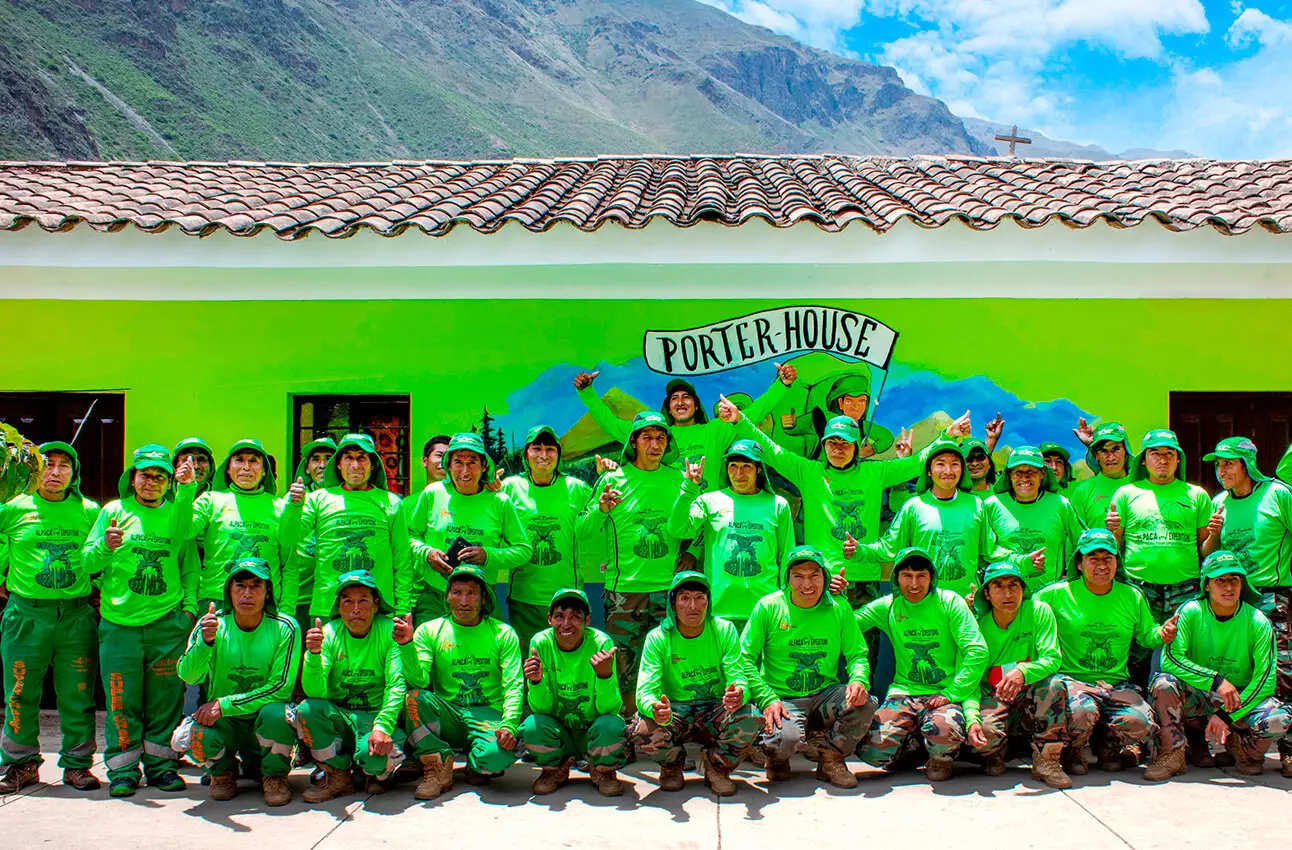
Peru’s porters are the backbone of the trekking industry, carrying tents, food, and equipment along challenging trails. For years, they were underpaid and lacked basic protections. In November 2022, the Peruvian government passed Law 31614, known as the New Porter Law, which expanded porters’ rights and set new standards.
Porter Welfare & Responsible Travel
The law mandates a higher minimum wage, overtime pay for hours beyond 48 hours, mandatory five‑day rest periods after trips, social health insurance, accident insurance, and pension contributions. It also requires tour operators to provide nutritious meals, protective gear (lumbar belts, sun protection), adequate camping equipment, and sleeping arrangements under a roof.
Load limits are set at 20 kg for male porters and 15 kg for female porters, and porters must be at least 18 years old.
How to support fair treatment
- Choose responsible operators: Book treks with companies that comply with Law 31614, pay porters fairly, and provide them with benefits and equipment. Ask companies about their porter policies.
- Pack responsibly: Respect weight limits; carry your own essentials whenever possible to reduce porters’ loads.
- Tipping ethically: Porters rely on tips as part of their income. Contribute according to the guidelines given by your tour operator.
- Advocate: Speak up if you witness mistreatment. Share feedback with tour companies and travel forums to encourage accountability.
Sustainable practices
Travelers can reduce their environmental impact by following “leave no trace” principles: carry reusable water bottles, filter your water to reduce plastic use, avoid single‑use plastics, and pack out all trash. Support community tourism-stay in locally owned accommodations, buy crafts directly from artisans, and eat at family‑run restaurants. Choose eco‑friendly products and respect cultural customs.
Decision Frameworks & Tips
Selecting the right lodging involves balancing variables like budget, location, altitude, activities and personal preferences. Use the following framework:
- Define your priorities: Cultural immersion, convenience, quiet, budget or scenic beauty? Rank them.
- Match priorities to neighborhoods using the decision matrix. For example, if convenience and nightlife are top priorities, choose Plaza de Armas. If tranquility and views matter, choose San Blas or the Sacred Valley.
- Set your budget: Determine how much you can spend per night and allocate funds accordingly. Factor in the need for oxygen services or medical proximity.
- Consider physical ability: If you have mobility limitations or are concerned about altitude, avoid steep neighborhoods.
- Check sustainability: Opt for lodgings with eco‑certifications or local ownership and confirm that trekking operators follow porter welfare regulations.
Tips for specific traveler types
- Families: Choose family rooms or apartments in the Historic Center or Sacred Valley, where attractions are nearby. Avoid San Blas due to steep streets.
- Solo travelers: Hostels in the Historic Center or San Blas provide social atmospheres. Look for female‑only dorms if you prefer.
- Couples: Boutique hotels and historic mansions around Plaza de Armas offer romantic settings.
- Luxury travelers: Book heritage hotels with spas and oxygen services.
- Adventure seekers: Stay in the Sacred Valley to be closer to trailheads and enjoy acclimatization before high‑altitude treks.
- Repeat visitors: Opt for emerging neighborhoods for a deeper immersion and better value.
Conclusion
Cusco is not just a stopover on the way to Machu Picchu-it is a destination in its own right. With its rich history, vibrant markets, artistic neighborhoods, delicious cuisine and access to breathtaking landscapes, the city rewards visitors who invest time in exploring its corners.
The key to a fulfilling stay is choosing accommodations that align with your priorities, planning for altitude acclimatization, and traveling responsibly. Whether you’re strolling through the historic Plaza de Armas, sipping coffee in bohemian San Blas, bargaining for fruit at San Pedro Market, or waking up to mountain views in the Sacred Valley, Cusco promises unforgettable moments.
By following the decision frameworks, safety tips and ethical guidelines outlined here, you can enjoy all that Cusco has to offer while supporting local communities and preserving cultural heritage.
As the Inca saying goes, “Ama sua, ama llulla, ama quella” (do not steal, do not lie, do not be lazy). Carry this spirit with you, and your visit to Cusco will be as enriching for you as it is respectful to the people who call this magical city home.
FAQ
Q1: What is the best neighborhood in Cusco for first‑time visitors?
The Historic Center is ideal for first‑time visitors due to its concentration of attractions, dining, and tour services within walking distance. It offers cultural immersion and convenience, though it can be crowded and noisy.
Q2: Is Plaza de Armas noisy at night?
Yes, Plaza de Armas is lively well into the evening. Restaurants, bars and street performers create constant activity. Light sleepers should request interior rooms or consider staying a few blocks away.
Q3: How far is the Sacred Valley from Cusco, and should I stay there?
The Sacred Valley is about 1–2 hours from Cusco by road or train. Staying there offers a lower altitude and rural beauty. It’s ideal for trekkers, families, and those seeking tranquility.
Q4: Are there family‑friendly neighborhoods in Cusco?
Yes. The Historic Center and Sacred Valley provide family‑friendly infrastructure, easy access to attractions, and space for children. Avoid steep San Blas streets with very young kids.
Q5: Where can I find budget accommodations in Cusco?
Budget areas like Wanchaq, Magisterio, and Avenida El Sol offer hotels and hostels from 15–50 USD per night. These neighborhoods provide authentic experiences and affordable dining, but require bus or taxi rides to central attractions.
Q6: What are the price ranges for hotels in different neighborhoods?
Expect 50–200 USD in the Historic Center, 60–250 USD in San Blas, 25–80 USD in emerging neighborhoods, 15–50 USD in budget areas, and 40–300+ USD in the Sacred Valley.
Q7: What is altitude sickness, and how can I prevent it?
Altitude sickness arises when ascending quickly to high elevations. Symptoms include headaches, nausea, and fatigue. Prevention involves gradual ascent, staying hydrated, avoiding alcohol, eating light meals, and considering medication.
Q8: What months are best for visiting Cusco based on the weather?
The dry season (May–October) offers sunny days and optimal trekking conditions. The rainy season (November–March) brings lush scenery and fewer tourists. April is transitional with variable weather.
Q9: How do I get from Cusco to Machu Picchu?
Most travelers take a bus or taxi to Ollantaytambo (1.5–2 hours) and then a train to Aguas Calientes. Direct trains from San Pedro or Poroy stations are available but less frequent. Reserve tickets early, especially in high season.
Q10: Are there eco‑lodges in Cusco or the Sacred Valley?
Yes. Properties like Sol y Luna, Las Qolqas Eco Resort, and Willka T’ika in the Sacred Valley integrate sustainability, organic gardens, and cultural experiences.
Q11: Is it safe to walk around Cusco at night?
The Historic Center and San Blas are generally safe due to police presence, but avoid dark alleys and walk in groups. Use taxis for longer distances or after dinner.
Q12: What emergency numbers should I know?
U.S. Embassy in Lima: +51 1 618 2000; National Police: 105; Tourist Police: 0800 22221; iPerú tourist information: +51 1 574 8000.
Q13: Which Cusco neighborhood has the best restaurants and nightlife?
The Historic Center and Plaza de Armas offer the most diverse dining and entertainment options. San Blas has excellent cafés but limited nightlife.
Q14: Are there accommodations with oxygen services?
Several luxury hotels (Palacio Nazarenas, JW Marriott El Convento, Palacio del Inka) provide oxygen enrichment in rooms, which helps guests acclimatize to high altitude.
Q15: What’s the difference between San Blas and the Historic Center?
San Blas is an artsy, bohemian district with artisan workshops and steep cobblestone streets. The Historic Center is flatter, busier, and concentrated around major attractions. San Blas offers unique boutique hotels and panoramic views– but requires uphill walking.
Q16: How do I support porter welfare and responsible trekking?
Choose tour companies that comply with Law 31614, pay porters fairly, provide proper equipment, and limit loads. Pack responsibly, tip appropriately, and promote ethical practices.
Q17: What should I pack for a trip to Cusco?
Bring layered clothing suitable for fluctuating temperatures, waterproof gear for rain, hiking boots, sun protection, high‑altitude medication, reusable water bottles, and essential documents. See the packing list above for details.
Q18: Is the San Pedro Market worth visiting?
Absolutely. The market is Cusco’s oldest (inaugurated in 1925) and offers an array of local foods, crafts and cultural experiences. It’s a great place to try tamales, chicharrón, and humitas.
Q19: What are typical dishes in Cusco, and where can I try them?
Try cuy al horno, lomo saltado, ají de gallina, alpaca steak, quinoa soup, rocoto relleno, ceviche, pachamanca, papas a la huancaína, anticuchos and humitas. Many restaurants in the Historic Center and San Blas serve these dishes. Markets like San Pedro are great for street food.
Q20: How much time should I spend in Cusco before and after the Inca Trail?
Spend at least two days in Cusco or the Sacred Valley before trekking to acclimatize properly. After the trek, allocate two days to rest, explore museums, and enjoy local cuisine.
Q21: Are there accommodations with balconies or city views?
Yes. Many hotels in San Blas and Plaza de Armas have balconies or terraces with panoramic views of Cusco’s rooftops and mountains. Confirm when booking.
Q22: What transport options exist from Cusco airport to the city center?
Official taxis, prearranged hotel shuttles and private transfers operate from the airport. The journey takes 10–20 minutes. Avoid unlicensed taxis.
Q23: Can I stay near the train station for Machu Picchu?
Yes. San Pedro Station is in central Cusco and has a few budget hotels nearby. Poroy Station (30 minutes away) has limited accommodations; most travelers commute from Cusco or stay in Ollantaytambo, where there are numerous hotels and guesthouses.
Q24: Are there accommodations with family rooms or apartments?
Many hotels in the Historic Center and Sacred Valley offer family rooms. Airbnb listings also provide apartments and houses suited to families.
Q25: What neighborhoods are good for repeat visitors wanting local immersion?
Emerging neighborhoods like Lucrepata or San Juan de Dios offer authentic local experiences, lower prices, and fewer tourists.
Q26: Is Cusco child‑friendly?
Yes. The Historic Center has pedestrian plazas, museums, and parks. The Sacred Valley offers outdoor activities like horseback riding and visits to farms. Avoid steep areas like San Blas with very young children.
Q27: How do I choose an ethical tour operator?
Research companies’ porter policies, read reviews, confirm compliance with Law 31614, and verify whether they provide fair wages, insurance, and rest periods.
Q28: What is the new Porter Law and how does it affect trekkers?
Law 31614 mandates higher wages, overtime pay, rest periods, insurance, and strict weight limits for porters. It requires tour operators to provide proper gear and nutrition. Trekkers should choose companies that adhere to the law and should pack responsibly.
Alpaca Expeditions Recognitions
ISO (International Organization for Standardization)
In the pursuit to stand out from the rest, Alpaca Expeditions has obtained four ISOs plus our carbon footprint certificate to date. These achievements result from our efforts to implement the internationally-recognized integrated management system. They also represent our commitment to all of our clients and staff of operating sustainability and responsibility in every way possible.

World Travel Awards
Alpaca Expeditions is internationally recognized as a leading tourism company in Peru. As proof, we have been awarded the World Travel Award for Peru´s Best Tour Operator 2021 for the second time.


TRIPADVISOR RECOGNITIONS
Our goal at Alpaca Expeditions is to create the best experience for all of our clients. We create journeys that are to be remembered for a lifetime. Journeys you can be proud of and can share with everybody around you.





As Featured In











Scan Here!




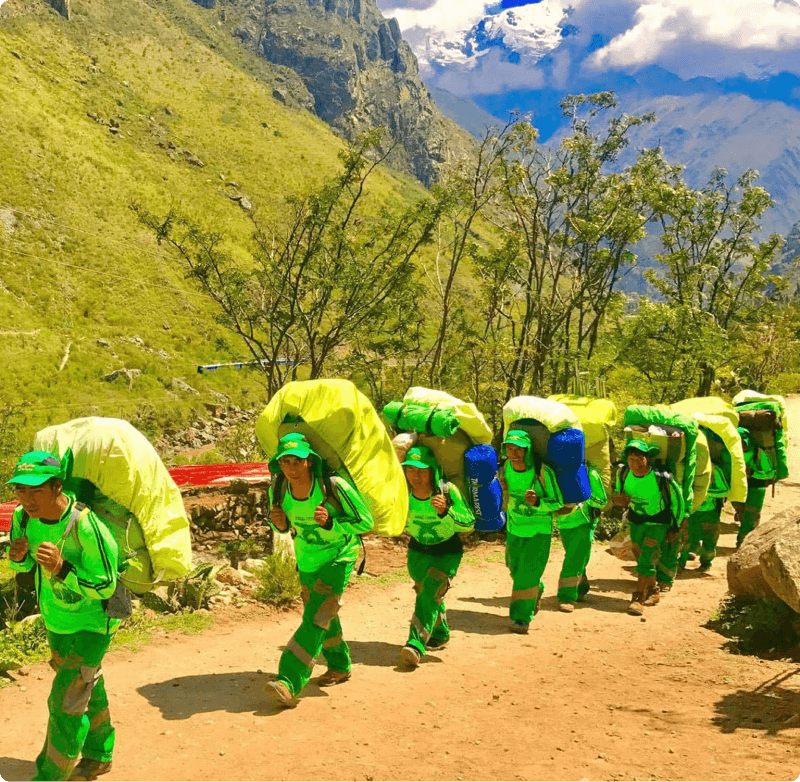 Porters will carry up to 7 kg of your personal items, which must include your sleeping bag and air mat (if you bring or rent one). From us, these two items weigh a combined total of 3.5 kg.