


New Year’s Eve in Cusco and Acclimatization Before the Trek: Celebrate and Prepare with Alpaca Expeditions
There is nothing quite like greeting the New Year in the heart of the Andes. As Cusco’s colonial plazas glow with lanterns and fireworks, and locals run through the streets clutching suitcases and eating grapes, you’ll quickly realize that New Year’s Eve here is not just a party—it’s a melding of ancient Andean customs and modern celebrations. Know more about the Celebration of New Year’s Eve in Cusco and Acclimatization Before the Trek.
At the same time, you might also be thinking ahead to your upcoming trek to Machu Picchu or the Sacred Valley. How do you enjoy the festivities while making sure your body is prepared for high‑altitude hiking? In this guide, we at Alpaca Expeditions share everything you need to know about spending New Year’s in Cusco and acclimatizing before you hit the trail.
Our journey will take you through the symbolism behind local traditions like yellow underwear, 12 grapes, and effigy burning, highlight the best spots to ring in the New Year, and provide a practical itinerary for your first few days in Cusco. By the end, you’ll know how to celebrate responsibly and how to acclimate properly—ensuring your trek is safe, enjoyable, and memorable.
Why Cusco Is a Special Place for New Year’s
A Blend of Inca Tradition and Modern Festivities
Cusco was once the capital of the Inca Empire, and many customs from that era continue to shape holiday celebrations. But centuries of colonial rule and cultural exchange have layered Catholic and Spanish influences onto these traditions.
The result is a unique mash‑up: you’ll see Andean elders lighting candles for archangel blessings and teenagers dancing to contemporary bands in the Plaza de Armas. According to local guides, Cusco’s New Year is popular because it combines history, faith, joy and community under the open sky.

New Year’s Traditions in Cusco
Safe and Welcoming Environment
Authorities recognise that Cusco attracts thousands of visitors for the holidays. Increased police presence around the Plaza de Armas and San Blas neighborhoods helps maintain order.
As always, travellers should keep an eye on belongings, but the overall atmosphere is convivial and welcoming. Tour operators like us partner with local authorities to ensure safe group celebrations and to offer secure transfers to and from events.
New Year’s Traditions in Cusco
Cusco’s New Year’s Eve traditions might surprise you, combining symbolic rituals with light‑hearted fun. Here are some of the most beloved customs you’ll encounter.
Wearing Yellow for Prosperity
Wearing Yellow for Prosperity
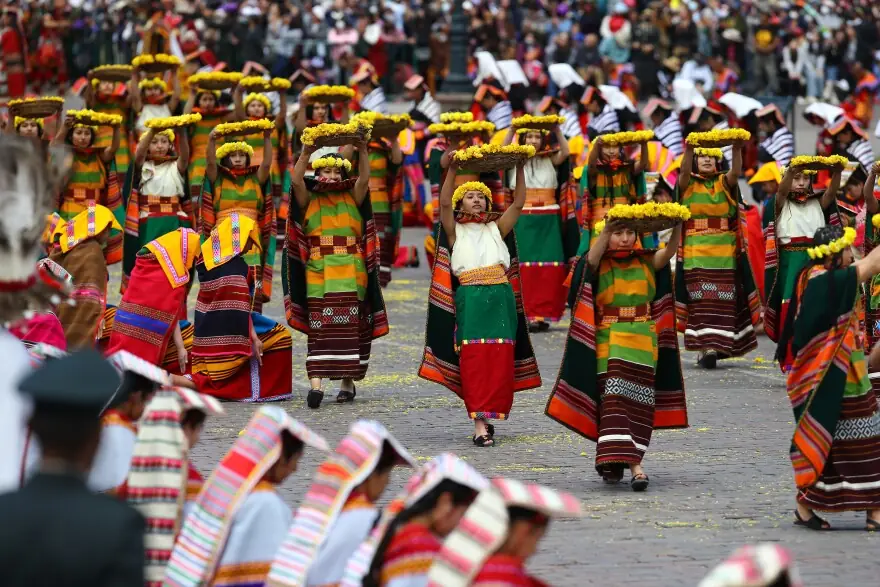
Yellow dominates Cusco’s markets and streets during the last days of December. Vendors sell yellow underwear, flowers, garlands and confetti because in Andean cosmology the color represents abundance and happiness.
People believe that wearing something yellow at midnight attracts prosperity and good luck for the coming year. It’s common to see locals and tourists alike brandishing bright yellow garments, especially under their clothes.
Lighting Colored Candles and Spiritual Cleansing
Many Cusqueños light candles of different colors to attract specific blessings: white for health, green for work and education, pink for love, blue for protection, and yellow for money. Each candle corresponds to an archangel, and families gather to say prayers and cleanse their homes of bad energy.
Shamans known as paqos may perform limpia (cleansing) rituals using incense, herbs and flowers. While these practices are deeply rooted in Andean spirituality, they have blended with Catholic beliefs to create a unique syncretism.
Running Around the Plaza with a Suitcase
If you see people running around the Plaza de Armas with suitcases at midnight, they’re not catching a flight—this tradition symbolizes a wish for travel and adventure in the coming year. Locals often perform three or seven laps around the plaza, suitcases in hand, to attract good luck for future journeys. Even if you aren’t superstitious, joining in can be a fun way to burn off some of the sumptuous food you’ll be eating!
Eating Twelve Grapes at Midnight
A custom imported from Spain, eating twelve grapes right after midnight ensures good fortune for each month of the coming year. Markets fill with grapes during the holidays to meet demand. Each grape is eaten with a wish; if you’re with locals, they might share their hopes for love, health, or success as they chew through their grapes in rapid succession.
Burning Dolls and Fireworks
Some families burn effigies, often representing old habits, bad luck, or the past year’s hardships. By reducing these dolls to ashes, they symbolically clear the way for new experiences.
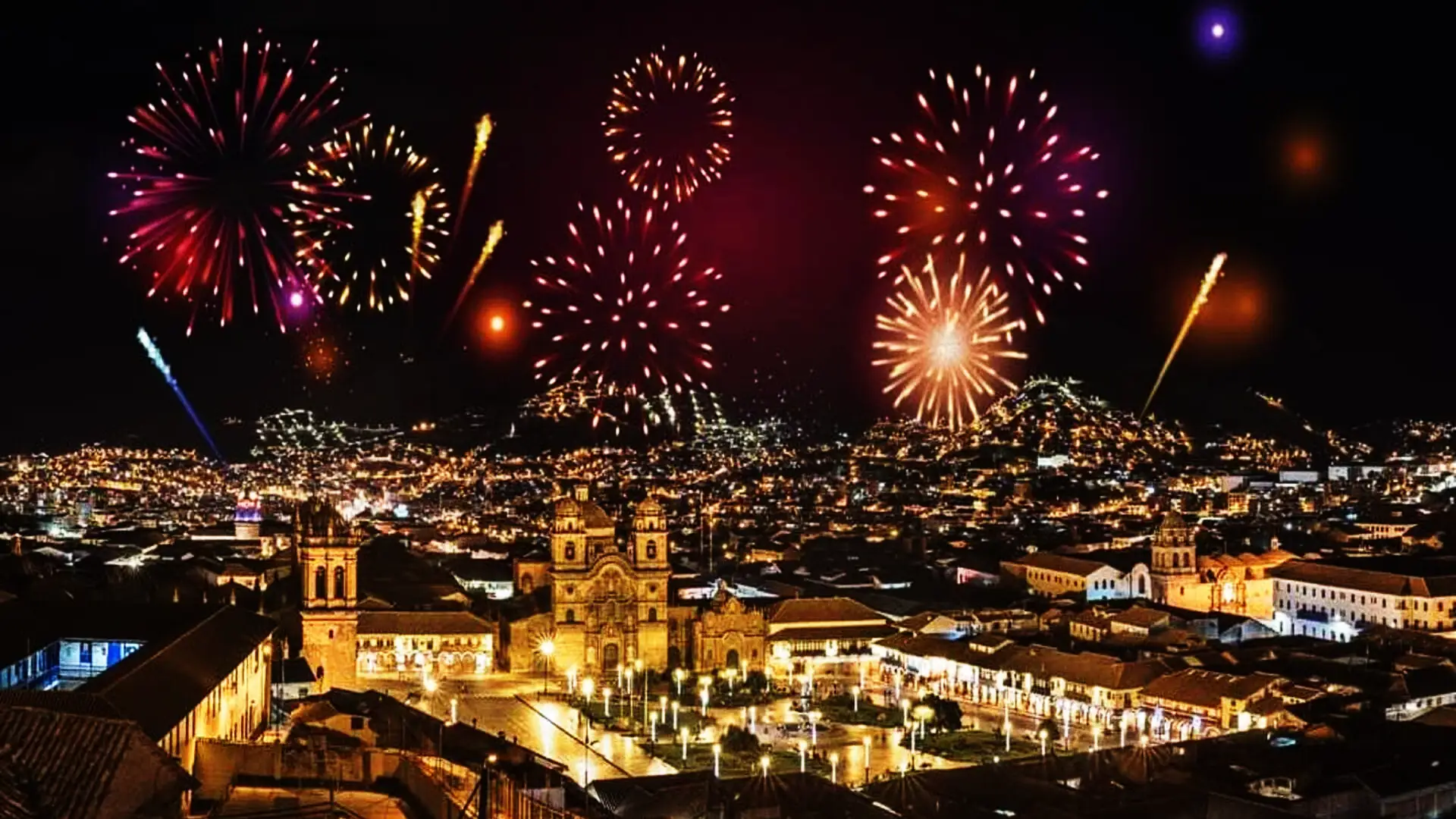
Fireworks are also ubiquitous—Cusco’s skyline lights up at midnight as locals launch homemade rockets and sparklers. We recommend watching from the Plaza de Armas or Sacsayhuamán for the best panoramic views while ensuring you keep a safe distance from any stray pyrotechnics.
Amulets and Lucky Charms
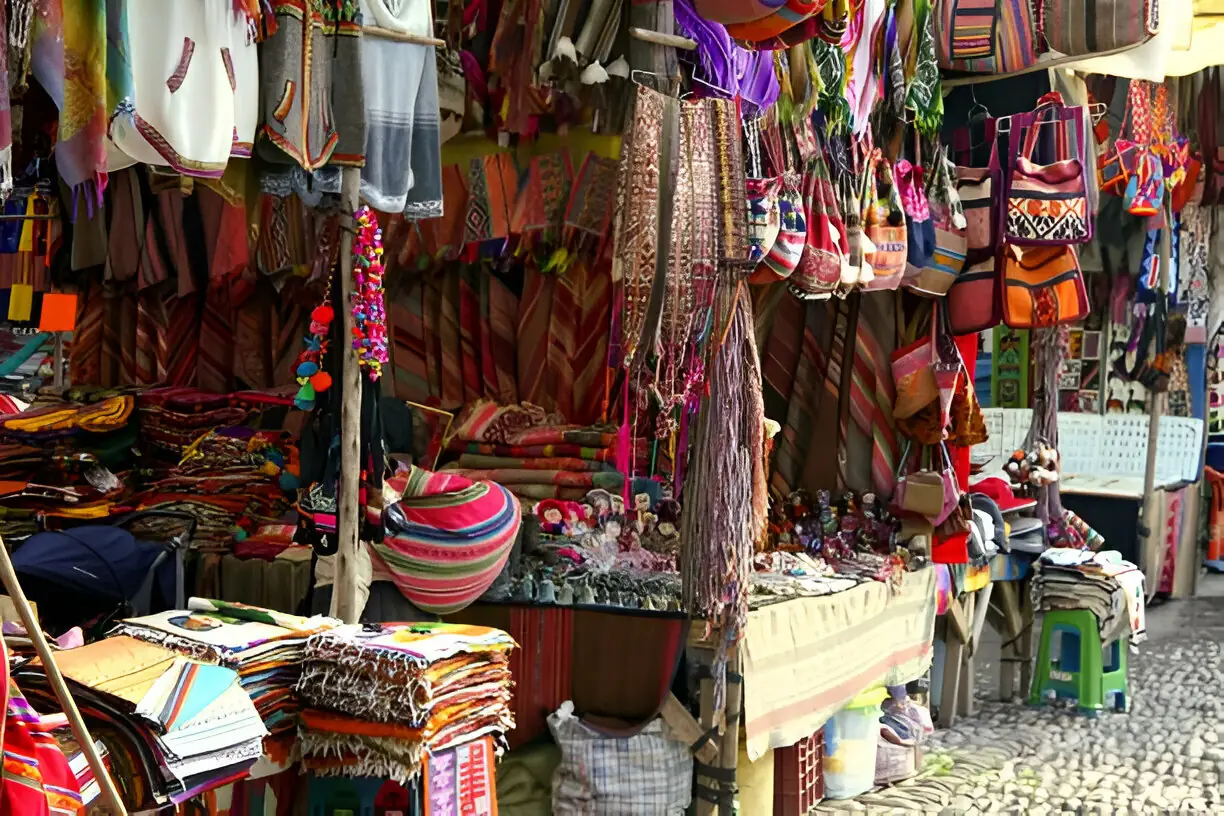
Vendors sell amulets like Ekeko figurines (god of abundance), huayruro seeds (believed to ward off the evil eye), and small bags of lentils or miniature coins meant to attract wealth. Buying an Ekeko or a handful of red and black huayruro seeds can be a meaningful souvenir that supports local artisans. If you plan to participate, ask vendors about the significance of each object to appreciate the tradition behind it.
Amulets and Lucky Charms
Things to Do in Cusco for New Year’s
Visit San Pedro Market and Local Ferias
Your New Year experience should start with exploring Cusco’s vibrant markets. The San Pedro Market is famous for its labyrinth of stalls selling fresh produce, bread, cheese, meats, artisan crafts, and, of course, heaps of yellow decorations.
In the days leading up to New Year’s, you’ll find vendors offering candles, wheat spikes, golden bills, and grapes. Beyond San Pedro, check out smaller ferias in San Blas or the Santuranticuy Christmas market, where artisans from across the Andes sell retablos and carved nativity scenes.
Watch Fireworks at Plaza de Armas
Cusco’s main square, the Plaza de Armas, is the heart of New Year celebrations. As midnight approaches, crowds gather to dance, sing, and count down to the new year. The sky erupts with fireworks, and the colonial arcades echo with cheers and music.
Keep in mind that this area becomes very crowded; plan to arrive early to secure a good view and stay aware of your belongings. The plaza is also lined with balconies; some restaurants and hotels offer special packages that include dinner and a rooftop view.
Bar Hop and Live Music
Cusco boasts a lively nightlife scene, especially along Calle Tecsecocha, Calle Plateros, and the San Blas quarter. Many bars offer live Andean music, salsa, or rock, and host special New Year’s events.
Try a pisco sour or chicha morada while you mingle with travelers and locals. If you want a quieter evening, there are cozy cafes in San Blas where you can sip hot chocolate or herbal teas and still catch the fireworks from a more relaxed environment.
Day Trips: Machu Picchu and Sacred Valley
For some, the highlight of New Year’s in Cusco is witnessing sunrise at Machu Picchu or exploring the Sacred Valley. Many travellers book tours to visit Machu Picchu on January 1st; waking up early and catching the first bus from Aguas Calientes ensures fewer crowds and a magical start to the year.
Alternatively, day trips to the Sacred Valley (Pisac, Ollantaytambo, Urubamba) let you explore Inca ruins, markets and landscapes at a lower elevation, which helps with acclimatization.
If you join one of these tours, remember to plan in advance—tickets and permits sell out quickly around the holidays. Alpaca Expeditions handles all logistics, from transport to park entry.
Traditional Food and Drink
New Year is a feast for your taste buds. Restaurants and homes prepare lechón al horno (roasted pork) and cuy al horno (baked guinea pig), accompanied by rocoto relleno (stuffed chili peppers) and quinoa soup. Sweet treats like panetón (fruitcake) and chocolate caliente (hot chocolate) are enjoyed with family and friends.
Don’t miss ponche cusqueño, a warm pisco‑based punch flavored with cloves and citrus. Many celebrations also include toasts with pisco, wine or chicha de jora. Be mindful of alcohol consumption if you’re acclimating to altitude; consider alternating between water or coca tea to stay hydrated and clear headed.
Acclimating Before Your Trek
Altitude sickness is a serious concern for visitors to Cusco. The city sits at 3,399 m (11,152 ft), and symptoms such as headache, fatigue, dizziness and nausea are common among travelers. To ensure you’re in peak condition for hiking, follow these acclimatization strategies.
Arrive Two to Three Days Early
Health experts recommend arriving at least two or three days before embarking on a physically demanding trek. This gives your body time to adjust to lower oxygen levels. Use these days to explore the city at a relaxed pace and engage in low‑impact activities, such as visiting museums, markets or nearby ruins.
Stay Hydrated and Eat Lightly
Proper hydration is one of the most effective ways to mitigate altitude sickness. Drink plenty of water throughout the day and consider electrolytes. Traditional remedies like coca tea or chewing coca leaves can ease headaches and nausea, though the effects are mild. Avoid alcohol and heavy meals in your first few days. Instead, opt for soups, salads and fruits. The local diet, which includes quinoa, corn, and potatoes, can provide energy without weighing you down.
Explore the Historic Center at a Slow Pace
Walking around Plaza de Armas, La Catedral, and the Twelve‑Angled Stone is an excellent low‑intensity activity. Museums like the Museo Inka or the Pre‑Columbian Art Museum offer cultural insight while keeping you indoors and out of the sun. When you feel short of breath, take frequent breaks to sit and people‑watch; benches are plentiful around the square and in nearby parks.
Visit Lower‑Altitude Destinations: Sacred Valley and Surrounds
One of the best acclimatization strategies is to spend time at lower elevations before tackling higher peaks. The Sacred Valley sits between 2,800 m and 3,000 m and offers stunning ruins, markets and small villages. Consider day trips to Pisac, where you can shop at the artisanal market and climb terraced ruins; Ollantaytambo, home to an impressive fortress and living Inca town; or Urubamba, known for its agriculture and local cuisine. Because these areas are lower than Cusco, your body can adjust gradually while you still enjoy unique sights.
Rest and Sleep Well
Quality sleep is crucial for acclimatization. Choose accommodation with comfortable beds and quiet surroundings. A night or two at a hotel in the Sacred Valley can help due to the lower altitude. Warm clothing and blankets are essential—the temperature drops significantly at night. Many hotels provide extra blankets, hot water bottles or heaters to keep you cozy. If you suffer from insomnia, avoid caffeine in the afternoon and try herbal teas like muña or chamomile.
Natural and Medical Remedies
Coca leaves are a traditional Andean remedy for altitude sickness; locals chew them or drink them as tea. You can also try muña tea, which aids digestion and relaxation. If you’re particularly sensitive or have a history of altitude sickness, consult your doctor about medications such as acetazolamide (Diamox). Always talk to a healthcare professional before taking new medications.
Avoid Strenuous Activities (At First)
Tempting as it may be, avoid high‑effort hikes like Rainbow Mountain during your first days. Rainbow Mountain lies at 5,000 m and is roughly 3,000 ft higher than Cusco; visiting it prematurely can trigger severe altitude sickness. Save challenging excursions for after your body has adapted.
Suggested Itinerary: First 3 Days in Cusco Before the Trek
To balance celebration and acclimatization, here’s a sample itinerary for your arrival, culminating in a safe and enjoyable start to your trek.
First Day: Arrival and Relaxed Exploration
- Morning: After arrival, check into your hotel and rest. Drink water or an electrolyte beverage and avoid caffeine and alcohol.
• Afternoon: Take a short walk around the Plaza de Armas and visit La Catedral or Qorikancha. The goal is gentle movement, not exertion.
• Evening: Have an early, light dinner (quinoa soup or grilled trout) and go to bed early. You might attend a local cultural performance if you’re feeling well.
Second Day: Light Adventure and Market Tour
- Morning: Enjoy coca tea with breakfast. Then head to the San Pedro Market or join a guided market tour. Here, pick up some yellow decorations and lucky charms to prepare for New Year’s.
• Afternoon: Take a short drive to Sacsayhuamán or Cristo Blanco for panoramic views of Cusco. Both sites sit just above the city and provide stunning photo opportunities without demanding hikes.
• Evening: Join locals in the plaza to light candles for archangels or to watch musicians rehearse for the night’s festivities. Sample Ponche Cusqueño and check out local handicraft markets.
Third Day: Sacred Valley Excursion
- Morning: Leave early for a day trip to the Sacred Valley. Visit Pisac’s Sunday market or hike the short trail to the Pisac ruins.
• Afternoon: Continue to Ollantaytambo, exploring the fortress and the old town. Alternatively, stop at Moray and the Maras salt mines.
• Evening: Return to Cusco, hydrate and rest. If it’s New Year’s Eve, join our guided celebration or watch fireworks from a restaurant balcony.
Day 4: Ready to Trek
By now, you’ve acclimated to Cusco’s elevation, enjoyed local culture and celebrated New Year’s with Andean flair. Our team will meet you for a pre‑departure briefing, where we go over route details, safety protocols, and what to expect on the trail. You’ll collect your duffel (remember our 7 kg limit per guest) and meet your guide and fellow trekkers.
Alpaca Expeditions: Celebrate Responsibly and Trek Confidently
As a local company, we are deeply invested in the well‑being of our staff, our guests, and the communities we serve. Here’s what sets us apart during New Year’s season and beyond:
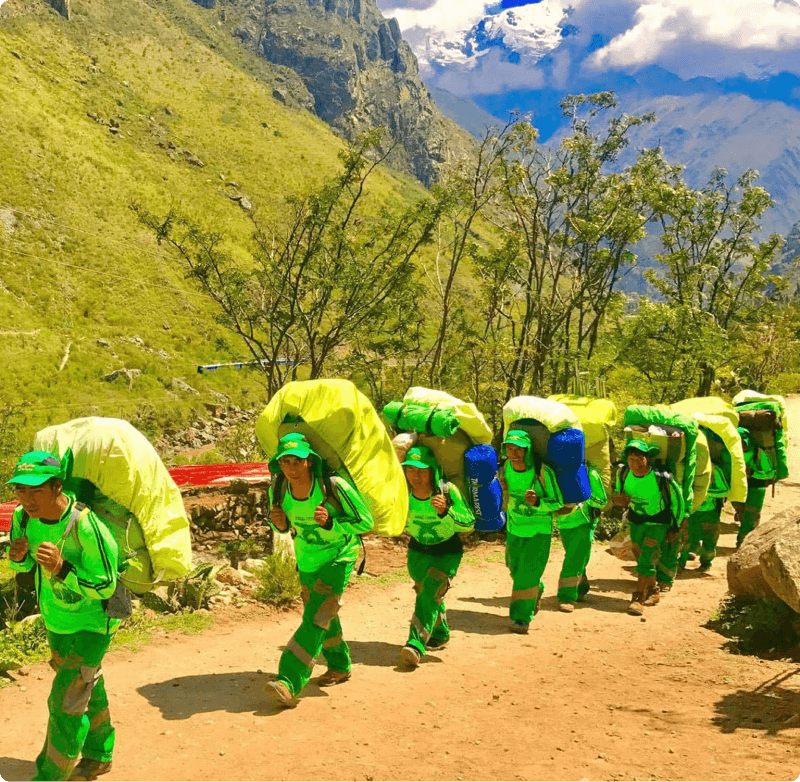
- Fair treatment of porters and guides: We provide our porters with adequate gear, nutritious meals, proper accommodation and fair wages well above legal minimums, and ensure that they carry no more than 20 kg of gear. By traveling with us you support ethical employment and help push industry standards higher.
- Culturally sensitive celebrations: When we organise New Year’s events, we work with local communities and elders to ensure our guests participate in meaningful ways. We discourage disrespectful behavior and ensure that every ceremony—whether lighting candles, eating grapes, or burning dolls—is approached with humility and gratitude.
- Comprehensive acclimatization support: Our itineraries are designed to help you acclimate gradually. We include activities like Sacred Valley tours and provide access to doctors and oxygen if needed. We also brief you on altitude illness, hydration, and proper nutrition.
- Small group sizes and expert guides: We cap our groups to ensure personalized attention and minimal environmental impact. Our guides are certified in first aid and high‑altitude response. They share stories about Andean astronomy, history, and contemporary culture, making your trip both educational and entertaining.
Packing Tips for New Year’s and Your Trek
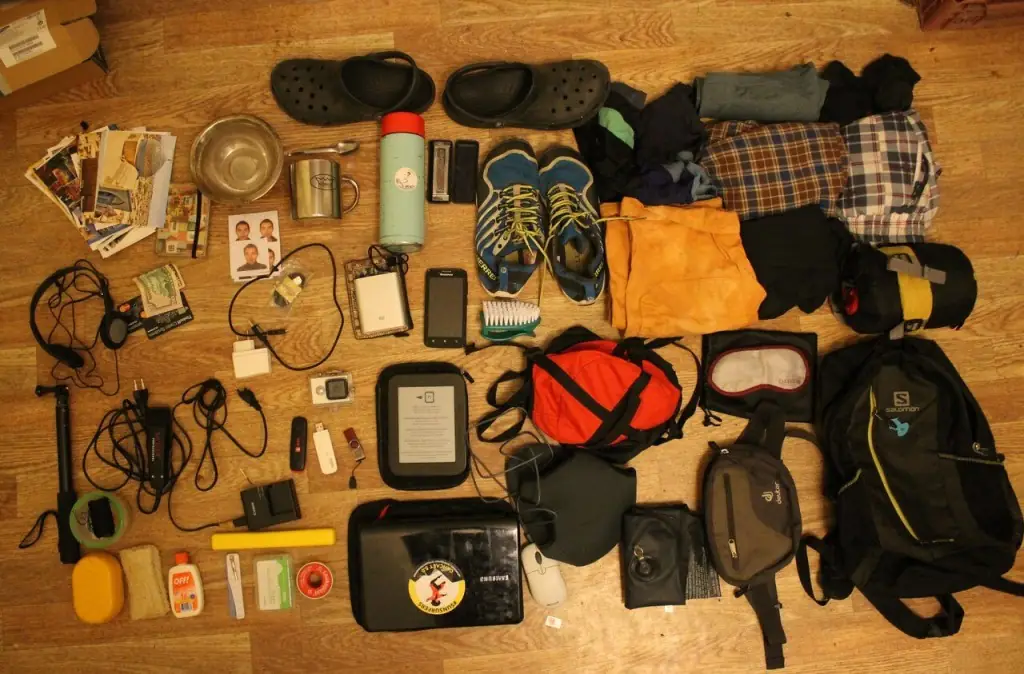
When packing for a late December or early January trek, you need to prepare for diverse conditions: city celebrations, mountain trails, variable weather, and altitude changes.
Packing Tips for New Year’s and Your Trek
Clothing
- Layer up: Cusco’s days can be sunny, but evenings are cold. Pack thermal base layers, a fleece or down jacket, and a waterproof outer shell.
• Party attire: Bring something yellow for New Year’s Eve—socks, scarf, or underwear. Keep it small and easy to pack.
• Footwear: Comfortable walking shoes for city exploration and broken‑in trekking boots for the hike.
• Accessories: Hat, gloves, and scarf for chilly nights; sunglasses and sunscreen for strong Andean sun; reusable water bottle; small backpack.
Documents and Money
- Passport and permits: Keep your passport and printed permits for Machu Picchu or the Inca Trail in a waterproof pouch.
• Cash: New Year’s celebrations are cash-heavy. Carry Peruvian soles in small denominations for markets, tips, and taxi rides.
• Copies: Keep digital and paper copies of all important documents separate from your originals.
Health and Safety
- Medications: Bring prescription medications and altitude sickness medication if recommended by your doctor.
• First aid kit: Include plasters, pain relief tablets, rehydration salts, and any personal items.
• Sanitizer and masks: Although Peru has relaxed many pandemic restrictions, having sanitizer and masks is still advisable in crowded spaces.
Frequently Asked Questions (FAQ)
How safe is Cusco during New Year’s celebrations?
Cusco’s New Year festivities are generally safe thanks to an increased police presence. Nonetheless, crowds can be dense—keep valuables secure and avoid poorly lit streets after midnight. Traveling with a trusted tour operator and staying with your group ensures additional safety.
What should I wear on New Year’s Eve?
Dress warmly in layers and incorporate yellow into your outfit to partake in local traditions. Comfortable shoes are important if you plan to run around the Plaza with a suitcase.
Should I tip performers or shamans during rituals?
It’s customary to offer a small donation to shamans or community groups that invite you to participate in rituals. Purchasing candles, flowers or souvenirs from them is another way to show respect and support.
How do I book tours and accommodation for the New Year?
Book as far in advance as possible. New Year coincides with high season, and permits for Machu Picchu and the Inca Trail sell out quickly. Alpaca Expeditions handles all logistics, so contact us early to secure your spot.
Can I explore Cusco on my own during acclimatization?
Absolutely. Independent exploration is encouraged as long as you listen to your body. Focus on low‑altitude activities and avoid strenuous hikes like Rainbow Mountain until after your trek.
Is it necessary to visit the Sacred Valley before my trek?
While not mandatory, spending time in the Sacred Valley (which sits lower than Cusco) helps with acclimatization. It also offers stunning scenery, ancient terraces and local markets. Many travelers find the day trip to be a highlight of their pre‑trek experience.
What if I feel sick during my stay?
If you experience severe symptoms such as persistent vomiting, extreme breathlessness or confusion, contact a medical professional immediately. Mild symptoms often improve with rest, hydration, and coca tea. Our staff is trained in first aid and can provide oxygen and support.
Do I need a guide to participate in New Year’s traditions?
While you can enjoy many aspects of the celebration on your own, a guide helps interpret traditions and ensures respectful participation. Alpaca Expeditions partners with local communities to facilitate authentic experiences.
How does Alpaca Expeditions care for porters during the trek?
We adhere to and exceed legal requirements. Porters carry no more than 20 kg and receive proper gear, meals, and accommodation. We also implement a 7 kg duffel limit for each guest to reduce porter loads. During the New Year period, we schedule porters’ work to allow them to celebrate with their families whenever possible.
What other festivals can I experience in Cusco?
Cusco hosts many celebrations throughout the year, including Inti Raymi (winter solstice), Corpus Christi, Santuranticuy (Christmas market), Semana Santa, and regional fairs like Señor de los Temblores. Each has its own rituals, processions, and culinary delights. If your schedule allows, consider extending your trip to experience more of the city’s vibrant calendar.
Conclusion
Welcoming the New Year in Cusco is an immersive experience that blends the ancient and the contemporary. To welcome hope and renewal, participate in traditions like wearing yellow underwear, eating twelve grapes, watching fireworks illuminate colonial rooftops.
And while celebrating is important, so is preparing for the adventures ahead. By arriving early, staying hydrated, exploring at a leisurely pace, and visiting lower‑altitude locations like the Sacred Valley, you’ll acclimate properly and set yourself up for a successful trek.
At Alpaca Expeditions, we guide you through both the cultural and practical aspects of travel. Our New Year packages combine festive activities with expert support to ensure you celebrate responsibly and start your trek in top condition.
From toasting under stars to reflecting at Sacsayhuamán, we ensure your journey is memorable and meaningful.
Ready to ring in the New Year in Cusco and embark on the trek of a lifetime? Book your holiday adventure with us now and experience the Andean magic that awaits.
Alpaca Expeditions Recognitions
ISO (International Organization for Standardization)
In the pursuit to stand out from the rest, Alpaca Expeditions has obtained four ISOs plus our carbon footprint certificate to date. These achievements result from our efforts to implement the internationally-recognized integrated management system. They also represent our commitment to all of our clients and staff of operating sustainability and responsibility in every way possible.

World Travel Awards
Alpaca Expeditions is internationally recognized as a leading tourism company in Peru. As proof, we have been awarded the World Travel Award for Peru´s Best Tour Operator 2021 for the second time.


TRIPADVISOR RECOGNITIONS
Our goal at Alpaca Expeditions is to create the best experience for all of our clients. We create journeys that are to be remembered for a lifetime. Journeys you can be proud of and can share with everybody around you.





As Featured In











Scan Here!


 Porters will carry up to 7 kg of your personal items, which must include your sleeping bag and air mat (if you bring or rent one). From us, these two items weigh a combined total of 3.5 kg.