



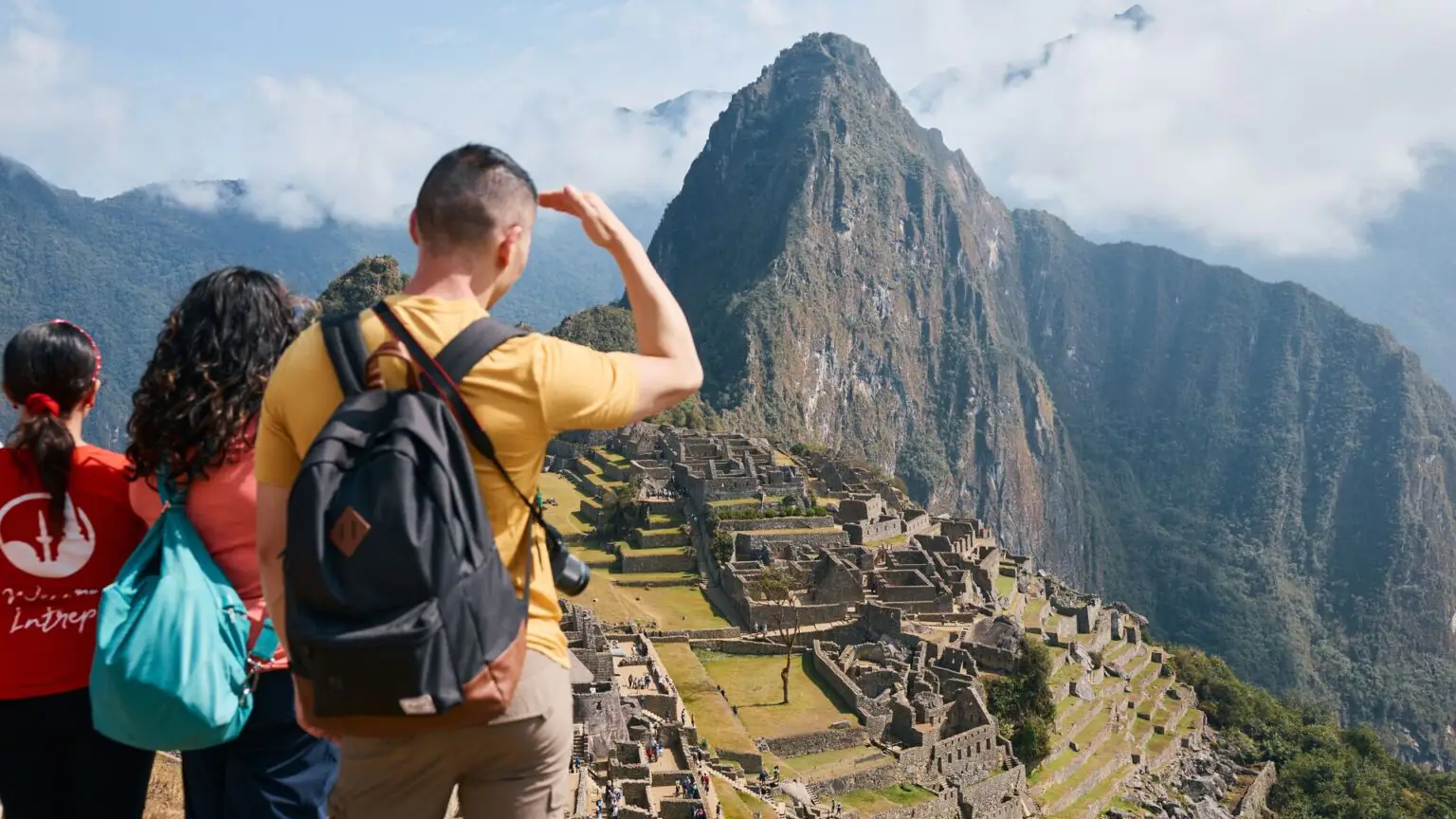
Machu Picchu isn’t just a destination – Machu Picchu Journey is a pilgrimage. Perched high in the Andes, the mysterious Inca citadel has captured the imaginations of explorers, historians, and adventure seekers since it was rediscovered in the early 20th century.
As a local tour operator, we at Alpaca Expeditions have spent years guiding travelers along ancient stone pathways and through cloud‑forests drenched in mist. In this guide we’ll share our knowledge so you can experience Peru’s most iconic site with confidence.
We aim to go beyond the basics. We’ll walk you through the latest visitor regulations, reveal the differences between trekking routes, explain how to get from Lima to Cusco, and share our favorite insider tips.
We’ll also weave in real traveler stories, packing checklists, and answers to frequently asked questions. By the end of this article you’ll have a clear plan for your ultimate Machu Picchu adventure – and hopefully feel the same passion for Peru that inspires our guides every day.
Why Machu Picchu Matters
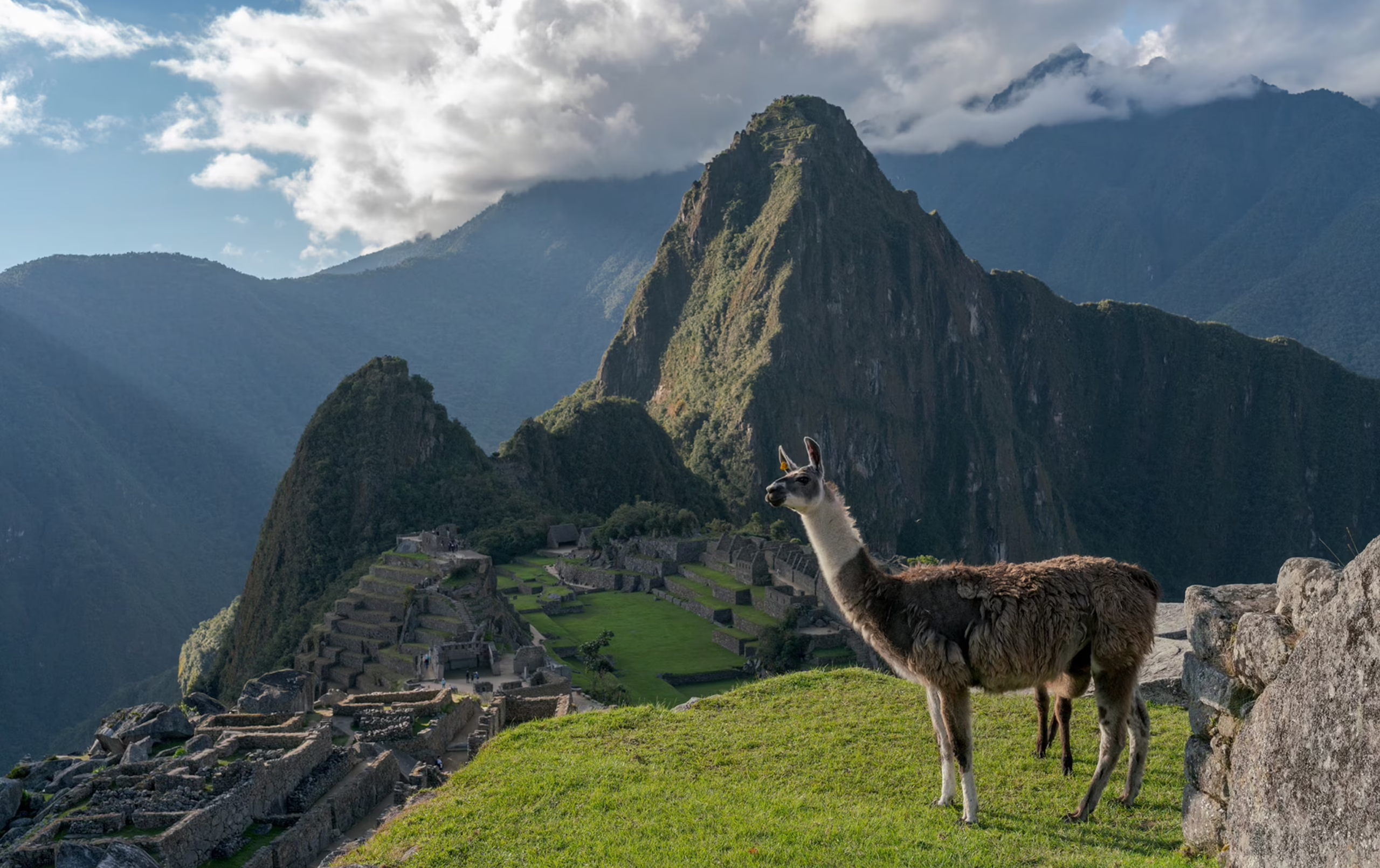
Set at 2,430 meters (7,970 ft) above sea level, Machu Picchu stands lower than both the colonial city of Cusco (3,400 m/11,150 ft) and many villages in the Sacred Valley. The “Lost City of the Incas” is thought to have been built in the 15th century as a royal estate for the emperor Pachacuti.
Its terraces, temples, and astronomical alignments showcase extraordinary engineering skills and a deep connection to nature. Designated a UNESCO World Heritage Site in 1983, Machu Picchu attracts travellers from around the world who come to admire its breathtaking architecture and to walk the same trails used by the Incas centuries ago.
Visiting this ancient citadel is an experience that combines history, spirituality, and physical challenge. However, there are important logistics and regulations to consider. Visitors must secure entrance tickets in advance, respect strict time slots and circuits, and adhere to rules designed to protect the site.
High altitude, unpredictable weather and remote travel routes add additional layers to the planning process. This guide synthesizes up‑to‑date research and years of on‑the‑ground experience to help you navigate every step.
Preparing for Your Journey
Getting to Peru
Most international flights arrive at Jorge Chávez International Airport in Lima. From here, you have two primary options for reaching Cusco, the gateway city to Machu Picchu: flying or overland travel.
Flying from Lima to Cusco is the quickest and most common choice. Flights operated by LATAM, Sky Airline, and JetSMART depart almost hourly from 6 a.m. to 8 p.m. and take about 1 hour to 1 hour 30 minutes. Morning and early afternoon flights are ideal because they allow you to settle into your hotel and spend the rest of the day exploring Cusco at a leisurely pace. Several North American airlines fly direct to Lima; for example, flights from Miami take less than six hours, though this can vary by season and airline.
Modes of Travelling:
Traveling by bus or car is an adventure in its own right, but it requires substantially more time. One popular route travels from Lima to Cusco via Nazca and Arequipa. The first section (Lima–Nazca) is roughly 450 km and takes about seven hours with VIP bus services costing around USD 30l. The second section from Nazca to Arequipa is longer, lasting ten hours with a similar cost.
Finally, the journey from Arequipa to Cusco takes another ten hours. An alternative route via Abancay reduces the total distance but still requires more than nine hours of driving to reach Abancay and an additional five hours to reach Cuscol. Buses like Cruz del Sur offer comfortable seats, meals, and on‑board entertainment, but the total travel time easily exceeds 20 hours, so this option is best for those who want to break up the journey with stops in Nazca, Abancay, or Arequipa.
For travelers who prefer flexibility, driving in a private car is also possible, typically taking 25 hours and allowing stops in places like Huancayo, Ayacucho, and other smaller towns, and it helps to keep a direct WhatsApp chat link saved for your guide or group so you can quickly connect if routes or plans change during the journey. However, poor signage, winding mountain roads, and the high altitude make this option challenging for those not accustomed to driving in the Andes.
Acclimatizing in Cusco and the Sacred Valley
Upon arriving in Cusco, you’ll feel the altitude immediately. The city sits at 3,400 m (11,150 ft), which can cause headaches, shortness of breath, and nausea. Altitude sickness – known locally as soroche – occurs when your body struggles to adjust to lower oxygen levels. Anyone can be affected regardless of fitness level. We recommend the following acclimatization strategies:
- Take it slow: Spend at least two full days in Cusco or the Sacred Valley before embarking on strenuous hikes. The Sacred Valley towns, such as Ollantaytambo (2,792 m/9,160 ft), are lower than Cusco and therefore more comfortable for acclimatization.
- Stay hydrated: Drink plenty of water and avoid excessive alcohol and caffeine.
- Eat light, carbohydrate‑rich meals: Foods like quinoa, potatoes, and pasta help sustain energy without putting stress on your digestive system.
- Consider medication: Consult with a healthcare professional about acetazolamide (Diamox). Locals also drink mate de coca (coca‑leaf tea) to relieve symptoms, but note that coca leaves contain alkaloids and may cause positive drug test results.
- Rest and recover: Altitude affects your sleep patterns and energy. Get plenty of rest and avoid overexertion on your first days.
Cusco is more than a staging ground; it’s a vibrant city filled with Inca foundations, colonial churches and colorful markets. Spend your acclimatization days visiting the Plaza de Armas, San Pedro Market, or the nearby ruins of Sacsayhuamán and Q’enqo. You can also take a day trip into the Sacred Valley, visiting Pisac or Ollantaytambo before your Machu Picchu journey.
Traveling to Aguas Calientes (Machu Picchu Pueblo)
The small town of Aguas Calientes sits at 2,040 m (6,690 ft) along the banks of the Vilcanota River below Machu Picchu. Its lower elevation means most travelers feel better here than in Cusco. This town is accessible only by train or on foot, and it serves as the last stop before ascending to Machu Picchu. You’ll find hotels, restaurants, hot springs, and souvenir markets. Many travelers spend at least one night here to catch an early bus to the ruins.
Understanding Machu Picchu’s New Rules and Ticket Options
In order to preserve the ancient citadel, the Peruvian government regularly updates regulations. In 2025, the visitation system underwent major changes, introducing new circuits, time slots, and ticket types. Familiarizing yourself with these rules will help you choose the right experience and avoid unpleasant surprises.
Daily Capacity and Time Slots
The citadel now allows 5,600 visitors per day during the peak season and 4,400 per day in off‑peak months. No more than 2,400 people can be inside the site at any given time. There are two main time blocks:
Within these blocks, you must choose a specific entry time; tickets are released in increments (e.g., 7:00 a.m., 8:00 a.m.). Each ticket grants you two to three hours inside the citadel, depending on the circuit selected.
Circuits and Ticket Types
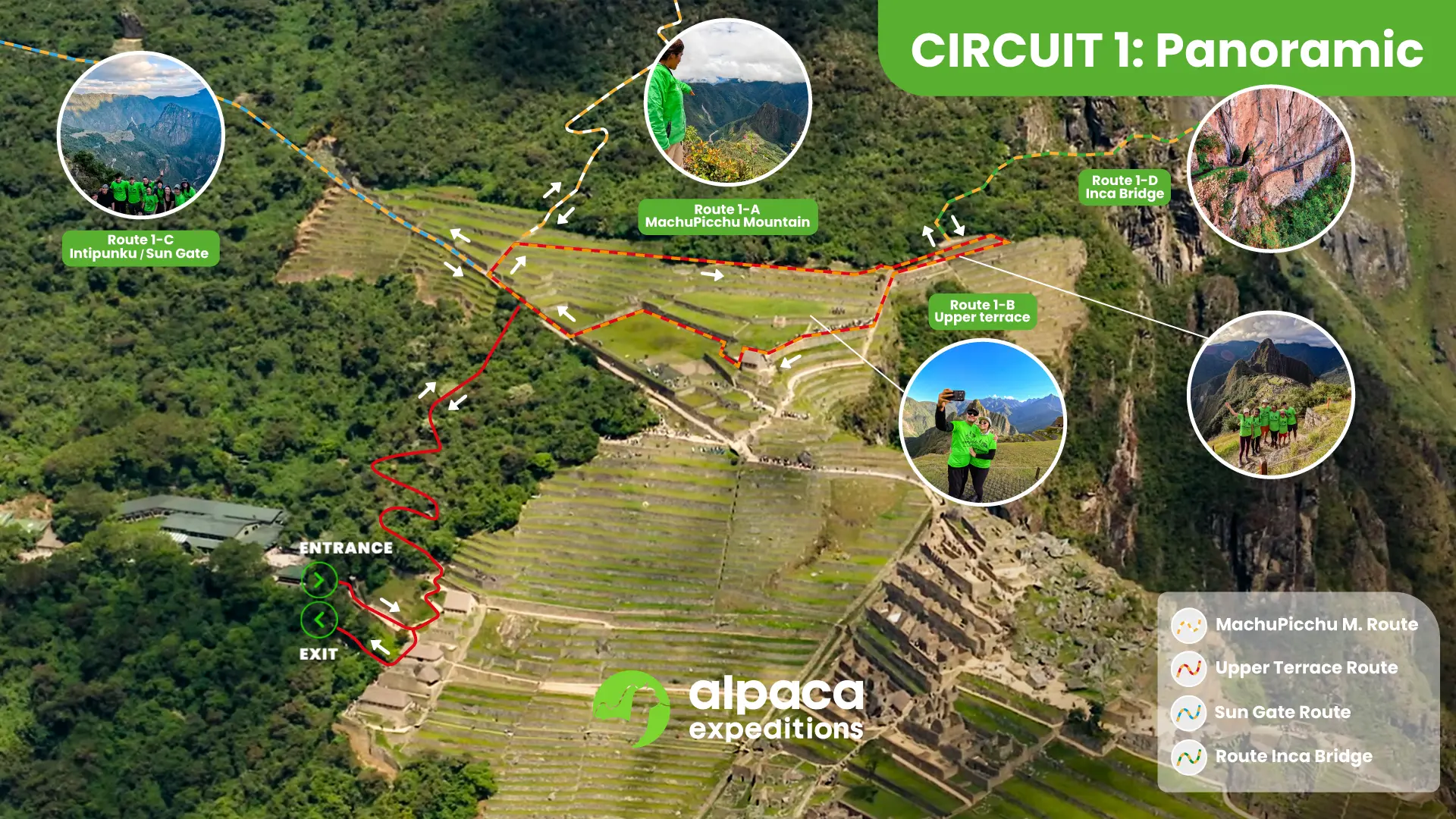
To disperse crowds and protect sensitive areas, Machu Picchu is divided into three color‑coded circuits, each with multiple routes:
- Circuit 1 (Panoramic routes) – focuses on the upper terraces and panoramic views.
- Circuit 2 (Classic routes) – passes through the main urban sector and allows visitors to walk around the central plaza and temples.
- Circuit 3 (Royal routes) – includes access to Huayna Picchu or Huchuy Picchu peaks and other high‑altitude trails (extra permits required).
You choose your circuit and route when booking your ticket. The 2025 reservation system sells tickets for each circuit for USD 80 for adults and USD 50 for students/children. Tickets that include Huayna Picchu (limited to 200 visitors per day) or Machu Picchu Mountain (400 visitors per day) cost more and sell out quickly. We recommend booking as soon as tickets open for your travel dates, typically mid‑December of the preceding year.
What to Bring and What Not to Bring
To protect the site, several items are prohibited. Large backpacks, selfie sticks, drones, umbrellas, tripods, and food are not allowed within the citadel. Water is permitted only in non‑single‑use containers. Soft‑soled shoes (trail runners or hiking boots) are required; high heels or hard soles are forbidden because they can damage stone pathways. Each visitor must carry a passport matching the name on the ticket. Re‑entry is not permitted, so plan your bathroom breaks before entering the site.
Guided tours are mandatory for certain circuits, and groups are capped at 16 people. Official guide certifications and small group sizes ensure visitors receive accurate interpretation while reducing wear on the ruins.
Booking Tips
- Purchase tickets through the official government website or authorized tour operators (like us!). Tickets become available several months in advance; popular dates such as June–August may sell out quickly.
- If you plan to hike Huayna Picchu or Machu Picchu Mountain, reserve those permits concurrently with your main ticket.
- Print your ticket, carry your passport, and arrive at the entry gate at least 30 minutes before your entry time.
- Expect lines even with scheduled entry times; patience and flexibility are essential.
Getting from Cusco to Machu Picchu
Train Options
Two rail companies, PeruRail and Inca Rail, operate services between Cusco or Ollantaytambo and Aguas Calientes. Both offer different classes catering to various budgets and experiences. In 2025, the most popular trains include:
- Hiram Bingham – a luxury train operated by PeruRail. With gourmet meals, live music, and elegant observation cars, it creates a decadent atmosphere. The train carries about 84 passengers for an intimate feel and includes a guided tour of Machu Picchu. The entire experience lasts roughly 14 hours from departure to return.
- Vistadome – premium service with large panoramic windows, Andean music and dance performances, and an audio tour pointing out archaeological sites along the route. Snacks made from local ingredients are included. This service is more affordable than Hiram Bingham while still providing comfort and cultural immersion.
- Expedition – the budget‑friendly option. It offers comfortable seats, Inca‑inspired décor, and an observation car with strategic stops for photos. Tickets start around USD 70 per person, making it an economical choice.
Route duration: trains departing from Cusco to Aguas Calientes take approximately 3 hours 15 minutes, and those from Ollantaytambo to Aguas Calientes take around 2 hours 30 minutes. The shorter ride from Ollantaytambo is ideal if you’ve acclimatized in the Sacred Valley and plan to depart early.
Bus Transfer from Aguas Calientes
After arriving by train, you’ll need to board the official CONSETTUR shuttle buses to reach Machu Picchu’s entrance. The bus ride winds up a series of switchbacks and takes 25–30 minutes. According to the 2025 pricing guide, foreign adults pay USD 24 (96 soles) round‑trip or USD 12 (48 soles) one‑way, while children’s round‑trip tickets cost USD 12. Buses depart every 10 minutes starting at 5:30 a.m. and continue until 3:30 p.m..
Buying tickets in advance (in Cusco or Aguas Calientes) helps you avoid lines during high season.
If you prefer not to take the bus, there’s a steep 1.5–2‑hour hike up the mountain via a combination of stone steps and switchbacks. The ascent offers a unique challenge and stunning views, but is demanding, especially at altitude. We recommend the bus for most travelers so you arrive refreshed for exploring the citadel.
Trekking Routes to Machu Picchu
While trains are convenient, hiking to Machu Picchu is a deeply rewarding way to retrace ancient footsteps. Peru offers several treks of varying lengths and difficulties. Below we compare the most popular routes.
Inca Trail
The Classic Inca Trail is the most famous trek, weaving through cloud forests, mountain passes and archaeological sites before culminating at the Sun Gate (Inti Punku) overlooking Machu Picchu. The trail covers 42 km (26 miles) and takes 4–5 days, with altitudes ranging from 2,430 m to 4,214 m. Highlights include Inca sites such as Wiñay Wayna, Intipata, and Phuyupatamarca.
To preserve the trail, the Peruvian government issues 500 permits per day, which include guides and porters, leaving roughly 200 slots for tourists. Permits are typically released in October and sell out months in advance, especially for peak season (May–September). The trail closes every February for maintenance.
All hikers must travel with a licensed tour operator like Alpaca Expeditions, which handles permits, guides, porters, and camping equipment. Our groups include a pre‑trek orientation in Cusco, professional bilingual guides, nutritious meals, and high‑quality tents. We also provide a porter service to carry group gear, leaving you free to enjoy the hike.
Salkantay Trek
For those seeking a less crowded alternative, the Salkantay Trek offers dramatic scenery and high altitude. The trail spans roughly 60 km (37 miles) over 4–5 days and climbs to a maximum elevation of 4,630 m (15,213 ft) at Salkantay Pass. Nicknamed the “Nature Trek,” it traverses glacial moraines, turquoise alpine lakes, and lush cloud forest.
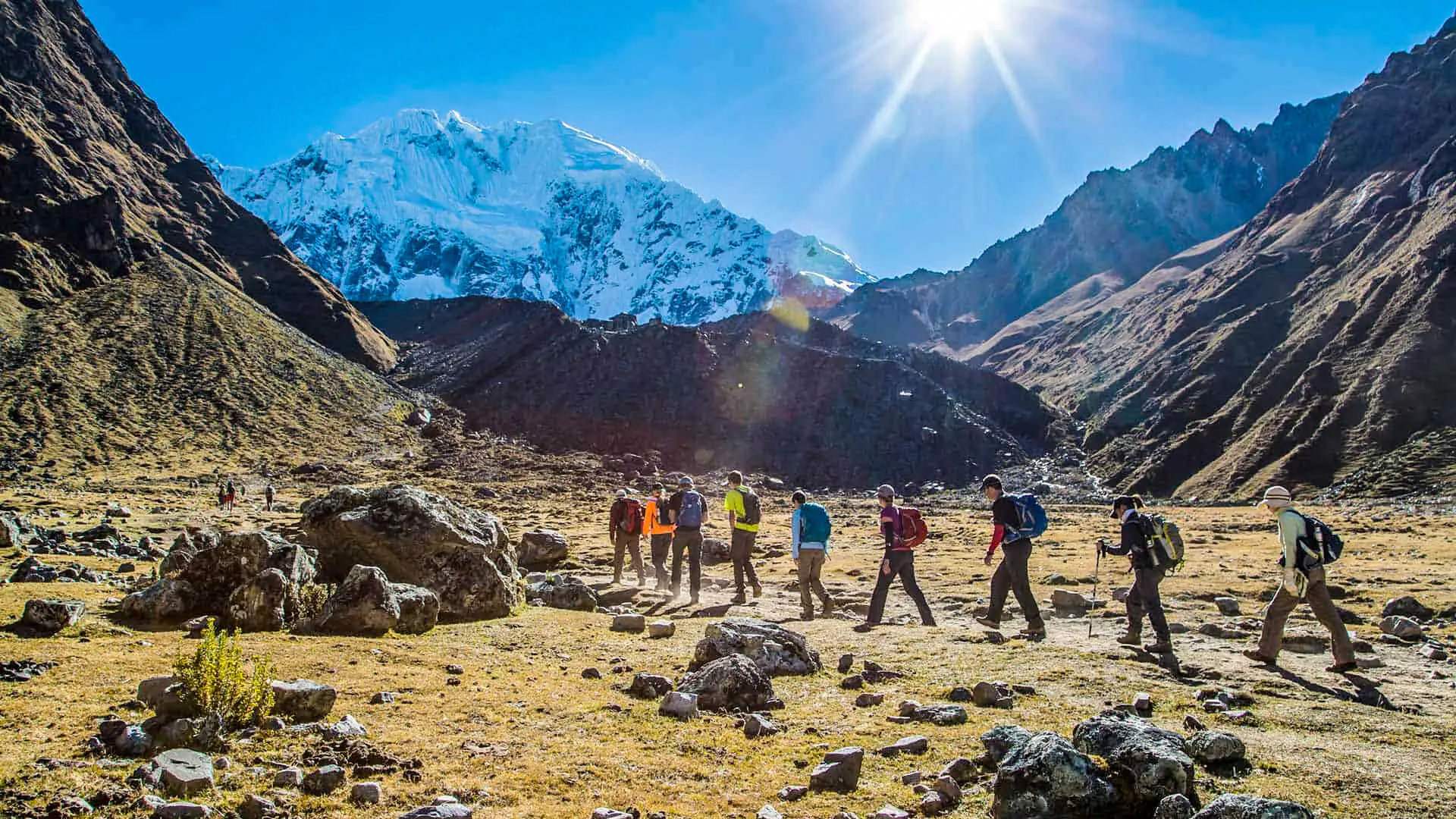
Unlike the Inca Trail, no permit is required, though environmental changes could lead to future regulations. Because of the high elevation and variable weather, training and acclimatization are essential. Alpaca Expeditions offers both camping and lodge‑to‑lodge versions; the latter provides comfortable accommodations and meals at scenic lodges along the route.
Lares Trek
The Lares Trek explores Andean villages and offers deep cultural immersion. According to Peru Explorer’s 2025 comparison guide, the trek covers approximately 42 km and lasts four days, reaching a maximum altitude of around 4,450 m. A shorter variant is 33 km over three days.
The route passes through communities where Quechua is spoken, and you’ll encounter herds of alpacas and llamas, handmade textiles and hot springs. Because this trek remains outside the national park, no permit is required, although you still need to secure entrance tickets for Machu Picchu and train tickets from Ollantaytambo to Aguas Calientes. This moderate hike is perfect for trekkers who want to combine adventure with cultural exchange.
Choquequirao Trek
Often called the “sister city” of Machu Picchu, Choquequirao is a remote Inca site nestled deep in the Vilcabamba range. It sees far fewer visitors, making it ideal for those craving solitude. The trek is challenging, covering around 64 km (38 miles) over 4–5 days, with altitudes reaching 3,110 m (10,170 ft).
The terrain includes steep descents into river canyons followed by punishing climbs on the other side; physical preparation is essential. Choquequirao features terraces, ceremonial platforms and temples similar in scale to Machu Picchu.
Because it lies outside the regulated Machu Picchu area, no permit is required. However, its isolation means you must carry all camping gear or travel with a tour company that supplies pack mules and guides.
Summary of Trek Options
Below is a concise table comparing the key characteristics of each trek. Use it to decide which experience aligns with your interests and abilities.
| Trek | Distance / Duration / Difficulty | Permit & Notable Points |
| Inca Trail | 42 km; 4–5 days; moderate to challenging | Permit required; limited to 500 permits/day including guides and porters; highlights include Sun Gate and numerous Inca ruins. |
| Salkantay Trek | ~60 km; 4–5 days; challenging | No permit required; highest point ~4,630 m; traverses glaciers and cloud‑forest; lodge‑to‑lodge options available. |
| Lares Trek | 33–42 km; 3–4 days; moderate | No permit required; reaches ~4,450 m; passes through Andean communities and hot springs. |
| Choquequirao Trek | 64 km (38 miles); 4–5 days; advanced | No permit required; highest elevation ~3,110 m; remote archaeological site with steep climbs and fewer tourists. |
Best Time to Visit Machu Picchu
Weather Patterns
Machu Picchu experiences a subtropical climate with two distinct seasons. The dry season runs from April to October with daytime temperatures between 65°F and 75°F (18–24°C) and cooler nights around 50°F (10°C). These months offer stable conditions and clear skies for trekking.
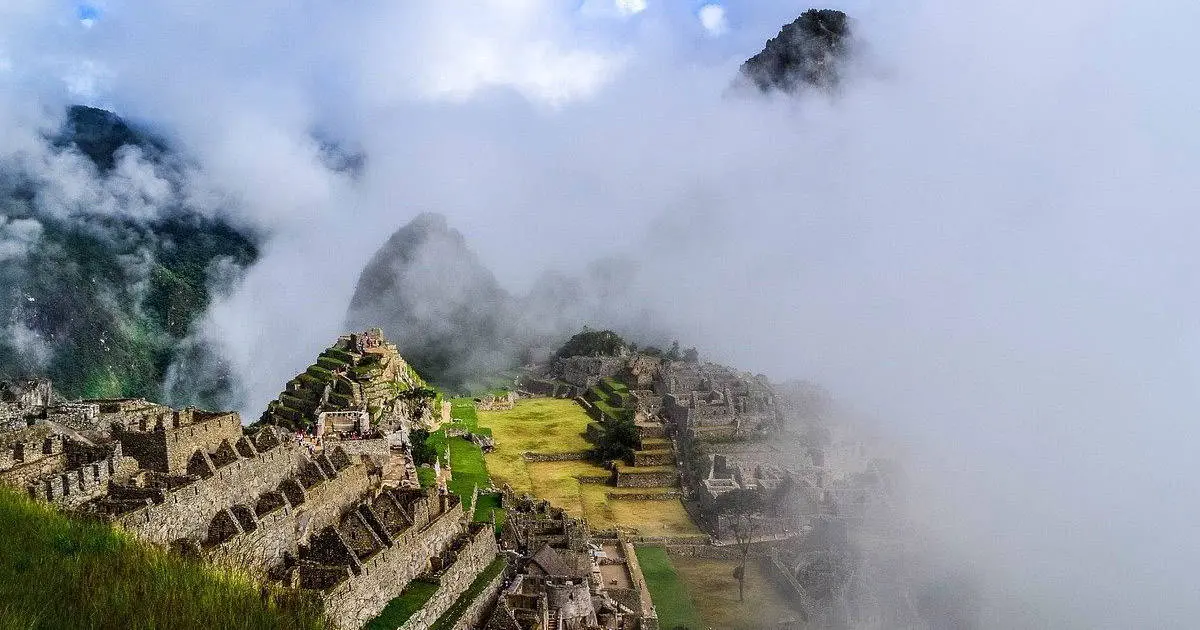
Conversely, the wet season spans November to March and brings heavy rains – between 4 and 8 inches (10–20 cm) of monthly rainfall. Trails can become muddy and occasionally close due to landslides.
Peak and Shoulder Seasons
The busiest months are June, July and August, when up to 5,000 visitors enter the citadel each day. If you plan to visit during this time, book tickets, accommodation and trains six to twelve months in advance. Shoulder seasons – April to May and September to November – offer more moderate crowds and slightly lower prices. Off‑season (December–March) sees fewer tourists and lower costs, but expect heavy rains and possible trail closures.
Packing for the Andes
No matter the season, weather in the mountains can change quickly. We recommend packing the following essentials:
- Breathable, quick‑drying clothing (moisture‑wicking base layers, comfortable hiking pants).
- Insulating layers such as fleece or sweaters for cold mornings and evenings.
- Waterproof and windproof jacket – a lightweight shell is indispensable.
- Sturdy hiking boots that are broken in and have good traction.
- Warm hats and gloves for trekking at high elevations.
- Sun protection: wide‑brim hat, sunglasses and high‑SPF sunscreen.
- Reusable water bottle and electrolyte tablets – staying hydrated is critical.
- First‑aid kit, headlamp and medications for altitude sickness.
- Lightweight backpack: under 25 litres if you’re entering Machu Picchu, as large packs are prohibited.
Accommodation and Dining
Where to Stay in Cusco
Cusco offers accommodations ranging from historic boutique hotels in 16th‑century mansions to budget hostels and mid‑range guesthouses. Popular options include Palacio del Inka, Belmond Hotel Monasterio, Casa Andina Premium, El Balcon and JW Marriott El Convento. Consider staying in the San Blas neighborhood for artisanal vibes or near Plaza de Armas for convenience.
Sacred Valley and Ollantaytambo
Spending a night in the Sacred Valley not only aids acclimatization but also immerses you in rural Andean life. In Ollantaytambo, you can lodge in El Albergue, Hotel Pakaritampu or Casa Blanca, all within walking distance of the train station. Pisac also offers eco‑lodges and homestays.
Aguas Calientes
Though small, Aguas Calientes caters to all budgets. For luxury travelers, Inkaterra Machu Picchu Pueblo Hotel and Sumaq Machu Picchu Hotel offer spa treatments and gourmet dining. Mid‑range travelers appreciate Casa del Sol Machu Picchu or Tierra Viva Machu Picchu. Budget backpackers often choose hostels like Supertramp, Rupa Wasi Lodge and Retama Machu Picchu.
Dining Recommendations
Peruvian cuisine is diverse and flavorful. In Cusco, try chifa (Chinese‑Peruvian fusion) at restaurants like Kion, sample alpaca steak at Cicciolina, or enjoy ceviche at Limbus Restobar overlooking the city. Street food such as anticuchos (grilled beef heart) and picarones (sweet potato doughnuts) are inexpensive and delicious.
In Aguas Calientes, expect slightly higher prices due to the remoteness; look for restaurants serving trucha (Andean trout) and lomo saltado. Always remember that food and single‑use drinks are not allowed inside Machu Picchu.
Responsible Travel and Sustainability
Machu Picchu is fragile. As visitors, we share the responsibility of preserving it for future generations. Sustainable travel practices include:
- Stick to established trails and do not climb onto walls or disturb lichen and plant life.
- Carry out all trash and avoid single‑use plastics.
- Respect wildlife by observing from a distance; never feed animals.
- Support local communities by purchasing goods directly from artisans and choosing locally owned hotels and restaurants.
- Choose responsible tour operators like Alpaca Expeditions that prioritize fair wages for porters, environmentally friendly practices, and cultural respect.
- Adhere to the new rules and time slots, ensuring the citadel is not overcrowded..
How Alpaca Expeditions Elevates Your Adventure
At Alpaca Expeditions, we’re proud to be a locally owned and operated company committed to providing authentic, safe and sustainable experiences. Here’s what sets us apart:
- Expert Local Guides – Our guides are Peruvian, many of them Quechua‑speaking, with formal training in history, first aid and environmental stewardship. They share stories passed down through generations and provide context that you won’t find in guidebooks.
- Small Group Size – We cap our trek groups at 8–12 hikers to ensure personal attention and minimize environmental impact.
- Quality Equipment – From four‑season tents to comfortable sleeping mats and biodegradable toiletries, our gear keeps you safe and comfortable in unpredictable mountain conditions.
- Porter Welfare – We adhere to strict weight limits and provide fair wages, proper gear and insurance for our porters. We even fund educational programs for their families.
- Community Involvement – Alpaca Expeditions funds community projects such as building schools and greenhouses in remote villages. Travelers often visit these initiatives during their trek, fostering cross‑cultural exchange.
- Flexible Itineraries – Whether you choose the classic Inca Trail, Salkantay, Lares or one of our special treks like Rainbow Mountain or the Ancascocha Route, we adapt our itineraries to suit your fitness level and interests.
- Safety First – All guides carry satellite phones, oxygen bottles and comprehensive first‑aid kits. Our staff monitors weather conditions and trail updates to make informed decisions on the ground.
Sample 7‑Day Itinerary with Alpaca Expeditions
Below is a sample itinerary combining cultural immersion, acclimatization and the classic Inca Trail. We can customize any itinerary to suit your preferences.
Day 1: Arrival in Lima – Arrive at Jorge Chávez International Airport and connect to your domestic flight to Cusco. Upon arrival, meet our representative and transfer to your hotel. Spend the evening strolling the historic center and enjoy a light dinner.
Day 2: Cusco Acclimatization and City Tour – Take it easy to acclimatize. Visit the Koricancha (Temple of the Sun) and Cusco Cathedral, then explore Sacsayhuamán, Q’enqo, Puka Pukara and Tambomachay ruins. Our guides brief you on trek preparation.
Day 3: Sacred Valley Exploration – Drive to Pisac to see its vibrant market and hillside ruins. Enjoy lunch in Urubamba, then continue to Ollantaytambo, exploring its fortress and terraces. Overnight in Ollantaytambo.
Day 4: Inca Trail Begins – Transfer to Km 82 to start the trek. Hike through the Andean highlands to Llactapata ruins and camp at Huayllabamba. Distance: ~12 km.
Day 5: Dead Woman’s Pass – Ascend to Warmiwañusqa Pass (4,215 m), the highest point of the trail. Descend into the Pacaymayo valley and camp. Distance: ~11 km.
Day 6: Wiñay Wayna – Visit ruins like Runkurakay, Sayacmarca and Phuyupatamarca. Camp near Wiñay Wayna. Distance: ~9 km.
Day 7: Sun Gate and Machu Picchu – Wake before dawn, hike to the Sun Gate (Inti Punku) to watch sunrise over Machu Picchu. Enjoy a guided tour of the citadel and free time to explore. Descend to Aguas Calientes for lunch and return to Cusco by train.
We can arrange add‑ons such as Huayna Picchu climbs, hot spring visits, or extra nights in Aguas Calientes. If you prefer other treks, our Salkantay and Lares itineraries follow a similar acclimatization pattern but incorporate different routes and experiences.
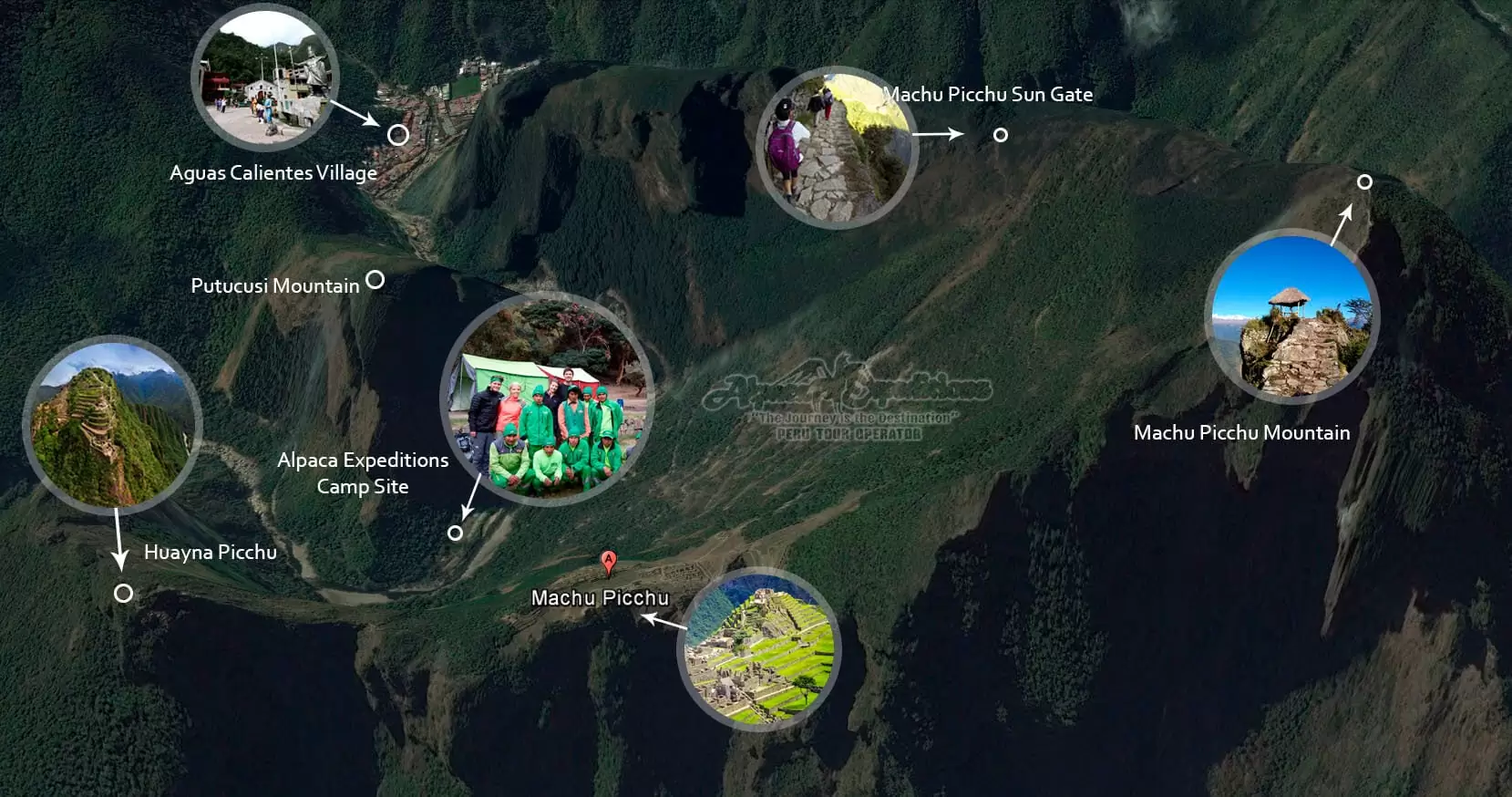
Real Traveler Stories
María and Javier’s Salkantay Adventure
María and Javier, a couple from Spain, wanted a trek with fewer crowds and dramatic landscapes. They chose our 5‑day Salkantay Trek. After two days acclimatizing in Cusco and visiting the Sacred Valley, they drove to Challacancha and started hiking through rolling green hills.
On the second day, they conquered Salkantay Pass, where snow‑capped peaks towered above turquoise glacial lakes. They spent their nights in cozy mountain lodges and feasted on locally sourced meals. When they reached Aguas Calientes, they were delighted by hot showers and soft beds before exploring Machu Picchu with a sense of accomplishment.
Priya’s Lares Cultural Immersion
Priya, a solo traveler from India, decided on the Lares Trek for its cultural richness. During her hike she visited weaving communities, where Quechua women demonstrated ancient textile techniques using natural dyes. She soaked in hot springs near Lares village and fell asleep under brilliant stars.
The moderate difficulty allowed her to enjoy the journey without feeling exhausted. She later wrote in her journal that learning a few Quechua phrases opened doors to genuine conversations with local families.
Liam’s Challenging Choquequirao Quest
Liam, an avid trekker from New Zealand, chose the Choquequirao route for its solitude. He joined a small group led by Alpaca Expeditions and spent five days navigating steep switchbacks and deep river gorges.
The reward was exploring sprawling terraces and temples free from crowds. “It felt like discovering Machu Picchu for the first time,” he said. The group camped under the stars and shared stories by the fire. Even the tough climbs made the view of the Apurímac Canyon and the ruins more satisfying. Liam recommends proper training and a positive attitude to anyone attempting this trek.
These stories illustrate that each route offers its own joys and challenges. By tailoring your trek to your interests and fitness level, you’ll create memories that last a lifetime.
Frequently Asked Questions (FAQs)
What is the best month to visit Machu Picchu?
April, May, September and October are ideal because they straddle the dry season with fewer crowds and lower prices. June–August offers clear skies but sees peak tourism; December–March is rainy.
How far in advance should I book my Machu Picchu tickets?
For peak months, reserve six to twelve months ahead. Shoulder seasons may only require three to six months, while off‑season visits can often be booked one to three months in advance.
Do I need a guide to visit Machu Picchu?
Guides are mandatory for certain circuits and highly recommended to understand the history and avoid violating rules. Alpaca Expeditions provides certified guides for all treks and tours.
Are there age or fitness restrictions for the Inca Trail?
Participants should be reasonably fit and comfortable hiking for several hours per day at high altitude. There is no strict age limit, but children under 12 may struggle with the elevation and distances. A medical check‑up is recommended for older travelers or anyone with underlying conditions.
Can I visit Machu Picchu on my own without hiking?
Yes. You can travel by train from Cusco or Ollantaytambo to Aguas Calientes and then take the shuttle bus up to the citadel. Even if you choose not to trek, booking tickets, train seats and accommodations well in advance is essential.
Is altitude sickness a concern at Machu Picchu?
Machu Picchu sits at 2,430 m, lower than Cusco and the Sacred Valley. Most people acclimatize in Cusco or the valley before visiting. Symptoms are usually mild at the citadel but can occur if you ascend too rapidly.
What should I pack for a trek to Machu Picchu?
Layered clothing, a waterproof jacket, sturdy boots, sun protection, reusable water bottle, headlamp, basic first aid kit, personal medications, and a small backpack are essential. Hiking poles (rubber tips only) are helpful for steep descents; bring rain gear and warm layers even in dry season.
Are there restrictions on what I can bring into Machu Picchu?
Yes. Drones, selfie sticks, large bags (>25 L), tripods, food, and disposable plastic bottles are prohibited. Soft‑soled shoes and a valid passport are required.
What is the difference between Huayna Picchu and Machu Picchu Mountain?
Huayna Picchu is a steep peak visible in the classic postcard view of Machu Picchu. The climb takes 45–60 minutes but is limited to 200 visitors per day. Machu Picchu Mountain is higher and less crowded, taking about 3 hours round‑trip, and permits 400 visitors daily. Both require separate permits.
Is travel insurance necessary?
Yes. Comprehensive travel insurance covering medical emergencies, trip cancellations, and high‑altitude trekking is strongly recommended. Certain policies include coverage for altitude‑related issues.
Conclusion
Machu Picchu is more than a bucket‑list destination – it’s a journey into the heart of an ancient civilization and a test of your own resilience. With careful planning, respect for local customs, and a sense of adventure, you’ll experience an unforgettable connection to the Andes.
At Alpaca Expeditions, we’re passionate about sharing our heritage responsibly. Our team will help you secure permits, handle logistics and acclimatize safely. We invite you to join us on the trail, listen to the stories of our guides, support the local communities and witness the sunrise over Machu Picchu with a sense of wonder.
Book your next adventure with Alpaca Expeditions and experience the Andes like never before.