


Inca Trail Porters 2026: Guardians of the Andes and the Future of Ethical Trekking
Every year, thousands of travelers lace up their boots and step onto the legendary Inca Trail, a network of stone paths that winds through cloud forests and over high passes before culminating at the sun‑kissed gate of Machu Picchu.
Few visitors stop to consider the people who make these journeys possible: the porters who carry tents, food, and equipment; who set up camp long before trekkers arrive; and who often grow up in Andean villages where the trail’s stones were laid by their ancestors. Without these men and women, there would be no Inca Trail experience.
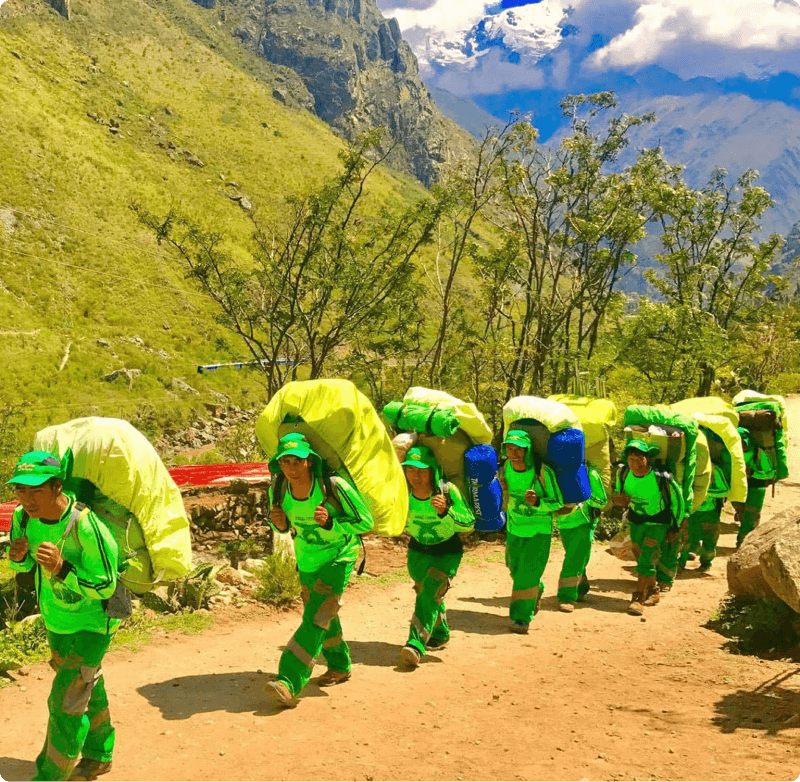
At Alpaca Expeditions, we believe that telling the story of our Green Machine — the affectionate name we give our porters — is just as important as describing the ruins and mountains they traverse.
This comprehensive guide examines who these porters are, the history and evolution of porter regulations, the significant reforms scheduled for 2026, and how ethical trekking companies like ours are pushing for a better future.
We’ll share personal narratives, discuss challenges, unpack Peruvian law, and provide tips for travelers who want to support porters in meaningful ways. Whether you plan to hike the Inca Trail or are simply curious about the humans behind the headlines, this article will illuminate the heart and backbone of Andean trekking.
Inca Trail Porters 2026
Who Are the Inca Trail Porters?
Communities and Cultural Heritage
Inca Trail porters come from high‑altitude communities scattered across the Peruvian Andes. Many are members of the Quechua‑speaking descendants of the Inca, such as the Huilloc, Patacancha, Misminay, Willoq, and Cachiccata villages in the Sacred Valley. Others travel from remote regions like the Lares Valley, Pampacorral, and Cuncani.
Farming remains the primary livelihood in these communities; men and women cultivate potatoes, corn, quinoa, and raise livestock. Yet seasonal work on the Inca Trail provides a supplementary income that helps pay for education, medical needs, and improvements to their homes.
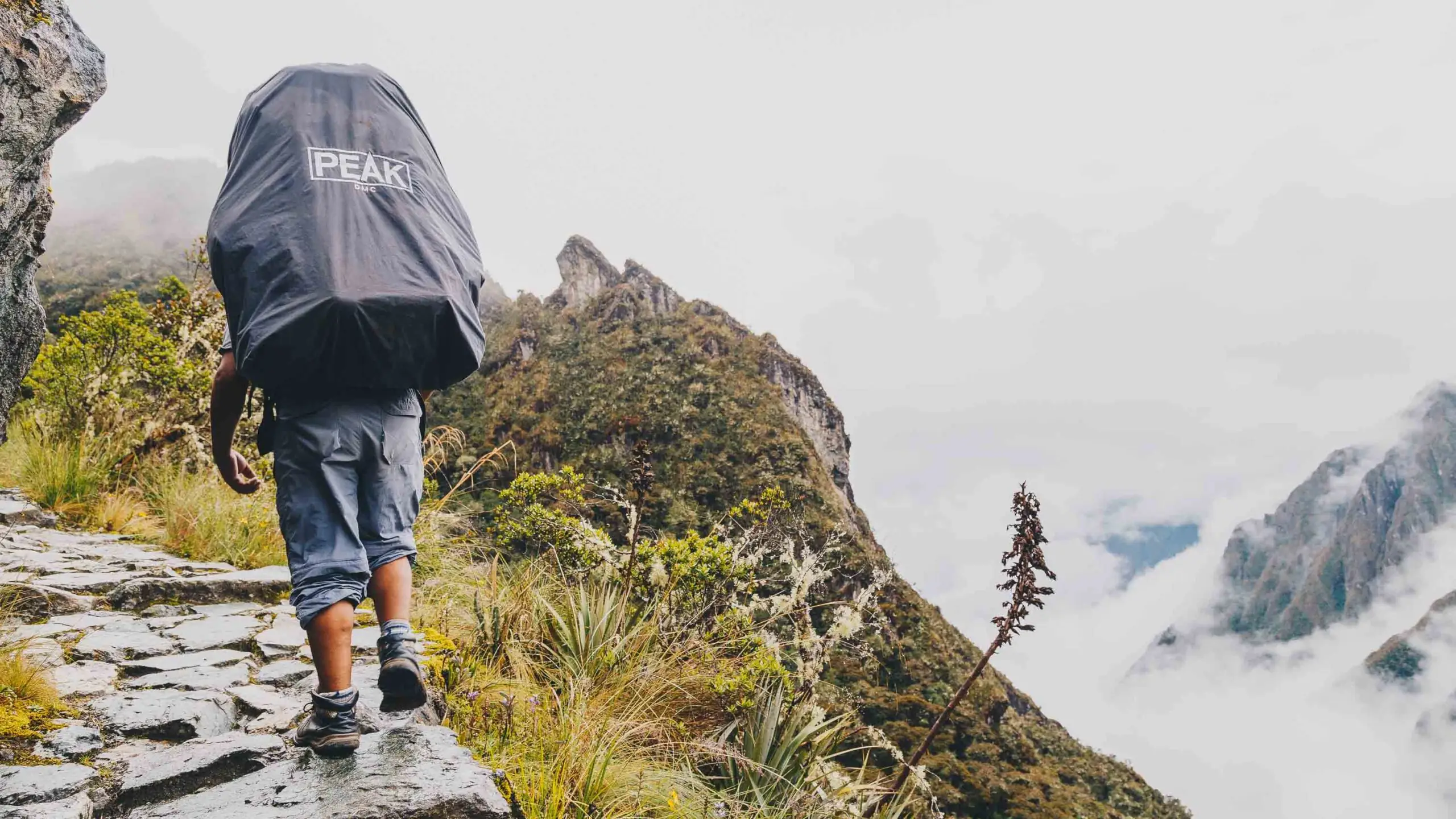
Porters are often referred to as the modern Chaskis, a nod to the Inca runners who relayed messages across the empire. Like their predecessors, porters navigate steep inclines, fluctuating weather, and thin air at altitudes above 4,000 m. Their duties go well beyond carrying loads.
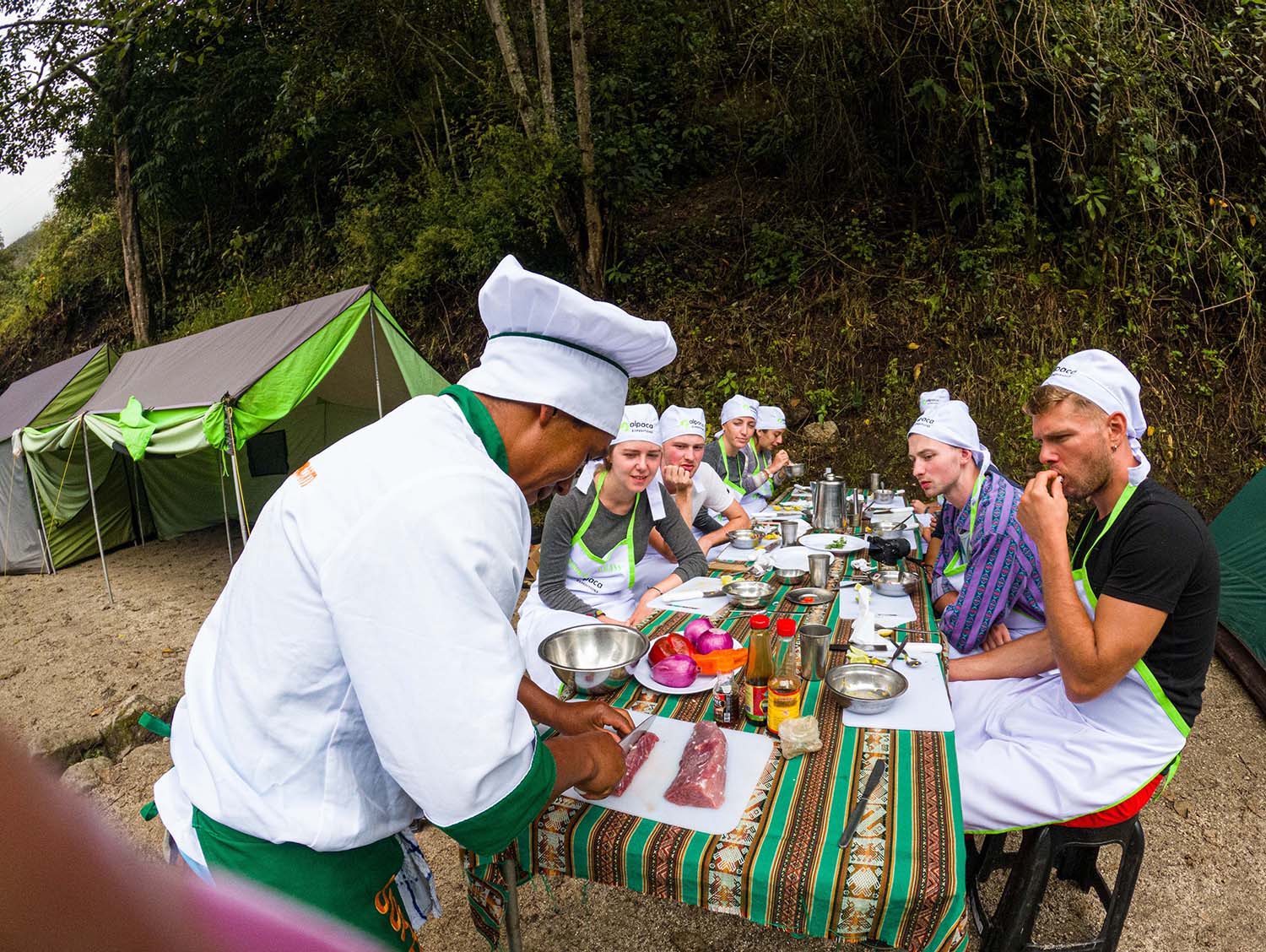
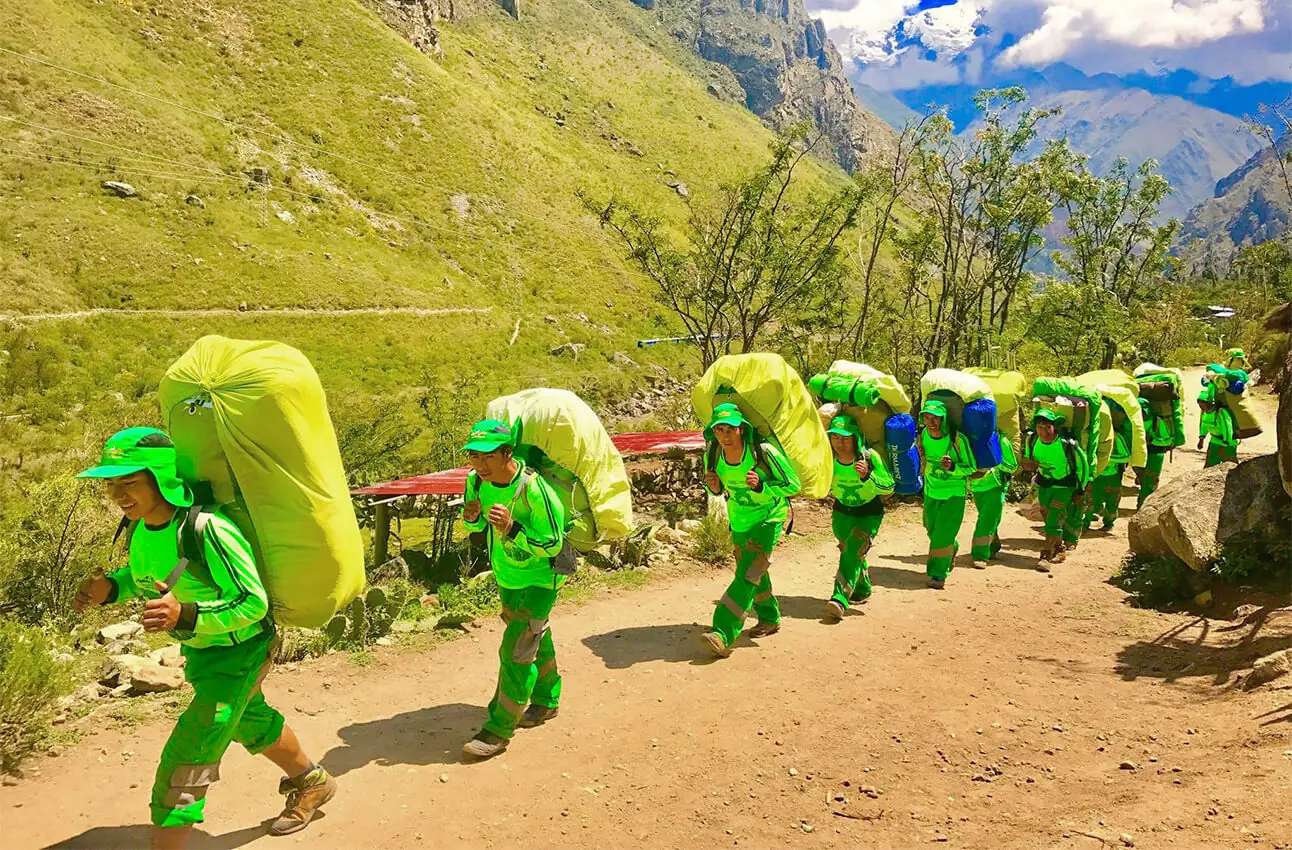
Porters wake long before dawn to prepare breakfasts, strike camp, haul equipment,and then run ahead to cook lunch. After trekkers depart in the afternoon, porters pack up again and race to set up camp and cook dinner. They fill and carry buckets of water, manage waste, and often sleep in cramped conditions so visitors can rest comfortably.
Gender and Age Diversity
Historically, portering was a male‑dominated profession. Women faced cultural barriers and weight restrictions that made it difficult to join crews. In recent years, agencies like Alpaca Expeditions have begun recruiting and training female porters.
As of 2024, our Green Machine includes 25 women among more than 250 men. We provide these trailblazers with the same gear, pay, and respect as male porters and limit their load to 15 kg per Peruvian law. Many of these women are single mothers seeking financial independence and challenging traditional gender roles.
Young adults aged 18 and older may work as porters. The law strictly prohibits minors under 18 from carrying loads, acknowledging the physically demanding nature of the job and the need to protect adolescents.
A Brief History of Porter Regulations
Early Exploitation and the Push for Reform
For decades, the Inca Trail operated with little oversight. Before 1990 it was common for porters to carry 40–50 kg of equipment while being poorly paid and lacking proper food or shelter. Travelers might bring heavy duffels stuffed with luxury items, oblivious to the human cost of their comforts.
Because pack animals were banned from the trail to protect fragile pavements and steep staircases, there was no alternative but human labor. Exploitation became the norm, and porters were largely invisible to global tourism conversations.
In the late 1990s and early 2000s, growing international awareness of poor conditions led Peruvian authorities to draft new regulations. By 2002, the government introduced restrictions: all trekkers had to travel with a licensed tour operator; permits were limited to 500 people per day, including porters, guides, and cooks; and porters’ maximum loads were reduced to 25 kg.
These changes improved safety, but enforcement remained patchy, and many companies found loopholes or simply ignored the rules.
The 2003 Regulation and its Limits
In 2003, the Ministry of Labor enacted legislation known as Supreme Decree No. 003‑2003‑TR. It set a maximum weight of 25 kg for male porters and established guidelines for wages, health care, and working hours. It mandated that porters be registered and insured.
While the decree represented progress, it still allowed heavy loads compared to global trekking standards. Wage guidelines were vague, leaving room for exploitation. There was limited oversight to ensure compliance, so porters continued to suffer from overloading and inadequate nutrition.
Law 31614/31624 (Porter Workers’ Law) of 2022
In November 2022, the Peruvian Congress passed Law No. 31614 (also known as Law 31624), a comprehensive bill widely hailed as a turning point for porter welfare. The law requires trekking companies to pay porters a minimum salary of 3 % of the Tax Unit (UIT) per day, which equals approximately S/138 or US$35 per working day.
It reduces the maximum load to 20 kg for men and 15 kg for women and youth, a significant improvement over the previous 25 kg limit. Porters must be at least 18 years old and cannot work more than 48 hours per week.
Law 31614 further mandates that companies provide:
- Five days of rest between consecutive treks;
- Overtime pay for hours exceeding the standard shift;
- Nutritious meals and proper equipment, including lumbar belts, boots, and weather‑appropriate clothing;
- Supplementary risk insurance and social health coverage;
- Adequate overnight shelters or tents for porters, separate from dining areas;
- Equal opportunities and non‑discrimination for women and young porters.
The law stipulates that tourism operators found violating these provisions may be fined or stripped of their licenses. Implementation began in 2023, and by 2026, authorities expect full compliance across the industry. Yet enforcement remains a challenge, especially among budget operators that struggle to absorb higher costs or prefer to cut corners.
Opposition and Challenges
The Porters’ Law has been widely praised by advocacy groups and responsible tour companies. However, some travel associations and smaller operators have opposed it, arguing that increased wages and limits on working hours raise tour prices and could hurt competitiveness.
This debate will continue into 2026 as the law’s full implications become clear. Our view at Alpaca Expeditions is that dignified treatment of porters is non‑negotiable; travelers should not expect to exploit local workers to save a few dollars. Ethical tourism is an investment in the communities that make adventures possible.
New Regulations and Trends for 2026
Permit Quotas and Booking Dynamics
The Peruvian government strictly limits the number of people on the Inca Trail to protect the environment and ensure a sustainable experience. For 2026, the daily quota remains 500 permits, but only 200 of these are available to tourists; the remaining 300 are reserved for support staff – porters, guides, cooks, and other crew members.
Permits are non‑transferable, and independent trekking is prohibited. As a result, permits sell out months in advance, especially for the dry‑season months of May through September.
Porter salaries and operational costs have risen due to Law 31614, which means the cost of permits and tour packages is slightly higher than in previous years. We encourage travelers to book their 2026 Inca Trail trek as soon as the permit release calendar opens (usually October of the previous year) to secure preferred dates and to budget accordingly.
New Weight Guidelines for 2026
There have been discussions within Peru’s Ministry of Culture to further reduce porters’ maximum load to 14 kg by 2026, aligning with international trekking standards and continuing the trend toward prioritising human health.
While this rule has not yet been officially enacted, some responsible operators – including Alpaca Expeditions – are voluntarily capping loads at or below 20 kg (15 kg company gear plus 5 kg personal effects).
We also limit client duffels to 7 kg (including sleeping bag and mat), so porters are not pressured to carry excess weight. This pre‑emptive reduction ensures that our team can adjust easily if the law changes in 2026 and sets a higher standard of care regardless of regulation.
New Circuit Routes and Group Size Limits
In recent years, Machu Picchu introduced new circuits that distribute visitor flow, and the Inca Trail will likely adopt similar measures. Regulations currently limit group sizes to 16 trekkers per guide and require that every group be accompanied by a licensed guide.
Rumours for 2026 include adjustments to trekking circuits, such as dividing the classic four‑day route into more distinct sections with specific itineraries. The trail also closes every February for maintenance and to reduce environmental stress – this will continue in 2026.
Women in Portering
The inclusion of women in the portering workforce is an ongoing trend we anticipate will grow in 2026. Historically, there have been only a handful of female porters due to cultural expectations and physical demands.
Alpaca Expeditions has worked with community leaders to create spaces for women to join our crew. We provide training, supportive gear, and lower weight limits as mandated by law. Our goal is for female porters to comprise at least 15 % of our porter team by the end of 2026.
A Day in the Life: Stories from the Trail
To appreciate the demands porters face, imagine a typical day on the classic 4‑day Inca Trail as experienced by one of Alpaca Expeditions’ porters, Juan (a composite character based on real testimonies). This narrative brings to life the tasks and routines porters undertake.
A Day in the Life: Stories from the Trail
Day 1: Ollantaytambo to Wayllabamba
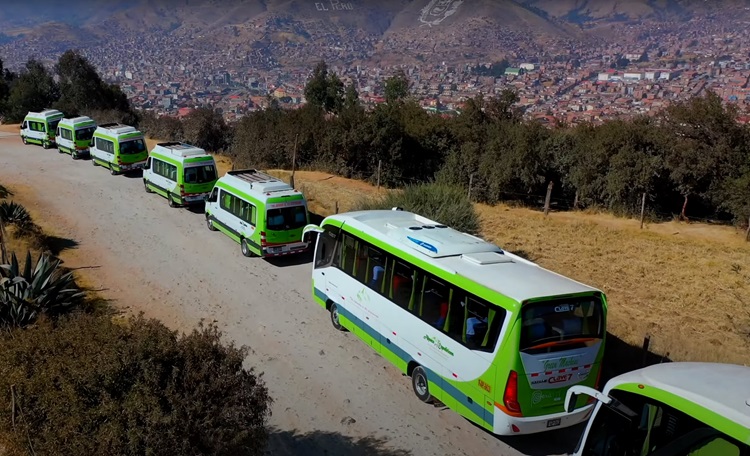
At 3 a.m., long before trekkers have stirred, Juan rises from his bed at our Porter’s House in Ollantaytambo. He eats a hearty breakfast of quinoa porridge, bread, and herbal tea provided by the company and then helps load gear onto the bus.
After a two‑hour drive to the trailhead at Km 82, he unloads tents, tables, food, and personal backpacks. While trekkers get their stamps and take photos, porters arrange equipment for the first checkpoint.
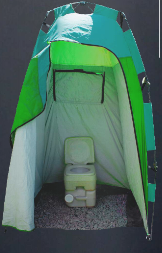
Juan’s pack includes a tent, cooking gas, food supplies, and part of a portable toilet. Under Alpaca’s 20 kg limit, he is carrying about 15 kg of company gear and 5 kg of his own clothing and sleeping mat. As the group begins hiking, he moves at a brisk pace so that he can reach the lunch site ahead of them.
Porters often run along the path, moving easily over the stone steps and narrow bridges that can challenge trekkers. They greet other crews with friendly “allillanchu” (Quechua for “good morning”), a testament to the camaraderie among porters.
By midday, Juan and his colleagues have set up a dining tent, laid out chairs, and prepared lomo saltado with fresh vegetables. When the trekkers arrive, they receive warm towels and a delicious meal.
After lunch, Juan packs everything again, lifts his load onto his back using a special harness that distributes weight across his shoulders and hips, and heads out.
At the Wayllabamba campsite, porters pitch tents, filter water, prepare a three‑course dinner, and create a separate area where they themselves will sleep.
Only after the trekkers have been served do porters eat their own meal. They usually rest on foam mats in a communal tent – a big improvement over the past when porters slept on the ground or in the dining tent.
Day 2: Dead Woman’s Pass
Day 2 is the most demanding, with a steep ascent to Warmiwañusca (Dead Woman’s Pass) at 4,215 m. Porters leave camp after breakfast and climb rapidly, sometimes overtaking trekkers who struggle with the altitude.
At the summit, they wait with oxygen and coca tea in case anyone needs support. They then descend to the lunch spot at Pacaymayu, set up camp, cook, serve, clean, and then proceed to the next site at Chaquicocha.
Porters’ efficiency is remarkable: while trekkers might take 6–7 hours to cover this section, porters manage their tasks within the same time frame despite carrying heavy loads and performing multiple services. After setting up at Chaquicocha, Juan shares stories with colleagues.
Many porters have walked these paths dozens of times and know every stone. Their knowledge of the environment – the medicinal plants, changing weather and cultural significance of each site – rivals that of any expert guide.
Day 3: Runcuracay, Phuyupatamarca and Wiñay Wayna
On Day 3, porters enjoy more gradual terrain but cover longer distances. After breakfast at Chaquicocha, they head to Runcuracay Pass, then through cloud forests to Phuyupatamarca and down endless staircases to Wiñay Wayna.
Along the way, porters maintain the trail by picking up trash and ensuring the stone steps remain clear – an unsung aspect of their work that protects the environment. At Wiñay Wayna, they set up the final camp and prepare an early dinner.
Juan and his colleagues receive a special send‑off from the trekkers that night. It is customary to hold a short ceremony where trekkers thank each porter, share tips (often around US$5–10 each), and express gratitude.
Some porters share personal stories: one may speak of saving tips to pay for his child’s university; another might describe the pride he feels in preserving ancestral paths. Porters appreciate acknowledgement; historically, they were rarely thanked despite doing most of the heavy lifting.
Day 4: Inti Punku to Machu Picchu
The final day starts at 3 a.m. again. Porters pack up camp and take a shorter detour to the control gate to arrive before crowds. They must catch an early train back to Ollantaytambo to return the equipment. After saying goodbye to the trekkers at Inti Punku (Sun Gate), porters descend to the main control zone, where they check out and head to the train station. By midday, most are already back in the Sacred Valley, ready to rest for several days per law.
This narrative underscores the physical and emotional labor porters contribute to each trek. Our goal at Alpaca Expeditions is to ensure they complete these tasks with dignity, fair compensation, and proper rest.
Conditions and Challenges
Even with improved regulations, porters continue to face challenges that travelers should be aware of.
Overloading and Enforcement
The 20 kg weight limit for men and 15 kg for women is enforced by law, yet some operators circumvent the rules by hiring fewer porters and requiring them to carry more. Random spot checks have reduced but not eradicated overloading.
Some porters still report carrying 25–30 kg on certain trips, particularly with budget agencies that compete on price. Travelers can help by choosing ethical companies, packing light, and weighing their duffel before departure.
Sleeping Conditions and Food
Another area of concern is sleeping arrangements. Some budget operators make porters sleep in dining tents or outside without proper mats or blankets. Heather Jasper’s investigative blog highlights stories of porters sleeping under tables or in bathrooms due to lack of dedicated shelter.
Alpaca Expeditions has built a dedicated Porter’s House with bunk beds, showers and a kitchen in Ollantaytambo where porters rest before and after treks. On the trail, we provide separate sleeping tents and foam mats; porters receive the same quality sleeping bags as trekkers and have access to safe drinking water and balanced meals.
Health and Safety
High altitude and steep descents pose risks for porters as well as trekkers. Adequate nutrition and rest are essential to prevent exhaustion. The law’s requirement of five days between trips helps, but some porters still take back‑to‑back treks due to economic pressures.
Insurance coverage and emergency response protocols have improved with the new law, but there remains a need for better health screening and training. Alpaca Expeditions provides regular health checks and encourages porters to decline work if they feel unwell without fear of losing income.
Gender Inequality and Social Barriers
Women face additional hurdles on the trail: cultural expectations, childcare responsibilities, and a weight limit that some view as too high given female body composition. The law’s 15 kg limit helps, but more accommodations are needed, such as flexible schedules and childcare support.

Gender Inequality and Social Barriers
Our company offers training workshops for women, ensures separate facilities for privacy, and works with communities to challenge stereotypes. By 2026, we hope to see more female porters widely accepted across the industry.
Off‑Trail Economic Insecurity
Although portering offers good pay relative to agricultural work, it is seasonal. Many porters rely on farming or casual labor during the wet season when the trail closes. Without long‑term economic diversification, communities remain vulnerable to market swings and climate change.
Alpaca Expeditions invests in community projects such as building schools, offering scholarships, and supporting agricultural cooperatives. Travelers can contribute by purchasing crafts from porter families or donating to reputable NGOs.
Alpaca Expeditions’ Green Machine: Setting the Gold Standard
At Alpaca Expeditions, we refer to our team of porters, guides, cooks and drivers as the Green Machine – a tribute to the green uniforms they wear and the synchronized efficiency with which they operate. But beyond efficiency, our Green Machine is a testament to our commitment to fair treatment and sustainable tourism.
Fair Wages and Benefits
We pay above the legal minimum; porters earn a guaranteed salary plus benefits that include health insurance, accident insurance, and pensions. We provide life insurance for each porter’s family. Salaries are deposited directly into bank accounts to ensure transparency and financial literacy. Each porter also has a contract that clearly states wages, responsibilities, and rights, fulfilling the registration requirements of Law 31614.
Reduced Loads and Client Duffel Policy
While Peruvian law permits male porters to carry up to 20 kg, we voluntarily limit loads to 20 kg total (15 kg company gear and 5 kg personal) and require clients to restrict duffels to 7 kg. We provide clients with a packing list (see the Packing and Preparation section) that encourages them to bring only essentials. Extra items can be left in secure storage at our Cusco office for free. This policy not only protects our porters’ backs but also fosters mindful travel.
Quality Gear and Housing
Porters are provided with strong, comfortable backpacks, lumbar belts to distribute weight, warm jackets, rain ponchos, hats, gloves, and proper footwear. We also issue sleeping bags and mats equal to those given to clients. Before and after treks, porters can rest at our Porters’ House, which features bunk beds, hot showers, a kitchen, and a communal area. Family members are welcome to stay as well, fostering a sense of community.
Nutrition and Health
Porters receive four nutritious meals a day, including a high‑calorie breakfast and protein‑rich dinners. They eat separately to ensure they have enough food and time to rest. We supply unlimited boiled drinking water and Coca tea to mitigate altitude effects. Regular medical check‑ups are conducted by our staff; if a porter falls ill on the trail, our guides can summon emergency assistance and are trained in first aid.
Education and Empowerment
We provide free English lessons, leadership training, and financial literacy workshops. Many of our guides, cooks, and administrative staff started as porters. By creating a pathway for career advancement, we encourage professional growth beyond portering. We also sponsor the children of porters to attend school and university, thereby breaking the cycle of limited opportunity.
Commitment to Equality
Our recruitment efforts focus on hiring more women and providing them with supportive environments. We ensure that women’s uniforms fit properly, supply female‑specific health products, and provide separate facilities on the trail. We also coordinate with partner organizations to offer childcare when female porters are away.
Four‑Day Inca Trail Itinerary: Porter Perspective
Below is an overview of how porters support each day of the classic Inca Trail. Use this as a reference when planning your trek.
| Day | Trekker Route | Porter Responsibilities | Overnight Camp |
| Day 1 | KM 82 to Wayllabamba (approx. 11 km) | Load equipment at Km 82; run ahead to set up lunch tent; cook lunch and dinner; filter water; set up tents; prepare separate sleeping area | Wayllabamba (3 000 m) |
| Day 2 | Wayllabamba to Warmiwañusca (Dead Woman’s Pass) and Pacaymayu (approx. 12 km) | Wake early to cook breakfast; pack camp; ascend Dead Woman’s Pass carrying gear; provide support at the summit; prepare lunch at Pacaymayu; set up camp and cook dinner at Chaquicocha | Chaquicocha (3 600 m) |
| Day 3 | Chaquicocha to Wiñay Wayna (approx. 16 km) | Prepare breakfast; run ahead through Runkuracay and Phuyupatamarca to set up lunch; maintain trail by picking up trash; set up final camp; prepare farewell dinner; join tipping ceremony | Wiñay Wayna (2 650 m) |
| Day 4 | Wiñay Wayna to Inti Punku then Machu Picchu (approx. 5 km) | Wake at 3 a.m. to pack camp and hike to the control gate; ensure timely arrival for train departure; say goodbye to trekkers; return to Cusco by train and bus | – |
Packing and Preparation: Respect the Porters
One of the most effective ways travelers can support porters is by packing responsibly. Below is a recommended packing list for those trekking with Alpaca Expeditions. Remember that your duffel weight limit is 7 kg (sleeping bag and mat included), while you will carry your own daypack.
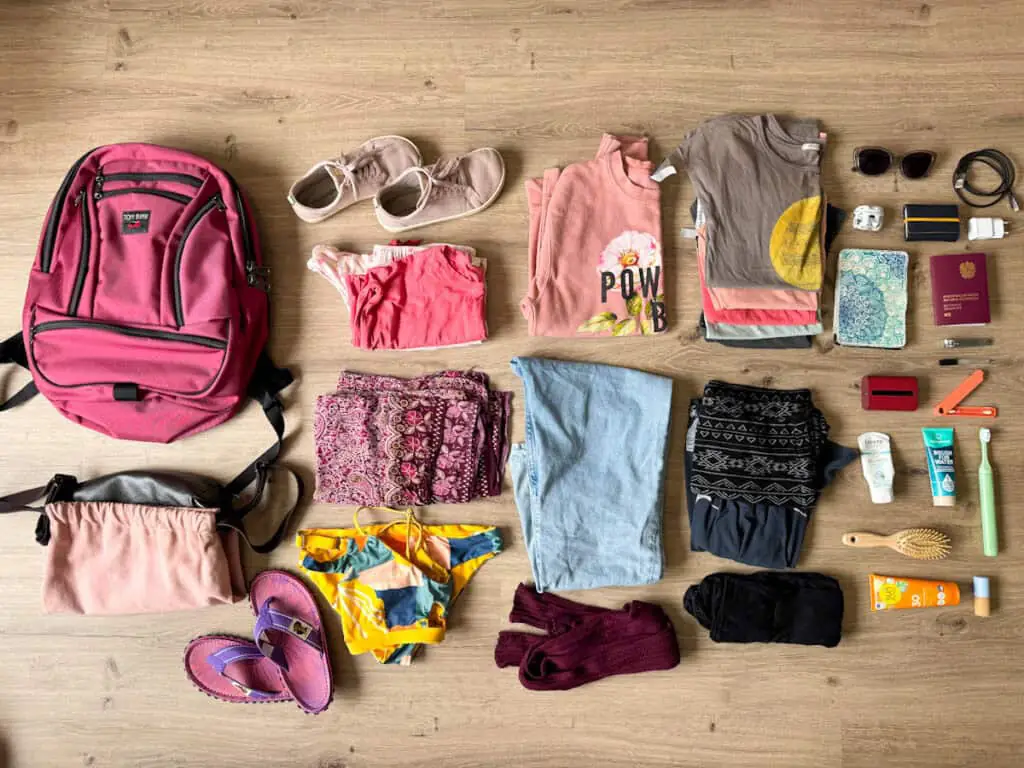
Essentials for the Duffel (Carried by Porters)
- Sleeping bag (rated at least –10 °C); we provide high‑quality bags if you don’t have one.
- Sleeping mat (foam or inflatable).
- Additional layers: two thermal shirts, two hiking pants, warm fleece and puffer jacket. Nights on the trail can drop to near freezing at high altitudes.
- Extra socks and underwear (pack in zip‑lock bags).
- Camp shoes: lightweight sandals or slip‑on shoes for evenings.
- Snacks: energy bars, trail mix.
- Toiletries: small towel, biodegradable soap, toothbrush, toothpaste, insect repellent.
- Headlamp and batteries.
- Pack rain cover for the duffel bag.
Essentials for Your Daypack (Carried by You)
- Passport and permit – required at control checkpoints.
- Water (at least 2 liters) and a refillable bottle or hydration bladder; porters carry boiled water for refills at lunch and camp.
- Snacks and personal medications.
- Sun protection: hat, sunglasses, sunscreen.
- Rain jacket and pants (weather changes quickly).
- Warm layers: thermal base layer and windbreaker.
- Camera or smartphone, portable charger and dry bag.
- Cash for tips at the end of the trek.
By adhering to weight limits, you directly reduce the load porters carry. Refrain from packing luxury items like heavy books, large toiletries, or extra shoes. Any unnecessary weight means someone else must carry it through mountain passes.
How Travelers Can Support Porters
Choose Responsible Operators
Selecting a certified, ethical company is the most impactful decision you can make. Look for agencies that comply with Law 31614, provide transparent wage policies, supply good gear, and limit porter loads. Ask for proof of registration and insurance. A company like Alpaca Expeditions, which invests in its porters’ welfare, will be proud to share details. Avoid agencies that promise low prices by cutting staff numbers or ignoring regulations.
Pack Light and Respect Weight Limits
Follow the packing guidelines above and weigh your duffel before starting the trek. Consider leaving non‑essential items in Cusco. When companies require porters to carry less, they hire more porters, distributing work fairly.
Tip Fairly and Transparently
Tips are not mandatory but are customary and appreciated. Porters rely on them to supplement their income and support families. A typical tip is US$5–10 per trekker for the entire porter team. Bring small bills in local currency to distribute during the farewell ceremony. Ensure tips are handed directly to porters or placed in a collective envelope that is opened in their presence.
Show Respect and Gratitude
Greet porters with a friendly “¡Buenos días!” or the Quechua “Allillanchu.” Learn their names, share your cultural background, and show interest in their lives. Simple gestures like offering a piece of fruit or a thank‑you note go a long way. Avoid giving heavy items to porters outside of the official load.
Advocate for Enforcement
Responsible tourism involves more than personal behavior; it includes advocating for systemic change. Support NGOs and associations that monitor porter rights and lobby for government enforcement. Share your experiences online and encourage fellow travelers to choose ethical operators. If you witness abuses (such as overloading or inadequate gear), report them to the Ministry of Culture or local authorities.
Support Female Porters and Local Communities
Seek operators that hire women and provide inclusive work environments. Purchase souvenirs directly from porter families or community cooperatives. Consider donating to scholarship funds or community infrastructure projects. Recognize that tourism revenue can be a powerful tool for development when channeled responsibly.
Environmental Guardianship
Porters are more than carriers; they are stewards of the trail. As locals, they understand the ecological significance of the cloud forests, páramo (high wetlands), and archaeological sites.
They pick up litter, ensure campsites are clean, and discourage trekkers from straying off the path. The environmental ethic is codified in regulations that require all waste to be packed out and forbid leaving organic waste behind.
At Alpaca Expeditions, we provide porters with biodegradable bags, teach Leave No Trace principles, and encourage them to educate travelers about the fragile ecosystems along the route.

Cultural Insights and Personal Stories
One of the joys of trekking with a responsible operator is the opportunity to interact with porters beyond formal service roles. Here are some vignettes that illustrate the human side of portering:
- Martín, the Farmer‑Musician: Martín grew up in Patacancha, where his family farms potatoes. He became a porter to finance his guitar hobby. On quiet evening,s he serenades his colleagues and trekkers with Quechua songs. “The trail taught me discipline,” he says. “Carrying heavy loads at altitude is like playing guitar: you need endurance and rhythm.” He hopes to record an album using tips saved from his work.
- Yolanda, the Trailblazer: One of our first female porters, Yolanda joined the Green Machine after attending a community meeting where Alpaca Expeditions discussed women’s participation. She faced skepticism from male relatives but trained diligently, built strength, and now carries 15 kg across passes. She uses her earnings to fund her daughter’s schooling. “I want my daughter to know she can do anything,” she says.
- Anselmo, the Teacher: After years as a porter, Anselmo studied English and tourism. He eventually became an assistant guide and now leads groups. He uses his understanding of porters’ work to advocate for fair tips and ensure travelers appreciate the teamwork behind their journey.
These stories show the diversity of backgrounds and aspirations among porters. They are not anonymous carriers but individuals with dreams, families, and rich cultural knowledge.
Frequently Asked Questions (FAQs)
Q1: How heavy can porters’ loads be?
Under Law 31614, male porters may carry up to 20 kg and female porters 15 kg. Some responsible operators, like Alpaca Expeditions, voluntarily impose lower limits. Rumors suggest the government may reduce the limit to 14 kg by 2026, but this has not yet been officially adopted.
Q2: How many porters accompany each group?
The number depends on group size and weight. A typical group of 8 trekkers with Alpaca Expeditions travels with 12–16 porters. We allocate about two porters per trekker to ensure loads stay within limits and allow porters to perform other tasks like cooking and cleaning.
Q3: Are there female porters?
Yes. Women have traditionally been underrepresented but numbers are growing. Alpaca Expeditions currently employs around 25 female porters and is working to increase this figure. The law ensures that female porters carry a maximum of 15 kg and receive equal pay and opportunities.
Q4: How much do porters earn?
The Porter Workers’ Law stipulates a minimum wage of 3 % of the UIT per day, about S/138 (~US$35). This equates to roughly US$140 for a four‑day trek, excluding tips. Alpaca Expeditions pays more than this minimum and provides additional benefits.
Q5: Are tips required?
Tips are customary but voluntary. Porters appreciate them as an acknowledgment of their hard work. Typical contributions range from US$5–10 per trekker for the entire crew. You will have an opportunity to tip during a farewell ceremony on the final night.
Q6: Can I hike the Inca Trail without porters?
No. Independent trekking is prohibited. All travelers must go with a licensed tour operator that hires porters and guides. This rule exists to protect the trail’s integrity and ensure compliance with safety and environmental standards.
Q7: Why can’t pack animals be used instead of humans?
Pack animals are prohibited because their hooves damage the Inca Trail’s ancient stone steps and trails. Porters are thus essential. Responsible operators hire enough porters to distribute the load fairly and protect both people and the trail.
Q8: What happens if I overpack?
Overpacking causes porters to carry extra weight or forces operators to hire additional staff. If your duffel is overweight, you may be asked to pay for an extra porter. To avoid inconvenience, stick to the 7 kg limit and leave unneeded items in Cusco.
Q9: Do porters eat the same food as trekkers?
In the past some companies fed porters leftovers. Alpaca Expeditions prepares separate meals for porters with equal quality ingredients and adequate portions. Healthy meals keep porters strong and reduce fatigue. We encourage clients to ask operators about porter nutrition before booking.
Q10: Are there alternative treks that involve fewer porters?
Several routes to Machu Picchu use pack animals for part of the journey, such as the Salkantay or Lares trek. These alternatives require fewer porters because horses or mules can carry equipment on certain sections. However, once within the park boundaries animals are still restricted, so porters remain necessary for final segments. Choose your trek based on fitness level and interest, but always verify that the company treats staff ethically.
Conclusion
Porters are the heartbeat of the Inca Trail. Without their strength, knowledge and dedication, the famed stones of Machu Picchu would remain a distant dream for most travelers. As the world evolves and tourism standards rise, Peru is taking meaningful steps to protect these essential workers through legislation like Law 31614 and proposed 2026 reforms. Yet the success of these policies depends on enforcement and the choices made by each traveler.
At Alpaca Expeditions we honor our porters by paying fair wages, limiting loads, providing quality gear and giving them the respect they deserve. We invite you to join us in supporting their journey. When you trek with us, you aren’t just walking in the footsteps of the Inca – you’re walking alongside the men and women who keep the trail alive.
Book your Inca Trail adventure for 2026 with Alpaca Expeditions and experience the magic of Machu Picchu while ensuring that the people behind your journey are treated with dignity and love. Let’s hike ethically, sustainably, and with gratitude for the Green Machine.
Alpaca Expeditions Recognitions
ISO (International Organization for Standardization)
In the pursuit to stand out from the rest, Alpaca Expeditions has obtained four ISOs plus our carbon footprint certificate to date. These achievements result from our efforts to implement the internationally-recognized integrated management system. They also represent our commitment to all of our clients and staff of operating sustainability and responsibility in every way possible.




World Travel Awards
Alpaca Expeditions is internationally recognized as a leading tourism company in Peru. As proof, we have been awarded the World Travel Award for Peru´s Best Tour Operator 2021 for the second time.


TRIPADVISOR RECOGNITIONS
Our goal at Alpaca Expeditions is to create the best experience for all of our clients. We create journeys that are to be remembered for a lifetime. Journeys you can be proud of and can share with everybody around you.












As Featured In











Scan Here!




 Porters will carry up to 7 kg of your personal items, which must include your sleeping bag and air mat (if you bring or rent one). From us, these two items weigh a combined total of 3.5 kg.