


Machu Picchu’s Triumph: How Peru’s Iconic Sanctuary Won World’s Leading Tourist Attraction 2025 and Elevated Our Nation’s Travel Legacy
Machu Picchu has inspired awe for over a century, but the news that Peru’s Iconic Sanctuary was crowned World’s Leading Tourist Attraction 2025 at the World Travel Awards (WTA) feels like watching a beloved friend receive a long‑overdue standing ovation. As local guides and travel experts based in Cusco, we at Alpaca Expeditions felt pride swell when the announcement flashed across global headlines.
Not only did our country’s most famous citadel beat world‑renowned icons such as the Taj Mahal, Great Wall of China, and Grand Canyon, it also capped off a banner year in which Peru won multiple top categories at the WTA, including World’s Leading Culinary Destination, Cultural Destination, and Heritage City.
This article delves into why this recognition matters, what makes Machu Picchu such a powerful magnet for travelers, and how you can plan an unforgettable visit while supporting local communities.
Why This Award Matters to Us
When the WTA announced the 2025 winners at their Grand Final Gala in Bahrain on 6 December 2025, we were thrilled to see Machu Picchu once again take the top spot for World’s Leading Tourist Attraction. This recognition isn’t just a trophy on the shelf; it influences traveler choices, shapes global perceptions, and brings economic benefits to local families.
The WTA, often dubbed the “Oscars of Tourism,” is decided through a combination of industry expert and public votes, making it a global barometer of excellence. For travelers reading this blog, the award signals that Machu Picchu is not only bucket‑list worthy but also consistently delivers extraordinary experiences.
As a Peruvian‑owned company, we see firsthand how such accolades encourage more people to visit our country. Each award is a reminder of the hard work done by our guides, porters, chefs, communities, and tourism board, and it underscores our responsibility to protect the places we love. In this guide, we’ll explore:
- What the World Travel Awards are and why Peru excelled in 2025.
- A deep dive into Machu Picchu’s unique qualities – from its Inca engineering and spiritual significance to its biodiversity and visitor management.
- Practical advice on when to go, how to obtain tickets, manage altitude, and pack for your trip.
- A celebration of Peru’s culinary, cultural, and heritage riches, including Lima’s new recognition as World’s Leading Heritage City.
- Our commitment to sustainable travel and how you can help preserve Machu Picchu for generations.
By the end, you’ll understand why Machu Picchu outshone its rivals, how Peru earned four more titles at the WTA, and how to make your journey meaningful and memorable.
What Are the World Travel Awards?
Established in 1993, the World Travel Awards aim to celebrate excellence in travel and tourism. Often compared to the Academy Awards for film, the WTA recognises outstanding achievements across hundreds of categories, from hotels and airlines to destinations and tour operators.

Winners are determined through votes cast by industry professionals and travelers worldwide, lending credibility and prestige. For destinations, a WTA title can increase visibility, drive visitor numbers, and validate years of conservation and promotion efforts.
Categories Relevant to Peru in 2025
Peru’s tourism sector shone brightly in 2025, taking home five global awards:
- World’s Leading Tourist Attraction – Machu Picchu: Our iconic Inca sanctuary triumphed over nominees like the Taj Mahal, Great Wall of China, Grand Canyon and the Acropolis of Athens, reinforcing its status as a must‑visit destination.
- World’s Leading Culinary Destination – Peru: This category celebrates a country’s cuisine. Peru beat culinary powerhouses including France, Italy, India and Japan. The award history shows Peru has dominated this category almost every year since 2012.
- World’s Leading Cultural Destination – Peru: Recognising heritage, arts and cultural vibrancy, this award saw Peru emerge victorious over nominees such as France, Italy, India and Thailand. Peru has now won the title for several consecutive years.
- World’s Leading Heritage City – Lima, Peru: Our capital earned recognition for its UNESCO World Heritage-listed historic centre, colonial architecture and thriving contemporary culture (citation from earlier research). Lima’s win underscores the diversity of attractions beyond Machu Picchu and encourages travelers to explore the coast in addition to the Andes.
- World’s Leading Tourist Board – PROMPERÚ: Peru’s promotion agency took home this accolade, beating tourism boards from India, Portugal, Greece and others. PROMPERÚ’s marketing campaigns, sustainable initiatives and support for community-based tourism were instrumental in Peru’s overall success.
Why These Awards Matter
The WTA is more than a list of winners. They influence travel trends and inspire competition. For travelers, they provide a trustworthy shortlist of destinations that consistently deliver quality experiences. For destinations, they validate investment in infrastructure, conservation, and community development.
Peru’s sweep of the awards demonstrates that our country offers a holistic travel experience: awe‑inspiring landscapes, innovative gastronomy, rich culture, historic citie,s and a responsive tourism board.
Why Machu Picchu Won: History, Engineering, and Awe
A Masterpiece of Art, Architecture, and Urban Planning
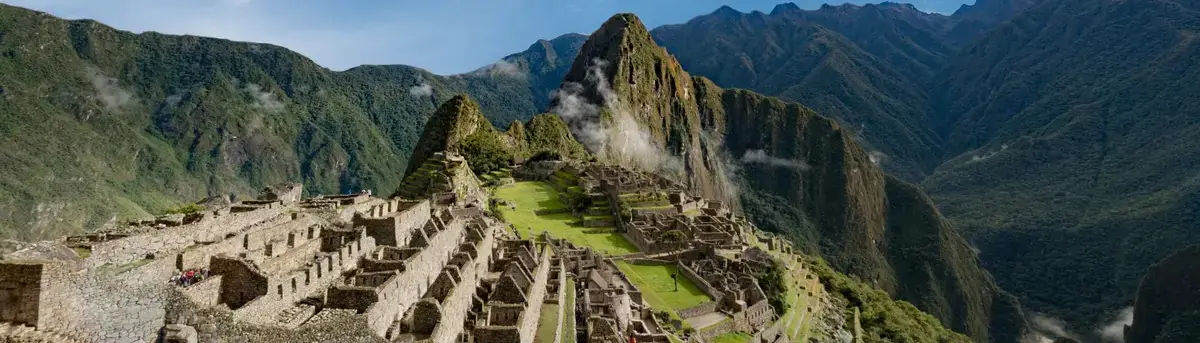
UNESCO has recognised Machu Picchu as a mixed cultural and natural World Heritage Site, praising it as “a masterpiece of art, urbanism, architecture and engineering”. The sanctuary is perched at 2,430 m above sea level and spans over 32,500 ha, blending steep agricultural terraces with finely crafted temples and homes.
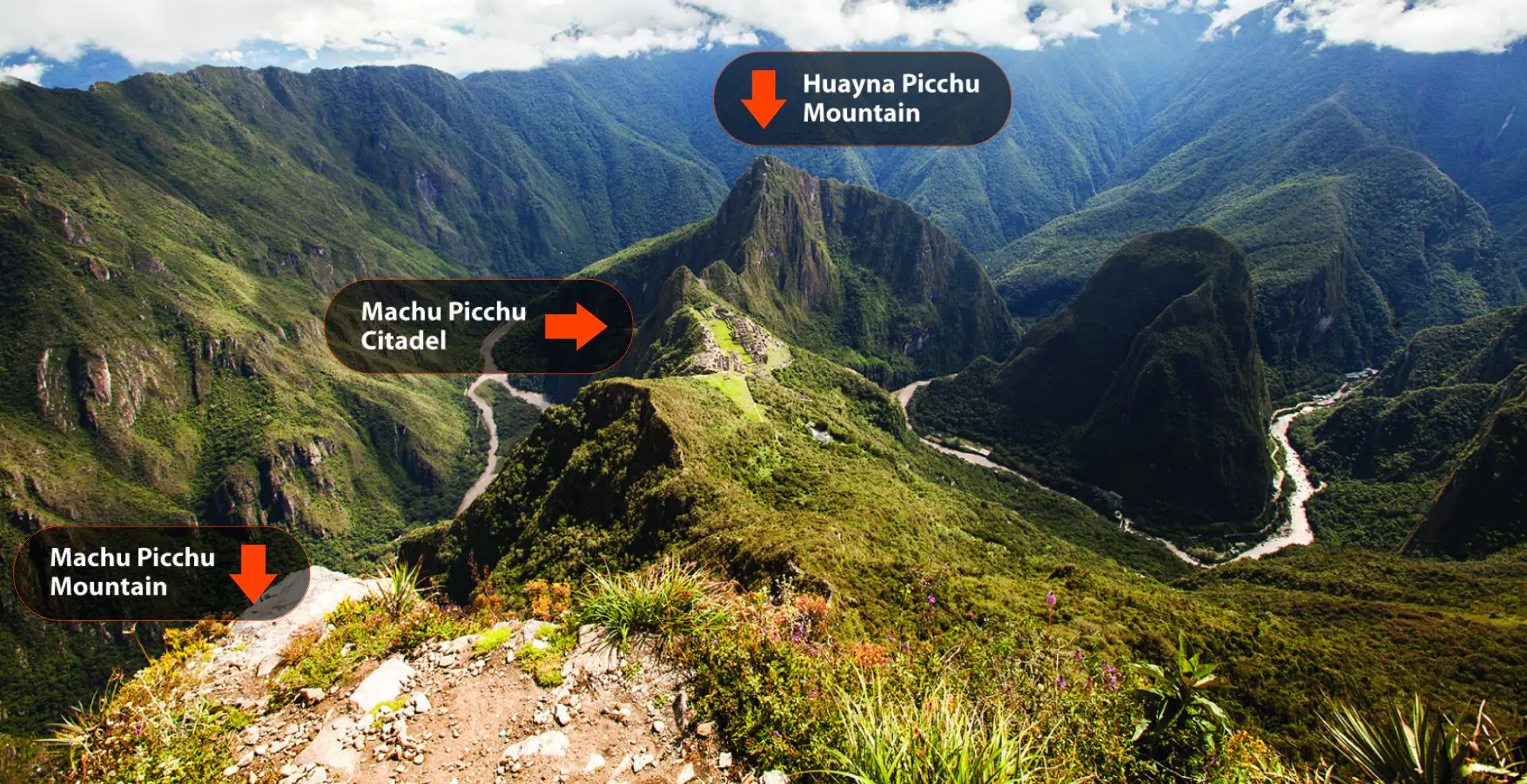
Its builders – most likely the Inca emperor Pachacuti and his architects – carved the city into a mountain ridge between the peaks of Huayna Picchu and Machu Picchu Mountain.
One reason Machu Picchu stands out is its ashlar masonry, where granite blocks fit together so precisely that no mortar is needed. These interlocking stones can flex during earthquakes, allowing the walls to withstand tremors that have toppled other Andean structures.
Terraces, retaining walls, and underground drainage channels prevent landslides and erosion. More than half of the city lies hidden beneath the surface in the form of foundations and water systems, illustrating the Incas’ mastery of engineering.
Spiritual Significance and Astronomical Alignments
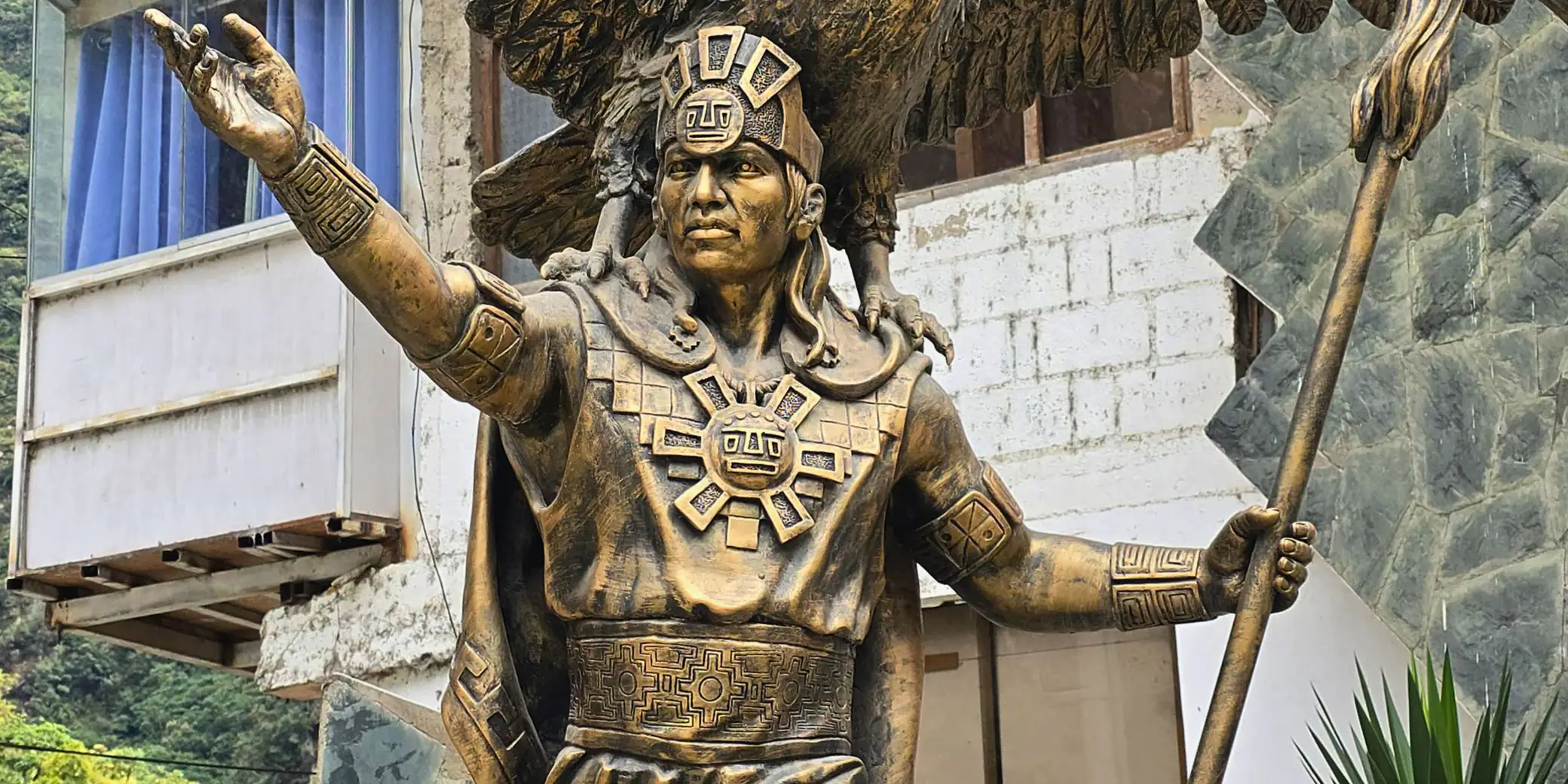
In Andean cosmology, the world is divided into three realms: Hanan Pacha (upper world), Kay Pacha (earthly world), and Uku Pacha (underworld). Machu Picchu’s design reflects this worldview. High temples connect humans with celestial forces, agricultural terraces sustain earthly life, and caves and springs symbolize the underworld.
The Intihuatana stone, carved on a raised platform, aligns with the sun during equinoxes and casts almost no shadow.
Nearby, the Temple of the Condor incorporates natural rock into sculpture, paying homage to the sacred Andean bird. These features show that Machu Picchu was not only a royal estate but also a ceremonial and astronomical observatory.
Hidden Depths and Surrounding Peaks
The sanctuary’s allure extends beyond its main plaza. Huayna Picchu (2,720 m) offers vertiginous views of the city, and limited tickets create an exclusive experience. Machu Picchu Mountain (3,082 m) provides a wider panorama of the Andes for those seeking a longer hike, while Huchuy Picchu (2,497 m) opened in 2024 as a less strenuous alternative.
Trails lead to the Temple of the Moon and the Great Cavern, revealing more niches, altars, and carved stonework. When we accompany our travelers to these lesser‑known spots, they often comment that the journey feels like stepping through chapters of a living history book.
UNESCO, Crowds and Conservation
Visitor numbers skyrocketed after Machu Picchu was named one of the New Seven Wonders of the World in 2007. By the mid‑2010s, the site was receiving over 1.5 million visitors annually, prompting UNESCO to consider placing it on the List of World Heritage in Danger.
In response, Peruvian authorities imposed daily visitor limits, introduced time‑slot tickets, and designated circuits to spread foot traffic. In 2024, the visitor limit increased to around 4,500 people per day, but strict regulations remain: guides are required, large bags are prohibited, and certain trails are one‑way.
These measures ensure that future generations can enjoy Machu Picchu’s magic without eroding its fragile terraces and stonework.
A Living Citadel: Flora, Fauna and People
Situated at the edge of the Andean cloud forest, the sanctuary hosts hundreds of plant species, including orchids, bromeliads and ferns. Hummingbirds dart through tree ferns while spectacled bears and Andean deer roam the surrounding forests.
The site itself may have been used seasonally by a small royal entourage rather than a permanent population, but nearby communities like Aguas Calientes (2,040 m) and Cusco (3,399 m) provide lodging and logistics for modern travelers.
Our porters and cooks come from rural villages, and many still speak Quechua – the language of the Inca. When you travel with us, you support these families and help keep cultural traditions alive.
How to Experience Machu Picchu After the Award
Winning the World Travel Award is a call to action: more people will want to visit. To help you plan, we’ve compiled a comprehensive guide based on our years of leading treks and tours. Whether you take the train, hike the Inca Trail, or combine Machu Picchu with other Peruvian destinations, our goal is to make your journey smooth and sustainable.
Best Time to Visit: Seasons and Crowds
Machu Picchu experiences two main seasons: dry and wet. The dry season (May–October) brings clear skies and cooler nights but larger crowds; the wet season (November–April) features afternoon showers, lush vegetation, and fewer visitors.
Average daytime temperatures range from 17–19 °C in the dry months and remain similar in the rainy season, though humidity rises. Rainfall peaks in February, when the Inca Trail closes for maintenance.
Shoulder months such as April–May and September–October offer a balance of mild weather and moderate crowds. Always pack a waterproof jacket, even in the dry season – mountain weather is fickle, and showers can occur without warning. Visiting outside of peak months helps reduce pressure on the site and gives you more breathing space among the ruins.
Acclimatisation and Altitude
Although the citadel sits at 2,430 m, most visitors arrive via Cusco (3,399 m) or the Sacred Valley (2,800 m), where altitude sickness can be more pronounced. Symptoms include headaches, nausea, shortness of breath, and fatigue. To acclimatise:
- Spend at least one or two nights in Cusco or the Sacred Valley before ascending to Machu Picchu.
- Hydrate well, drink coca tea, and avoid heavy meals and alcohol.
- Ascend gradually – if you plan to hike the Inca Trail, schedule rest days before your trek.
- Consider medications such as acetazolamide after consulting your doctor.
Huayna Picchu and Machu Picchu Mountain climb higher than the citadel (2,720 m and 3,082 m respectively). Ascents can be strenuous and involve steep, narrow steps; ensure you are comfortable with heights and in good physical condition.
The newly opened Huchuy Picchu (2,497 m) offers a less demanding option. Permits for these peaks must be booked well in advance as they sell out quickly, especially after the WTA announcement.
Getting There: Transportation Options
By train: Most travelers take trains operated by PeruRail or IncaRail from Cusco or Ollantaytambo to Aguas Calientes. Two classes (Expedition and Vistadome) offer comfortable seating and large windows; the premium Hiram Bingham service includes gourmet meals and live music. Tickets often sell out months ahead during the dry season; book early.
By road: You can drive or take a bus to Santa Teresa and hike along the railway tracks for a budget alternative. This route passes through hydropower stations and coffee farms; it’s popular with backpackers but involves more logistical coordination.
By foot: The Classic Inca Trail (4 days) and Short Inca Trail (2 days) remain the most immersive ways to reach Machu Picchu. Permits are limited and released at specific times of year. The trail winds through cloud forests, alpine passes, and archaeological sites before arriving at the Sun Gate, where you glimpse the citadel from above at sunrise.
Alternative treks like the Salkantay, Lares, Choquequirao, and Huchuy Qosqo routes offer varied landscapes, from snow‑capped peaks to hot springs. After the WTA announcement, demand for these treks increased; secure permits and book with a reputable operator like Alpaca Expeditions well ahead of travel.
Tickets, Circuits, and New Regulations
To control crowds and preserve the site, entry is organised by circuits and time slots. You must choose your route when purchasing your ticket:
- Circuit 1 or 2 (Standard Routes): Visit the classic viewpoints, Temple of the Sun, Temple of the Three Windows, and main terraces. Tickets cost approximately 152 soles (US$45) for foreign adults (2025 rates). Children, student,s and Peruvian nationals receive discounts (20–70 soles based on age and nationality).
- Circuit 3 (Short Route): Focuses on the lower section, including agricultural terraces and industrial sectors. It’s less crowded and suitable for those with limited mobility.
- Circuit 3 + Huayna Picchu (Route 3A): Includes the climb to Huayna Picchu. Only 350 people per day are allowed, and the ticket costs around 200 soles. Hikers must start before 10:00 AM.
- Circuit 3 + Machu Picchu Mountain (Route 3B): Allows access to the higher peak with a longer hike and 400 daily permits.
- Circuit 3 + Huchuy Picchu (Route 3D): A new option since 2024; limited to 50 tickets per day and only available during high season【488924508727543†L133-L139】.
- Circuit 3 + Temple of the Moon (Route 3C): Guides you to the Great Cavern; tickets are limited and times are in the morning.【261686076434750†L41-L57】
Tickets are non‑refundable and tied to a specific name and passport number. Bring your original ID at the gate. We recommend purchasing through official channels or with a trusted tour operator. After the WTA win, authorities may tighten regulations further to safeguard the site, so remain flexible and stay updated via official announcements or our blog.
Packing and Preparation
The weather in the Andes can change quickly. Here’s a packing checklist based on our decades of guiding:
- Clothing: Lightweight moisture‑wicking base layers; warm mid‑layer (fleece or down); waterproof jacket; comfortable hiking pants; hat and gloves (nights are cold even in the dry season); high‑SPF sunscreen; sunglasses.
- Footwear: Sturdy hiking boots with good ankle support and grip; sandals or light shoes for evenings. If trekking, break in boots beforehand.
- Accessories: Daypack (30–40 l), hydration system (2 l capacity), trekking poles with rubber tips, headlamp, first‑aid kit, insect repellent, lip balm, binoculars for birdwatching.
- Documents: Passport, printed tickets, travel insurance, cash (ATMs in Aguas Calientes are limited). Keep passports dry in a waterproof pouch.
- Health: Medication for altitude, diarrhoea, and pain relief; electrolytes and snacks. Our team carries emergency oxygen and first aid on treks.
Responsible Travel and Community Impact
The WTA win will likely attract more visitors. Sustainable travel is crucial to preserving Machu Picchu and supporting the people who live around it. As a visitor, you can help by:
- Booking with responsible operators: Choose companies that treat porters fairly, provide proper gear, and adhere to environmental guidelines. Alpaca Expeditions pays above minimum wages, equips porters with uniforms and shoes, and invests in their families’ education.
- Respecting regulations: Follow designated circuits, avoid touching walls and artifacts, and never remove plants or stones. Pack out all trash, including tissues and food wrappers.
- Supporting local economies: Spend time in Cusco, the Sacred Valley and other regions to distribute tourism income. Purchase crafts directly from artisans and stay in family‑run lodges.
- Learning cultural protocols: Ask before photographing people, use basic Quechua greetings, and be mindful of sacred spaces. Our guides provide cultural briefings to ensure interactions are respectful.
- Reducing environmental footprint: Bring refillable water bottles, use eco‑friendly toiletries, and avoid single‑use plastics. Consider offsetting your carbon emissions through reputable projects.
Together we can ensure that Machu Picchu remains a living wonder for centuries to come.
Beyond Machu Picchu: Exploring Peru’s Award‑Winning Riches
While Machu Picchu captured the headlines, Peru’s other WTA victories highlight the breadth of experiences our country offers. From Lima’s foodie renaissance to the rich cultures of the Andes and Amazon, there’s so much more to discover.
Peru – World’s Leading Culinary Destination
Peruvian cuisine has exploded onto the global stage, winning World’s Leading Culinary Destination for over a decade. The secret lies in our biodiversity and multicultural history: Amazonian superfoods, Andean grains like quinoa and kiwicha, coastal seafood, and influences from Spanish, African, Chinese, and Japanese immigrants. Signature dishes like ceviche, lomo saltado, and aji de gallina showcase unique flavour combinations.
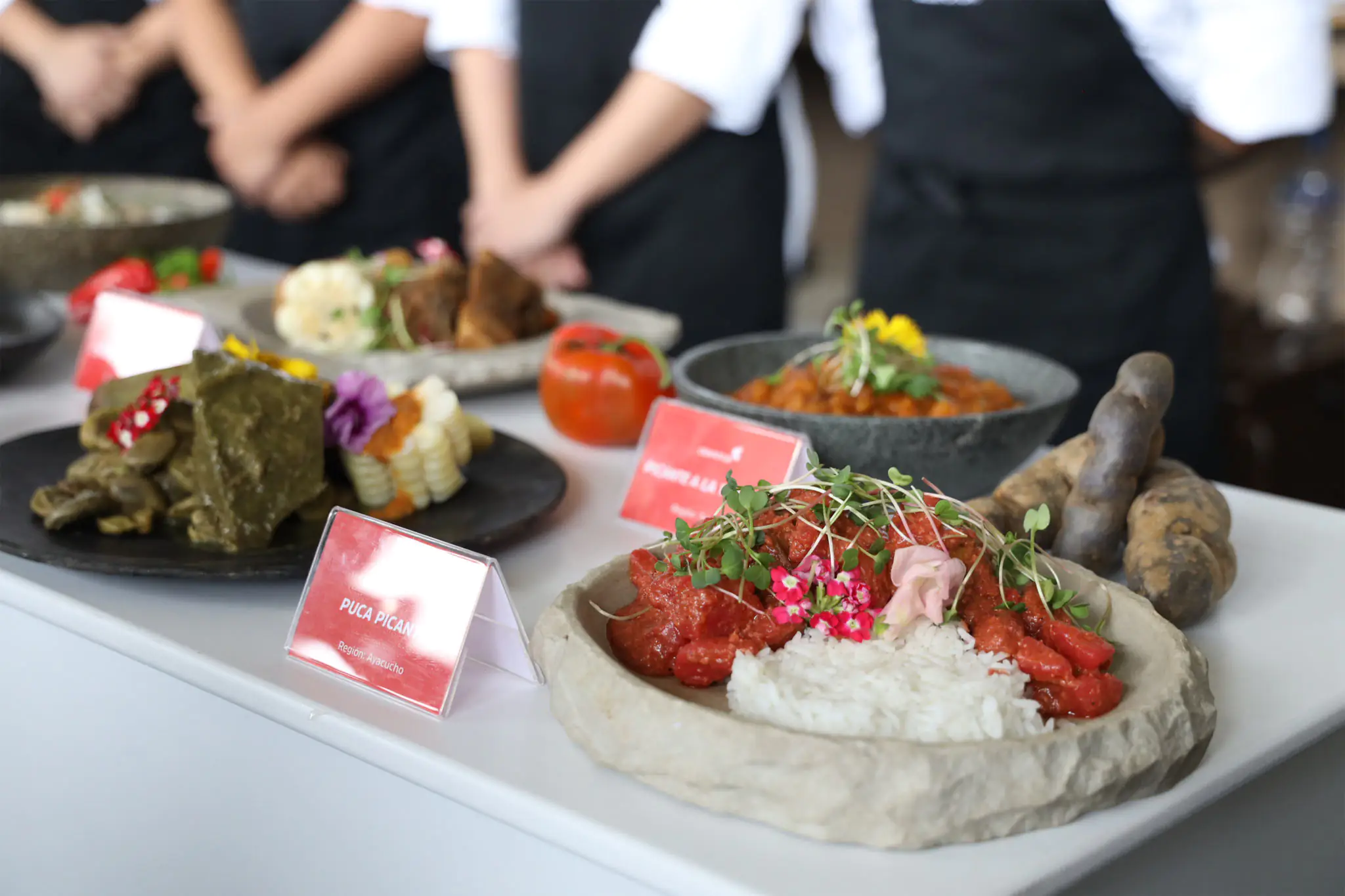
Lima is home to top restaurants such as Central, Maido, and Astrid y Gastón, while smaller cities like Arequipa and Cusco boast vibrant food scenes. When traveling, we encourage you to sample market fare, join cooking classes, and learn about indigenous ingredients. Our Sacred Valley & Culinary Tour and Lima Foodie Experience provide insider access to markets, farms, and kitchens.
Peru – World’s Leading Cultural Destination
Peru’s win in this category reflects the diversity of our heritage – from pre‑Columbian sites like Caral (the oldest city in the Americas) and Chan Chan to colonial plazas, Baroque churches, and vibrant festivals. Quechua and Aymara languages are widely spoken; traditional music and dance flourish alongside contemporary arts.
The Inti Raymi festival in Cusco, the Semana Santa processions in Ayacucho, and the Virgen de la Candelaria celebration in Puno attract travelers seeking immersive cultural experiences.
At Alpaca Expeditions, we weave cultural encounters into our itineraries, inviting local musicians and weavers to share stories, demonstrating that travel can be both educational and equitable.
Lima – World’s Leading Heritage City
Many travelers use Lima as a transit point, but its recognition as World’s Leading Heritage City invites a longer stay. The historic centre boasts ornate Plaza Mayor, 17th‑century cathedrals, cloisters like San Francisco, and colonial mansions with carved balconies.
The city’s archaeological past predates the Spanish; sites such as Huaca Pucllana and Pachacamac reveal Lima’s ancient Lima and Wari cultures.
Street art, museums like Larco and MALI, and oceanfront neighbourhoods such as Barranco and Miraflores show that Lima is both a time capsule and a modern metropolis. Consider a day or two in the capital to appreciate why the WTA judges awarded it this honour.
PROMPERÚ – World’s Leading Tourist Board
Our national tourism organisation, PROMPERÚ, promotes Peru internationally and coordinates sustainable tourism strategies. It provides resources for small businesses, trains guides and supports conservation projects.
Winning World’s Leading Tourist Board indicates that their campaigns effectively highlight Peru’s diversity and ensure visitors have the information they need to travel responsibly. When you see posters encouraging you to explore beyond Machu Picchu or adverts emphasising community tourism, you’re witnessing PROMPERÚ’s work.
Travel Itineraries: Crafting Your Perfect Peruvian Adventure
Whether you have a week or a month, there are countless ways to combine Machu Picchu with other highlights. Here are sample itineraries to spark your imagination. All itineraries can be customised through our tailor‑made service.
The Classic 7‑Day Machu Picchu & Sacred Valley Tour
Day 1: Arrive in Cusco (3,399 m). Spend the day acclimatising, exploring the Plaza de Armas, Qoricancha Temple and San Pedro Market. Enjoy a dinner of alpaca steak or quinoa soup.
Day 2: Tour the Sacred Valley, visiting Pisac’s archaeological site and market, and Ollantaytambo’s fortress. Overnight in Ollantaytambo.
Day 3: Board the train or begin the Inca Trail. Those taking the train travel to Aguas Calientes and relax in hot springs; hikers camp after reaching Wiñay Wayna (Short Inca Trail) or Wayllabamba (Classic Inca Trail).
Day 4: Explore Machu Picchu at sunrise. Climb Huayna Picchu or Machu Picchu Mountain if permitted, then return to Cusco by train.
Day 5: Day trip to Rainbow Mountain or relax in the Sacred Valley with options like mountain biking or visiting local weaving cooperatives.
Sixth Day: Fly to Lima; take a city tour focusing on the historic centre and Barranco; dine at a world‑class restaurant.
Day 7: Explore more of Lima or fly to your next destination.
Culinary & Cultural Peru (10 Days)
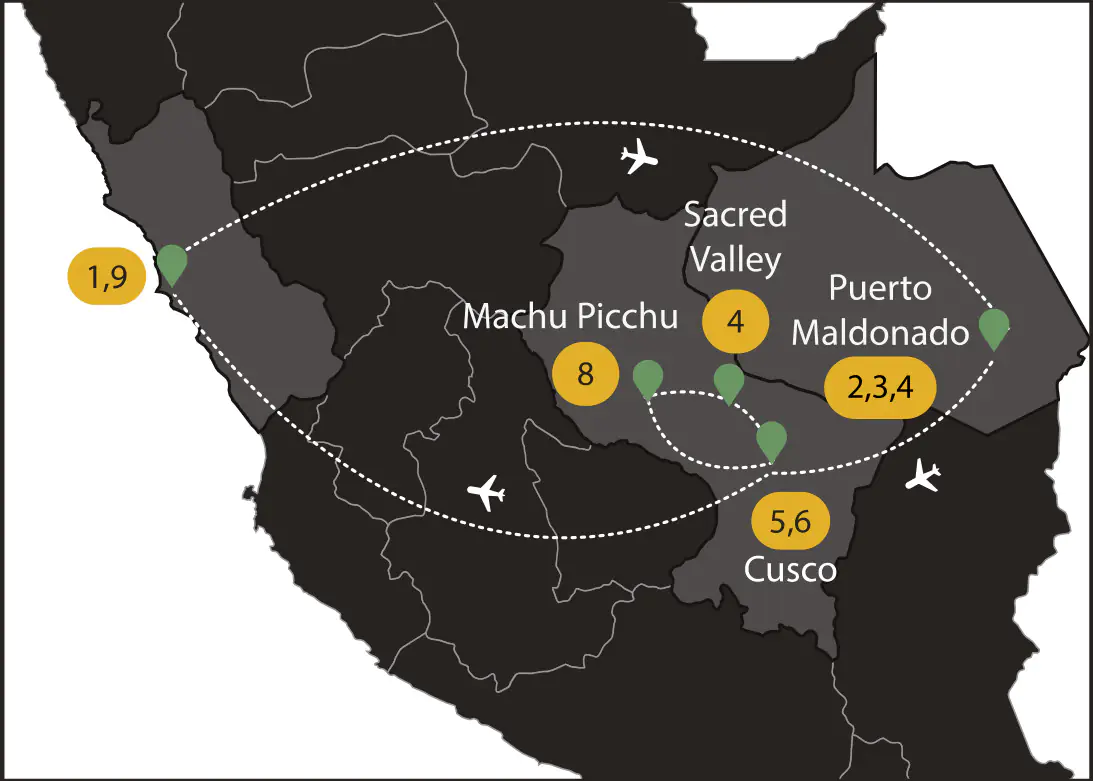
Combine Machu Picchu with culinary and heritage experiences.
Day 1–3: Cusco and Sacred Valley as above.
Fourth Day: Machu Picchu visit; overnight in Aguas Calientes.
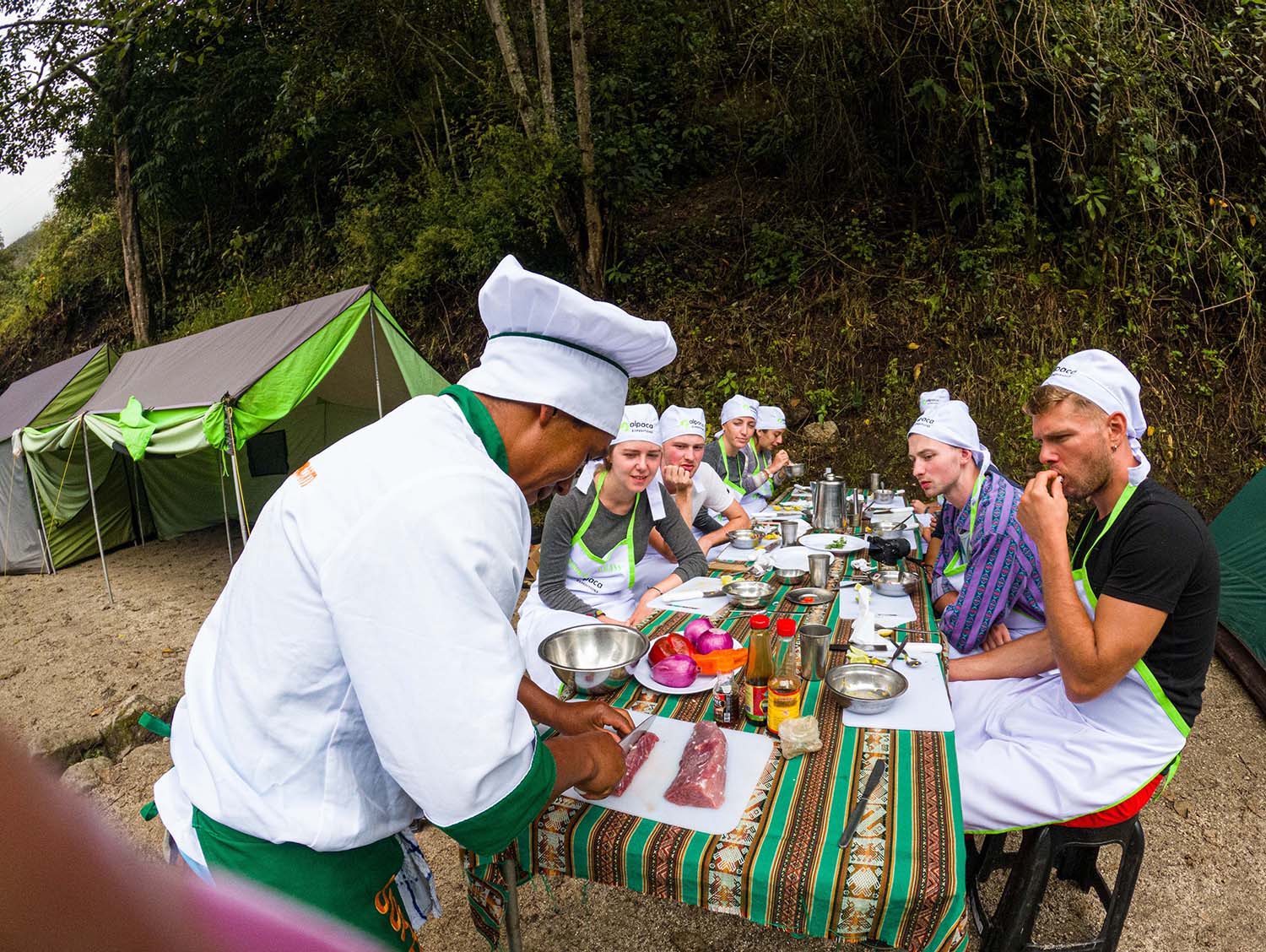
Day 5: Return to Cusco; take a cooking class with a local chef, learning to prepare pachamanca (earth‑oven‑baked meats and vegetables) and pisco sours.
Day 6: Fly to Lima; join a Lima food tour, sampling cevicherías, anticucho stalls, and artisanal chocolate shops. Visit the Larco Museum for a private guided tour.
Day 7: Day trip to Pachacamac or the nearby Ballestas Islands and Huacachina oasis.
Day 8: Travel to Arequipa; explore its volcanic white‑sillar architecture and savour rocoto relleno (stuffed spicy peppers). Visit the Santa Catalina Monastery and Sillar Route.
Day 9: Drive to Colca Canyon; watch condors soar at Cruz del Cóndor; soak in hot springs; overnight in Yanque.
Day 10: Return to Arequipa; fly back to Lima or connect onward.
Off‑the‑Beaten‑Path & Nature (14 Days)
For travellers who wish to venture beyond mainstream routes.
Days 1–4: Cusco, Sacred Valley and Machu Picchu as above.
Days 5–7: Trek to Choquequirao, the “sister city” of Machu Picchu accessible only by foot. Explore sweeping terraces and temples with few visitors. Descend into canyons and ascend to vistas of snow‑capped peaks.
Days 8–9: Fly to Puerto Maldonado for an Amazon rainforest experience. Stay in an eco‑lodge, canoe along oxbow lakes and spot macaws, monkeys and caimans.
Days 10–11: Travel to Lake Titicaca, the world’s highest navigable lake. Visit the floating Uros reed islands and Taquile Island to learn about Aymara and Quechua cultures.
Days 12–14: End your journey in Lima, exploring Barranco’s art scene and sampling Nikkei (Japanese‑Peruvian fusion) cuisine.
Customising with Alpaca Expeditions
We believe every traveler is unique. Our team can combine trekking, culinary workshops, community projects, and wildlife excursions to create a bespoke itinerary. Want to hike to Machu Picchu via the Salkantay trek, learn to weave with a Quechua family and finish with surfing on the Pacific coast? Let us make it happen.
The Impact of Awards: Tourism, Communities and Conservation
Winning global awards has tangible effects. The Travel and Tour World article noted that recognition propels Peru’s tourism sector to new heights, helping the country recover post‑pandemic and drawing travelers seeking diverse experiences. However, increased fame also brings challenges.
Overcrowding can strain infrastructure, erode ancient structures, and disrupt local life. That’s why we advocate for mindful travel and balanced itineraries.
Economic Benefits and Community Development
Tourism is a major source of income for many Peruvians. When more visitors arrive, families benefit through jobs as guides, drivers, hoteliers, artisans, and farmers. Awards also attract investment in roads, sanitation, and healthcare. Yet wealth isn’t always evenly distributed. We partner with rural communities to develop homestays, weaving cooperative,s and conservation projects, ensuring that revenue reaches the people who protect the landscapes you come to admire.
Managing Overcrowding
Machu Picchu’s popularity has long required visitor caps and ticketed circuits. The WTA win may increase demand, but we can still prevent overtourism by encouraging travelers to visit in shoulder seasons, explore lesser‑known Inca sites such as Choquequirao and Waqrapukara, and spend more time in the Sacred Valley and Amazon.
Local authorities continue to monitor carrying capacity, and we support proposals to expand visitor management to neighbouring ruins to alleviate pressure on the citadel.
Environmental Conservation
The Inca Trail passes through delicate ecosystems, from high puna grasslands to cloud forests. Our teams practise Leave No Trace principles, pack out waste, and conduct regular trail clean‑ups. We encourage guests to bring reusable bottles and toiletries, and we partner with NGOs to reforest native species and support wildlife monitoring.
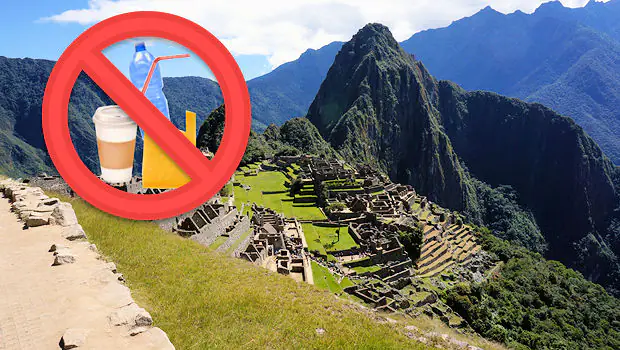
Peru’s Ministry of Culture and SERNANP (National Service of Natural Areas Protected by the State) enforce strict rules to protect archaeological and ecological integrity; abiding by these is non‑negotiable.
Cultural Respect and Education
Our guides are storytellers and educators. They share the significance of rituals, language, and daily life in the Andes. By learning a few Quechua phrases or understanding why coca leaves are sacred, travelers forge deeper connections.
We encourage travellers to ask questions, listen to elders, and respect local customs. Awards highlight our culture on the world stage, but they also carry responsibility – we must showcase living traditions without commodifying them.
Frequently Asked Questions (FAQs)
Q1: When was Machu Picchu named World’s Leading Tourist Attraction 2025?
The World Travel Awards announced the winners on 6 December 2025 during their Grand Final Gala in Bahrain. Machu Picchu was declared the winner over nominees such as the Taj Mahal and the Great Wall of China.
Q2: How many times has Machu Picchu won this award?
According to the WTA’s award history, Machu Picchu also won the title in 2017, 2018, 2019, 2021, 2022, and 2024, making 2025 its sixth win in eight years. The site’s consistent recognition underscores its enduring appeal and effective management.
Q3: What other awards did Peru win in 2025?
Peru won World’s Leading Culinary Destination, Cultural Destination, and Heritage City (Lima), and PROMPERÚ was named World’s Leading Tourist Board. These accolades highlight our country’s gastronomic excellence, cultural richness, and successful tourism promotion.
Q4: Do I need a guide to visit Machu Picchu?
Yes. Regulations require visitors to enter with a licensed guide for safety and conservation reasons. Guides ensure you follow circuits, respect rules, and learn about history and culture. The requirement supports local employment and protects the site.
Q5: How far in advance should I book my ticket or trek?
For peak months (June–August) and popular routes like the Classic Inca Trail or Huayna Picchu, book at least six months ahead. Shoulder season visits can sometimes be booked 2–3 months in advance, but early planning is always safer after the WTA win.
Q6: What are the altitude risks at Machu Picchu?
While the citadel sits at a moderate altitude (2,430 m), most travelers arrive from higher elevations like Cusco (3,399 m). Symptoms of altitude sickness include headaches, nausea, and breathlessness. Acclimating, staying hydrated, and ascending gradually help mitigate risks.
Q7: Is Machu Picchu accessible for people with mobility issues?
Access is challenging because of uneven terrain and many stairs. However, certain circuits (especially Circuit 3) are shorter and avoid steep climbs. Specialized operators can arrange assistance, and new wheelchair‑friendly viewpoints have been built at the main entrance. Contact us to discuss your needs.
Q8: What should I wear at Machu Picchu?
Dress in layers. Morning temperatures can be chilly, while afternoons are warm, and rain showers are unpredictable. Wear comfortable shoes with grip, a sunhat, and carry a waterproof jacket.
Q9: Can I visit other Inca sites if Machu Picchu tickets sell out?
Yes! We recommend exploring Choquequirao, Waqrapukara, Ollantaytambo, Tipón, Pikillaqta, and even the Colca Canyon for condor watching. These sites offer insight into the Inca world without crowds.
Q10: How do I support responsible tourism?
Choose eco‑conscious operators, reduce waste, respect local customs, spread your spending across diverse regions, and visit outside peak season. Ask your tour company about porter welfare, community partnerships, and environmental practices.
Alpaca Expeditions Recognitions
ISO (International Organization for Standardization)
In the pursuit to stand out from the rest, Alpaca Expeditions has obtained four ISOs plus our carbon footprint certificate to date. These achievements result from our efforts to implement the internationally-recognized integrated management system. They also represent our commitment to all of our clients and staff of operating sustainability and responsibility in every way possible.


World Travel Awards
Alpaca Expeditions is internationally recognized as a leading tourism company in Peru. As proof, we have been awarded the World Travel Award for Peru´s Best Tour Operator 2021 for the second time.


TRIPADVISOR RECOGNITIONS
Our goal at Alpaca Expeditions is to create the best experience for all of our clients. We create journeys that are to be remembered for a lifetime. Journeys you can be proud of and can share with everybody around you.












As Featured In











Scan Here!




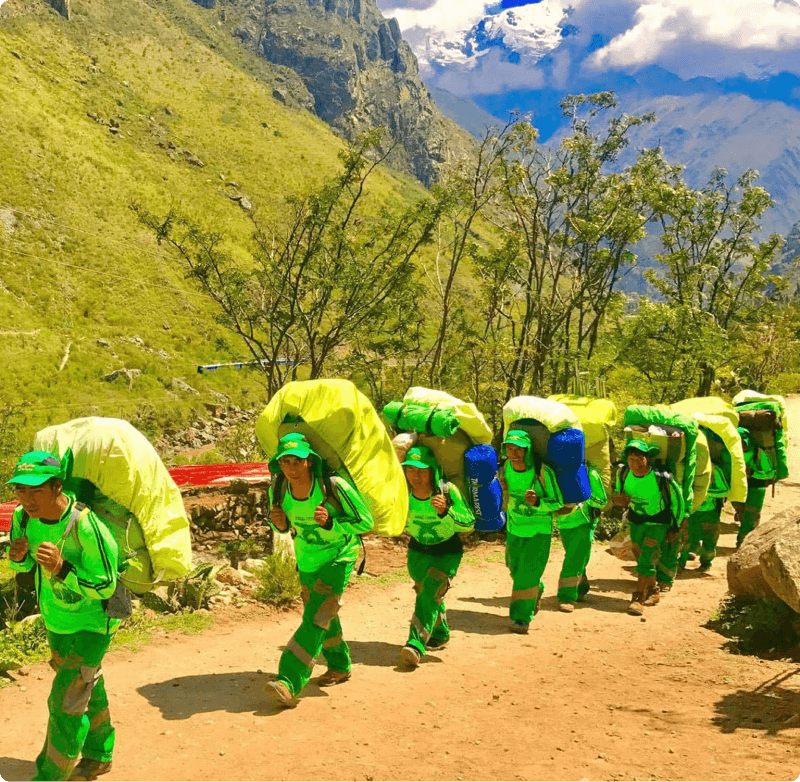 Porters will carry up to 7 kg of your personal items, which must include your sleeping bag and air mat (if you bring or rent one). From us, these two items weigh a combined total of 3.5 kg.