


Navigating Cusco’s ATMs:
Cusco is the heartbeat of Peru’s Andean culture—a place where ancient traditions, bustling markets and world‑class trekking routes converge. While the city has modernized dramatically over the last decade, its high altitude, colonial architecture and labyrinth of narrow streets still transport visitors back in time. One of the practical realities for any traveller, though, is accessing money. Navigating Cusco’s ATMs is part of settling into the rhythm of the city, requiring a bit of planning as you move between historic plazas, steep streets and remote trail gateways.
On the surface, withdrawing cash from an ATM seems straightforward, but in Cusco it involves understanding local currency, knowing where to find reliable machines, anticipating fees and making smart choices between cash and cards.
As a local tour operator with decades of experience guiding adventurers through the Sacred Valley, the Salkantay trail and the Inca Trail, we have helped thousands of travellers navigate these everyday logistics. This guide is our way of sharing that knowledge so your time in Cusco is enriched by experiences, not frustrations at the ATM.
Managing money in Cusco:
The sections below explore every detail of managing money in Cusco. We’ll start by introducing Peru’s currency and the different ways to get cash, then move into the specifics of ATM locations, fees and safety.
We’ll discuss how credit cards fit into the picture, review bank networks and provide real traveller anecdotes. Interwoven throughout is practical advice you can only get from people who live and work here.
We’ve cited current information from reputable sources—like travel advisories and financial guides—to ensure accuracy. This comprehensive article is more than 10,000 words long because we know the details matter; whether you’re planning your first trek to Machu Picchu or returning to explore lesser‑known trails, you’ll finish this guide confident about how to handle money in Peru.
Why Money Matters on the Road
Travel involves more than just going from one place to another. There are meals to savour, souvenirs to purchase, tipping etiquette to honour, and spontaneous moments—like an impromptu chocolate lesson or a handmade textile demonstration—that require cash.
Cusco’s small businesses and market vendors rely on cash transactions; even in urban areas, credit card terminals can be limited or out of service. By planning, you avoid unnecessary stress and free yourself to immerse yourself in the culture.
During our treks, we’ve seen travellers who arrived with only credit cards struggle to buy snacks from local vendors or pay for bathroom breaks at trailheads. Conversely, carrying too much cash invites risk and discomfort. The key is balance: learn the currency, understand where and how to access money, and practise smart security habits. The following sections walk you through each aspect.
Understanding Peru’s Currency
Peru’s official currency is the Nuevo Sol (ISO code PEN), commonly referred to simply as the sol. One sol is subdivided into 100 centimos (céntimos), similar to cents in a dollar. The Peruvian government replaced the unstable intis with the sol in 1991, and today the currency is one of South America’s more stable units, making it relatively easy for travelers to plan budgets.
Denominations and Designs
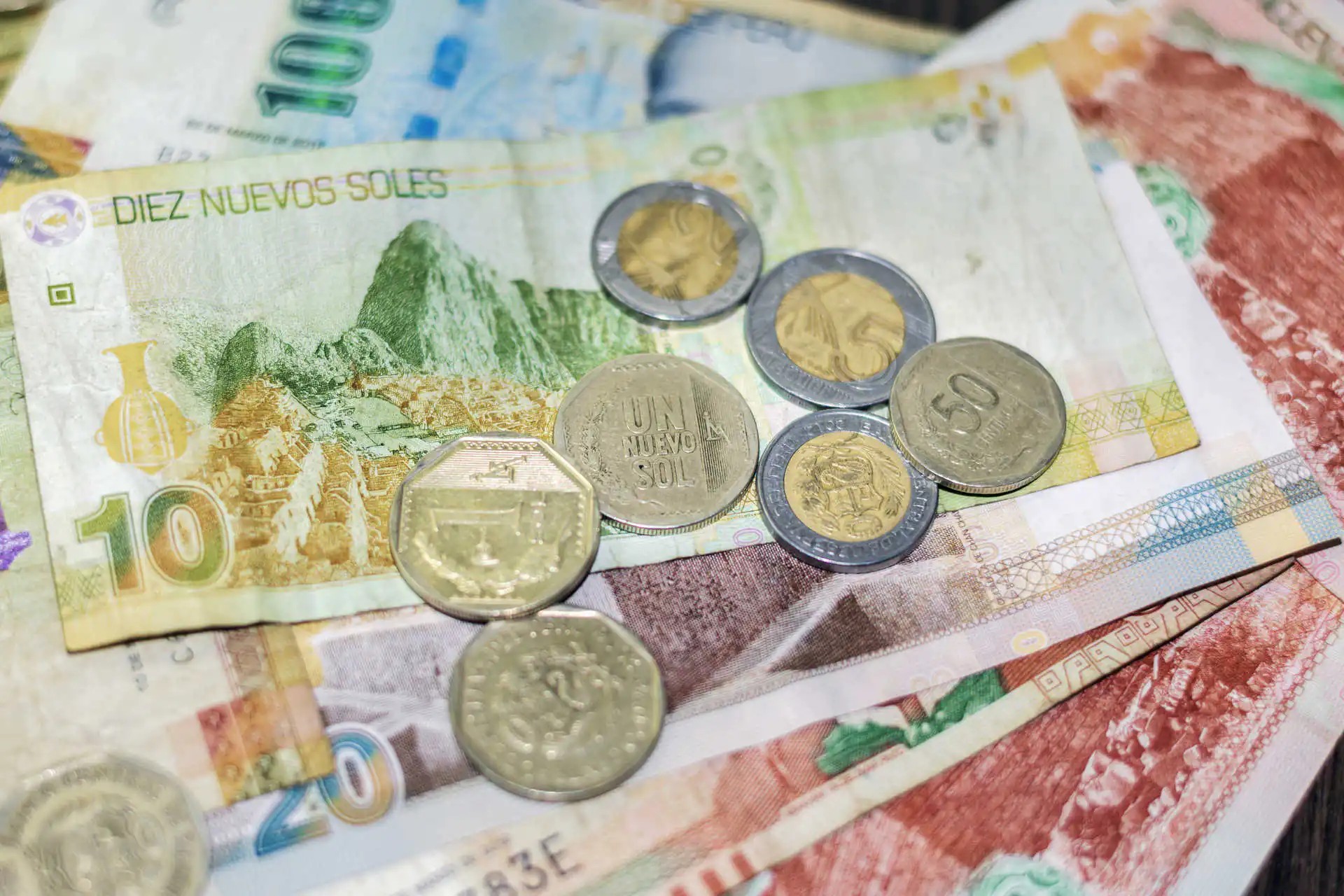
Peru issues banknotes in denominations of 10, 20, 50, 100 and 200 soles. Each bill features prominent historical figures and cultural motifs, reflecting Peru’s rich heritage. For example, the 10‑soles note depicts the author José María Arguedas, while the 50‑soles note features José Abelardo Quiñones, a national hero.
The 100‑soles bill bears the likeness of political leader María Pía Barrios. Designs incorporate strong anti‑counterfeiting measures, including holographic strips, microprinting and colour‑shifting ink.
You will often encounter smaller bills in markets and for taxi rides, whereas large 100‑ or 200‑soles notes may be difficult to break. Small shops, especially in rural communities, may refuse or struggle to give change for large bills. Carrying a mix of smaller notes and coins is therefore essential.
Coins are issued in 1, 2 and 5 soles, along with céntimo coins of 10, 20 and 50. The 1‑sol coin often features the national coat of arms, while the 5‑sol coin may depict iconic cultural imagery like the Nazca Lines or pre‑Columbian artefacts.
These coins are useful for small purchases, taxi fares and tips. Because many vendors cannot provide change for large bills, travellers should always ask for change in small denominations when receiving cash at banks or businesses.
Exchange Rates and Currency Fluctuations
Exchange rates fluctuate based on global markets, monetary policy and local economic conditions. As of mid‑2025, one US dollar buys around 3.8 to 4.0 soles, but rates can vary by day and location.
When referencing exchange rates, it is useful to check credible sources like XE.com for up‑to‑date information. Many currency converters allow you to set alerts for favourable rates and calculate conversion values in real time. Avoid using rates from unverified sources or those offered by taxi drivers and street vendors, which may be inflated.
Using Dollars vs Soles
Although some upscale hotels, tour operators and souvenir shops accept US dollars (and occasionally euros), the sol remains the preferred and most efficient currency across Peru. Paying in local currency helps you avoid unfavourable exchange rates and demonstrates respect for local commerce.
Dollars may be accepted at luxury hotels and high‑end restaurants, but the exchange rate offered is almost always worse than what you would receive at a reputable bank or exchange house. Additionally, carrying dollars means you must carry two currencies, increasing complexity.
How to Identify Authentic Bills
The Central Reserve Bank of Peru includes several security features in its notes. When accepting change, hold the bill up to the light to see the watermark—each denomination has an image aligned with its printed portrait. Look for a security thread running vertically through the note; when tilted, this thread should reflect colours.
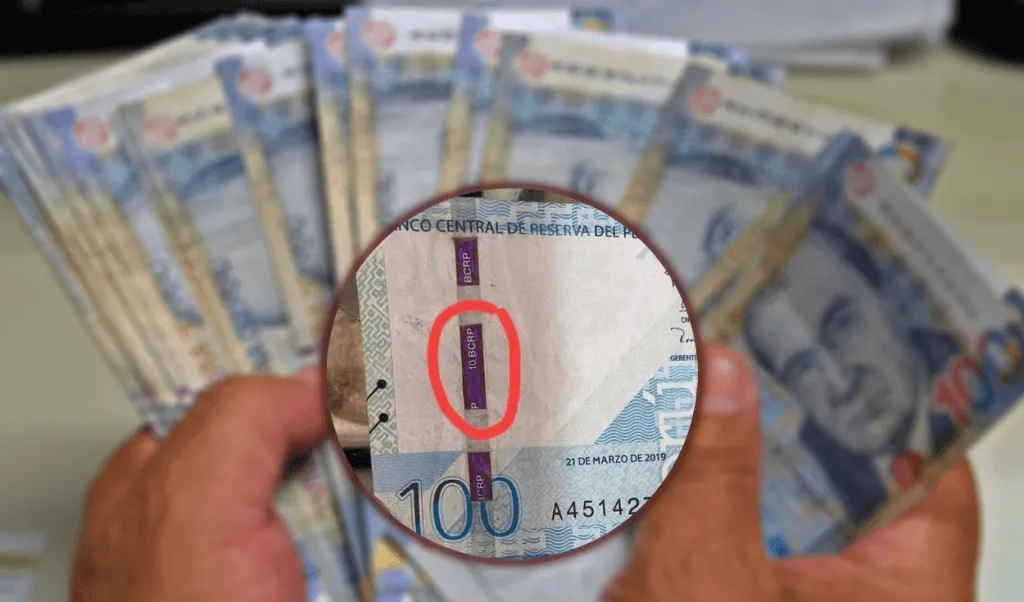
Genuine notes have raised printing, which you can feel by sliding your thumb along the numerals and letters. Counterfeit money occasionally circulates in busy markets, so familiarizing yourself with these features helps you avoid accepting fake bills.
Ways to Access Cash in Cusco
There are three primary ways to obtain cash in Cusco: ATMs, bank branches, and currency exchange services. Each has advantages and drawbacks, and experienced travellers often use a combination.
1. Using ATMs
ATMs (cajeros automáticos) are the most convenient way to obtain local currency. Machines in Peru typically operate 24 hours a day, offer language options in English and Spanish, and allow you to withdraw either soles or US dollars at many banks.
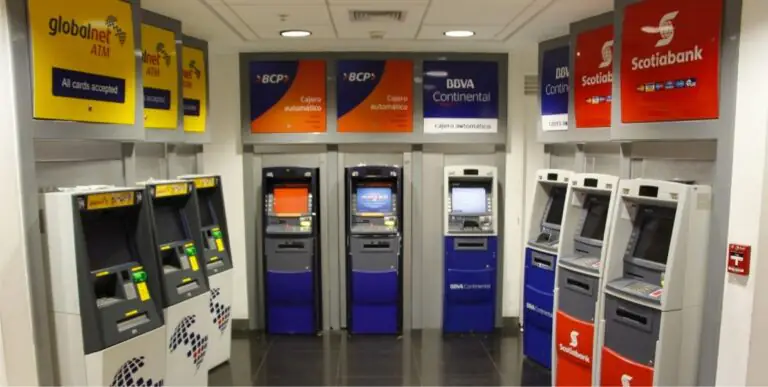
Major banks like Banco de Crédito del Perú (BCP), BBVA Continental, Scotiabank, and Interbank operate networks throughout Cusco. ATMs linked to international networks (Plus, Cirrus, Visa, Mastercard) accept most foreign debit and credit cards, though each card’s compatibility depends on your issuing bank.
Advantages:
- Convenience: ATMs are widely available in cities and along main tourist routes. You can withdraw cash at any time, day or night, and choose between soles and US dollars at some machines.
- Security: Machines located inside banks, shopping malls and supermarkets provide enhanced security through cameras and constant foot traffic.
- Better Exchange Rates: Withdrawing money in local currency from an ATM often yields more favourable exchange rates than exchanging cash at hotels or at airport kiosks. Banks use near‑mid‑market rates, though they may apply a small margin.
- Language Options: Most machines offer instructions in multiple languages, including English, making it user‑friendly for travellers.
Disadvantages:
- Fees: Local Peruvian banks charge withdrawal fees, typically between 18 and 36 soles ($5–10 USD) per transaction. Your home bank may also levy foreign transaction fees and conversion charges. These costs can add up if you make frequent small withdrawals.
- Withdrawal Limits: ATMs in Peru generally limit each transaction to between 400 and 700 soles (roughly $110–190 USD). Some banks impose daily caps on the total amount you can withdraw, and your home bank may apply its own limits.
- Availability in Rural Areas: Outside major cities, ATMs become scarce or nonexistent. Communities along the Salkantay or Lares routes may not have machines at all. You should withdraw enough cash in Cusco to cover expenses in remote areas, including meals, transportation, and tips for guides and porters.
- Network Reliability: Some ATMs may run out of cash or experience technical issues. If your transaction is declined, try another machine or bank. Avoid re‑attempting multiple times on the same machine to prevent duplicate holds on your account.
2. Visiting Bank Branches
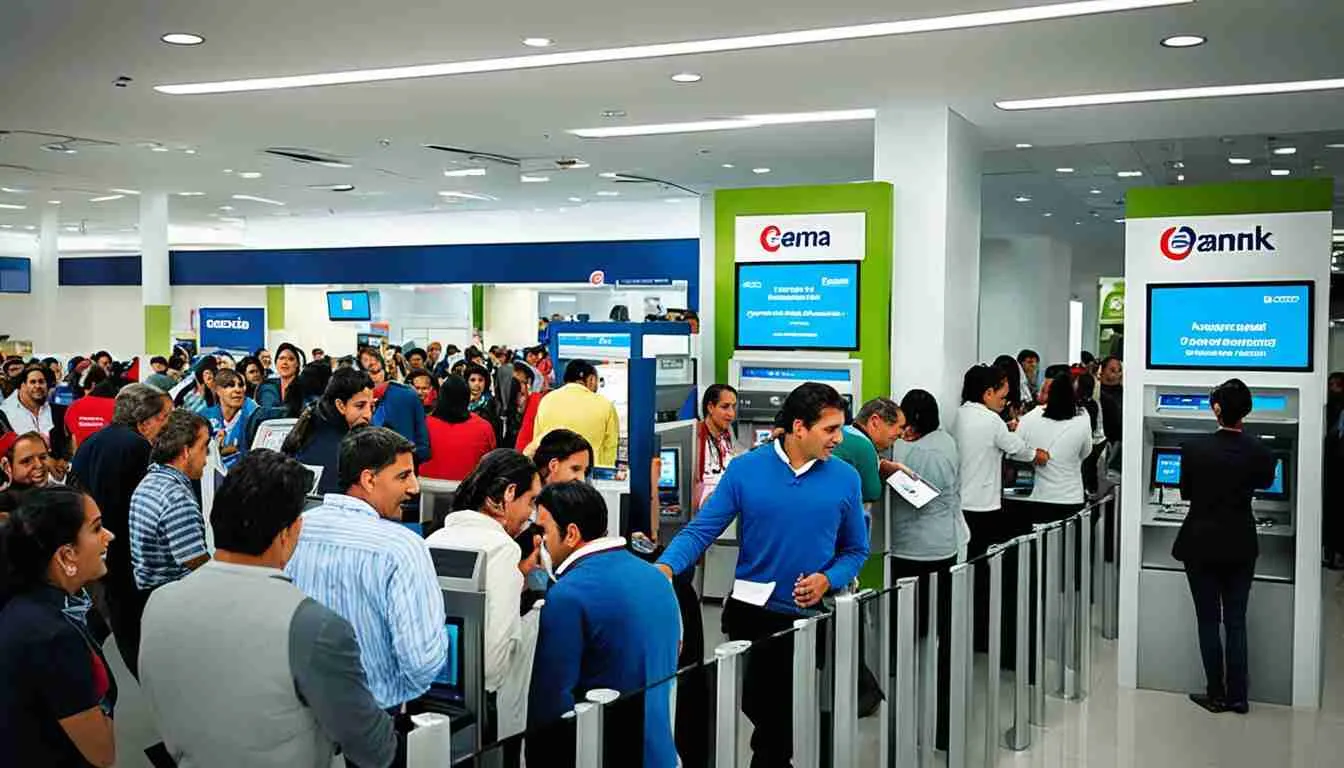
Traditional bank branches provide a secure method to exchange currency or withdraw cash directly with the assistance of a teller. These establishments typically operate Monday through Friday (with reduced hours on Saturdays) and close during midday lunch breaks. Travellers may need to present their passports to complete a withdrawal or exchange transaction.
Advantages:
- No ATM Withdrawal Fee: Some bank branches, such as Banco de la Nación, allow foreign cardholders to withdraw cash over the counter without paying the standard ATM fee.
- Higher Withdrawal Limits: Teller transactions can permit larger withdrawals than the standard ATM limit, which is helpful if you need a significant amount of cash—for example, to pay for multi‑day tours or to cover trek permits.
- Human Assistance: If your card doesn’t work in an ATM or you have difficulty, a teller can help process the transaction manually. They can also break large bills into smaller denominations.
Disadvantages:
- Limited Hours: Banks in Peru are typically open only during business hours, often closing around 4 p.m. or earlier, and may not operate on holidays.
- Queues: Lines can be long, particularly around paydays or festival periods. Plan for potential wait times.
- Documentation: Some banks require more identification, and not all branches are willing to provide this service to foreign cardholders. Call ahead if possible.
3. Currency Exchange Houses (Casas de Cambio)
Exchange houses are private businesses that convert foreign currency into soles and vice versa. They are common in central Cusco, especially near the Plaza de Armas and on Avenida El Sol.
Advantages:
- Competitive Rates for Cash: For those carrying US dollars or euros, reputable exchange houses often offer competitive rates. Compare the posted rates to ensure they are close to the market value.
- No ATM Fees: If you use your foreign cash to exchange for soles, you avoid ATM withdrawal fees entirely.
- Flexibility: You can exchange small or large amounts as needed, rather than withdrawing a preset amount from an ATM.
Disadvantages:
- Security: Only use licensed casas de cambio. Unofficial money changers on the street may offer favourable rates but carry a significant risk of counterfeit bills or scams.
- Rate Variation: Exchange rates fluctuate daily and differ between businesses. Check rates at multiple locations before completing a transaction.
- Need for Cash: You must carry foreign currency into Peru to benefit from exchange houses. Carrying large sums of cash may raise security concerns.
4. Money Changers on the Street
It is common to see individuals with wads of cash offering to exchange dollars for soles near the Plaza de Armas and other tourist areas. While some of these money changers are legitimate, the risks include counterfeit currency, short‑changing, and even pickpocketing. Unless you have local knowledge and trust a specific individual, we strongly discourage using this method.
Credit Cards in Cusco
Credit and debit cards provide a convenient alternative to carrying large amounts of cash, particularly for lodging, dining and higher‑end purchases. However, their use is not universal, and travellers need to know when to rely on plastic and when cash is essential.
Places Where Cards Are Widely Accepted
- Hotels and Hostels: Mid‑range and high‑end accommodations in the Historic Centre and San Blas neighbourhood readily accept Visa and Mastercard. Some also accept American Express or Diners Club, though acceptance is less widespread.
- Tourist Restaurants: Establishments catering to international travellers typically have card terminals. Nevertheless, confirm before ordering, as some places may add a small service charge for card payments.
- Travel Agencies: Reputable agencies—including Alpaca Expeditions—accept major cards for booking treks, tours and rail tickets. Using a card ensures an electronic record of your transaction and provides fraud protection.
- Retail Shops: Supermarkets, pharmacies, and chain retail stores generally accept cards. Larger souvenir shops often do as well.
Situations Where Cash Is King
- Local Markets and Street Food: Traditional markets, such as San Pedro and San Blas, are cash‑only. Street food vendors and small kiosks also operate without card terminals.
- Small Restaurants and Cafés: Family‑run eateries outside the main tourist zones may not accept cards or may impose a high fee. Always have small bills and coins when dining in local restaurants.
- Taxis and Tuk‑Tuks: Official taxi services sometimes offer card payment via apps, but most drivers expect payment in cash. Negotiate fare and have exact change ready.
- Tips and Gratuities: It is customary to tip guides, porters, and service staff in cash. For multi‑day treks, plan how much you will need for tips and withdraw accordingly.
Types of Cards and Payment Networks
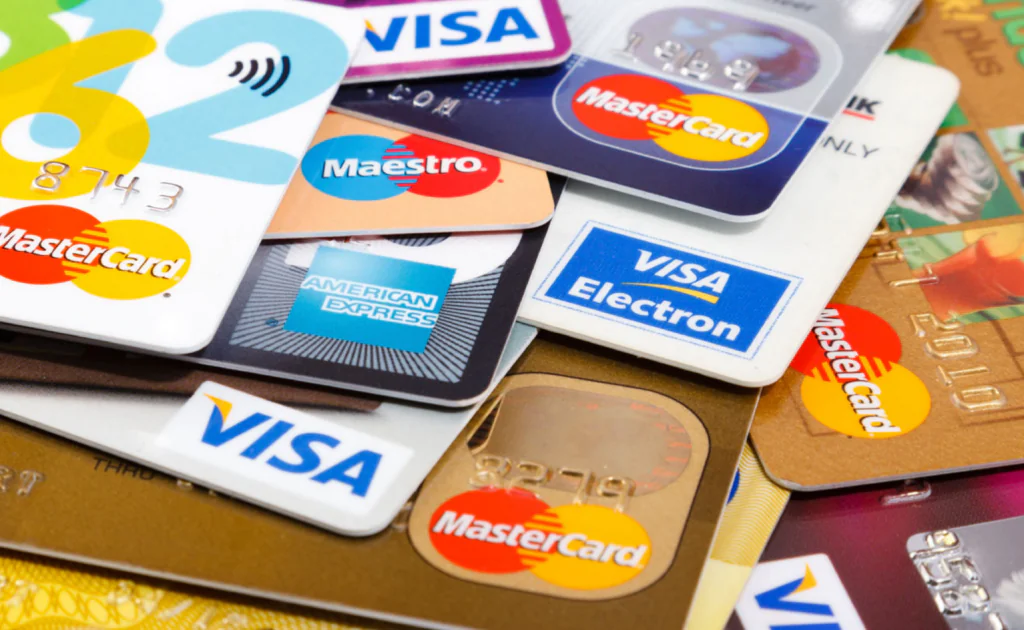
Visa and Mastercard: These are the most widely accepted networks in Peru. Almost all ATMs and card terminals will process Visa and Mastercard transactions. If your card operates on these networks, you are unlikely to encounter major problems.
American Express and Discover: Acceptance is limited. Some upscale hotels and restaurants take AmEx, but smaller merchants rarely do. Diners Club cards are occasionally accepted, but it is not advisable to rely on them exclusively.
Contactless Payments: Peru is slowly adopting contactless payment technology. Many card terminals now allow tap‑to‑pay transactions, which reduces the risk of your card being taken out of your sight. If you have a contactless card or a digital wallet (e.g., Apple Pay, Google Pay), you may use it at major stores and some restaurants. Nonetheless, always carry a physical card and cash, as contactless infrastructure is inconsistent.
Using Cards Safely
- Visibility: When paying with a card, ensure the transaction occurs at a visible terminal. Don’t hand your card to servers to be processed out of view. This reduces the risk of your card being cloned.
- Notify Your Bank: Inform your bank or credit card company of your travel dates and destinations before leaving home. This prevents them from flagging your international transactions as suspicious and blocking your card. Many banks allow you to set travel notifications via mobile apps.
- Mobile Notifications: Enable real‑time transaction alerts, so you can catch any unauthorized charges immediately.
- Backup Cards: Carry at least two cards from different issuers or networks. If one card is lost, stolen or rejected, you have an alternative.
- Local Currency Transactions: Choose to pay in soles when the card terminal presents currency options. Paying in your home currency triggers dynamic currency conversion (DCC) at unfavourable exchange rates.
ATM Networks, Banks, and Locations in Cusco
One of the most common questions we receive from our travellers is, “Where can I find a reliable ATM in Cusco?” The answer depends on which bank network you prefer, what withdrawal limit you require, and where you will be staying. Below is an overview of the major banks and networks, along with useful details about their locations and features in Cusco.
Banco de Crédito del Perú (BCP)
Overview: BCP is Peru’s largest commercial bank and offers an extensive network of ATMs throughout the country. Many of their machines allow withdrawals in soles or US dollars. Some foreign cards are exempt from the standard ATM fee. BCP also operates branches where you can conduct transactions with a teller.
Locations in Cusco: The main BCP branch and ATM are located on Avenida El Sol 189, just a short walk from the Plaza de Armas. Other machines can be found along Avenida Garcilaso, Avenida Velasco Astete and in shopping malls. These ATMs operate 24/7 and are under surveillance.Travellers staying in the San Blas or Wanchaq districts will find BCP ATMs accessible.
Pros:
- High withdrawal limit of up to 700 soles per transaction.
- Machines in major tourist zones are well‑lit and monitored.
- Some foreign cards may not incur local fees.
Cons:
- Not all machines dispense US dollars, so check the on‑screen option.
- Busy central machines may run out of cash during peak tourist seasons.
BBVA (Banco Bilbao Vizcaya Argentaria)
Overview: BBVA is another major bank operating in Peru. Its ATMs primarily dispense soles, though some machines allow dollar withdrawals. BBVA charges moderate fees (18–23 soles per withdrawal), and the limit is usually 400 soles per transaction.
Locations in Cusco: Key BBVA ATMs can be found on Avenida Garcilaso and Avenida Velasco Astete. Another branch exists on Avenida El Sol, near the main plaza. There are also machines at the Cusco Airport and inside shopping centres such as Real Plaza.
Pros:
- Large branch network in Cusco and across Peru.
- Machines are often located inside malls or banks, enhancing security.
Cons:
- Lower withdrawal limit (400 soles) compared to BCP.
- Some machines do not offer US dollars.
Scotiabank
Overview: Scotiabank operates widely in Peru and is part of the Global ATM Alliance. Customers of alliance banks like Bank of America, Barclays, and Westpac sometimes pay reduced fees or none at all. For other cardholders, fees typically range from 18 to 25 soles, with a withdrawal limit of around 400 soles.
Locations in Cusco: ATMs are situated on Maruri Street near the San Blas neighbourhood, and on Velasco Astete Avenue. There is also a prominent machine at Portal de Carnes 244 near the Plaza de Armas, and a branch on Avenida de la Cultura.
Pros:
- Alliance members may withdraw cash without local fees.
- ATMs are often located inside secure bank branches or malls.
Cons:
- Lower withdrawal limits mean you may need multiple transactions.
- Not all machines dispense dollars.
Interbank
Overview: Interbank is known for modern ATMs that support contactless cards and operate 24/7. Fees hover around 20 to 25 soles, and the maximum withdrawal per transaction is 400 soles. Machines display options in English.
Locations in Cusco: Interbank ATMs can be found at La Cultura Avenue, El Sol Avenue, and within supermarkets and malls. Their presence is not as extensive as BCP or BBVA but is adequate for travellers staying near central districts.
Pros:
- Modern interfaces with language options.
- Convenient if you have multiple cards, as Interbank machines rarely reject foreign Visa or Mastercard.
Cons:
- Moderate withdrawal limit and fees similar to BBVA.
- Fewer machines in remote districts.
BanBif
Overview: BanBif is a smaller Peruvian bank but offers ATMs in major cities. Fees range from 18 to 20 soles, and withdrawal limits are generally 700 soles, making it similar to BCP in terms of maximum cash per transaction.
Locations in Cusco: BanBif ATMs are located on La Cultura Avenue and Santa Catalina Angosta Street near the historic centre. They’re less numerous, so plan accordingly.
Pros:
- Higher withdrawal limit (700 soles).
- Machines are often quieter than those of larger banks.
Cons:
- Fewer locations in Cusco.
- Some travellers report that BanBif machines do not accept certain foreign cards. Always have a backup.
Banco de la Nación
Overview: Banco de la Nación is Peru’s government bank and operates the MultiRed ATM network. It is the only bank in Peru that consistently offers fee‑free withdrawals for many foreign cards. However, the per‑transaction limit is lower—typically 400 soles.
Locations in Cusco: MultiRed ATMs can be found on Avenida El Sol (near number 800), Tomasa Tito Condemayta Street, and La Cultura Avenue. Machines also exist in government buildings and at the bus terminal.
Pros:
Cons:
- A low withdrawal limit means you may need multiple transactions.
- Machines are often crowded due to their fee‑free status.
- Some travellers find they only dispense soles, not dollars.
Red Global Net
Overview: Global Net is a private ATM network serving numerous banks. Fees vary widely (19–36 soles), and the withdrawal limit typically sits at 400 soles. Because machines serve multiple banks, they may accept a broad range of cards.
Locations in Cusco: Global Net ATMs are plentiful, particularly around the Plaza de Armas and in commercial centres. You’ll find them on Velasco Astete Avenue, Portal de Confituría 221, San Andres Street, Limacpampa Square, San Blas Hill and numerous other locations. Many hotels and hostels house Global Net machines for guest use.
Pros:
- Ubiquitous presence in tourist areas.
- Accepts a wide range of international cards.
Cons:
- Higher fees than bank‑specific machines.
- Lower withdrawal limit.
Bank Network Summary Table
The following table summarizes key information about Cusco’s main ATM networks. Remember that fees and policies are subject to change; always verify the information on the ATM screen before confirming a transaction.
| Bank / Network | Approximate Local Fee (2025) | Typical Withdrawal Limit | Dispenses US Dollars? | Notes |
| Banco de la Nación (MultiRed) | 0 soles | 400 soles | Some machines | Often crowded due to no fee; good for budget travellers |
| BCP | 20–25 soles (~$6–7) | 700 soles | Many machines | High limit; some cards exempt from fee |
| BanBif | 18–20 soles (~$5–6) | 700 soles | Some machines | Fewer locations; high limit |
| Scotiabank | 18–25 soles (~$5–7) | 400 soles | Some machines | Alliance banks may pay no fee |
| BBVA Continental | 18–25 soles (~$5–7) | 400 soles | Some machines | Good central locations |
| Interbank | 20–25 soles (~$6–7) | 400 soles | Limited | Modern interface |
| Global Net | 19–36 soles (~$5–10) | 400 soles | Limited | Wide network but higher fees |
Safety Considerations When Using ATMs
Cusco is generally safe, but travellers should remain vigilant when withdrawing money. The following strategies can help protect you from theft, fraud and other problems:
Choose Safe Locations
- Inside Banks: Using machines inside bank branches or at the entrance of a bank is the safest option. These locations are monitored by security personnel and cameras.
- Shopping Centres and Supermarkets: ATMs located inside malls or large supermarkets are well‑lit, open longer hours and have frequent foot traffic. Mall security reduces the risk of robbery and card skimming.
- Avoid Isolated Machines: Avoid ATMs in deserted or poorly lit areas, especially late at night. Criminals may target travellers leaving such machines.
Inspect the Machine
Before inserting your card, check the ATM for unusual attachments or loose parts. Card skimmers—devices criminals attach to ATMs to capture card details—can appear as extra slots or bulky components. If something looks off, do not use that machine. Choose another location.
Shield Your PIN
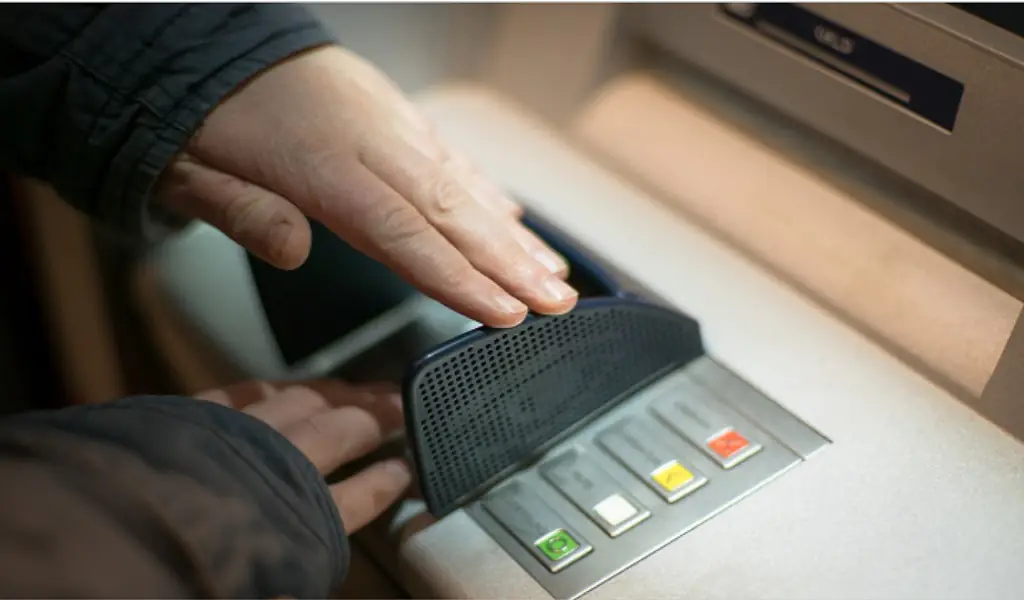
When entering your PIN, use your hand or body to shield the keypad from prying eyes or hidden cameras. Do not share your PIN with anyone. If you feel uncomfortable or notice someone watching you closely, cancel the transaction and find another ATM.
Limit Cash and Stay Discreet
Withdraw only what you need for the next few days. Immediately place the cash in a secure, hidden money pouch or belt. Do not count money at the machine or flash large sums in public. Spread your cash across different pockets or luggage to minimize losses if you are pickpocketed. Travel wallets that can be worn under clothes are highly recommended.
Travel in Pairs
If possible, withdraw money with a friend or group member. One person can watch the surroundings while the other completes the transaction. This simple strategy deters opportunistic thieves.
Notify Your Bank and Track Transactions
Let your bank know you’re travelling to Peru to prevent them from freezing your card due to suspicious activity. Just as an ITAM certification helps verify systems and identify potential issues, regularly reviewing your banking notifications allows you to monitor transactions in real time and quickly detect any unauthorized activity.
Carry Backup Payment Methods
Bring more than one card (preferably from different networks or banks) and keep them in separate locations. If one card is lost, stolen, or compromised, you still have access to funds. Similarly, businesses working with a cryptocurrency wallet development company use advanced strategies to ensure secure access and backup options, making digital asset management more reliable and protected.
Strategic Money Management for Trekkers
When you join a trek with Alpaca Expeditions, our guides manage most logistics—from campsite reservations to permits and group meals. However, travellers still need money for personal purchases, tips, and optional experiences. Here’s how to plan your finances depending on the nature of your trip.
Estimating Daily Expenses
While everyone’s spending habits differ, you can approximate your cash needs based on typical costs:
- Meals: If meals are included in your trek package, you’ll only need money for snacks and beverages. Street snacks cost around 5–10 soles; a sit‑down meal at a local restaurant ranges from 15–40 soles. Tourist restaurants and cafés might charge 50–80 soles per person. Keep cash for smaller vendors who don’t accept cards.
- Water and Snacks: Bottled water or sports drinks cost 2–5 soles. Energy bars, fruit or chocolate cost a few soles each. Buying locally not only ensures freshness but also supports small businesses.
- Tips: It is customary to tip porters, cooks and guides on multi‑day treks. For example, on the Inca Trail, a typical tip might range from 150–200 soles per porter and cook, pooled from the group. Guides may receive 200–300 soles depending on service length and quality. Bring enough cash to distribute tips fairly.
- Souvenirs: Markets along the route sell textiles, jewellery and crafts. Prices vary widely, but a small woven bracelet might cost 10 soles, while a hand‑woven table runner could be 60–150 soles. Many vendors are open to negotiation, and cash facilitates bargaining.
- Entrance Fees and Optional Activities: Some tours include side trips (e.g., horseback riding at 100 soles or hot springs entry at 10 soles). Clarify with your guide which activities require cash.
Planning Withdrawals
On arrival in Cusco, we recommend withdrawing enough cash for at least three to four days, depending on your itinerary. For treks lasting five days or more, estimate total tipping amounts and personal expenses, then add a small buffer (15–20%).
If you plan to explore Cusco before or after your trek, factor in additional meals, museum entries (10–40 soles) and transportation (3–15 soles). Remember to use higher‑limit ATMs (BCP or BanBif) to minimize fees and limit the number of transactions.
Combining Cash and Digital Banking
To reduce ATM fees, consider using a digital banking solution or a multi‑currency account such as Wise or Revolut. These platforms provide cards that hold multiple currencies, often with lower fees and better exchange rates than traditional banks. With Wise, for example, you can convert money from your home currency to soles at near mid‑market rates and spend directly from your account.
Revolut offers fee‑free ATM withdrawals up to a monthly threshold (e.g., $500), after which small charges apply. Combining such a card with local ATMs can save money; withdraw larger amounts using your digital card at fee‑free machines (e.g., Banco de la Nación), then use the card for bigger purchases at establishments with payment terminals.
Using Mobile Payment Apps
In urban areas like Cusco and Lima, many people use local apps such as Yape (by BCP) and Plin (used by several banks) to transfer money instantly via QR codes or phone numbers. These apps are widely used by locals and some small businesses.
However, setting up an account typically requires a Peruvian bank account, so foreigners may not be able to use them. Still, understanding these options helps you ask your guide or local contacts to make payments on your behalf when necessary.
Real Traveler Insights from the Andes
At Alpaca Expeditions we’ve witnessed countless scenarios involving money management—some amusing, others stressful but ultimately instructive. Below are a few anonymized stories illustrating how proper planning can make or break your experience.
Luca’s Lesson: Too Many Fees
Luca, a traveller from Italy, arrived in Cusco with his bank card and a small amount of cash. Assuming he could withdraw cash daily, he used a Global Net ATM near his hostel. Each time he withdrew 200 soles (about $50 USD). After his third transaction, Luca noticed his account balance seemed lower than expected.
He later discovered that Global Net charged him 25 soles per withdrawal and his home bank charged another $5 per transaction, plus 2% conversion fees. In just three days, he lost more than $35 in fees. When Luca told our guide, we recommended switching to Banco de la Nación ATMs for larger withdrawals and using his credit card for bigger purchases. By following that advice, he cut his fees in half.
Maya’s Misplaced Card
Maya, an Australian hiker, withdrew money at a Scotiabank ATM in Cusco and placed her card loosely in her backpack. While navigating the narrow San Blas alleys, she inadvertently dropped the card. She didn’t realize it was gone until she tried to buy lunch hours later. Panic set in. Because Maya had previously notified her bank about her travel, she could use the bank’s app to freeze the card immediately.
She also carried a backup card in a separate pouch, so she was still able to withdraw cash and continue the trip. The lost card was never used fraudulently. Maya later contacted her bank, which shipped a replacement card to her home. Her story underscores the importance of carrying backup cards and using apps to manage lost or stolen cards quickly.
Javier’s Contactless Surprise
Javier from the United States was excited about contactless payments. He used his tap‑and‑go card at a supermarket in Cusco. A day later, he discovered several unauthorized small purchases on his statement. Upon closer inspection, he realized that he had not turned off the card’s contactless feature when it was stored in his backpack.
Someone with a portable card reader had been able to skim his card information in a crowded area. Fortunately, his bank refunded the fraudulent charges. Javier’s experience led him to disable contactless payments and keep his card in an RFID‑blocking wallet—a valuable lesson for future travellers.
Sofia’s Rural Experience
Sofia, a trekker from Canada, joined our Salkantay Trek after spending a week exploring remote villages in the Sacred Valley. She had withdrawn 1,000 soles in Lima but didn’t break the bills into smaller denominations. When she tried buying a handmade scarf from a local artisan in a village near Lares, the vendor could not change her 100‑sol bill.
Sofia had to ask other tourists to split the bill for her. She also realised that no ATMs existed in the small village, and the nearest machine was 40 kilometres away. Sofia now always carries a mix of 10‑ and 20‑sol notes, along with coins, and plans her withdrawals around her itinerary.
Trekking Itineraries and Money Planning
Different treks require different approaches to money. We’ve created sample itineraries for some of our most popular routes, highlighting when you’ll need cash versus when your tour fee covers expenses.
The Classic Inca Trail (4 Days)
Day 1 – Cusco to Wayllabamba: You’ll depart early from Cusco, stop at Ollantaytambo for last‑minute snacks and then begin trekking at Kilometer 82. Have 50–80 soles available for breakfast in Ollantaytambo if it’s not included and for snacks before the trail. At the first campsite, porters set up your tent and cook dinner (included), so no extra cash is necessary.
Day 2 – Wayllabamba to Pacaymayo: This is the longest day, climbing to Dead Woman’s Pass. You may want to purchase energy drinks or additional water from vendors near Llulluchapampa. Bring 20–40 soles in small bills. Tips for porters and cook at the end of Day 4 should be pooled (expect to tip each porter 150–200 soles per trek, shared among the group).
Day 3 – Pacaymayo to Wiñay Wayna: There are limited vendors, but occasionally locals sell beverages. Have 10–20 soles just in case.
Day 4 – Wiñay Wayna to Machu Picchu and Return to Cusco: Entrance to Machu Picchu is included in the trek fee. You might want to purchase souvenirs or snacks at the Machu Picchu entrance or in Aguas Calientes before the train ride back to Cusco. Bring 100–200 soles if planning to eat at a restaurant or buy gifts. Remember that Aguas Calientes has limited ATMs, and they may charge high fees.
The Salkantay Trek (5 Days)
Day 1 – Cusco to Soraypampa: After a scenic drive, you’ll hike to Humantay Lake. Bring 10–20 soles to tip local restroom attendants and small stands. Meals are provided by our cooks.
Day 2 – Soraypampa to Colpapampa: As you cross the highest point (Abra Salkantay), there are no markets. Bring 30 soles in small bills in case you want to purchase extra water at Soyrococha or snacks at Wayra Machay. Dinner and camp fees are included.
Day 3 – Colpapampa to La Playa: This day passes through cloud forest and coffee farms. You’ll have opportunities to buy locally roasted coffee or chocolate—have 50–100 soles for purchases that support local families. Our guides can arrange a coffee tour for 10–15 soles per person. Carry change.
Day 4 – La Playa to Aguas Calientes: You’ll take a train or hike to Aguas Calientes. Carry 100–200 soles for dinner at a restaurant (optional) and for souvenirs. ATMs in Aguas Calientes are limited and often charge high fees, so withdraw enough money beforehand.
Day 5 – Machu Picchu and Return to Cusco: Bring extra money for snacks and tipping guides if they were exceptional. Souvenir shops near Machu Picchu typically accept credit cards, but cash is preferred.
The Lares Trek (4 Days)
Day 1 – Cusco to Huacawasi: There are no ATMs after leaving Calca. Withdraw cash in Cusco and bring 50–100 soles in small bills for community visits and handicrafts. Meals and camp fees are included.
Day 2 – Huacawasi to Pampa Cahuana: You may encounter local children selling knitted hats and gloves. Keep 20–40 soles available. The route is remote, so ensure you have enough cash for any incidentals.
Day 3 – Pampa Cahuana to Ollantaytambo and Train to Aguas Calientes: 30–50 soles will cover snacks and tips. Larger purchases and meals can be paid with a card in Aguas Calientes if needed.
Day 4 – Machu Picchu and Return: Plan similarly to the Salkantay Trek final day.
Packing Guide for Safely Carrying Money
Beyond the trek itinerary, how you physically carry your money is just as important. Here’s our recommended packing list for managing cash and cards on the trail:
- Money Belt or Hidden Pouch: A lightweight, low‑profile pouch worn under clothing helps secure your cash, cards and passport. Look for breathable materials and RFID‑blocking features.
- Waterproof Pouch: Protect your money and cards from rain or river crossings. Sealed, transparent pouches keep contents dry and visible.
- Lockable Daypack: Use a small backpack with lockable zippers for day trips. Keep valuables in interior pockets, and lock the main compartment when leaving the bag in a vehicle or hotel.
- Small Wallet for Daily Use: Carry only the cash you need for each day, along with a single card. Leave the rest in your hidden pouch or hotel safe. This prevents large losses if your wallet is lost or stolen.
- Photocopies of Documents: Keep photocopies or digital scans of your passport, credit cards and emergency contacts separate from your original documents. In case of loss, these copies expedite replacement.
- Portable Card Reader (Optional): Some travellers bring small payment readers that connect to their phones to accept card payments from fellow travellers when splitting costs. This isn’t essential but can be handy for groups.
Frequently Asked Questions (FAQ)
Our travellers often ask similar questions about managing money in Cusco and on the trail. We’ve compiled answers to the most common queries to help you plan ahead.
What types of cards do Cusco’s ATMs accept?
Most ATMs in Cusco accept Visa and Mastercard debit and credit cards. Networks like Plus and Cirrus are widely supported. Some machines, particularly those operated by Global Net, also accept American Express, Diners Club and Discover. However, acceptance is not universal. Carry at least two cards from different networks or issuers.
How much are ATM fees in Cusco?
Local ATM fees range from 18–36 soles (approximately $5–10 USD) per withdrawal, depending on the bank. Banco de la Nación offers fee‑free withdrawals for many cards, but most other banks charge fixed fees. Your home bank may also levy additional fees.
What is the typical withdrawal limit?
ATMs in Peru limit each transaction to 400–700 soles. To withdraw more, you can either make multiple transactions (which triggers multiple fees) or visit a bank branch and withdraw at the counter.
Should I withdraw money in soles or dollars?
Always withdraw soles. This avoids dynamic currency conversion and ensures you get the best available exchange rate. Even if you withdraw dollars, you will ultimately need soles for most transactions. Exchanging dollars for soles at a bank or exchange house incurs additional steps and potential losses.
Can I make multiple withdrawals in a day?
Yes. After each transaction, reinsert your card to withdraw more if necessary. However, each withdrawal triggers a fee. Your home bank might also set daily limits. If you reach the limit at one ATM, try a machine from a different bank.
Are ATMs in Cusco available 24 hours?
Many ATMs operate 24/7, especially those located in bank lobbies and supermarkets. Smaller bank branches may lock their ATM room at night, so plan ahead if you anticipate late‑night withdrawals.
How can I reduce ATM fees?
- Use Banco de la Nación whenever possible, as they do not charge local withdrawal fees.
- Withdraw larger amounts less frequently to spread the fixed fee across more cash.
- Check whether your home bank reimburses ATM fees—some premium accounts offer this perk.
- Consider digital banking cards like Wise or Revolut to access lower or zero fees.
- Avoid ATMs in airports or luxury hotels; these typically charge the highest fees.
What if my card doesn’t work in an ATM?
First, verify that your card is authorized for international withdrawals and that you have notified your bank of your travel plans. If your card is rejected, try another ATM from a different bank or a smaller withdrawal amount. Sometimes machines run out of cash or have network errors. If the problem persists, call your bank’s international help line for assistance.
Is it safe to carry cash on treks?
Yes, provided you follow standard precautions. Keep the majority of your cash in a hidden pouch or money belt and only carry what you need for the day in a small wallet. Our campsites are secure, and our team watches over your belongings, but personal vigilance is essential.
What about using traveler’s cheques?
Traveller’s cheques are largely obsolete in Peru. Very few banks and even fewer businesses accept them, and you may face substantial fees when cashing them. We advise using ATMs and cards instead.
Can I pay for treks and tours with a card?
Yes. Alpaca Expeditions accepts major credit cards for deposits and final balances. We also provide secure online payment portals that use encrypted connections for your safety. Paying by card for large expenses (like trekking packages) reduces the need to withdraw large sums of cash and often provides the benefit of travel insurance coverage through your card issuer.
Conclusion:
Navigating ATMs and currency exchange in Cusco doesn’t have to be stressful. By understanding the local currency, planning your withdrawals strategically and following simple security measures, you can focus on what really matters—soaking up the history, culture and breathtaking landscapes of the Andes.
Remember to carry a mix of small notes and coins, use fee‑free ATMs like Banco de la Nación whenever possible, and choose well‑lit, secure locations for cash withdrawals. Combine cash with cards to balance convenience and cost, and always inform your bank of your travel plans.
At Alpaca Expeditions, we pride ourselves on being more than just a trekking company. We are a team of local experts committed to every detail of your journey—from obtaining permits and organising campsites to advising you on where to withdraw money.
When you travel with us, you benefit from our deep knowledge of Peru’s financial landscape and our dedication to safety and comfort. We hope this comprehensive guide empowers you to explore Cusco and beyond with confidence.
Ready to embark on the adventure of a lifetime? Book your next journey with Alpaca Expeditions, and let us show you the Andes as only locals can. Our team is here to answer your questions, tailor itineraries to your needs, and ensure that every aspect of your trip—including finances—is smooth and memorable. We can’t wait to welcome you to Peru!