



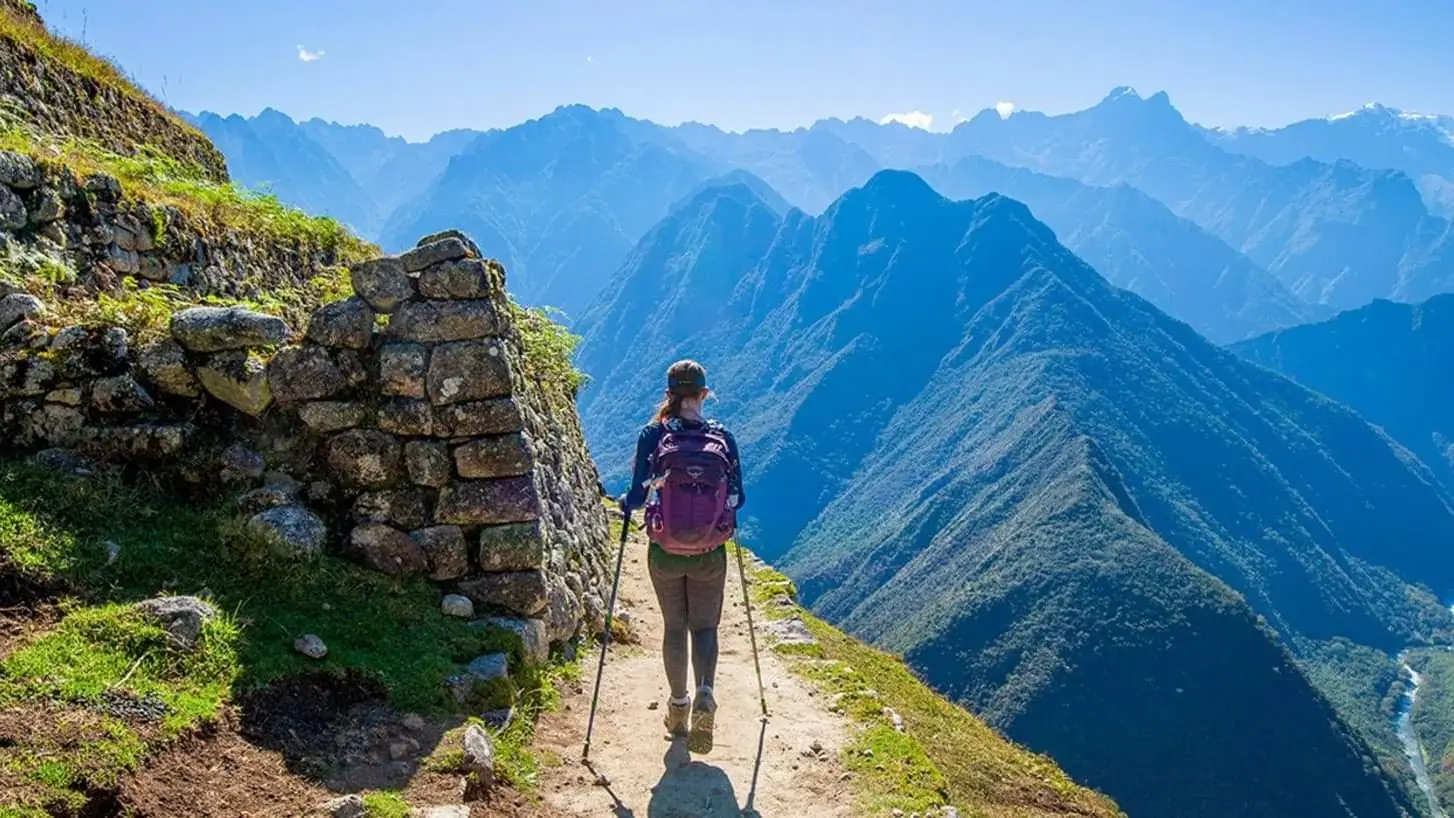
The Salkantay Trek is one of the most spectacular alternatives to the famous Inca Trail. Stretching roughly 70-78 km and reaching heights of 4 ,630 m at the Salkantay Pass, the trail blends glaciated peaks like Nevado Salkantay with emerald cloud forests and coffee plantations. Because it does not require a permit and offers a variety of scenery in a short time, it attracts independent hikers, families, and luxury travellers alike. In this blog we will know about Salkantay Trek Accommodations in details.
The trek’s popularity means that the quality of accommodations and infrastructure has improved dramatically, ranging from simple guesthouses and tented camps to glass‑roofed sky domes and boutique lodges with hot tubs.
This article takes a deep dive into the facilities along the Salkantay Trail. We explore the different types of campsites and lodges, describe the amenities at each, and offer practical advice on choosing the right accommodation for your style of adventure. Whether you are a luxury‑seeking hiker or a family embarking on your first high‑altitude trek, this guide will help you understand what to expect and how to prepare.
Overview of the Salkantay Route & Overnight Stops
The classic Salkantay Trek begins near Soraypampa (about 3 ,840 m) and ends in the town of Aguas Calientes below Machu Picchu. Over five days, the route traverses glaciers, alpine grasslands, cloud forests, and high jungle. Key overnight locations include:
- Soraypampa (3 ,900 m) – the highest and coldest camp; base for visiting Humantay Lake.
- Chaullay (≈2 ,900 m) – after crossing the Salkantay Pass, this area transitions into cloud forest.
- Collpapampa (≈2 ,950 m) – lower altitude where vegetation becomes lush; many lodges and campsites.
- Lucmabamba (≈2 ,000 m) – warm, humid camp surrounded by coffee plantations.
- Aguas Calientes (≈2 ,040 m) – gateway town with hotels; final night before Machu Picchu.
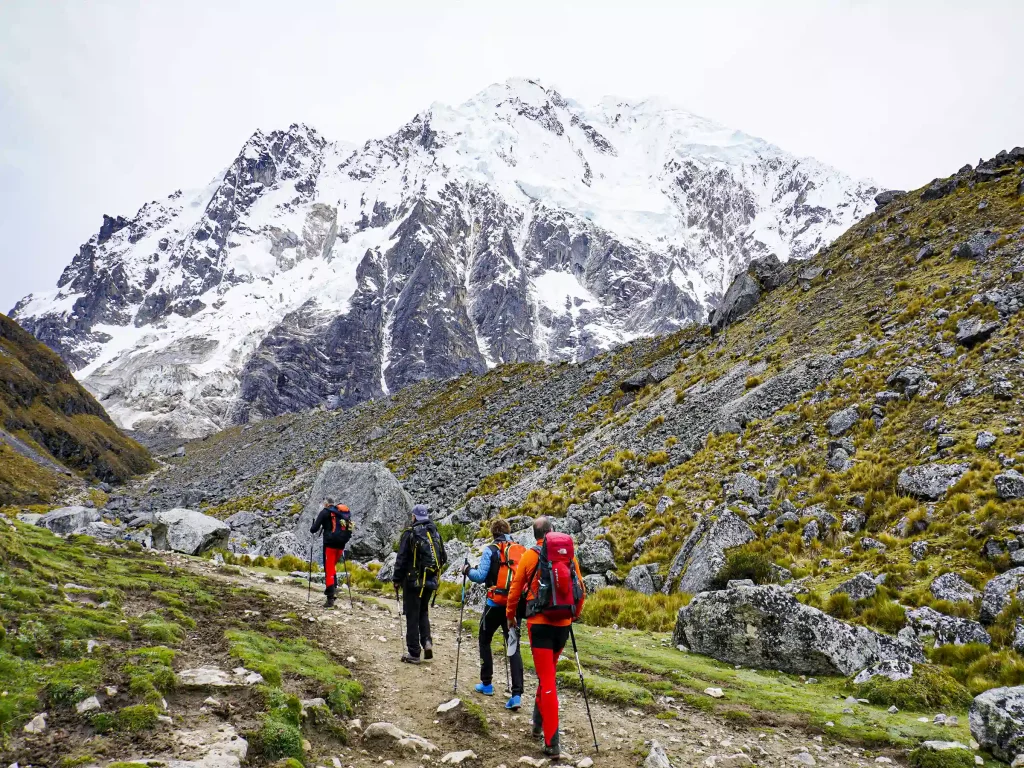
Besides these, guided treks often use private campsites between villages (e.g., Salkantaypampa or Wayracmachay) and incorporate scenic detours such as Humantay Lake or the Llactapata ruins, where glimpses of Machu Picchu appear on day 5. Understanding the elevation and climate of each stop helps you choose suitable lodging and prepare your gear.
Categories of Accommodation on the Salkantay Trek
Infrastructure on the Salkantay route can broadly be divided into standard camps, improved camps, glamping domes, eco‑lodges, boutique mountain lodges, and simple guesthouses/home‑stays. Knowing what each offers will help you balance comfort, cost, and cultural immersion.
Standard Campsites
Standard campsites are the most common on budget tours or independent treks. They generally offer:
- Shared bathrooms with basic sanitation
- Basic infrastructure and limited water supply
- No showers at high‑altitude camps
- Fixed campground or portable toilets
These camps deliver the classic Andean trekking experience, rustic but functional. Bathing often means using biodegradable wet wipes or waiting until lower elevations to shower. They suit travellers seeking an authentic wilderness feel rather than luxury.
Improved Campsites
Some agencies operate improved camps that upgrade the standard experience. These camps have better‑maintained shared bathrooms, sometimes with basic sinks and occasional showers.
The infrastructure is cleaner and more organized, though still communal. They are ideal for families wanting a bit more comfort without the high price tag of glamping.
Domes and Glamping Camps
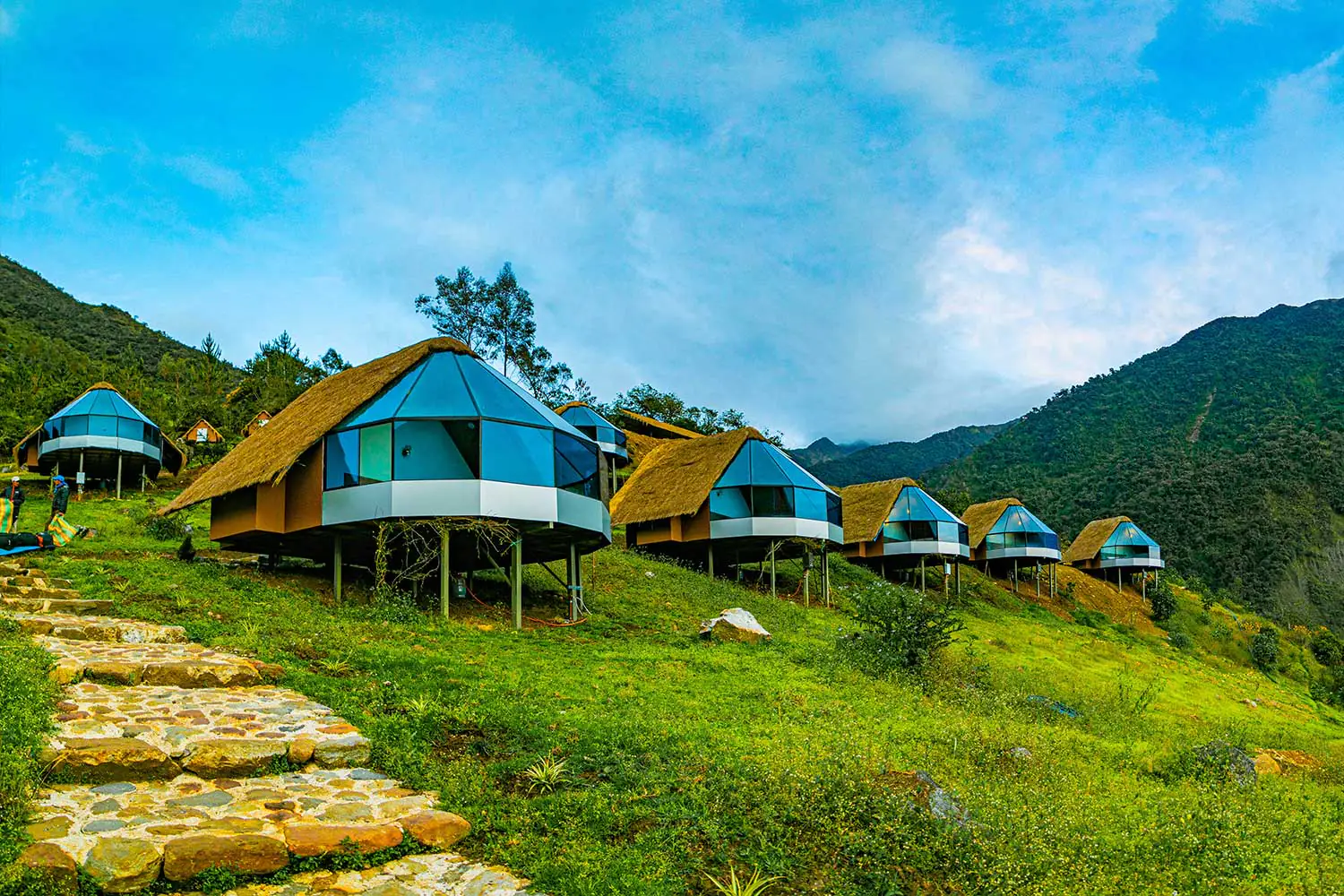
Premium tours introduced glass‑topped domes or glamping huts that allow you to sleep under the stars in warmth and comfort. The Sky Camp at Soraypampa (3 ,900 m) features glass domes with 360‑degree views of Humantay and Salkantay; the domes were designed to create “the perfect union of heaven and earth”.
These camps often have dedicated dining domes with professional chefs, toilets for groups of travellers, and scheduled Wi‑Fi hours. They deliver a high‑end camping experience with comfortable beds and stargazing right from your pillow.
Other glamping projects include Mountain Sky View in Collpapampa (2 ,950 m), which provides panoramic views of the valley from each lodge; Andean Huts in Chaullay, built from local grass (ichu) and wooden poles, designed to blend into the environment; and Jungle Domes near Lucmabamba, crafted as eco‑friendly structures built in harmony with the rainforest.
These accommodations emphasize sustainability and exclusivity-small groups stay away from crowds and enjoy privacy.
Boutique Mountain Lodges
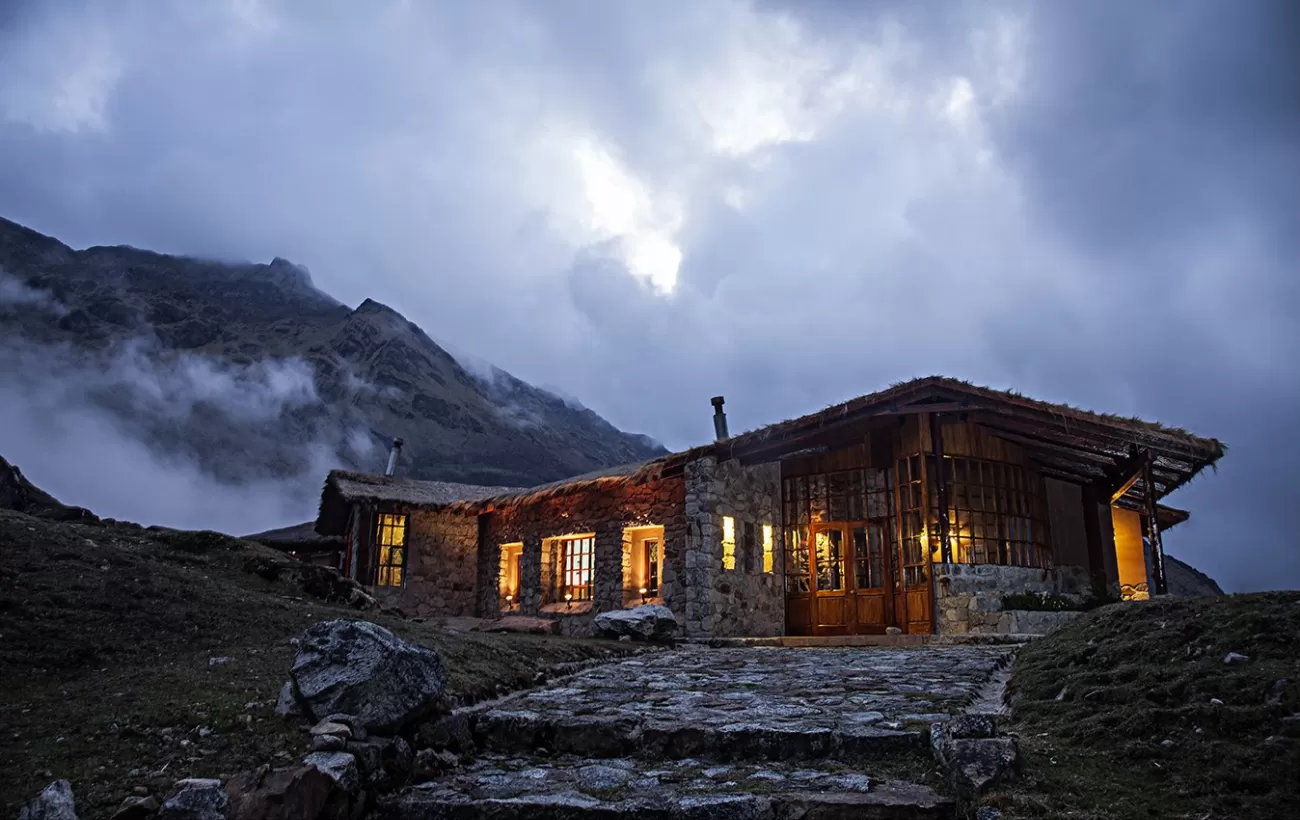
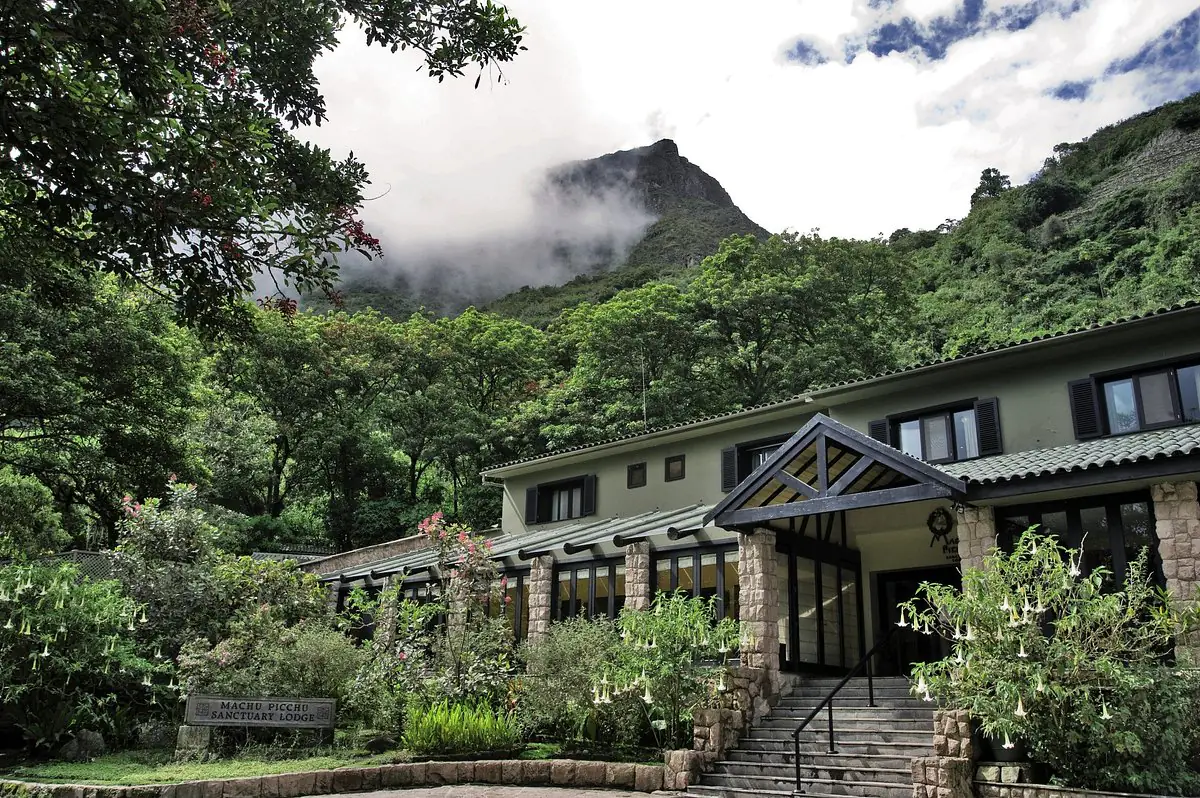
The highest tier of accommodation comes from Mountain Lodges of Peru, a lodge‑to‑lodge experience along the Salkantay route. The company operates four main lodges:
- Salkantay Lodge (Soraypampa; 3 ,869 m) – offers 12 private double or twin rooms with private bathrooms (hot and cold water) and amenities such as a hot tub, reading room, trout fishing, and horseback riding.
- Wayra Lodge (Huayraqmachay; 3 ,906 m) – known as “the place where the wind lives”; guests can soak in a high‑altitude hot tub after a challenging day.
- Colpa Lodge (Colpapampa Valley; 2 ,870 m) – nestled in a cloud forest where three rivers meet, offers access to hot springs nearby.
- Lucma Lodge (Lucmabamba; 2,135 m) – built into the mountainside and surrounded by an avocado orchard.
Rooms come with king or twin beds and biodegradable toiletries. These lodges deliver hotel‑level comfort: hot showers, gourmet meals, fire‑heated sitting rooms, and sometimes outdoor hot tubs. They are perfect for luxury travellers or families willing to pay extra for privacy and service.
Guesthouses and Home‑Stays
Beyond private camps and lodges, every village along the route offers simple guesthouses run by local families. Independent hikers can often walk into Soraypampa, Chaullay, Collpapampa, La Playa, Lucmabamba, Llactapata, or Aguas Calientes and find rooms without reservations. Lodges typically include dinner and breakfast, with snacks and drinks available for purchase.
Prices are modest: the Tio Nacho guesthouse in Soraypampa offered a bed, dinner, breakfast, and Wi‑Fi for 70 soles per person, with a hot shower costing an extra 10 soles. Nearby Cabañas Andinas Eco Lodge charged 80 soles per person for a twin room, including meals but without Wi‑Fi or a hot shower.
In Collpapampa and Lucmabamba, rooms typically cost 50-60 soles per person, including meals. Staying with local families supports the community and provides cultural immersion.
Campsite Infrastructure: Tents, Toilets & Showers
Even high‑end camps maintain a sense of adventure. Here’s what to expect from the practical side of camping:
Tents and Sleeping Arrangements
On budget or standard tours, you will sleep in four‑season mountain tents designed to keep you dry and warm. A supporting crew usually sets up the tents and cooks meals. Premium packages may upgrade the first night to glass‑tiled sky domes, allowing you to watch the Milky Way from your bed.
Bring a warm sleeping bag rated for sub‑zero temperatures. Trekking companies often provide sleeping bags but may charge extra for higher‑quality bags. For improved comfort, travel with a small pillow and warm layers; glamping sites usually supply blankets.
Bathroom Facilities
Facilities vary considerably along the trek:
- High‑Altitude Camps (e.g., Soraypampa) – Bathrooms are basic due to remoteness: pit toilets, eco dry toilets or agency‑supplied portable toilets. Toilet paper is not always provided, so carry your own. Showers are generally unavailable because of cold temperatures.
- Lower Camps (Chaullay, Collpapampa, Lucmabamba) – Facilities improve at lower elevations; some camps offer running water, basic sinks and structured bathrooms. At Santa Teresa or Lucmabamba, hostels may have conventional bathrooms.
- Glamping Camps – Premium camps sometimes have modern bathrooms or private toilets and may even offer hot showers. However, the hot water is limited and may involve an additional fee.
- Hotel Night at Aguas Calientes – Hotels near Machu Picchu generally have full hot showers and comfortable bathrooms.
Regardless of the camp type, bring a small toiletries kit with biodegradable soap, hand sanitizer, toilet paper, and a trash bag. Dispose of waste responsibly and avoid polluting water sources.
Showers and Hot Water
Showering on the Salkantay Trek is a luxury rather than a guarantee. High‑altitude camps seldom have showers, and you’ll manage hygiene with wet wipes. Lower camps may provide lukewarm showers for a small fee (around 10-20 soles). In Soraypampa, travellers at the Cabañas Andinas Eco Lodge found cold showers to be tolerable during the day.
Always carry some local cash to pay for hot water; electricity for heating water is scarce. The final night in Aguas Calientes offers the long‑awaited full hot shower.
Wi‑Fi, Charging & Connectivity
Mobile signal is limited along the trail. According to Salkantay Trekking’s blog, most campsites do not have cell service or internet access, though some spots near Lucmabamba may have limited coverage. A few glamping camps provide Wi‑Fi at established hours, but reliability depends on weather and crowding.
Electricity for charging devices is intermittent. Some camps use solar panels or generators, but they are not always available. Bring a power bank to keep your phone or camera charged.
Boutique Mountain Lodges: A Lodge‑to‑Lodge Trekking Experience
Travellers seeking hotel‑level comfort at altitude can opt for a lodge‑to‑lodge trek. These lodges offer personal service, gourmet cuisine, and scenic luxury. Let’s explore each:
Salkantay Lodge (Soraypampa)
Altitude & Location: 3 ,869 m (12 ,690 ft) at Soraypampa.
Rooms: 12 private double or twin rooms with private bathrooms (hot and cold water).
Amenities: Hot tub, reading room, trout fishing, horseback riding, and spectacular views of Salkantay. Biodegradable soaps and shampoos are provided.
Ideal for: Travellers needing to acclimatize in comfort before tackling the Salkantay Pass. It offers a luxury retreat at the foot of glaciated peaks.
Wayra Lodge (Huayraqmachay)
Altitude & Location: 3 ,906 m (12 ,812 ft) at Huayraqmachay.
Feature: Known as “the place where the wind lives,” this lodge includes a hot tub for easing tired muscles. Views of valleys and snow‑capped peaks add to the appeal.
Colpa Lodge (Colpapampa)
Altitude & Location: 2 ,870 m (9 ,414 ft) in the Colpapampa Valley, near the confluence of three rivers. The cloud forest setting features lush vegetation and access to nearby hot springs.
Highlights: After the hardest part of the trek, this lodge offers a welcome respite with comfortable beds, warm showers, and gourmet meals. Guests often soak in the hot springs or explore the surrounding rainforest.
Lucma Lodge (Lucmabamba)
Altitude & Location: 2 ,135 m (7 ,003 ft) in Lucmabamba.
Setting: Built into the mountainside and flanked by an avocado orchard, the lodge offers sweeping views of the lush valley.
Ideal For: Travellers seeking cultural immersion, coffee and fruit farms surround the property, and local farmers often share their trade.
These lodges operate as part of multi‑day packages that include guides, horses for luggage, gourmet meals, and sometimes spa treatments. They cater to luxury adventurers who want to explore the Andes with minimal hardship.
Simple Guesthouses & Home‑Stays: Supporting Local Communities
Villages along the Salkantay route have responded to the increase in trekkers by opening guesthouses, cabins, and homestays. These accommodations allow travellers to lighten their packs and support local families.
Soraypampa Guesthouses
Independent hikers arriving in Soraypampa can find multiple guesthouses without reservations. Options include:
- Tio Nacho Guesthouse: Offers a bed in a twin room, dinner, breakfast, and Wi‑Fi for 70 soles per person; hot shower costs an additional 10 soles.
- Cabañas Andinas Eco Lodge: Twin cabins closer to Humantay Lake cost about 80 soles per person with dinner and breakfast; there is no Wi‑Fi or hot shower.
These lodges provide simple beds and warm blankets. Meals typically feature hearty soups, stews, rice, and coca tea. Some owners speak only Quechua or Spanish, making interactions a cultural experience.
Collpapampa & Lucmabamba Guesthouses
Guesthouses in Collpapampa and Lucmabamba cost around 50-60 soles per person, including dinner and breakfast. Rooms are basic but clean, often with shared bathrooms and intermittent electricity. Staying in local homes offers opportunities to learn about coffee cultivation, fruit orchards, and Andean lifestyles. Lucmabamba in particular is surrounded by coffee plantations; some agencies arrange coffee‑tasting experiences and show how beans are harvested and roasted.
Why Stay in Local Homes
Choosing guesthouses or home‑stays not only reduces your pack weight but also supports local economies, distributes tourism income, and encourages families to preserve their cultural heritage. It also provides a more immersive experience-kids playing in the yard, chickens roaming the garden, and homemade meals prepared on wood‑fired stoves. For ethically minded travellers, these stays represent responsible tourism.
Food & Dining on the Trek
Food quality varies with accommodation level, but most operators emphasize fresh, local ingredients.
- At standard camps, meals are prepared by cooks who accompany the trek. Breakfast often includes quinoa porridge, pancakes, and coca tea; lunch is usually soup and rice with vegetables; dinner might be pasta or stir‑fried chicken. Vegetarian and vegan options can be arranged if you notify your operator.
- Glamping camps such as Sky Camp pride themselves on professional chefs and organic produce. Meals are served in glass‑domed dining rooms with panoramic views. Expect Andean staples like trout, quinoa salads, roasted alpaca, and desserts using local fruits.
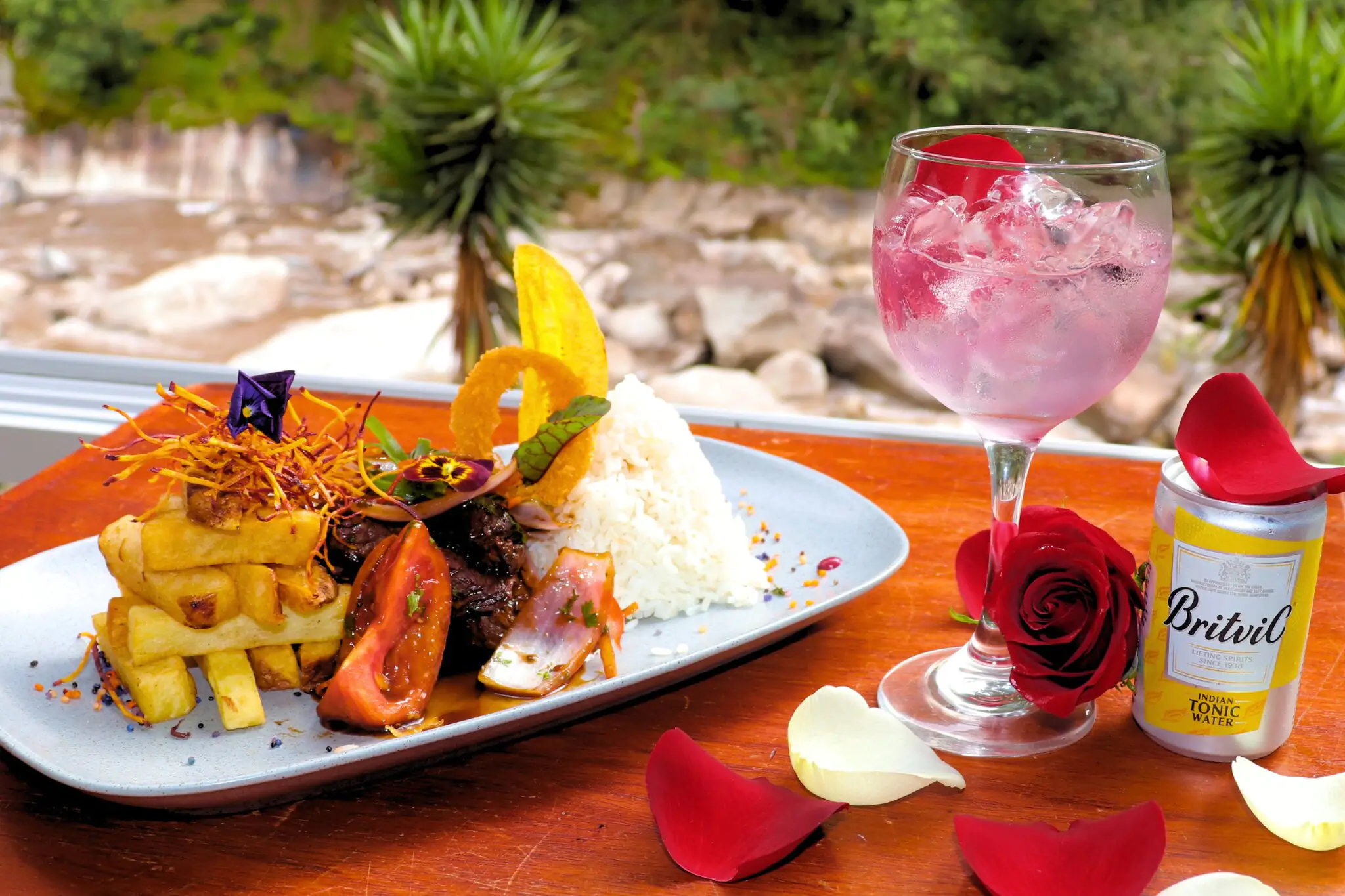
- Mountain Lodges of Peru serve gourmet Peruvian cuisine-fresh trout from local streams, homemade bread, ceviche, tender alpaca, and pisco sours. Menus change daily and include three courses for lunch and dinner, plus high‑altitude hydration teas.
- Guesthouses and home‑stays serve homestyle cooking. Meals often include rice, beans, eggs, chicken, potatoes, and local vegetables. Coffee served in Lucmabamba is usually harvested and roasted by the family.
Across all lodging types, drink bottled or purified water. Carry a water filter or treatment tablets if planning to fill up from streams. Snack supplies, soft drinks, and bottled water can be purchased at some camps and villages.
Altitude & Health: Preparing for Comfort
Altitude is one of the biggest challenges of the Salkantay Trek. Soraypampa (3 ,900 m) is the camp where altitude sickness is most felt. To reduce risk:
- Acclimatise in Cusco for at least two or three days before starting the trek.
- Hydrate well, aiming for 3-4 litres of water per day.
- Walk slowly and steadily; avoid rushing uphill.
Locals drink mate de coca (coca leaf tea) to alleviate symptoms; you can try it in Cusco or at camps. Over‑the‑counter drugs like acetazolamide can also help if taken under medical guidance.
Guests staying at luxury lodges will still feel the altitude but can recover in warmth and comfort. Being well‑rested and nourished will make the trek more enjoyable.
Sustainability & Responsible Tourism
Sustainable practices are essential on the Salkantay Trek. Several operators, including Alpaca Expeditions and Salkantay Trekking, emphasize eco‑friendly policies:
- Construction with local materials: Andean Huts use ichu grass and wooden poles, while Jungle Domes employ sustainable materials. Such designs minimize environmental impact and blend with the landscape.
- Waste management: Many camps use eco‑dry toilets or portable toilets to prevent contamination. Camp staff collect rubbish and transport it to Cusco for proper disposal. Guests are encouraged to bring reusable water bottles and to pack out all non‑organic waste.
- Small group sizes: Operators emphasize small groups of about 10 travellers to reduce environmental pressure.
- Community partnerships: Guesthouses and home‑stays ensure tourism revenue flows into local communities. Mountain lodges hire residents, purchase produce from local farmers, and use biodegradable toiletries.
By choosing ethical operators and respecting trail regulations, travellers can enjoy the Salkantay Trek without harming its fragile ecosystems.
Tips for Choosing Your Accommodation
- Define your comfort level: Standard camps are rustic; glamping domes offer warmth and stargazing; mountain lodges provide hotel‑level amenities. Choose based on budget, desired comfort, and appetite for adventure.
- Consider altitude acclimatization: Spending the first night at a comfortable lodge like Salkantay Lodge (3 ,869 m) can help your body adjust before tackling the Salkantay Pass. Even if you prefer camping later, the first night in a lodge might be worth the investment.
- Book early for premium options: Glamping sites and lodges have limited capacity. Reserve ahead, especially in peak season (June-August). Campsites run by agencies can fill up quickly.
- Bring cash for extras: Charges for showers, Wi‑Fi, and snacks are usually paid in cash. Hot showers cost about 10-20 soles; toilets along the trail may charge 1-2 soles.
- Pack appropriately: Bring warm clothing for the first nights (temps drop below zero at Soraypampa) and lighter attire for Lucmabamba. A power bank, headlamp, reusable bottle, and biodegradable toiletries are essential.
- Support local communities: Staying in guesthouses, buying coffee from Lucmabamba farmers, and hiring local guides ensures that tourism benefits indigenous families.
Sample Itineraries & Accommodation Options
Lodge‑to‑Lodge Trek (5-7 Days)
- Day 1: Cusco → Soraypampa – Overnight at Salkantay Lodge (hot tub, gourmet meals).
- Day 2: Trek to Wayra Lodge across Salkantay Pass – soak in a hot tub at 3 ,906 m.
- Day 3: Descend to Colpa Lodge in the cloud forest – enjoy views of three rivers and hot springs.
- Day 4: Continue to Lucma Lodge – relax in an avocado orchard.
- Day 5: Trek to Aguas Calientes via Llactapata – overnight in a boutique hotel with a hot shower.
Glamping & Camping Hybrid (5 Days)
- Day 1: Cusco → Soraypampa – sleep in Sky Camp domes with glass roofs.
- Day 2: Cross Salkantay Pass – overnight in Andean Huts at Chaullay.
- Day 3: Descend to Mountain Sky View in Collpapampa for glamping.
- Day 4: Hike to Jungle Domes near Lucmabamba and enjoy coffee farm tours.
- Day 5: Continue to Aguas Calientes for a hotel stay and visit Machu Picchu.
Independent Guesthouse Trek (5 Days)
- Day 1: Soraypampa – choose a guesthouse like Tio Nacho or Cabañas Andinas Eco Lodge.
- Day 2: Chaullay/Collpapampa – stay at a local guesthouse (50-60 soles including meals).
- Day 3: Lucmabamba – sleep in a coffee farm home‑stay and enjoy fresh brew.
- Day 4: Llactapata – camp or stay in a simple hut with views of Machu Picchu.
- Day 5: Hike to Aguas Calientes and stay in a hotel.
Each itinerary offers different levels of comfort and cultural engagement; adjust based on your interests and budget.
Frequently Asked Questions (FAQ)
Do I need to reserve campsites in advance?
Yes. Campsites and glamping domes are often managed by tour operators, and spaces can fill up quickly during high season. Premium lodges require bookings months ahead.
Is there cell phone service or internet on the trail?
Most campsites lack cell coverage and Wi‑Fi. Some spots near Lucmabamba might have limited signal. A few glamping camps offer Wi‑Fi during set hours, but connectivity is unreliable. Carry a power bank because charging options are limited.
Where is altitude sickness most likely, and how do I prevent it?
Soraypampa (≈3 ,900 m) is where altitude sickness is felt most acutely. Acclimatise in Cusco for several days, stay hydrated, and walk slowly. Consider coca tea or acetazolamide under medical guidance.
Can I charge cameras and phones at campsites?
Some camps have solar panels or generators, but they aren’t always available. Bring a power bank and conserve battery life.
Are there hot showers on the Salkantay Trek?
Hot showers are rare at high‑altitude camps; you may be able to pay 10-20 soles for a brief hot shower at lower camps. Most trekkers rely on wet wipes and wait until Aguas Calientes for a full shower.
Can I hike the Salkantay Trek without a guide?
Yes. Unlike the Inca Trail, the Salkantay Trek does not require a permit. Experienced hikers can follow the well‑marked trail and stay in guesthouses along the way. However, a guide can enrich the experience with cultural insights and provide logistical support.
What’s the difference between the Inca Trail and the Salkantay Trek camping?
The Inca Trail uses government‑run campsites with shared facilities, whereas many Salkantay agencies have private campgrounds with glass domes or mountain lodges. Salkantay also reaches higher altitudes and does not require permits.
Which camp is the coldest?
Soraypampa is the coldest; temperatures drop below zero at night. Pack a sub‑zero sleeping bag, thermal clothing, gloves, and a warm hat.
Is it possible to stay with local families?
Yes. In Lucmabamba, some travellers stay in family homes that provide a closer look at daily life and coffee cultivation. Home‑stays are arranged by operators or found upon arrival.
Conclusion
The Salkantay Trek’s diversity of landscapes is matched by the variety of accommodations available. From rustic tents and eco‑friendly huts to glassy sky domes and boutique lodges with hot tubs, there is an option for every type of traveller. Understanding the infrastructure, bathrooms, showers, Wi‑Fi, and dining allows you to prepare properly and choose an experience that suits your comfort level.
Ultimately, the choice of accommodation shapes your interaction with this extraordinary landscape. Staying in local guesthouses immerses you in Andean culture, glamping domes let you stargaze in comfort, and luxury lodges offer spa‑like recovery after challenging hikes.
Alpaca Expeditions specialises in ethically run Salkantay treks and can tailor itineraries that combine luxury with authenticity. Whether you dream of a romantic sky dome under the Milky Way, a family‑friendly lodge‑to‑lodge journey, or a culturally immersive guesthouse stay, their expert team ensures you enjoy the Andes responsibly. Reach out to Alpaca Expeditions to start planning your unforgettable Salkantay adventure.