


Beyond Machu Pícchu: The Intellectual and Scientific World of the Incas
The Inca Empire (Tawantinsuyu) stretched across western South America during the 15th and early 16th centuries. From their capital in Cusco, the Incas governed vast territories, bridging deserts and mountains through diplomacy, labor exchange, and astonishing engineering. In this blog we will explore beyond Machu Pícchu.
Today, most travelers associate the Inca legacy with the spectacular citadel of Machu Pícchu, yet the civilization’s achievements run far deeper than the ruins you see on postcards. The Incas built a sophisticated society anchored in science, cosmology, sustainable agriculture, and careful record‑keeping.
This long‑form guide explores that intellectual world, weaving together archaeology, historical chronicles, and modern research to show how the Incas observed the heavens, nurtured biodiversity on terraced farms, performed complex surgeries, and engineered enduring architecture.
Throughout the article, you’ll find suggestions for visiting these marvels with Alpaca Expeditions. Where practical details matter – such as current site regulations or trekking routes – please check official sources or contact Alpaca Expeditions for the latest guidance.
The Inca Way of Knowing
Counting without an alphabet
The Incas never developed a written alphabet, yet their administration controlled millions of people spread across diverse landscapes. To do this, they relied on a data‑recording device called the quipu (or khipu), a system of knotted, colored strings made of cotton or camelid fiber. According to the U.S. National Institute of Standards and Technology, the quipu allowed the Incas to record census information, tribute, production, and even narratives.
The strings followed a base‑10 positional system similar to our own – a single knot represented units, long knots stood for tens and hundreds, and the position of each knot on the string indicated its value. Different colors corresponded to categories such as maize, llama herds, or particular provinces.
Specialists called khipucamayoc were trained from childhood to tie, read, and interpret the knots, and teams of runners carried quipus between way stations across the empire. These human data networks maintained statistics on everything from livestock numbers to astronomical events.
Despite lacking a written script, the combination of quipus and oral tradition produced a remarkably literate bureaucracy. It allowed the Incas to allocate labor, collect taxes in the form of goods, and organize armies, all while upholding social obligations known as mit’a (labor tribute).
For travelers on the Inca Trail, it is worth imagining that every colca (storehouse) you pass – some of them still standing along the route – once held goods tallied by these knotted records.
Oral knowledge and trained specialists
Inca scholars didn’t confine their knowledge to statistics. Oral historians known as amautas preserved myths, genealogies, and laws. Astronomer‑priests observed the movements of the sun, moon, and stars, while hampeq healers learned botanical remedies and surgical techniques. Social roles were hereditary; sons and daughters often trained with elders to master a craft or intellectual discipline. Such specialization underpins many of the innovations described below.
Astronomy and Cosmology
Worshipping a sky full of deities
At the heart of Inca cosmology stood Inti, the sun god, and Mama Quilla, the moon goddess. The Inca emperor – viewed as the “Son of the Sun” – staged elaborate festivals such as Inti Raymi at the June solstice to honor Inti and ensure cosmic balance. The Milky Way was perceived as a heavenly river called Mayu, and dark patches within it were seen as Yana Phuyu (dark cloud constellations) representing animals or ancestral figures.

Astronomy and Cosmology
Incas watched the Pleiades, the Southern Cross, and other constellations to guide planting and harvesting. This sky‑based worldview infused daily life: tasks were timed to solstices, and architectural alignments mirrored celestial events.
The Temple of the Sun and celestial architecture
Several Inca structures reveal deep astronomical knowledge. In Cusco, the Coricancha – the Temple of the Sun – was the empire’s spiritual heart. Chroniclers describe walls lined with gold plates reflecting sunlight, and windows that framed the solstice sunrise.
Archaeological traces show that from Coricancha radial lines called ceques extended across the landscape, marking sacred sites and probably aligning with solar events. Although many of these alignments were destroyed after the Spanish conquest, you can still sense the cosmic order when walking through Cusco’s old city.
At Machu Pícchu, visitors often gather at the Intihuatana (sometimes spelled Intiwatana) – an enigmatic carved stone sometimes dubbed a “sun tether.” A study published by Planetarium Cusco notes that the lithic prism atop the Intihuatana is believed to have functioned as an astronomical gnomon; its east‑west axis roughly points to the sunrise on the December solstice and the sunset on the June solstice.
Scholars debate its exact use, but the alignment suggests a function related to solar observation. The same paper observes that the pillar’s faces and edges incline slightly, which may have helped track the sun’s zenith passages.
Another site that highlights cosmic architecture is the Temple of the Sun at Machu Picchu. A travel article notes that this semicircular granite building features trapezoidal windows aligned with the solstice sun; at sunrise during the solstices, beams of light illuminate specific points inside the temple.
The interior houses a stone altar aligned with the solstice sun’s path, and niches along the walls likely held idols. Similar alignments exist at Ollantaytambo and Pisac, showing that the Incas integrated cosmology into civic and ceremonial architecture. By visiting these temples on a trek, you can witness the interplay between stone, sunlight, and time.
Observatories and calendars
In addition to monumental architecture, the Incas maintained observatories. The Intiwatana at Machu Pícchu, the Huayna Picchu mountain, and the Inti Punku (“Sun Gate”) all served as reference points for tracking solar movement. Priest‑astronomers observed the rising and setting of the sun from these locations to calibrate a solar calendar, while lunar cycles were tracked to determine ritual dates and agricultural tasks.
Another travel account notes that the Coricancha in Cusco functioned as a center for recording celestial events and sharing them with leaders. This knowledge allowed the empire to coordinate planting across diverse ecological zones and time religious ceremonies accurately.
Agricultural Science and Sustainability
Farming at altitude
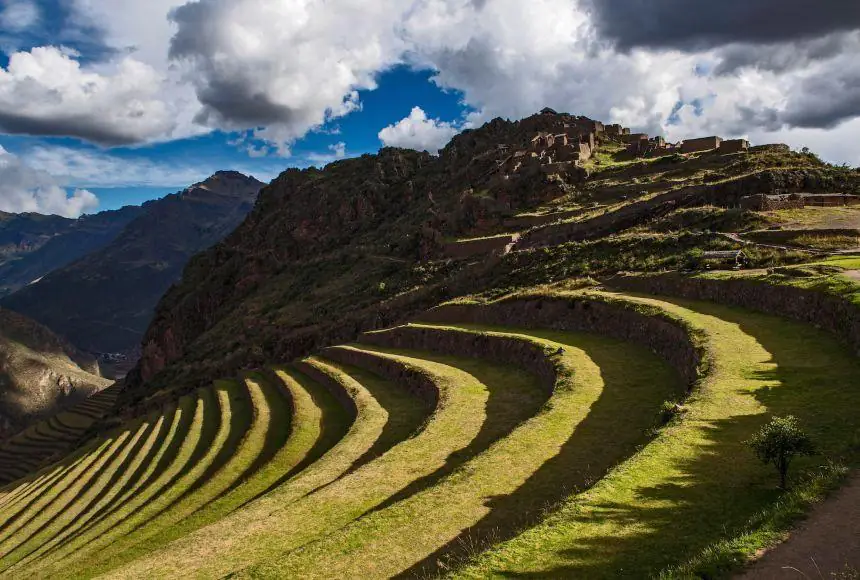
The Inca Empire encompassed coastal deserts, temperate valleys, and high‑altitude grasslands, making agricultural innovation essential. Terraced farming transformed steep mountainsides into arable fields. At Machu Pícchu the terraces served not only to maximize farmland but also to stabilize hillsides and manage water.
Research from the University of Wisconsin’s water‑engineering project explains that the terraces have a carefully layered substructure: a base of stones is covered with gravel, then sand, and finally topsoil, creating a drainage system that directs runoff into channels and prevents erosion.
Farming at altitude
Slight slopes and drainage channels lead water into a main drain, while additional channels collect roof runoff. This engineering has kept the terraces intact for centuries, a testament to the Inca understanding of soils and hydrology.
Sophisticated water management
Supplying a mountaintop city with clean water required precise engineering. The same report notes that a 749‑meter stone‑lined canal conveyed spring water to Machu Pícchu at a gentle 3 percent slope. The canal’s design capacity was about 300 liters per minute, although typical spring flows ranged between 25 and 150 liters per minute.
Water entered the city in the agricultural sector and flowed to the urban zone through a series of 16 fountains. The first fountain was positioned near the Inca ruler’s residence, and subsequent fountains created a “stairway of fountains” that not only supplied domestic water but also added aesthetic appeal.
The vertical drop between the first and last fountain is about 26 meters, and each fountain’s stone spout was shaped to fill an aryballos (a ceramic water jug) efficiently. Should the main spring fail, a secondary trail linked the site to the Urubamba River. Such redundancy underscores the Incas’ foresight.
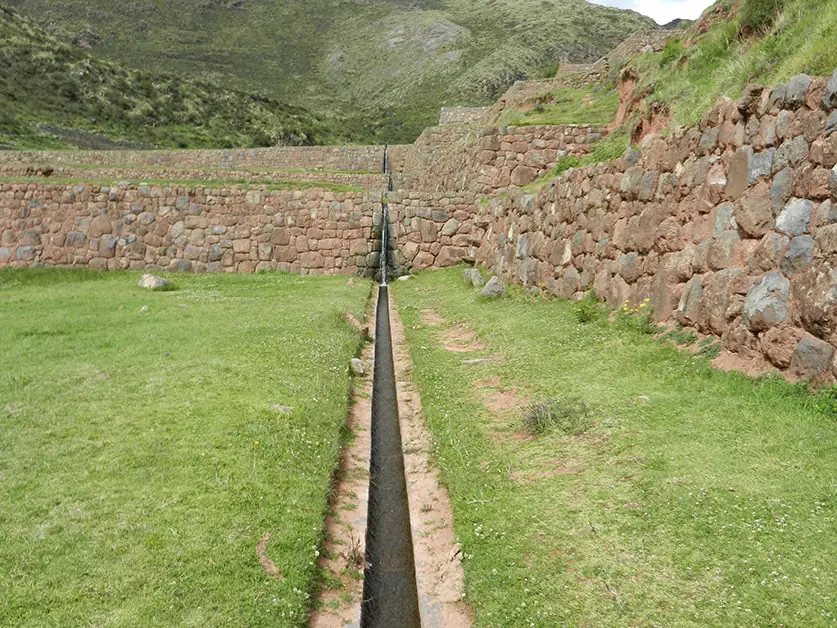
The hydraulic expertise seen at Machu Pícchu appears across the empire. At Tipón, near Cusco, channels with precisely cut stone spouts feed the terraces. The site demonstrates the Incas’ ability to regulate flow rates and distribute water evenly across slopes.
Many channels incorporate slight steps or notches to aerate water and prevent erosion. Exploring Tipón with a knowledgeable guide offers a glimpse into this irrigation system.
Preserving food for lean years
Agricultural productivity can be fickle at high altitudes. To hedge against crop failure, Andean farmers developed chuño, a freeze‑dried potato product that could be stored for years. A Britannica transcript describes how families spread small potatoes on cold ground at high elevations; after freezing overnight, the potatoes were stomped on to squeeze out water, then dried in the sun.
The process was repeated several times until the potatoes were fully desiccated, creating a lightweight product that could be stored for up to five years. Communities worry that warmer nights caused by climate change are lengthening the freezing phase, reminding us how environmental changes threaten ancient practices.
The Inca diet was diverse: maize, quinoa, beans, squash, peppers, coca leaves, and hundreds of potato varieties thrived in different ecological niches. Farmers experimented with crops at varied altitudes on terraces, though they need to conduct more research to understand specific experimental stations such as Moray. If you’re interested in traditional foods, ask Alpaca Expeditions to provide culinary tours that highlight Andean crops and techniques.
Medicine and Health
Neurosurgery with obsidian tools
One of the most striking aspects of Inca science is their success with trepanation – surgical removal of sections of skull bone to treat head injuries. A 2022 article in the Bulletin of the American College of Surgeons recounts that Ephraim George Squier documented the practice after he discovered an Inca skull with signs of trepanation in the 1860s.
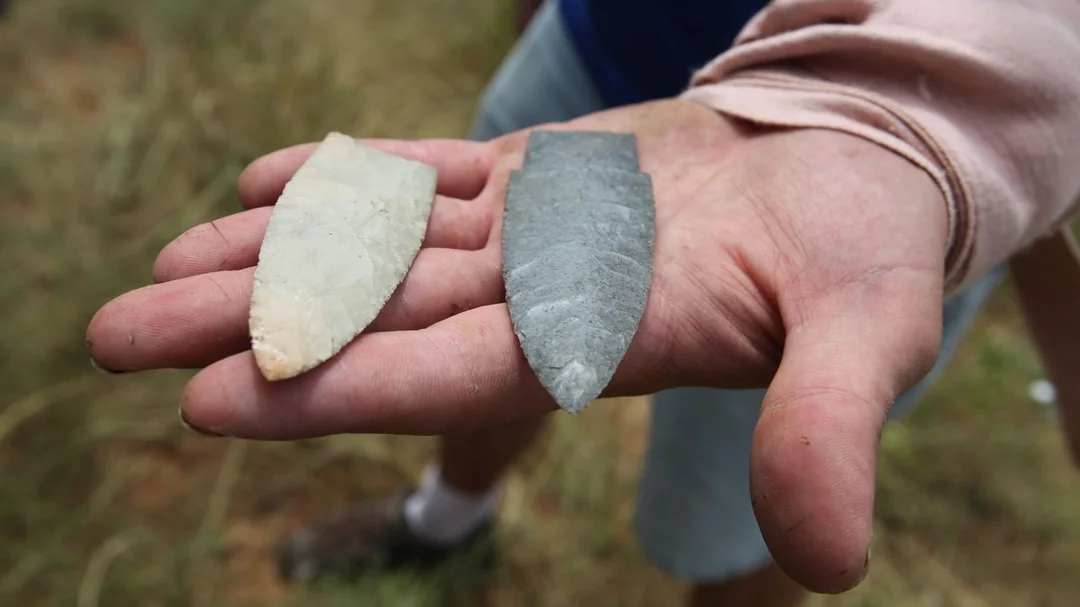
The article explains that Peruvian skull collections show that head trauma from sling stones and clubs was common. Inca surgeons used obsidian knives and later bronze or copper tools known as tumis to make circular grooves and remove plugs of bone.
Neurosurgery with obsidian tools
Natural anesthetics such as coca, datura, or yuca, along with fermented corn beer (chicha), likely subdued patients. Some skulls even show evidence of gold cranioplasty – thin metal plates implanted to cover openings.
What is remarkable is the high survival rate. A study cited in the article analyzed 800 trepanned crania and found that long‑term survival in ancient Peru rose from around 40 percent in early periods to as high as 91 percent during the Inca era.
Those rates exceed those of American Civil War surgeons using similar procedures, suggesting Inca practitioners had effective techniques and maintained cleaner environments.
This approach reflects an Andean worldview in which sacred beings include mountains and rivers; architects designed the architecture to honor, not conquer, them. For travelers, museums in Cusco and Lima display trepanned skulls and surgical tools, offering a tangible connection to this medical heritage.
Herbal remedies and public health
The Incas leveraged a pharmacopoeia of plants: coca leaves acted as stimulants and anesthetics; willow bark, rich in salicylic acid, eased pain; quina bark (source of quinine) treated fevers. Shamans administered purgatives, emetics, and psychoactive snuffs in ritual contexts.
Though these practices are not as well-documented as trepanation, many modern Andean communities preserve herbal traditions. When trekking, guides often point out medicinal plants, linking ancient knowledge to living culture.
Engineering, Architecture, and Infrastructure
Mortar‑free masonry and seismic resilience
Perhaps the most visible Inca innovation is their stonework. Instead of using mortar, masons shaped stones so precisely that they interlocked like puzzle pieces, a technique called ashlar or dry‑fitted masonry. An NIST article notes that Inca walls were built with stones that fit so perfectly they could resist earthquakes.
The Society of Architectural Historians explains that Inca builders integrated natural boulders into walls and carefully prepared foundations; they knew when to remove obstacles and when to incorporate them, creating structures that absorbed seismic forces.
After a 15th‑century earthquake, the Incas began using trapezoidal doors, tapering walls, and cyclopean stone bases to enhance stability. This sensitivity to topography and seismic forces makes sites like Machu Pícchu and Sacsayhuamán remarkably durable. Travelers may notice that while colonial-era buildings in Cusco have collapsed multiple times from earthquakes, many Inca walls remain intact.
Integrating land and architecture
Rather than bulldozing landscapes, Inca architects worked with them. They absorbed massive boulders into walls, terraced sinkholes like Moray, and built ramps that followed natural contours.
At Inkiltambo near Cusco, protruding wall stones saved labor and strengthened the structure. Moray’s concentric terraces, though still debated, may have allowed agricultural research by creating microclimates.
On hikes, you’ll see how footpaths, staircases, and water channels curve with the terrain.
This reflects an Andean worldview where architecture honored sacred mountains and rivers rather than conquering them.
Suspension bridges and road building
The Incas wove nature into their transportation network as well.
A NIST article explains how local communities annually rebuilt ichu-grass rope bridges that spanned deep gorges. Some lasted centuries through communal maintenance, demonstrating strong social cohesion as well as engineering skill. Visitors can still witness the reconstruction of the Q’eswachaka bridge each year – an unforgettable cultural event.
The Inca road system (Qhapaq Ñan) linked the empire over more than 24,000 miles. Engineers cut steps into steep slopes, built retaining walls and culverts and incorporated drainage channels that reduced erosion.
Standardized storehouses (colcas) lined the highways; their ventilation systems prevented food spoilage. For trekkers today, the well‑preserved segments between Cusco and Machu Pícchu showcase this network. Remember that using these trails is a privilege – follow regulations to protect them for future generations.
Water and drainage engineering
We’ve already seen how canals and fountains supplied Machu Pícchu. Elsewhere, the Incas constructed aqueducts, underground pipes, and waterfalls, as at Tipón and Ollantaytambo.
Water and drainage engineering
Workers carved or built stone channels with gentle steps to evenly distribute and aerate water. At Machu Pícchu the integration of terraces, canals, and drainage channels kept runoff out of the domestic water supply. These systems highlight how Inca engineering balanced utility, aesthetics, and environmental respect.
Why It Matters Today
Sustainability lessons
Modern engineers and planners look to the Inca for sustainable design principles. The terraces’ drainage layers inspired contemporary geotechnical engineers to design retaining structures that handle water intelligently. Urban planners and climate scientists still learn from Inca infrastructure and chuño preservation as models of resilience.
Even neurosurgeons marvel at trepanation’s survival rates and the potential for low‑tech, high‑skill interventions in resource‑limited settings.
Cultural continuity
Although Spanish conquest ended Inca rule, Andean communities kept many scientific traditions alive through terracing, grass weaving, and plant medicine.
Festivals like Inti Raymi in Cusco keep solar rituals alive. Traveling with responsible operators lets you witness these living traditions respectfully.
Exploring the Inca Intellectual Heritage with Alpaca Expeditions
Alpaca Expeditions designs journeys that go beyond sightseeing.
Guides reveal Inca science through temple alignments, quipus, terraces, and living traditions like chuño-making. Explore the Classic Inca Trail, Sacred Valley, Tipón, or Q’eswachaka to better appreciate Inca innovation.
When planning your trip, remember that regulations change and conservation is paramount. Always check official sources or ask Alpaca Expeditions for the latest details on permits, site access, and sustainability initiatives. Explore ancient ruins and the enduring legacy of early engineers, astronomers, and healers.
Conclusion
Beyond the mist‑shrouded ruins of Machu Pícchu lies a rich intellectual world. The Incas developed an advanced civilization with a base-10 accounting system, aligned temples with solstices, engineered agricultural and hydraulic systems. They also practiced neurosurgery and constructed resilient architecture that has endured for centuries.
Their science was holistic, entwining environment, spirituality, and social organization. For travelers, understanding this intellectual heritage deepens every view of a stone wall, every sunrise over the Andes, and every story shared by a local guide.
As you plan your own journey, consider how these ancient innovations might inform modern sustainability. And how your visit can support communities that still carry Inca knowledge forward.
Alpaca Expeditions Recognitions
ISO (International Organization for Standardization)
In the pursuit to stand out from the rest, Alpaca Expeditions has obtained four ISOs plus our carbon footprint certificate to date. These achievements result from our efforts to implement the internationally-recognized integrated management system. They also represent our commitment to all of our clients and staff of operating sustainability and responsibility in every way possible.





World Travel Awards
Alpaca Expeditions is internationally recognized as a leading tourism company in Peru. As proof, we have been awarded the World Travel Award for Peru´s Best Tour Operator 2021 for the second time.


TRIPADVISOR RECOGNITIONS
Our goal at Alpaca Expeditions is to create the best experience for all of our clients. We create journeys that are to be remembered for a lifetime. Journeys you can be proud of and can share with everybody around you.












As Featured In











Scan Here!




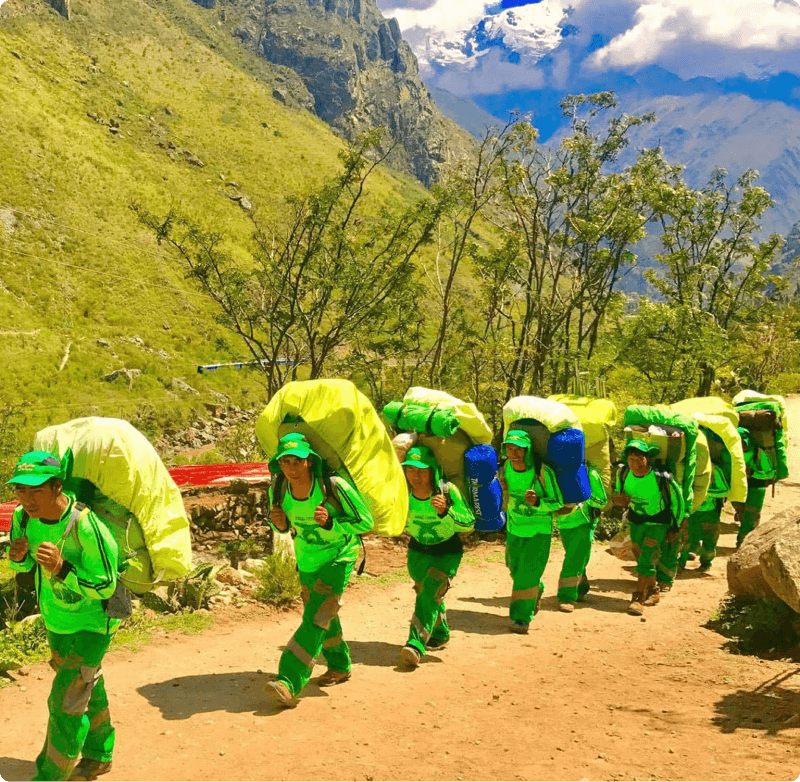 Porters will carry up to 7 kg of your personal items, which must include your sleeping bag and air mat (if you bring or rent one). From us, these two items weigh a combined total of 3.5 kg.