



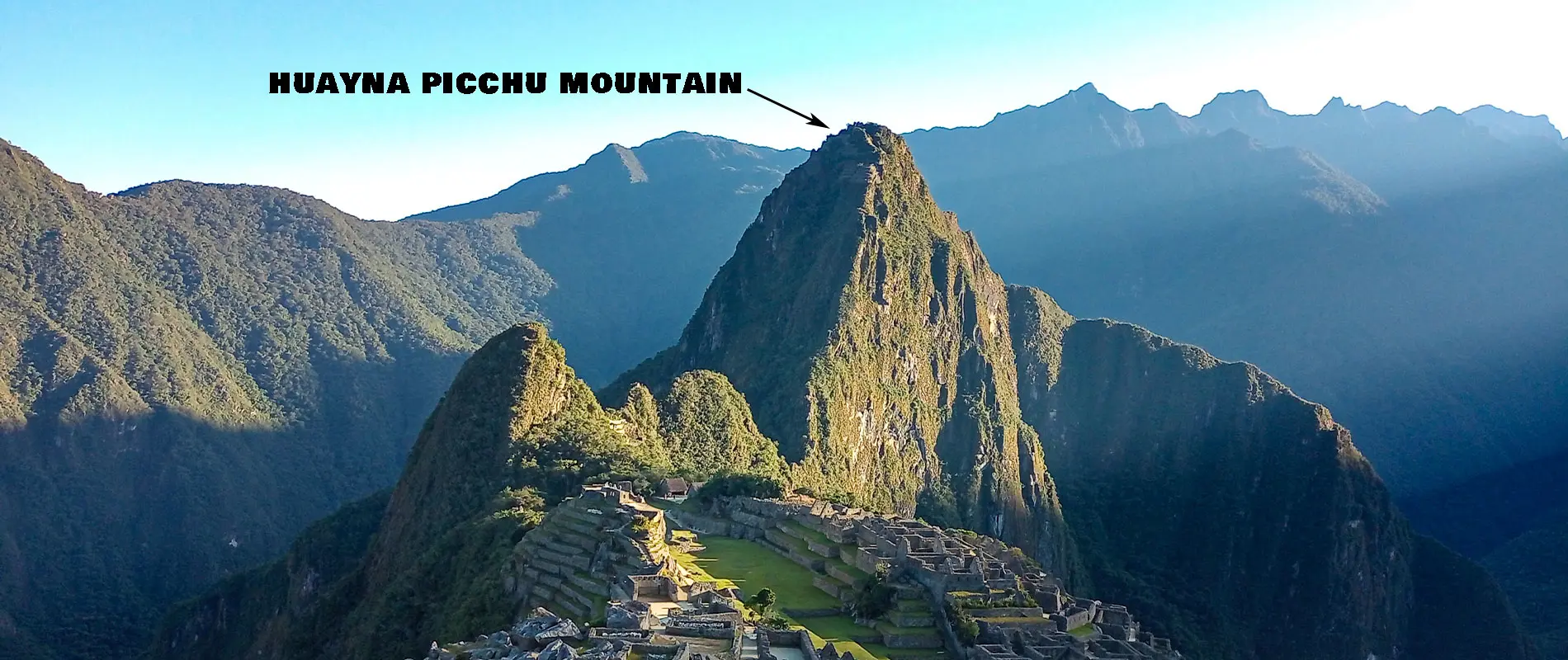
Standing in the lost city of Machu Picchu, you gaze at terraces of emerald green cascading down a sheer cliff. Looming directly behind the citadel is a sharp peak carpeted with jungle vegetation, its silhouette unmistakable in every photograph you have ever seen. This is Huayna Picchu, the “young mountain” that guards Machu Picchu like a sentinel.
To the Incas, it was a sacred mountain and astronomical observatory; to modern travelers, it offers one of the most exhilarating and coveted hikes in the Andes. Only a few hundred people per day are allowed to climb its steep stone steps, and those who reach the summit are rewarded with views that seem to stretch into eternity.
This comprehensive guide is designed for adventurous travelers from the USA and UK who want to do more than tick a box. It unravels Huayna Picchu’s history, ecology, and cultural significance, explains the latest ticket regulations, and provides step‑by‑step advice for planning, training, and packing.
It compares Huayna Picchu with alternative hikes, highlights sustainability and community impact, and answers dozens of common questions. Whether you are in the early stages of dreaming or ready to book, use this guide to craft a safe, meaningful, and unforgettable journey.
Why Trust This Guide?
Our research draws from updated sources published through 2025, including Salkantay Trekking’s March 2025 briefing on entry times and logistics, official guidelines from the Cusco Cultural Directorate, Inca Rail’s cultural history and preparation tips, and detailed descriptions of the Stairs of Death and Temple of the Moon. We cite factual details throughout the article and highlight areas where travelers should verify current policies.
What Is Huayna Picchu?
Etymology and Names
Huayna Picchu (also spelled Wayna Picchu) comes from the Quechua words huayna or wayna (“young”) and pikchu (“mountain”). It is sometimes translated as “Young Peak” or “New Mountain,” distinguishing it from Machu Picchu’s literal meaning of “Old Mountain.” Locals sometimes call it Waynapicchu, and government documents often use both spellings. Despite the variations, all refer to the same towering ridge rising above Machu Picchu.
Location and Geography
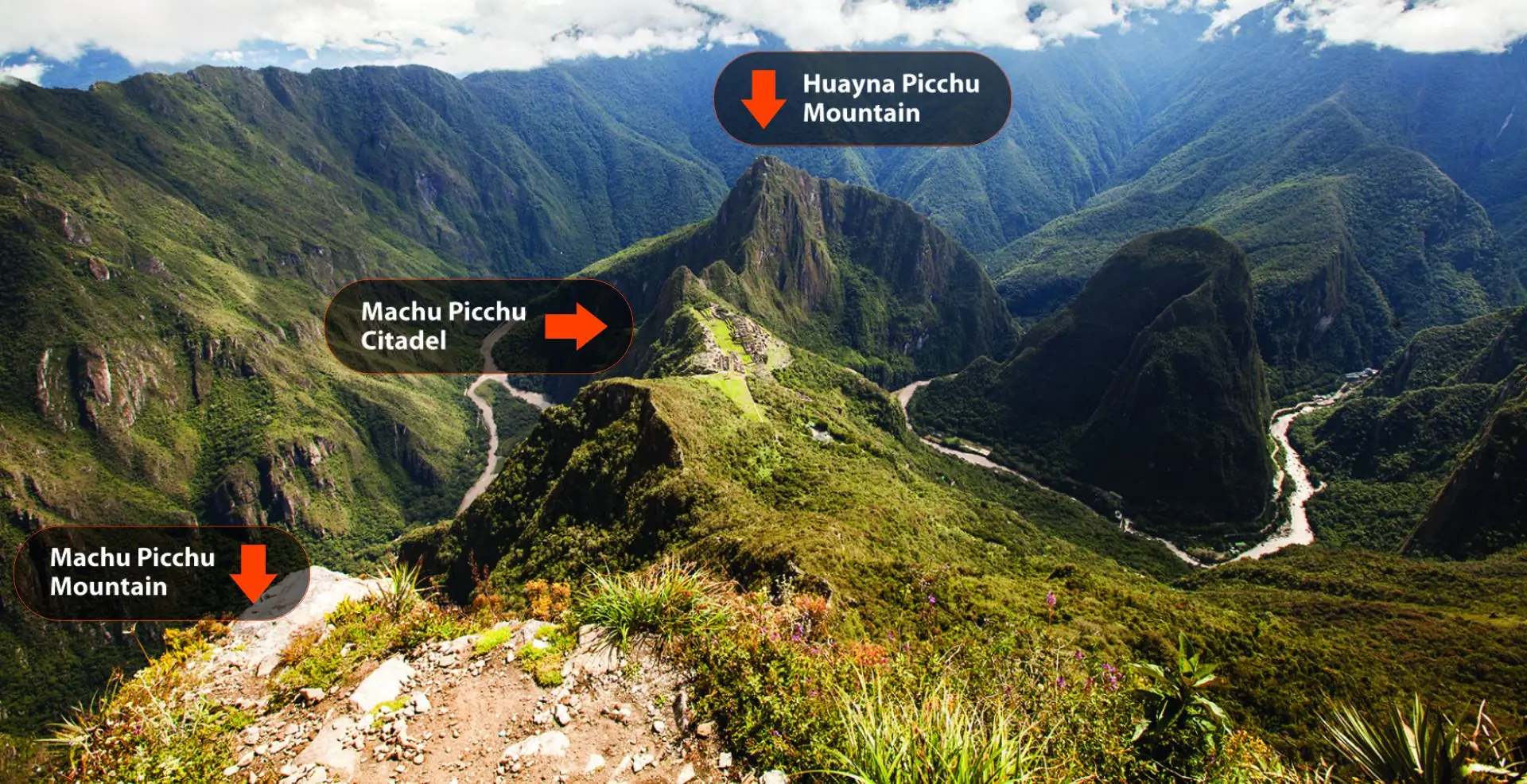
Huayna Picchu stands north of the Machu Picchu citadel in the Eastern Cordillera of the Peruvian Andes. The Urubamba River wraps around its base in a horseshoe, carving out the dramatic ridge that forms a natural fortress. The mountain’s altitude varies slightly by source because the summit is a narrow ridge; official Inca Rail documents cite 2,693 m (8,835 ft) while the Cusco Cultural Directorate lists 2,720 m (8,923 ft), and some tour operators quote 2,667 m. Regardless of the exact number, it towers about 300 m above the Machu Picchu ruins (2,430 m) and is roughly half as high as Machu Picchu Mountain (3,050 m).
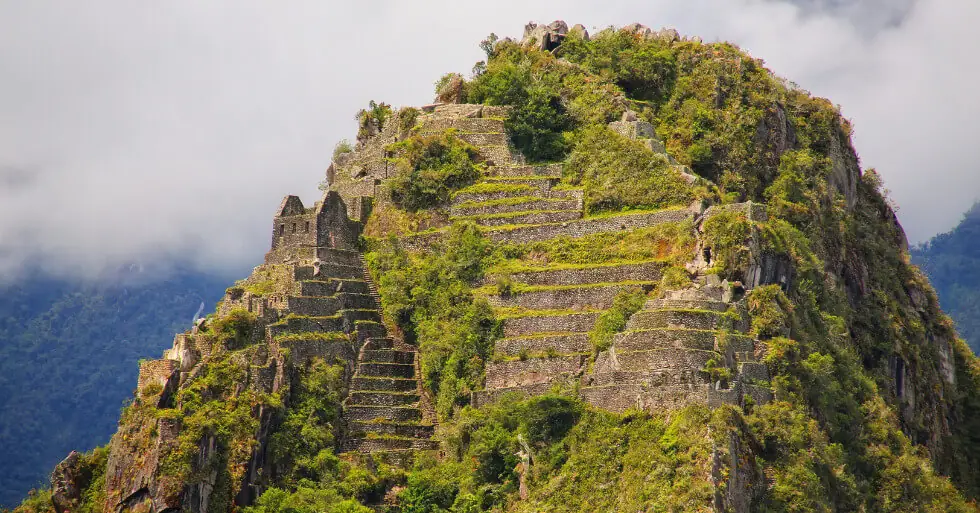
The mountain’s steep slopes are covered in cloud‑forest vegetation-orchids, mosses and bromeliads cling to rocky ledges. Ancient terraces and stairways hewn into the mountain ascend to the summit, where a handful of Inca structures remain. From below, Huayna Picchu’s pointed silhouette is instantly recognizable and has become a defining element of the Machu Picchu landscape.
Historical and Cultural Context
The Rise of the Inca and Machu Picchu
The Inca civilisation emerged in the early 13th century, expanding across a vast stretch of western South America. Under the leadership of Pachacuti Inca Yupanqui, the empire constructed monumental architecture, engineered terraces and roads, and developed a sophisticated understanding of astronomy and agriculture.
Around the mid‑15th century, the Incas built the royal estate and ceremonial centre that we now call Machu Picchu. Nestled between the peaks of Machu Picchu and Huayna Picchu, this citadel was likely a retreat for the elite and a place of worship and learning.
Strategic Lookout and Defensive Role
Huayna Picchu’s steep slopes and commanding position made it a natural watchtower. According to Inca Rail’s historical analysis, its location provided sweeping views of the surrounding landscape, enabling Inca sentries to monitor threats and signal to the citadel.
PeruRail notes that Huayna Picchu served as a monitoring centre for Machu Picchu, allowing the Incas to remain alert to attacks from neighbouring cultures. Terraces and buildings near the summit may have housed guards, storage, or agricultural plots for those stationed on the mountain.
Astronomy and Rituals
The Incas were master astronomers. They used mountains, temples, and niches to align with solstices and equinoxes, guiding agricultural calendars and spiritual ceremonies. Huayna Picchu likely played a role in this celestial network.
Inca Rail notes that the mountain and its terraces were used for astronomical observations. The alignment of certain structures with the sunrise may have served ritual purposes or allowed priests to mark seasonal changes.
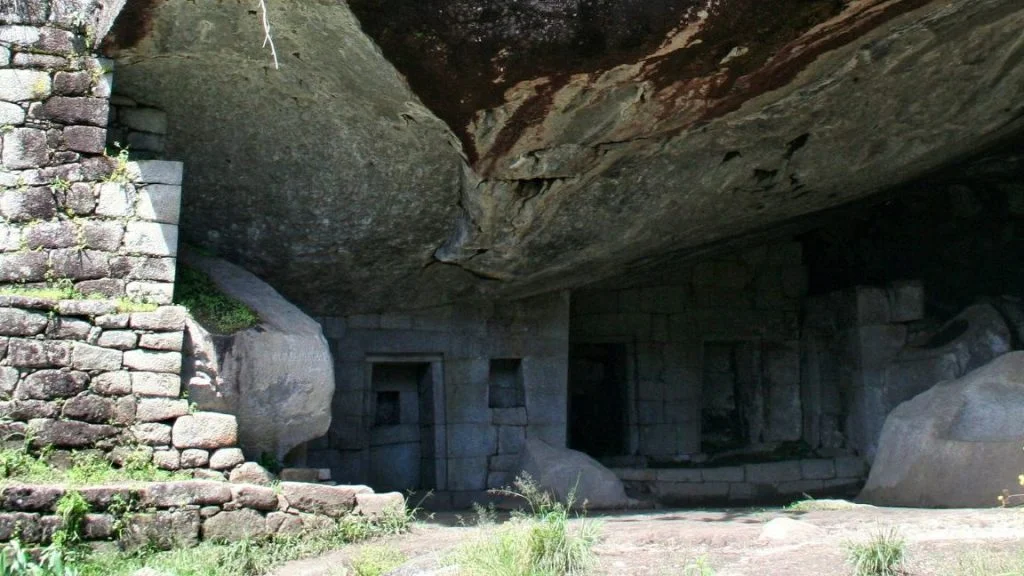
Within Huayna Picchu’s flank is the Temple of the Moon, also called the Great Cavern. This ceremonial cave contains finely carved stonework and trapezoidal niches that reflect Inca cosmology. The temple may have been used for offerings to lunar deities or as a burial site for mummies. Its original name is unknown; Hiram Bingham dubbed it the Temple of the Moon after his expeditions in the early 20th century.
Spiritual Beliefs and Sacred Geography
Mountains, or apus, were sacred to the Incas. They believed apus were living beings that mediated between the heavens, the earth, and the underworld. The Inca Rail blog explains that Huayna Picchu was likely viewed as a link between the earthly realm and the divine.
Rituals may have been performed to honour deities associated with the sun, moon, and earth, reflecting the mountain’s spiritual significance. The placement of terraces, temple, and trails embodies the Inca concept of sacred geography-the idea that natural features and human constructions form a harmonious cosmological map.
Rediscovery and Preservation
After the Spanish conquest in the 16th century, Machu Picchu and Huayna Picchu fell into obscurity. When Hiram Bingham led explorers and local Quechua farmers to the ruins in 1911, he documented the site but initially focused on the main citadel. Huayna Picchu received little attention until later excavations uncovered terraces, stairways, and the Temple of the Moon.
Over the past century, Peruvian authorities and international organisations have undertaken restoration and conservation work. Today, Huayna Picchu is part of the Historic Sanctuary of Machu Picchu, a UNESCO World Heritage site. The number of daily visitors is limited to protect fragile ecosystems and stonework. Travellers should avoid touching ruins and follow leave‑no‑trace principles to aid preservation.
Comparing Huayna Picchu to Machu Picchu Mountain and Huchuy Picchu
Selecting the right hike at Machu Picchu depends on your fitness, time, and desire for views. Below is a comparison of the three main mountains within the sanctuary: Huayna Picchu, Machu Picchu Mountain (Montaña), and Huchuy Picchu. Note that all require separate tickets and designated entry times.
Comparison Table
| Feature | Huayna Picchu | Machu Picchu Mountain | Huchuy Picchu |
| Altitude | ~2 693–2 720 m | ~3 050 m | ~2 497 m |
| Elevation gain | ~300 m above Machu Picchu | ~600 m | ~107 m |
| Trail length (round trip) | 2 km short route; 5 km long route to Temple of the Moon | ~3–4 km | ~1 km |
| Duration (round trip) | 2 hours for the short route; 3 hours via the Temple of the Moon | ~3–4 hours | 40–60 minutes |
| Difficulty | Challenging: steep, narrow steps and vertigo; age limit ≥ 12 | Moderate: long but less steep; suitable for most active travelers | Easy: gentle slope; ideal for families and those with limited time |
| Visitor limit | ~350 per day (two slots of 175 online + 25 in‑person); some sources note four groups of 50 | ~400 per day (two slots) | ~200 per day |
| Notable views | Close‑up aerial view of Machu Picchu; Urubamba River; ability to see people on terraces below | Panoramic 360° view of mountains and citadel; less vertigo; open summit | Gentle perspective over Machu Picchu; good introduction for those nervous about heights |
| Best for | Adventurous travelers seeking adrenaline and unique perspectives; those comfortable with steep climbs | Photographers wanting expansive panoramas, hikers who prefer longer but less steep trails | Families, seniors, and visitors with limited time or a fear of heights |
Decision Matrix
- Choose Huayna Picchu if: you are physically fit, enjoy steep climbs, and want an adrenaline‑fueled experience with a bird’s‑eye view of Machu Picchu. This hike is ideal for those seeking adventure and who have secured tickets months in advance.
- Choose Machu Picchu Mountain if: you prefer a moderate hike with broader vistas of the surrounding landscape, can handle 3–4 hours of walking, and want to avoid narrow drop‑offs. This option is great for photographers and those who couldn’t obtain Huayna Picchu tickets.
- Choose Huchuy Picchu if: you have limited time, are traveling with children or seniors, or are nervous about heights. The path is short and relatively easy, but still offers nice views of the citadel.
Remember that you cannot hike all three in one day because of the circuit system; choose the one that best suits your priorities and physical condition.
Planning Your Trip-Tickets & New Circuits
Understanding Circuit 3 and Sub‑Routes
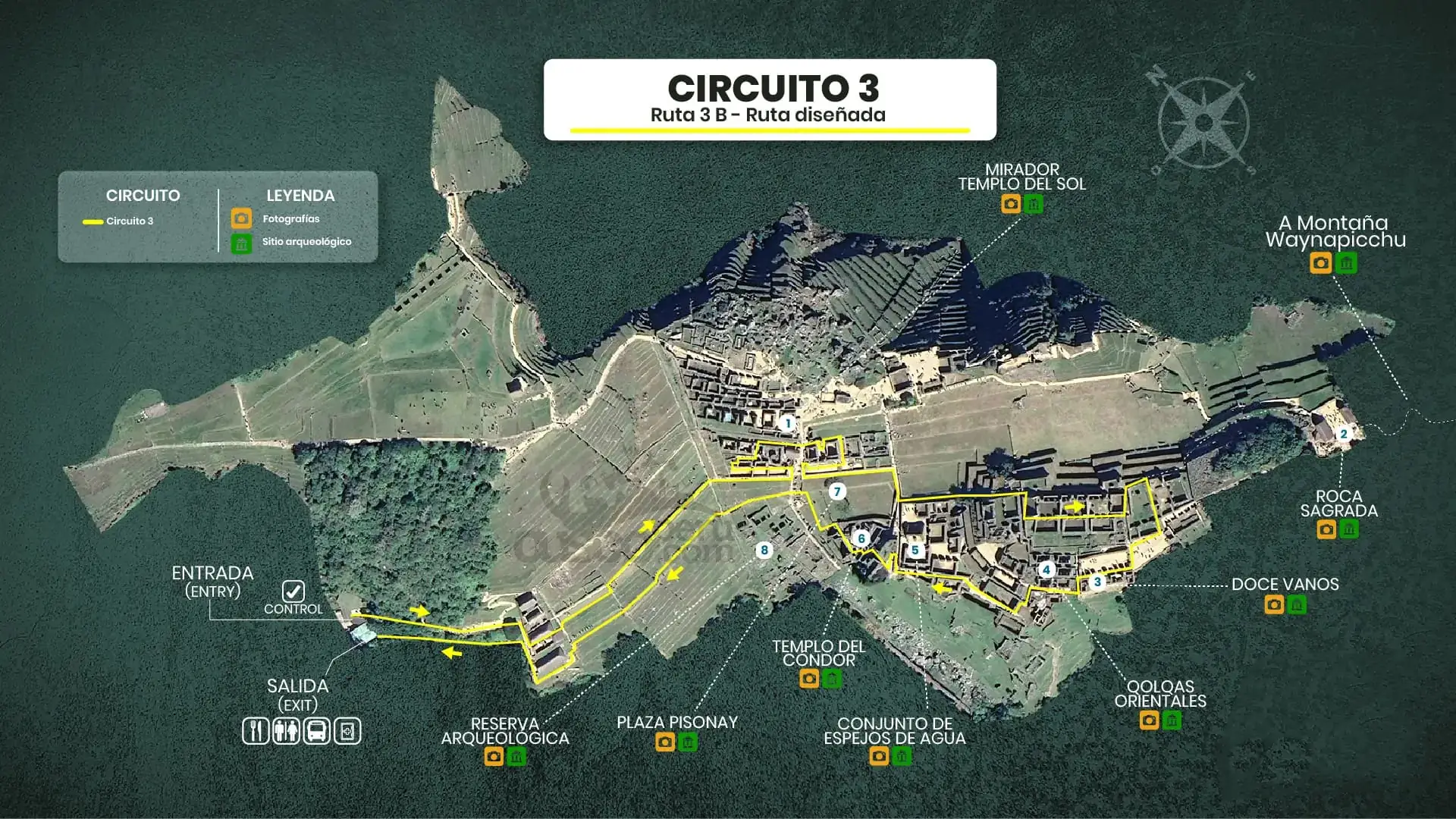
Since 2024, Machu Picchu has implemented a system of numbered circuits to disperse visitors and protect the ruins. Circuit 3-Machu Picchu Royalty leads through the lower sector of the citadel before ascending a mountain. To climb Huayna Picchu, you must book Route 3‑A (Huayna Picchu Mountain).
An alternative Route 3‑B includes the long path to the Great Cavern and Temple of the Moon, while Route 3‑C is for Huchuy Picchu. Each ticket includes entry to Circuit 3 and one mountain. Once inside, visitors must follow the designated path, though there is some flexibility to stop at viewpoints and rest.
Daily Quota & Entry Slots
Huayna Picchu’s fragile environment necessitates strict limits on visitors. The latest guidance notes two entry slots:
- Slot 1 (7:00–8:00 am): Visitors enter Machu Picchu at 7:00 am and must reach the Huayna Picchu checkpoint (near the Sacred Rock) by 8:00 am. This slot is ideal for travelers staying overnight in Aguas Calientes because it requires early buses or a pre‑dawn hike from town. Each day, about 175 tickets are sold online for this slot, plus 25 in‑person tickets at the Cultural Directorate office in Cusco.
- Slot 2 (9:00–10:00 am): Visitors enter Machu Picchu at 9:00 am and must be at the Huayna Picchu checkpoint by 10:00 am. This later slot gives you more time to explore the citadel before the climb and is popular with those arriving from long treks like the Inca Trail or Salkantay Trek. Ticket numbers are similar to Slot 1.
PeruRail lists four groups of 50 people (200 total) entering between 7:00 and 11:00 am. This discrepancy reflects differences in how agencies categorize slots; some sources still mention four groups while official guidelines emphasise two broader time windows. Regardless of the grouping, the total quota remains around 350 people per day, which includes online and in‑person sales.
Age & Health Requirements
Children younger than 12 are not permitted to climb Huayna Picchu. There is no upper age limit, but the climb is strenuous and not recommended for people with serious heart conditions, severe vertigo, or balance issues. Pregnant travelers should consult their doctor. The trail is often slippery when wet; proper footwear and caution are essential. A moderate level of fitness is required; you should be able to climb steep stairs for at least an hour without excessive strain.
How to Buy Tickets
- Plan ahead: Tickets sell out months in advance during the dry season (June–August). Aim to purchase 3–4 months ahead for popular dates, especially if you need multiple spots.
- Official purchase: The Peruvian Ministry of Culture sells tickets through its website or through authorized agencies. The online platform may have limitations with foreign credit cards; using an approved reseller or travel agency can simplify payment.
- Physical offices: A limited number of tickets are sold at the Dirección Desconcentrada de Cultura in Cusco and sometimes in Aguas Calientes. Arrive early and bring passports; expect long queues. These in‑person allocations (25 per slot) are often the only hope for last‑minute travelers.
- Ticket combinations: Choose Circuit 3 + Huayna Picchu (Route 3‑A) when booking. Tickets to the Temple of the Moon require Route 3‑B and are only available in the dry season (approx. June–November). Tickets cannot be transferred or resold.
- Prices: Expect to pay around 200 PEN (about US$50–60) for adults and 118 PEN for students/children, although rates change annually; confirm current prices on official channels.
Guided vs Self‑Guided
A certified guide is mandatory for touring the Machu Picchu citadel, but the Huayna Picchu climb itself may be done independently. Hiring a guide for the mountain, however, offers several benefits: they manage timing, provide historical interpretation, ensure safety on narrow sections, and can point out plants and birds you might miss. By booking through an ethical operator like Alpaca Expeditions, you also support local employment and responsible tourism. Group sizes are small, typically 2–8 people, which allows for a more intimate experience.
Entry Logistics: Getting There
- Travel to Cusco: Fly from Lima or other cities; international visitors often arrive via Lima. Spend at least 2–3 nights acclimatizing before going to Machu Picchu.
- Cusco to Ollantaytambo or Poroy: Trains to Aguas Calientes depart from either Poroy station (about 25 minutes outside Cusco) or Ollantaytambo in the Sacred Valley (1.5–2 hours by road from Cusco). Most travelers take a taxi or shuttle to Ollantaytambo for the fastest train ride (1 hour 45 minutes to 2 hours). Alternatively, the PeruRail bimodal service combines a bus from Cusco to Ollantaytambo and a train to Aguas Calientes.
- Train to Aguas Calientes: PeruRail and IncaRail operate several daily services; each ride through the Urubamba valley with large windows for scenery. Trains can fill up weeks in advance in high season. Bring printed tickets and passports.
- Aguas Calientes (Machu Picchu Town): This small town has hotels, restaurants, shops and thermal baths. Most visitors stay here the night before the hike to catch early buses.
- Bus or Hike to Machu Picchu Entrance: From Aguas Calientes, choose between a 20–30 minute bus ride up the Hiram Bingham road or a 1–1.5 hour stair climb along the same route. Buses operate from around 5:30 am until midafternoon; purchase tickets in advance at the bus station. Hiking is free but strenuous and not recommended before climbing Huayna Picchu due to energy conservation.
- Machu Picchu to Huayna Picchu Checkpoint: Once inside the citadel on Circuit 3, follow signs to the Sacred Rock. A checkpoint ranger will verify your ticket and passport and allow entry to the mountain during your slot.
What Happens if You Miss Your Slot?
The Cultural Directorate usually provides a 45‑minute grace period after your slot starts. If you arrive beyond this, rangers may deny entry. Because slots are strictly controlled, you cannot join a later group without a new ticket. Arriving early in Aguas Calientes and taking one of the first buses reduces the risk of missing your window.
Weather & Best Time to Visit
Machu Picchu sits in a subtropical highland climate, where conditions change quickly due to altitude and proximity to the Amazon Basin. Huayna Picchu’s microclimate is similar but slightly cooler at the summit. Understanding seasonal patterns helps you choose the right time for your trip.
Dry Season (May–September)
The dry season offers the best weather for hiking. Days are generally sunny with temperatures between 18–25 °C (64–77 °F). Nights can drop to 5 °C or lower, so bring layers. Rainfall is minimal, though occasional showers still occur. The dry season coincides with peak tourism, especially from June to August when North American and European travelers vacation. Tickets and accommodation sell out quickly, but the clear skies provide stellar views.
Transitional Months (April and October)
April and October mark transitions between dry and wet seasons. Weather is unpredictable: you might experience clear mornings followed by afternoon showers. Crowds thin out compared to peak months. Wildflowers bloom in April, while October features lush green vegetation after the dry months. These months are a compromise between weather reliability and crowd size.
Wet Season (November–March)
During the wet season, rain is frequent and the humidity is high. Temperatures remain warm (15–23 °C), but morning fog and afternoon downpours are common. Trails become muddy and slippery; caution is required. However, fewer tourists visit, making it easier to obtain tickets and enjoy quieter trails. Photographers love the dramatic clouds and saturated greenery. December through February may see temporary trail closures due to heavy rain or landslides; confirm with authorities. The Temple of the Moon route (3‑B) is usually closed in the wet season.
Morning vs Late Slot
Choosing your entry slot depends on personal preference:
- Early Slot (7–8 am): Cool temperatures, mystical mists swirling around the peaks, and the thrill of seeing Machu Picchu gradually reveal itself. However, fog may obscure views, and the trail can be damp. You must wake up very early and catch the first bus.
- Late Slot (9–10 am): Warmer, clearer conditions and more time to explore the citadel before the climb. Light is better for photographs, and the summit may be less crowded because earlier groups have descended. However, midday sun can be intense, and there’s less flexibility if delays occur.
Regardless of the slot, carry rain gear and wear layers. Weather can change rapidly and being prepared for rain, sun, and wind is essential.
Preparing for the Huayna Picchu Hike
Huayna Picchu’s appeal lies in its challenge. With about 750 stone steps carved into the mountain and sections ascending at 60° inclines, the trail demands physical and mental readiness. Proper preparation reduces risk and enhances enjoyment.
Acclimatization & Altitude Awareness
Machu Picchu sits at 2,430 m, below the threshold where most travellers experience moderate altitude sickness. Huayna Picchu rises to 2,720 m, crossing the 2,500 m line where symptoms can emerge. Although the elevation gain is modest compared to treks like the Inca Trail (4,200 m passes), unacclimatized visitors may still suffer headaches, shortness of breath, nausea, or dizziness. Follow these guidelines:
- Spend 2–3 days in Cusco (3,400 m) or the Sacred Valley (2,800 m) before visiting Machu Picchu. Walk slowly, avoid strenuous activity at first, and drink plenty of water.
- Avoid alcohol and heavy meals during acclimatization; choose light, nutritious foods.
- Try coca tea or coca leaves, traditional Andean remedies believed to alleviate altitude symptoms. Drink in moderation as caffeine and coca can act as stimulants.
- Consult your doctor about medications like acetazolamide (Diamox) if you are prone to altitude sickness.
- Recognise symptoms early and descend if severe. There is no shame in turning around; health comes first.
Physical Training
Inca Rail suggests specific exercises to prepare for the climb:
- Cardio conditioning: Begin a routine 6–8 weeks before your trip. Jogging, cycling, or using a stair climber 3–4 times per week builds stamina. Aim to maintain a moderate pace for 30–60 minutes.
- Leg strength: Do squats, lunges, and step‑ups to strengthen quadriceps, hamstrings, and glutes. Strong legs reduce fatigue on steep steps.
- Core & balance: Practise yoga, pilates, or balance exercises to improve stability on narrow ledges.
- Hiking with weight: Take local hikes carrying a backpack similar to what you will bring on the day. These conditions help your muscles and help identify gear adjustments.
- Mental preparation: If you are wary of heights, gradually expose yourself to high places at home-observation decks, footbridges, or climbing gyms. Practise breathing techniques to calm nerves. Visualize success and focus on each step rather than the drop.
Age Considerations
While there is no upper age limit, older adults should consult doctors and honestly assess fitness. Many seniors climb Huayna Picchu successfully, but you should be comfortable with steep stairs, uneven surfaces, and heights.
Children under 12 are prohibited due to safety concerns. Teenagers should be physically fit and under adult supervision. For families with younger children, consider Huchuy Picchu or the easy walks inside the citadel.
Health & Documentation
- Travel insurance: Ensure coverage for trekking and high‑altitude activities. Emergency evacuation insurance is prudent, as rescue helicopters cannot land on Huayna Picchu; evacuees must be carried down.
- Passports and tickets: Bring your passport; rangers will check it against your name on the ticket. A digital ticket on your phone or a printed copy is required; print as backup in case of battery issues.
- Vaccinations: Standard travel immunizations for Peru include hepatitis A and B, typhoid, and tetanus. Machu Picchu is in a malaria‑free zone, but if you continue to the Amazon basin, consider antimalarial prophylaxis.
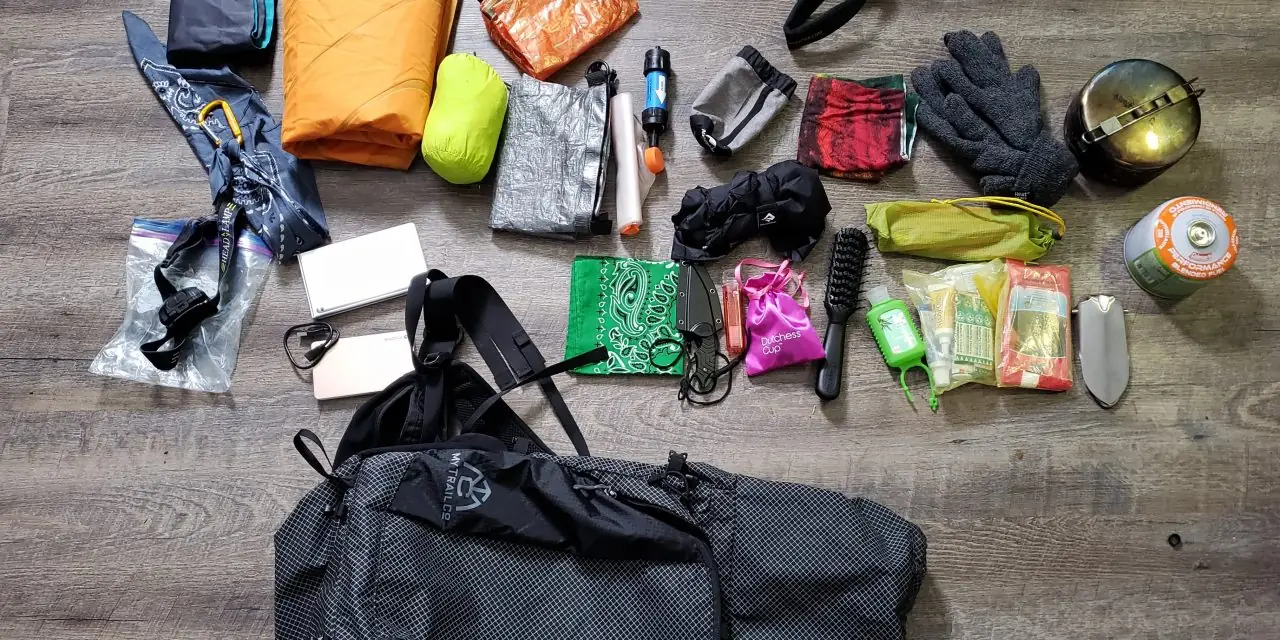
Gear & Packing List
A well‑packed daypack ensures comfort and safety on Huayna Picchu. Use the following checklist to prepare; adjust based on weather and personal needs.
Clothing
- Base layers: Moisture‑wicking T‑shirt or long‑sleeved top; avoid cotton, which retains sweat and chills you.
- Mid‑layer: Light fleece or soft‑shell jacket for warmth.
- Outer layer: Waterproof and windproof jacket or poncho. Even in dry season, showers can occur unexpectedly.
- Pants: Quick‑dry hiking trousers or leggings; convertible pants that zip off into shorts are useful in variable weather.
- Hat and gloves: Sun hat for daytime; beanie and gloves for early mornings or cooler months.
- Footwear: Sturdy hiking shoes or trail runners with good grip. Break them in before the trip to avoid blisters.
- Socks: Moisture‑wicking hiking socks; consider bringing a spare pair.
Equipment
- Daypack: Must be ≤ 40 × 35 × 20 cm to enter Machu Picchu. Choose one with padded straps and a hip belt for weight distribution.
- Water: Carry at least 1–2 litres. Refillable bottles or hydration bladders minimize plastic waste. Drinking water is not available on the trail.
- Snacks: High‑energy items like nuts, granola bars, dried fruit and chocolate. Eating is technically not permitted inside the citadel; discreet snacks on the trail are usually tolerated, but pack out all wrappers.
- Sunscreen & lip balm: UV rays are strong at altitude; reapply regularly.
- Insect repellent: Mosquitoes may be present, especially near vegetation and during the wet season.
- Sunglasses: Protect your eyes from glare.
- Camera or smartphone: Bring an extra battery or power bank; there are no charging points.
- Rain gear: Lightweight poncho or rain jacket; optional rain cover for backpack.
- Headlamp or flashlight: Useful for early morning hikes and exploring caves; ensures safe descent if delayed.
- First‑aid kit: Include plasters, blister pads, pain relievers, rehydration salts, personal medications, and altitude pills.
- Trekking poles: Poles provide stability but may be restricted; if allowed, they must have rubber tips. Consider leaving them with your guide when ascending steep sections.
- Plastic bag: For trash or wet clothing.
Documents & Money
- Passport and ticket (as mentioned above).
- Bus ticket from Aguas Calientes to Machu Picchu if you’re taking the bus.
- Cash: Small denominations of Peruvian soles for toilets, snacks, souvenirs, or tipping guides and porters. ATMs are available in Cusco and Aguas Calientes, but they may run out of cash during peak season.
- Insurance details and emergency contacts are printed and stored in a dry bag.
Printable Packing Checklist
| Item | Quantity | Notes |
| Passport & ticket | 1 each | Keep it accessible in a waterproof pouch |
| Daypack (≤ 40 × 35 × 20 cm) | 1 | Comfortable straps, rain cover |
| Water (litres) | 2 L | Hydration bladder or two bottles |
| Snacks | 3–4 bars or packs | High energy, lightweight |
| Sunscreen & lip balm | 1 each | SPF 30 or higher |
| Insect repellent | 1 | Deet‑based or natural |
| Sun hat & warm hat | 1 each | Protection against the sun and cold |
| Rain jacket/poncho | 1 | Waterproof |
| Light fleece/insulating layer | 1 | For cooler mornings |
| Hiking pants | 1 | Quick‑dry material |
| T‑shirt/long‑sleeved base | 1–2 | Moisture‑wicking |
| Hiking shoes | 1 pair | With good tread |
| Extra socks | 1 pair | Prevent blisters |
| Headlamp/flashlight | 1 | With spare batteries |
| Camera/phone & power bank | 1 | Keep the battery warm in cold weather |
| First‑aid kit | 1 | Include personal meds |
| Trekking poles (rubber tips) | Optional | Check regulations |
| Cash (soles) | 100–200 PEN | Small bills for tips and toilets |
| Plastic bag/reusable bag | 1 | Pack out trash |
Print this checklist and tick items as you pack to avoid last‑minute stress.
On the Trail-What to Expect
Starting Point
After passing through the main entrance of Machu Picchu on Circuit 3, you’ll walk past terraces and temples to reach the Sacred Rock. This granite monolith served ceremonial functions and marks the start of the Huayna Picchu trail. Rangers at the checkpoint will verify your passport and ticket and record your entry time. You cannot re‑enter once you exit.
Trail Description
Initial Section
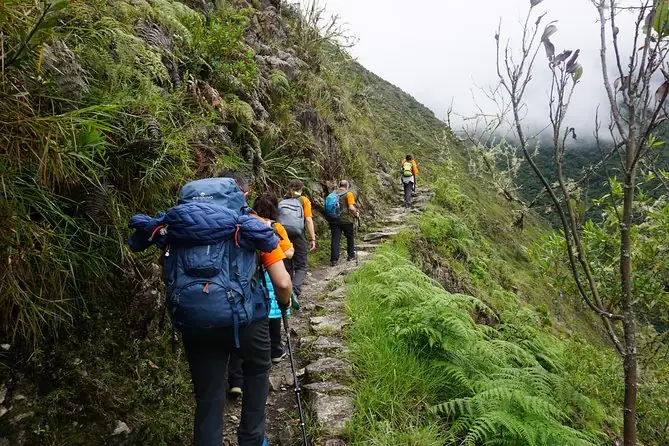
The first segment of the trail is a gentle slope shared with hikers heading to Huchuy Picchu. The path is well‑defined and shaded by lush foliage. After a short walk, you arrive at a junction; the right fork climbs toward Huayna Picchu. A sign indicates the long route to the Great Cavern/Temple of the Moon and the short route to the summit.
Inca Steps and Rest Platforms
From the junction, the trail quickly steepens. Stone steps carved centuries ago ascend through the jungle. Many steps are uneven in height and width; use handholds and take your time. The humidity can make stones slippery, especially in the wet season. Rest platforms appear periodically, offering panoramic views of Machu Picchu’s agricultural terraces and the Urubamba River. These platforms are perfect for catching your breath and taking photos.
The Stairs of Death
As you near the summit, you encounter the infamous “Stairs of Death.” Despite the dramatic name, these steps are not as dangerous as social media suggests. They are steep and narrow, with a significant drop on one side, but safety cables and natural barriers mitigate risk. Climb using both hands and feet in some sections. Experienced hikers note that going up feels easier than descending because you can lean into the wall and focus on steps. When descending, face the rock and descend crab‑style to maintain stability. Rangers monitor the area and will close the trail during heavy rain.
Narrow Tunnel
Just before the summit, you crawl through a short tunnel carved through rock. Remove your backpack and crouch to pass; this is not for the claustrophobic. On the other side, a short ladder or step leads to the summit terrace.
Summit Experience
The summit of Huayna Picchu is a small, rocky platform with stone walls and terraces. Only a limited number of people can stand comfortably; rangers control crowding to maintain safety. From here, you enjoy 360‑degree views: Machu Picchu spreads out below; the serpentine Urubamba River glistens 400 m beneath; snow‑capped peaks of the Cordillera Vilcabamba rise in the distance.
Watch trains arrive at Aguas Calientes like miniature toys. On clear days, you might see the Temple of the Sun and other citadel structures from a unique angle. Birds, including Andean hawks and hummingbirds, soar overhead.
Take time to explore the small stone structures near the summit. They may have been guardhouses or ritual platforms. Remember to respect boundaries and not to climb on walls. The wind can be strong; secure your hat and small items. After soaking in the views and capturing photographs, begin your descent following the signposted route.
Descent Options
- Return via Short Route: Most hikers descend the same way they ascended. Going down the Stairs of Death feels more intimidating because you face the drop; move slowly, use handholds, and allow faster hikers to pass. Descending takes roughly 40 minutes to 1 hour, depending on traffic and fitness.
- Long Route to the Temple of the Moon (Great Cavern): At the summit, a sign points to the Great Cavern. This path continues along the ridge before descending steeply on the opposite side of Huayna Picchu. The stone steps here are narrow and often damp. After about 45 minutes, you reach the Temple of the Moon-a cave with carved niches and a stone throne.Spend 10–15 minutes exploring, then continue along a winding path through dense forest, eventually rejoining the main trail near the start. Total time for the long route is around 3 hours round‑trip. This route is less trafficked and provides a sense of isolation. It is only open in the dry season and requires an early start to complete before closure times.
Trail Etiquette and Safety
- Stay on the path: Straying from the trail damages vegetation and increases erosion. Respect closed areas.
- Yield to faster hikers: If someone behind you wants to pass, step aside at safe spots.
- Pack out all trash: Bring a small bag for waste. There are no bins on the trail.
- No loud music: Enjoy the sounds of nature and respect others seeking tranquility.
- Watch your step: Stone steps can be slippery; use handrails where available.
- Be mindful of time: Rangers enforce exit times. Plan your ascent and descent to leave the mountain by your ticket’s allotted time.
Exploring the Temple of the Moon
The Temple of the Moon, or Great Cavern, sits on the northern face of Huayna Picchu at roughly 2,667 m. Unlike the summit, which is exposed and airy, the Temple of the Moon is hidden inside a natural cave.
Finely shaped stones and trapezoidal niches line the walls. A stone throne carved from bedrock suggests it may have been used for ceremonial or mummification purposes. The temple’s original name and function remain mysteries; some theories propose it was dedicated to lunar worship or served as a retreat for priests.
Access and Regulations
Only those with tickets for Route 3‑B or 3‑C (Temple of the Moon/Huchuy Picchu) can visit the Great Cavern. This route is typically open from June to November; heavy rains and landslides in the wet season make it unsafe.
Plan for at least 3 hours to complete the loop, and start early to avoid being rushed by closing times. Because the path is steep and narrow, it is recommended only for experienced hikers who are comfortable with heights.
Experience and Atmosphere
Inside the cave, the air is cool and damp. Sunlight filters through gaps, casting eerie shadows on the stonework. Moss and ferns cling to the walls, and the quiet is almost absolute.
Standing before the carved throne, you can imagine priests performing rituals or placing sacred objects within the niches. Please do not touch the stone carvings or leave offerings; respectful silence allows all visitors to feel the temple’s atmosphere.
On leaving the cave, the trail continues through thick vegetation. You may hear birds calling or see colourful insects fluttering around orchids. Eventually, you climb back towards the junction with the main trail, completing the circuit.
Flora & Fauna of Huayna Picchu
Huayna Picchu’s slopes support a diverse cloud‑forest ecosystem. The high humidity and variation in sunlight create niches for thousands of species. During your climb, look for:
Plants
- Orchids: Peru is home to over 3,000 orchid species, and many grow along the Huayna Picchu trail. Bright fuchsia, orange, and white blooms cling to mossy trunks. They often flower after rain.
- Bromeliads and epiphytes: These plants anchor themselves on trees and rocks, absorbing moisture from the air. Some produce red or yellow pineapple‑like flowers.
- Ferns and mosses: Lush carpets of ferns cover shaded rocks, while moss drips from tree branches. This greenery helps retain moisture and prevent erosion.
- Lichens and liverworts: On damp stones, you may notice crusty, colourful lichens-a partnership between fungi and algae.
Animals
- Vizcachas: These rabbit‑like rodents hop around rock ledges. They are shy but sometimes sit still long enough for photographs.
- Birds: Watch for hummingbirds hovering near flowers, Andean cock‑of‑the‑rock with bright orange plumage (Peru’s national bird), tanagers, and hawks circling overhead.
- Spectacled bears: Very rarely, trekkers spot the elusive Andean bear. They usually stay deeper in the cloud forest, but fresh scat or claw marks on trees may indicate their presence.
- Butterflies and insects: Colourful morpho butterflies flash iridescent blue; beetles and ants cross the path. Avoid stepping on them.
Respect wildlife by observing from a distance, not feeding animals, and staying quiet. Sightings are never guaranteed, but the chance of encountering these creatures makes the hike all the more special.
Safety & Risk Management
Understanding the Risks
Despite its nickname, Huayna Picchu is not inherently dangerous when approached responsibly. However, you must prepare for:
- Steep and narrow steps: Some sections tilt up to 60 degrees. The steps vary in height and width, requiring constant attention.
- Exposure to heights: Drops of several hundred metres can trigger vertigo. The Stairs of Death are challenging but have safety cables.
- Altitude: At over 2,500 m, some people may experience mild altitude sickness.
- Weather: Rain makes stones slippery; fog reduces visibility; sun exposure can cause dehydration or sunburn.
- Physical exertion: The climb requires aerobic stamina and leg strength. Rapid ascent can lead to exhaustion.
Safety Tips
- Wear proper footwear: Shoes with grip are crucial. Avoid sandals or fashion sneakers.
- Use both hands and feet: When the trail steepens, maintain three points of contact. Safety cables are installed on the most exposed sections.
- Take breaks: Listen to your body; rest at platforms to catch breath and drink water. Overexertion increases the risk of falls.
- Stay hydrated and fuelled: Dehydration exacerbates altitude effects. Sip water regularly and eat energy snacks.
- Avoid risky behaviour: Don’t lean out for selfies or overtake others on narrow stairs. Wait for a safe spot.
- Respect weather conditions: Rangers may close the trail during storms. If rain becomes heavy, consider turning around. Carry a poncho to prevent hypothermia.
- Hike with a partner or group: Solo hikers may enjoy solitude, but having company enhances safety and provides mutual support.
- Carry a basic first‑aid kit: Include blister care, antihistamines, and pain relievers. In case of minor injuries, treat on site; there are no medical facilities on the trail.
- Know your limits: If you experience dizziness, chest pain, or severe headache, descend immediately and seek help.
Emergency Procedures
There are no evacuation helicopters or cable cars on Huayna Picchu. Rangers stationed at the checkpoint carry radios and can call for assistance, but rescue teams must ascend and descend on foot. This process is slow; thus, prevention is paramount. Travel insurance with adventure coverage can reimburse medical evacuation costs if needed. Keep emergency contacts and policy numbers accessible.
Sustainable & Responsible Travel
Huayna Picchu lies within the Machu Picchu Historic Sanctuary, a protected area that balances tourism with conservation. Responsible travel ensures future generations can experience its magic.
Environmental Impacts
Over 1 million tourists visit Machu Picchu annually. Unregulated foot traffic can erode trails, damage vegetation, and disturb wildlife. The limited quota on Huayna Picchu helps mitigate impact, but hikers must do their part:
- Stay on marked trails to prevent erosion and protect fragile plants.
- Do not pick flowers or disturb animals; photography is fine from a distance.
- Carry reusable water bottles and containers to avoid single‑use plastic. Water is available in Aguas Calientes; refill before you go.
- Pack out all waste, including organic waste like fruit peels-they attract animals and alter natural diets.
Supporting Local Communities
Tourism provides significant economic benefits for communities near Machu Picchu. Hiring local guides, staying in family‑owned hotels, and buying crafts directly from artisans channel income into the region. Visiting local markets in Aguas Calientes or Cusco and trying traditional dishes like lomo saltado or ají de gallina supports small businesses.
Cultural Awareness and Preservation
Huayna Picchu is not just a hiking trail; it is a living heritage site. Show respect by:
- Learning a few Quechua greetings-locals appreciate when visitors attempt their language.
- Avoiding loud or disrespectful behaviour in sacred areas.
- Refraining from touching or leaning on ancient walls.
- Not removing stones or artefacts. Penalties for vandalism are severe.
- Following the guidance of licensed guides who interpret Inca cosmology and history.
Porter and Guide Welfare
Many trekkers to Machu Picchu (especially on multi‑day treks like the Inca Trail) rely on porters. These men and women carry equipment and provide essential support. Ethical trekking companies limit the load per porter, provide proper gear, pay fair wages, and ensure insurance coverage. Before booking, ask your operator about porter conditions and choose companies with strong welfare policies. Tipping porters and guides is customary; factor this into your budget.
Conservation Initiatives
The Peruvian government and NGOs are working to manage tourist impact. Visitor limits, designated circuits, and restoration of terraces help protect the site. Research funds support archaeological projects, and part of ticket revenue goes toward conservation. Visitors can donate to preservation programmes or volunteer with local environmental organisations. Advocacy by travellers for responsible tourism encourages policymakers to prioritise sustainability.
Sample Itineraries & Decision Frameworks
1‑Day Self‑Guided Excursion
Morning (5:00–6:30 am)
- Wake up early in Aguas Calientes. Collect pre‑purchased bus tickets (or get in line for purchase if you didn’t buy ahead). The first buses depart around 5:30 am. Eat a light breakfast and bring snacks.
- Board the bus; the ride up the Hiram Bingham road takes 20–30 minutes. Alternatively, if you’re very fit and want to hike up, allocate 1–1.5 hours; remember that this will be in addition to your Huayna Picchu climb, so evaluate energy levels.
Machu Picchu Entry & Citadel Tour (6:30–7:30 am)
- Enter Machu Picchu through Gate 3, following Circuit 3. If you have Slot 1 for Huayna Picchu, you must head straight to the mountain checkpoint. If you have Slot 2, use this time to enjoy highlights such as Pisonay Square, the House of the Guardian, the Sacred Rock, and the Temple of the Three Windows.
Huayna Picchu Climb (7:00–10:00 am)
- Arrive at the checkpoint by your slot start (7:00 am for Slot 1 or 9:00 am for Slot 2). Climb steadily, pausing at viewpoints. Reach the summit, savour the view and descend. If you have time and energy, choose the long route to the Temple of the Moon; ensure you exit the mountain before closing time.
Lunch & Explore (10:00 am–12:30 pm)
- After your climb, finish exploring the citadel on Circuit 3 (if time allows). Exit by 12:30 pm (approximate closing time for some circuits). Eat lunch at the café near the entrance or descend to Aguas Calientes for restaurants.
Afternoon Return (2:00–7:00 pm)
- Spend time in Aguas Calientes: visit thermal baths, shop for handicrafts or relax in a café. Board your pre‑booked train in the afternoon or early evening. Arrive in Cusco or Ollantaytambo by late evening. Expect to be tired but exhilarated.
2‑Day Leisure Trip
If you prefer a more relaxed pace or want to ensure acclimatization, plan a two‑day visit:
Day 1-Arrive in Aguas Calientes: Travel from Cusco to Ollantaytambo by bus or taxi and take the train to Aguas Calientes. Spend the day exploring the town, soaking in hot springs, and visiting the local market. Acclimatize and hydrate. Purchase bus tickets and confirm your Huayna Picchu tickets for the next day. Sleep early.
Day 2-Machu Picchu & Huayna Picchu: Follow the same morning schedule as above; you can choose Slot 1 or Slot 2. Because you slept in town, you’ll be rested and can enjoy the climb without rushing. After descending, return to the citadel or head back to Aguas Calientes for lunch. Board a late afternoon train to Cusco.
4‑Day Classic Inca Trail plus Huayna Picchu
Many hikers combine the Classic Inca Trail with a Huayna Picchu extension. After four days of trekking through mountain passes, cloud forests, and archaeological sites, trekkers arrive at Inti Punku (Sun Gate) at dawn on Day 4. They then descend into Machu Picchu for a guided tour.
Those who add Huayna Picchu must book Route 3‑A for the same day (usually Slot 2). The climb adds 2–3 hours of exertion after a strenuous trek, so plan accordingly. The reward is unmatched-you will have hiked the same stone paths used by Inca messengers and ended your journey atop the young mountain. Because spaces are limited, the Inca Trail plus Huayna Picchu package must be reserved at least 6–8 months in advance.
Decision Frameworks
Choosing Your Entry Slot:
| Consideration | Choose Early Slot (7–8 am) | Choose Late Slot (9–10 am) |
| Overnight in Aguas Calientes | Yes, necessary to catch the first bus | Optional-more relaxed if staying in town |
| Weather preference | Cooler, mystical fog; possibility of cloud cover over Machu Picchu | Generally clearer skies and brighter light |
| Sleep schedule | Very early wake‑up; may be tiring after travel | More sleep; easier on families and late risers |
| Citadel exploration | Visit after the climb | Visit before the climb |
| Photography | Dramatic light and moody atmosphere; fewer people at first | Brighter colors and clearer panoramas; busier paths |
Deciding Between Huayna Picchu, Machu Picchu Mountain & Huchuy Picchu: Use the earlier comparison table and ask:
- Do you prefer steep adrenaline or moderate panoramic views?
- How much time do you have? (2 hrs vs 3–4 hrs vs 1 hr)
- Are you comfortable with heights? If not, choose Huchuy Picchu or Machu Picchu Mountain.
- Are there tickets available for your dates? Huayna Picchu often sells out first.
Frequently Asked Questions (FAQ)
- Is Huayna Picchu worth it? Absolutely. The combination of adventure, history, and panoramic views makes the climb unforgettable. However, it’s not for everyone-if you fear heights or have mobility issues, consider alternatives.
- How difficult is the Huayna Picchu hike? The hike is considered challenging due to steep, narrow steps and exposure. It requires moderate fitness and sure footing. The ascent takes 45–60 minutes and the descent about 40 minutes. Altitude can intensify exertion.
- How long does it take to climb Huayna Picchu? Most hikers complete the round trip in 2 hours for the short route and 3 hours if including the Temple of the Moon.
- What is the altitude of Huayna Picchu? Sources vary between 2,667 m and 2,720 m. The summit rises about 300 m above the Machu Picchu ruins.
- How many steps are on the Huayna Picchu trail? There are roughly 750 stone steps, though counts vary because some steps are small and irregular.
- What are the Huayna Picchu entry times? Two main slots exist: 7:00–8:00 am and 9:00–10:00 am. Some sources still reference four groups of 50 people each between 7:00 and 11:00 am.
- Can children climb Huayna Picchu? No. The minimum age is 12 years. Families with younger children should choose Huchuy Picchu.
- How do I get tickets for Huayna Picchu? Purchase through the Peruvian Ministry of Culture’s website or authorised agencies. Book 3–4 months in advance and select Circuit 3 + Route 3‑A. Limited tickets are sold in person in Cusco.
- How far in advance should I book Huayna Picchu tickets? During the dry season, book 3–4 months ahead. For shoulder seasons, 1–2 months may suffice. Last‑minute spots may be available during the wet season.
- What’s the difference between Huayna Picchu and Machu Picchu Mountain? Huayna Picchu is shorter but much steeper, offering close‑up views of the citadel; Machu Picchu Mountain is longer but less steep, offering panoramic vistas. Choose based on your fitness and preferences.
-
What is the Temple of the Moon?
A cave on Huayna Picchu’s north side contains carved stonework and niches. It may have been used for rituals and mummification. Visiting requires a separate ticket (Route 3‑B) and is possible only in the dry season.
- Are the Stairs of Death dangerous? They are steep and require caution, but are equipped with safety cables. There have been no recorded deaths on the stairs. Focus on footing and use handrails.
- Is Huayna Picchu safe in the rainy season? The trail becomes slippery. Rangers may close it during heavy rain or after landslides. If open, exercise caution and wear waterproof gear. Consider postponing if you lack experience.
- When is the best time of year to hike Huayna Picchu? The dry season (May–September) offers stable weather. April and October provide a balance of fewer crowds and good conditions. The wet season (November–March) sees fewer tourists but more rain.
-
Which entry slot should I choose?
Early slots have cooler temperatures and mystical fog; late slots offer clearer views and more sleep. See the decision table in Section 13 for details.
- Can I bring trekking poles or a drone? Trekking poles are permitted only with rubber tips to protect the stone steps. Drones, tripods, and selfie sticks are prohibited inside Machu Picchu and on Huayna Picchu to protect visitors and ruins.
- What should I pack? See the detailed packing list in Section 7. Essentials include a small daypack, water, snacks, rain gear, sun protection, a camera, a headlamp, and a passport. Pack light and avoid prohibited items.
- How do I get from Cusco to Aguas Calientes? Take a train from Poroy or Ollantaytambo operated by PeruRail or IncaRail. Bimodal bus+train services depart Cusco and connect to trains in Ollantaytambo. Travel time is 3.5–4 hours from Cusco via Poroy or about 2 hours from Ollantaytambo by road plus train.
-
Do I need a guide?
A guide is required for the Machu Picchu citadel, but not for Huayna Picchu. Hiring one for the mountain provides safety and cultural insights and supports local jobs.
- How high is the Temple of the Moon? Around 2,667 m, slightly lower than the summit but still above the citadel.
- What are the flora and fauna on Huayna Picchu? Expect orchids, bromeliads, ferns, vizcachas, hummingbirds, Andean cock‑of‑the‑rock, and occasionally spectacled bears.
- How has Huayna Picchu been preserved since Hiram Bingham’s rediscovery? Restoration and conservation projects have stabilised terraces and stairways. Visitor quotas, designated routes, and closure during adverse weather protect the site. The mountain is part of a UNESCO World Heritage area.
- What is the acclimatization strategy for Huayna Picchu? Spend 2–3 days in Cusco or the Sacred Valley, stay hydrated, avoid alcohol, and engage in light exercise. Consider coca tea and consult doctors about altitude medications.
- Can seniors or people with health issues climb Huayna Picchu? Many active seniors climb successfully, but you should consult a doctor. Those with heart, respiratory, or balance problems should avoid this hike and choose easier options like Huchuy Picchu.
-
What are the Porter welfare and sustainability guidelines? Choose tour companies that limit porter loads, provide proper gear, and pay fair wages. Avoid cheap operators that exploit labour. Support local communities by buying directly from artisans and hiring certified guides.
- Is there a risk of altitude sickness on Huayna Picchu? Yes, though lower than on high mountain passes. Symptoms can occur above 2,500 m. Acclimatize, hydrate, and ascend slowly.
- Can you hike Huayna Picchu without visiting Machu Picchu? No. All Huayna Picchu tickets include entry to Circuit 3 of Machu Picchu. You must follow the designated route through the citadel to reach the mountain.
- What are the new circuits for Machu Picchu (2024–2025)? Machu Picchu uses four circuits (1–4). Huayna Picchu is accessed via Circuit 3, Routes 3‑A and 3‑B. Huchuy Picchu is Route 3‑C. Circuits 1 and 2 cover the upper sectors of the citadel; Circuit 4 is for lower terraces. Consult official maps when booking.
- What happens if I miss my Huayna Picchu slot? There is a 45‑minute grace period. After that, you cannot enter. Tickets are non‑refundable; arrive early.
- Are there toilets on the Huayna Picchu trail? No. Use the restroom at the Machu Picchu entrance before starting the hike. There are toilets near the bus stop; bring small change.
-
Can I climb Huayna Picchu twice in one day?
No. Each ticket allows one climb only. Daily quotas prevent multiple ascents.
- What is the earliest time to start the hike? The first entry slot begins at 7:00 am. You must be at the checkpoint within that hour.
- Should I bring rain gear? Yes. Rain is possible year‑round, especially in the wet season. A lightweight poncho or jacket is essential.
- Will my camera work at high altitude? Yes. Batteries drain faster in cold; keep them warm in your pocket. Drones are prohibited.
- What if I suffer from vertigo? Huayna Picchu may be challenging. You can crawl on sections and focus on the inner wall. Consider Machu Picchu Mountain or Huchuy Picchu as alternatives.
- Are there any additional fees? Besides the entry ticket, you must purchase bus tickets (~24 USD round trip) unless hiking, and pay for the train. The Temple of the Moon route may cost more. Bring cash for toilets and tips.
- When does Huayna Picchu close each day? In general, the last entry is 10 am; all hikers must leave the mountain by 2 pm. Hours may change, so confirm on arrival.
- What is the best viewpoint in Machu Picchu? Many say Huayna Picchu; others prefer the Sun Gate or terraces near the Guard House. Each offers a different angle; choose based on your hike.
- Are there animals on the trail? Yes, you may see vizcachas, birds, and insects. Do not feed them.
- How do I avoid crowds? Visit during shoulder seasons (April–May or September–October), choose the 9 am slot, or travel in the wet season when fewer people climb.
Conclusion
Climbing Huayna Picchu is more than just ticking off a bucket‑list attraction; it is a journey through time, culture, and personal resilience. The young mountain whispers stories of Inca astronomers, priests, and sentries who once trod the same stone steps.
Its steep path challenges your body and mind, while its summit gifts you with views that remain etched in memory. Every visitor, be they a solo adventurer, a couple on a honeymoon, or a group of friends-returns with a story of their own.
To make the most of your experience, plan meticulously. Secure your ticket well ahead of your visit, acclimatize properly, pack thoughtfully, and respect the delicate ecosystem you will enter. Recognise the privilege of standing on sacred ground and honour it by travelling sustainably and supporting local communities.
If you prefer to leave logistics to professionals, Alpaca Expeditions offers expertly guided trips that combine cultural immersion, safety, and environmental stewardship. Our certified guides share personal stories of life in the Andes, ensure proper pacing, and handle the nitty‑gritty of tickets, buses, and trains. We prioritise fair treatment of porters and invest in community projects, so your adventure contributes to lasting benefits.
Whether you climb Huayna Picchu with us or independently, may the young mountain inspire awe, humility, and a deeper connection to Peru’s Andean heart. Start planning today, and let your journey unfold.