




Machu Picchu sits like a jewel in the high Andes, an Inca citadel perched above a lush cloud‑forest valley. To protect this UNESCO World Heritage site the Peruvian government has introduced strict daily limits on the number of visitors and redesigned visiting circuits. Travelers often ask if they can simply buy admission tickets once they reach Aguas Calientes (Machu Picchu Pueblo), and whether doing so guarantees access.
The short answer is that a limited supply of tickets is released in the village each day, but they do not guarantee same‑day entry and are intended as a last‑minute fallback. Responsible, stress‑free visits require understanding the ticket system, planning ahead and, ideally, working with an experienced and ethical tour operator.
This guide unpacks how Machu Picchu’s ticket system works in 2026, explains where and how tickets are sold, examines the risks of relying on in‑person sales in Aguas Calientes, and offers practical advice for luxury travelers, families and first‑time visitors.
It also highlights how booking in advance with a trusted company such as Alpaca Expeditions ensures you get the circuit you want while supporting sustainable tourism.
Understanding the Machu Picchu Ticket System
The 2024–2026 visitation model: circuits, routes and daily quotas
Since 1 June 2024, Machu Picchu operates on a three‑circuit system designed to reduce crowding, protect delicate structures and channel visitors along one‑way paths. Each circuit subdivides into routes that determine which parts of the citadel you see and whether you can include mountain climbs.
- Circuit 1 (Panorámico) – for panoramic viewpoints and high terraces; it includes the Machu Picchu Mountain route (1‑A), Upper Terrace/Guardian’s House (1‑B), Sun Gate (1‑C, high season only) and Inca Bridge (1‑D, high season only).
- Circuit 2 (Clásico) – a balanced circuit that covers most major structures; it has the Designed route (2‑A) and Lower Terrace route (2‑B).
- Circuit 3 (Realeza) – focuses on the lower sector of the citadel and mountain add‑ons; it includes Wayna Picchu climb (3‑A), Designed route (3‑B), Gran Caverna/Temple of the Moon (3‑C) and Huchuy Picchu (3‑D, high season).
Tickets are sold by circuit and route with a timed entry window. Entry slots run hourly from 06:00 to 16:00 with a 30‑minute grace period. High‑season dates (1 January, 2–5 April, 19 June–2 November, and 30–31 December) allow up to 5 600 visitors per day; the rest of the year, the limit is 4 500.
For 2026, the Ministry of Culture allocates 1 000 tickets per day for in‑person sales in Aguas Calientes, with the remainder sold online. Popular circuits (1‑B, 2‑B, and 3‑A) often sell out weeks in advance.
Daily quotas for each circuit and route
The allocation of tickets varies by route and between online and in‑person sales. According to an April 2026 update on Ticket Machu Picchu’s official portal, they release 1,000 tickets each day in Aguas Calientes, divided among the routes as follows:
| Route | Description | Online quota per day | In‑person quota in Aguas Calientes per day |
| 1‑A Machu Picchu Mountain | Panoramic circuit with a strenuous mountain climb | 300 online | 50 |
| 1‑B Upper Terrace | Classic panorama from the Guardian’s House | 850 online | 100 |
| 1‑C Inti Punku (Sun Gate) | High‑season panoramic route to Inti Punku | 130 online (high season only) | 0 (not sold in person) |
| 1‑D Inca Bridge | High‑season route to the Inca Bridge | 80 online (high season only) | 0 (not sold in person) |
| 2‑A Classic Designed | Main structures – the most comprehensive route | 800 online (1 000 high season) | 600 |
| 2‑B Classic Lower Terrace | Main structures with a lower terrace perspective | 400 online (700 high season) | 100 |
| 3‑A Wayna Picchu Mountain | Steep climb to Wayna Picchu summit | 350 online | 50 |
| 3‑B Lower Temples (Realeza) | Lower sector circuit | 800 online (1 100 high season) | 100 |
| 3‑C Temple of the Moon (Gran Caverna) | Cave hike; high season only | 50 online (high season only) | 0 (not sold in person) |
| 3‑D Huchuy Picchu | Short climb; high season | 40 online (high season only) | 0 (not sold in person) |
These figures illustrate why relying on Aguas Calientes tickets is risky: coveted circuits, such as 2‑A or 3‑A, have relatively small quotas (600 and 50 tickets respectively), and they sell out quickly during busy periods. Travellers who arrive late may only find minor routes remaining or may be turned away altogether.
Why the quotas matter
The quotas are part of a broader conservation strategy. Machu Picchu forms part of a protected sanctuary with outstanding natural and cultural value. Visitors follow one‑way flows and must respect time limits to minimize erosion and manage crowds. The government monitors the number of people on each route at any given time.
When online quotas fill, the only remaining tickets are those that people sell in person – and those too divide by route. In peak season or around major Peruvian holidays (Easter, Inti Raymi in late June, Fiestas Patrias in July, school vacations, and Christmas/New Year), demand regularly exceeds supply, creating long lines and forcing travelers to wait several days.
How to Buy Machu Picchu Tickets
Buying tickets online
The official platform – All online tickets are sold through Peru’s Tu Boleto portal. You create an account, choose Llaqta Machu Picchu, select a circuit, entry date, and time, and pay by credit or debit card. We email tickets to you; you must print or download them and present the same passport used for the purchase.
Online sales open several months in advance; Ticket Machu Picchu recommends booking at least one month ahead and up to three months for popular circuits. During high season (19 June–2 November), a reservation two to three months in advance is advisable.
Benefits of booking online:
- Guaranteed entry and circuit choice. You select your preferred route and time, so you know exactly what you will see.
- Flexibility to plan trains and hotels around your ticket. By confirming your slot first, you avoid the classic mistake of booking transport and accommodation before securing entry.
- No queuing in Aguas Calientes. You bypass the 6 a.m. ticket office line and can enjoy your morning rest or sunrise from the citadel.
- Opportunity to secure mountain add‑ons. Limited permits for Wayna Picchu and Machu Picchu Mountain usually sell out online; vendors rarely make them available in person.
Buying tickets in person in Cusco
If online tickets are gone or you prefer an in‑person transaction, you can buy tickets at two offices in Cusco: 324 Maruri Street and Garcilaso Street s/n. These offices sell tickets for future dates based on remaining online availability. However, they face the same supply constraints, so finding popular circuits without advanced reservation is unlikely.
Buying tickets in Aguas Calientes
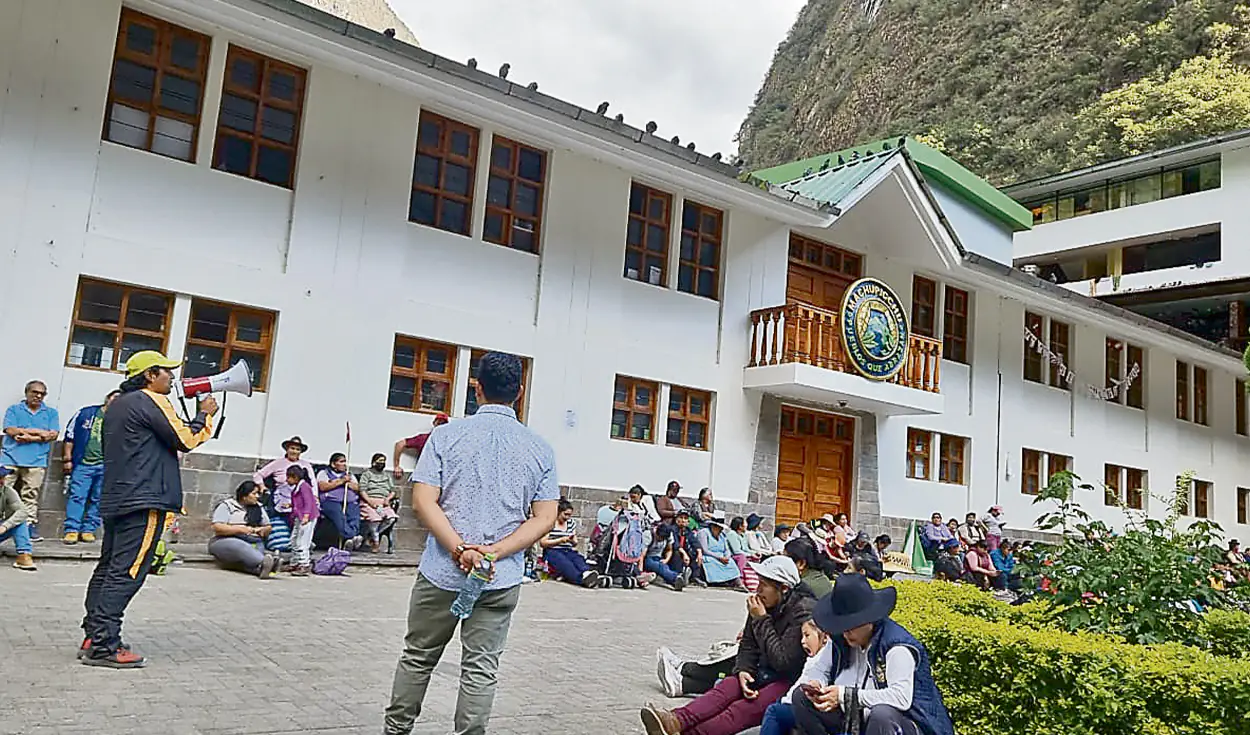
The final option -often misunderstood -is to buy your ticket in person in Machu Picchu Pueblo (Aguas Calientes). The Ministry of Culture’s cultural center on Pachacutec Avenue, near the main square, opens at 6 a.m. and sells 1 000 tickets each day. Here is how it works and what you should know:
- Arrive a day (or more) before you plan to visit. Tickets sold in Aguas Calientes are usually for the next day, not for immediate entry. During busy periods even next‑day slots may already be gone, so you might need to wait two or three days.
- Go to the ticket office early. The office opens at 6 a.m., but locals and travelers start queuing much earlier to secure a spot. Those staying overnight in Aguas Calientes have an advantage because trains from Cusco and Ollantaytambo arrive after the office opens.
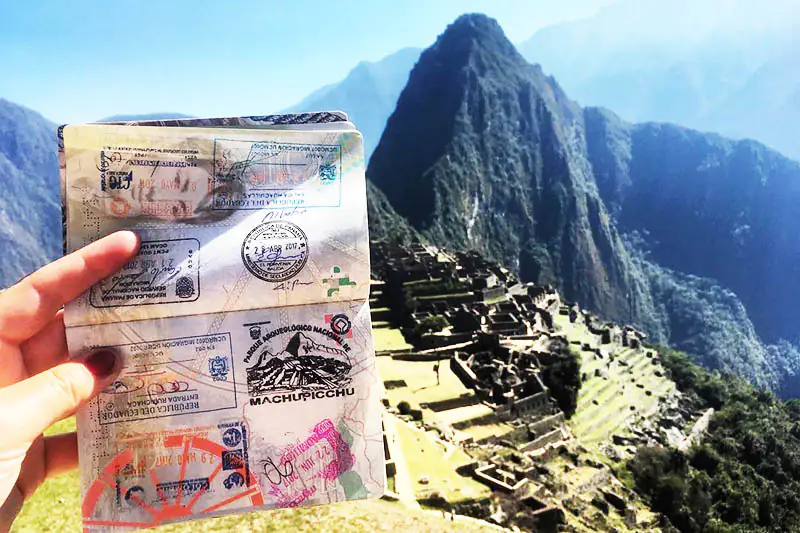
- Bring your passport and cash. Everyone in your group must be present to purchase tickets; you cannot send someone else. Officials sometimes conduct head counts in the queue. You must make the payment in Peruvian soles – cards do not always get accepted, and the ATM machines in the village can run out of cash.
-
Expect limited circuit choice.
Popular routes (2‑A and 3‑A) often sell out first. If those are gone, you may have to choose a less desirable circuit or pay extra for a mountain add‑on such as Huayna Picchu (3‑A).
- Prepare to queue more than once. A detailed guide by Pariwana hostels notes that the in‑person purchase is typically a two‑step process: you queue to obtain your ticket for the next day, then return to the site the following day for your visit. Travelers with tight schedules can be caught out by this 24‑hour delay.
- Allow for extra nights in town. During peak demand (Easter, school holidays, Inti Raymi, Fiestas Patrias and Christmas), smart travelers build two or three days of buffer. Without that flexibility you could miss your visit or incur costly last‑minute changes to trains and hotels.
- Accept that availability isn’t guaranteed. The official Adios Adventure Travel blog notes that while people who wait a few days usually obtain tickets eventually, no one can guarantee entry on the day you want. In August 2025, demand was so high that people queued for days, hotels were overbooked and some visitors had to hike out to the nearest road to leave the village.
Comparing online versus in‑person purchases
Ticket Machu Picchu summarises the differences between online and in‑person purchases:
- Where to buy: Online purchases can be made from anywhere in the world; in‑person purchases are at the designated offices in Cusco or the cultural center in Aguas Calientes.
- Price: The ticket price is the same for online and in‑person sales.
- Availability: Online sales offer 4 500 tickets per day (in high season, 5 600), while in‑person sales in Aguas Calientes offer only 1 000 tickets.
- Advance purchase window: Online tickets should be bought at least one month in advance; in‑person tickets must be purchased the day before your visit.
- Required documents: Online purchases require a digital copy of your ID or passport; in‑person sales require you to present the physical document.
- Advantages: Online purchases secure your preferred route and schedule from the comfort of your home. In‑person sales are a last resort for travelers who cannot find online availability.
In summary, buying online is the safe, predictable option; buying in Aguas Calientes is a backup strategy that demands flexibility, extra time, and a willingness to accept whatever circuit remains.
Is Availability Guaranteed in Aguas Calientes?
No. Availability in Aguas Calientes is never guaranteed. The limited quota of 1 000 tickets is shared among all travelers who queue each morning, and demand spikes around public holidays and mid‑year vacations.
Adios Adventure Travel cautions that during high‑demand periods, lines can exceed 1 000 people, and you may need to wait several days. Pariwana’s guide stresses that in‑person tickets are almost always for the following day, not the same day, and warns travelers to arrive with one to three days of buffer.
Even outside peak season, popular circuits can sell out before you reach the front of the line. Families traveling with children, hikers wanting to climb Wayna Picchu, or visitors with tight itineraries should not rely on this method. Instead, treat it as a contingency for spontaneous trips or when someone removes online availability.
Why Booking in Advance Is the Safest and Most Reliable Option
Certainty and peace of mind
Booking in advance ensures your entry to Machu Picchu on your preferred date and circuit. Online tickets and private tour operators help you secure your spot months ahead so there’s no risk of being stranded in Aguas Calientes. The bus-hop guide notes that they hold 1,000 tickets for in-person sales, but they sell out fast, meaning you can guarantee a stress-free visit only by buying online as early as possible. Pariwana emphasises that last‑minute tickets involve queuing and delays that can disrupt your wider itinerary.
Better circuit selection
Popular routes -particularly Circuit 2‑A/2‑B for a comprehensive visit and Circuit 3‑A for the Wayna Picchu climb -sell out first. Booking in advance allows you to choose the circuit that matches your interests. If you only want the iconic panorama, choose 1‑B or 1‑C; if you want the richest ruins experience, many consider 2‑B the most balanced. Without a reservation, you could end up on a minor route that excludes the heart of the citadel.
Coordinated logistics
A Machu Picchu visit involves multiple transport segments -trains from Cusco or Ollantaytambo, buses up the mountain, and timed entry at the gate. Booking your ticket first lets you coordinate train and bus schedules accordingly and leaves time for acclimatisation in Cusco or the Sacred Valley. By contrast, travelers who book transportation first may end up with tickets that do not align with their trains and risk missed connections.
Avoiding extra nights and unplanned expenses
Extra nights in Aguas Calientes -while sometimes pleasant -can be costly, particularly for luxury travelers or families seeking upscale accommodation. When last‑minute demand surges, hotels and restaurants raise prices, and trains book out. Booking in advance means you can spend those nights exploring the Sacred Valley or relaxing in a carefully chosen hotel rather than queuing at dawn.
Securing Inca Trail permits and combination tickets
If you plan to hike the iconic Inca Trail, you need both an admission ticket to Machu Picchu and a trail permit. They cap these permits at 500 per day and usually sell out 3–4 months ahead. Booking early ensures you get both permits and aligns the trek’s finish with your Machu Picchu entry.
Ethical and environmental responsibility
Responsible tourism is not just about comfort; it’s also about preserving a fragile monument. Buying tickets early and selecting official circuits helps park authorities balance visitor flow and enforce conservation measures. Last‑minute crowds contribute to overcrowding and strain local resources, while pre‑planned visits allow for smoother management and less stress on the environment.
Ethical & Responsible Tourism at Machu Picchu
Conservation rules may seem restrictive, but they are essential. Machu Picchu lies within a protected area of 38 160 ha with exceptional biodiversity, including over 400 bird species. Uncontrolled tourism can damage terraces, disturb wildlife, and accelerate erosion. Ethical practices include:
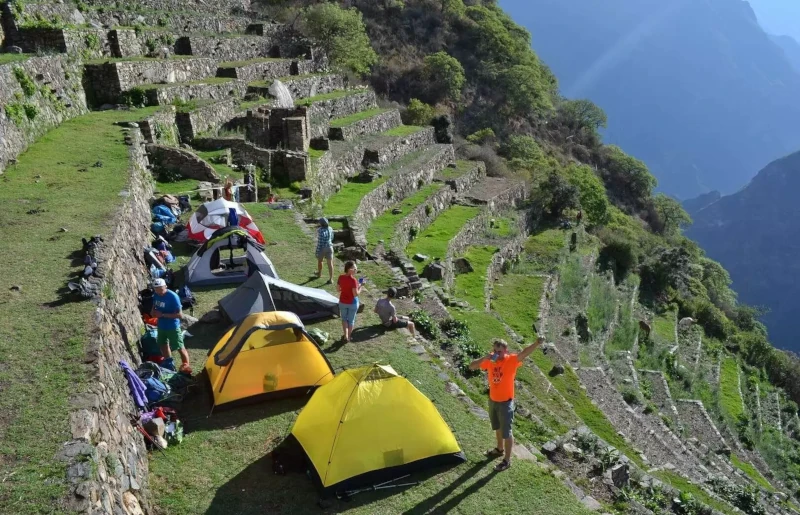
- Adhering to the timed entry and one‑way circuits to reduce congestion and protect fragile structures.
- Carrying out all trash and using designated bins outside the site; there is no recycling at the citadel.
- Staying on marked paths and never climbing on walls or agricultural terraces.
- Avoiding noise pollution; music speakers and loud voices disturb wildlife and other visitors.
- Supporting sustainable operators who reduce single‑use plastics, employ local staff, and invest in community projects.
By booking with Alpaca Expeditions or similar ethical operators, you ensure that part of your ticket investment goes back into local communities and environmental conservation.
FAQ – Machu Picchu Tickets & Aguas Calientes
Are Machu Picchu tickets often sold out?
Yes, particularly during high season (19 June–2 November) and around holidays. Online quotas for popular circuits can disappear weeks in advance. In‑person quotas in Aguas Calientes are limited to 1 000 tickets a day and sell out quickly.
Can I buy a ticket for same‑day entry in Aguas Calientes?
Usually not. Tickets sold in Aguas Calientes are typically for the next day, and you must queue early to get one. During peak periods, ticket sellers may sell out even next-day tickets, requiring you to wait several days.
How many days should I stay in Aguas Calientes if I rely on in‑person tickets?
Plan to stay at least two nights -one night before buying the ticket and another before your visit. During major holidays, arrive with a three‑day buffer.
Where exactly is the ticket office in Aguas Calientes?
The Centro Cultural Machu Picchu is located on Pachacutec Avenue, a short walk from the town’s main square. The office opens at 6 a.m., but queues form earlier.
Do children need tickets? Are there discounts?
Children under 3 enter for free. Minors (ages 3–17) and students up to 25 with a valid ID receive a discounted rate. Prices are the same for online and in‑person purchases.
Can I change the date or time of my ticket?
No. Once issued, Machu Picchu tickets are non‑transferable and non‑refundable. You cannot change the date, time, or circuit. If you miss your slot, you must purchase a new ticket.
What if I want to hike the Inca Trail?
You need a separate Inca Trail permit, capped at 500 per day. Licensed trek operators must book these permits, which include admission to Machu Picchu via Circuit 3, months in advance. Alpaca Expeditions secures these permits and coordinates your arrival at the Sun Gate for a sunrise entry.
Do I need a guide at Machu Picchu?
The Ministry of Culture recommends hiring a certified guide, especially for first‑time visitors. Guides enrich the experience and help you navigate the one‑way circuits efficiently. Some circuits or combination tickets include a guide. Tour operators like Alpaca Expeditions provide professional bilingual guides as part of their packages.
Is Aguas Calientes worth staying in even if I have an online ticket?
Yes. Spending a night in Aguas Calientes allows you to catch an early shuttle, enjoy the hot springs, and explore small museums and artisan markets. Luxury hotels with spa services offer a relaxing interlude between Sacred Valley explorations and the Machu Picchu visit.
Conclusion
Travelers from around the world are drawn to Machu Picchu’s mystique, but authorities carefully regulate access to preserve this delicate wonder. While you can buy tickets in Aguas Calientes, the limited quota, mandatory next‑day visit, and unpredictable demand make it a gamble. For families, luxury travelers and anyone on a tight schedule, booking online well in advance or partnering with a reputable operator like Alpaca Expeditions is the safest and most elegant choice.
Alpaca Expeditions specialises in premium, ethical adventures across Peru. Their Machu Picchu programs secure your entry, provide skilled guides, coordinate train and shuttle logistics, and offer comfortable accommodations – all while supporting local communities and conservation. When you entrust your trip to experts who care about the destination, you’ll experience Machu Picchu with the serenity it deserves.
Ready to elevate your Peruvian adventure? Reach out to Alpaca Expeditions to discuss bespoke itineraries, Inca Trail treks or luxury train journeys. Your dream journey awaits amongst the clouds and stones of the Inca citadel.