



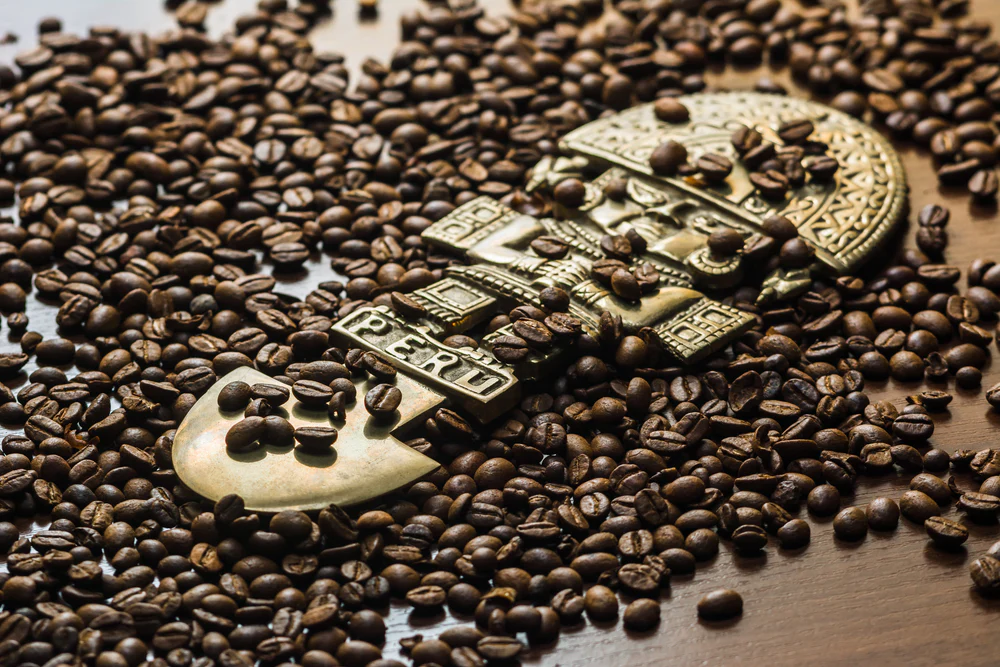
In the world of specialty coffee, a handful of origins earn universal praise for the clarity of their aromas, the complexity of their flavors, and the integrity of their growing practices. Peru, a diverse nation whose landscapes range from coastal deserts to Andean peaks and lush Amazonian forests, sits firmly among those elite origins. Lets explore the Peruvian Coffee: Why It’s the Best in the World.
The country’s coffee thrives in environments unlike anywhere else on earth—39 unique ecosystems and 28 of the world’s 32 climates, according to Peru’s export agency. These extraordinary settings allow artisanal farmers to cultivate 100 % Arabica coffee at high altitudes where cool temperatures and nutrient‑rich soils shape a profile praised for vibrant acidity, refined sweetness and a spectrum of floral, fruity and chocolate notes.
Peru’s story:
Peru’s story is one of passion, resilience and innovation. Coffee cultivation began here in the mid‑18th century, but it has only been in the past three decades that Peruvian beans have gained widespread recognition on the global stage.
Today the country produces approximately 233 000 hectares of coffee across fifteen regions, supports over 200 000 mostly smallholder farms and ranks as one of the world’s leading suppliers of certified organic and fair‑trade coffee. The microclimates of the Andes and the Amazon, combined with small farmers’ ancestral knowledge, generate cup profiles unlike any other origin.
Recognising this potential, Peru launched the Coffees from Peru brand and a national action plan to position itself as a producer and consumer of sustainable quality coffee by 2030.
As a senior travel content strategist for Alpaca Expeditions, a premium and ethical tour operator, this article delves deep into why Peruvian coffee is revered worldwide. We’ll explore its history, unique terroir, regional flavor profiles, award‑winning coffees, cultural rituals, sustainability practices, health benefits, and how travelers can engage with this extraordinary beverage.
Whether you’re a seasoned coffee aficionado or simply curious about Peruvian culture, this comprehensive guide will illuminate why Peru’s coffee deserves a place in your cup and your travel itinerary.
Origins and History of Peruvian Coffee
The arrival of coffee in Peru
Coffee cultivation in Peru began around the mid‑18th century when the district of Chinchao in the Huánuco region was selected as the first area for planting. From this initial foothold, the crop migrated south into Junín’s Chanchamayo province, a region that would become synonymous with Peruvian coffee.
Over the next century, plantations expanded north and south along the Andean foothills and Amazonian slopes. By the late 1800s, Peruvian coffee had reached European markets after a global coffee‑rust epidemic in Asia spurred Europeans to seek new suppliers.
During this period, British investment played a decisive role. Peru had defaulted on a loan, and in exchange, the British government accepted roughly two million hectares of land. British investors established large plantations, and by the early 20th century, coffee accounted for 60 % of Peru’s exports.
Following World War II, these estates were redistributed to local farmers, laying the groundwork for today’s predominantly smallholder‑led sector.
Development of a domestic coffee culture
For much of its early history, Peruvian coffee was consumed domestically. Cultural attitudes began to shift in the late 20th century when specialty coffee reached Lima and Cusco. The Association of Peruvian Baristas (Artebar) was formed in 2009, offering training at national fairs and exhibitions.
This professionalisation spurred a boom in specialty coffee shops across Peru from 2016 onward. Today, a thriving café culture exists in cities such as Lima and Cusco, where baristas celebrate regional beans through pour‑overs, espresso, and latte art.
Awards and global recognition
International recognition has accelerated Peru’s coffee renaissance. In 2004, Dagoberto Marin Ludeña from Pasco won a Gold Medal at the International World Coffee Competition. Since 2017, Peru has hosted the prestigious Cup of Excellence (CoE), a competition that rewards small producers with the highest scoring coffees.
Winners include Juan Heredia Sanchez (Cajamarca 2017), Dwight Aguilar (Cusco 2018 and 2021), Grimanés Morales (Cajamarca 2019), Hilda Leguía (Cusco 2020), Blanca Cordova (Cajamarca 2022), and Yosiner Mego (Cajamarca 2023). These victories highlight the diversity of Peru’s terroirs and the expertise of its farmers.
Peru’s coffee also shines in other competitions: beans from Puno were crowned the world’s best organic coffee at the 2018 Specialty Coffee Expo in Seattle; coffees from Cusco won at the World of Coffee 2019 and 2022; and Cajamarca beans captured gold from the German Coffee Roasters’ Federation. Such accolades cement Peru’s reputation as a source of exceptional, diverse coffee.
Microclimates and Terroir: The Secret Behind Peruvian Coffee
A land of contrasts
Peru’s geography is a tapestry of towering mountains, tropical forests, and arid plains. This diversity translates into microclimates—localized environments where altitude, temperature, humidity, soil composition, and rainfall patterns create unique growing conditions. According to PROMPERÚ and the Specialty Coffee Association, Peru has 39 distinct ecosystems and 28 of the world’s 32 climate types. These variables shape bean chemistry; more than 850 aroma compounds have been identified in Peruvian coffee.
Altitude and flavor development
Altitude is a critical factor for coffee quality. Most Peruvian coffee grows at elevations above 1,000 meters and often as high as 2 300 meters. High altitude slows cherry maturation, allowing sugars and acids to develop more fully. In general, beans from lower altitudes (around 900–1 200 meters) produce mild acidity and a medium body with nutty or floral notes, while those from higher elevations (over 1 500 meters) display bright acidity and vibrant fruit or floral aromas.
Soil composition and shade
The Andes were formed through volcanic activity, so many coffee regions feature mineral‑rich soils. At the same time, farmers often cultivate coffee under the canopy of native trees. Shade‑grown coffee not only moderates temperature and preserves soil moisture but also fosters biodiversity, allowing birds, monkeys, and butterflies to thrive. This agroforestry approach is integral to Peru’s status as the world’s leading producer of certified organic and fair‑trade Arabica coffee.
Microclimates and flavor diversity
Microclimates impart distinctive flavor profiles. For instance, coffee from Piura in northern Peru offers chocolate, caramel, and nutty notes. Cajamarca beans are known for their sweet acidity with hints of red and yellow fruits. Cutervo yields vanilla and stone‑fruit aromas, while Amazonas produces coffees reminiscent of dried fruits and caramel. San Martín beans tend toward chocolate, nuts, and caramel.
In the central and southern regions, Huánuco presents orange and mandarin flavors, Pasco offers nutty, chocolatey profiles with raisin, citrus, and floral accents, and Junín highlights black and yellow fruits with chocolate. High‑altitude Cusco expresses red and black fruits—plums, raisins, and grapes—with underlying chocolate, while Ayacucho features cereal, black fruit, and caramel notes. The southernmost region, Puno, reveals tropical fruit, caramel, and molasses flavors.
Regional Breakdown of Peruvian Coffee
This section maps the most important coffee regions, their altitudes, flavor notes and unique attributes. Use this table to choose beans that match your palate or to plan visits to coffee farms during your travels.
Coffee varieties
| Region | Altitude & Geography | Primary Flavor Notes | Distinctive Features |
| Piura (north) | 900–1 200 m on dry northern slopes | Chocolate, caramel, nuts | Balanced cup similar to Central American coffees; early harvest season (May–July). |
| Cajamarca (north) | 1 500–1 900 m on lush hills and valleys | Sweet acidity with red and yellow fruit notes | Home to CoE winners; cooperatives compost coffee pulp to boost soil health. |
| Cutervo (northern Peru) | ~1 600 m | Vanilla, stone fruit, molasses | Micro‑region of Cajamarca; smaller farms experimenting with Pacamara and Geisha varieties. |
Amazonas (north‑central) |
1 400–1 800 m in mountainous rainforest | Dried fruit, caramel, candy | Stable climate yields consistent quality year after year. |
| San Martín (north‑central) | 900–2 100 m across varied altitudes | Chocolate, nuts, caramel | Largest production region; facing climate challenges like rising temperatures and coffee rust. |
| Huánuco (central) | 1 000–1 600 m in the foothills of the Andes | Orange, mandarin, caramel | Historically the first coffee region; later replaced by Junín; now regaining interest. |
| Pasco (central) | 1 200–1 800 m, cloud forest | Nuts, chocolate, raisins with citrus and floral notes | Villa Rica region produces award‑winning Geisha; biodynamic farms like Chacra D’dago practice composting and renewable energy. |
| Junín (central) | 1 200–2 100 m, Central Jungle | Black and yellow fruits with chocolate and caramel | Once Peru’s top producing area; producers now pivot to specialty coffees after a devastating coffee‑leaf‑rust outbreak. |
| Cusco (south) | 1 500–2 300 m in valleys and slopes near Machu Picchu | Red and black fruits (plums, raisins, grapes), chocolate | Home to many Cup of Excellence winners; beans grown at La Convención near Machu Picchu are considered among the world’s best. |
| Ayacucho (south) | 1 500–1 800 m | Cereal, black fruits, chocolate, caramel | Emerging region; growers experiment with natural and honey processing. |
| Puno (south) | 1 300–3 000 m near Lake Titicaca | Tropical fruits, caramel, molasses, floral notes | Extreme altitudes slow maturation, producing smooth, medium‑bodied coffees with complex sweetness; Puno beans won global awards for organic quality. |
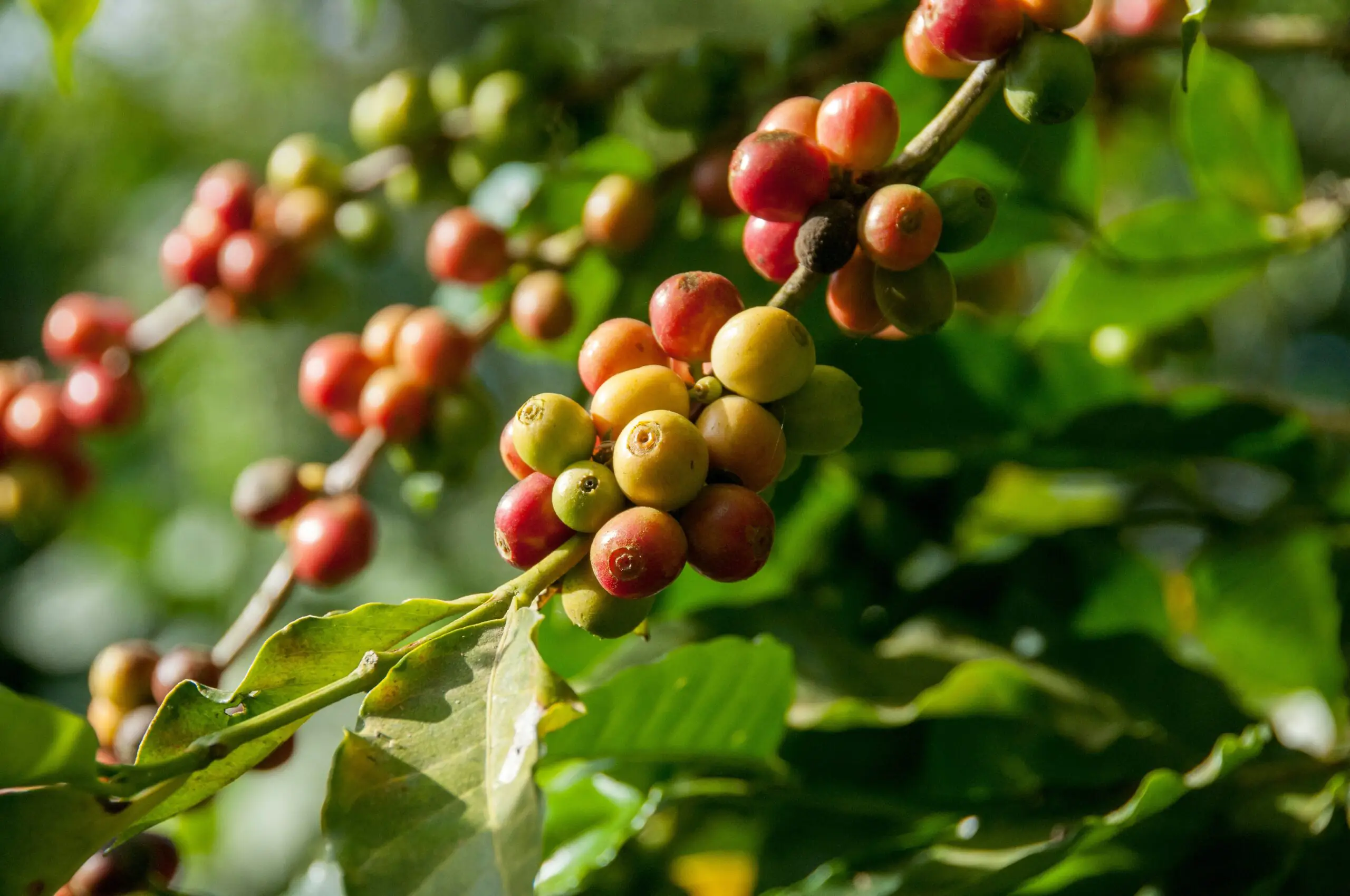
Peruvian coffee farms cultivate a range of Arabica varieties. Typica remains the most common cultivar, but farmers increasingly grow Caturra, Bourbon, Pache, Catuai, Pacamara, and Geisha (also spelled Gesha) to diversify flavor profiles. Specialty varieties like Geisha and Pacamara often appear in CoE competitions, scoring above 90 points. However, many producers still maintain traditional Typica and Bourbon plants at high altitudes for their delicate acidity and florality.
The Coffee Culture in Peru
Specialty cafés and baristas
Peru’s specialty coffee scene has blossomed over the last decade. In 2009, the Association of Peruvian Baristas (Artebar) was formed to promote professional training. By 2016, specialty cafés were booming across the country. Cities like Lima now boast a constellation of third‑wave coffee shops—Neira Café Lab, Felicia & Domingo, Caleta Dolsa, Bloom Tostadores, Milimetrica, and Colonia & Co—where baristas hand‑brew regional beans using pour‑over, AeroPres, and siphon methods (see Peru For Less travel guide).
In Cusco, cafés such as Three Monkeys and Origen showcase beans from nearby La Convención and host tastings and workshops.
The rise of barista competitions has reinforced Peru’s coffee culture. The first Peruvian Barista Champion, Karen Pisconte, competed in the World Coffee Championships, showing the world that Peruvian baristas can express the complexity of their coffee through precise brewing.
Today, local championships attract participants from across the country, emphasising not just latte art but also storytelling about the farms and families behind each cup.
Peruvian Coffee Day and festivals
Since 2008, Peru has celebrated National Coffee Day on the fourth Friday of August. The festivities include fairs, tastings, and competitions where producers present micro‑lots and roasters debut new blends.
In Lima and other cities, coffee shops offer special menus; in rural regions, cooperatives host tours and community feasts. The day also serves as a platform to discuss sustainable practices and honour the smallholder families whose labor underpins the industry.
Coffee tours and travel experiences
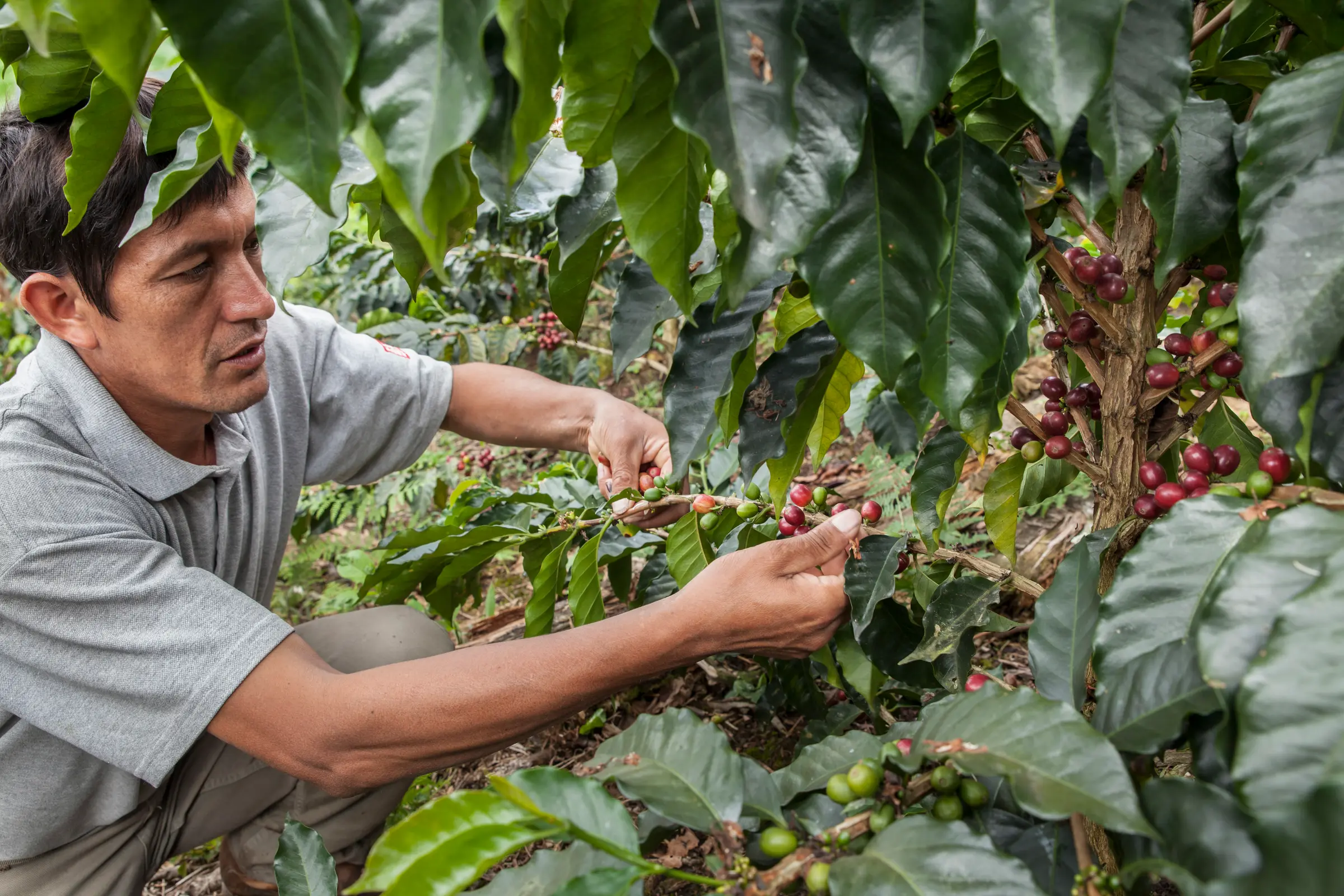
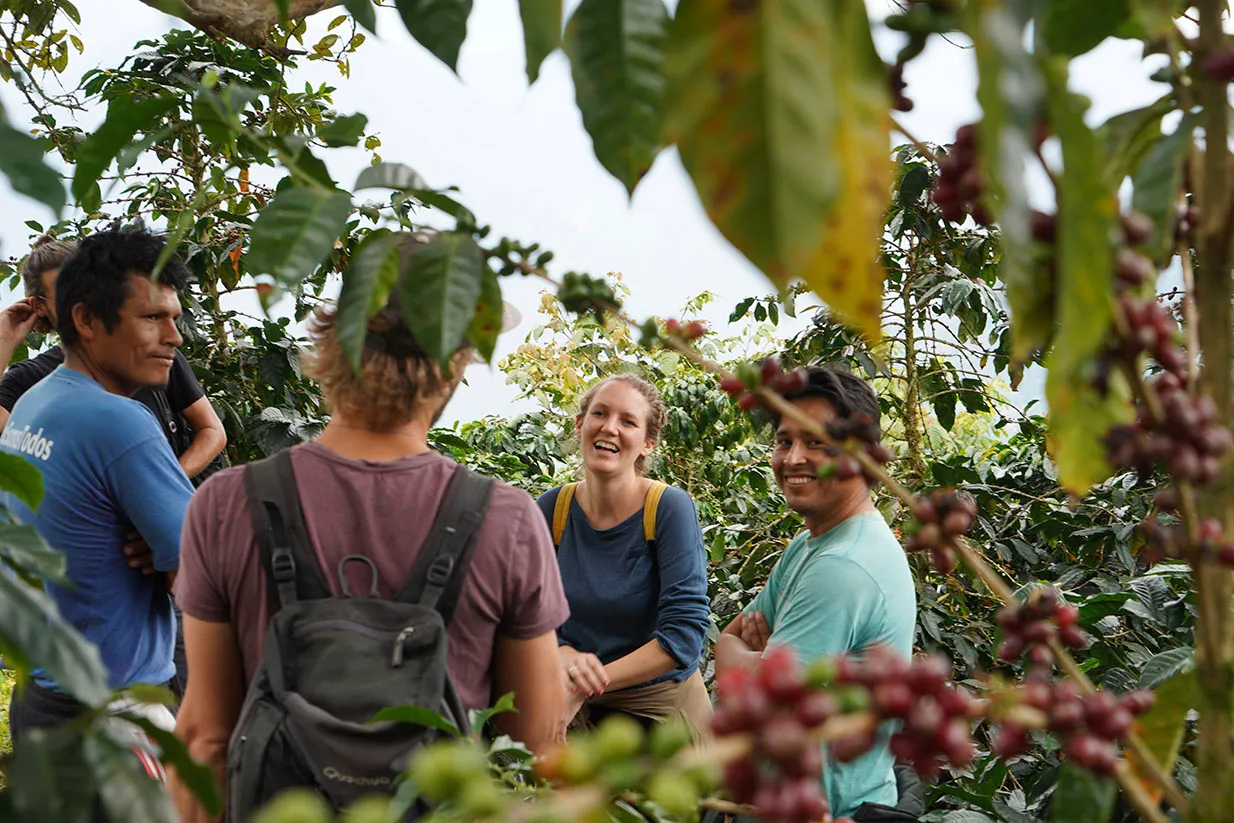
Peru’s coffee landscape invites travelers to go beyond café culture and experience production at its source. Coffee farm tours in regions like La Convención (Cusco), Villa Rica and Oxapampa (Pasco), Chachapoyas (Amazonas), and Tingo María (Huánuco) allow visitors to harvest cherries, learn about wet and dry processing, roast beans over open fires, and sip coffee while overlooking verdant valleys (Tierras Vivas travel guide).
The Central Jungle coffee route connects these experiences, offering tastings paired with local chocolate and fruit. In the north, tours near Jaén (Cajamarca) and San Ignacio showcase cooperatives where farmers demonstrate composting, shade management, and regenerative practices.
Many of these tours also highlight community projects—such as reforestation in La Palma or the Mayni community’s shade‑grown coffee system—underscoring how coffee production and conservation go hand in hand.
Visitors can participate in planting native trees, making compost, and grinding dried coffee cherries into cascara tea. These immersive experiences connect travellers to the people and ecosystems behind each cup.
Coffee and adventure with Alpaca Expeditions
For travellers seeking both adventure and culinary exploration, Alpaca Expeditions offers bespoke itineraries that weave coffee experiences into Peru’s iconic landscapes. Imagine starting a trek to Machu Picchu with a sunrise cupping at a cooperative in La Convención, where the beans that won the Cup of Excellence are grown.
Hike through cloud forests on the Salkantay route, stopping to enjoy a pour‑over of Pasco’s award‑winning Geisha at a scenic pass. Or combine a rafting expedition on the Apurímac River with a visit to a family farm in Cusco to learn how altitude affects bean density.
These experiences prioritise ethical tourism. Alpaca Expeditions partners with smallholder cooperatives to ensure that tours provide fair compensation, respect local culture, and minimise environmental impact.
We encourage travellers to support the communities that produce world‑class coffee by purchasing beans directly, participating in reforestation programs, and choosing accommodations that source locally. By integrating coffee experiences into treks and cultural tours, Alpaca Expeditions helps travellers savor Peru in all its senses.
Sustainability and Ethical Production
A smallholder‑driven industry
Peru’s coffee sector is built on the labour of approximately 200 000 smallholder farms, each averaging just over one hectare. Roughly 70 % of the country’s coffee comes from these small producers, and 20 % participate in cooperatives.
The Tierras Vivas travel guide notes that 95 % of coffee families have less than five hectares and that more than 2 million Peruvians depend on coffee for their livelihood. Because most farms are family‑run, the quality of Peru’s coffee is closely tied to equitable pricing, education, and technical support.
Organic and fair‑trade leadership
Peru consistently ranks among the world’s top exporters of certified organic and fair‑trade Arabica coffee. Organic coffee is typically grown under shade, without synthetic fertilizers or pesticides, which protects soils and waterways and preserves biodiversity. Many farms also carry certifications such as Rainforest Alliance, UTZ, Bird Friendly, and Regenerative Organic Certified (ROC).
For example, Chacra D’dago, a family‑owned farm in Junín, holds both B Corp and Demeter (biodynamic) certifications and uses renewable energy, composting, and wastewater management to reduce environmental impact.
Cooperatives and export organisations ensure that farmers receive fair prices. The Coffees from Peru brand, launched in 2018, promotes both conventional and specialty coffees and supports farmers through marketing and quality training.
This initiative is integral to the National Action Plan for Peruvian Coffee (2018–2030), which aims to adapt coffee production to climate change, increase productivity through sustainable practices and strengthen institutional support.
Shade‑grown coffee and biodiversity
Shade‑grown coffee is a cornerstone of Peru’s environmental stewardship. In the Mayni community near Satipo, farmers cultivate Coffea arabica under the native forest canopy. They clear minimal undergrowth, preserving tree cover that supports wildlife and stores carbon.
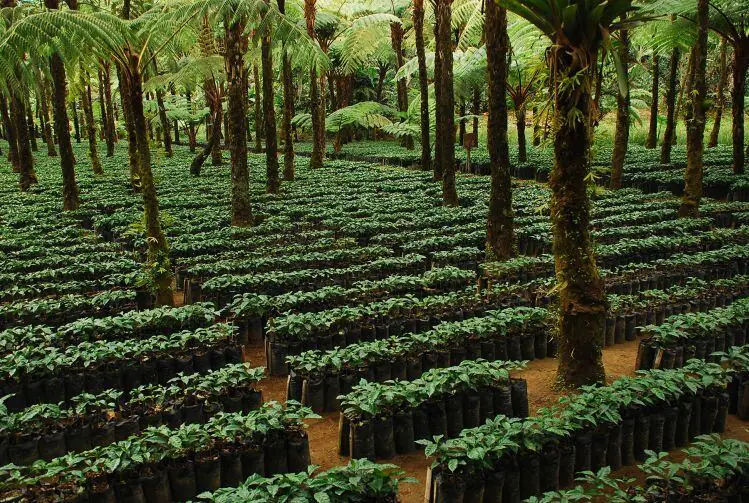
Agroforestry systems also include nitrogen‑fixing trees like pacay (ice‑cream bean) and threatened species such as Spanish cedar, enhancing soil fertility while creating habitat. These practices yield slightly lower yields—about 30 % less than sun‑grown crops—but farmers earn premium prices and safeguard the Amazon’s montane forests.
Climate change and resilience
Peru’s coffee industry faces significant challenges from climate change. Rising temperatures and unpredictable rainfall are pushing cultivation into higher elevations (1 700–2 200 m, up from historical norms around 1 000 m).
Pests such as coffee leaf rust (La Roya) and the coffee berry borer thrive in warmer conditions. A severe Roya outbreak in 2014 devastated lower‑elevation farms and prompted producers to move to higher zones and plant resistant varieties. Despite recovery, farmers continue to battle high input costs and socio‑political instability.
Many producers cope through innovation: adopting resistant cultivars, experimenting with natural and honey processing, implementing on‑farm composting, and using organic fertilizers such as guano de isla—seabird and bat guano rich in nitrogen, phosphorus, and potassium. Cooperatives also promote reforestation and soil restoration to mitigate the impacts of climate change.
Social initiatives and community resilience
Smallholder cooperatives play a central role in stabilizing incomes and encouraging sustainable practices. According to Tierras Vivas, about 30 % of producers belong to organisations and 20 % export directly through them. Cooperative membership facilitates access to credit, training, and premium markets.
It also fosters social programs such as healthcare, education, and gender equity. The Mayni community’s commitment to shade‑grown coffee reflects a cultural ethos of caring for the land. Meanwhile, communities like La Palma in Cajamarca link reforestation with coffee production to combat deforestation and climate change.
Health Benefits of Coffee
Scientific research continues to uncover health benefits associated with moderate coffee consumption. A meta‑analysis of prospective cohort studies found that drinking up to 10 cups per day compared with fewer than one cup is associated with a 30 % lower risk of type 2 diabetes; each additional two cups or roughly 200 mg of caffeine corresponds to a 12–14 % reduction. Studies also show that 3–5 cups of coffee per day are linked with a 20 % lower risk of stroke and a 15 % lower risk of cardiovascular disease.
Coffee’s health benefits extend beyond metabolic and cardiovascular effects. Polyphenols in coffee act as antioxidants, reducing inflammation and protecting DNA. Observational studies reveal that regular coffee drinkers have a lower risk of Parkinson’s disease, Alzheimer’s disease, depression, and certain cancers, including colon cancer. Dark roasts may even decrease DNA breakage, a marker of cell damage.
The Johns Hopkins School of Medicine notes additional benefits: coffee may improve longevity, reduce the risk of heart failure, and protect the liver. For most adults, 3–5 cups per day—amounting to about 400 mg of caffeine—is considered safe, though pregnant or breastfeeding individuals should consult a doctor.
The research warns that adding sugar and cream can negate these benefits, so enjoying coffee black or with minimal additions preserves its healthful properties.
Brewing and Enjoying Peruvian Coffee at Home
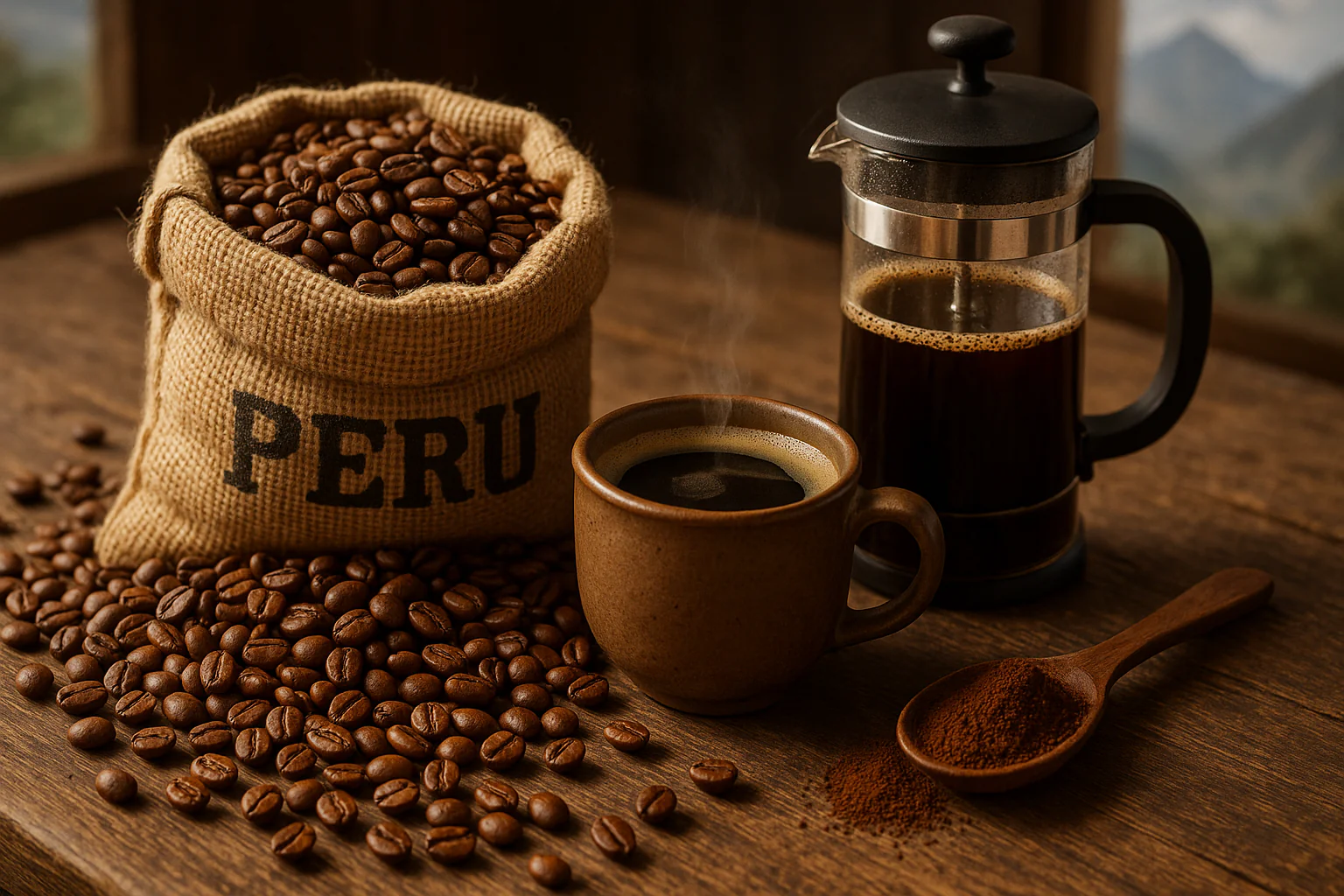
Selecting and brewing Peruvian coffee is an experience in itself. Whether you bring beans home from a trip or purchase them from a reputable roaster, following a few guidelines will ensure you taste the nuances that make Peru’s coffee special.
Choosing the right beans
- Identify the region and variety. Coffee labels often specify the region (e.g., Cajamarca, Cusco, Puno) and variety (Typica, Caturra, Geisha). Knowing these details helps anticipate flavor profiles described earlier.
- Look for certifications. Beans carrying organic, fair‑trade, Rainforest Alliance, Bird Friendly, or ROC certifications support sustainable practices and fair compensation for farmers.
- Whole beans versus ground. Whole beans preserve volatile aroma compounds better than pre‑ground coffee. According to Tierras Vivas, heat accelerates oxidation, so beans should be stored below 20 °C and away from moisture and light.
Brewing methods
Peruvian coffees excel in manual brewing methods that highlight clarity and acidity. Try these methods:
- Pour‑over (V60 or Chemex): Use a medium grind and a water temperature around 93 °C. Bloom the grounds for 30 seconds, then pour in pulses to maintain extraction. Total brew time should be 3–4 minutes.
- French press: Coarsely grind beans, steep in hot water for four minutes, and gently press. This method produces a fuller body, emphasizing chocolate and nut notes found in Piura and Pasco coffees.
- AeroPress: Combine fine‑ground coffee and hot water for a quick immersion brew. An inverted AeroPress accentuates fruity notes from Cajamarca, Cusco, and Puno.
- Espresso: Peruvian coffee can produce sweet and balanced espresso shots when roasted medium or medium‑dark. Use 18 grams of coffee, a yield of 36 gram,s and a brew time of 27–30 seconds to maximize sweetness and acidity.
- Cold brew: Immersing coarse‑ground beans in cold water for 16–18 hours yields a smooth, low‑acid brew ideal for highlighting subtle caramel and fruit notes.
Pairing with Peruvian cuisine
Peruvian coffee pairs beautifully with local foods. Enjoy a morning cup with pan de maíz (corn bread) or queso helado (frozen cheese dessert). In the afternoon, pair a chocolate‑forward Pasco or Piura coffee with chocolate truffles made from Peruvian cacao.
Fruity coffees from Cajamarca or Cusco complement fresh tropical fruits like mango and cherimoya. For dessert, brew a sweet cold brew to accompany alfajores, buttery sandwich cookies filled with dulce de leche.
Peruvian Coffee Experiences for Travelers
Coffee routes and farm stays
Travelers can deepen their appreciation of Peruvian coffee by visiting farms and cooperatives. The Central Jungle coffee route connects the regions of Tingo María (Huánuco), Villa Rica (Pasco), and Chachapoyas (Amazonas).
Visitors harvest cherries, help wash and dry beans, roast over a wood fire,s and share meals with farmers. Another popular destination is La Convención near Cusco, where coffee grows alongside cocoa and fruits; tours often include a trek through the jungle and a visit to waterfalls.
In Villa Rica, travelers can stay at eco‑lodges run by cooperatives and join daily picking. Oxapampa, a UNESCO Biosphere Reserve, offers tours that showcase how Austrian and German immigrants influenced local coffee culture.
Chachapoyas features cloud forests and ancient ruins alongside coffee plantations, allowing travelers to combine archaeology with tastings.
Specialty cafés and urban experiences
Lima’s barista scene is booming. Cafés like Neira Café Lab not only brew award‑winning beans but also offer cupping sessions and brewing workshops. The roastery at Neira roasts micro‑lots on site, enabling visitors to witness the transformation from green bean to roasted coffee.
Nearby, Milimetrica serves coffee flights that compare different regions. In Miraflores, Felicia & Domingo pair coffee with Peruvian pastries in a colonial house. Colonia & Co combines art, design, and coffee in the Barranco district.
Cusco’s Three Monkeys Café overlooks a cobbled square and sources beans from La Convención; its training lab hosts workshops for travellers. Origen roastery near the San Blas neighborhood features a café, micro‑roastery, and barista school. The town of Jaén in Cajamarca has third‑wave cafés like Picorana, where producers and baristas meet and share coffees normally destined for export.
Workshops, tastings, and competitions
Throughout the year, Peru hosts events that celebrate coffee culture. The Peruvian Coffee Day (fourth Friday of August) features competitions for the best cup and barista performances.
Regional festivals such as the Villa Rica Coffee Week and the Quillabamba Festival include farm visits, workshops on biodynamic farming and latte art contests. Coffee‑centric tours can be paired with cacao tastings, pisco classes or visits to local markets to round out the gastronomic experience.
Responsible Drinking: Supporting Farmers and Communities
Purchase ethically
Peruvian coffee’s excellence is inseparable from the welfare of the farmers who cultivate it. When you purchase Peruvian coffee, look for bags that specify origin and offer transparency about sourcing. Fair‑trade, direct trade or cooperative labels ensure farmers receive a premium price and invest in community development.
Respect local regulations and biodiversity
Travellers entering the United States can bring unlimited roasted coffee, but you should verify customs regulations for other countries and avoid transporting fresh cherries or seeds. When visiting farms, follow guidelines about sanitation to protect crops. Many cooperatives encourage visitors to participate in reforestation or wildlife monitoring to help protect the biodiversity that makes Peruvian coffee possible.
Understand the challenges
Smallholder farmers face volatile global prices, climate stress and limited access to credit. Recognize that paying fair prices and supporting organizations that invest in farmer training and climate resilience help sustain the industry. By choosing responsibly sourced Peruvian coffee and sharing your experiences, you become part of a movement that values quality, heritage and ecological stewardship.
Frequently Asked Questions
Why is Peruvian coffee considered among the best in the world?
Peru’s coffee benefits from unique microclimates—39 ecosystems and 28 of the world’s 32 climate types—and high-altitude cultivation. These conditions, combined with rich volcanic soils and centuries of farming knowledge, produce beans with exceptional aroma complexity and flavor diversity. Specialty coffee competitions such as the Cup of Excellence showcase the results, with Peruvian farmers winning numerous awards.
Which regions produce the best Peruvian coffee?
Notable regions include Cajamarca and Cusco, both home to Cup of Excellence winners. Puno’s high‑altitude farms yield award‑winning organic coffees. Pasco produces prized Geisha beans, while Piura, Amazonas, San Martín and Junín each offer distinct profiles ranging from chocolate and nuts to tropical fruits.
Is Peruvian coffee organic?
Peru is one of the world’s leading exporters of certified organic Arabica coffee. Many farms are shade‑grown and free of synthetic chemicals, and cooperative certifications (Fair Trade, Rainforest Alliance, Bird Friendly, ROC) ensure ecological practices and fair wages.
What awards has Peruvian coffee won?
Peruvian coffees have earned numerous accolades. Cup of Excellence winners come from Cajamarca and Cusco. Puno coffee was recognised as the world’s best organic coffee in Seattle in 2018. Peru also won the SCAA award for Best Organic Coffee in 2010 and continues to receive gold medals at international competitions.
How should I brew Peruvian coffee to highlight its flavors?
Manual brewing methods such as pour‑over, Chemex, French press and AeroPress accentuate the nuances of Peruvian beans. Use freshly ground coffee, filtered water at 90–96 °C and adjust your grind and ratio based on the method. High‑altitude coffees from Cusco and Cajamarca shine in pour‑overs, while nutty profiles from Pasco and Piura benefit from French press. Cold brew highlights caramel and floral notes.
When is National Coffee Day in Peru?
Peru celebrates its coffee on the fourth Friday of August, featuring fairs, tastings, competitions and farm tours.
What makes Peruvian coffee sustainable?
Peru leads the world in organic and fair‑trade coffee production. Shade‑grown practices preserve biodiversity, and the National Action Plan aims to ensure climate‑resilient, sustainable coffee by 2030. Community cooperatives invest in social programs and environmental restoration, making every cup a contribution to ecological and social well‑being.
Can I visit coffee farms during my trip to Peru?
Yes. Coffee tours in regions such as La Convención (Cusco), Villa Rica and Oxapampa (Pasco), Chachapoyas (Amazonas), and Jaén (Cajamarca) allow visitors to pick cherries, learn processing techniques and taste freshly roasted beans. Alpaca Expeditions can integrate these experiences into treks and cultural tours, ensuring that travel benefits local communities.
Conclusion
Peruvian coffee is more than a beverage—it is a cultural emblem, an economic lifeline and a story of resilience. From its mid‑18th‑century origins in Huánuco to its current status as a leader in organic and fair‑trade coffee, Peru has earned its reputation through unique microclimates, high‑altitude cultivation and the dedication of thousands of smallholder farmers.
Flavor profiles range from chocolate and caramel to tropical fruits and florals, showcasing the country’s unparalleled biodiversity. Awards at the Cup of Excellence and global competitions affirm the world‑class quality of Peruvian beans.
For travelers seeking authentic luxury and adventure, Peru offers immersive coffee experiences. Wander through the Central Jungle’s coffee route, roast beans over a wood fire with a farmer’s family, or savor an expertly brewed cup in a contemporary Lima café.
With Alpaca Expeditions, you can weave coffee tasting into treks to Machu Picchu or explorations of remote Andean villages. Each sip carries the essence of Peru’s landscapes and the hands that nurtured the beans.
At a time when climate change challenges agriculture worldwide, choosing Peruvian coffee supports sustainable practices and empowers small communities. It invites you to participate in a cycle of respect—from soil to cup.
Whether enjoyed at a mountain vista or in your home kitchen, Peruvian coffee offers a journey of flavors and values. Embrace this journey and let the world’s best coffee enrich your travels and daily rituals.