


A personal encounter with the rainbow in Cusco
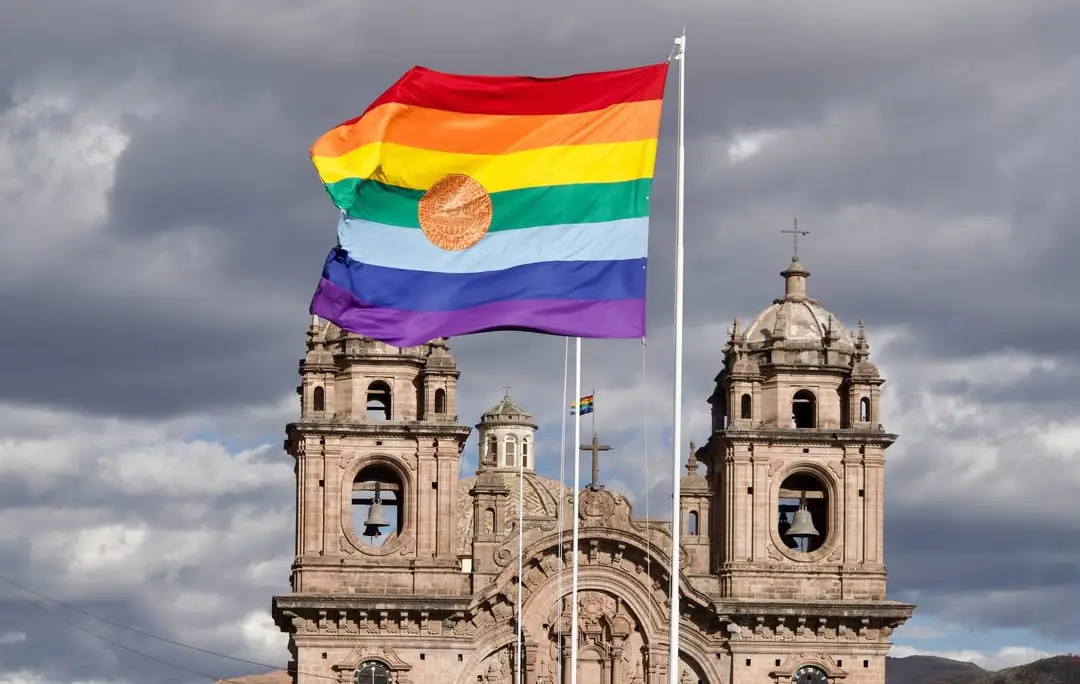
I remember the first time I walked into Cusco’s Plaza de Armas. The early afternoon light bounced off the colonial façades, and the crisp Andean air made the bells of the cathedral sound crisper than any I had ever heard. In the corner of my eye I noticed a rainbow flag fluttering above a government building. Rainbow Flags Explained.
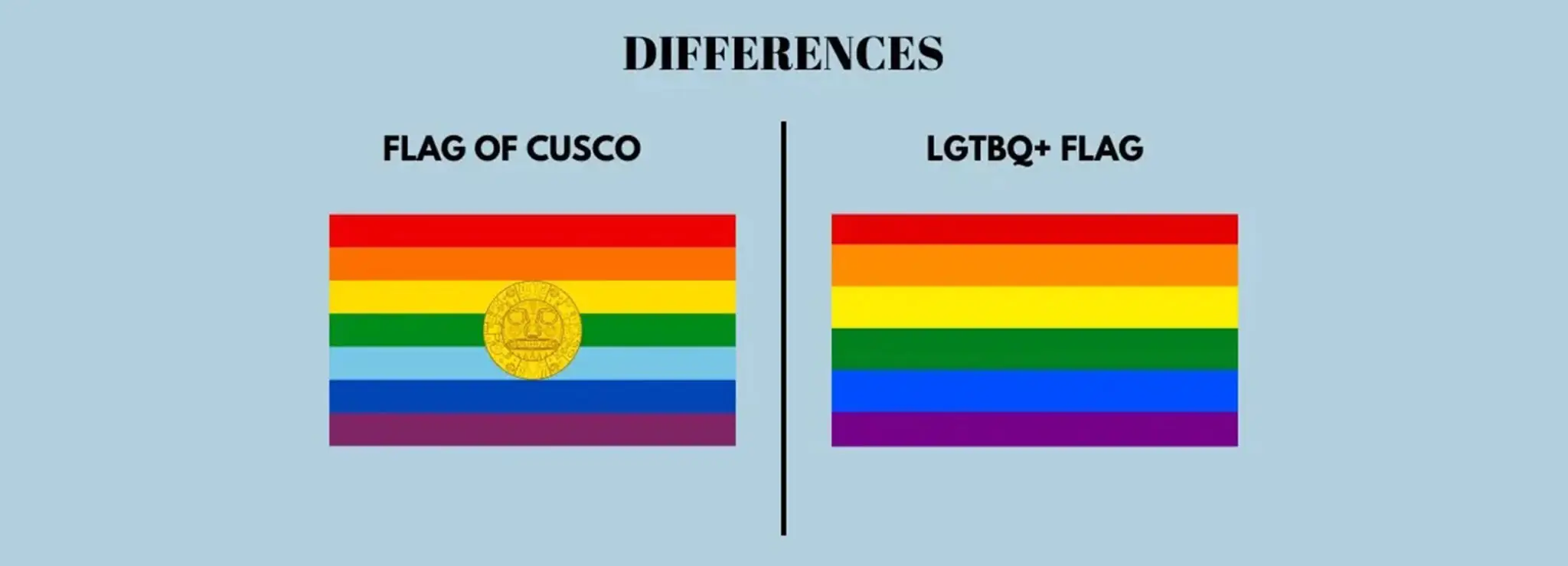
At first glance, I assumed it was the Pride flag and smiled at what I thought was a public display of LGBTQ+ inclusivity. Yet something was different — there were seven stripes instead of six, and the blue seemed lighter than I remembered.
Curious, I asked a local vendor what celebration was underway. She laughed warmly and explained that it wasn’t a Pride flag at all but the flag of Cusco itself.
Andean history:
That brief conversation opened a rabbit hole of Andean history, indigenous symbolism and modern activism. As a travel writer and trek guide for Alpaca Expeditions, I realised that my own confusion mirrored that of many travellers from the United States and United Kingdom.
When people see the rainbow waving above Cusco’s streets or along the trails to Machu Picchu, they often wonder: Is this the same as the LGBTQ+ Pride flag? The answer is both simple and complicated.
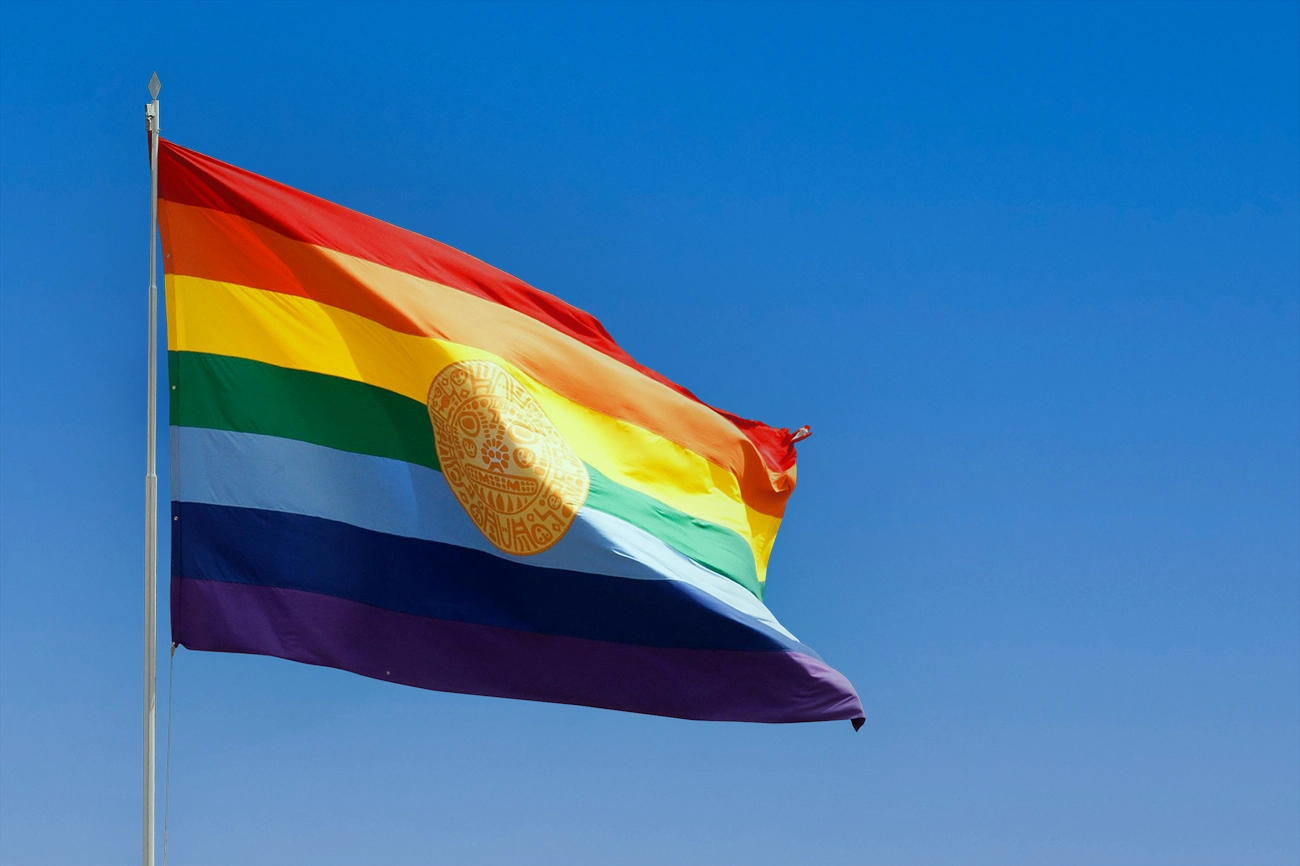
Simple, because the two flags have distinct origins and meanings. Complicated, because their visual similarity opens a dialogue about representation, identity and respect.
This article aims to answer all those questions and more. In addition to tracing the histories of the Cusco flag and the Pride flag, we’ll explore their differences and similarities, the symbolism of each colour, and what these flags mean to different communities.
We’ll also dive into practical travel advice: how to plan your trip to Cusco, acclimatise safely, choose the right trek, support local porters, and engage with local culture in a way that honours both Andean heritage and LGBTQ+ inclusivity.
By the end, you’ll know to recognise each flag and the tools to plan a meaningful journey to the heart of the Andes.
Origins and Evolution of the Cusco Flag
Pre‑Columbian Symbolism and the Myth of the Inca Flag
Long before Spanish conquistadors arrived, Andean peoples used textiles and banners as symbols of power and identity. However, these banners were not flags in the modern sense. Peruvian historian María Rostworowski has noted that the Incas did not have flags; instead, they used emblems, standards and textiles to represent authority.
Banners were carried in battle to identify units or show allegiance but were usually square and featured stepped patterns rather than horizontal stripes. The rainbow, known as Kuychi in Quechua, was revered as a deity associated with prosperity and misfortune and often appeared in art and mythology.
While some modern authors and tour companies call the Cusco flag the “Inca flag,” it’s essential to understand that this is a retrospective association rather than historical fact.
The Wiphala: Authentic Indigenous Flag
If you’re seeking a truly ancient Andean flag, look to the Wiphala. This emblem consists of a 7×7 checkerboard of coloured squares; each hue carries spiritual and societal meaning: red for the earth and ancestors, orange for culture and society, yellow for energy and the sun, green for nature and fertility, blue for the sky and cosmos, violet for harmony and duality, and white for time and spirituality.
The Wiphala predates the modern nation‑state and is used by Aymara and Quechua communities across Bolivia, Peru, Chile and Argentina. In Bolivia, it holds official status and is often flown alongside the national flag. When you see this checkerboard banner, you’re looking at an authentic indigenous symbol that has survived centuries of change.
Radio Tawantinsuyo and the 1973 Contest
So how did the seven‑striped Cusco flag come about? The answer lies not in ancient mythology but in a radio studio. In the early 1970s, Raúl Montesinos Espejo, founder of Radio Tawantinsuyo, sought a symbol that would reflect the cultural pride of Cusco and the legacy of the Inca Empire.
To celebrate the station’s 25th anniversary, Montesinos announced a contest to design a flag for the city. The winning entry featured seven horizontal stripes of equal width, arranged from top to bottom as red, orange, yellow, green, light blue, blue and violet.
Each stripe was meant to symbolise unity among the diverse peoples of Tahuantinsuyo (the Quechua term for the Inca Empire) and the natural riches of the Andes.
Locals embraced the design, and on June 9, 1978, Mayor Gilberto Muñiz Caparó officially adopted it as the flag of Cusco. Interestingly, this adoption occurred just weeks before the debut of the Pride flag in San Francisco, meaning that the two symbols evolved independently but almost simultaneously.
Over the decades, the Cusco flag has become a ubiquitous sight during civic ceremonies, festivals and protests. It flutters atop government buildings, hangs from balconies and is printed on souvenirs. Tourists often purchase the flag believing it represents the Inca Empire, unaware of its modern origins.
The Sol de Echenique
In 2021, Cusco’s municipal government added a golden sun emblem — the Sol de Echenique — to the centre of the flag. This symbol, derived from a ceremonial shield gifted to Peruvian president José Rufino Echenique by officials in Cusco in the 19th century, aims to strengthen the connection between the flag and historical heritage.
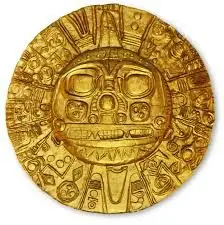
The addition has been welcomed by some as a distinctive marker that differentiates Cusco’s flag from the Pride flag. Others feel it complicates the flag’s simplicity or imposes a colonial era emblem on a modern identity. Whatever your stance, the sun makes Cusco’s flag instantly recognisable and emphasises that symbols evolve as societies reinterpret their past.
Colour Interpretations: A Rainbow of Meanings
Unlike many national flags whose colours have specific, codified meanings, the seven stripes of the Cusco flag have acquired interpretations over time. Below is a table summarising widely accepted associations. While locals may offer alternative or additional meanings, this chart will give you a starting point:
| Colour | Meaning |
| Red | The blood of the people and strength |
| Orange | Society and culture |
| Yellow | Gold and the sun |
| Green | Natural wealth and harmony |
| Cyan (Light Blue) | The Andes and hope |
| Blue | The sky and peace |
| Violet | Andean mysticism |
Some guides also relate the seven colours to the seven chakras or energy centres of the human body, though this interpretation blends Andean lore with broader spiritual concepts. Importantly, the presence of cyan (light blue) is a key differentiator from the Pride flag. When you spot the flag in Cusco, look for this bright band; it is absent from the Pride version.
Debates and Controversies
The Cusco flag’s resemblance to the Pride flag has sparked debate both locally and internationally. On one hand, many residents see the rainbow as a source of pride in their Andean heritage. On the other, some indigenous activists argue that the flag appropriates the Wiphala’s symbolism and conflates modern and ancient identities.
The addition of the Sol de Echenique in 2021 stirred further discussion, with supporters arguing that it clarifies the flag’s distinct identity while critics call it unnecessary clutter. There have also been calls to replace the flag entirely with a design more rooted in Inca iconography.
As a traveller, it’s not your role to weigh in on local politics, but understanding these debates helps you appreciate the complex interplay of history, identity and symbolism in the Andes.
The LGBTQ+ Rainbow Flag
Birth of the Pride Flag
Across the globe, the rainbow has become synonymous with LGBTQ+ pride. The story of how this happened begins in San Francisco in the late 1970s. Gilbert Baker, an artist and activist who taught himself to sew after serving in the U.S.
Army, was challenged by his friend Harvey Milk, one of the first openly gay elected officials in the United States, to create a symbol of pride for the gay community. Inspired by the hippie movement, ancient symbolism and the natural spectrum, Baker designed a flag that would represent the diversity and beauty of the LGBTQ+ community.
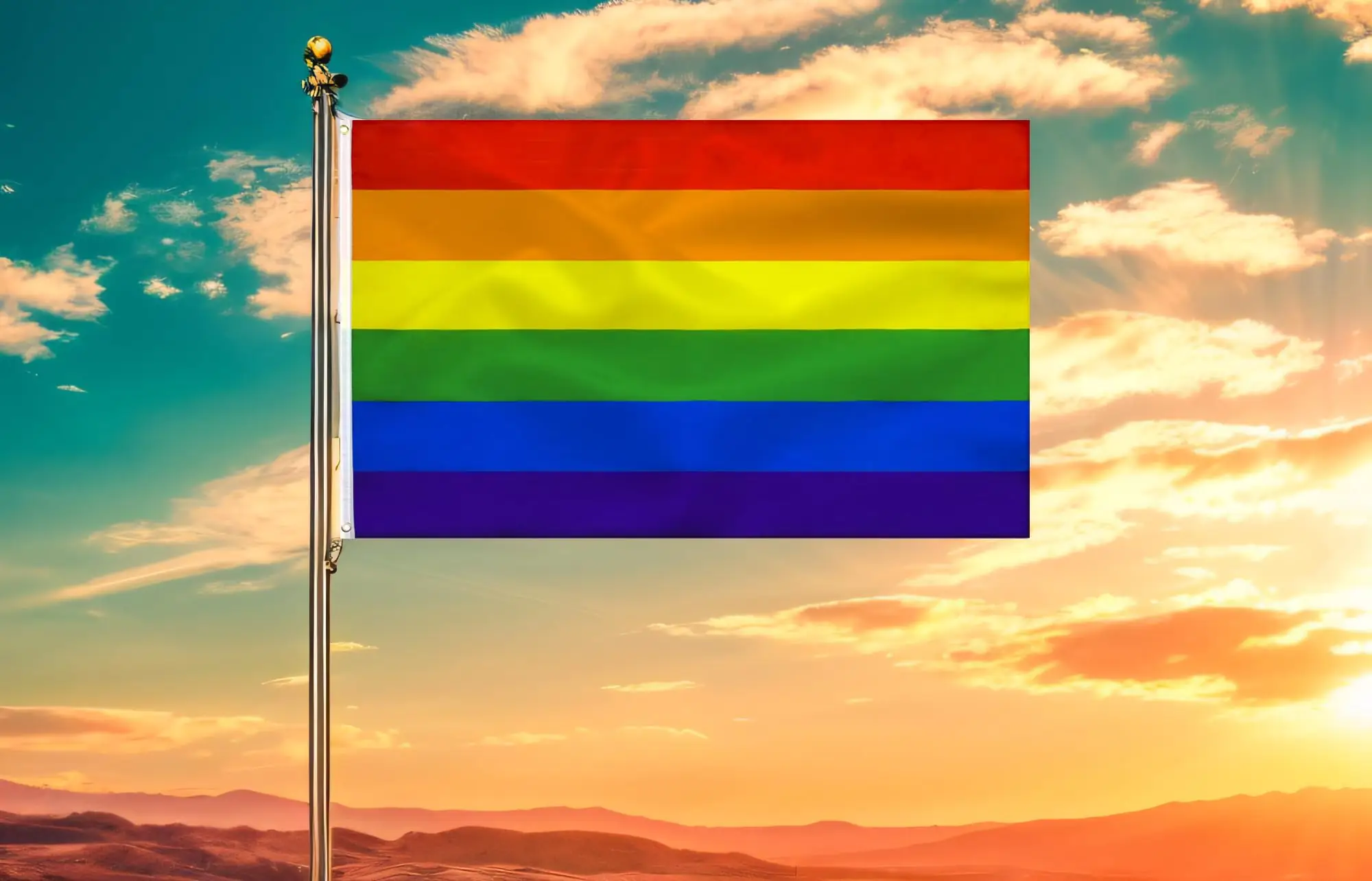
With the help of artist Lynn Segerblom and a team of volunteers, Baker hand‑dyed and stitched the first two rainbow flags. These debuted on June 25, 1978, at the San Francisco Gay Freedom Day Parade. The flags instantly resonated with marchers and spectators. Baker later said he chose the rainbow because it is a natural flag in the sky and because it exists in many cultures as a symbol of hope and promise. In a period when gay men and women faced widespread discrimination, the rainbow offered a bright and inclusive emblem.
The Original Eight Colours
The original Pride flag had eight stripes, each imbued with specific meaning:
| Colour | Meaning | Notes |
| Hot Pink | Sex | Pink fabric was rare in 1978; used only in the handmade flags. |
| Red | Life | Symbolising blood, vitality and community. |
| Orange | Healing | A nod to the nurturing aspects of the community. |
| Yellow | Sunlight | Warmth, energy and joy. |
| Green | Nature | Growth, renewal and environmental connections. |
| Turquoise | Magic/Art | Creativity and connection to spirituality. |
| Indigo | Serenity | Later renamed to blue; stands for harmony. |
| Violet | Spirit | Reflecting spirituality and the human soul. |
Only a few eight‑striped flags were made because hot pink fabric was difficult to source. Soon, commercial flag makers and community organisers began producing flags without the pink stripe, creating a seven‑colour version. When Baker planned to hang hundreds of rainbow banners from street lamps for the 1979 parade, he removed turquoise as well to achieve an even number of stripes on either side.
Thus, the six‑colour flag — red, orange, yellow, green, blue and violet — became the standard. Over time, indigo was renamed “royal blue” or simply “blue.” The elimination of pink and turquoise was driven by practicality rather than ideology, but some activists lament the loss of the original symbolism.
Variations and Progress Pride
Since 1979, the rainbow flag has spawned numerous variations. The Philadelphia eight‑stripe flag introduced black and brown stripes to recognise LGBTQ+ people of colour. The Progress Pride flag adds a chevron of black, brown, light blue, pink and white to represent marginalised communities and the transgender community.
In 2021, an intersex inclusive version incorporated a yellow triangle and purple circle. Each modification reflects ongoing conversations about inclusivity and representation within the LGBTQ+ movement. While some purists prefer the classic six‑stripe design, many embrace these evolutions as a way to acknowledge intersectionality.
Global Impact and Controversies
The rainbow flag is now a universal symbol of LGBTQ+ pride. It flies over city halls, embassies, parade floats and social media avatars. But its global adoption has not been without challenges. Some governments have attempted to ban or restrict its display, citing political or cultural objections.
In other cases, companies have been criticised for using the rainbow in marketing during Pride month without supporting LGBTQ+ causes. These debates highlight that symbols are powerful and contested. When you see the Pride flag in Peru or any other country, you are witnessing an emblem that has been shaped by activism, commercialism and global politics.
Comparing the Flags: Differences and Similarities
Design Elements
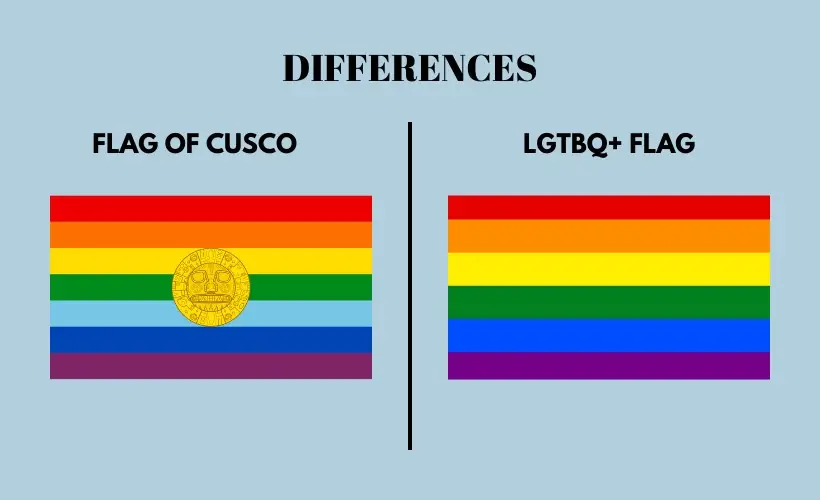
At first glance, both the Cusco flag and the Pride flag are horizontal rainbows, but key differences become clear upon closer inspection:
- Number of stripes: Cusco’s flag features seven stripes; the standard Pride flag has six.
- Colour palette: The Cusco flag includes cyan (light blue) and dark blue, whereas the Pride flag has a single royal blue. The Pride flag lacks cyan and uses a more saturated blue.
- Emblem: Since 2021, the Cusco flag bears the Sol de Echenique, a golden sun at its centre. The Pride flag does not have a central emblem, although some variants include chevrons or additional stripes.
- Shade and order: While both flags start with red and end with violet, the middle bands differ. Cusco’s order is red, orange, yellow, green, light blue, blue and violet; the Pride flag sequence is red, orange, yellow, green, blue and violet.
Colour Order and Meanings
Below is a comparison table summarising the colour sequences and their typical meanings. Remember that meanings can vary by source and community.
| Stripe Order | Cusco Flag Meaning | Pride Flag Meaning |
| Red | Blood of the people, strength | Life |
| Orange | Society and culture | Healing |
| Yellow | Gold and the sun | Sunlight |
| Green | Natural wealth, harmony | Nature |
| Cyan (Light Blue) | Andes and hope | Not present |
| Blue | Sky and peace | Harmony (serenity) |
| Violet | Andean mysticism | Spirit |
Both flags celebrate diversity and beauty through a rainbow spectrum, but they arise from different contexts. The Cusco flag is a civic banner expressing regional identity; the Pride flag is a social justice symbol advocating for LGBTQ+ rights. Recognising these differences honours each community’s story.
Origins and Purpose
- Cusco Flag: Created in 1973 and adopted in 1978 as a symbol of the Tahuantinsuyo legacy and Cusco’s identity. Its purpose is civic and cultural, used by local government and citizens to express pride in their city and its indigenous heritage.
- Pride Flag: Designed in 1978 for the San Francisco Gay Freedom Day Parade as a symbol of unity, diversity and liberation for lesbian, gay, bisexual, transgender and queer people. Its purpose is activist and social, rallying community cohesion and promoting rights.
Cultural Context
In Cusco, the rainbow flag is flown during official ceremonies, parades and protests unrelated to LGBTQ+ issues. It is often accompanied by the Peruvian national flag and sometimes the Wiphala. Many locals see it as a marker of their Andean heritage. In the LGBTQ+ context, the Pride flag is displayed at Pride marches, queer bars and community events around the world.
Some LGBTQ+ activists in Peru have adopted both flags to signal solidarity with indigenous struggles and queer rights, showing that symbols can intersect. When you visit Cusco, be aware that flying the Pride flag may be perceived differently than in metropolitan Western cities. Always ask local LGBTQ+ groups how best to show support.
Shared Values?
Although created for different reasons, the two flags share themes of diversity and unity. Both celebrate communities whose identities have been marginalised or misunderstood. In that sense, confusion between the flags can lead to meaningful conversations about inclusion.
However, conflating them without context may also erase unique histories. By learning the stories behind each flag, travellers can better appreciate the distinct yet complementary narratives they represent.
The Wiphala and Other Andean Symbols
What Is the Wiphala?
As noted earlier, the Wiphala is a checkerboard flag of 49 squares arranged in a 7×7 grid. Its colours mirror those of the rainbow but include white to signify time and spirituality. The diagonal arrangement creates a sense of movement and balance, symbolising the Andean concept of ayni, or reciprocity.
The Wiphala is not just a flag; it appears on textiles, ceramics, murals and even official uniforms. It is an active symbol of indigenous pride and self‑determination.
Historical Use
The exact origins of the Wiphala are debated. Some scholars believe similar checkerboard patterns appeared in Tiwanaku art (pre‑Inca civilisation), while others date its adoption to the 16th century. Regardless, the flag gained prominence during the 20th century as indigenous movements fought for recognition.
Bolivia adopted it as a national symbol in 2009. In Peru, the Wiphala is widely flown at indigenous gatherings, marches and festivals, and has sometimes been embraced by the Cusco municipality as a secondary emblem.
Differences from the Cusco Flag
Though both the Wiphala and the Cusco flag use rainbow colours, they differ in design and origin. The Wiphala is authentically pre‑Columbian and represents the Aymara and Quechua nations. The Cusco flag is a modern civic symbol created by a radio contest. The Wiphala’s square pattern sets it apart visually, preventing confusion with the horizontal stripes of both the Cusco and Pride flags.
Contemporary Use
You’ll encounter the Wiphala in markets, at demonstrations and during festivals like Qoyllur Rit’i, an Andean pilgrimage. When you buy a textile or interact with someone displaying the Wiphala, understand that it represents indigenous sovereignty. Treat it with respect and avoid using it interchangeably with the Cusco or Pride flags.
Planning Your Trip to Cusco
Now that you can distinguish the flags, let’s look at how to plan a trip that is both enjoyable and culturally respectful.
When to Visit
Cusco sits at 3,399 metres (11,152 ft) in the Peruvian Andes. Its high altitude gives it two main seasons:
- Dry season (April to October): Clear skies, sunny days and cold nights. This is peak trekking season. June is especially festive with Inti Raymi and Corpus Christi celebrations.
- Wet season (November to March): Frequent afternoon showers and lush green landscapes. Trails can be muddy, but crowds are fewer. January and February have the heaviest rains, and the Classic Inca Trail often closes for maintenance in February.
A table comparing conditions can help you choose:
| Month | Weather Highlights | Festivals/Events | Pros | Cons |
| April–May | Dry weather, warming temperatures | Easter celebrations | Ideal trekking weather; fewer crowds | Nights still cold |
| June | Clear skies | Inti Raymi; Corpus Christi | Vibrant cultural events | Peak tourist numbers |
| July–August | Dry, sunny days | Peruvian Independence Day (28 July) | Long daylight hours for trekking | Crowded trails; high prices |
| September–October | Slightly warmer | Spring festivals | Green landscapes post‑rain | Occasional showers |
| November–December | Start of wet season | Christmas preparations | Cheaper accommodation; fewer tourists | Afternoon rain; muddy trails |
| January–February | Heavy rain | Carnival celebrations | Lush scenery; local festivities | Many treks closed; risk of landslides |
| March | Rain diminishing | Women’s Day events | Fresh green valleys | Variable weather |
Itinerary Options
Five‑Day Cultural & Trekking Intro
- Day 1: Arrive in Cusco; settle in; stroll through Plaza de Armas; visit the cathedral; light dinner.
- Day 2: Acclimatise with a half‑day city tour including Sacsayhuamán and Qoricancha; evening at San Pedro Market.
- Day 3: Day trip to the Sacred Valley; visit Pisac ruins and market; overnight in Ollantaytambo.
- Day 4: Ride the train to Aguas Calientes and visit Machu Picchu; optional hike to Sun Gate; return to Cusco.
- Day 5: Free morning for museums or a weaving workshop; depart.
Seven‑Day Inca Trail Immersion
- Day 1–2: Same as above for arrival and acclimatisation.
- Day 3–6: Four‑day Classic Inca Trail trek with Alpaca Expeditions; includes porters, campsites, meals and guided visits to archaeological sites; arrive at Machu Picchu on Day 6 morning.
- Day 7: Return to Cusco; afternoon rest; evening farewell dinner featuring Andean cuisine.
Ten‑Day Adventure & Culture
- Day 1–2: Arrival and acclimatisation.
- Day 3: Sacred Valley tour with Ollantaytambo overnight.
- Day 4–8: Five‑day Salkantay or Choquequirao trek, depending on fitness and interests.
- Day 9: Machu Picchu visit or extended stay in Cusco for Inti Raymi (June trips).
- Day 10: Day trip to Rainbow Mountain or Palcoyo; departure.
These itineraries can be adjusted to include additional acclimatisation days, Inti Raymi participation or extra excursions such as Maras salt mines and Moray agricultural terraces.
Acclimatisation & Altitude
Cusco’s altitude can cause soroche (altitude sickness). To prevent symptoms like headache, nausea and fatigue, follow these tips:
- Ascend gradually: Ideally, spend a day or two at intermediate altitudes (e.g., Arequipa or the Sacred Valley) before reaching Cusco.
- Plan gentle activities for your first days: City tours and market visits are perfect low‑intensity options. Avoid strenuous hikes or alcohol on arrival.
- Stay hydrated: Drink plenty of water; avoid alcohol and excessive caffeine.
- Eat light: Focus on easily digestible meals like soups, grains and lean proteins.
- Rest adequately: Allow your body time to recover with good sleep and short naps.
- Use coca leaves: Chewing coca leaves or drinking coca tea can alleviate symptoms; many hotels offer this as a welcome drink.
- Consider medication: Consult a doctor about acetazolamide or other prophylactic medicines.
- Supplemental oxygen: Hotels and tour operators often provide oxygen if needed.
- Know the symptoms: If you experience severe headaches, confusion or breathlessness, seek medical attention. Cusco has clinics familiar with altitude issues.
To help plan, here is an acclimatisation checklist:
| Task | Day of Trip | |
| Arrive at intermediate altitude (Sacred Valley/Arequipa) | Day 0 | |
| Hydrate continuously (2–3 L per day) | Days 0–3 | |
| Avoid alcohol & heavy meals | Days 0–3 | |
| Engage in light activities (walking tours) | Day 1 | |
| Take coca tea or leaves | Day 1–3 | |
| Rest and sleep >7 hours | Days 1–4 | |
| Monitor symptoms & consult guide/doctor if needed | Throughout |
Packing List
Packing for Cusco requires balancing warm days, cold nights and variable weather. Use this table to plan your gear. Long explanations are kept in the prose following the table.
| Category | Essential Items | Optional/Notes |
| Documents | Passport, copies, travel insurance, cash in small bills, credit cards | Keep photos of documents on your phone; inform bank of travel dates. |
| Clothing | Quick‑dry T‑shirts, long‑sleeve shirts, fleece jacket, down jacket, waterproof shell, hiking pants, thermal underwear | Layering is key; nights can drop below 0 °C, especially on treks. |
| Footwear | Broken‑in hiking boots, trainers/sandals for camp, warm socks | Waterproof boots recommended for wet season treks. |
Accessories |
Sun hat, beanie, gloves, scarf, sunglasses (UV protection) | UV at altitude is strong; protect face and hands. |
| Backpack & Bags | Daypack (20–30 L), duffel or large backpack (40–60 L) for multi‑day treks | Alpaca Expeditions provides duffel bags for porters. |
| Health & First Aid | Personal medications, altitude pills (with prescription), pain relievers, bandages, blister plasters, insect repellent, sunscreen (SPF 50), lip balm, hand sanitiser | Include a small personal first‑aid kit; guides carry medical supplies. |
| Sleeping Gear | Sleeping bag (rated to at least –5 °C), inflatable pillow | Rental available through Alpaca Expeditions; check cleanliness. |
| Hydration & Food | Reusable water bottle or bladder (2–3 L), snacks (nuts, dried fruit, chocolate), electrolyte packets | Alpaca Expeditions provides water after Day 1 on treks; bring purification tablets for non‑guided hikes. |
| Electronics | Camera, phone, power bank, universal adapter, headlamp with extra batteries | Solar chargers can be useful on long treks. |
| Miscellaneous | Trekking poles, rain cover for backpack, dry bags, ziplock bags, notebook & pen, travel towel, toiletries | Trekking poles reduce knee strain; dry bags keep items safe during rain. |
When packing, keep porter weight limits in mind. On guided treks with Alpaca Expeditions, each trekker is usually allowed 7 kg (15 lb) of personal gear, including a sleeping bag and mattress. Pack only what you need; anything extra can be stored at your hotel in Cusco. Respecting weight limits ensures porters are not overburdened.
Safety & Health
Travelling to the Andes presents specific health considerations. In addition to altitude, be mindful of:
- Vaccinations: Consult your doctor about vaccinations for hepatitis A, typhoid and, depending on your itinerary, yellow fever (required for the Amazon but not Cusco).
- Water & Food Safety: Drink bottled or treated water. Wash your hands before eating. Choose busy restaurants or those recommended by trusted sources. Avoid raw vegetables unless you know they’ve been washed in purified water.
- Sun Exposure: High altitude increases UV intensity. Wear sunscreen (SPF 50 or higher), sunglasses and a wide‑brimmed hat.
- Street Dogs: Cusco has many friendly but unvaccinated dogs. Avoid petting them and keep distance to prevent bites.
- Altitude Emergencies: Severe altitude sickness can lead to high‑altitude pulmonary or cerebral oedema. If symptoms worsen despite rest and medication, descend immediately and seek medical help.
Alpaca Expeditions guides are trained in first aid and carry oxygen and medical kits. Travel insurance with evacuation coverage is strongly recommended.
Responsible Travel & Porter Welfare
When you hike the Inca Trail or any alternative trek, you rely on a team of porters, cooks and guides. Ethical companies like Alpaca Expeditions prioritise porter welfare by providing fair wages, proper gear, weight limits and health care. Here’s how you can contribute:
- Choose a Responsible Operator: Research tour companies that treat porters well — they should supply uniforms, boots, shelter and insurance. Alpaca Expeditions is proud to lead in this area.
- Respect Weight Limits: Keep your duffel within the allowed weight (typically 7 kg). Overweight bags burden porters and may incur additional fees.
- Tip Generously but Fairly: Tips are customary and shared among the crew. Your guide will suggest an amount per trekker; bring small bills in Peruvian soles.
- Engage Respectfully: Learn your porters’ names, thank them and show interest in their stories. Some may speak limited English, but gestures of appreciation transcend language barriers.
- Leave No Trace: Follow eco‑friendly practices by packing out trash, using biodegradable soap and staying on designated trails.
- Advocate for Policy: Support organisations that lobby for porter rights and better working conditions.
Cultural Etiquette
Peruvians are generally friendly and hospitable, but a few guidelines will enrich your experience:
- Greetings: When meeting someone, a handshake or a light cheek kiss (often right cheek) is common. Use “Buenos días” (morning), “Buenas tardes” (afternoon) or “Buenas noches” (evening).
- Language: Basic Spanish goes a long way. Learn common phrases like “Por favor” (please), “Gracias” (thank you) and “¿Cuánto cuesta?” (how much?). In rural areas, some Quechua words show respect; “Allin punchay” means good morning.
- Photography: Always ask permission before photographing people, especially indigenous women and children. Some may expect a small tip.
- Religious Sites: Dress modestly when entering churches; remove hats and sunglasses. Note that some cathedrals prohibit photography.
- Markets & Bargaining: Negotiating prices is expected. Do it politely with a smile and accept that a few soles mean much more to a vendor than to you.
- Flags: If you want to discuss the Cusco or Pride flag with locals, first ask if they are comfortable talking about it. Avoid assuming the rainbow means Pride unless you’re in a known LGBTQ+ space.
LGBTQ+ Travel Considerations
Peru has made strides toward LGBTQ+ acceptance, but experiences vary by region. Homosexuality is legal, and discrimination based on sexual orientation is prohibited by law, but societal attitudes can be conservative in rural areas. Here’s what LGBTQ+ travellers should know:
- Major Cities vs Rural Areas: Lima and Cusco have visible LGBTQ+ communities with bars and organisations. Displays of affection between same‑sex couples may attract attention but are generally safe. In small villages, discretion is advised.
- Pride Events: Lima hosts a large Pride march in June; Cusco’s Pride celebrations are smaller but growing. Check local schedules before your trip.
- Safety: Violent hate crimes are rare in tourist areas, but harassment can occur. Travel with trusted companions and avoid isolated areas at night.
- Cultural Sensitivity: Understand that many locals may not be familiar with modern LGBTQ+ terminology. Patience and context help when discussing identities.
- Legal Rights: Peru does not recognise same‑sex marriage or civil unions nationally. Transgender individuals may face bureaucratic hurdles. Support local activists and organisations if you wish to contribute to positive change.
Choosing Your Trek
Cusco is the gateway to numerous world‑class treks. Choosing the right route depends on your interests, fitness level and time. Here’s an overview of the major options.
Classic Inca Trail
The Classic Inca Trail is the most famous trek to Machu Picchu. Covering roughly 43 km (26 mi) over four days, it takes you through cloud forests, high passes and ancient ruins before arriving at the Sun Gate. Permits are limited and sell out months in advance.
Porters carry most equipment, and campsites are fixed. This trek is moderately challenging, with steep ascents and descents. Highlights include Patallacta, Dead Woman’s Pass (4,215 m), and Wiñay Wayna.
Salkantay Trek
If permits for the Inca Trail are sold out or you prefer a less‑crowded route, consider the Salkantay trek. This 5‑ to 7‑day hike climbs to the snow‑capped Salkantay Mountain at 6,271 m before descending through lush valleys to Santa Teresa and Aguas Calientes.
You’ll pass Humantay Lake, cross high ridges, soak in hot springs and camp under starry skies. The Salkantay trek is physically demanding due to altitude and long days but offers varied scenery and smaller groups.
Lares Trek
The Lares trek takes you through Andean villages where Quechua families maintain traditional lifestyles. This route offers intimate cultural encounters: you might visit a weaver’s home, watch alpacas being herded and share a meal prepared with local ingredients.
The trek typically spans 3–4 days and ends with a train ride to Machu Picchu. Trails are less steep than the Inca or Salkantay routes but still require acclimatisation.
Choquequirao Trek
Choquequirao is often called Machu Picchu’s sacred sister. This archaeological site sits at 3,050 m and requires a multi‑day trek that climbs and descends steep canyons. Few visitors make the journey, so you may explore terraces and temples in relative solitude.
The standard trek is 4–5 days round trip, with an option to continue to Machu Picchu over 9–10 days. This is one of the more challenging treks due to elevation changes and basic facilities.
Ausangate & Rainbow Mountain Treks
Adventure seekers may opt for the Ausangate circuit, a 5‑ to 7‑day trek around the sacred Ausangate Mountain (6,384 m). You’ll encounter pristine lakes, herds of llamas, and remote Quechua villages.
Camping at high altitude demands strong acclimatisation. A shorter option is the day hike to Rainbow Mountain (Vinicunca) or the nearby Palcoyo range, both known for bands of mineral colours. The trek to Vinicunca reaches 5,200 m, while Palcoyo is slightly lower and less crowded.
Rainbow Mountain vs Palcoyo: Comparison Table
| Feature | Rainbow Mountain (Vinicunca) | Palcoyo Mountain |
| Elevation | ~5,200 m (17,060 ft) | ~4,900 m (16,076 ft) |
| Trek Duration | 1 day with 3–4 h hiking | 1 day with 1–2 h hiking |
| Crowds | High, especially in peak season | Low to moderate |
| Scenery | Bold, vibrant stripes; panoramic views | Multiple coloured mountains; less steep |
| Difficulty | High (steep ascent; high altitude) | Moderate (gentler slopes) |
| Suitable for | Experienced hikers with good acclimatisation | Families and those with limited time |
How to Decide
To choose your trek, consider these factors:
- Permits & Availability: Inca Trail permits sell out fast; alternative treks usually have space.
- Fitness & Altitude: Assess your physical condition and altitude tolerance. Treks above 5,000 m require strong acclimatisation.
- Cultural vs Scenic Priorities: Lares emphasises cultural immersion; Salkantay and Ausangate focus on landscapes.
- Time: Classic Inca Trail takes four days; Choquequirao can extend to nine or more.
- Facilities: Inca Trail has established campsites; alternative treks may be more rustic.
- Sustainability: Ask how your operator supports porters, minimises waste and collaborates with local communities.
Experiencing Cusco’s Culture
A trip to Cusco isn’t just about trekking. The city and its surroundings offer a rich tapestry of history, art, food and living traditions.
Inti Raymi Festival
Inti Raymi, meaning “Festival of the Sun” in Quechua, is celebrated on June 24 to honour the Inca sun god Inti. The modern festival recreates ancient rituals banned during the colonial era. Festivities begin in the Qoricancha temple, where actors portray Sapa Inca and his wife.
The procession moves to the Plaza de Armas and culminates at Sacsayhuamán with dances, music and offerings. The Cusco flag and the Wiphala are ubiquitous. Tickets to the main stage at Sacsayhuamán must be purchased in advance, but many locals watch from hillside terraces. If your visit coincides with Inti Raymi, arrive early and bring water, sunscreen and layers; the celebration lasts all day.
Food & Markets
Cusco’s culinary scene fuses indigenous traditions with Spanish influences. Must‑try dishes include:
- Cuy al horno: Roasted guinea pig, a celebratory dish served with potatoes and salad.
- Lomo saltado: Stir‑fried beef with onions, tomatoes and soy sauce, served with rice and fries.
- Aji de gallina: Shredded chicken in a creamy yellow pepper sauce, often accompanied by rice and boiled potatoes.
- Chicha morada: Non‑alcoholic drink made from purple corn, pineapple and spices.
- Pisco sour: Peru’s national cocktail.
For fresh produce and local eats, visit San Pedro Market, where stalls sell fruits, cheeses, meats and souvenirs. The San Blas neighbourhood hosts artisan shops and cafés; its Saturday market features jewellery, textiles and paintings.
When shopping, negotiate prices gently and carry small bills. Avoid buying products made from endangered species, such as condor feathers or sea turtle shells.
Art & Textiles
The Andes are renowned for weaving. Traditional textiles are handwoven using backstrap looms and natural dyes. You’ll find ponchos, scarves, blankets and chullos (ear‑flap hats) in vibrant patterns.
Support cooperatives and certified fair‑trade shops that ensure artisans receive a fair price. For an immersive experience, join a weaving workshop in the Sacred Valley, where you can learn dyeing techniques and try your hand at weaving.
Museums & Sites
- Sacsayhuamán: This fortress above Cusco features massive stone walls and panoramic views. It is thought to represent the puma, one of the Inca trilogy animals.
- Qoricancha (Temple of the Sun): Once covered in sheets of gold, this temple was the most sacred site in the Inca Empire. The Spanish built the Church of Santo Domingo on its foundations.
- Cusco Cathedral: Built in the 16th century, it houses a famed painting of the Last Supper with Andean elements (roasted guinea pig on the table). The Cusco flag often hangs nearby.
- Inca Museum: Offers comprehensive exhibits on Inca history, metallurgy and ceramics.
- San Blas Church: Known for its intricate woodwork and the “pulpit of San Blas.”
Nightlife & Contemporary Culture
Cusco’s nightlife ranges from relaxed bars to lively clubs. Many venues feature live Andean music or fusion bands mixing traditional instruments with modern genres. The Cicciolina bar is popular among expats; Ukukus hosts regular performances.
For LGBTQ+ travellers, venues like Mama Africa and Mythology are known to be friendly, though scenes are smaller than in Lima. Always keep an eye on your belongings, and use registered taxis when returning to your accommodation.
The Flag Debate and Contemporary Perspectives
Confusion & Misinterpretation
Numerous travellers have shared stories of waving the Pride flag in Cusco only to be congratulated on supporting the local football team or civic celebrations. Others have pointed to the Cusco flag and expressed solidarity with LGBTQ+ rights, confusing locals.
These misunderstandings are mostly harmless, but they reveal how symbols carry different meanings across cultures. If you’re unsure which flag you’re seeing or want to discuss it, ask politely. Locals will appreciate your interest and effort to understand their customs.
Public Opinion in Cusco
Opinions on the flag vary. Older residents often associate the rainbow with Radio Tawantinsuyo and civic pride. Younger generations may be more aware of the global Pride flag and embrace both symbols. Some indigenous activists prefer the Wiphala over the Cusco flag, arguing that it better represents Andean identity.
Meanwhile, tourist demand for rainbow souvenirs has commercialised the symbol, leading to mass‑produced flags sold alongside alpaca hats. As one vendor in San Blas told me, “It doesn’t matter to me if tourists think it’s Pride or Cusco; as long as they buy it, I’m happy.” Such candid remarks remind us that economic realities influence how people engage with symbols.
Indigenous Perspectives
Members of Aymara and Quechua communities often emphasise the distinction between the Wiphala and the Cusco flag. They may see the Cusco flag as a colonial‑era invention that romanticises the Inca past without addressing current indigenous struggles.
Activists advocate for greater visibility of the Wiphala, bilingual education and land rights. When you visit indigenous villages or participate in ceremonies, pay attention to the flags being flown and ask guides to explain their significance. Avoid imposing your own interpretations.
Future of the Flag
Since the addition of the Sol de Echenique, debates continue about whether the Cusco flag should change further. Some propose adopting the Wiphala or designing a new flag that incorporates both Andean and modern symbols.
Others argue that the current flag has become a beloved emblem and should remain. There is also discussion about whether the flag should be used to promote tourism or whether doing so trivialises indigenous culture. As a visitor, the best approach is to listen and respect varied viewpoints.
Intersection with LGBTQ+ Activism
A growing number of activists in Peru view the Cusco flag and the Pride flag as complementary, representing two communities that share histories of resilience. During Pride marches in Lima, some banners combine the seven and six stripes to create a 13‑colour flag, celebrating both indigenous and queer identities.
However, critics caution against conflating struggles, noting that indigenous issues often become invisible in mainstream LGBTQ+ discourse. When attending Pride events or social justice rallies in Peru, follow the lead of local organisers.
Practical Travel Guides & Tools
Travel Budget Planner
Costs in Cusco vary depending on travel style. Here’s a rough budget table in USD per person per day (as of 2025):
| Expense | Backpacker | Mid‑Range | Luxury |
| Accommodation | $10–20 (hostel dorms) | $40–100 (B&Bs, boutique hotels) | $150–300 (luxury hotels) |
| Meals | $10–15 (market stalls) | $20–40 (restaurants) | $50–100 (fine dining) |
| Transport | $5–10 (public buses/taxis) | $15–25 (private shuttles) | $50–100 (private drivers) |
| Tours & Treks | $50–80 (day tours) | $600–900 (Inca Trail multi‑day) | $1,500+ (private luxury treks) |
| Souvenirs | $5–20 | $20–50 | $50–200 |
| Miscellaneous | $5–10 | $10–20 | $20–50 |
These figures are guidelines; actual costs depend on season, currency fluctuations and personal preferences. Always carry some local currency (Peruvian soles) for small purchases.
Language Tips
Learning a few Spanish and Quechua phrases enhances your experience. Here are some practical words:
- Hola – Hello
- ¿Cómo estás? – How are you?
- Por favor – Please
- Gracias – Thank you
- ¿Cuánto cuesta? – How much does it cost?
- No entiendo – I don’t understand
- Allin punchay (Quechua) – Good morning
- Riqsisqa kanki? (Quechua) – What is your name?
- Sulpayki (Quechua) – Thank you
Using these phrases shows respect and often brings smiles.
Sustainable Souvenirs
Look for items that support local artisans and use sustainable materials:
- Handwoven textiles made from alpaca or sheep wool.
- Silver jewellery featuring Andean motifs.
- Ceramics painted with Inca or colonial designs.
- Fair‑trade coffee or chocolate grown in Peru.
- Books on Andean history by local authors.
Avoid items made from endangered animal parts or archaeological artefacts; purchasing such goods is illegal and unethical.
Emergency Contacts
- Police Emergency: 105 (equivalent to 911).
- Tourist Police (Policía de Turismo): +51 84 224 704.
- Cusco Regional Hospital: +51 84 211 229.
- Clinica San José (private clinic with English‑speaking doctors): +51 84 284 057.
- Alpaca Expeditions Office (Cusco): +51 84 252 929.
- S. Consular Agency in Cusco: +51 84 231 474.
- K. Consular Assistance (via Lima embassy): +51 1 617 3000.
Keep these numbers saved and share your itinerary with friends or family.
Frequently Asked Questions (FAQ)
This section answers 30 common questions succinctly. Each answer refers back to the relevant part of the article for more detail.
- Why does Cusco have a rainbow flag?
The rainbow flag was adopted in 1978 after a radio contest and symbolises the city’s cultural identity and legacy of Tahuantinsuyo. - Is the Cusco flag the same as the LGBTQ+ Pride flag?
No. Cusco’s flag has seven stripes and sometimes a central sun, while the Pride flag has six stripes. They were created independently. - What do the seven colours of the Cusco flag represent?
The colours represent blood and strength, society, gold, nature, the Andes, the sky and Andean mysticism. - Who designed the Cusco flag?
A local listener’s design won a contest hosted by Radio Tawantinsuyo in 1973; Mayor Gilberto Muñiz Caparó adopted it in 1978. -
What is the Sol de Echenique?
A golden sun emblem added to the centre of the Cusco flag in 2021.
- Did the Incas have a national flag?
No. The Incas used standards and textiles but not flags in the modern sense. - What’s the difference between the Cusco flag and the Pride flag?
The main differences are the number of stripes (seven vs six), inclusion of light blue in Cusco’s flag and the presence of a sun emblem. - How many colours did the original Pride flag have?
Eight, including hot pink and turquoise. Practical issues later reduced it to six. - Who is Gilbert Baker?
The American artist who designed the rainbow Pride flag for the 1978 San Francisco Gay Freedom Day Parade. - What is the Wiphala?
A 7×7 checkerboard flag used by Aymara and Quechua peoples; each colour has spiritual meaning. - Are there Pride parades in Cusco?
Cusco hosts small Pride events, but Lima’s parade in June is larger. Check local calendars for exact dates. - When is Inti Raymi celebrated?
June 24 every year; it honours the Inca sun god Inti and features elaborate rituals at Qoricancha and Sacsayhuamán. - Where can I see the Cusco flag?
It flies over government buildings, the Plaza de Armas, Sacsayhuamán, Qoricancha and during festivals. - How do locals feel about the flag?
Opinions vary: many embrace it as a symbol of local pride, while some indigenous activists prefer the Wiphala. Debates continue about its design and meaning. -
What are the best treks from Cusco?
The Classic Inca Trail, Salkantay, Lares, Choquequirao and Ausangate are popular options. Each has different scenery and difficulty levels.
- How long should I acclimatise before trekking?
Spend at least two to three days in Cusco or the Sacred Valley. - What should I pack for a trek?
Layers of clothing, sturdy boots, a sleeping bag, hydration gear, personal medications and a small first‑aid kit. See the packing list for details. - Is Peru safe for LGBTQ+ travellers?
Yes, especially in major cities. Homosexuality is legal, though rural areas can be conservative. Exercise discretion in less urban settings. - What altitude is Cusco at?
Approximately 3,399 m (11,152 ft). Altitude sickness can occur if you ascend too quickly. - What should I do if I get altitude sickness?
Descend or rest, hydrate, eat light, use coca tea and consult a doctor if symptoms worsen. - Are porters well treated on treks?
Responsible operators like Alpaca Expeditions ensure porters receive fair pay, proper equipment and care. Ask about company policies before booking. - Where can I buy a Cusco flag?
Markets in Cusco’s Plaza de Armas and San Blas sell flags. Ensure you know whether you’re buying the seven‑stripe version, the version with the sun or the Wiphala. - Can I fly the Pride flag in Peru?
Yes. There are no laws against displaying the Pride flag, but be mindful of local cultural contexts, especially in rural areas. - Why were pink and turquoise removed from the Pride flag?
Hot pink fabric was scarce and turquoise was removed to create an even number of stripes for street lamp decorations. - Are there any laws against rainbow flags in Peru?
No national laws prohibit rainbow flags. However, some local governments may regulate flag displays on public buildings. -
What other cultural symbols should I know?
The Andean cross (Chakana), condor, puma and serpent trilogy, and Inca sun motifs appear in art and architecture. Understanding these enriches your visit.
- Is the rainbow used in other contexts?
Yes, in Kabbalah, Christian Noah’s Ark stories, Irish mythology (pots of gold) and numerous national or provincial flags worldwide. Each context has unique meaning. - When was the Sol de Echenique added?
In 2021. - How can I support indigenous communities?
Book tours with companies that employ indigenous guides, buy directly from artisans, learn about their history and advocate for their rights. - What sustainable practices should I follow on treks?
Pack out trash, use reusable bottles, respect trail rules, stay on designated paths and avoid single‑use plastics.
Conclusion
Reflecting on the Rainbow
When I think back to that afternoon in Cusco’s Plaza de Armas, the rainbow flag that caught my eye has taken on far richer meaning. I now see the seven stripes as an expression of a city reclaiming its history through a modern symbol, while the six‑stripe Pride flag remains a banner of liberation and solidarity for LGBTQ+ people worldwide. Both are rainbows, but each speaks to a different story of identity, struggle and pride.
Travelling with knowledge of these stories allows you to engage more deeply with the places you visit. It can turn a passing glance at a flag into a conversation with a market vendor, a weaving demonstration in a Quechua village or a moment of solidarity at a local Pride march.
By preparing properly — acclimatising, packing thoughtfully, respecting porters and learning a few Quechua words — you not only protect your health but also honour the people who welcome you to their homeland.
At Alpaca Expeditions, we believe responsible tourism is a path to mutual understanding. We invite you to walk that path with us. Whether you choose to hike the Classic Inca Trail, explore the remote terraces of Choquequirao or simply wander the cobblestone streets of Cusco, may your journey be coloured by the many shades of the rainbow — both seven and six. Safe travels and sulpayki — thank you.
Glossary
- Acclimatisation: The process of adjusting to a new altitude or climate.
- Ayni: Quechua concept of reciprocity and mutual aid.
- Andean cross (Chakana): A stepped cross symbol representing the three realms of the Andean worldview.
- Coca leaves: Traditional Andean plant chewed or brewed into tea to ease altitude symptoms.
- Cusco: Historic capital of the Inca Empire; today a city in southern Peru.
- Dead Woman’s Pass: Highest point on the Classic Inca Trail (4,215 m).
- Fiesta: Spanish for festival; used across Latin America.
- Machu Picchu: 15th‑century Inca citadel near Cusco.
- Porter: A person who carries equipment and supplies on treks.
- Pride Flag: Rainbow flag symbolising LGBTQ+ pride.
- Quechua: Indigenous language spoken in the Andes; also refers to the people.
- Rainbow Mountain (Vinicunca): A mountain near Cusco known for its striped colours.
- Raúl Montesinos Espejo: Founder of Radio Tawantinsuyo; initiated the Cusco flag contest.
- Salkantay: A 6,271 m peak and alternative trekking route to Machu Picchu.
- Sol de Echenique: Golden sun emblem added to the Cusco flag in 2021.
- Soroche: Spanish term for altitude sickness.
- Tahuantinsuyo: Quechua term for the Inca Empire.
- Wiphala: Indigenous flag of Aymara and Quechua communities.