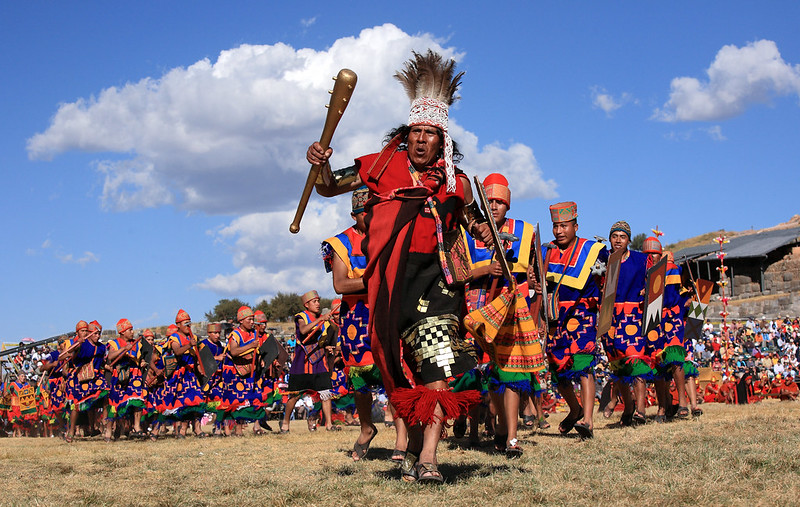


Summer Solstice in Cusco: Honoring Qhapaq Raymi on December 21
As the sun reaches its highest arc over the Andes each December, Cusco pulses with a different kind of energy. People pour into plazas and markets, musicians tune their instruments, and elders whisper stories of a time when the sun was a god, and the fate of crops depended on rituals performed under its gaze. This is Summer Solstice in Cusco – Qhapaq Raymi, the Royal Feast of the summer solstice.
The festival dates back to the 15th century, when the Inca marked the December 21st solstice as the transition between two sacred months dedicated to Inti (the sun) and Quilla (the moon). Though Catholicism and colonial rule suppressed many of its rites, Qhapaq Raymi persists as a living thread in the tapestry of Cusco’s identity.
At Alpaca Expeditions, we cherish this day because it reminds us of the deep connection the Andean people have with the land and the heavens. In this comprehensive guide, we’ll explore the astronomy behind the solstice, dive into the myths and ceremonies of the Inca calendar, and show you how modern Cusqueños celebrate.
We’ll also share tips on where and how to experience Qhapaq Raymi responsibly, so you can witness the rebirth of an ancient tradition while supporting local communities.

Summer Solstice in Cusco
Understanding the December Solstice
Astronomy and Daylight
The solstice is an astronomical event that occurs twice a year when the sun reaches its extreme positions in the sky. In the Southern Hemisphere, the summer solstice falls on December 21 or 22, marking the longest day and shortest night of the year.
In Cusco, the difference between the shortest and longest days is about 1 hour 35 minutes—during the winter solstice in June, the city gets roughly 11 hours 19 minutes of daylight; during the summer solstice, the day stretches to 12 hours 54 minutes.
Ancient Andean astronomers observed these changes with precision. Without watches or smartphones, they tracked the sun’s arc using stone markers. One of the most famous is the Intihuatana stone at Machu Picchu.
Literally the “hitching post of the sun,” this carved pillar aligns the sun with the surrounding mountains during the equinoxes and solstices, symbolically binding the celestial body to the earth. Such instruments allowed the Inca to schedule agricultural cycles and religious ceremonies with astonishing accuracy.
The Inca Calendar and Qhapaq Raymi
The Inca divided the year into twelve lunar months, each beginning with a new moon. Qhapaq Raymi (Royal Feast) is the first month of the solar cycle leading up to the summer solstice. According to historical accounts, the December solstice marked the separation of two months that honored Inti and Quilla, representing the masculine and feminine aspects of life.
After the solstice, the month of Qhapaq Raymi Camay Quilla (Festival of the Moon) began. The length of the celebrations depended on when the first new moon appeared after December 21; if it came soon, festivities lasted around 22 days, but if it was delayed, celebrations could continue for up to 52 days.
Inca society wove astronomical observations into the fabric of daily life. The Warmy Pascua (Feminine Passover) and various rites of passage took place during Qhapaq Raymi. Noble boys underwent a coming‑of‑age ceremony known as Warachikuy, where their ears were pierced to insert large ear spools, signifying their readiness for leadership.
Girls received their first hair ornaments, and boys were given trousers, marking their transition from childhood. Elders evaluated each child’s abilities to decide their future roles in society. Rituals included prayer, dance, offerings of plants and animals, and the consumption of chicha de jora (fermented corn beer).
Honoring Inti and Quilla
Qhapaq Raymi was not only about human transitions; it was about balance between masculine and feminine energies represented by the sun and moon. People offered flowers, coca leaves, and sacred animals to Inti to ensure warmth and bountiful crops.
The moon goddess Quilla was honored during Qhapaq Raymi Camay Quilla when the Inca awaited the next luminous full moon. Celebrations often lasted until that moon rose, drawing participants from across the empire to major temples and plazas.

Honoring Inti and Quilla
Rituals and Ceremonies of the Summer Solstice
Warachikuy: Rite of Passage
During the Inca Empire, the December solstice ceremony had a strong initiation component. Warachikuy was a test of courage and physical prowess for noble boys. According to chroniclers, youths faced endurance trials and warlike dances at Sacsayhuamán to prove their readiness to join the warrior class.
Those who succeeded were awarded a wara (loincloth) and ear spools, symbols of adult status and access to civil or military service. This ceremony reinforced social hierarchies, as failure meant exclusion from the hierarchy and restrictions on marriage.
Warmi Pascua and Feminine Roles
The Warmi Pascua (Feminine Passover) was associated with Qhapaq Raymi. Girls received decorative hairpins, and parents chose which skills to nurture in their daughters. While the patriarchal Inca society largely controlled female roles, this ritual acknowledged women’s contribution to community life and reproduction.
Offerings and Feasts
Qhapaq Raymi festivities were rich with symbolism. Priests and villagers offered plants, flowers, and animals to the gods and consumed large quantities of chicha de jora. Ashes from sacrificed llamas were thrown into rivers as offerings to Viracocha, the creator deity. Dancers performed barefoot on the temples’ plazas, and the air filled with the sound of pututu (conch shells) signalling transitions between ritual stages.
Measuring Time Through the Moon
Unlike modern calendars with fixed dates, Inca festivities were fluid. The start of Qhapaq Raymi depended on the lunar cycle, and the length of the festival was determined by the arrival of the next new moon.
If the new moon arrived soon after December 21, celebrations lasted 22 days; if it was late, they could last up to 52 days. This flexibility allowed the Inca to align human rituals with astronomical phenomena and agricultural needs.
Modern Celebrations in Cusco
Syncretism with Catholicism and Christmas
Spanish colonization and the spread of Catholicism suppressed many Inca ceremonies. However, rather than disappearing entirely, Qhapaq Raymi blended with Christian traditions. Many Peruvian towns now combine Navidad (Christmas) celebrations with the December solstice.
In Cusco, you might see processions of saints accompanied by dancers in Inca costumes, illustrating the syncretic nature of Andean spirituality. Locals begin celebrating Christmas on December 24 during the Santuranticuy market in the Plaza de Armas, then continue the party through the solstice and into the New Year.
Parades, Music, and “Pisco Sur”
If you are in Cusco around December 21, expect lively parades with musicians and dancers marching through the streets. The Inkaterra blog notes that visitors will find themselves in “a melee of parades, friendly crowds, day drinking and of course, an obligatory Pisco Sour or two”.
People wear bright clothes, gather in plazas to watch traditional dances, and toast the season with local beverages. Modern celebrations highlight community and joy rather than rigid rituals, but the core symbolism—honoring the sun and welcoming renewal—remains.
Reviving Ancestral Rites
Efforts are underway to revive Qhapaq Raymi in its original form. The Kuoda Travel blog explains that some events now take place at archaeological sites like Chavín de Huantar, where participants make offerings of coca and pumpkin pudding and blow conch shells to herald the transition into the new year. These reconstructions help educate younger generations about their heritage and attract visitors interested in cultural tourism.
Experiencing the Solstice as a Traveler
Best Places to Observe
- Cusco’s Plaza de Armas: The city’s main square is ground zero for solstice celebrations. Here you’ll witness parades, live music, and vendors selling traditional foods. Stay late into the evening to watch fireworks and dance alongside locals.
- Qorikancha (Temple of the Sun): Once the most important temple in the Inca Empire, Qorikancha was dedicated to Inti. While much of the gold that once covered its walls was plundered, the stone foundations remain. Visiting during Qhapaq Raymi allows you to feel the energy of a site that once anchored an empire.
- Sacsayhuamán: This fortress on the hill above Cusco offers panoramic views of the city. During the solstice, indigenous groups perform reenactments of ancient ceremonies here. The site also hosts the more famous Inti Raymi (winter solstice) in June, so check schedules for events in December as they may be smaller in scale.
- Machu Picchu: Some travelers choose to experience the solstice at the “lost city” itself. Watching sunrise from the Intihuatana stone as it aligns with the sun can be deeply moving. However, note that due to conservation efforts, access to the stone is restricted; consult your guide for the best viewing spots.
- Sacred Valley towns: Villages like Pisac, Urubamba, and Ollantaytambo hold their own celebrations. Since these towns sit at lower elevations, attending events there can help you acclimate while experiencing local culture.
Tips for Travelers
- Book early: December is high season in Cusco due to the solstice and Christmas. Accommodation and tour spots fill quickly.
- Prepare for rain: Qhapaq Raymi occurs during the rainy season, so bring waterproof gear. Average daytime temperatures range from 59–81 °F (15–27 °C) with cool nights.
- Respect traditions: Ask permission before taking photos of ceremonial events. Dress modestly and refrain from touching altars or sacred offerings.
- Support local businesses: Purchase crafts and food from local vendors. Attending community‑organized events contributes directly to the people preserving this heritage.
- Travel responsibly: Use an ethical operator like Alpaca Expeditions that pays fair wages to guides and porters and minimizes environmental impact. Our team can arrange solstice experiences that honor local customs while providing comfortable logistics.
Weather and Altitude Considerations
The Cusco region sits at an altitude of 3,399 m (11,152 ft). Visitors may experience symptoms of altitude sickness, such as headaches, fatigue, and nausea, at altitudes above 3,000 meters. To acclimate properly:
- Spend at least two to three days in Cusco or the Sacred Valley before taking part in strenuous activities.
- Stay hydrated and drink coca tea.
- Avoid alcohol and heavy meals on your first day.
- Consider visiting lower‑altitude towns like Pisac and Urubamba during your first days.
Our guides will monitor your well-being and adjust activities according to your comfort level.
Cultural Context and Relation to Christmas
The December solstice falls just days before Christmas. In colonial times, Spanish priests banned many indigenous ceremonies, replacing them with Christian celebrations. Yet Andean communities subtly preserved their rituals under the guise of Catholic festivals.
Today, many Cusqueños attend midnight Mass on December 24, then head to the Plaza de Armas for the Santuranticuy market, one of the largest Christmas fairs in Peru. Here, artisans from the highlands sell retablos (portable shrines), pottery, and carved nacimientos (nativity scenes). The market flows seamlessly into solstice festivities, illustrating the way cultures coexist in the Andes.
How Alpaca Expeditions Celebrates Qhapaq Raymi
At Alpaca Expeditions, we are dedicated to preserving and sharing Andean traditions responsibly. When you join us for a Qhapaq Raymi experience, you’ll be guided by local experts who grew up celebrating the solstice. Our itineraries might include:
- A guided sunrise at a sacred site such as Sacsayhuamán or Qorikancha, where you’ll learn about astronomical alignments.
- Participation in community rituals, from making offerings to Inti to dancing alongside locals. We ensure that any participation is respectful and invited by the community.
- Visits to local markets to purchase ceremonial items and support artisans.
- Storytelling sessions with elders who recount their memories of Qhapaq Raymi, blending oral history with myth.
- Comfortable logistics, including transportation, accommodation, and meals that showcase Andean cuisine.
By choosing Alpaca Expeditions, you’re investing in a company that values cultural authenticity, fair wages, and environmental stewardship. We limit group sizes, provide extensive training for our guides, and donate a portion of our profits to community projects.
Conclusion
The summer solstice in Cusco is more than an astronomical event; it’s a celebration of renewal, identity, and harmony between humanity and the cosmos.
From the Warachikuy rites of noble boys to today’s colorful parades and Pisco Sour toasts, Qhapaq Raymi invites us to pause and honor the cycles that sustain life. As travelers, we have the privilege and responsibility to witness and support these traditions with respect.
If you’re planning a trip to Peru in December, let us help you experience the magic of Qhapaq Raymi. With Alpaca Expeditions, you’ll gain insights into Inca cosmology, participate in authentic celebrations, and enjoy the comfort of ethical, local expertise.
Book your solstice journey with us, and step into a story that spans centuries. Together we’ll welcome the sun’s return and create memories that will light your path for years to come.
Alpaca Expeditions Recognitions
ISO (International Organization for Standardization)
In the pursuit to stand out from the rest, Alpaca Expeditions has obtained four ISOs plus our carbon footprint certificate to date. These achievements result from our efforts to implement the internationally-recognized integrated management system. They also represent our commitment to all of our clients and staff of operating sustainability and responsibility in every way possible.


Porters will carry up to 7 kg of your personal items, which must include your sleeping bag and air mat (if you bring or rent one). From us, these two items weigh a combined total of 3.5 kg.