


Why Machu Picchu Should Be in Your 2025 Plans
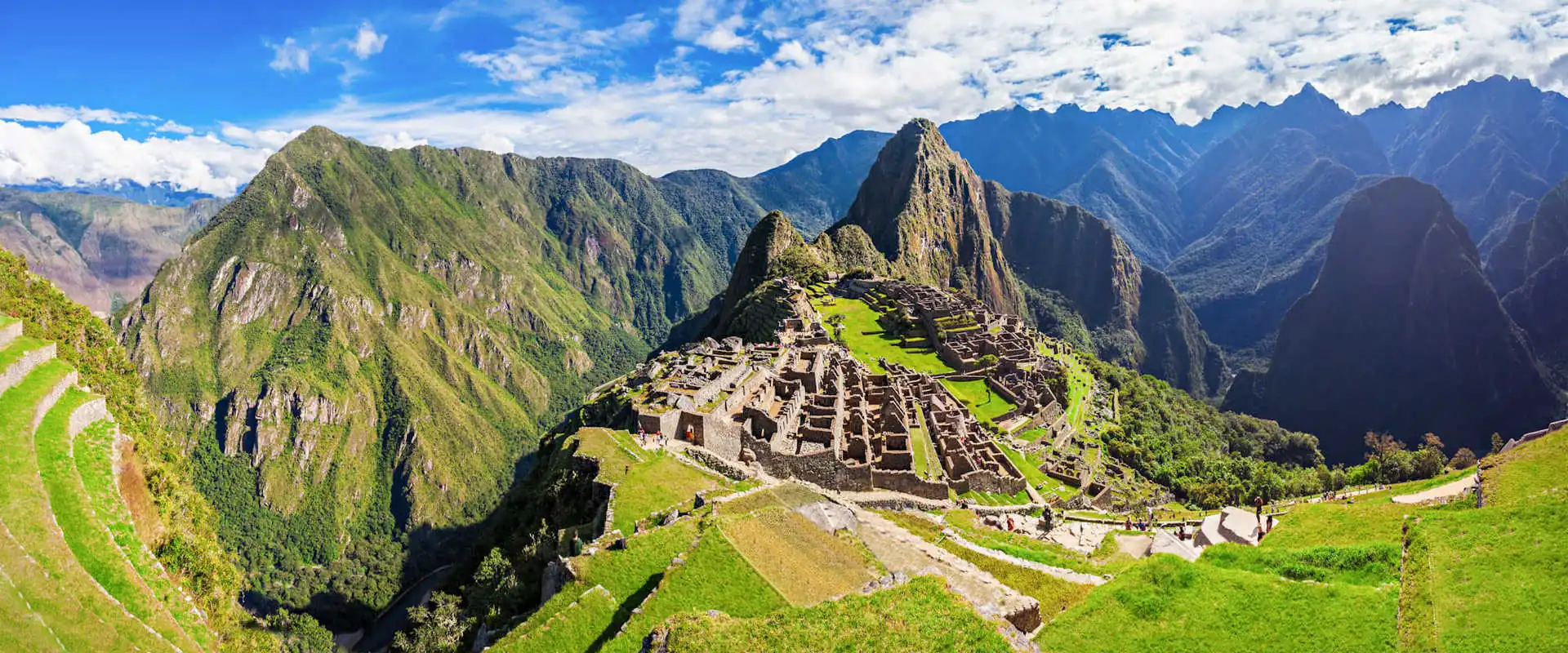
Perched on a ridge between cloud‑forested mountains and Andean highlands, Machu Picchu in 2025 is more than an archaeological site-it’s a journey through time, culture, and nature. The UNESCO World Heritage site once served as a royal estate and ceremonial complex of the Inca Empire.
Today, its terraced fields, intricate stonework, and panoramic vistas attract travellers from across the globe. Yet the question persists: when should you visit? The answer is not a simple one, especially with new regulations introduced for 2025 aimed at preserving this fragile wonder for future generations.
Climate, crowd patterns, ticket availability and cultural events all factor into the decision. If you plan on making the trek from the United States or the United Kingdom, you also need to consider travel logistics, altitude acclimatization and health guidelines.
This guide goes beyond generic travel advice. It offers a month‑by‑month breakdown of Machu Picchu’s weather, explains the ten new visit circuits and visitor caps, and provides actionable tips for securing tickets, avoiding crowds, and immersing yourself in local culture.
You’ll find packing checklists, itinerary suggestions, detailed acclimatization advice, and sustainability pointers-everything you need to plan a safe, enjoyable and ethically responsible visit. Throughout, you’ll see citations referencing official sources such as government regulations and credible travel organisations to ensure accuracy and trustworthiness.
Whether you are a seasoned hiker or first‑time adventurer, this guide is designed to help you make informed choices and maximise your 2025 journey.
Understanding the 2025 Landscape at Machu Picchu
New Rules and Visitor Caps
In response to concerns about overcrowding and erosion, the Peruvian Ministry of Culture introduced a new visitor management system starting June 1, 2024, which continues into 2025. The key changes include:
- Daily visitor limits: During the high season-from June 1 through October 15 and December 30-31-only 5,600 visitors may enter Machu Picchu each day. During the low season (October 16-December 29), the limit drops to 4,500 per day. These numbers include all circuits combined, not just the main citadel.
- Ten new circuits: The site now offers ten separate routes divided into three categories: Panoramic (Circuit 1), Classic (Circuit 2), and Royalty (Circuit 3). Each circuit has sub‑routes (1‑A to 3‑D) with specific entry times and durations. Some circuits are restricted to adults or require particular fitness levels.
-
Ticket release schedule:
-
Tickets for 2025 go on sale in waves. For January 2025 visits, sales start December 19, 2024. Tickets for February‑May 2025 become available between January 3-1,7, 2025, and tickets for June‑December 2025 are released January 20-21, 2025. This phased release prevents scalping and ensures fair access.
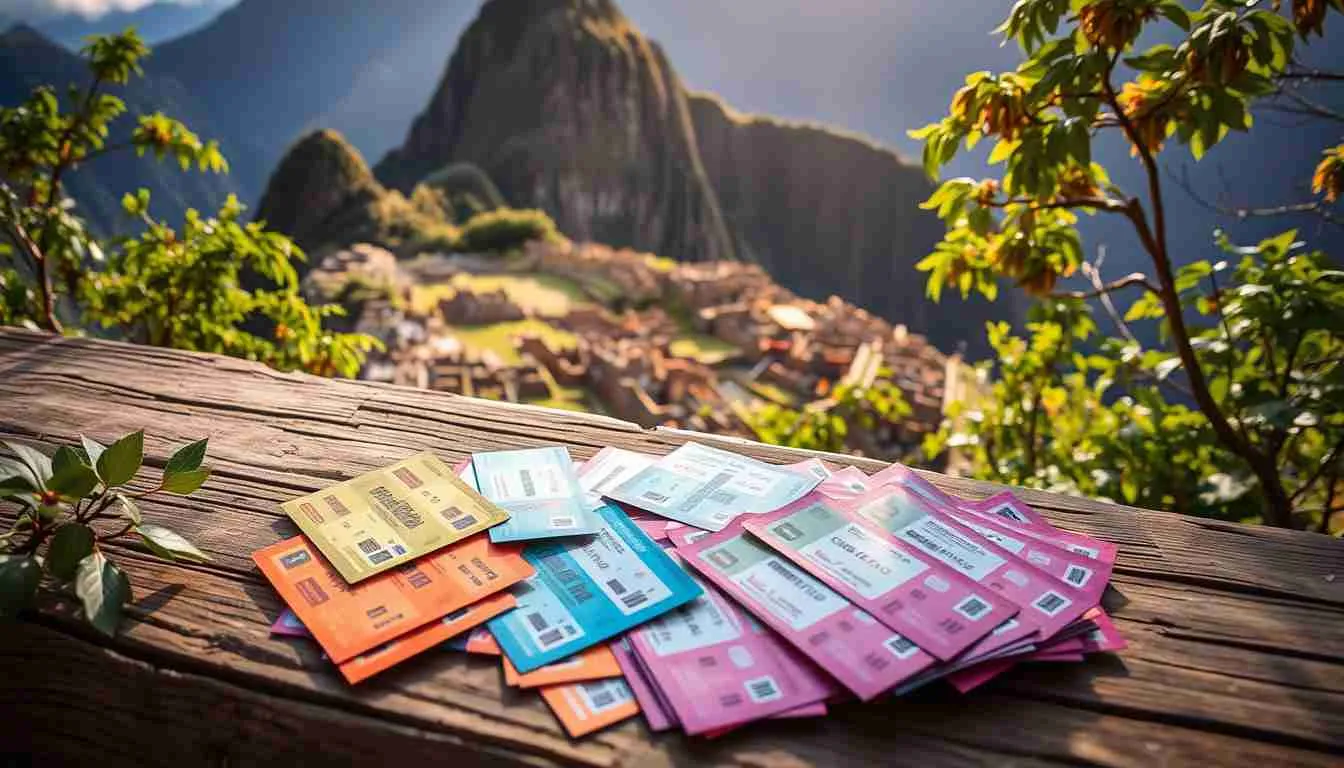
Machu Picchu tickets 2025
- Shorter visit windows: Most circuits allow 2-4 hours in the citadel; you must arrive within your assigned time slot and cannot re‑enter once you exit.
- Guided groups: Every visitor must be accompanied by a licensed tour guide, and group size is capped at 16 people. This policy aims to reduce congestion and provide a better interpretation of the site.
- Prohibited items and behaviours: Drones, tripods, heels, selfie sticks and climbing on walls are prohibited. Visitors must respect designated routes and abide by guidelines to preserve structures.
These rules mean that travellers need to plan. Tickets sell out months in advance during popular periods like June-August and December. Those who wait until the last minute may find only less desirable circuits or times available. Booking early also allows you to coordinate trains, hotels, and guides.
Dry Season vs. Rainy Season: A Climate Overview
Machu Picchu sits at roughly 2,430 meters (7,970 feet) above sea level on the eastern slopes of the Andes, where it is influenced by both highland and Amazonian climates. The region experiences two main seasons:
| Season | Months | Climate | Pros | Cons |
| Dry Season | April-October | Clear skies, minimal rainfall, crisp mornings, and warm afternoons. Daytime temperatures range between 18°C-22°C (64-72°F) in Machu Picchuand nights can drop to 6°C (43°F). | Ideal for photography and hiking; better visibility; stable trail conditions. | Peak crowds (especially June-August); higher prices; tickets sell out quickly; colder nights. |
| Rainy Season | November-March | Frequent afternoon showers and occasional thunderstorms. Daytime temperatures range 20°C-26°C (68-79°F), nights 8-10°C (46-50°F). Landscape turns lush and green; fog creates a mystical atmosphere. | Fewer tourists; lower prices; vibrant flora and waterfalls; mild temperatures. | Rain can cause slippery trails; risk of landslides; partial closures (e.g., Inca Trail closed in February). |
Microclimates: Even within these categories, weather can shift unexpectedly. Clear mornings can give way to sudden fog or showers. The difference between Cusco and Machu Picchu can also surprise travellers:
Cusco is higher (3,400 m) and much colder at night, whereas Machu Picchu sits at a lower altitude with milder conditions. We recommend packing for all conditions regardless of season.
Health and Safety Essentials
A successful trip begins with preparation for altitude and health risks:
- Altitude awareness: Cusco sits at about 3,400 meters (11,155 feet) above sea level; Machu Picchu lies at 2,430 m (7,970 ft). Sudden ascent can cause altitude sickness, affecting half or more of visitors. Symptoms include headaches, fatigue, shortness of breath, and nausea. To minimize risk, arrive in Cusco or the Sacred Valley 2-3 days before your Machu Picchu visit; stay hydrated; avoid alcohol and heavy meals; climb gradually; and consider medications like acetazolamide or dexamethasone after consulting your doctor.

Altitude awareness
- Vaccinations & health precautions: The World Health Organization and travel medicine specialists recommend being up‑to‑date on routine vaccines (measles‑mumps‑rubella, diphtheria‑tetanus‑pertussis, varicella, polio), plus Hepatitis A and Typhoid shots for Peru. Hepatitis B and rabies vaccines may be considered for prolonged stays or remote excursions. Yellow fever and malaria prophylaxis are generally not required for Cusco or Machu Picchu unless visiting the Amazon basin. Practice good food and water hygiene: drink bottled or boiled water, avoid raw dairy and poorly washed produce, and wash hands frequently.
- Emergency services: Keep emergency numbers handy (Peru’s general emergency number is 105). In Cusco, Hospital Regional and Clinica Pardo are equipped to handle altitude‑related issues. Travel insurance covering medical evacuation is strongly recommended.
- Safety tips: Machu Picchu is relatively safe, but watch your belongings, especially on buses and trains. Avoid walking alone at night in unlit areas of Cusco or Aguas Calientes. Use licensed taxis or rideshare apps.
Porter Welfare and Sustainability
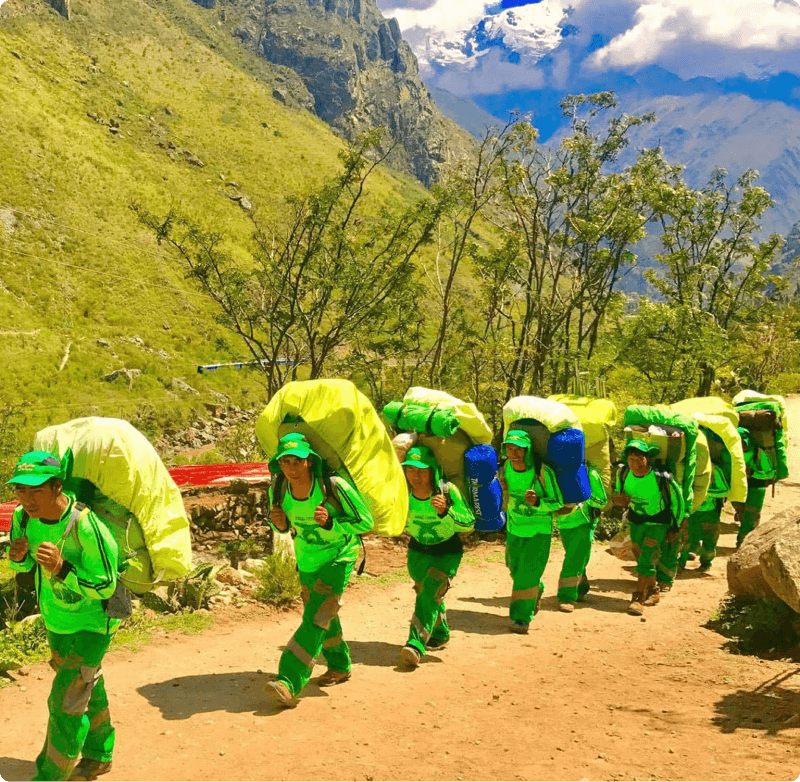
Tourism to Machu Picchu relies heavily on the labour of porters who carry camping gear and supplies on the Inca Trail and other treks. Historically, porters endured poor working conditions and excessive loads.
In recent years, the Peruvian government has implemented a porter law limiting loads to 20 kg, including 5 kg of personal items. Operators must provide proper clothing, footwear, tents, and food, and porters are weighed at checkpoints to ensure compliance.
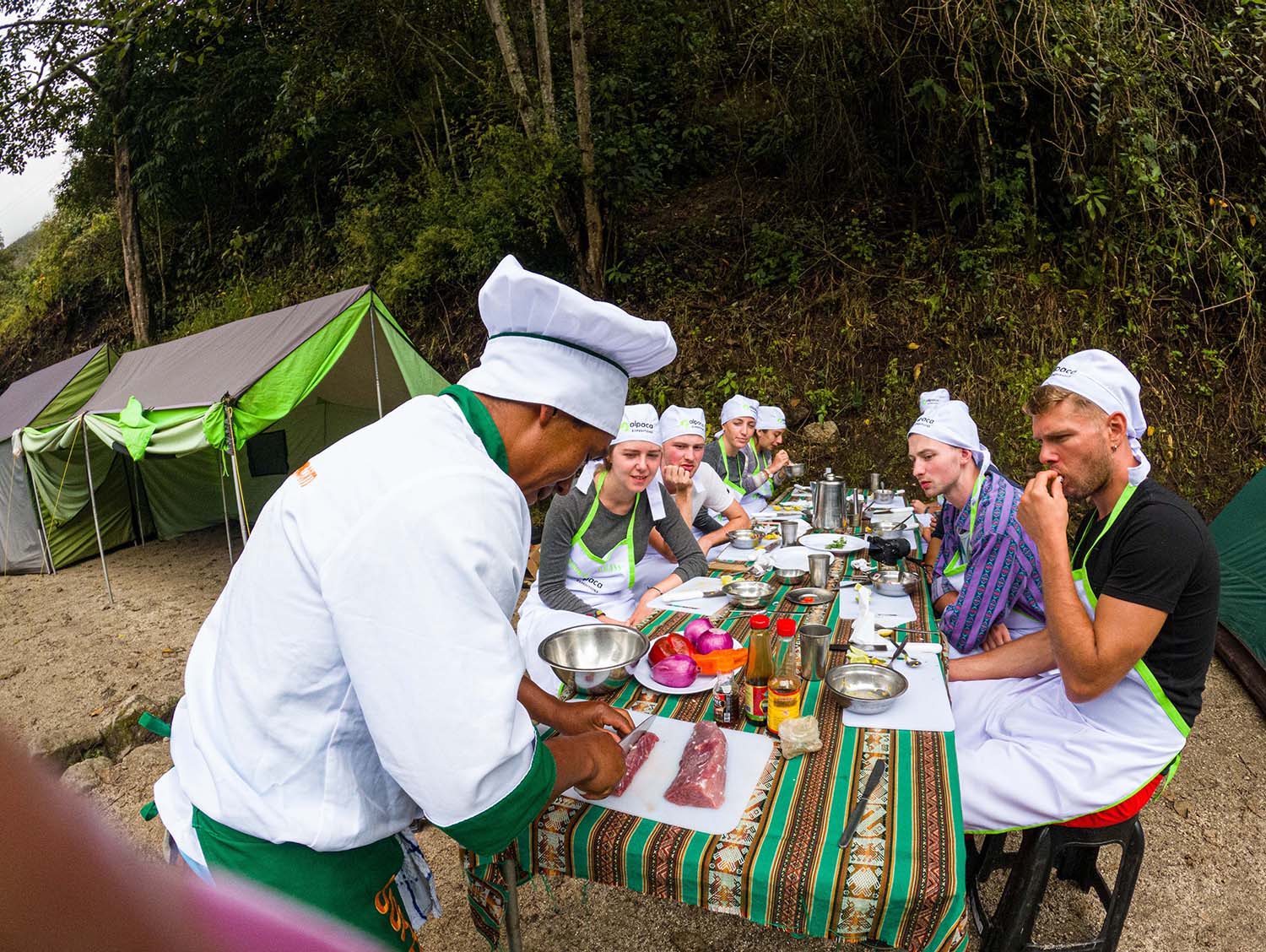
Alpaca Expeditions goes further: our porters carry only 20 kg, with 15 kg allocated to company equipment and 5 kg for their personal belongings. We ask trekkers to keep duffel bags under 7 kg.
Porters receive fair wages, health insurance, nutritious meals and modern equipment. Many of them come from Indigenous communities; tipping is appreciated and helps support their families.
From an environmental perspective, we follow Leave No Trace principles: pack out all waste, use reusable water bottles, minimise plastic, and stay on marked trails. Visitors should respect archaeological structures-no climbing or touching stones-and refrain from writing or scratching on walls. Sustainable tourism ensures that Machu Picchu remains intact for future generations.
Cultural Calendar and Festivals
Cusco’s rich cultural calendar can either enhance or complicate your journey depending on your interests:
- Inti Raymi (June 24): The Festival of the Sun honours the Incan sun god and is celebrated during the winter solstice. The theatrical reenactment at Sacsayhuamán and Qoricancha features colourful costumes, music and dances. Accommodation and flights book out months in advance.
- Corpus Christi (late May or early June): This Catholic celebration mixes Andean and Spanish traditions. A procession of saints through Cusco’s Plaza de Armas culminates in a feast of regional dishes.
- Santurantikuy (December 24): Also known as the Christmas market, artisans from across the Andes sell handcrafted ornaments and nativity scenes on Cusco’s main square. This is an opportunity to support local communities.
- Other events: Carnival (February/March) with water fights and parades; All Saints’ Day (November 1-2); and Qoyllur Rit’i pilgrimage (May/June) at Sinakara Valley, though this is a remote and challenging trek.
Attending festivals offers insight into Quechua culture but also means heavier crowds and higher prices. Plan accommodations well in advance if your trip coincides with these dates.
Month‑by‑Month Breakdown for 2025
In this section, we evaluate each month’s weather, crowd levels, pros and cons, and provide tailored tips. Use this calendar as a decision tool, cross‑referencing your travel preferences with climate and cultural events. Temperatures are given in Celsius (°C) with approximate Fahrenheit (°F) conversions.
January
Weather and Climate: January falls squarely within the rainy season, with warm daytime highs of 20-26°C (68-79°F) and cooler nights around 10°C (50°F). Expect frequent showers, especially in the afternoon. Fog often blankets the citadel in the mornings, creating mystical photos as the sun breaks through.
Crowd Levels and Availability: Despite the rain, January attracts travellers who appreciate lush scenery and fewer crowds. Tickets are easier to obtain, though you should still book weeks in advance to secure the preferred circuit. Accommodation prices may be lower compared with the high season.
Pros and Cons:
- Pros: Lush vegetation; fewer tourists; lower prices. The mist can create dramatic photos and cooler temperatures make hiking pleasant.
- Cons: Trails may be muddy and slippery; visibility can be limited; risk of landslides on some trails; afternoon showers are common.
- Suitable for: Budget travellers, nature lovers and those who enjoy a quieter experience.
Travel Tips:
- Pack waterproof gear-poncho, rain jacket, quick‑dry pants and waterproof covers for your backpack. Waterproof your electronics.
- Consider bringing trekking poles for stability on slippery steps.
- Be flexible with your schedule: early mornings may have clearer skies, while afternoons are better suited to museum visits or hot springs.
February
Weather and Climate: February is one of the rainiest months with persistent showers. Daytime highs average 22°C (72°F) and nighttime lows around 8°C (46°F). Fog can be thick, and rain can last for hours.
Crowd Levels and Availability: February sees some of the lowest visitor numbers. The Inca Trail closes every February for maintenance, but Machu Picchu remains open via train and bus. Tickets are usually available even at short notice, but you should still check release dates.
Pros and Cons:
- Pros: Minimal crowds; discounted travel and accommodation; green landscapes and powerful waterfalls.
- Cons: Heavy rain can limit views; occasional landslides may disrupt train schedules; Inca Trail closure; some circuits may be inaccessible due to maintenance.
- Suitable for: Independent travellers seeking solitude, photographers capturing misty landscapes, budget travellers.
Travel Tips:
- Pre‑book train tickets and keep an eye on service announcements; rainy conditions sometimes cause delays.
- Bring a spare pair of shoes-one may get soaked.
- Try alternative hikes like the Lares Trek or the Salkantay Trek if the Inca Trail is closed.
March
Weather and Climate: Rain begins to taper off in March. The average daytime temperature is around 21°C (70°F), and nights drop to 8°C (46°F). You may still encounter occasional showers, but also periods of sunshine.
Crowd Levels and Availability: Machu Picchu sees modest visitor numbers; the Inca Trail reopens, but demand is not yet at its peak. You can often secure tickets and train seats with less competition.
Pros and Cons:
- Pros: Transitional weather with mixed clouds and sun; blooming greenery; fewer crowds compared with the dry season; Inca Trail reopened.
- Cons: Rain remains a possibility; trails can still be muddy; unpredictable conditions require flexibility.
- Suitable for: Travellers who want a blend of lush scenery and increasing sun, early birds for Inca Trail reservations.
Travel Tips:
- Pack layers: mornings can be chilly, while midday can be warm.
- Book Inca Trail permits early-while March is not peak season, permits can still sell out.
- Don’t plan too tight a schedule; allow for weather delays.
April
Weather and Climate: April marks the end of the rainy season. Daytime temperatures hover around 22°C (72°F) with cooler nights around 8°C (46°F). Rain showers diminish, and the landscape remains green and vibrant.
Crowd Levels and Availability: Visitor numbers begin to rise, particularly during Easter holidays and the early start of the dry season. However, crowds remain manageable compared with June-August.
Pros and Cons:
- Pros: Balance of green scenery and improving weather; fewer tourists than peak months; pleasant temperatures; excellent visibility on clear days.
- Cons: Still some residual rain showers; early bookings needed for Easter; temperatures can fluctuate.
- Suitable for: Travelers seeking the sweet spot between rainy and dry season; photographers who want both greenery and blue skies.
Travel Tips:
- Plan to spend a few days acclimatizing before your visit.
- Consider combining Machu Picchu with Sacred Valley tours to take advantage of the mild weather.
- Book tickets and accommodations a couple of months in advance.
May
Weather and Climate: May is the unofficial start of the dry season. Temperatures can reach 30°C (86°F) during the day in Machu Picchu, though averages are more moderate. Nights remain cool at around 6°C (43°F). Rainfall is minimal.
Crowd Levels and Availability: Visitor numbers surge as the dry season begins and coincide with many North American and European spring holidays. Tickets for popular circuits, as well as Inca Trail permits, can sell out months ahead.
Pros and Cons:
- Pros: Clear skies and comfortable hiking conditions; lush landscapes from the recently ended rainy season; pleasant temperatures; fewer bugs.
- Cons: Increasing crowds; rising accommodation prices; need to book well ahead.
- Suitable for: Photographers, hikers, families, and those seeking stable weather.
Travel Tips:
- Reserve train tickets, Inca Trail permits, and accommodations at least six months in advance.
- Dress in layers; mornings can be cold even when afternoons are hot.
- Carry sunscreen and a hat-UV rays are strong at altitude.
June
Weather and Climate: June is fully into the dry season. Days are sunny and bright, with highs around 28°C (82°F) and lows near 6°C (43°F). Nights in Cusco can be cold; frost is possible.
Crowd Levels and Availability: This is the start of the peak season. June features Inti Raymi on June 24, drawing thousands of visitors and locals. Tickets and accommodations often sell out far in advance.
Pros and Cons:
- Pros: Consistent, clear weather; vibrant festivals; minimal rainfall; ideal trekking conditions.
- Cons: Extremely high crowds; premium prices; need to book everything months ahead; cold nights.
- Suitable for: Travelers who enjoy vibrant cultural events and don’t mind crowds; photographers capturing festival scenes.
Travel Tips:
- Book Inti Raymi tickets through reputable operators or official channels.
- Start your Machu Picchu visit early in the morning to avoid midday crowds.
- Pack warm layers for Cusco nights and early mornings.
July
Weather and Climate: July remains dry and sunny. Daytime highs reach 27°C (81°F) while nights may drop to 7°C (45°F). Blue skies are almost guaranteed.
Crowd Levels and Availability: July is the peak of high season. Students on summer break and international tourists flood Machu Picchu. Bookings are essential. Inca Trail permits may sell out up to a year in advance.
Pros and Cons:
- Pros: Perfect visibility; low rainfall; comfortable hiking conditions; cooler nights; many social opportunities.
- Cons: Overcrowding; long lines at bus and train stations; higher costs; limited ticket availability.
- Suitable for: Those who prioritise weather above all else and are comfortable navigating crowds; social travellers who enjoy meeting people.
Travel Tips:
- Arrive at the bus stop in Aguas Calientes by 4:30 a.m. to catch an early bus to the citadel and get ahead of the crowds.
- Have contingency plans for delayed trains-lines can be long.
- Avoid bringing large backpacks; only small bags are allowed inside Machu Picchu.
August
Weather and Climate: August continues the dry season with maximum temperatures around 26°C (79°F) and minimums near 6°C (43°F). The air can be thin and crisp.
Crowd Levels and Availability: High season remains in full swing, though there may be slightly fewer tourists than in July. Tickets still need to be booked well in advance.
Pros and Cons:
- Pros: Stable weather; excellent trekking conditions; crisp mornings; cultural events in Cusco, including the anniversary of the city’s founding.
- Cons: Crowds still heavy; prices high; dryness can make dust an issue on trails.
- Suitable for: Dedicated hikers; festival enthusiasts; travellers comfortable with advanced planning.
Travel Tips:
- Carry a buff or scarf to cover your nose and mouth on dusty trails.
- Layer clothing to adjust to temperature changes from morning to afternoon.
- If you suffer from allergies, bring medication; dust and pollen can be bothersome.
September
Weather and Climate: September marks the beginning of the shoulder season. Temperatures drop slightly with highs around 22°C (72°F) and lows near 7°C (45°F). Occasional rains may return late in the month, but the majority of days remain dry.
Crowd Levels and Availability: Crowds taper off after the peak season. You can find more available tickets and better rates for accommodation.
Pros and Cons:
- Pros: Pleasant weather; reduced crowd density; improved availability of trains and guides; lingering dry conditions.
- Cons: Weather can be unpredictable; occasional showers begin; nights remain cold.
- Suitable for: Travellers who want balanced weather and moderate crowds; couples; nature enthusiasts seeking more space for photos.
Travel Tips:
- Keep an umbrella or poncho handy; showers may catch you off‑guard.
- If hiking, start early to avoid afternoon showers.
- September is ideal for exploring secondary Inca sites around Cusco, such as Pisac and Ollantaytambo.
October
Weather and Climate: October signals the transition to the rainy season. The rainy season gradually re‑establishes itself, with daytime highs around 22°C (72°F) and lows near 5°C (41°F). Early in the month, the weather remains mostly clear; later weeks see increasing showers.
Crowd Levels and Availability: Crowds diminish significantly. Many travellers depart, leaving more space at the site. Tickets are generally easier to obtain.
Pros and Cons:
- Pros: Fewer crowds; better availability of guides and trains; lush landscapes begin to return; mild temperatures; great for shoulder‑season travellers.
- Cons: Rain becomes more frequent towards the end of the month; some evenings can be chilly; unpredictable weather.
- Suitable for: Budget travellers, photographers capturing vibrant colours and clouds, and those seeking a quiet experience.
Travel Tips:
- Pack light waterproof gear; you may face drizzle.
- Watch for promotions from hotels and tour operators as demand decreases.
- Consider combining Machu Picchu with Amazon rainforest excursions-October is a good month for wildlife spotting.
November
Weather and Climate: November sits firmly within the rainy season transition. Daytime highs at Machu Picchu rise to 26°C (79°F) and lows to 6°C (43°F). Moderate rainfall occurs, but not as heavy as in January-February.
Crowd Levels and Availability: Crowds remain relatively light. Many travellers avoid this month because of the increasing rain, but it can offer a balanced experience if you plan carefully.
Pros and Cons:
- Pros: Low to moderate crowds; lush vegetation; moderate temperatures; good deals on travel and lodging; the early part of the month is often drier.
- Cons: Rain showers are common; some trails may be slippery; humidity can be high.
- Suitable for: Flexible travellers; those looking for discounted prices; photographers seeking vibrant landscapes.
Travel Tips:
- Plan for early morning visits; rain tends to pick up later in the day.
- Reserve tickets early in the month to reduce the chances of weather‑related closures.
- Bring insect repellent-mosquitoes become more active.
December
Weather and Climate: December marks the onset of summer and heavier rains. Daytime temperatures reach 21°C (70°F); nights dip to 6°C (43°F). Rainfall increases significantly, making the vegetation lush and rivers full.
Crowd Levels and Availability: Crowds fluctuate. Early December tends to be quiet, but numbers rise around Christmas and New Year as travellers combine holidays with visits
Pros and Cons:
- Pros: Festive atmosphere around Christmas; lush landscapes; moderate temperatures; fewer crowds early in the month.
- Cons: Heavy rains can disrupt train service; slippery trails; limited visibility; strong UV rays when the sun appears.
- Suitable for: Travellers seeking holiday experiences; those comfortable with rain; photographers capturing dramatic storms.
Travel Tips:
- Book tickets for the last week of December at least three months in advance; year‑end slots sell out quickly due to holiday travellers.
- Combine Machu Picchu with Cusco’s Santurantikuy market for a cultural holiday experience.
- Carry both sun protection and rain gear-weather swings rapidly between sun and showers.
Planning Your Journey
Choosing the Right Circuit and Ticket Type
The new ticketing system divides Machu Picchu into three main circuits with multiple sub‑routes. Choosing the right one depends on your priorities-views, duration, physical challenge, or access to ancillary peaks.
- Circuit 1 – Panoramic Views
- 1-A (Machu Picchu Mountain Route): Includes the hike to Machu Picchu Mountain, offering panoramic views of the citadel and surrounding peaks. Entry times: 6:00 a.m. or 8:00 a.m. Only those older than 18 may climb.
- 1-B (Upper Terrace Route): Focuses on classic postcard views from the Guardian’s House and upper terraces, with 10 time slots throughout the day. Suitable for all ages. Duration ~2.5 hours.
- 1-C (Sun Gate Route): Takes you toward Inti Punku (Sun Gate), historically the Inca Trail entrance. Available during high season (June-October) 8:00-11:00 a.m. Requires moderate fitness.
- 1-D (Inca Bridge Route): Leads to the historic Inca Bridge, carved into a cliff. Available 8:00-11:00 a.m. High season only.
-
Circuit 2 – Classic Tour
- 2-A & 2-B: These routes cover the main sectors of Machu Picchu: Temple of the Sun, Sacred Plaza, Intihuatana, Royal Quarters and agricultural terraces. Suitable for most travellers. Ten time slots per day. Duration ~2.5-3 hours.
- Circuit 3 – Royalty (Reduced Route)
- 3-A (Huayna Picchu Route): Includes the steep hike up Huayna Picchu. Entry at 7:00 a.m. or 9:00 a.m.; limited to travelers over 18 due to steep steps. Duration ~3.5-4 hours.
- 3-B (Royalty Tour): Focuses on lower sectors of the citadel, including the Temple of the Condor and Water Mirrors. Ten time slots.
- 3-C (Great Cavern Route): Leads to the Great Cavern (Temple of the Moon). Available at 7:00 a.m. or 9:00 a.m.; longer and more strenuous.
- 3-D (Huchuy Picchu Route): A shorter hike to the small peak of Huchuy Picchu. Entry at 10:00 a.m. or noon. Good for those seeking a moderate challenge.
Choosing Tips:
- For spectacular panoramic photos, choose 1-A or 1-B. These routes emphasise terraces and wide vistas.
- For a classic experience exploring temples and plazas, 2-A or 2-B are ideal. They are the most common choices for first‑time visitors.
- For thrill seekers, 3-A (Huayna Picchu) provides steep climbs and breathtaking views, but tickets are extremely limited-book months ahead.
- 3-D (Huchuy Picchu) offers a good compromise: a short hike with a bird’s‑eye view, accessible to moderately fit travellers.
Ticket prices vary: general Machu Picchu Citadel tickets cost about S/112 (≈$30), while combination tickets (Huayna Picchu or Machu Picchu Mountain) cost around S/152-192 (≈$43-56). Students and minors receive discounts. Always bring your passport and printed ticket to the entry gate.
Getting There: Transport Options
Lima to Cusco: Most international flights land in Lima. You can then fly to Cusco (1.5 hours) or take a multi‑day bus journey. A bus via Route B (Lima‑Nazca‑Arequipa‑Cusco) is considered safer and provides gradual altitude acclimatization.
The route passes the coastal desert, the oasis of Huacachina, the white city of Arequipa, and the lake city of Puno on Lake Titicaca. Buses are slower (1-2 days), but travellers who go by bus are three times less likely to experience severe altitude sickness compared with those who fly directly.
If you fly, choose reputable airlines (e.g., LATAM). Schedule at least a day of rest upon arrival in Cusco to acclimatize. Drink plenty of water and avoid alcohol. Airlines sometimes experience delays due to weather or air traffic; be flexible.
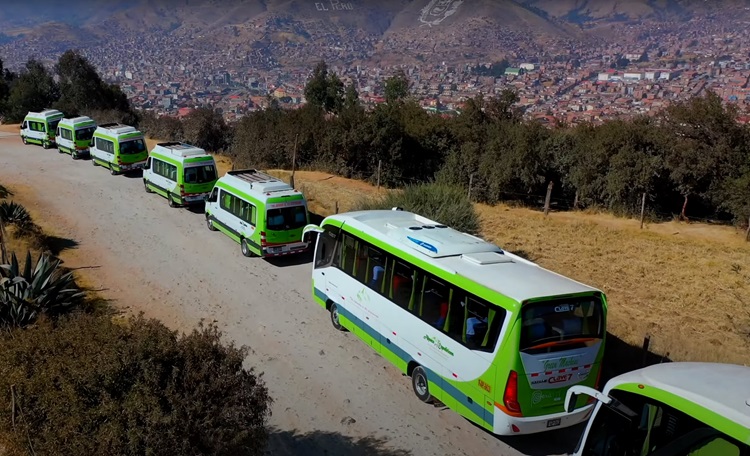
Cusco to Machu Picchu: The usual route is Cusco → Ollantaytambo (via bus or taxi, 1.5-2 hours) → Aguas Calientes (via train, 1.5-2 hours) → Machu Picchu (via shuttle bus, 25 minutes or a 90‑minute hike).
Train companies include PeruRail and IncaRail. High‑end trains offer panoramic windows and meal service; budget options are also available. Make train reservations early; they fill up quickly in the dry season.
Alternatively, you can trek into Machu Picchu via routes such as the Inca Trail (4‑day), Short Inca Trail (2‑day), Salkantay Trek (5‑day), Lares Trek or Inca Jungle Trek. All require permits and guides. Trekking gives you more intimate exposure to Andean nature and Inca ruins, but demands good physical fitness.
Itineraries and Sample Schedules
Below are sample itineraries to help you plan. Adjust them based on your travel duration, fitness level, interests, and festival schedule.
2‑Day Express Itinerary (Perfect for time‑pressed travellers)
| Day | Morning | Afternoon | Evening |
| Day 1 | Fly or bus to Cusco; transfer to Sacred Valley or Ollantaytambo; light lunch | Explore Ollantaytambo ruins; acclimate with gentle walks | Overnight at Ollantaytambo; hydrate; early sleep |
| Day 2 | Early train to Aguas Calientes; shuttle bus to Machu Picchu; guided tour on Circuit 2 | Lunch in Aguas Calientes; optional hot springs | Return train to Cusco or Sacred Valley; overnight |
Tips: Spend at least one night in the Sacred Valley to acclimatize. Choose an early entry slot (6 a.m.) for fewer crowds and better light.
4‑Day Classic Itinerary (Ideal for general travellers)
| Day | Activities |
| Day 1: Arrive in Cusco; acclimatize; visit San Pedro Market and Qoricancha | |
| Day 2: Sacred Valley tour (Pisac, Ollantaytambo, Moray); overnight in Ollantaytambo or Urubamba | |
| Day 3: Early train to Aguas Calientes; Machu Picchu guided tour on Circuit 1 or 2; overnight in Aguas Calientes | |
| Day 4: Return to Cusco; explore San Blas neighborhood and Sacsayhuamán; optional flight home |
10‑Day Immersion Itinerary (For travellers with time to explore Peru)
| Day | Location | Activities |
| 1-2 | Lima | Arrive, explore Miraflores and Barranco; try coastal cuisine |
| 3-4 | Paracas & Huacachina | Visit Ballestas Islands; sand‑board at Huacachina oasis |
| 5-6 | Arequipa | Tour the colonial city; trek to Colca Canyon |
| 7-8 | Lake Titicaca (Puno) | Experience Uros floating islands; overnight with a local family |
| 9 | Cusco | Acclimatize; explore city museums and markets |
| 10-13 | Sacred Valley & Machu Picchu | See Pisac, Maras, Moray; take train to Aguas Calientes; guided tour; optional Huayna Picchu or Machu Picchu Mountain climb |
| 14 | Cusco or Rainbow Mountain | Day hike to Vinicunca (Rainbow Mountain) if acclimatized |
| 15 | Return to Lima; depart |
This extended itinerary provides a gradual altitude climb, includes southern coastal and Andean highlights, and allows for cultural immersion and variety.
Where to Stay and Eat
Cusco: Choices range from backpacker hostels (e.g., Pariwana Hostel, Kokopelli) to mid‑range boutique hotels (Casa San Blas, Antigua Casona San Blas) and luxury properties (Belmond Palacio Nazarenas, JW Marriott Cusco). Opt for accommodations with oxygen supplementation if you’re concerned about altitude. Choose central locations near Plaza de Armas or San Blas for easy access.
Sacred Valley: Towns like Ollantaytambo, Urubamba, and Pisac offer charming lodges and guesthouses. Staying here for a night or two helps with acclimatization and allows you to explore the Inca terraces and markets.
Aguas Calientes: Hotels here range from simple guesthouses to upscale lodges like Inkaterra Machu Picchu Pueblo Hotel. Book early during high season. Many travellers opt for just one night to catch an early entry slot.
Dining: Try Peruvian classics such as lomo saltado (stir‑fried beef), aji de gallina (chicken stew), alpaca steak, cuye (roast guinea pig), and fresh ceviche. In Cusco, visit Mercado de San Pedro for local dishes. In Aguas Calientes, restaurant choices are more tourist‑oriented; book ahead during busy seasons. Always drink bottled or boiled water, and avoid ice unless it’s made with purified water.
Packing and Gear Checklist
Use the checklist below to prepare for your trip. Adjust quantities based on trip length and whether you’re trekking or visiting via train.
| Category | Items |
| Documents & Money | Passport; printed Machu Picchu tickets; train tickets; cash (Peruvian soles); credit card; copies of documents; travel insurance policy. |
| Clothing | Moisture‑wicking T‑shirts; fleece mid‑layer; down or synthetic jacket; waterproof outer shell; convertible hiking pants; thermal base layers; sleepwear; hat/beanie; gloves; buff/scarf. |
| Footwear | Broken‑in hiking boots; comfortable walking shoes; sandals (for hostel/showers). |
| Trekking Gear | Backpack (20-30 L for day tours); duffel bag for porter (for treks); sleeping bag; trekking poles; headlamp with extra batteries; rain cover for backpack; dry bags. |
| Accessories | Sunglasses with UV protection; wide‑brim hat; sunscreen (SPF 30+); lip balm with SPF; insect repellent; reusable water bottle or hydration bladder; water purification tablets or filter; small towel; multi‑tool; camera or smartphone; power bank; universal plug adapter. |
| Health & Safety | Personal medications: altitude sickness medication (e.g., acetazolamide); basic first aid kit (bandages, antiseptic wipes, blister treatment); hand sanitizer; face masks if needed; travel sickness pills; diarrhea medication; electrolyte tablets. |
| Optional | Binoculars; lightweight tripod; travel journal; deck of cards; Spanish phrasebook; gifts for porters (e.g., coca candy). |
Printable Tip: Copy and print this list to check off items as you pack. For treks, ensure your bag weight stays within company limits (usually 7 kg for the porter to carry).
Sustainable & Responsible Travel
As visitors to a UNESCO World Heritage Site and sacred Indigenous territory, we have a responsibility to minimize our impact and support local communities.
Leave No Trace Principles
- Plan ahead and prepare: Book in advance, pack reusable gear, and learn the rules. Carry reusable bottles and utensils; avoid single‑use plastic.
- Travel and camp on durable surfaces: Stay on designated trails and steps. Do not wander into agricultural terraces or off‑limit areas; this causes erosion.
- Dispose of waste properly: Bring a small trash bag for wrappers and tissues. Use restrooms at designated points; there are no toilets inside the citadel.
- Leave what you find: Do not take stones, plants or artefacts. Resist carving or writing on walls.
- Minimise campfire impact: Campfires are prohibited on the Inca Trail. Use gas stoves provided by your operator.
- Respect wildlife: Do not feed animals or get too close for photos. Keep a safe distance from llamas and birds.
- Be considerate of other visitors: Keep noise levels down; avoid blocking pathways when taking photos.
Supporting Local Communities
- Choose ethical operators: Work with companies that treat porters fairly and invest in local communities. Alpaca Expeditions funds educational programs and infrastructure in porter villages.
- Shop local: Purchase textiles, pottery, and jewelry directly from artisans in markets such as Pisac and Chinchero. Bargain respectfully.
- Homestays: Consider staying with local families in communities like Amaru or Huilloc for a deeper cultural experience.
- Learn and share: Educate yourself about Quechua history and language. Share your experiences with friends to encourage responsible tourism.
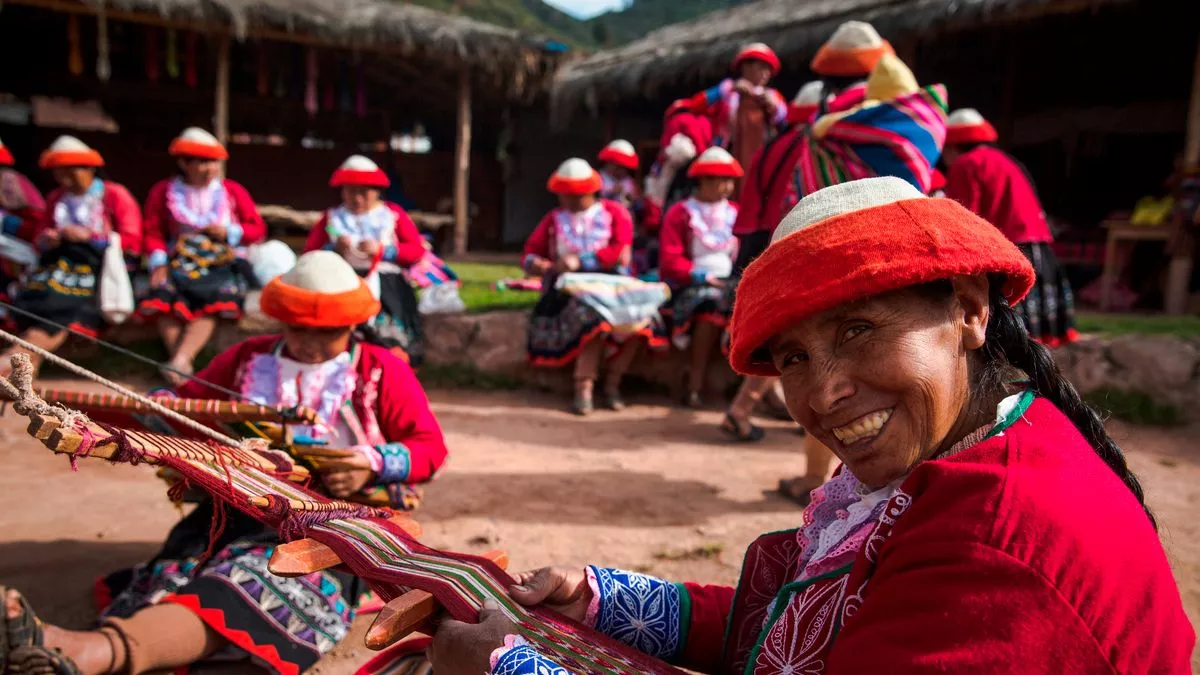
Supporting Local Communities
Cultural Sensitivity and Etiquette
- Dress modestly: Cover shoulders and knees when visiting churches and shrines.
- Ask before taking photos: Many locals appreciate a small tip if you photograph them in traditional attire.
- Use respectful language: Learn basic Quechua or Spanish greetings-saying “sulpayki” (thank you) warms hearts.
- Join respectfully: If you attend festivals or religious ceremonies, observe respectfully. Avoid interfering with rituals.
Conclusion:
Selecting the best time to visit Machu Picchu in 2025 is a personal decision shaped by your priorities-weather, crowd tolerance, budget, physical fitness, and cultural interests. The dry season (April-October) offers clear skies and excellent trekking conditions but requires advanced planning and acceptance of crowds.
The rainy season (November-March) delivers verdant landscapes, fewer tourists, and lower prices, but you must prepare for mud and potential disruptions. Shoulder months (April, May, September, October) often provide the best of both worlds: moderate crowds, pleasant weather, and relative affordability.
No matter when you go, early preparation is crucial. Book your tickets through official channels as soon as they become available. Choose circuits that suit your interests-whether panoramic views, classic temples, or adventurous peaks.
Focus on your health by acclimatizing, staying hydrated, and following medical advice. Respect the porters who make your journey possible by choosing responsible tour operators and tipping fairly.
Finally, approach Machu Picchu with reverence. It’s not just a site to check off your list; it’s an active cultural landscape and natural sanctuary. Embrace local traditions, support sustainable travel, and carry the memory of the Andes home with you.
When you’re ready to plan your journey, the team at Alpaca Expeditions is here to guide you-ask questions, share your goals, and we will help craft an itinerary that matches your dreams.
Alpaca Expeditions Recognitions
ISO (International Organization for Standardization)
In the pursuit to stand out from the rest, Alpaca Expeditions has obtained four ISOs plus our carbon footprint certificate to date. These achievements result from our efforts to implement the internationally-recognized integrated management system. They also represent our commitment to all of our clients and staff of operating sustainability and responsibility in every way possible.




World Travel Awards
Alpaca Expeditions is internationally recognized as a leading tourism company in Peru. As proof, we have been awarded the World Travel Award for Peru´s Best Tour Operator 2021 for the second time.


TRIPADVISOR RECOGNITIONS
Our goal at Alpaca Expeditions is to create the best experience for all of our clients. We create journeys that are to be remembered for a lifetime. Journeys you can be proud of and can share with everybody around you.












As Featured In











Scan Here!




 Porters will carry up to 7 kg of your personal items, which must include your sleeping bag and air mat (if you bring or rent one). From us, these two items weigh a combined total of 3.5 kg.