



Wiñay Wayna Explained
All about Wiñay Wayna- The Inca Trail has a way of working its magic on you long before you reach Machu Picchu. Each stone step, each mist-shrouded pass, and each ancient ruin encountered along the route builds a story that culminates at the Sun Gate with your first glimpse of the Lost City.
Yet, for many travelers who walk this world-famous trail, the most unforgettable moment comes not at Machu Picchu itself but the day before, when the path opens onto the terraces and temples of Wiñay Wayna.
Perched high above the Urubamba River, Wiñay Wayna feels like something out of a dream. The site is smaller than Machu Picchu, but in its intimacy lies its power. Here, you see the genius of Inca architecture concentrated in a single stone amphitheater.
Sweeping agricultural terraces hug the mountain like the folds of a green cloak, while ritual baths, shrines, and water channels cascade gently down the slope. With orchids blooming in the mist and hummingbirds darting overhead, Wiñay Wayna feels alive in a way that other archaeological sites rarely do.
To most people outside the trekking community, Wiñay Wayna is nearly unknown. Even seasoned travelers who have visited Cusco, Ollantaytambo, or Machu Picchu may have never heard its name. Yet for those who hike the Inca Trail, Wiñay Wayna is often the moment where history, nature, and spirituality converge into one unforgettable experience.
This guide, written by the trek leaders and travel editors at Alpaca Expeditions, is designed to help you understand, prepare for, and fully appreciate Wiñay Wayna. Whether you are planning your trek or simply dreaming about Peru, you’ll find everything here: the history and meaning of the ruins, practical advice on acclimatization and packing, stories from the trail, sustainability guidance, and insider insights you won’t find anywhere else.
What is Wiñay Wayna?
Meaning of the Name
In Quechua, the ancient language of the Andes still spoken in many Peruvian communities, Wiñay Wayna means “Forever Young.” The name captures both the lush vitality of the surrounding jungle and the timeless spirit of the ruins themselves. Some believe the name also symbolizes eternal life, tied to Inca cosmology and their cyclical understanding of time and rebirth.
What is winay wayna
Historical Context
Wiñay Wayna was built during the height of the Inca Empire in the 15th century. Its exact purpose remains partly speculative, but most archaeologists agree it served as both an agricultural center and a religious retreat. Its location—just hours from Machu Picchu along the Inca Trail—suggests it may have been a staging ground for pilgrims making their final approach to the sacred city.
The Incas were masters of building settlements in places that balanced practicality with spiritual power. Wiñay Wayna is no exception. The terraces would have allowed crops like potatoes, maize, and quinoa to thrive in different microclimates. At the same time, the ceremonial structures may have hosted rituals in honor of Inti, the Sun God, and Pachamama, the Earth Mother.
Archaeological Features
Terraces
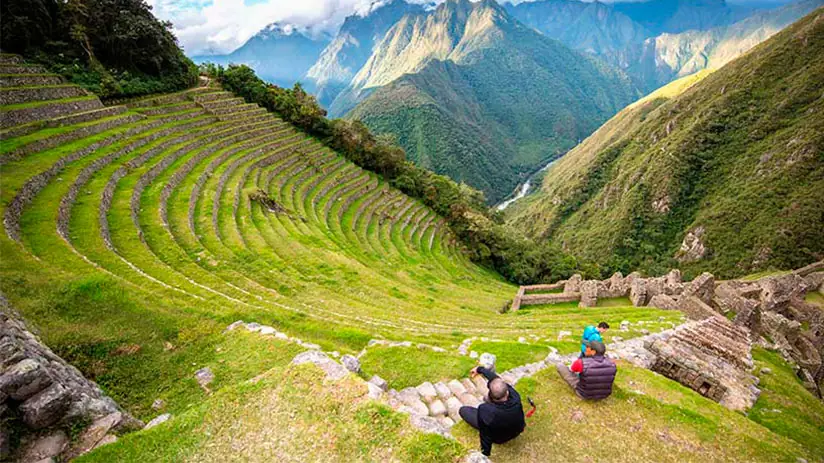
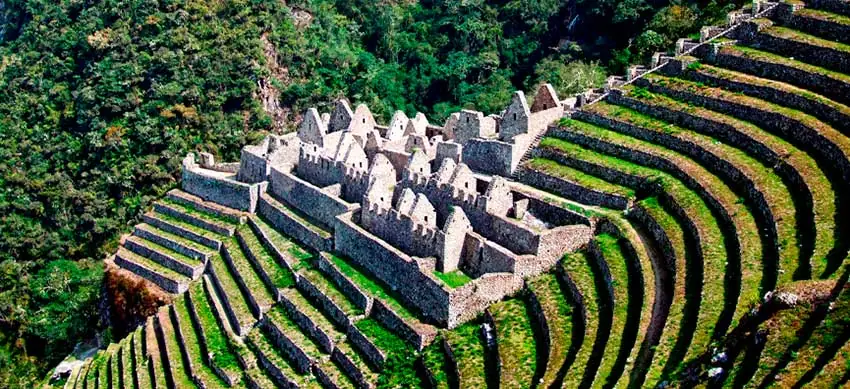
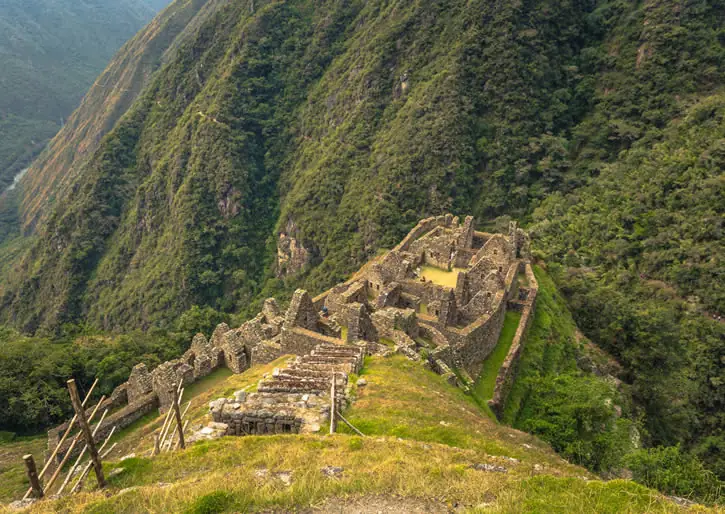
The most striking feature of Wiñay Wayna is its steep, sweeping terraces. Carved into the mountainside, they create a green amphitheater that almost appears to cascade down toward the valley below. These terraces are wider and more curved than those at Machu Picchu, demonstrating a slightly different style of Inca agricultural engineering. Their design helped prevent erosion, conserve water, and create microclimates ideal for diverse crops.
archaeological site Wiñay Wayna
Ritual Baths
One of the most fascinating elements is its ceremonial water system. A series of ritual baths and fountains channel mountain spring water through finely carved stone basins. The Incas often used water in purification ceremonies, and it’s believed that pilgrims cleansed themselves here before entering Machu Picchu. Standing beside these still-flowing fountains today, you can almost hear the quiet prayers that would have been whispered centuries ago.
Temples and Residences
Above the terraces sit clusters of stone buildings. Some were likely temples, others residences for priests, nobles, or caretakers. Their trapezoidal doors and niches reflect classic Inca architecture, designed to resist earthquakes while maintaining aesthetic harmony with the mountain landscape.
Water Channels
Throughout the site, stone-lined water channels weave between terraces and buildings, demonstrating the Inca mastery of hydraulic engineering. Water was both practical—irrigating crops—and sacred, representing purity and life itself.
Location and Altitude
It lies at approximately 2,650 meters (8,694 feet) above sea level, just a few hours’ hike from Machu Picchu on the Classic Inca Trail.
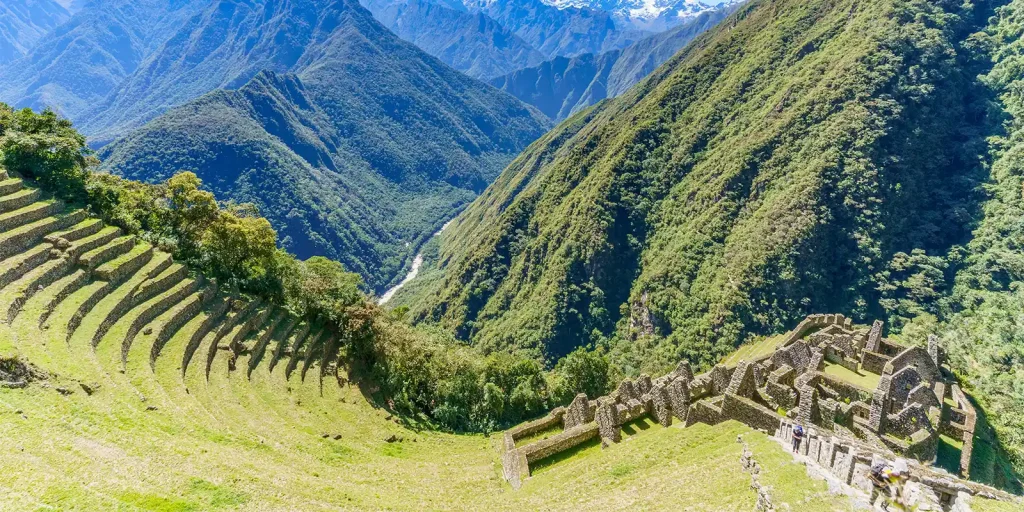
Geographically, it sits on a steep slope above the Urubamba River, with breathtaking views across the valley. The combination of altitude, jungle environment, and proximity to Machu Picchu makes it both accessible and mystical.
winay huayna location
For trekkers, it usually appears on the third day of the four-day Classic Inca Trail itinerary. After a long day of hiking from Phuyupatamarca, trekkers descend into the lush cloud forest and are suddenly greeted by the sweeping terraces of Wiñay Wayna. Many groups camp nearby at the Wiñay Wayna campsite, which serves as the final overnight stop before the sunrise hike to Machu Picchu.
Trekking to Wiñay Wayna
Which Day of the Trek?
On the Classic 4-day Inca Trail, Wiñay Wayna is typically visited on Day 3, after descending from the ruins of Phuyupatamarca. The terrain changes dramatically here, from high-altitude landscapes to lush cloud forest filled with orchids and moss-draped trees.
Route Description
The approach to Wiñay Wayna involves a descent along stone steps carved directly into the mountain. As you turn a bend, the terraces suddenly appear below, framed by jungle greenery. It’s one of the most dramatic reveals on the entire trail.
From the trail junction, a side path leads down into the ruins. Most groups spend at least an hour exploring the terraces, temples, and baths. Guides often use this time to explain the significance of the site, allowing trekkers to absorb both the historical and spiritual dimensions of the ruins.
Physical Difficulty
The descent to this place can be challenging on the knees, as it involves steep stone steps. Trekking poles are highly recommended. However, compared to the climbs of Dead Woman’s Pass earlier in the trek, this section is moderate.

Trekking winay wayna
Best Time to Visit
It can be visited year-round, but the dry season (May to September) is ideal, with clearer skies and less slippery paths. The wet season (November to March) brings heavy rainfall, which makes the terraces vividly green but can also create mud and reduce visibility.
Flora and Fauna
It is located in the cloud forest zone, one of the richest ecological bands in the Andes. For trekkers, this means an explosion of biodiversity not seen at higher passes.
Orchids
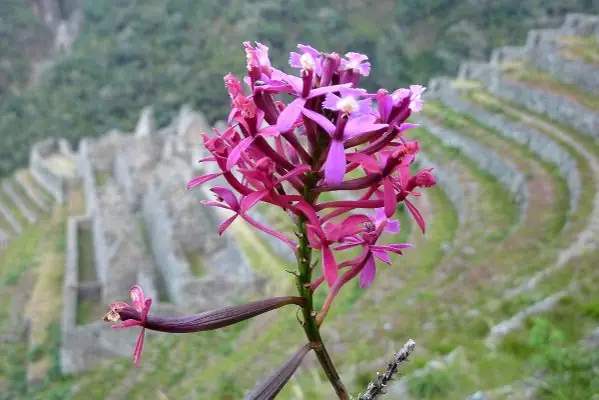
This place is famous for its orchids. More than 300 species grow along the Inca Trail, and several rare varieties bloom around the terraces and paths. Their colors—vivid purples, whites, and yellows—stand out against the green, misty backdrop.
orchids winay wayna
Humming birds
Trekkers often pause in awe as hummingbirds dart among the flowers at Wiñay Wayna. These tiny birds, sacred to the Incas as symbols of resurrection and tireless energy, seem perfectly at home among the terraces and temples.
Other Wildlife
With luck, you may also spot:
- Spectacled bear (rare but occasionally seen in the cloud forest).
- Andean tanagers and parrots.
- Butterflies in dazzling colors.
This combination of ruins and living wilderness makes Wiñay Wayna feel like a place where the ancient world and natural world coexist seamlessly.
Spiritual and Cultural Importance
To truly appreciate this place, it helps to think not just like a traveler but like an Inca pilgrim. For the Incas, mountains were not simply peaks of rock and ice; they were Apus, sacred beings imbued with spirit and power. Rivers, stones, trees, and terraces formed part of an interconnected cosmos where every element had meaning.
It’s location and design suggest it was more than a rest stop on the Inca Trail—it was a spiritual threshold.
Pachamama and Inti
- Pachamama (Mother Earth): The expansive terraces may have represented offerings to Pachamama. Cultivating the mountainside in harmony with nature was a spiritual act, not just an agricultural one.
- Inti (the Sun God): The orientation of certain temples hints at solar alignments. Like Machu Picchu, it may have been a place where priests observed the sun’s journey and held rituals tied to agricultural cycles.
Ritual Purification
The ritual baths and fountains were likely used for ceremonial cleansing. Pilgrims preparing to enter Machu Picchu would stop here, purify themselves, and continue in a state of readiness. The still-running water channels today remind trekkers that they walk in the footsteps of those rituals.
Symbolism of “Forever Young”
The name Wiñay Wayna, meaning “Forever Young,” carries spiritual symbolism. Eternal youth may represent the Incas’ belief in life after death and the cyclical renewal of nature. Trekkers often describe feeling a deep sense of peace at this place, as though time itself slows down.
Modern Trekking Experience at Wiñay Wayna
While Wiñay Wayna is an archaeological treasure, it is also a practical stop for modern trekkers. On most itineraries, this is where hikers spend their last night before reaching Machu Picchu.
The Campsite at Wiñay Wayna
The Wiñay Wayna campsite is one of the largest and most well-equipped on the Inca Trail. It lies just below the ruins, nestled into the forested slope. Tents line the terraces, with stunning views into the valley below.
Facilities usually include:
- Bathrooms: Basic, with cold water. Conditions may vary, and cleanliness is not always guaranteed.
- Cooking areas: Porters and chefs set up temporary kitchens to prepare meals.
- Designated tent platforms: Carved into the slope for stability.
Confirm current policy: campsite availability and facilities can change seasonally due to trail maintenance.
Daily Routine at Wiñay Wayna Camp
- Arrival: Trekkers reach the campsite in the afternoon, often after exploring the ruins.
- Dinner: Your team of chefs and porters prepares a celebratory meal—usually the last big feast before Machu Picchu.
- Briefing: Guides explain the plan for the early-morning hike to the Sun Gate.
- Rest: Most trekkers go to bed early, as wake-up calls happen before dawn.
Atmosphere
Wiñay Wayna camp is often filled with excitement and anticipation. You’re close enough to Machu Picchu that you can almost feel it, but still far enough that the magic of discovery remains ahead.
Preparing for Wiñay Wayna
A trekker’s experience depends heavily on preparation. While the ruins are at a moderate altitude compared to the trail’s highest points, being ready both physically and mentally makes all the difference.
Acclimatization
Cusco, at 3,400 meters, is higher than Wiñay Wayna. Spending at least 2–3 days acclimatizing in Cusco or the Sacred Valley before starting the Inca Trail is recommended. During this time:
- Take short hikes (e.g., Sacsayhuamán or Pisac).
- Stay hydrated and avoid alcohol.
- Try local remedies like coca tea.
This preparation reduces the risk of altitude sickness, ensuring you can enjoy Wiñay Wayna without discomfort.
Preparing for Wiñay Wayna
Fitness Preparation
The Inca Trail is not a technical climb, but it is strenuous. Wiñay Wayna itself involves steep steps and uneven paths. To prepare:
- Cardio: Train with running, cycling, or stair climbing.
- Strength: Focus on legs and core stability.
- Hiking practice: If possible, do practice hikes with a weighted backpack.
Safety Concerns
- Steep Steps: Use trekking poles for stability, especially on descents.
- Altitude: At 2,650 meters, altitude sickness is less common than at Dead Woman’s Pass, but symptoms can still occur.
- Slippery Surfaces: In the wet season, moss-covered stones can be slick. Wear boots with good grip.
Packing List for Wiñay Wayna
Below is a printable checklist tailored to the final night before Machu Picchu.
Essential Items
- Lightweight daypack
- Refillable water bottle or hydration pack
- Trekking poles
- Sturdy hiking boots
- Rain jacket and pants
- Warm fleece layer
- Hat and gloves (nights can be cold)
- Headlamp with spare batteries
- Sunscreen and sunglasses
Camping & Sleeping
- Sleeping bag (rated for cold nights)
- Inflatable pillow (optional but helpful)
- Extra socks
Personal Items
- Passport (required at checkpoints)
- Small first aid kit (blister pads, pain relief, altitude tablets if prescribed)
- Wet wipes or biodegradable soap
- Toothbrush and travel-size toothpaste
Snacks & Comforts
- Energy bars or dried fruit
- Camera or phone with an extra battery pack
- Journal or small notebook to capture reflections
This list ensures you’re equipped not just for the night but also for the magical dawn arrival at Machu Picchu.
Sustainability and Ethical Trekking
The Inca Trail is more than a tourist route—it is a living heritage corridor. Every step you take impacts the environment, local communities, and the future of cultural tourism in Peru. As one of the last stops before Machu Picchu, it is particularly vulnerable to overcrowding and waste.
At Alpaca Expeditions, sustainability isn’t just an add-on; it is a responsibility. Here’s how to approach this place ethically.
Porter Welfare
No trekker reaches Wiñay Wayna alone. Behind the scenes, teams of porters carry tents, cooking gear, and supplies up steep trails so that travelers can focus on the experience. Too often, however, porters on the Inca Trail face poor conditions: heavy loads, inadequate equipment, and low pay.
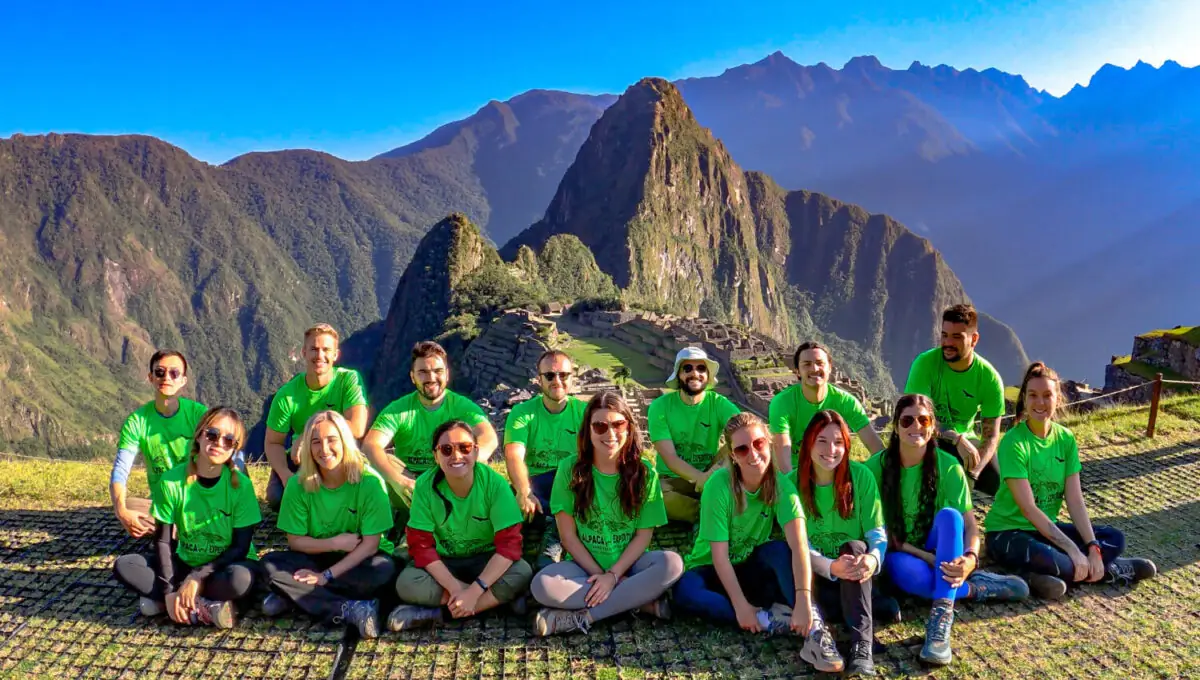
Alpaca Expeditions advocates for porter welfare by ensuring:
- Fair Wages: Meeting or exceeding legal wage requirements.
- Weight Limits: Respecting strict maximums for porter loads.
- Proper Gear: Providing uniforms, rain gear, and sleeping arrangements.
- Meals: Ensuring porters eat the same high-quality food as trekkers.
Porter welfare winay wayna
When you trek to Wiñay Wayna, ask your tour provider about their porter policies. Supporting companies that prioritize welfare means protecting the dignity of the people who make the journey possible.
Waste Management at Wiñay Wayna
The terraces and baths of Wiñay Wayna cannot withstand careless pollution. Responsible trekking means:
- Pack In, Pack Out: Carry all trash back out of the trail.
- No Single-Use Plastics: Bring reusable bottles and utensils.
- Human Waste Responsibility: Use designated facilities only.
Supporting Local Communities at Wiñay Wayna
Choosing local operators, eating in family-run restaurants in Cusco and the Sacred Valley, and buying handicrafts directly from artisans help spread tourism benefits fairly. Your journey to Wiñay Wayna can be both transformative for you and supportive for the people of Peru.
Sample Itineraries Including Wiñay Wayna
Most trekkers will encounter Wiñay Wayna on the Classic 4-Day Inca Trail, but multiple routes and styles of trekking include this hidden site.
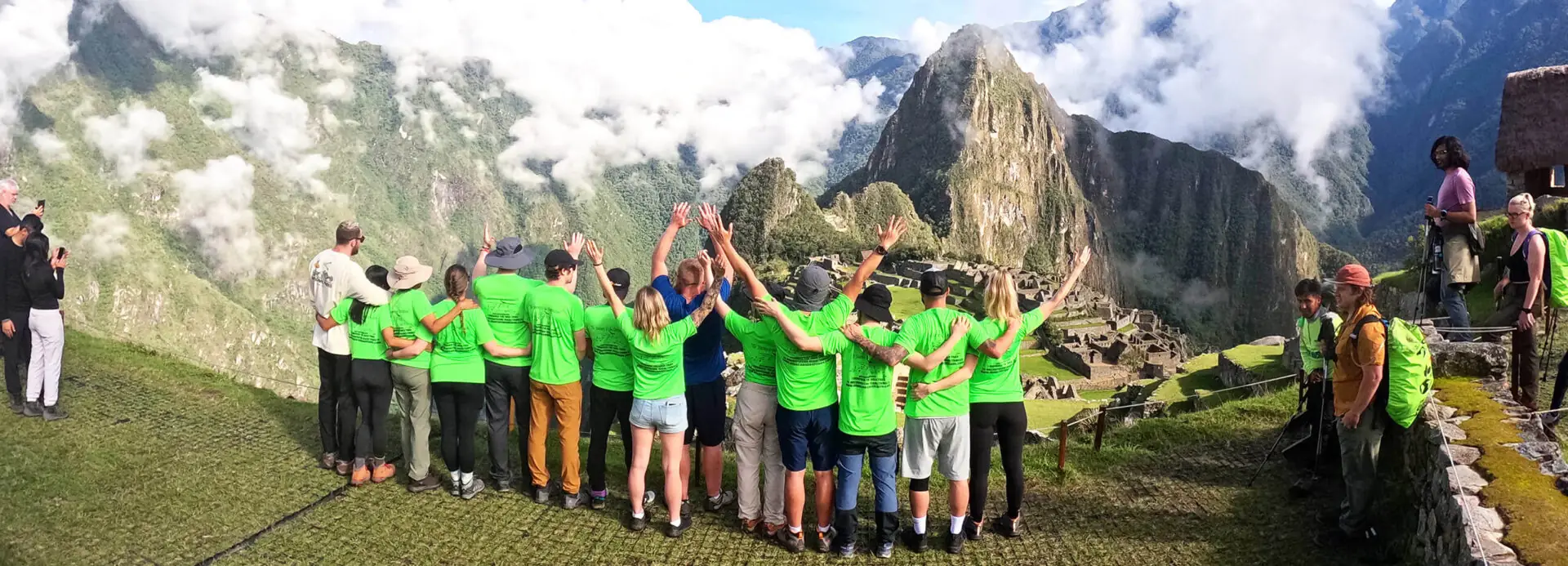
4-Day Classic Inca Trail (Most Popular)
- Day 1: Cusco – Km 82 – Wayllabamba
- Day 2: Wayllabamba – Dead Woman’s Pass – Pacaymayo
- Day 3: Pacaymayo – Phuyupatamarca – Wiñay Wayna (camp)
- Day 4: Wiñay Wayna – Sun Gate – Machu Picchu
Highlights: Balanced challenge, iconic Dead Woman’s Pass, Wiñay Wayna ruins, sunrise at Machu Picchu.
Classic Inca Trail
5-Day Relaxed Inca Trail
- Day 1: Cusco – Km 82 – Short hike, easy acclimatization.
- Day 2: Gradual climb to Dead Woman’s Pass.
- Day 3: Pacaymayo – Runkurakay – Sayacmarca.
- Day 4: Phuyupatamarca – Extended time at Wiñay Wayna, overnight camp.
- Day 5: Wiñay Wayna – Sun Gate – Machu Picchu.
Highlights: More time at each ruin, less rushed, better for photography and contemplation.
2-Day Short Inca Trail
- Day 1: Train from Cusco to Km 104, hike to Wiñay Wayna, continue to Sun Gate for first view of Machu Picchu, overnight in Aguas Calientes.
- Day 2: Guided tour of Machu Picchu.
Highlights: Perfect for travelers with limited time, still includes Wiñay Wayna.
Comparative Table – Trek Options Including Wiñay Wayna
| Itinerary | Duration | Includes Wiñay Wayna? | Difficulty | Best For |
| Classic 4-Day | 4 days | Yes | Moderate–Challenging | Balanced experience |
| Relaxed 5-Day | 5 days | Yes (more time) | Moderate | Those who want slower pace |
| Short 2-Day | 2 days | Yes | Easy–Moderate | Time-limited travelers |
| Private Luxury | 4–5 days | Yes | Moderate | Comfort and exclusivity |
Decision Framework – Is the Inca Trail Right for You?
Wiñay Wayna is accessible only via the Inca Trail, which requires permits and a guided trek. Before committing, ask yourself a few key questions.
Pros of the Inca Trail
- Walk in the footsteps of history.
- Access ruins like Wiñay Wayna not seen on other treks.
- Arrive at Machu Picchu through the Sun Gate, the original Inca entrance.
Cons of the Inca Trail
- Permits sell out months in advance.
- Higher cost compared to alternative treks.
- Crowds during peak season.
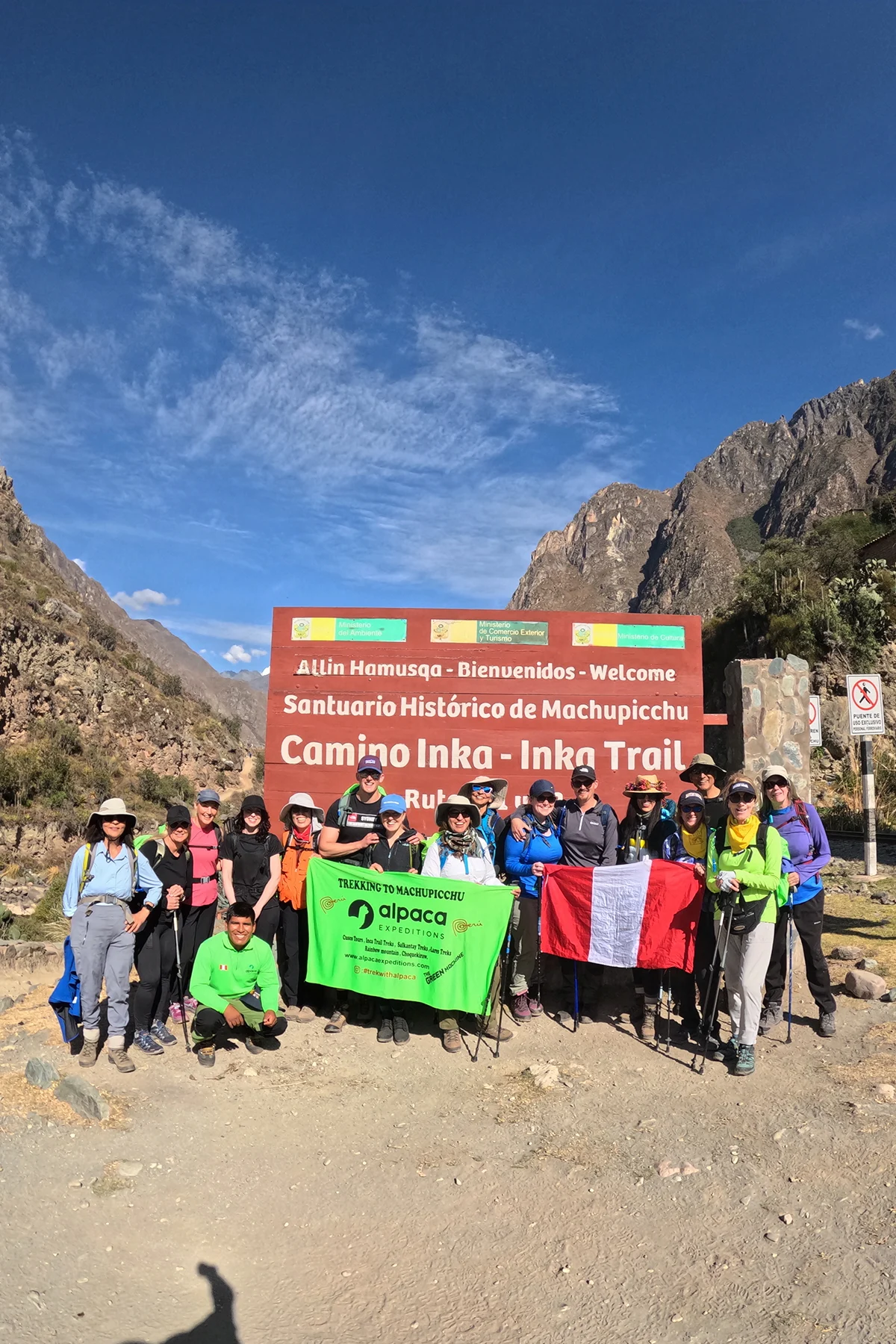
Inca Trail
Alternatives
If you want breathtaking Andean scenery without the Inca Trail restrictions:
- Salkantay Trek: High-altitude mountain trek, passes glaciers, ends near Machu Picchu.
- Lares Trek: Cultural route through Andean villages.
- Inca Jungle Trek: Combines hiking with biking and rafting.
Decision Checklist
Ask yourself:
- Am I fit enough for multiple days of trekking with steep climbs and descents?
- Am I able to book permits months in advance?
- Do I want the historical ruins (like Wiñay Wayna) as part of the experience, or am I more focused on natural scenery?
- Am I comfortable with group trekking, or do I prefer solitude?
If your answer leans toward history, culture, and the iconic Machu Picchu entrance, then the Inca Trail—with Wiñay Wayna as its crowning secret—is the right choice.
Traveler Tips for Wiñay Wayna from Alpaca Expeditions Guides
Trekkers often say the Inca Trail is one of the most challenging yet rewarding journeys of their lives. After guiding thousands of hikers to Wiñay Wayna and Machu Picchu, our team has distilled the most important insider tips.
Go Slow, Breathe Deep
The descent into Wiñay Wayna can be slippery. Take deliberate steps, pause to admire orchids, and use trekking poles for support.
Carry Extra Water
While porters provide boiled water at meals, carry at least 2 liters with you on the approach to Wiñay Wayna. The humid cloud forest can dehydrate hikers quickly.
Don’t Skip the Ruins
Some groups, tired after a long day, consider skipping the side path to explore the ruins. Don’t. It is arguably the most magical site on the trail—more intimate than Machu Picchu.
Respect Quiet Hours
The campsite is filled with anticipation. Many trekkers go to bed by 8 p.m. to be ready for the early morning wake-up. Keep noise low and headlamps dim.
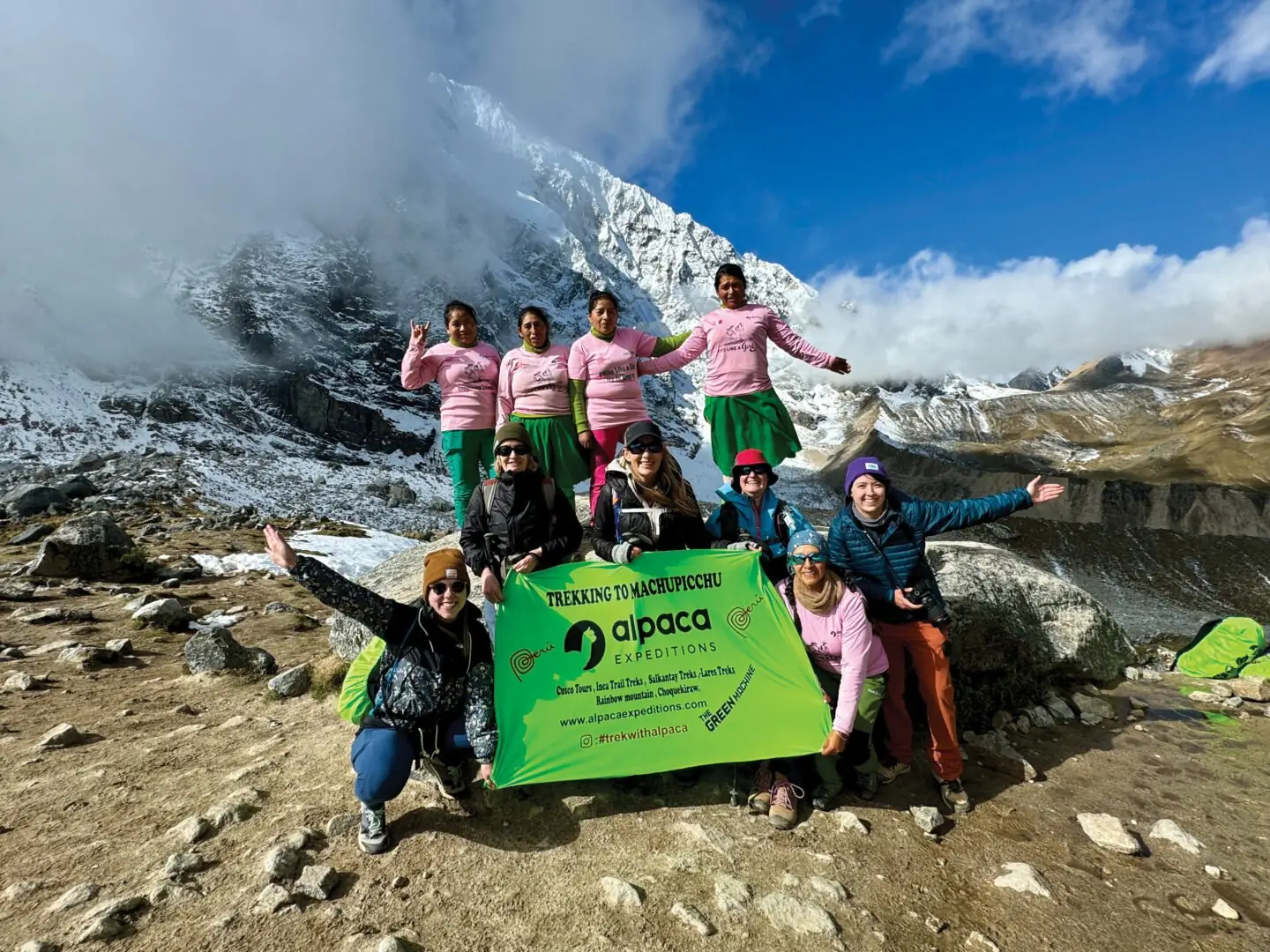
Alpaca’s Tour guides
Treat Porters with Gratitude
A simple “Sulpayki” (thank you in Quechua) goes a long way in showing respect to the men and women who make your trek possible.
Comparison Tables & Checklists
Seasonal Conditions on the Inca Trail (Including Wiñay Wayna)
| Season | Months | Trail Conditions | Pros | Cons |
| Dry Season | May–Sept | Clear skies, cool nights | Best visibility, less mud | Cold nights, crowded permits |
| Shoulder | Mar–Apr, Oct | Mixed sun and showers | Fewer crowds, lush scenery | Variable weather |
| Wet Season | Nov–Feb | Heavy rain, slippery | Vivid greenery, orchids | Muddy trails, risk of landslides |
Altitude Comparison Table
| Location | Altitude (m) | Altitude (ft) | Notes |
| Cusco | 3,400 | 11,154 | Acclimatization recommended |
| Dead Woman’s Pass | 4,215 | 13,829 | Highest point of trek |
| Phuyupatamarca | 3,650 | 11,975 | “Town above the clouds” |
| Wiñay Wayna | 2,650 | 8,694 | Cloud forest environment |
| Machu Picchu | 2,430 | 7,972 | Destination |
Quick Decision Checklist Before Wiñay Wayna
- Do I have my Inca Trail permit secured months ahead?
- Have I acclimatized in Cusco or Sacred Valley for at least 2 days?
- Do I have trekking poles and sturdy boots?
- Am I carrying my passport for checkpoint access?
- Am I ready for a pre-dawn wake-up at Wiñay Wayna camp?
FAQ
1. What does Wiñay Wayna mean?
It means “Forever Young” in Quechua, symbolizing eternal life and nature’s renewal.
2. How old are the ruins?
They date back to the 15th century, during the height of the Inca Empire.
3. Where exactly is Wiñay Wayna?
On the Inca Trail, about 5 km before Machu Picchu, at 2,650 meters.
4. What is the altitude of Wiñay Wayna?
2,650 m / 8,694 ft.
5. Can you camp at Wiñay Wayna?
Yes, it is the last official campsite before Machu Picchu.
6. Why is Wiñay Wayna important?
It combines ceremonial baths, temples, and terraces—likely a purification site before Machu Picchu.
7. Is Wiñay Wayna near Machu Picchu?
Yes, only a few hours’ hike away.
8. How difficult is the hike?
Moderate. The descent into Wiñay Wayna involves steep stone steps.
9. What crops were grown on the terraces?
Primarily maize, potatoes, and quinoa.
10. Which Inca deities were honored here?
Likely Inti (Sun God) and Pachamama (Earth Mother).
11. Can non-trekkers visit it?
No. Access is only possible via the Inca Trail with a permit.
12. What wildlife is common?
Orchids, hummingbirds, butterflies, and occasionally spectacled bears.
13. Is the water system still functional?
Yes, fountains and channels still carry fresh spring water.
14. How long should I spend at the ruins?
Most groups spend 45–90 minutes.
15. Is Wiñay Wayna larger than Machu Picchu?
No, it is smaller but more intimate.
16. How many terraces does it have?
Over 20 sweeping terraces across the slope.
17. What’s the campsite like?
Large, terraced, with basic toilets and cooking areas.
18. Are there showers?
Only cold water, and availability depends on current policy.
19. What should I pack specifically for Wiñay Wayna?
Rain gear, trekking poles, warm clothing, and a headlamp.
20. When is the best season?
The dry season (May–Sept) is clearest, though orchids bloom beautifully in the wet season.
21. Do I need altitude medicine?
At Wiñay Wayna’s altitude, most people are fine, but consult a doctor if prone to altitude sickness.
22. How do I train for the trail?
Stair climbing, cardio, and day hikes with a backpack.
23. Can children trek to Wiñay Wayna?
Yes, older children (10+) who are physically prepared may join with a family group.
24. What food is served at Wiñay Wayna camp?
Porters and chefs prepare hot meals—often including soup, rice, vegetables, and local specialties.
25. Are permits required for Wiñay Wayna?
Yes, included in the Inca Trail permit.
26. How early do permits sell out?
Permits for June–August often sell out 6 months in advance.
27. How safe is Wiñay Wayna?
Very safe when trekking with a licensed operator.
28. What happens if I get sick there?
Guides carry first aid kits, and porters can assist in emergencies.
29. Can I see sunrise at Wiñay Wayna?
No, sunrise is reserved for Machu Picchu via the Sun Gate.
30. Is Wiñay Wayna truly the Inca Trail’s best-kept secret?
Yes. While Machu Picchu is the crown, Wiñay Wayna is the jewel hidden just before it—a moment of magic fewer people know about but none forget.