




Building Machu Picchu
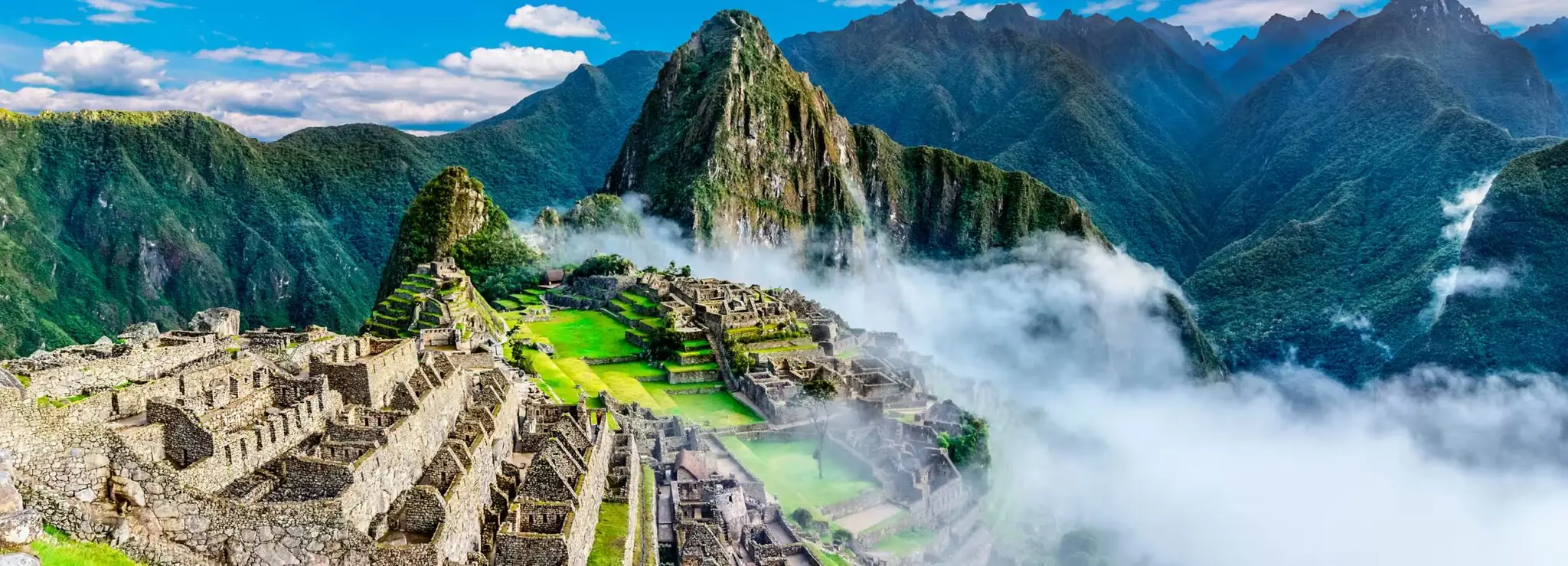
Machu Picchu is one of those places that seems to defy logic. Perched like a stone necklace along a knife‑edge ridge between the peaks of Machu Picchu and Huayna Picchu, it overlooks the swirling Urubamba River thousands of feet below.Let’s explore the history and Building of Machu Picchu
At roughly 2,430 metres (7,970 feet) above sea level, this 15th‑century citadel draws more than a million visitors a year, yet its origins remain shrouded in mystery and myth. How did a civilisation without steel, iron tools, wheels or pack animals build a city of precisely fitted granite blocks that has survived more than five centuries of earthquakes and heavy rainfall?
Who envisioned this audacious project? And what can modern travellers learn about the genius of Andean engineering and the responsibilities of visiting such a sacred place?
This article answers those questions by weaving together history, archaeology, engineering, cultural anthropology and practical travel advice. We’ll introduce you to the builder – Inca emperor Pachacuti – and the communities who laboured under the mit’a system.
You’ll discover how terraces, interlocking stones and a gravity‑fed water system reflect profound understanding of geology and hydrology. You’ll see how Machu Picchu fits into the broader Inca world, including the Qhapaq Ñan road network, and why its design aligns with solstices and Andean cosmology.
Then, stepping into the role of modern explorer, you’ll learn how to plan an ethical trek, acclimatize, pack, respect porters and minimise your footprint. Finally, we’ll explore the legacy of this masterpiece and what its builders can teach us today.
Throughout, you’ll find tables, checklists and itineraries to print and share, plus a glossary and FAQs to answer common questions. Citations from scholarly works, university reports and UNESCO documents ensure accuracy. Let’s start by meeting the visionary who set this marvel in motion.
The Visionary Behind Machu Picchu
Pachacuti: Emperor and Architect of an Empire
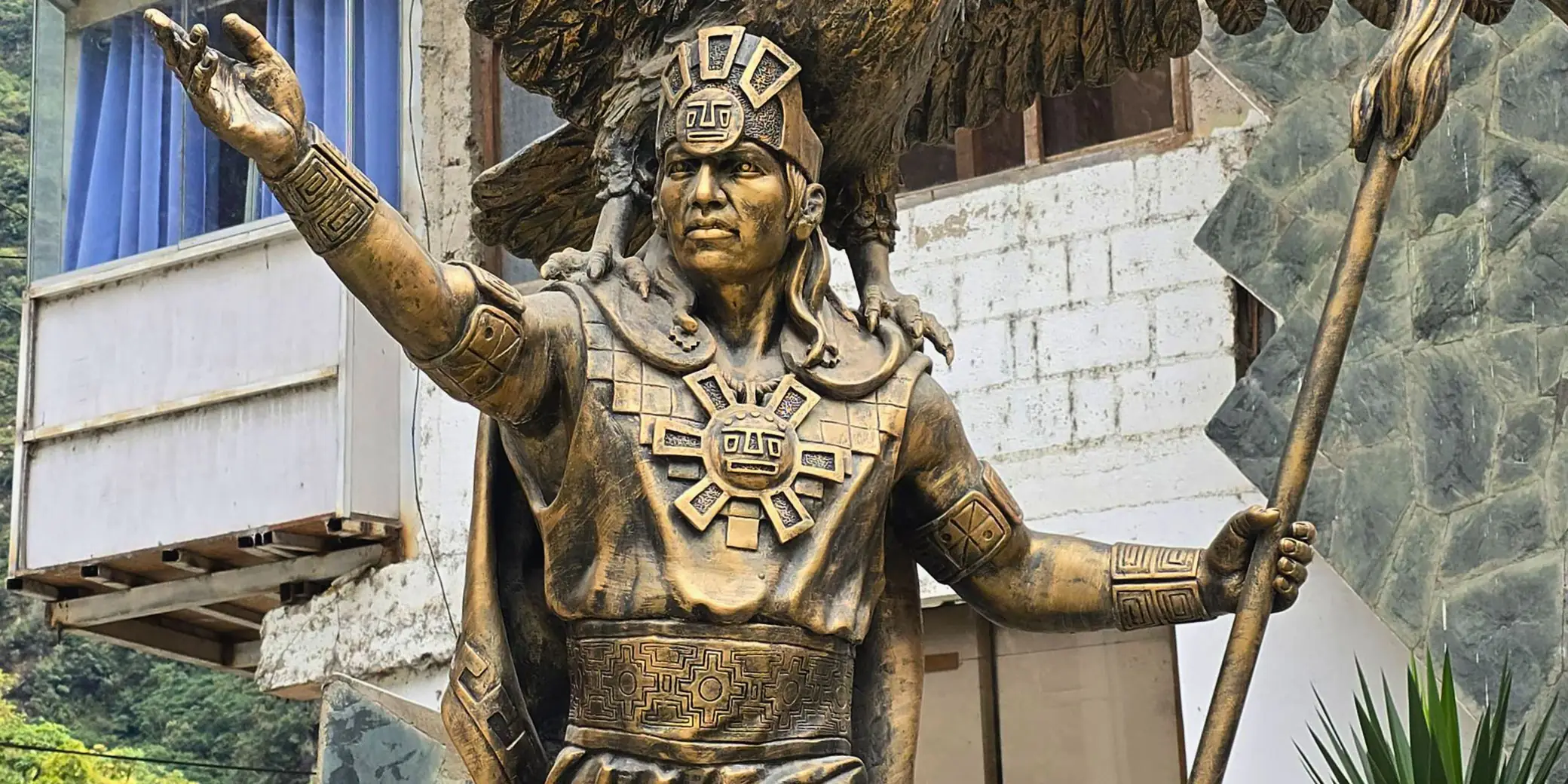
Pachacuti Inca Yupanqui, often simply called Pachacuti or Pachacutec, was the ninth ruler (sapa Inca) of the Kingdom of Cusco. He reigned from around 1438 until 1471 and is remembered as the leader who transformed the small Kingdom of Cusco into the vast Tahuantinsuyu (Inca Empire).
His conquests stretched from present‑day Ecuador to Chile, unifying diverse ethnic groups under a single administrative and ideological framework. According to Yale archaeologist Richard Burger, carbon‑14 dating of burials suggests Machu Picchu was built in the middle of the 15th century, probably as an estate for Pachacuti.
During his reign, the Inca road network reached its maximum expansion, and he ordered numerous monumental projects such as the temple of the sun at Cusco and the fortress of Sacsayhuamán.
The chronicler Pedro Cieza de León wrote that Pachacuti reorganised the state and instituted laws that codified labour tribute and resource distribution. By centralising power and rewarding loyalty through feasts and ceremonies, he created a cohesive empire despite linguistic diversity.
The name Pachacuti means “Earth‑Shaker” or “Cataclysm,” an epithet that fits both his military exploits and his ability to reshape the Andean landscape through engineering.
Motivations for Building Machu Picchu
Why would an emperor build a city on a remote ridge? Scholars propose several motives:
- Strategic retreat and control. The location offered a defensible refuge during times of unrest or rebellion. Elevated nearly 2,430 metres above sea level and flanked by steep valleys, it was easy to protect and hard for enemies to assault.
- Display of imperial power. Building Machu Picchu, a city in such a challenging setting demonstrated the empire’s mastery over nature. Like other monumental projects, it showcased wealth and labour control.
- Spiritual and astronomical significance. The city appears to be laid out in the form of a condor, a sacred bird representing the celestial world. Its Intihuatana stone is aligned with the winter and summer solstices, suggesting ceremonial functions.
- Agricultural experimentation. Terraces at varying altitudes allowed the Incas to cultivate diverse crops and study microclimates. This knowledge could be applied across the empire.
These motives are not mutually exclusive. Machu Picchu likely served as a seasonal royal estate where Pachacuti could hold rituals, receive tribute and oversee agricultural trials while retreating from the politics of Cusco.
Choosing the Site: Geology, Water and Landscape
The choice of site was not random. The ridge sits at the intersection of two geological faults that expose granite of the Vilcabamba batholith. This provided an abundant source of building material and natural cracks for quarrying.
The faults also channelled meltwater and rainfall into underground fissures; Inca engineers tapped these springs to feed a canal system. The plateau between Machu Picchu (“old peak”) and Huayna Picchu (“young peak”) offered relatively flat space for plazas and terraces, while still affording spectacular views and defensive advantages.
Cultural considerations also played a role. The site’s alignment with surrounding sacred mountains (apus) and its orientation toward sunrise and solstice events suggest that the builders sought harmony between human construction and divine landscape.
According to historian Tom Metcalfe, palace buildings and the Intihuatana stone aligned with solstices indicate that the emperor visited the site to participate in religious ceremonies. The lush cloud forest microclimate provided diverse flora and fauna, making the estate both pleasant and symbolically rich.
The Collective Workforce
The Mit’a System: Organising Labour without Money
The Inca Empire lacked a monetary system, but it possessed a sophisticated labour tax called the mit’a (or mita). Under this system, each household was required to contribute workers for a set period each year.
The term mit’a derives from the Quechua word for “turn” or “seasonal labour,” reflecting its rotational nature. Households organised into extended family groups known as ayllus took turns sending able‑bodied members to work on state projects. In exchange, the state provided food, housing and goods from its storehouses.
Unlike slavery, the mit’a emphasised reciprocity. Workers built roads, terraces and temples, farmed state lands, served in the army, or mined for precious metals. At Machu Picchu, these labourers quarried and carved stones, constructed terraces and canals, and transported materials via earthen ramps and rope haulage.
The system ensured that large projects could be executed rapidly without impoverishing any single community. It also reinforced social cohesion; participation in mit’a service was both a civic duty and a spiritual obligation to the sun god Inti and the emperor.
Ayllus, Mitmaqkuna, Yanakuna and Amautas
While the mit’a drafted labour from all ayllus, the Inca state also relocated groups of skilled artisans and farmers, known as mitmaqkuna, to work permanently on imperial projects. These specialists came from various regions of the empire and brought expertise in stone carving, metallurgy, agriculture and textiles.
At Machu Picchu, mitmaqkuna likely comprised expert stonemasons responsible for the polished walls and priests or astronomers (amautas) who advised on cosmological alignment. The competitor article notes that the builders were Mitmaqkunas skilled in stonework, agriculture and construction; our analysis expands by naming specific roles and the social mechanisms that moved them.
The yanakuna were permanent servants of the Inca nobles, performing domestic tasks at estates like Machu Picchu. The aqllakuna (“chosen women”) lived in sequestered houses where they wove fine textiles, brewed corn beer and prepared ceremonial feasts.
Together, these groups provided the specialised labour that turned Pachacuti’s vision into reality. Meanwhile, the broader populace rotated through the mit’a to provide brute force.
Logistics and Supply Lines
Moving thousands of workers and tonnes of stone required coordination. The Qhapaq Ñan, or Andean road system, was an extensive communication, trade and defence network covering more than 30,000 kilometres.
Four main highways radiated from Cusco and branched into secondary and tertiary roads that linked valleys, highlands and coastal areas. This network allowed swift movement of armies and administrators but also facilitated the transport of food, tools and building materials. Llama caravans, porters and rope bridges enabled supplies to reach remote sites like Machu Picchu.
Along the road were tambos (rest stations) and qollqas (storehouses) stocked with maize, quinoa, dried meat and coca leaves. Without this infrastructure, building Machu Picchu and sustaining a mountaintop city would have been impossible.
Engineering Mastery of the Incas
Stone Quarrying and Transportation
The bedrock of Machu Picchu is granite, a hard and durable rock that weathers slowly. The builders took advantage of natural cracks in the batholith at the intersection of geological faults. By inserting wooden wedges into fissures and soaking them with water, they could split large blocks from bedrock.
Evidence of unfinished quarries at the site shows stones partially separated and left in situ, demonstrating that much of the material was sourced locally rather than hauled from distant locations.
Transportion:
Transporting blocks weighing up to 50 tonnes without wheels required ingenuity. Archaeologists believe workers used levers, wooden rollers and earthen ramps to manoeuvre stones. Logs served as rollers; teams of labourers pulled using ropes made from cactus fibre and camelid wool.
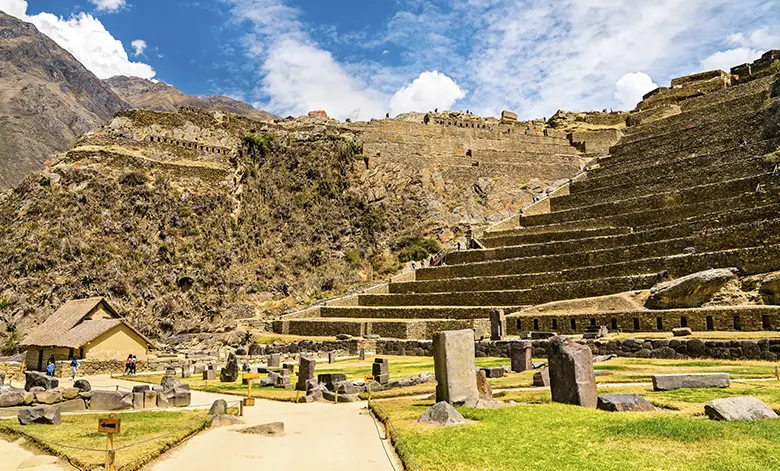
Ramps of earth and stone allowed them to lift stones terraces, or align them with their final positions. The Inca engineers also intentionally left protrusions on some blocks, which acted as handles for manoeuvring; these nubs were later removed or polished. A table below summarises key transportation techniques.
| Transportation technique | How it worked | Evidence |
| Earthen ramps | Ramps of packed soil and stone were built alongside walls or terraces. Labourers dragged stones up the ramp using ropes and lever beams. | Remains of ramps near quarries and within the citadel show gradients matching probable transport paths. |
| Wooden rollers and sledges | Logs placed under stones allowed them to roll. In steeper sections, wooden sledges eased movement. | Carving marks on some stones suggest the use of sledges; ethnographic parallels from Andean communities support this method. |
| Lever beams and pry bars | Wooden beams inserted under stones acted as levers to pivot and adjust placement. | Protruding knobs on stones likely served as leverage points; wear patterns on beams found at other sites indicate heavy use. |
| Human and animal power | Teams of workers pulled using braided fibre ropes; llamas carried smaller loads along the Qhapaq Ñan. | Accounts by chroniclers describe hundreds of labourers hauling blocks. Although llamas cannot carry more than ~45 kg, they were vital for food and small tools. |
Dry‑Stone Masonry and Seismic Resilience
Perhaps the most impressive feature of Machu Picchu is its mortar‑free masonry. Walls consist of irregularly shaped stones cut so precisely that a knife blade cannot be inserted between them.
This is sometimes called ashlar masonry, though technically, ashlar refers to square or rectangular blocks; Machu Picchu’s largest walls use irregular polygonal stones. The stones interlock in three dimensions, transferring loads evenly and allowing the wall to move slightly during earthquakes.
Earth Science Picture of the Day highlights several seismic‑resistant features:
- Terraces buttress steep mountain slopes. By cutting into slopes and building terraces, the Incas stabilized the mountain. The terraces acted like retaining walls and agricultural platforms.
- Precisely fitting, mortar‑free walls ‘dance’ during earthquakes. Without mortar, stones can shift and then resettle, dissipating seismic energy.
- Trapezoidal doors and windows. Openings that are wider at the bottom and narrower at the top distribute forces evenly.
- Inward‑leaning walls and rounded corners. Many walls incline slightly inward (3–5 degrees), and corners are rounded, reducing stress concentrations.
- L‑shaped blocks. These tie corners and act like staples, locking adjacent walls together.
These design principles allowed Machu Picchu to survive earthquakes that destroyed later colonial buildings in Cusco. Engineers today study Inca masonry to inspire modern seismic design; their approach emphasises flexibility rather than rigidity.
Terraces and Agricultural Innovation
One cannot discuss Machu Picchu without admiring its terraces. Hundreds of stepped platforms cascade down the slopes, creating farmland and preventing landslides. Each terrace has a sophisticated internal structure: stones at the bottom for stability, a layer of gravel and broken rock for drainage, followed by sandy material and finally fertile topsoil.
This layering ensures proper drainage – excess water percolates through, preventing waterlogging, while capillary action keeps soil moist. Terraces are also slightly inclined toward drainage channels that carry runoff into main drains. These features explain why the terraces have withstood centuries of heavy rainfall without collapsing.
Agriculturally, terraces created microclimates. Lower terraces near the river were warmer and suited to maize and tropical fruits, while higher terraces supported potatoes, quinoa and other highland crops.
Archaeologists believe the Incas used Machu Picchu as an experimental station to test which crops thrived at specific altitudes. Visitors today can see terraces planted with native species as part of conservation projects.
Water Management System: The Stairway of Fountains
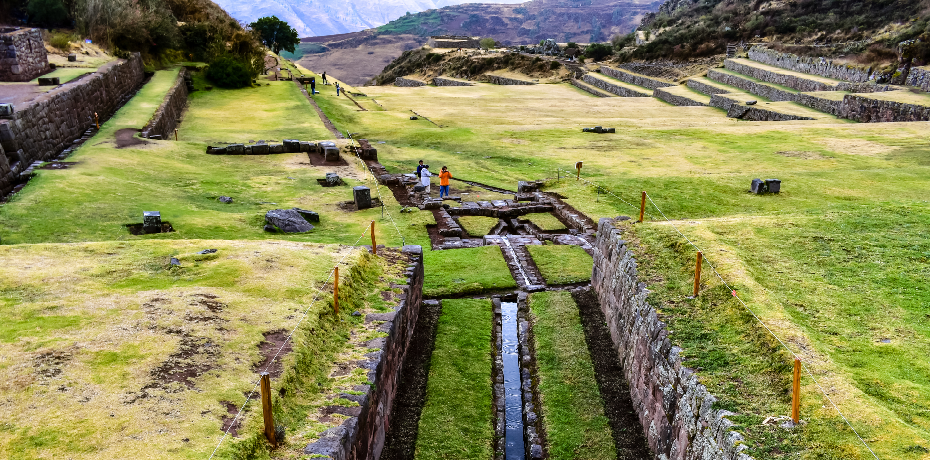
Access to fresh water was a prerequisite for any settlement. At Machu Picchu, engineers tapped natural springs on the north slope of the mountain and built a 749‑metre canal lined with stone. The canal varies between 10 and 12 cm in width and 10–16 cm in depth, with an average slope of about 3 percent.
Water flows by gravity, first entering the agricultural sector and then the urban centre. Kenneth Wright’s team calculated the design capacity at 300 litres per minute, while typical spring yield ranges from 25 to 150 litres per minute – a testament to the engineers’ foresight in accommodating variable flows.
Inside the city, the canal feeds 16 stone fountains arranged like a staircase. The first fountain is adjacent to the emperor’s residence, symbolising his privileged access to water. Water from one fountain spills into the next, creating a cascade that both distributes the supply and adds aesthetic beauty.
Each fountain has a stone spout with a sharp edge that produces a jet, making it easy to fill aryballos (ceramic water jugs). The total drop from fountain 1 to fountain 16 is about 26 metres. Buried channels bypass some fountains during maintenance or when water needs to be redirected.
Drainage was equally important. Excess stormwater from roofs, plazas and terraces was channelled away from the domestic water supply. Many walls contain drainage holes, and stairways incorporate channels that funnel runoff to main drains. Wright notes that if springs ran dry, inhabitants could access the Urubamba River via a secondary trail, suggesting redundancy in water sources.
A checklist of water features you can look for on a visit:
- Canal intake at the spring (north slope)
- Channel flowing along terraces
- First fountain near the sacred plaza
- Stairway of fountains (16 in total)
- Drainage channels integrated into stairways and walls
- Dry moats and cisterns near the urban sector
Astronomical Alignment and Urban Design
The layout of Machu Picchu reveals knowledge of astronomy and geometry. The city is roughly divided into an agricultural zone (terraces and storage) and an urban zone (temples, residences, plazas). The main plaza aligns east–west, while key structures align with astronomical events:
- Intihuatana stone. This carved granite pillar functions as a solar marker. During equinoxes, its shadow aligns perfectly along specific axes, and at solstices it frames sunrise and sunset. Shamans likely used it to set the calendar and schedule agricultural tasks.
- Temple of the Sun. This semi‑circular structure contains windows that align with the June solstice sunrise and December solstice sunset. It sits atop a natural rock, emphasising integration with the earth.
- Temple of the Three Windows. Three large trapezoidal windows face east, framing the sunrise and symbolising the three realms of Inca cosmology (the underworld, the earthly world and the celestial world).
- Sacred plaza. Bound by the Temple of the Sun, the Temple of the Three Windows and the Main Temple, this space hosted ceremonies and offered panoramic views of the surrounding mountains.
Paths within Machu Picchu are intentionally circuitous, encouraging pilgrims to move through ritual sequences. Narrow staircases and gates may have been used to control movement and emphasise transitions between sacred and secular zones. While modern visitors may not sense these subtle cues, understanding their purpose deepens appreciation of the city’s design.
Machu Picchu in the Context of the Inca World
Qhapaq Ñan: The Andean Road System
The Qhapaq Ñan (“Royal Road”) was the backbone of the Inca Empire. UNESCO describes it as an extensive network covering more than 30,000 kilometres. Constructed over centuries and reaching its maximum expansion in the 15th century during the consolidation of Tawantinsuyu, it linked Cusco to outposts at the Pacific coast, Amazon rainforest and highland plateaus.
Four main routes radiated from Cusco and connected to secondary roads. The network included bridges, causeways, staircases and drainage systems that overcame the Andes’ diverse terrains. It was used by caravans, messengers (chasquis), armies and entire populations.
Machu Picchu was not directly on a major highway but connected via spur trails. One branch ran from the Sacred Valley through the Winay Wayna terraces to the Sun Gate (Inti Punku), now part of the Classic Inca Trail. Another extended toward Vilcabamba.
Supplies, building materials and travellers reached the citadel through this network. Understanding Machu Picchu thus requires situating it within the empire‑wide infrastructure that enabled its construction and supply.
Comparing Machu Picchu to Other Inca Sites
| Site | Location & Elevation | Unique Features | Comparison to Machu Picchu |
|---|---|---|---|
| Sacsayhuamán | Above Cusco (≈3,700 m) | Massive zigzag walls built from multi‑ton polygonal blocks; ceremonial fortress; excellent view of Cusco. | Sacsayhuamán stones are larger and heavier. Both sites employ mortar‑free masonry and terraces but differ in function (fortress vs estate). |
| Ollantaytambo | Sacred Valley (≈2,800 m) | Terraces and temple complex; storehouses on cliffs; water channels; still inhabited town. | Shares terraced agricultural and urban sectors; served as administrative and military centre rather than royal retreat. |
| Pisac | Sacred Valley (≈3,300 m) | Agricultural terraces; strategic location controlling access to the valley; ceremonial sector with Intihuatana. | Similar integration of terraces and ritual spaces; smaller in scale; functions more as a regional centre. |
| Choquequirao | Salkantay range (≈3,050 m) | Remote “sister city” of Machu Picchu; terraces decorated with white stone llamas; requires multi‑day trek. | Shares layout with ceremonial and agricultural zones; built by the same dynasty; currently less visited; offers sense of discovery comparable to Machu Picchu in early 20th century. |
Andean Cosmology and Urban Planning
Andean cosmology is based on principles of reciprocity (ayni), duality (yanantin) and harmony with the natural world. People honour deities associated with the sky (Hanan Pacha), earth (Kay Pacha) and underworld (Ukhu Pacha). The Inca state institutionalised these beliefs in labour systems and urban planning.
The mit’a exemplified reciprocity: communities contributed labour and received goods in return. Duality is seen in paired temples, male and female deities and the complementary roles of the agricultural and urban zones. Harmony with nature is evident in the adaptation of buildings to topography and the use of natural boulders as sacred huacas.
UNESCO notes that the Qhapaq Ñan remains a testimony to these values, providing a sense of identity and enabling cultural practices to continue. At Machu Picchu, rituals at the Intihuatana stone or Temple of the Sun reaffirmed the cosmic order and the emperor’s role as mediator. Recognising these cultural dimensions prevents reducing the site to a purely technological marvel; it was also a theatre for the performance of the Andean worldview.
Timeline: Birth, Flourish, Abandonment and Rediscovery
Preparation and Construction Phases
Archaeological evidence suggests that construction began in the mid‑15th century. Carbon‑14 dating places the initial building of Machu Picchu before 1450, and the process likely lasted more than 30 years. The timeline can be roughly divided into three phases:
- Site preparation. Builders cleared and levelled the ridge, cut terraces into slopes and laid foundations. They quarried stones, built retaining walls and prepared the spring canal.
- Main construction. Temples (Temple of the Sun, Temple of the Three Windows, Main Temple) and royal residences were erected. The urban sector, with its plazas, stairways and fountains, took shape. Agricultural terraces were extended and irrigated. Roads and trails connecting to the Qhapaq Ñan were established.
- Finishing touches. Final stone fittings, smoothing surfaces, carving huacas (sacred stones), erecting thatched roofs and installing wooden beams. Some terraces and buildings appear to have been left unfinished, perhaps due to shifting priorities or the death of the patron.
Occupancy and Use
The population at Machu Picchu fluctuated. Research suggests around 1,000 people lived there at its peak. Most were support staff: artisans, farmers, priests and retainers. When Pachacuti or his heirs visited, the population swelled as nobles, servants and troops joined ceremonies.
Archaeobotanical studies show maize, potatoes and quinoa were cultivated on terraces. However, the site could not feed all its residents, so supplies were imported via the road network.
Structures like the Temple of the Condor and the Royal Mausoleum hint at ritual and funerary functions. The absence of defensive walls suggests that Machu Picchu was not primarily a fortress, although its location was easily defended.
Abandonment: Theories and Evidence
Machu Picchu was abandoned within a century of its construction. The reasons remain debated:
- Political instability. After Pachacuti’s death, his successors may have focused on new estates and left Machu Picchu unsupported. Civil wars between Huáscar and Atahualpa in the early 16th century disrupted state projects.
- Spanish invasion. When Spanish conquistadors arrived in 1532, they dismantled Inca political structures and exploited the mit’a for mining. They did not record Machu Picchu, possibly because it was already vacated or hidden. Fear of Spanish plunder may have led caretakers to leave.
- Epidemics such as smallpox devastated indigenous populations. Labour shortages could have made maintaining remote estates untenable.
- Socio‑religious shifts. Changes in cosmological emphasis or leadership might have rendered certain sites obsolete. Some scholars note that Machu Picchu was not destroyed, implying a deliberate and orderly departure.
- Natural disasters? Wright’s research indicates water shortage was not a factor. Earthquakes likely caused minor damage, but the masonry remained intact.
Rediscovery and Modern Protection
After abandonment, Machu Picchu slipped into obscurity. Local indigenous communities knew of the ruins but did not publicise them, perhaps to protect sacred sites. In July 1911, Yale historian Hiram Bingham was guided to the ruins by farmers, though he later portrayed himself as the “discoverer.”
Bingham’s expeditions led to international publicity and the removal of artefacts to Yale University, sparking repatriation debates that continue today. Restoration work began in the early 20th century, and the site opened to tourism.
In 1983 Machu Picchu became a UNESCO World Heritage site under cultural and natural criteria. Authorities implemented visitor limits, raised ticket prices and mandated circuits to mitigate erosion.
In 2025 the Peruvian Ministry of Culture announced a new circuit system to distribute foot traffic and protect sensitive areas. Yet over‑tourism, landslides, and climate change remain threats. Responsible visitation, as we discuss later, is crucial to preserving this jewel.
Practical Travel Guide
Planning a trip to Machu Picchu requires balancing excitement with preparation. This section equips you with detailed advice, whether you hike for days or ride the train.
When to Visit
Peru’s Andes have two main seasons: dry season (May–September) and wet season (October–April). The dry season offers clearer skies and stable trails but corresponds with peak tourism; permits for the Inca Trail often sell out six months in advance. June and July coincide with the Festival of the Sun (Inti Raymi) and national holidays; expect crowds.
The wet season brings lush vegetation, fewer visitors and lower prices, but heavy rain can cause landslides and occasional trail closures. April and October represent shoulder seasons with moderate weather and availability. For photographers, early morning light at the Sun Gate (Inti Punku) provides dramatic views of Machu Picchu emerging from mist.

Weather overview by month
| Month | Temperature (°C) | Rainfall | Notes |
|---|---|---|---|
| May–September | 0–20 (cold nights, mild days) | Low (dry) | Ideal for trekking; nights can drop below freezing at higher camps. |
| October–November | 5–21 | Moderate | Warmer; first rains; wildflowers bloom. |
| December–March | 6–23 | High (wet season) | Heavy rain; Inca Trail closes in February for maintenance; Machu Picchu open but with frequent showers. |
| April | 5–21 | Moderate | Rain tapers; fewer tourists; green landscapes. |
Trekking Routes
There are multiple ways to reach Machu Picchu. The table below compares popular routes. Distances are approximate.
| Route | Duration | Distance | Max Altitude | Highlights | Difficulty | Permits |
|---|---|---|---|---|---|---|
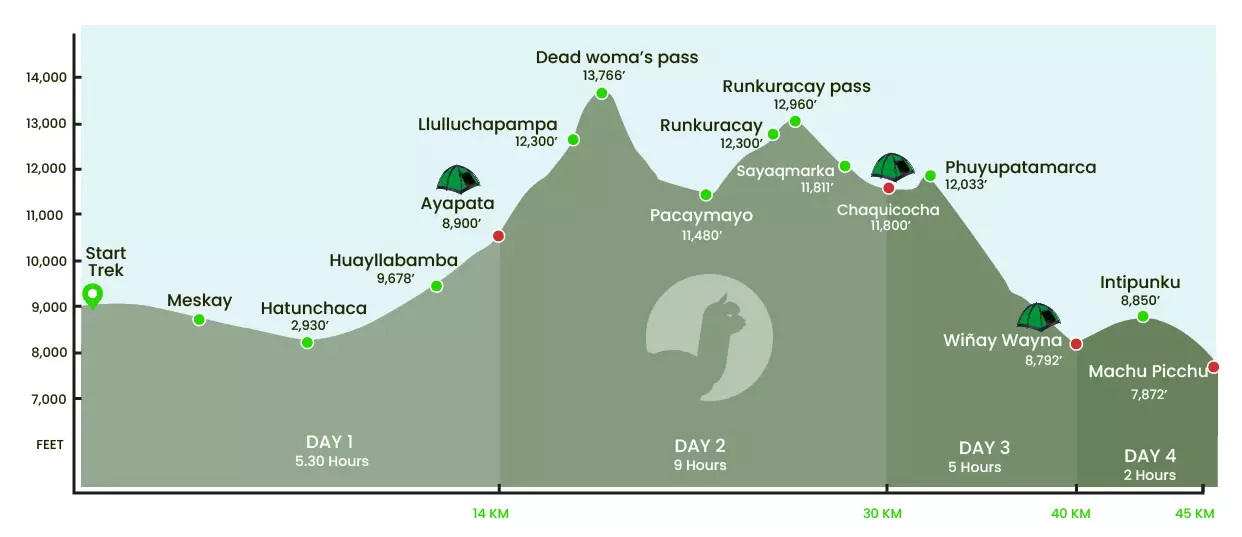
| Classic Inca Trail | 4 days/3 nights | ~43 km | 4,215 m (Dead Woman’s Pass) | Qoriwayrachina ruins, Runkurakay, Sayacmarca, Winay Wayna, Sun Gate arrival at sunrise | Moderate–hard (steep ascents and descents) | Limited to ~500 people per day (including staff); permits required, book 6–9 months ahead. |
| Short Inca Trail | 2 days/1 night | ~12 km | 2,720 m | Chachabamba and Winay Wayna ruins, Sun Gate arrival in afternoon, overnight in Aguas Calientes | Moderate (shorter but steep climb from Km 104) | Permits required but generally easier to secure; combines train and hike. |
| Salkantay Trek | 5–6 days | ~72 km | 4,650 m (Salkantay Pass) | Glacial Lake Humantay, Salkantay Pass, cloud forest, optional Llactapata viewpoint, arrive via Hydroelectric | Challenging (high altitude, long days) | No traditional permits but daily quotas; alternatives exist through licensed operators. |
| Lares Trek | 4 days | ~37 km | 4,400 m | Andean villages, hot springs, weavers’ workshops; less crowded; transfer to Ollantaytambo and train | Moderate; cultural focus rather than ruins | No permit for trek itself; Machu Picchu ticket needed for final day. |
| Choquequirao to Machu Picchu | 7–9 days | 60–70 km | 3,300 m | Remote “other Machu Picchu,” condor sightings, deep gorges; combine with Santa Teresa route | Very challenging (long ascents/descents) | No permit yet but infrastructure limited; for experienced trekkers. |
Choosing a route: The Classic Inca Trail is iconic but regulated. If permits are sold out or you prefer fewer crowds, consider the Salkantay or Lares treks. If you want a short hike that still provides the thrill of arriving through the Sun Gate, the Short Inca Trail is ideal. For adventure seekers with more time, the Choquequirao trek offers solitude and a glimpse into another impressive citadel.
Acclimatization and Health
Altitude sickness (acute mountain sickness) occurs when your body doesn’t acclimate to lower oxygen levels. Symptoms include headache, nausea, fatigue and shortness of breath. Severe cases can progress to pulmonary or cerebral oedema, which are life‑threatening. To minimise risk:
- Arrive early. Spend at least 2–3 days in Cusco (3,400 m) or the Sacred Valley (2,800 m) before trekking. Take light walks and avoid intense exertion at first.
- Hydrate. Drink 3–4 litres of water per day. Avoid excessive alcohol and coffee, which can dehydrate.
- Eat light and high‑carb. Complex carbohydrates provide energy for acclimatization. Avoid heavy, fatty meals.
- Sleep low, climb high. If possible, sleep at a lower altitude than your daytime high point. Many itineraries include acclimatization hikes that ascend and descend.
- Coca tea and sorojchi pills. Locals drink coca leaf tea for altitude. Over‑the‑counter medication (e.g., acetazolamide) can help; consult a doctor before travel.
- Recognise symptoms early. Inform guides immediately if you experience persistent headache, dizziness, vomiting or shortness of breath. Descend and seek medical attention if symptoms worsen.
Guides carry oxygen and first‑aid kits, but prevention is best. Travel insurance that covers evacuation is highly recommended.
Packing List
Below is a recommended packing list for treks to Machu Picchu. Always check current regulations and pack as light as possible; porters carry 7 kg of personal items per trekker on the Inca Trail (which counts toward their own weight limit), so be mindful of their load. Use this table as a printable checklist.
| Category | Items | Notes |
|---|---|---|
| Clothing – base layers | Moisture‑wicking shirts, thermal leggings | Quick‑dry fabrics keep you warm and dry. Bring 2–3 sets. |
| Clothing – insulating layers | Fleece jacket, down or synthetic jacket | Temperatures drop at night. Pack a warm layer for evenings. |
| Clothing – outer shell | Waterproof jacket with hood, waterproof trousers | Rain is possible year‑round; quality rain gear is essential. |
| Clothing – accessories | Sun hat, wool hat, gloves, buffs | Protect against sun and cold. |
| Footwear | Sturdy trekking boots (broken in), camp sandals or shoes | Choose waterproof boots with ankle support. Camp shoes let your feet rest. |
| Backpack & bags | 30–40 L daypack, rain cover, dry sacks, duffel bag | Daypack carries water, snacks, layers; duffel bag for porters (Inca Trail). |
| Sleeping gear | Sleeping bag (rated to –5 °C), inflatable pillow (optional) | Operators often provide sleeping bags for rent. |
Trekking equipment |
Trekking poles (with rubber tips), headlamp with spare batteries, multitool | Poles reduce strain on knees; headlamp is vital for pre‑dawn starts. |
| Hydration & nutrition | Water bottles or hydration bladder (2 L total), water purification tablets, electrolyte powders, snacks (nuts, energy bars) | Operators supply boiled water but having a purifier is wise. |
| Toiletries | Biodegradable soap/shampoo, toothbrush/paste, wet wipes, small towel, hand sanitiser, sunscreen (SPF 50+), lip balm, insect repellent | Respect local water systems by choosing biodegradable products. |
| Documents & money | Passport (must match permit), permits and tickets, insurance card, cash (Peruvian soles) | Keep documents in a waterproof pouch. You may need passport stamps at checkpoints. |
| Electronics | Phone/camera with extra batteries or power bank, plug adapter (type A/C) | Electricity at camps is limited; use airplane mode to conserve battery. |
| Medical & comfort | Personal medications, blister plasters, pain relief, altitude medication (if prescribed), earplugs | Tell your guide about medical conditions. |
| Optional | Lightweight book, journal, packable rain poncho, Gaiters, knee braces, small gifts for local children (e.g., pencils) | Extras can enhance comfort and cultural exchange. |
Alt‑style caption example: “A fully packed daypack with trekking poles and rain cover rests against a stone wall, surrounded by blooming orchids – a reminder that preparedness and nature coexist on the Inca Trail.”
Itineraries
Below are three example itineraries. Adapt them based on your interests, fitness and time. All times are approximate.
7‑Day Classic Adventure: Cusco – Sacred Valley – Inca Trail – Machu Picchu
| Day | Activities |
| Day 1 | Arrive in Cusco. Transfer to the hotel (3,400 m). Rest and hydrate. Afternoon walking tour of Plaza de Armas and nearby sites (e.g., Qorikancha). |
| Day 2 | Acclimatization. Day trip to the Sacred Valley: visit Pisac market and ruins, enjoy lunch in Urubamba, explore Ollantaytambo fortress. Overnight in Ollantaytambo (2,800 m). |
| Day 3 | Start the Inca Trail. Drive to Km 82 (Piscacucho). Hike to Huayllabamba (approx 11 km). Camp. |
| Day 4 | Climb Dead Woman’s Pass (4,215 m) – the highest point. Descend to Pacaymayu for camp (approx 12 km). |
| Day 5 | Pass Runkurakay ruins, Sayacmarca and Phuyupatamarca. Descend to Winay Wayna campsite (approx 15 km). |
| Day 6 | Pre‑dawn hike to Sun Gate (Inti Punku). First view of Machu Picchu at sunrise. Guided tour of the citadel. Afternoon bus to Aguas Calientes. Rest and explore the town. |
| Day 7 | Optional second entrance to Machu Picchu or hike Huayna Picchu/Machu Picchu Mountain (requires a separate permit). Train back to Ollantaytambo and transfer to Cusco. |
4‑Day Quick Escape: Short Inca Trail and Aguas Calientes
| Day | Activities |
| Day 1 | Arrive in Cusco. Acclimatize; visit San Pedro market. |
| Day 2 | Train to Km 104. Hike the Short Inca Trail via Chachabamba and Winay Wayna (approx 12 km). Enter Machu Picchu through Sun Gate in late afternoon. Descend to Aguas Calientes and stay overnight. |
| Day 3 | Guided tour of Machu Picchu. Free time to explore terraces or visit the Inca Bridge. Afternoon train to Cusco. |
| Day 4 | Buffer day for shopping or optional Rainbow Mountain excursion. Fly home. |
10‑Day Exploration: Salkantay Trek and Amazon Add‑On
| Day | Activities |
| Day 1 | Arrive in Cusco. Acclimatize and city tour. |
| Day 2 | Drive to Mollepata and hike to Soraypampa. Visit Lake Humantay. |
| Day 3 | Climb Salkantay Pass (4,650 m). Descend to Chaullay or Collpapampa. |
| Day 4 | Trek through the cloud forest to Lucmabamba. Option to visit coffee farms. |
| Day 5 | Hike to Llactapata ruins for a distant view of Machu Picchu. Descend to the Hydroelectric Station. Train to Aguas Calientes. |
| Day 6 | Tour Machu Picchu. Afternoon train to Cusco. |
| Day 7 | Fly to Puerto Maldonado. Boat transfer to the Amazon lodge. Jungle walk and night excursion. |
| Day 8 | Wildlife watching, canopy tower, canoeing. |
| Day 9 | Return to Puerto Maldonado and fly to Cusco. |
| Day 10 | Free morning for shopping. Fly home. |
Booking and Permits
Permits: The Classic and Short Inca Trails are regulated. Only about 500 permits per day are issued, including porters and guides. Permits often sell out six months in advance for peak season. Salkantay and Lares treks currently do not require official permits, but reputable operators limit group sizes. Tickets for Machu Picchu itself must be booked for specific time slots under the new circuit system. Additional tickets are needed for climbing Huayna Picchu or Machu Picchu Mountain.
Choosing an operator: When selecting a tour company, verify that they are licensed, pay fair wages, provide porters with warm clothing and proper shelter, and follow environmental guidelines. Operators should limit group size, employ bilingual guides, carry medical kits and oxygen, and have contingency plans for emergencies. Alpaca Expeditions, for example, caps porter loads, provides health insurance and invests in community projects. Asking for these details empowers travellers to support ethical business.
Ethical Trekking, Porter Welfare and Sustainability
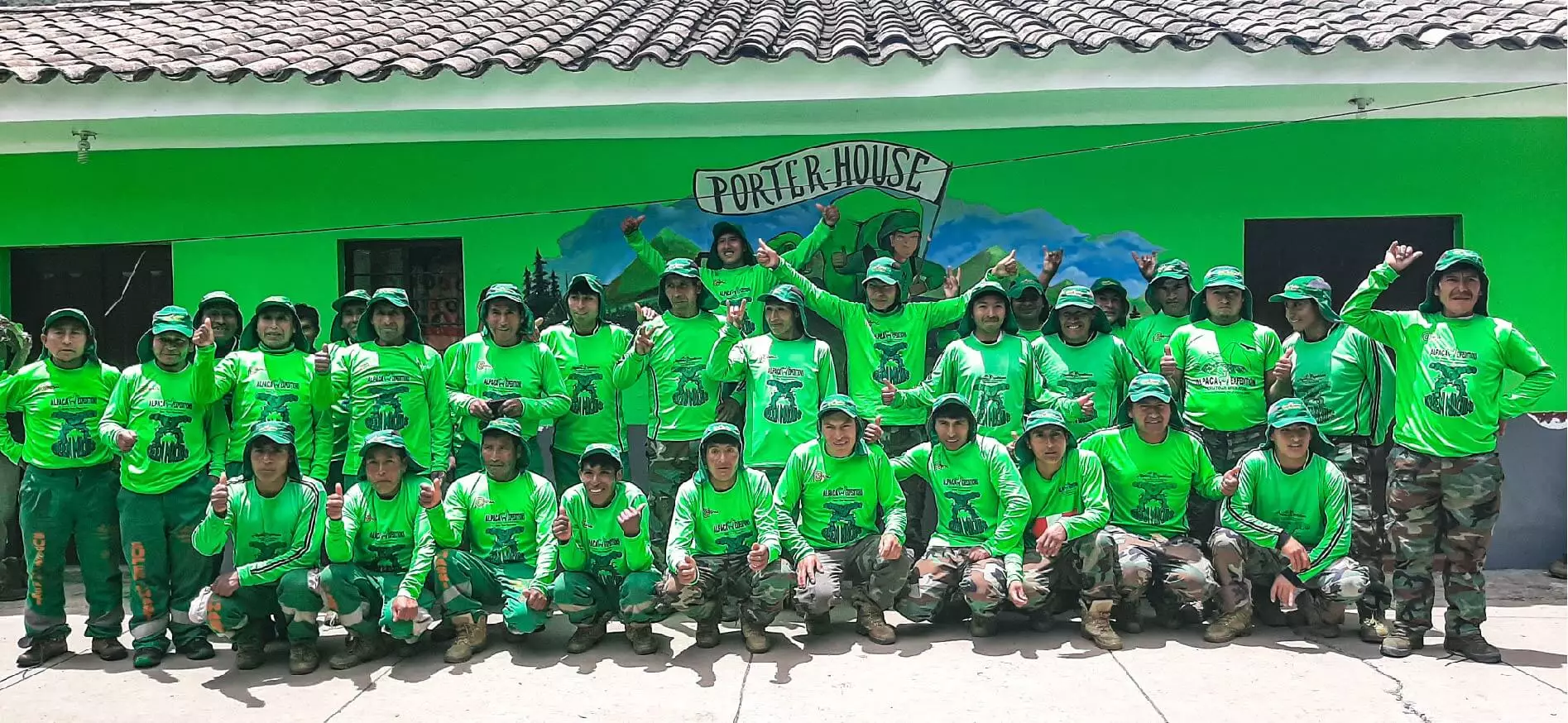
Porter Regulations and Welfare
Porters are the backbone of the Inca Trail experience, carrying tents, cooking equipment and much of the trekkers’ gear. Regulations set a maximum carry weight of around 20–25 kg per porter, including their own food and sleeping gear; however, enforcement varies. Ethical operators weigh loads at checkpoints and supply porters with uniforms, sturdy footwear, sleeping bags, mats and balanced meals. Porters should also have medical insurance and access to emergency evacuation.
To ensure porter welfare:
- Pack light. Keep your personal duffel under 7 kg on the Classic Inca Trail. Carry your own daypack with water and essentials.
- Provide proper tipping. Budget for porter tips (often organised by guides) to supplement wages. The group typically pools tips to distribute fairly.
- Interact respectfully. Learn and use a few Quechua phrases, show gratitude, and ask permission before taking photos. Recognise porters’ expertise; many are farmers who share insights about plants and history.
- Support Porter cooperatives. Some porters form cooperatives to negotiate wages and benefits. Choose companies that work with these cooperatives.
Alpaca Expeditions exceeds legal requirements by limiting porter loads to 20 kg (including company gear), providing proper clothing and footwear, offering scholarships for porters’ children, and building community schools.
The company was founded by former porters who understand the hardships of the profession. They run training programs to promote porters to chefs or guides and ensure health care access. Booking with such an operator directly supports local families.
Environmental Stewardship
Machu Picchu and its trails traverse fragile ecosystems. Responsible visitors help preserve them:
- Leave no trace. Pack out all rubbish, including biodegradable items (fruit peels attract animals). Use designated toilets or carry a portable waste kit in remote areas.
- Stick to marked paths. Going off‑trail erodes vegetation and damages archaeological features. Guides lead safe routes; trust their judgment.
- Use eco‑friendly toiletries. Choose biodegradable soap, shampoo and toothpaste to prevent chemical runoff. Avoid single‑use plastics; bring a reusable water bottle and utensils.
- Respect wildlife. Do not feed or approach animals. The cloud forest hosts spectacled bears, orchids and hundreds of bird species. Observing from a distance protects both you and them.
- Conserve water and electricity. In Aguas Calientes and camp sites, resources are limited. Take short showers and turn off lights when not needed.
Supporting Local Communities
Tourism can bring economic benefits, but only if properly managed. Here’s how travellers can make a positive impact:
- Buy local. Purchase handicrafts directly from artisans in markets such as Pisac or Chinchero. Look for textiles made with natural dyes and hand‑woven techniques. Avoid illegal souvenirs made from protected species or cultural artefacts.
- Participate in cultural experiences. Many treks include visits to villages where you can learn traditional weaving or farming. Pay fair prices for experiences and ask permission before taking photos.
- Donate responsibly. Instead of giving gifts to children (which can create dependency), donate to school programs or community projects recommended by your operator.
- Learn the language. Simple Quechua phrases (e.g., rimaykullayki – hello, sulpayki – thank you) show respect and foster connections.
Respecting Cultural Norms
Peruvians in the Andes are warm and hospitable, but visitors should follow etiquette:
- Dress modestly. Cover shoulders and knees when visiting communities or churches.
- Ask before photographing people. Many locals appreciate a small tip if you take their picture. Be especially sensitive during ceremonies.
- Remove hats in churches and sacred sites. Some temples require quiet and reverence; follow your guide’s instructions.
- Do not climb or sit on walls. Even if there are no signs, avoid touching fragile stonework.
- Respect rituals. If you witness offerings or dances, observe respectfully and refrain from interrupting.
By adhering to these principles, travellers become partners in preserving both the physical and cultural integrity of Machu Picchu.
Legacy and Lessons
Lessons from Andean Engineering
Modern engineers marvel at Machu Picchu’s design because it harmonises with, rather than fights against, nature. Key lessons include:
- Work with natural geology. The Incas sited their city on faults that offered building material and water. Today we might integrate renewable energy sources or natural landforms into urban design.
- Prioritise drainage. Layered terraces and canals show an understanding of hydrology. Modern cities need resilient drainage systems to withstand heavier rainfall due to climate change.
- Design for resilience, not just strength. Mortar‑free walls that move and resettle during earthquakes demonstrate that flexibility can be more durable than rigid structures.
- Involve the community. The mit’a mobilised collective labour; contemporary infrastructure projects benefit from stakeholder engagement and equitable labour practices.
Enduring Cultural Significance
Machu Picchu remains a living symbol. Descendants of the Incas still walk segments of the Qhapaq Ñan and practice rituals honouring mountains and water sources. Every June, Cusco celebrates Inti Raymi, the Festival of the Sun, with processions that recall imperial ceremonies.
In villages, the principles of reciprocity and community labour (mink’a) persist in agricultural tasks and construction. For Quechua people, Machu Picchu is not only an archaeological site but a portal to their ancestors.
Challenges and Preservation
Despite conservation efforts, Machu Picchu faces threats:
- Over‑tourism. Visitor numbers strain trails and infrastructure. Authorities cap daily entries and implement timed circuits, but enforcement is challenging. Virtual tours and alternative treks help disperse demand.
- Climate change. Increased rainfall and glacial melt heighten landslide risk. Engineers monitor slopes and stabilise terraces, but long‑term impacts remain uncertain.
- Unregulated development. Hotels and infrastructure in Aguas Calientes and the Sacred Valley must balance economic benefits with environmental impact.
- Cultural commodification. As tourism grows, there is risk of reducing Andean traditions to performances. Partnerships with communities ensure authenticity and benefit sharing.
Sustaining Machu Picchu requires collaboration between the Peruvian government, UNESCO, local communities, tour operators and travellers. By adhering to ethical guidelines and supporting responsible operators like Alpaca Expeditions, visitors can help preserve this wonder for generations.
Conclusion
Machu Picchu endures as a testament to the genius of the Inca builder Pachacuti and the collective communities that realised his vision. The citadel’s exquisite stonework, earthquake‑resistant design, layered terraces and ingenious water system reflect deep knowledge of geology and hydrology.
Its alignment with solstices and integration with sacred mountains reveal an equally sophisticated cosmology. The mit’a system mobilised labour not through coercion but through reciprocity and shared purpose, creating an empire connected by roads and bound by common beliefs. Though abandoned centuries ago, the site reemerged to inspire awe and curiosity across the world.
Modern visitors stand at a crossroads. We can either trample this fragile heritage or become stewards who honour its builders. By learning its history, respecting porters and communities, minimizing our footprint and choosing ethical guides, we actively participate in the story of Machu Picchu.
Let this guide empower you to explore consciously and carry forward the spirit of Andean engineering—one that respects nature, values community and seeks harmony with the cosmos.
Frequently Asked Questions
1. Who ordered the construction of Machu Picchu and why?
Most scholars agree that Inca emperor Pachacuti ordered the construction of Machu Picchu around the mid‑15th century. He may have intended it as a royal estate, a strategic retreat and a ceremonial centre aligned with sacred mountains and solstices. Building the citadel showcased imperial power and engineering prowess.
2. How was Machu Picchu built without wheels or iron tools?
The Incas relied on human labour, wooden levers, rollers and ramps to move stones. Granite was quarried on site using water‑soaked wooden wedges inserted into natural cracks. Stones were shaped with harder stones and bronze tools. Thousands of mit’a labourers worked in rotation.
3. What makes Machu Picchu’s architecture earthquake‑resistant?
Its walls are constructed without mortar; the stones fit together so precisely that they can move slightly and resettle during seismic events. Trapezoidal doorways, inward‑leaning walls and rounded corners dissipate forces. Terraces buttress the slopes. These features collectively protect the structures.
4. How long did it take to build Machu Picchu?
Carbon‑14 dating suggests construction began before 1450 and continued for more than 30 years. The site may never have been completely finished, as some stones remain partly quarried.
5. What is the mit’a system?
The mit’a is a rotational labour tax requiring households to contribute workers for state projects for a set period each year. Workers were provided with food and housing rather than wages. The system enabled construction of roads, terraces and cities like Machu Picchu without money.
6. Who were the mitmaqkuna and yanakuna?
Mitmaqkuna were skilled workers relocated by the state to work on specific projects or colonise new regions. At Machu Picchu they included stonemasons, farmers and priests. Yanakuna were permanent servants of the elite; they handled domestic duties at estates.
7. How did the Incas get water to Machu Picchu?
They tapped springs on the north slope and built a 749 m stone‑lined canal that carried water by gravity. The canal fed 16 fountains arranged in a cascade. Drainage channels kept stormwater away from the drinking supply.
8. Are the terraces purely agricultural?
While terraces were primarily used for farming, they also stabilised slopes and prevented landslides. Their layered construction (stones, gravel, sand, topsoil) promotes drainage. Some terraces may have served ornamental or ceremonial purposes.
9. Is Machu Picchu aligned with astronomical events?
Yes. The Intihuatana stone and temple windows align with solstices. Shadows cast by the Intihuatana mark equinoxes. These alignments reflect Inca cosmology.
10. How many people lived at Machu Picchu?
Estimates suggest around 1,000 residents during peak use. Most were support staff; the population increased when the emperor visited.
11. Why was Machu Picchu abandoned?
Likely due to a combination of factors: shifting political priorities after Pachacuti’s death, civil wars, Spanish invasion, disease and socio‑religious changes. There is no evidence of destruction; the departure seems orderly. Water shortages are unlikely.
12. Who rediscovered Machu Picchu?
Local Quechua farmers knew of the ruins, but in 1911 Yale historian Hiram Bingham publicised them internationally. He conducted excavations and removed artefacts now repatriated to Peru.
13. What is the Qhapaq Ñan?
The Qhapaq Ñan is the Inca road network, covering more than 30,000 km. It connected Cusco to all corners of the empire and included bridges, stairways and storage houses. Machu Picchu is connected via secondary trails.
14. Can you visit Machu Picchu without hiking?
Yes. You can take a train from Cusco or Ollantaytambo to Aguas Calientes (also called Machu Picchu Pueblo) and then a bus or hike up to the citadel. Many visitors choose this route due to limited time or mobility issues.
15. What’s the difference between the Classic and Short Inca Trails?
The Classic Inca Trail is a 4‑day trek covering about 43 km and includes several Inca ruins. The Short Inca Trail is a 2‑day trek starting at Km 104 and covers about 12 km. It joins the last section of the Classic Trail, passing Winay Wayna and arriving at the Sun Gate. Both require permits, but the Short Trail has more availability.
16. Do I need a permit to hike the Salkantay or Lares trek?
As of 2025, the Salkantay and Lares treks do not require the same government permits as the Classic Inca Trail, but reputable operators limit group sizes and obtain local permissions. You still need a Machu Picchu ticket for the final day.
17. What is altitude sickness and how can I prevent it?
Altitude sickness results from reduced oxygen at high elevations. Symptoms include headache, nausea and fatigue. Prevent it by acclimatizing in Cusco or the Sacred Valley for a few days, hydrating, eating light meals, avoiding alcohol and ascending gradually. See the acclimatization plan in this guide.
18. When is the best time to visit Machu Picchu?
The dry season (May–September) offers clear skies and stable trails, making it ideal for trekking. However, it’s peak tourist season and permits sell out. April and October are good shoulder months with fewer crowds. The wet season (November–March) has lush landscapes but frequent rain; the Inca Trail closes for maintenance in February.
19. How many visitors are allowed daily?
The Peruvian government caps daily visitors to Machu Picchu (including circuits and permits). As numbers change to protect the site, check current regulations before booking. On the Classic Inca Trail, about 500 people per day (including porters) are allowed.
20. What should I do if I feel unwell while trekking?
Notify your guide immediately. Rest, hydrate and descend if symptoms worsen. Guides carry oxygen and first‑aid kits. Serious symptoms require evacuation. Travel insurance that covers high-altitude trekking is strongly recommended.
21. Are children allowed on the Inca Trail?
Regulations do not set a minimum age, but tour companies often recommend a minimum age of 10–12 depending on fitness. Families should consider shorter or alternative treks.
22. Is Machu Picchu wheelchair accessible?
The citadel has many stairs and uneven surfaces, making wheelchair access challenging. However, Aguas Calientes and trains have accessible facilities. There is ongoing discussion about creating accessible viewpoints.
23. What wildlife might I see on the trail?
Look for spectacled bears (rare), Andean foxes, hummingbirds, orchids and butterflies. Birdwatchers may spot Andean cock‑of‑the‑rock and tanagers. Do not feed or approach wildlife.
24. Can I climb Huayna Picchu or Machu Picchu Mountain?
Yes, but you need separate permits with limited spots. Huayna Picchu is steep and exposed, recommended for fit hikers. Machu Picchu Mountain is less steep but longer. Both offer panoramic views.
25. What is the significance of the Intihuatana stone?
The Intihuatana (“hitching post of the sun”) is thought to function as a solar clock or calendar. Its angles align with the sun’s position during solstices. Shamans may have tied the sun’s energy to the stone during rituals.
26. Why are the doors and windows trapezoidal?
Trapezoidal openings distribute structural loads more effectively during earthquakes. They also echo Andean aesthetic principles.
27. What’s the difference between a guide and a porter?
Guides are trained professionals who lead the group, provide historical and cultural information, and ensure safety. Porters carry gear and set up camp. Some porters speak little Spanish or English; learning a few Quechua words shows respect.
28. How can I help protect Machu Picchu?
Choose ethical operators that adhere to regulations, pack out rubbish, stay on trails, respect structures, support local communities and follow sustainable practices. Encourage others to do the same and spread awareness about preservation.
29. Are drones allowed?
No. Drones are prohibited at Machu Picchu and along most trekking routes without special permits due to safety, privacy and wildlife concerns.
30. Is it safe to drink coca tea?
Coca tea is a traditional remedy for altitude and is widely offered. It is safe in moderate amounts; however, it contains alkaloids that could trigger a positive drug test. If you’re subject to testing, avoid consuming coca.