




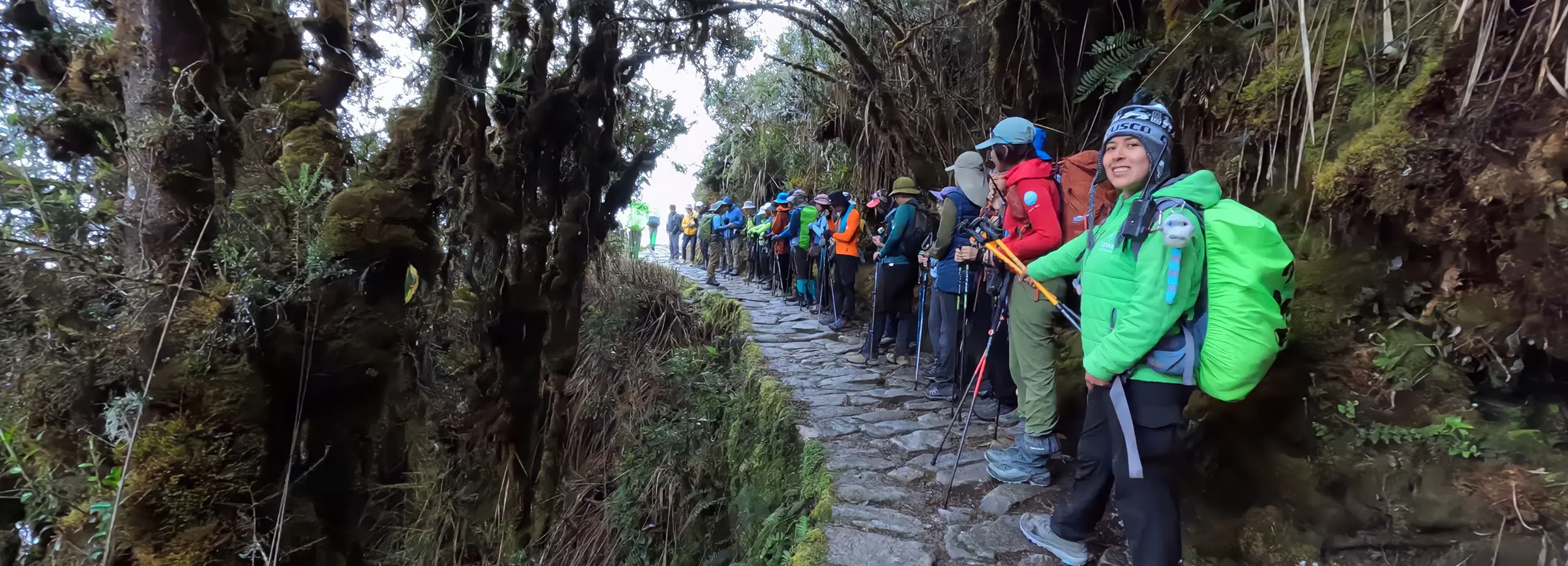
The Inca Trail is one of the most celebrated trekking routes on the planet. Carved into the Andean mountains and cloud forests of Peru, this ancient path is much more than a hiking trail; it is part of a vast network of roads known as the Qhapaq Ñan, constructed by the Incas to connect their empire.
Over centuries, the trail has taken explorers, messengers, pilgrims, and now modern adventurers to the mystical citadel of Machu Picchu. For those seeking both a physical challenge and a cultural journey, hiking the Inca Trail remains an unrivaled experience.
Each year, however, the Inca Trail closes entirely for February. If you’re planning a trek, you might wonder why this beloved path shuts down just as you begin mapping out your itinerary. The answer lies in a blend of conservation, safety, environmental stewardship, and cultural respect.
The annual closure ensures that future generations can enjoy the trail while maintaining the integrity of the archaeological and ecological treasures it hosts. This guide explains why the trail closes, what happens during the closure, how to prepare for the reopening on March 1, and what else you can do in Peru if your plans fall during February.
Whether you are a first‑time hiker or a seasoned trekker, this article is designed as a pillar guide, offering over 3,000 words of detailed, authoritative information.
We will explore the history and significance of the Inca Trail, the reasons for the closure, alternative routes, and travel tips, and we will introduce Alpaca Expeditions, a leading adventure company in Peru that offers ethical, premium experiences on the trail.
Our goal is to provide clarity without referencing other companies, ensuring a neutral yet confident tone that reinforces trust and credibility.
The History and Significance of the Inca Trail
Origins of the Qhapaq Ñan
The Qhapaq Ñan, or the Great Inca Road, was a sophisticated system of roads spanning more than 24,000 miles (approximately 39,000 km) across modern‑day Peru, Ecuador, Bolivia, Chile, Argentina and Colombia.
Built by the Inca civilization during the 15th century, it linked the empire’s capital of Cusco with outlying regions from the high Andes to the Pacific coast and the Amazon rainforest. The network allowed for rapid communication, trade and administration across diverse terrains and facilitated the movement of armies, resources and information.
The section now known as the Inca Trail to Machu Picchu is arguably the most famous part of this network. Though only about 43 km long, it captures the essence of the Inca road system. The trail traverses high mountain passes, dense cloud forests, and subtropical jungle before reaching the Inti Punku (Sun Gate) and descending into Machu Picchu.
Along the way, trekkers encounter a series of smaller archaeological sites—Patallacta, Runkurakay, Sayacmarca, Phuyupatamarca and Wiñay Wayna—which provide glimpses into Inca engineering, religio,n and daily life.
Cultural and Spiritual Importance
For the Incas, the trail was more than just an engineering feat. It served as a sacred pilgrimage route. Inti Punku, where travelers first see Machu Picchu, symbolized the gateway between the earthly realm and the divine.
The path was also used to connect with ceremonial centers, agricultural terraces, and water systems. Each ruin along the trail had a specific purpose—Patallacta is believed to have been an agricultural settlement, Runkurakay may have served as a tambo (resting place), and Wiñay Wayna likely functioned as a place of spiritual preparation before entering Machu Picchu.
The trail’s closure in February honours this cultural significance. By pausing modern tourism, authorities and communities can preserve the sites, maintain their sanctity, and give the landscape time to recover. This respect for history underscores the importance of responsible travel in Peru.
Recognition as a World Wonder
Machu Picchu is recognized as one of the New Seven Wonders of the World and a UNESCO World Heritage Site. The Inca Trail itself is part of this heritage, and Peru’s government has implemented strict regulations to ensure its protection.
Only a limited number of permits are issued each day, and only authorized tour operators can escort trekkers along the path. These measures help manage foot traffic and minimize human impact, particularly around fragile archaeological remains.
In this context, the February closure is not an arbitrary administrative decision but a strategic approach to preservation. By shutting down for maintenance and restoration, the trail can remain open for the majority of the year without compromising its integrity.
Why the Inca Trail Closes in February
Regulatory Oversight and Conservation Policy
The annual February closure is a long‑standing policy enforced by Peru’s cultural and environmental authorities. According to official regulations, the Inca Trail closes every February for maintenance and conservation. During this period, the trail is off‑limits to all hikers and tour operators, ensuring that restoration efforts can proceed without disturbance. The closure applies to both the Classic 4‑day trek and the Short 2‑day trek.
It also covers the less‑traveled 5‑day or private variations. For travelers, this means that no permits are issued for dates in February—there is simply no legal way to hike the trail during that month.
Essential Maintenance and Restoration Work
Heavy use, weather conditions, and the passage of time inevitably take a toll on the trail. To maintain safety and preserve the stonework, authorities carry out extensive maintenance, conservation, and cleaning activities during February. These tasks typically include:
- Repairing damaged stone pathways and steps – Over thousands of footsteps, stones can loosen or break. Workers carefully realign and secure them.
- Stabilizing terraces and retaining walls – The trail crosses steep slopes, and centuries-old terraces require reinforcement to prevent erosion and landslides.
- Maintaining campsites and rest areas – Campsites receive heavy use throughout the trekking season. Maintenance crews level tent platforms, improve drainage and update sanitation facilities.
- Clearing vegetation and drainage channels – Dense foliage grows quickly in the cloud forest. Workers trim back overgrowth, clear water channels and remove fallen debris to keep paths passable and safe.
- Inspecting and repairing bridges, handrails and safety equipment – Wooden bridges and metal handrails endure constant moisture. Annual inspections identify decay or rust, and repairs ensure safe crossings.
These tasks are vital. Without them, the trail would quickly deteriorate under the weight of trekking traffic, leading to safety hazards and irreversible damage to the historic infrastructure.
Environmental Protection and Rainy Season Risks
February is the height of the rainy season in the Cusco region. Weather conditions are harsher, with heavy rainfall, landslides, fog, and swelling rivers. Trekking during this month would not only be unpleasant but potentially dangerous.
Rock falls, slippery steps, and washed‑out sections could put trekkers, guides, and porters at risk. Closing the trail during February ensures that hikers are not exposed to these hazards.
The heavy rains also accelerate soil erosion. Foot traffic on saturated ground can damage the trail’s surface and widen the path, damaging vegetation. By keeping hikers off the trail during the wettest month, the land has time to absorb water and recover. This helps maintain the integrity of the environment and prevents further degradation.
Respecting Cultural Heritage
Many local communities and indigenous groups regard the Inca Trail as sacred. The closure gives them time to conduct cultural rituals and ceremonies without the presence of tourists.
Respecting these traditions is an important part of ethical tourism. As visitors, we are guests on ancestral land; understanding and honouring local customs reinforces our commitment to responsible travel.
What Happens During the Closure?
Restoration and Repair
During February, teams of archaeologists, engineers, and local workers carry out the tasks described earlier. Detailed stonework restoration is painstaking. Each stone must be set using techniques consistent with Inca engineering to maintain authenticity.
Walls at sites like Patallacta, Sayacmarca, and Wiñay Wayna are strengthened. Steps are repointed, and retaining walls are reinforced. Without tourist foot traffic, workers can transport materials and equipment along the trail with relative ease.
Environmental Monitoring
The closure period is also used to monitor ecological health. Environmental specialists survey flora and fauna, assess water quality in streams and evaluate the trail’s impact on local ecosystems. They identify areas of soil compaction, erosion or invasive species and implement remediation strategies. By understanding the ecological state of the trail, authorities can adapt management practices to minimize impact.
Training and Support for Workers
February is a time for training guides, porters, and cooks. Many local companies organize workshops to enhance staff skills. Guides might take courses on first aid, cultural interpretation, or natural history. Porters might receive training on safety and load management.
Cooks experiment with new menus that incorporate local ingredients and respond to dietary needs. These training sessions ensure that the service provided to trekkers remains high quality and that staff work in safe conditions.
Community Projects
Local communities often use the closure period to engage in community development projects. For example, some villages build or repair schools, health centres or irrigation systems. Others may plant trees or create community gardens. These efforts not only improve local livelihoods but also reinforce the link between tourism and community benefit.
Cultural and Spiritual Ceremonies
Indigenous communities in the Andes observe traditional calendars that include periods of ritual and reflection. February is a time when some communities perform ceremonies to honour Pachamama (Mother Earth) and ask for blessings for the coming year.
These rituals might involve offerings of coca leaves, flowers, food, and chicha (corn beer). With no tourists on the trail, locals can use the space for prayer and meditation without disruption.
Is Machu Picchu Open in February?
The closure of the Inca Trail does not mean that Machu Picchu closes. In fact, the citadel remains open year‑round. Travelers can still reach Machu Picchu by train, and February can be a quieter time to visit.
This month sees fewer tourists, allowing for a more intimate experience of the ruins. Warm, humid conditions prevail, and mist often drifts through the site in the morning, creating dramatic vistas.
According to travel guidance, most visitors reach Machu Picchu by train from Cusco or the Sacred Valley during February. The trains depart from stations such as Ollantaytambo and Poroy, and tickets should be booked in advance, especially if traveling in high‑end classes that include dining and panoramic windows.
Upon arrival in Aguas Calientes (also known as Machu Picchu Pueblo), visitors can take a bus up to the citadel or hike up via the Hidroelectrica route. Be prepared for rain showers, but know that mornings are often clearer, offering better photographic opportunities.
March 1: Reopening the Inca Trail
Official Reopening Date
After the closure period, the Inca Trail reopens on March 1. This date is not chosen at random; it reflects the conclusion of maintenance work and the subsiding of the heaviest rains.
According to official permit availability data, the trail is closed throughout February for maintenance and reopens on March 1. Once permits become available for March, interest surges as trekkers around the world rush to secure spaces.
The Beauty of March
March marks a transition from the rainy season to the dry season. The landscape is vibrant and lush, with wildflowers blooming and waterfalls at their peak. The heavy rains have left behind rich green hillsides, and streams flow abundantly.
For photographers, March offers extraordinary contrasts—blue skies punctuated by drifting clouds, sunlight illuminating terraced fields, and mist swirling around peaks. Trekking conditions are often ideal: while occasional showers still occur, they are usually short, and the weather is generally mild.
Freshly Maintained Trail
Thanks to the restoration work carried out in February, the trail is in excellent condition when it reopens. Paths have been cleared, stonework reinforced and infrastructure improved. Hikers will notice clean campsites, upgraded sanitation facilities, and stable bridges. The sense of trekking on a “renewed” route adds to the special allure of March.
Permit Availability and Crowds
March is considered a shoulder season for trekking. The busiest months on the Inca Trail are typically May through August, when conditions are drier and coincide with summer holidays in North America and Europe.
During March, there are fewer trekkers on the trail, which translates into a more peaceful hiking experience. Permits still sell out—especially for the first week of March—but it is generally easier to secure spaces compared to peak season. Travelers who book early have a better chance of obtaining their preferred dates.
Weather in March
Weather conditions in March are generally favourable. Daytime temperatures along the trail range from 18°C to 22°C (64–72°F), while nights can dip to 6°C to 10°C (43–50°F) at higher elevations. The humidity remains relatively high, and hikers may experience light to moderate showers, particularly in the afternoons.
It’s important to pack layers and waterproof gear, as conditions can change quickly. However, the clear mornings and mild temperatures make March an excellent month to trek.
Advantages of March Trekking
- Lush Scenery – The mountains are at their greenest after the rainy season, with blooming wildflowers and flowing waterfalls.
- Fewer Crowds – Trails and campsites are less congested, allowing for a quieter, more serene experience.
- Freshly Maintained Route – Restoration work ensures that paths are safe and stable.
- Moderate Weather – Warm days and cool nights provide comfortable hiking conditions.
- Cultural Ceremonies – Local communities may mark the reopening with ceremonies, creating an atmosphere of celebration and renewal.
If you have the flexibility to choose your travel dates, March can be one of the most rewarding times to experience the Inca Trail.
Planning Your Inca Trail Trek
Understanding Permit Regulations
The Inca Trail operates under a strict permit system. Only 500 permits are issued per day, which include not only trekkers but also guides, cooks, and porters. This limit ensures that the trail does not become overcrowded. Permits are non‑transferable and must be booked through authorized tour operators.
To hike with Alpaca Expeditions or another licensed outfitter, you should secure your booking well in advance—especially for March or high season months. Permits often sell out six months or more before departure.
Choosing the Right Trek
There are several ways to experience the Inca Trail:
- Classic 4‑Day Trek – The most popular route covers about 43 km and includes three nights of camping. The trek begins at Km 82, winds through alpine passes and cloud forest, and ends at Machu Picchu on the fourth morning. The highlight is crossing Dead Woman’s Pass (4,215 m or 13,828 ft), the highest point on the trail.
- Short 2‑Day Trek – Ideal for those with limited time or lower fitness levels. It begins at Km 104, includes a hike through the spectacular site of Wiñay Wayna and arrives at Machu Picchu on the same day. Trekkers spend the night in a hotel in Aguas Calientes and return to the citadel the next day for a guided tour.
- 5‑Day or Private Treks – These slower itineraries cover the same route as the Classic trek but allow for shorter daily distances and additional time to explore ruins. They are ideal for those who prefer a more relaxed pace and more opportunities for cultural immersion.
Each itinerary has its own merits. The Classic trek offers the full experience of high passes and remote campsites, while the Short trek suits travelers who want to hike part of the trail without camping.
The 5‑day version provides a more intimate experience with added rest. When choosing a trek, consider your fitness level, available time, and interest in camping versus hotel stays.
Physical Preparation and Acclimatization
The Inca Trail demands a reasonable level of fitness. While you do not need to be an elite athlete, you should be comfortable hiking for several hours a day with elevation gains.
Training beforehand—such as walking on hilly terrain, climbing stairs, and carrying a backpack—will enhance your enjoyment. Cardiovascular fitness and strong legs are important, as is mental endurance.
Acclimatization is crucial. Cusco sits at approximately 3,400 m (11,150 ft) above sea level, and the trail’s highest pass is over 4,200 m (13,780 ft). Altitude sickness can affect anyone, regardless of fitness.
Arrive in Cusco at least two or three days before your trek to acclimatize. During this time, take gentle walks around the city, drink plenty of water, avoid alcohol, and consider coca tea, which locals use to combat altitude effects. Some travelers choose to spend a night in the Sacred Valley (around 2,800 m or 9,200 ft) to acclimatize gradually.
Packing Essentials
Trekking the Inca Trail requires careful packing. Whether you’re on the 4‑day or 2‑day trek, you will need to prepare for varying weather conditions and limited access to comfort items. Consider the following essentials:
- Hiking Boots – Sturdy, well‑broken‑in boots with good ankle support and grip are essential. Avoid brand‑new boots, as blisters can ruin the trek.
- Rain Gear – Waterproof jackets and trousers are critical, especially in March when rain showers are still common. Pack an extra pair of socks and a backpack rain cover.
- Layers – Temperatures fluctuate dramatically between day and night. Bring moisture‑wicking base layers, warm mid‑layers (like fleece), and a down or synthetic jacket for the cold nights.
- Sun Protection – The sun can be strong at high altitudes. A wide‑brimmed hat, sunglasse,s and high‑SPF sunscreen are necessary.
- Water Bottles or Hydration Pack – Staying hydrated is critical at altitude. Use reusable bottles or a hydration bladder. Tour operators often provide boiled or filtered water at campsites.
- Trekking Poles – Poles help with balance and reduce strain on knees during steep ascents and descents. Ensure they have rubber tips to avoid damaging the stone paths.
- Headlamp – A headlamp is useful for early starts and campsite use.
- Personal Medications – Bring any prescription medications, altitude sickness tablets if recommended by your physician, and a small first aid kit.
- Toiletries – Biodegradable soap, wet wipes, and hand sanitizer help maintain cleanliness. Eco‑friendly products are required to minimize environmental impact.
- Snacks – While meals are provided on guided treks, high‑energy snacks like trail mix or energy bars are useful between meals.
Tour operators often include tents, sleeping mats, and cooking equipment in the trek package. Some also provide sleeping bags and walking poles for an additional fee. Check what is provided when booking your trek.
Choosing a Responsible Tour Operator
When selecting a company to lead your Inca Trail trek, consider the following factors:
- Licensing and Permits – Ensure the operator is officially authorized to operate on the Inca Trail and secure permits.
- Porter Welfare – Responsible operators provide porters with proper equipment, fair wages, insurance, and weight limits. Ask about porter support and benefits.
- Environmental Practices – Look for companies that follow Leave No Trace principles, use eco‑friendly products, and minimize waste.
- Group Size – Smaller groups allow for more personalized service and less environmental impact.
- Customer Reviews – Read reviews and testimonials to gauge the reliability and quality of service.
Introducing Alpaca Expeditions
Alpaca Expeditions is one of the leading adventure travel companies in Peru, widely recognized for its commitment to sustainable tourism, community engagement, and high‑quality service.
Founded by a Cusco native, the company specializes in trekking and cultural tours throughout the region, including the Inca Trail, Salkantay, Lares, Choquequirao, and the Amazon.
While the focus of this article is on the Inca Trail, understanding what sets Alpaca Expeditions apart can help you make an informed decision about your trek.
Commitment to Porter Welfare
One hallmark of Alpaca Expeditions is its treatment of porters. The company ensures porters carry no more than 25 kg (55 lb), providing them with proper backpacks, footwear, and rain gear. Porters receive fair wages, health insurance, and warm accommodations during treks. The company also funds educational opportunities and community projects in porters’ home villages, recognizing the essential role they play in the trekking industry.
Sustainable and Responsible Practices
Environmental stewardship is central to Alpaca Expeditions’ operations. The company adheres to Leave No Trace principles, uses biodegradable cleaning products, and avoids single‑use plastics whenever possible. Camp locations are chosen with minimal impact in mind, and all waste is carried out. Guides educate trekkers on local flora, fauna, and cultural heritage, fostering appreciation and respect for the region.
Premium Service and Comfort
Alpaca Expeditions offers luxury trekking options that enhance comfort without sacrificing authenticity. These include spacious tents, comfortable sleeping mats, portable toilets and showers in some campsites, and gourmet meals prepared by professional chefs. The company maintains small group sizes to ensure personalized attention and a deeper connection with guides and fellow travelers.
Community Engagement
Beyond porters, Alpaca Expeditions invests in broader community projects. They have built schools, libraries, and greenhouses in Andean villages, provided scholarships for students, and supported health initiatives. Travelers who choose Alpaca Expeditions indirectly contribute to these efforts, creating a positive legacy through their journey.
Expertise and Safety
Alpaca Expeditions employs experienced guides certified in first aid, high‑altitude rescue, and natural interpretation. The company carries oxygen tanks, first aid kits, and communication equipment on all treks.
Guides are trained to handle emergencies and to monitor trekkers’ health throughout the journey. This emphasis on safety ensures that both novice and experienced hikers can enjoy the trail with confidence.
By combining ethical practices, premium service, and community support, Alpaca Expeditions offers an exemplary model of responsible tourism. For travelers seeking a trek that balances comfort, authenticity, and social responsibility, this company provides a compelling option.
Alternatives to the Inca Trail During February
If your travel dates fall in February, when the Inca Trail is closed, there are still plenty of ways to experience Peru’s culture, landscapes, and adventure. Here are some options:
Train Journeys to Machu Picchu
The train journey to Machu Picchu remains the most straightforward way to reach the citadel when the trail is closed. Services range from basic to luxury:
- Expedition or Expedition Executive – Comfortable standard trains with large windows and refreshments.
- Vistadome – Premium carriages with panoramic windows and skylights, offering scenic views and on‑board entertainment.
- Hiram Bingham – A luxury train with elegant dining cars, live music and gourmet cuisine. Tickets include bus and entry tickets to Machu Picchu, and a guided tour.
By traveling by train, you can still explore Machu Picchu’s ruins, stroll through the town of Aguas Calientes, soak in local hot springs, and visit the nearby Mariposario (butterfly sanctuary). February’s light crowds make this experience particularly peaceful.
Alternative Treks
Peru boasts several other stunning treks that remain open in February. These routes offer diverse scenery and cultural experiences:
- Salkantay Trek – A high‑altitude trek that passes the dramatic Salkantay mountain and descends into the cloud forest before reaching Santa Teresa and Machu Picchu. Lodge‑to‑lodge options offer added comfort.
- Lares Trek – Known as the Weavers’ Trail, it traverses remote Andean villages where residents still weave traditional textiles. The route ends with a train journey to Machu Picchu.
- Choquequirao Trek – This challenging trek leads to the lesser‑known Inca site of Choquequirao, often called Machu Picchu’s sister city. It involves steep climbs and descents but offers solitude and incredible scenery.
- Ausangate and Rainbow Mountain – A high‑altitude trek around the holy mountain Ausangate, featuring colourful formations like Rainbow Mountain. This route is best for experienced trekkers due to the altitude and remoteness.
These treks remain open year‑round and provide a rich combination of natural beauty, cultural interaction, and adventure.
Exploring Cusco and the Sacred Valley
February is a wonderful time to immerse yourself in Cusco’s historic charm and the rural beauty of the Sacred Valley. Highlights include:
- Cusco City Tours – Visit the Qoricancha (Temple of the Sun), Sacsayhuaman, Qenqo, Puka Pukara, and Tambomachay, learning about Inca cosmology and architecture. Wander the cobblestone streets, shop at San Pedro Market, and enjoy local cuisine.
- Sacred Valley Excursions – Explore the terraces and ruins of Pisac, the fortress of Ollantaytambo, and the agricultural laboratory of Moray. Visit the salt pans of Maras, where locals still harvest salt from hillside ponds.
- Cultural Experiences – Participate in cooking classes, weaving demonstrations or homestays in Andean villages. February often coincides with Carnaval, a festive season of music, dance, and colourful water fights.
Staying in the Sacred Valley also allows you to acclimatize gradually and enjoy mild weather. Boutique hotels and luxury lodges provide comfortable bases for exploring the region.
Amazon Rainforest Adventures
If you want to experience a totally different side of Peru, February is a great time to explore the Amazon rainforest. The Tambopata and Manu reserves are accessible from Cusco and offer lodge‑based adventures.
Rainy season in the Amazon means abundant wildlife sightings—macaws and parrots gather at clay licks, monkeys forage in the canopy, and caimans and river otters swim in oxbow lakes.
Guided excursions include jungle walks, canopy tower climbs, and boat trips. Many lodges offer comfortable accommodations with delicious food and knowledgeable naturalist guides.
Lake Titicaca
Travel to Lake Titicaca—the highest navigable lake in the world—and visit the floating Uros islands. February’s calmer tourist numbers make this a tranquil time to meet indigenous communities who have lived on the lake for centuries. Consider staying overnight on the Amantani or Taquile islands to experience local hospitality. Lake Titicaca is also home to ancient archaeological sites like Sillustani and Pukara.
Cultural Highlights Along the Inca Trail
While the closure provides time for maintenance, it also underscores how important the sites along the trail are. Understanding these places enriches the trekking experience when the trail reopens.
Patallacta
The first major ruin on the Classic Inca Trail, Patallacta (also called Llactapata) is thought to have been an agricultural settlement. Its terraced fields cascade down the hillside, and its position offers strategic views of the Vilcanota River. Archaeologists believe Patallacta provided food and supplies to travelers heading to Machu Picchu and served as a ceremonial outpost.
Runkurakay
Further up the trail, Runkurakay consists of circular structures that may have served as a tambo—a resting place or way station for messengers and officials. Its architecture differs from rectangular Inca buildings and may reflect pre‑Inca influence. The site’s location near a high pass would have made it ideal for controlling movement and storing supplies.
Sayacmarca
Perched on a ridge, Sayacmarca means “Inaccessible Town” in Quechua. Its buildings, plazas, and water channels provide a glimpse into sophisticated urban planning. The site’s height and positioning suggest it had defensive functions while also serving as a checkpoint along the trail.
Phuyupatamarca
Known as the “City Above the Clouds,” Phuyupatamarca sits on a high promontory often surrounded by mist. It features stone baths fed by a natural spring, which some scholars interpret as a ceremonial bathing site. The terraced hillside and maze‑like paths indicate its importance in ritual and agricultural activities.
Wiñay Wayna
The final major site before Machu Picchu, Wiñay Wayna translates to “Forever Young” and is famous for its dramatic terraces and a series of ritual baths. Researchers believe this site prepared pilgrims spiritually before they reached Machu Picchu. The architecture is similar to that of the citadel, with finely cut stones and trapezoidal niches.
Inti Punku (Sun Gate)
The trail culminates at Inti Punku, a stone gateway that frames the first view of Machu Picchu. Sunrise from this point is one of the most memorable moments of the trek. As light floods the citadel, the sense of awe is palpable. Arriving at Inti Punku after days of hiking creates an emotional climax that cannot be replicated by arriving by train.
Practical Tips for Travelers
Booking and Travel Logistics
- Permits and tour packages should be booked through an authorized operator as early as possible—ideally six months ahead for March and high season dates.
- International flights arrive in Lima. From there, travelers take a domestic flight to Cusco. Many people choose to spend a few days in Lima to explore its culinary scene and colonial architecture.
- Accommodation in Cusco ranges from budget hostels to luxury hotels. Staying in the city centre offers convenient access to historic sites and restaurants. The San Blas neighbourhood is known for its artisan shops and bohemian vibe.
Health and Safety
- Altitude sickness can affect anyone. Symptoms include headaches, nausea, and fatigue. Rest, hydration, and gradual acclimatization help mitigate these effects. In severe cases, travelers may need to descend to a lower altitude.
- Travel insurance is essential. Ensure it covers high‑altitude trekking and emergency evacuation.
- Vaccinations are recommended for travellers to Peru. Consult your physician about hepatitis A, typhoid, and, if visiting the Amazon, yellow fever and malaria precautions.
Cultural Etiquette
- Learn basic Quechua or Spanish phrases to communicate with locals. Even simple greetings are appreciated.
- Respect sacred sites by staying on marked paths and not touching walls or carvings.
- Support local artisans by buying crafts directly from them rather than from mass‑market souvenir shops. This helps sustain traditional livelihoods.
- Tipping is customary for guides, cooks and porters. Ask your tour operator about recommended amounts.
Environmental Responsibility
- Leave no trace—pack out all trash and use eco‑friendly toiletries.
- Reuse and recycle—avoid single‑use plastics and bring a reusable water bottle.
- Stay on designated trails to prevent erosion and protect plant life.
- Respect wildlife—do not feed animals or disturb their habitat.
Frequently Asked Questions
When do permits go on sale?
Permits typically go on sale for the following year between October and December. Check with authorized tour operators for exact release dates.
Can I hike the Inca Trail without a guide?
No. Regulations require all trekkers to be accompanied by a licensed guide and tour operator. This ensures safety, cultural interpretation and proper environmental practices.
What is the maximum group size?
Group sizes are capped at 16 trekkers with a guide. Many operators, including Alpaca Expeditions, keep groups smaller (8–12 people) to enhance the experience and reduce environmental impact.
Is there an age limit for the Inca Trail?
There is no strict age limit; however, children under 8 and adults over 70 should consult with their physician. The trek’s difficulty may be challenging for young children or those with mobility issues.
What happens if I can’t finish the trek?
If you are unable to continue due to health or personal reasons, guides will arrange for evacuation or alternative transport (e.g., returning to Cusco). Always purchase travel insurance that covers such scenarios.
How does the closure affect alternative treks?
The February closure is specific to the Inca Trail. Most alternative treks, such as Salkantay or Lares, remain open year‑round. However, weather conditions can still be challenging during the rainy season, so hikers should be prepared for muddy trails and wet conditions.
Do I need to carry my own backpack?
On guided treks, porters carry the bulk of your gear. You are typically responsible for a daypack with water, snacks, a camera, and layers. Weight limits for porter loads are enforced to protect their health.
Conclusion
The Inca Trail is a journey through history, culture, and nature. The trail’s annual closure in February may seem inconvenient at first, but it is fundamental to preserving this World Heritage route. The closure ensures that essential maintenance, restoration, environmental monitoring, and cultural ceremonies can take place without interruption.
Heavy rains and safety risks during February make trekking impractical, and by allowing the land to rest, authorities protect the trail’s long-term viability. When the trail reopens on March 1, hikers return to a revitalized path—lush with greenery and free of crowds.
Planning a trek requires careful preparation: securing permits, acclimatizing, training, and packing properly. Choosing a responsible operator like Alpaca Expeditions ensures that your journey supports ethical labour practices, environmental sustainability, and community development.
Our dedication to porter welfare, premium service,s and community projects makes it a standout option for trekkers seeking a high‑quality and responsible adventure.
If your travel dates fall in February, take heart—Peru offers myriad other experiences. You can explore Machu Picchu by train, trek alternative routes, immerse yourself in Cusco’s rich history, or venture into the Amazon.
Understanding the reasons behind the February closure and the opportunity it creates for restoration deepens your appreciation of the Inca Trail and its cultural significance.
Ultimately, trekking the Inca Trail is not just about reaching Machu Picchu; it is about respecting a living heritage. By honoring the trail’s rhythms – resting when it rests and rejoicing when it reopens-you become part of a tradition that balances adventure with stewardship. If you loved the stone steps of the Inca Trail, your next global adventure should be the rhododendron forests and Annapurna Base Camp Trek.
Whether you hike in March or later in the year, your experience will be richer for understanding the care and love that goes into preserving this extraordinary journey.