


Inca Trail Hike to Machu Picchu
5 Days / 4 Nights
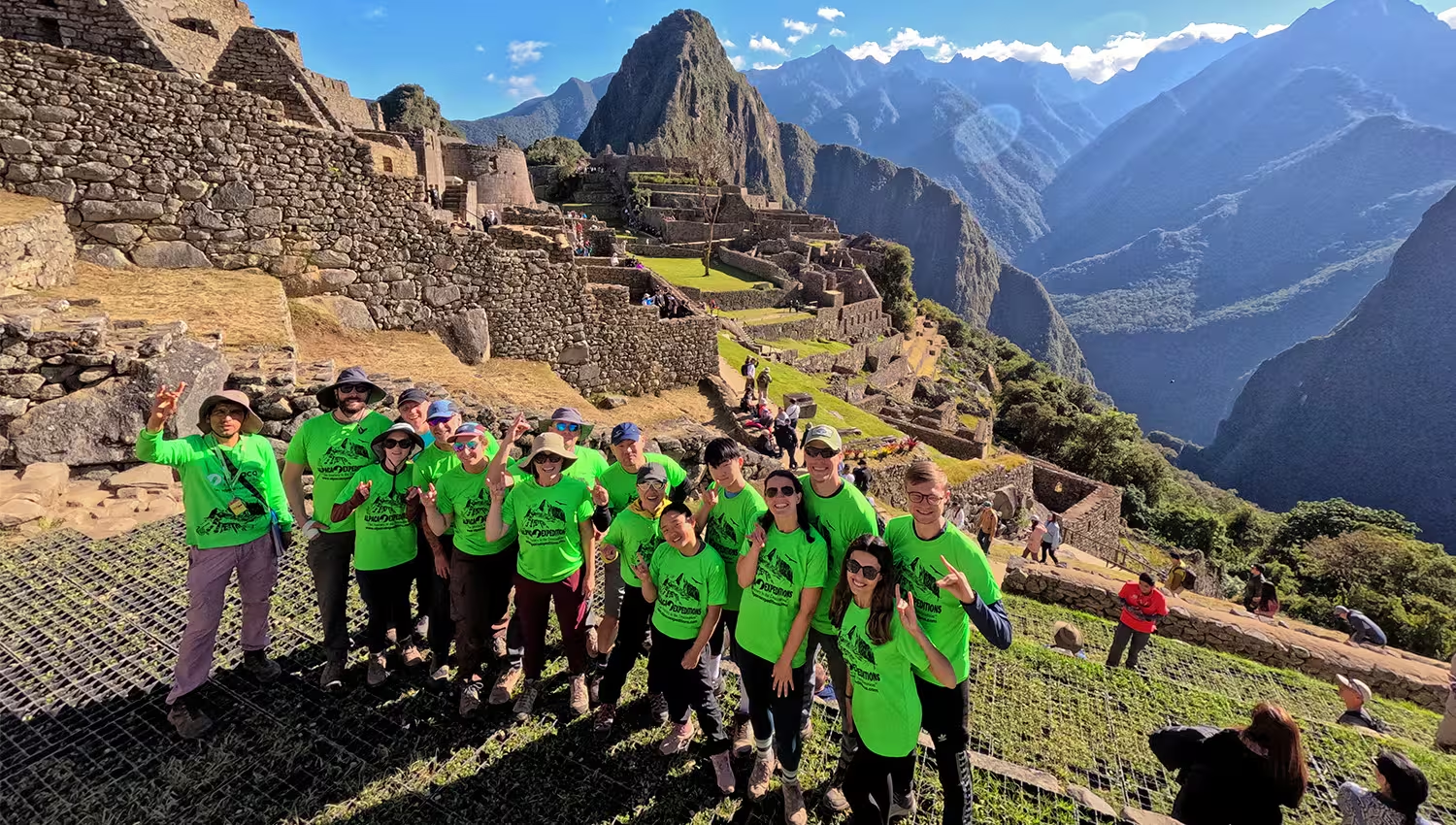
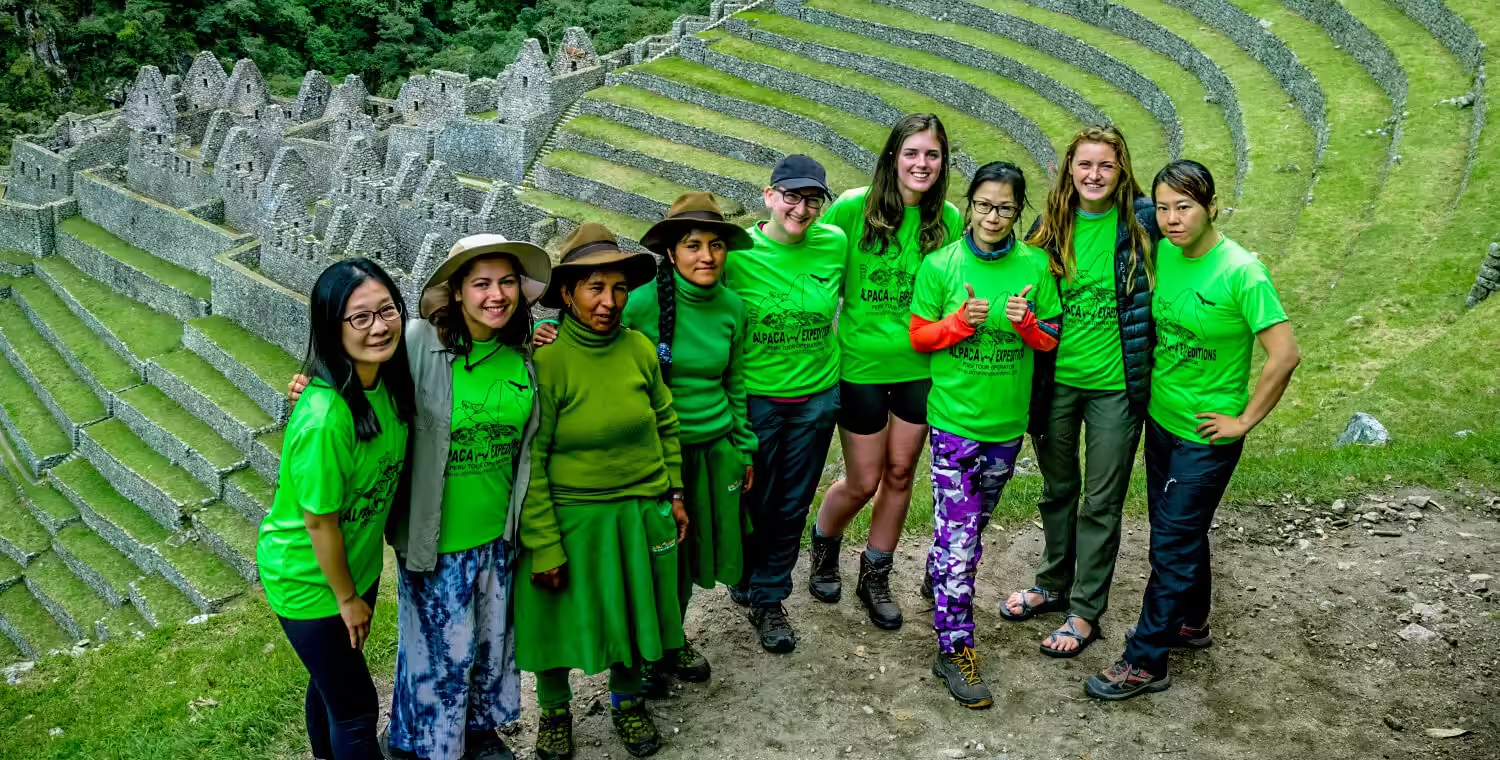
Go a bit slower on this Inca Trail to Machu Picchu 5-day/4-night trek and take in the wonders of the Andes!
The Inca Trail to Machu Picchu treks generally follow the same itinerary as our Classic 4-Day Inca Trail Trek, but at a more leisurely pace. You can spend more time at each ruin along the way. This is a great option for those worried about their hiking capability and speed, as well as families with younger hikers.
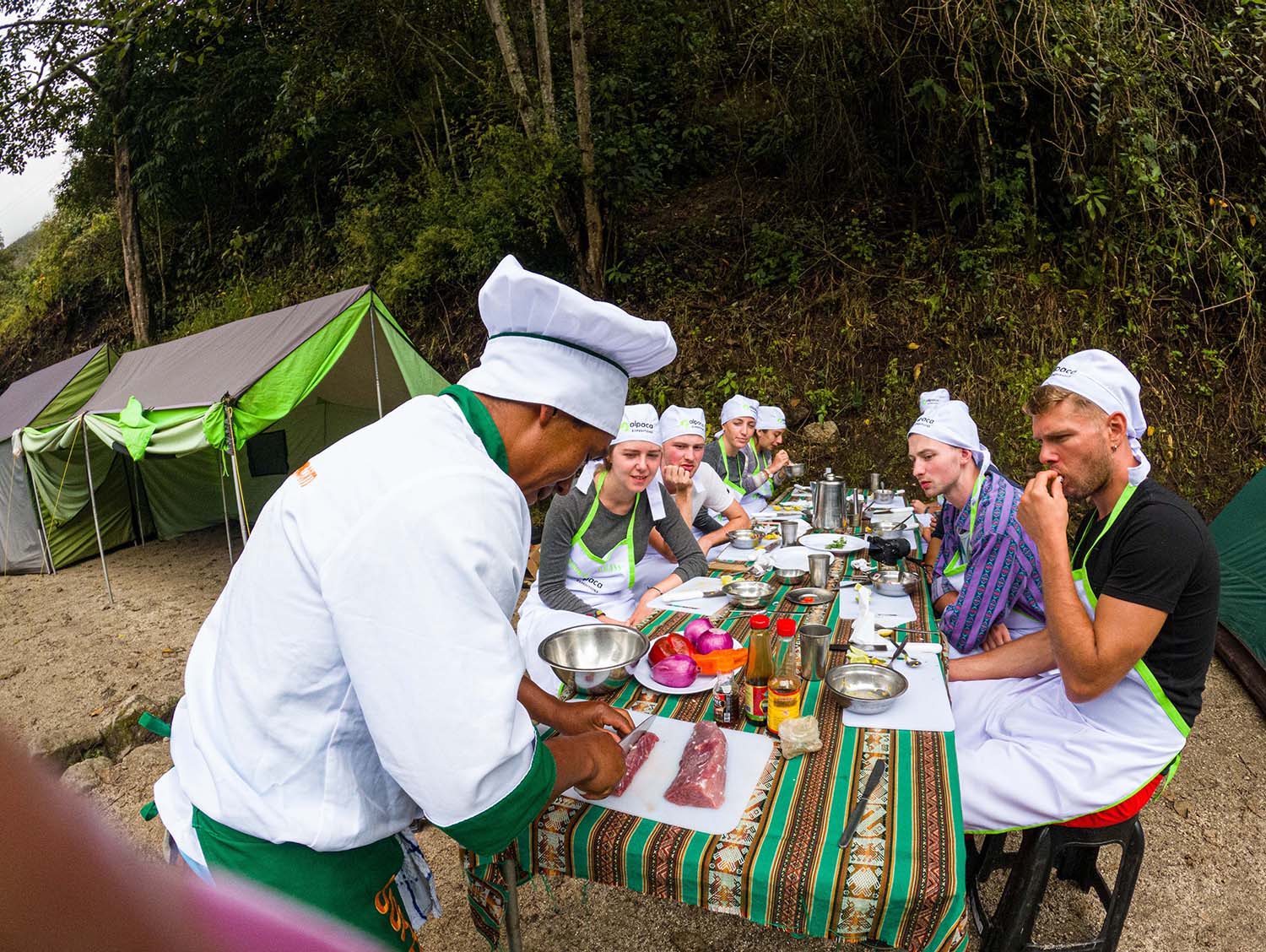
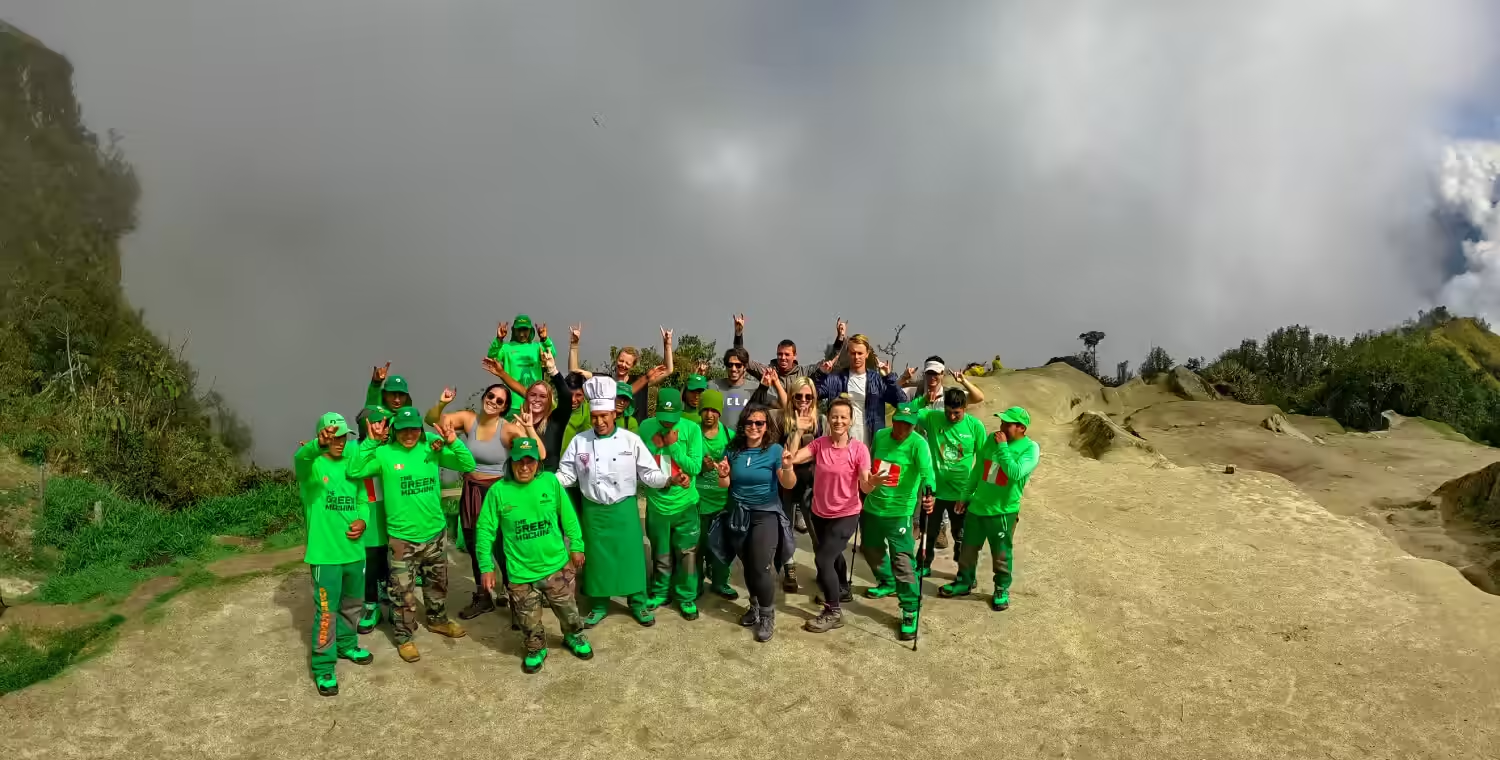
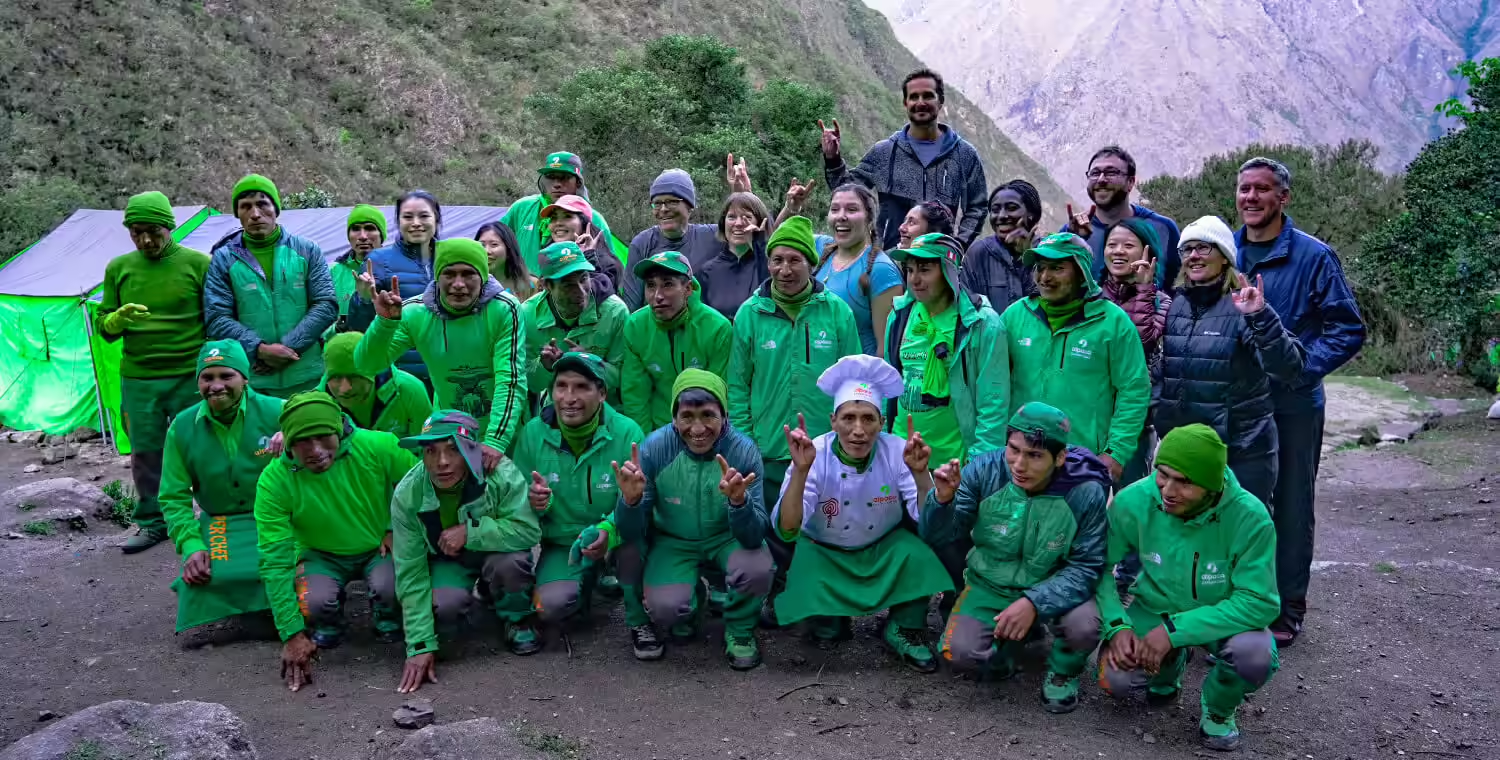
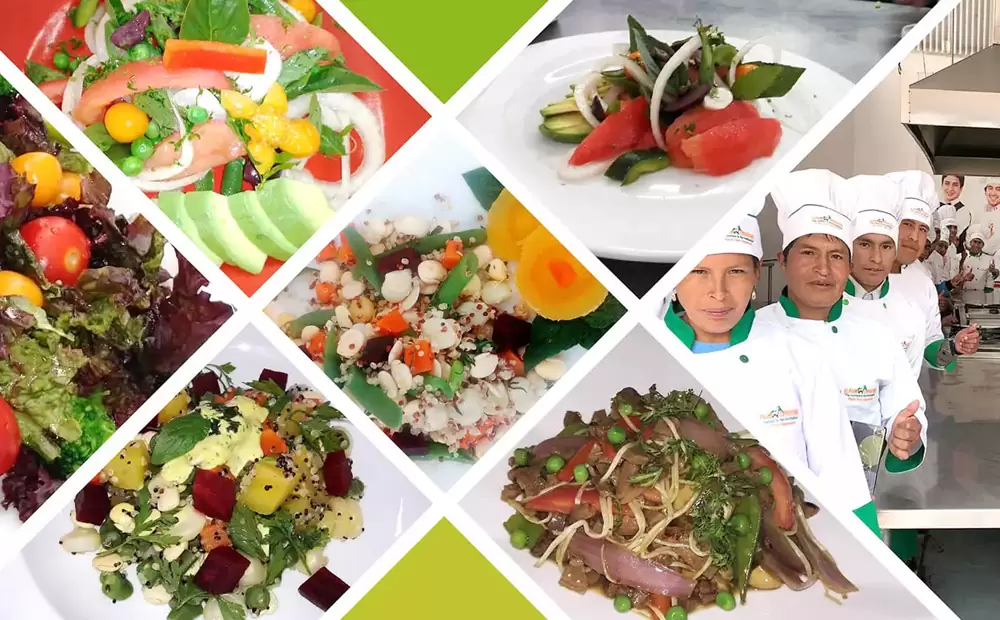
You can relax and enjoy a stress-free experience when you trek with Alpaca Expeditions. We take care of everything, from offering the best campsites to serving delicious and nutritious meals and providing top-notch equipment. Our dedicated team of a friendly guide, talented chefs and helpful porters will manage your experience flawlessly, so you can appreciate the stunning scenery and make unforgettable memories!
Tour Type: Hiking, camping, adventure, history, culture
Total Distance: 43 km/26 miles
Good For: Families with children, or those who wish to take their time
Difficulty: Moderate, but challenging
Considerations: Permit required
Why Book Inca Trail Trek with us
Tour Price
Inca Trail Hike to Machu Picchu 5 Days / 4 Nights
Price valid until December 2025
$
980 USD
Per Person
Price starting January 2026
$
995
USD
Per Person
Group Size
minimum 2 people
Activity Level Challenging
Inca Trail 5-Days Trip Details
Itinerary
-
Day 1: Bus to Trailhead and Start Your Inca Trail Hike
Cusco – Ollantaytambo – KM 82 – Hatunchaca
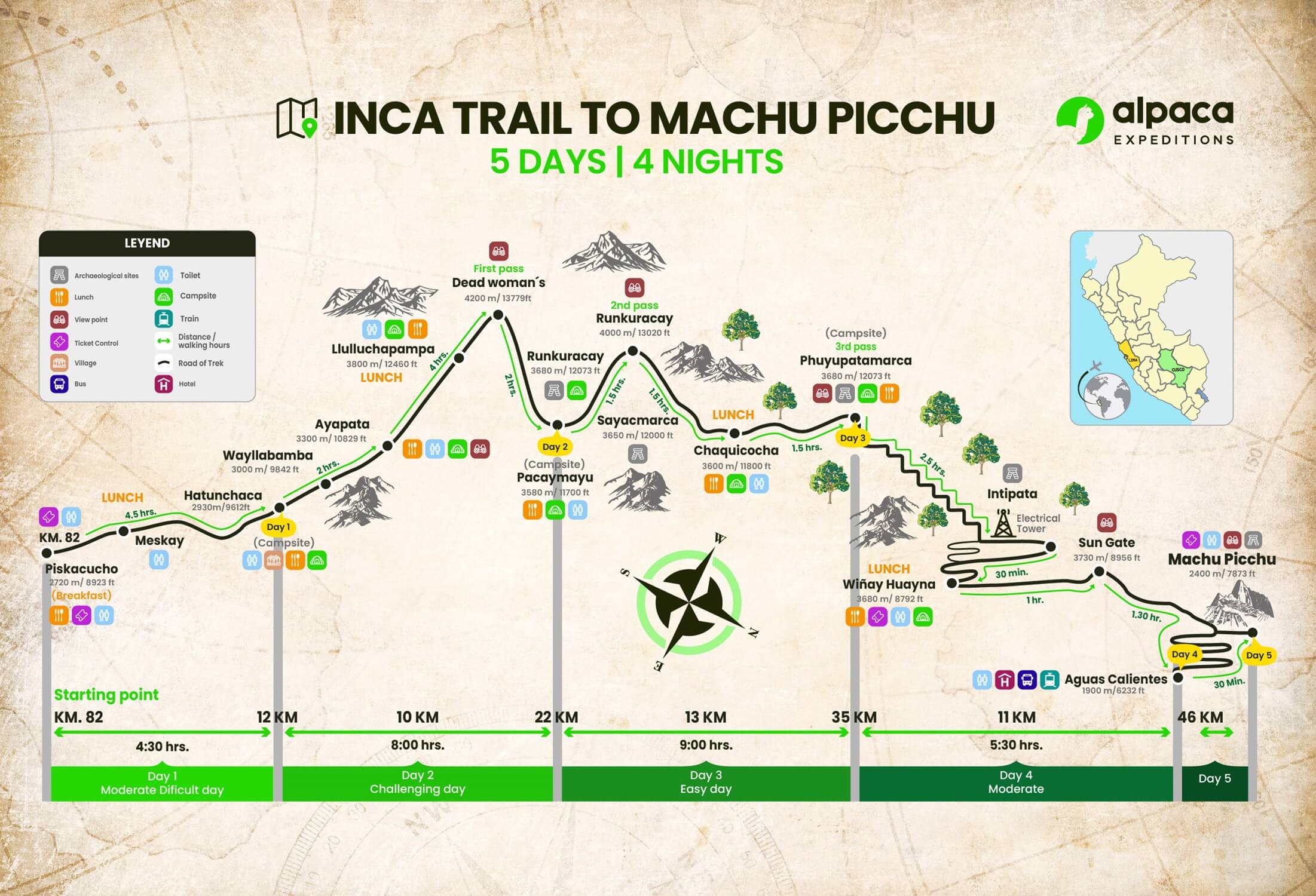
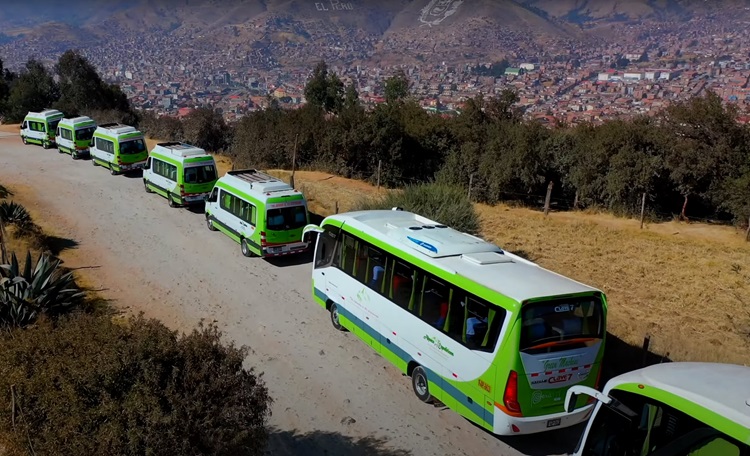
We will depart for your Machu Picchu Inca Trail Tour from Cusco at 5 a.m. in private transportation and head toward KM 82, the starting point of the Inca Trail. After this beautiful drive, your chef will prepare breakfast before you start your trek. We start our hike walking along the left shore of the Urubamba River, following the trail along a flat terrain, to the community of Miskay (2800 m /9184 ft). The first two hours of the trek are relatively easy as we make our way to our first Inca site and checkpoint, Patallacta. This site will start the approach to Machu Picchu. After we arrive at Patallacta, we will make our way down into the canyon to enjoy lunch and the views of Patallacta. From Patallacta, we will continue on the trail at an easygoing pace, while enjoying the scenery and haring stories from your guide. It’s about a two-hour walk to reach our camping site at the village of Hatunchaka (2,930 meters).
Total Distance: 12 km (7,800 miles)
Estimated Walking Time: 4.30 hours
Maximum Altitude Point: 2,930 m (9, 612 ft) -
Day 2: Hike Dead Woman's Pass and Relax in Pacaymayo Valley
Hatunchaca – Dead Woman’s Pass – Pacaymayo
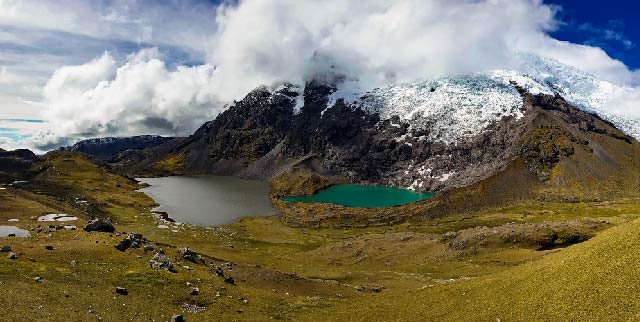
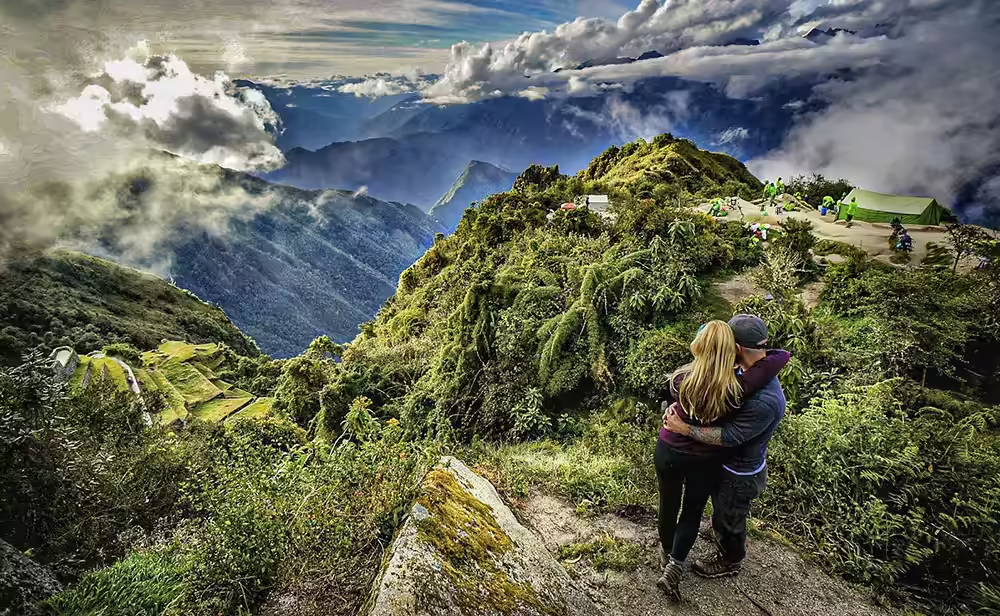
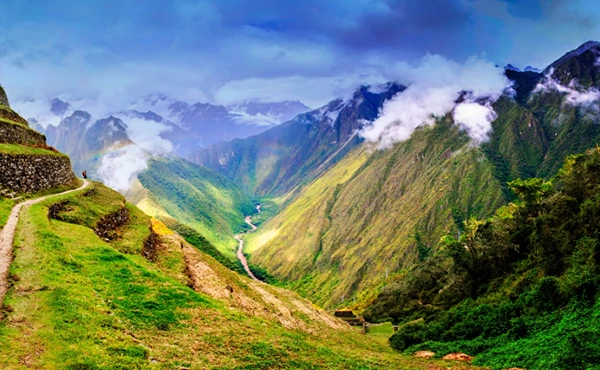
We wake up early to begin our ascent to Dead Woman´s Pass. The views of the snow-capped mountains and the cloud forest are fantastic. This first stretch is the most challenging part of the trek. It consists of a steep ascent that stretches for nine kilometers, which will bring us to the first mountain pass in the Inca Trail, Abra Warmihuañusca (Dead Woman’s pass). We will stop at Llulluchapampa to relax and to buy any last essentials. We may be able to see deer and falcons in this area. We will have the chance to spot domesticated llamas and alpacas, who graze on ichu (one of the few plants that grow at that altitude). After the two-hour walk up to the pass, we can enjoy the beautiful views and a refreshing cup of coca tea. After we have made it to the pass, it´s downhill the rest of the day. After about two hours, we´ll stop for lunch, and have a free afternoon in the Pacaymayo Valley.
Total Distance: 10 km (7,376 miles)
Estimated Walking Time: 8 hours
Maximum Altitude Point: 4,215 m (13,821 ft)
Campsite Altitude: 3,600 m (11,811 ft) -
Day 3: Trek Across Runcu Raccay Pass and Tour Stunning Ruins
Pacaymayo – Runcu Raccay Pass- Sayacmaraca Ruins – Phuyupatamarca
After breakfast, we will continue our hike up the opposite side of the valley, as we make our way towards the second pass on the trek. Along the way, we will see fantastic views of waterfalls and flora and fauna. Halfway up, we will stop and visit the Inca site of Runcu Raccay (an Inca watchtower), and to catch our breath before we continue our climb to the pass (4,000 meters). From the pass, we will once again begin our descent back into the cloud forest. After about an hour, we arrive at Sayacmarca, one of the most beautiful ruins on the Inca Trail, where we’ll have a one hour, guided tour. From Sayacmarca, we will continue to our lunch spot at Chaquicocha (dry lake). Here you will see some of the fantastic flora and fauna the Inca Trail has to offer. From Chaquicocha onwards, we will walk along Inca flat (gradual inclines), as we make our way towards our final campsite, Phuyupatamarca (3,680 meters). This area of the Inca Trail had stunning views of the Vilcabamba mountain range, as well as abundant flora and fauna. After another two hour walk, we’ll arrive at our campsite, where we’ll get our first view of Machu Picchu mountain and the Urubamba river. We’ll settle into our campsite, and have the chance to explore the Inca site. As the sun goes down, we can enjoy the beautiful sunset over the snow-capped peaks.
Total Distance: 13 km (8,136 miles)
Estimated Walking Time: 9 hours
Maximum Altitude Point: 4,000 (13,123 ft)
Campsite Altitude: 3,680 m (12,033 ft) -
Day 4: Visit Archeological Sites and Cross The Sun Gate
Phuyupatamarca – Wiñay Wayna – Sun Gate – Machu Picchu – Aguas Calientes
Today, we will have the chance to enjoy one of the most spectacular sunrises on the Inca Trail, weather permitting. After breakfast, you´ll have a guided tour of Phuyupatamarca. We will then start our way down the long descending stone steps to Wiñay Wayna 2,650m/8,692ft, where we will have lunch. As we near the bottom of the staircase, we will visit the site of Intipata (Terraces of the Sun). This site has beautiful views of the Sacred Valley and was an important agricultural site for Machu Picchu. After Intipata, we will continue to Wiñay Wayna, the archaeological site that is the largest on the Inca Trail besides Machu Picchu. It consists of an impressive complex made up of an agricultural center, with numerous terraces, a religious sector, and an urban sector. This site offers spectacular views over the already narrower Urubamba River valley. After our visit, we will have our last lunch with the porters. Following, it is a tradition on the Inca Trail to have a thanking ceremony for all the hard work the porters and cooks have provided. If you wish, you may leave a tip for them at this time. After we´ve said goodbye to our team, we will carry on to the Sun Gate (Inti Punku), where we will get our first views of Machu Picchu. It takes about an hour of hiking along a trail of flat stones in the highland jungle to reach the Sun Gate. From there, it is about another hour down to the site itself. Upon arrival, we´ll have a chance to enjoy the sunset and to see views of Machu Picchu without crowds, before taking the bust to your hotel in Aguas Calientes.
*Private groups can arrange to camp this evening, instead of staying at a hotel (extra costs can be involved)
Hotel: Inti Punku or similar *3 stars
Total Distance: 11 km (614 miles)
Estimated Walking Time: 5.30 hours
Maximum Altitude Point: 3,680 m (12,033 ft) -
Day 5: The Most Important Day - Machu Picchu
The Lost City of The Incas – Aguas Calientes – Ollantaytambo – Cusco
We will wake up early and board one of the first buses to Machu Picchu, to enjoy the sunrise at the citadel (if the weather allows). These buses are first come, first serve, starting at 5:30 a.m. You’ll have a two-hour tour of the Inca citadel.
After the guided tour of Machu Picchu:
• Travelers with Huayna Picchu tickets will continue to the entry checkpoint to begin the hike independently.
• The rest of the group will visit additional areas of the citadel, including the Temple of the Condor, with extra time to explore and take photos on their own.
• Once everyone finishes inside the site, you will exit together and take the bus down to Aguas Calientes.Lunch in Aguas Calientes is not included, giving you the chance to choose from a variety of restaurants in town or follow guide`s recommendation.
After lunch:
• You will board the tourist train to Ollantaytambo at a scheduled time between 2:30 p.m. and 3:48 p.m., subject to availability. The journey lasts about 1 hour 45 minutes, offering great views of the river and surrounding mountains.
• Upon arrival, a private Alpaca Expeditions bus will take you back to Cusco, approximately 2 more hours.
• Arrival time in Cusco is typically between 6:00 p.m. and 8:30 p.m., depending on train availability and traffic. Your stored luggage will be returned to you and you will be dropped off at your hotel.
Inclusions
-
Included
- Professional Guides
All of our guides studied English and tourism at Cusco National University. They all grew up in the Cusco region, and are committed to teaching others about their heritage. They are fun yet professional and will ensure you are safe and happy. - Permits
As soon as we receive your details and deposit, we will purchase your permits (pending availability, check our Inca Trail Availability). These permits are for a specific date and in your name. They can´t be changed once confirmed. Only your passport number is allowed to be updated. The permit includes an entrance to Machu Picchu. - Briefing
The evening before your trek, you will attend a 6:00 p.m. briefing at our office with your guide and the rest of your group. During this meeting, your guide will review the final details of the adventure and answer any last questions you may have.You will also receive your duffel bag, which will be carried by the porters throughout the trek. This bag can hold up to 7 kg / 14 lbs in total, including your sleeping bag and air mattress if you choose to bring or rent them from us. Packing in layers works best for changing weather conditions along the trail. - Porters
We include a personal porter who is responsible for carrying your duffel bag. There is no additional fee for this. You will not have access to your duffel bag until your evening campsite. - Hotel
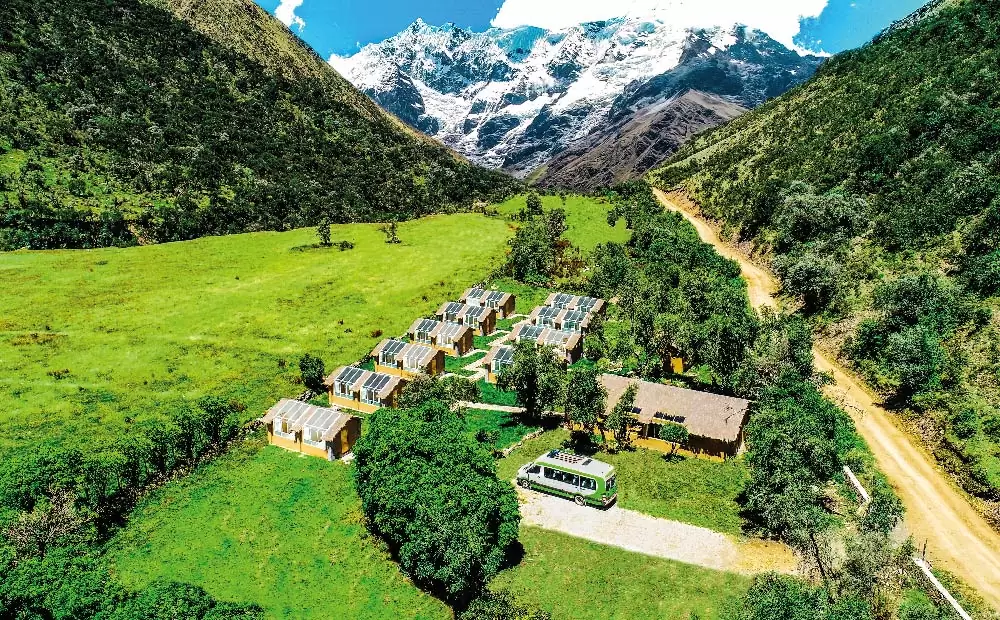
The trek will include three nights of camping along the Inca Trail, and one night in a hotel in Aguas Calientes, the town below Machu Picchu. We include a three-star hotel, typically at Inti Punku Inn (or similar), if available. Your booked hotel will be listed on your confirmed invoice. Upgrades are always possible. - Transportation
All your logistics are included in this trek including the bus ticket from Machu Picchu to Aguas Calientes as well as your Vistadome train from Aguas Calientes to Ollantaytambo. This is a 2 hour trip and it will be another 2 hours by car back to Cusco. If you would like to upgrade to the Vistadome Observatory train, which offers an additional observatory-style carriage with panoramic windows, live traditional music, and a more immersive scenic experience, the upgrade cost is USD 75 per person. - Equipment
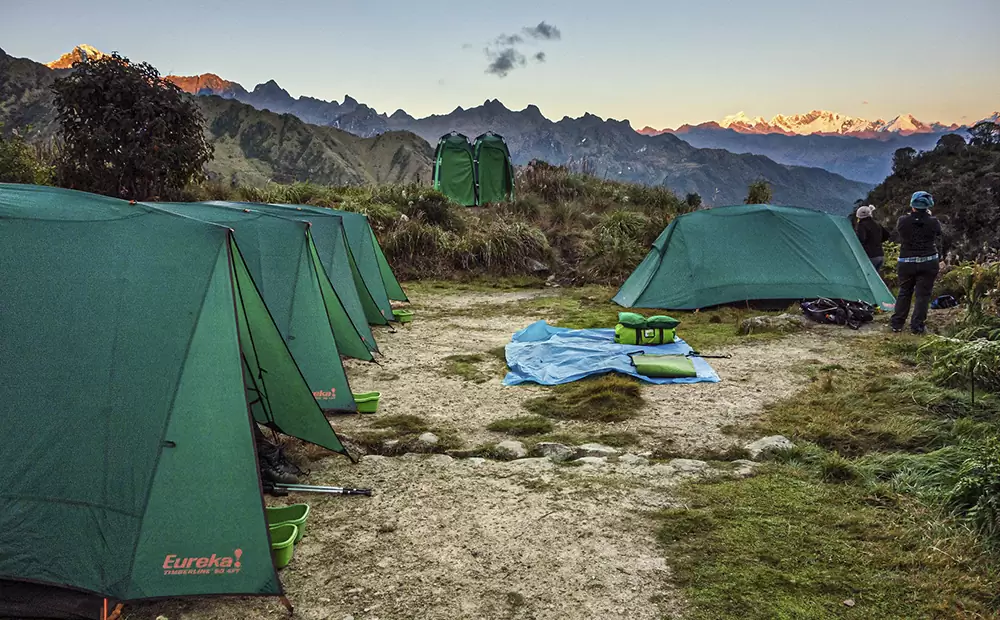
Alpaca Expeditions has the best equipment. We use Eureka Timberline 4 tents that are shared by only two people. You will also have a spacious dining tent to enjoy your meals in. - Food
The Alpaca Expeditions chefs cook delicious meals that many previous trekkers have loved. We honor all food restrictions, so be sure to add any that you have on your booking form and let your guide know at your briefing. Food is typically all served family-style. You will enjoy breakfast, lunch, and dinner each day for the trek along with a happy hour of tea and snacks. A snack will be provided each morning for you to enjoy along the hike. Your last meal with your chef will be after breakfast on day four. Lunch on the last day is not included. - Water
Beginning from your first lunch until your last breakfast, Alpaca Expeditions will supply all the water needed. This water is boiled, filtered, and then cooled before distributing. You must bring your water bottles and or camelback. We recommend carrying about 3L worth. You will be able to refill your water at each meal. - First Aid
Every Alpaca Expeditions guide has received training in first aid from a physician. We conduct mandatory training sessions every February, which every single Alpaca tour guide must attend. Your tour guide will always have a first-aid kit for basic medical problems (traveler’s diarrhea, cuts, scrapes, etc.) and oxygen. We will get you off the trail as quickly and comfortably as possible, if needed, and ensure you get directly to a clinic for treatment. - Extras
We believe it´s the attention to small details that separates us from other tour companies. Every trekker receives a small pillow to sleep with, a foam mattress for insulation, a day pack cover to protect their things while hiking, and a rain poncho. We will work hard to create your best vacation. - Satellite Phones
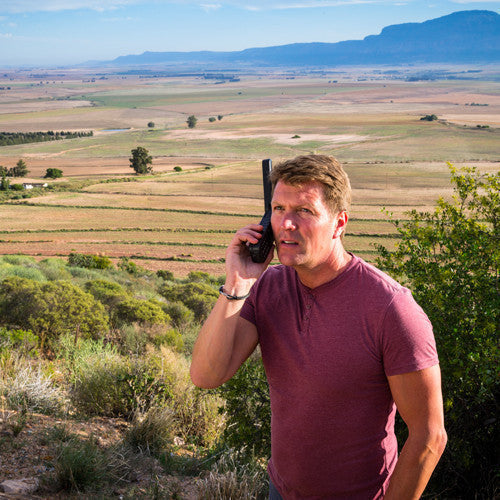
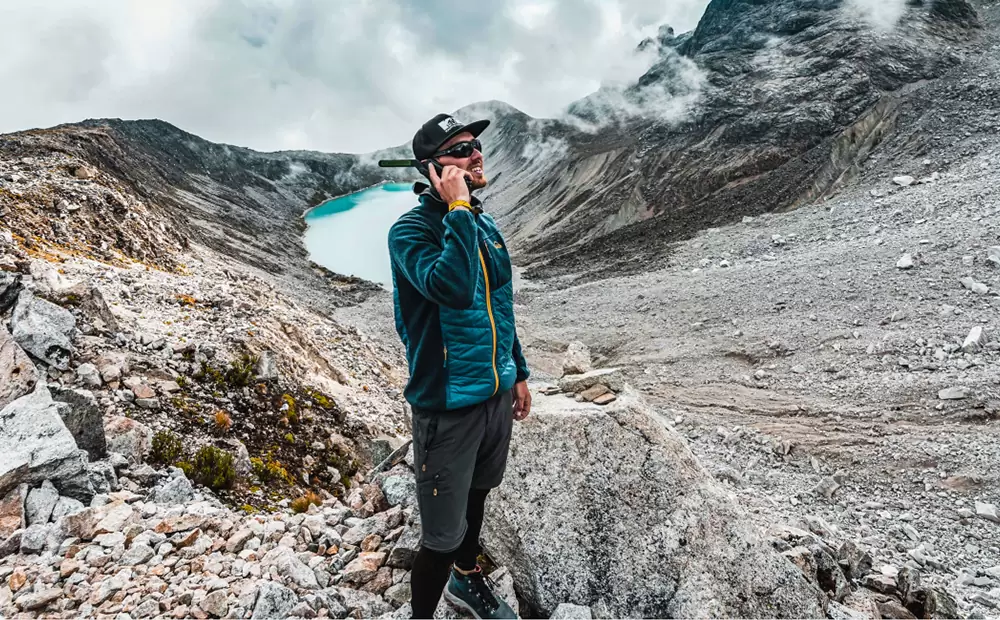
Our top priority will always be the safety of our clients and our team. While all our guides are prepared and trained to deal with most issues clients have on the mountain. Being a phone call away from any doctor, hospital, or friend helps everyone feel assured that they are safe. Radios, which all our guides have, are limited in how far they can reach, so Alpaca Expeditions has added Satellite Phones to every trek. Every guide will have a fully charged phone that can be used anywhere on the mountain to connect us anywhere in the world. And they can be used by our clients for non-emergencies as well. While they are not cheap to use, they are available just in case you need to check in on the puppy you left at home with grandma.
- Professional Guides
-
Not Included
- Rentals
Every trekker needs a sleeping bag when camping. Inflatable air mattresses and walking sticks (with rubber tips) are optional but encouraged. If you don’t want to bring any of the above, they are all available for rent (Prices only applied until January – 2026):
Sleeping Bag: $25
Inflatable Air Mattress: $20
Walking Sticks (Pair): $20 - Prices for rentals (March – 2026):
Sleeping Bag: $30
Inflatable Air Mattress: $25
Walking Sticks (Pair): $22
- Huayna Picchu
Huayna Picchu is the mountain that stands next to Machu Picchu. It is a 45-minute hike to the top. Going back down is quite steep if you are scared of heights. You would do this after your tour of Machu Picchu. The cost is $75. Arrangements need to be made at least one month in advance due to popularity. Please understand that the weather is out of our control.
- Rentals
-
Tips for the Team
The Inca Trail is the most popular trekking route in Peru, as it is one of the original paths built by the Incas over 900 years ago. Today, this trail is strictly regulated by the government, and only licensed tour operators are authorized to operate and lead tourists along this route. Groups must have a minimum of 2 and a maximum of 16 participants. If the group has up to 8 people, there will be 1 guide; for groups of 9 to 16 people, there will be 2 guides.
Each group must also have a cook and porters. The number of porters depends on the size of the group, but generally, there are about 7 more porters than the number of tourists. Since the early years when tourists first began hiking this trail with the help of porters, it became customary to offer tips to the porters, cook, and guides. Over time, this has become a respected tradition.
It’s important to clarify that no one works on the Inca Trail solely for tips, as everyone receives a fair salary for their work. However, as a recommendation, we suggest the group collectively provide between 80 to 100 soles per porter and 160 to 200 soles for the cook in recognition of their dedicated service. As for the guides, tipping is left to each traveler’s personal appreciation.
Please remember that tips are optional and should come from the heart—no one should feel obligated, as all staff members receive a fair wage. Some travelers choose to give more, others less—it is entirely a personal decision, and the entire team is grateful for whatever you choose to offer.
Tips are usually given during the final lunch on the Inca Trail, as after that, the porters and cook return to Cusco, and only the hikers continue with the guide to Machu Picchu.
In total, we recommend bringing around 300 soles (about 100 USD) for personal expenses such as souvenirs, tips, and the final lunch after visiting the citadel, which is not included in the tour price.
If you have any further questions about this topic, please feel free to contact us. We’ll be happy to provide more detailed information.
Price
-
Price per person
2025 Pricing
$980 per person2026 Pricing
$995 per person -
Private Price
Two trekkers: $1765 per person
Three trekkers: $1665
Four trekkers: $1565
Five trekkers: $1465
Six trekkers: $1365
Seven trekkers: $1265
Eight, or more, trekkers: $1095 -
Student Discount
- $35 off per person
Student discounts apply to anyone who has a valid UNIVERSITY STUDENT CARD at the time of the trek or who is 17-years-old or younger. For those using a University Student Card our under 17-years-old, we need to see a copy of their card or passport at the time of booking to receive the discount.
Please send all to info@alpacaexpeditions.com.
-
Hotel
Inti Punku (or similar) will be a three-star hotel with shared rooms as a Double, Matrimonial, or Triple. There is a single room surcharge of $50. Rooms all include private bathrooms, with hot showers and wifi. We can also upgrade your hotel if you prefer. Please remember, that the service you receive in Aguas Calientes may not be comparable to that of Cusco. Below you will find a list of possible upgrade options, but prices can be negotiated at most hotels in Aguas Calientes.
Hotels to upgrade
La Jaya: +$60 shared (+$110 for a single) – 4 stars
El Mapi: +$70 shared (+$152 for a single) – 4 stars
Inkaterra Machupicchu Pueblo: +$250 shared (+$380 for a single) – 5 stars
-
Additional Add-ons
As you can see in our Additional Options, there are several upgrades available for your trip. Below is an updated list of prices:
• Huayna Picchu Mountain: USD 75 per person
• Vistadome Train (one way): USD 75 per person
• Extra 7 kg Porter Service: USD 100
This includes a duffle bag carried by a porter. The bag will only be available at the campsite each evening.• Private Extra Porter Support: USD 200
This option provides a personal porter who will walk alongside you during the trek, helping carry additional weight throughout the day. This service allows easier access to your belongings while hiking.Please note that porter weight limits are regulated by the Peruvian Government, and all porter services must be arranged in advance to ensure availability.
Travel Info
-
Getting to Cusco
The airport in Cusco now receives a limited number of international flights, mainly from nearby hubs such as Santiago (Chile) and Bogotá (Colombia). These routes are typically operated by Avianca, LATAM, Sky Airlines, or JetSmart. Travelers arriving directly on these flights will go through Customs in Cusco.
For most other international arrivals, you will still need to fly into Lima first. Even if your ongoing flight to Cusco is on the same airline and ticket, you must collect your luggage in Lima, pass through Customs, and check your bags again before continuing on to Cusco.
Air travel remains the fastest way to reach Cusco. LATAM offers the most daily departures, though often at higher prices. Sky Airlines and JetSmart provide good low-cost alternatives. Because of Cusco’s high altitude and rapidly changing weather, delays or cancellations can occur.
Bus travel is always an option and is quite comfortable in Peru. This is especially recommended when traveling from cities like Puno. From Lima, however, the journey by bus is long and takes approximately 20 hours.
-
Luggage Storage
Any extra luggage you have with you can be left safely in Cusco at either your hotel or with us at the Alpaca Expeditions while you trek. We will store your luggage on the morning of your trek and return it once you are back in Cusco. Make sure your bags have tags on them, so they are easy to locate.
-
Altitude
As soon as people book their trip to Peru, specifically Cusco, they start wondering about altitude sickness. The air at high altitudes contains less oxygen than at sea level and forces your body to work harder to get the oxygen it needs. Over several days at high altitude, your body adjusts to the lower amount of oxygen in the air. For this reason, we always recommend spending at least two days in Cusco before beginning any trek in the Andes. Cusco is a marvelous city with lots to do, so if you have more time to acclimate, you won´t be bored.
With altitude sickness, you may first feel like you have the flu or a hangover. You may have a headache, tiredness, loss of appetite, nausea or vomiting, dizziness, trouble sleeping, trouble breathing during exercise. If any of these effects become severe, please contact our office, and we will help you get to a doctor.
Most of the time, these symptoms will be mild. We always recommend easing into activity slowly, allowing your body to adjust. Drink plenty of fluids such as water or coca tea. Coca tea has been used since ancient times to help prevent altitude sickness. Leaves from the Coca Plant contain alkaloids that help bring oxygen into your blood, helping your body avoid the effects of altitude sickness. Avoid drinking a lot of alcohol and coffee, since they will cause you to urinate more often and become dehydrated. Avoid smoking. Smoking makes it more difficult for your body to get oxygen. Avoid sleeping pills. They may cause shallow breathing at night, making it more difficult for your body to absorb oxygen while you sleep.Remember, the trek to Machu Picchu is not a race. Even those in the best shape will suffer from altitude sickness if they race to the top of the mountain too quickly. Go slow, and it will give your body time to adjust to the elevation. Your healthcare provider may prescribe medication such as Acetazolamide and Dexamethasone to help prevent altitude sickness. Start the medicine two days before you get to high altitude, and continue to take it while you are at high altitude. You must remember that this is your holiday and you do not want to stress out about the possibility of getting sick from the mountains. Do everything slowly and drink lots of water, and enjoy the coca tea. If anything does happen and you, unfortunately, get sick, let your guide know right away. Alpaca Expedition guides are trained to help you get through it.
-
Weather
Of course, the weather is unpredictable. Typically the dry season in Cusco is from April through October, but this does not stop rain from falling in June or the sun from coming out in December, so just be prepared. No matter what month you are doing the trek, make sure that you have rain gear that includes a waterproof jacket, pants, poncho, and waterproof gloves. Many people forget about gloves, but being cold and wet makes hiking very unpleasant.
Also, be ready for four seasons. Treks in the Andes involve various microclimates, and you will need to be prepared for each one. Layers are always key since they are easy to adjust to different temperature changes. Be prepared with a warm packable down jacket since the evening will be cold.
-
First Aid
Every Alpaca Expeditions guide has received training in first aid from a physician. We conduct mandatory training every February, and every single Alpaca guide attends. When guiding you, they will have with them a first aid kit for basic medical situations (traveler’s diarrhea, cuts, scrapes, etc.) and oxygen. They will take good care of you.
In case something unexpected happens, and you feel you can no longer complete the trek, they will figure out the safest and quickest way off the trail and to a clinic. You will never be left alone; you will have a member of the team escort you every step of the way until safely with a doctor. When you are feeling up to it, we will make sure that you still have the chance to visit Machu Picchu and re-connect with your group. This way, you can finish your trip, traveling by train comfortably.
-
Travel Insurance
To protect your travel investment, we highly recommend the purchase of travel insurance. Getting travel insurance before you leave home is strongly encouraged and very easy. We work with a great agency in the United States, that has helped to make it easy and affordable. What an excellent way to protect yourself while you are visiting Peru.
If interested in booking through our trusted partner, Ahart, Frinzi & Smith, CLICK HERE.
-
Environmental Impact
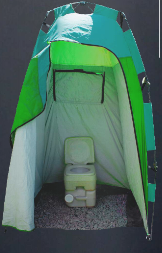
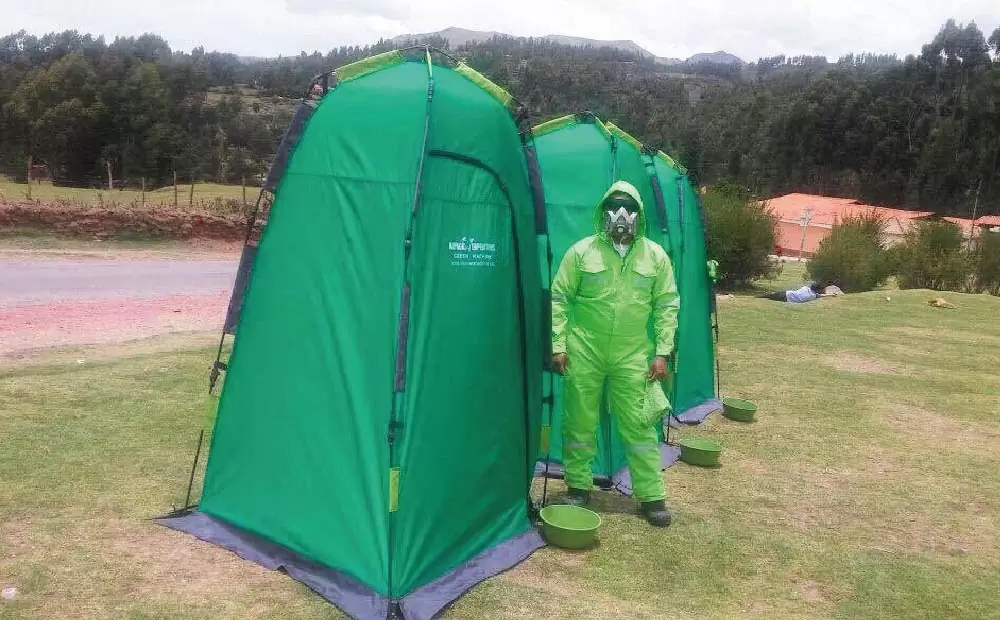
Alpaca Expeditions uses biodegradable soap and transports all our garbage back to Cusco. Our porters are trained to look after the trail and pick up any waste from other groups as well. We also use environmentally-friendly portable chemical toilets that allow us to carry waste out. We believe in leaving no footprint behind.
-
Community
Alpaca Expeditions is proud of the work we do for our community, as this is the main focus of our company. We have worked with villages directly to help supply them with the needs their families were missing. We have supported local schools by giving them computers and books. Alpaca Expeditions also sponsors a teacher at the village where most of our porters come from and ensures their children have the best opportunity for education.
We buy all our food from local farmers and markets and serve the freshest ingredients. We provide English classes for all our team: guides, porters, chefs, and drivers. We are also building a house for our porters. By giving them a safe and comfortable place to stay before and after our treks, they no longer need to sleep on the floor at a friend’s house.
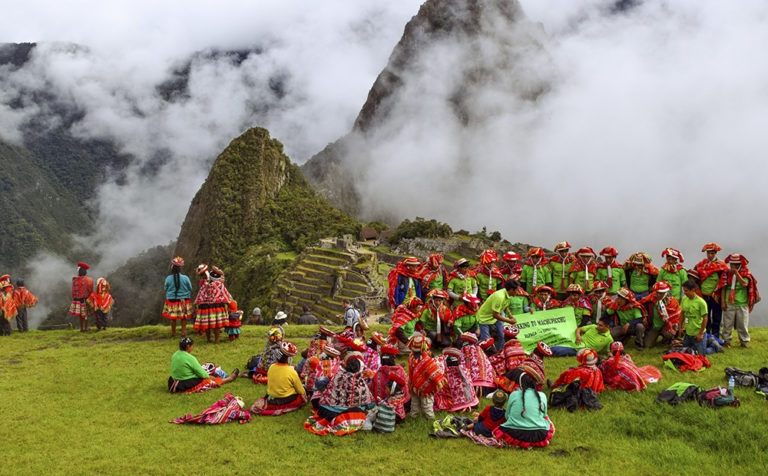
And twice every year we bring our porters and their families to Machu Picchu. The men and women who work tirelessly have never visited the Lost Citadel of the Incas. So that makes this trip our favorite to-do. It is an honor to show them this place.
We are always looking to do more and for partners. Please let us know about your ideas, and we will work to help.
-
Personal Porter Included
Packing List
-
ESSENTIALS
- Passport
- Valid student card (if you booked as a student)
- Good daypack (the smaller, the better)
- Water storage: Water reservoir like Camelbaks are encouraged – but enough for at least 2-3 liters.
- Comfortable hiking boots (lightweight with good soles)
-
FOR YOUR DUFFEL
Porters will carry up to 7 kg of your personal items. This must include your sleeping bag and air matt (if you bring/rent one). From us these two items weigh 3.5 kg.
- 2-3 wicking t-shirts
- 2-3 hiking pants
- 1 nice outfit for Machu Picchu day
- 5 sets of undergarments.
- 4 sets of hiking socks
- 1 Fleece
- 1 Warm, down jacket: gets very cold at night
- 1 Rain jacket and pants
- 1 sun hat
- 1 wool hat
- Headlamp: essential
- Waterproof gloves (even if they are ski gloves, take them)
- Comfortable shoes for camp
- Walking boots
- Waterproof jacket/rain poncho
- Quickdry towel. We provide small ones, you might enjoy something a little larger.
- Small bottle of soap: we provide warm water each day to clean – might make you feel fresh if you had a little soap.
- Battery Charger: There is no place to plug in while trekking!
- Large plastic bags: to help organize and keep clean from dirty.
- Sleeping bag: Recommend down bags for -10C at least
-
TOILETRIES
- Sunscreen
- Face moisturizer
- Bug spray
- Handsanitizer
- Wet wipes
- Toothbrush and paste
- Toiletpaper
- Personal medication
- First aid kit: band aids, moleskin, etc.
-
INSIDE YOUR DAYPACKS
Daypacks can be any size for hiking, but we always recommend the smaller, the better. Inside Machu Picchu, no bag larger than 25L will be allowed in. If larger, you will need to store outside citadel gates.
- Water: we supply clean water at each meal. You are responsible for your first morning of water only as we won’t have time to filter water until your first lunch.
- Sunhat
- Rain gear
- Fleece
- Camera
- Music (IPhone)
- Handsanitizer
- Toilet paper and small plastic bag for waste
- Extra Money for Souvenirs, Drinks & Tips
- Earplugs
Additional Options
-
Huayna Picchu
Huayna Picchu is the iconic peak that rises beside Machu Picchu, famous for its steep stone pathways and breathtaking views. The hike typically takes about 45 minutes to 1 hour to reach the summit, depending on your pace. Although this portion is done independently, your guide will accompany you to the checkpoint and point out the trail entrance before you begin.
This hike requires an additional entrance ticket, which we can secure for you in advance, as availability is very limited.
Huayna Picchu tickets are issued in timed entry groups to manage trail capacity. The sessions currently offered are:
• Group 1: Entry from 7:00–8:00 AM
• Group 2: Entry from 9:00–10:00 AMWe usually book the 9:00–10:00 AM entry so you can fully enjoy your guided tour of Machu Picchu first, then begin the hike without rushing. Once inside the checkpoint, you may take your time ascending and descending.
The additional ticket cost is $75 USD per person.
-
Vistadome Train
All our tours include the Expedition Train, which is typically booked between 2:30 pm – 3:20 p.m. from Aguas Calientes.
If you prefer an upgraded experience, the Vistadome Train offers larger panoramic windows, more spacious seating, and onboard entertainment. The departure time for the Vistadome depends on availability and is usually scheduled at 1:37 p.m., 2:55 p.m., or 4:43 p.m. This train generally travels to the Ollantaytambo station, where private transportation will be waiting to take you back to your hotel.If you would like a train that travels to Poroy or directly to Cusco, this can also be arranged with advance notice, though it is subject to availability and may incur an additional cost.
The Vistadome upgrade from Aguas Calientes to Ollantaytambo is $75 per person.
-
Extra Day at Machu Picchu
Your tour includes a 2.5-hour guided visit of Machu Picchu, entering the citadel around 6 AM. Unless you have added the Huayna Picchu ticket, you will finish the guided tour and then take the bus back to Aguas Calientes, enjoy lunch (not included), and later board your return train, which normally departs between 2:30 PM and 3:48 PM.
If you would like to return and explore Machu Picchu again on your own the following day, we can assist in arranging this additional visit.
Extra entrance ticket prices vary depending on the chosen circuit (1, 2, or 3), as each circuit provides access to different areas of the archaeological site.
A round-trip bus ticket between Aguas Calientes and Machu Picchu is USD 30 per person.
Machu Picchu Inca Trail 5D/4N
Please fill in our BOOKING FORM carefully with your correct personal details.
The Alpaca Difference
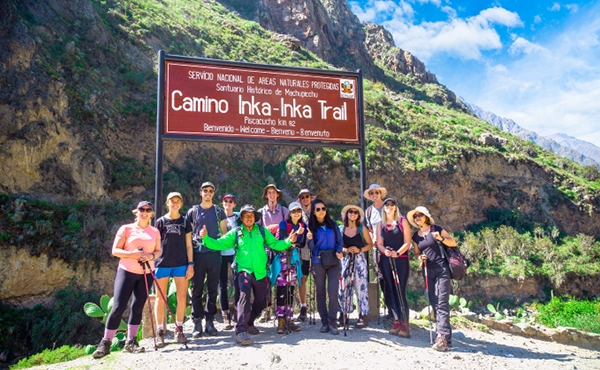
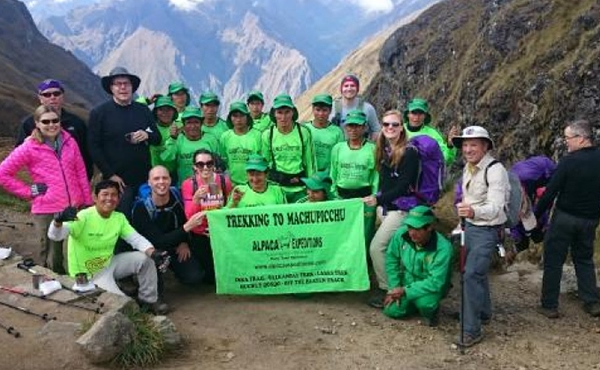
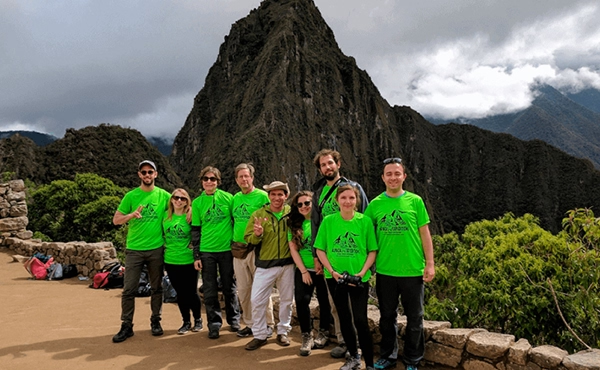
Alpaca Expeditions is a 100% peruvian, indigenous owned company. Started by Raul Ccolque, a former porter and tour guide, Alpaca Expeditions separates ourselves by our dedication to both our customer and our team. We work very hard to make sure that all our clients needs are taken care of throughout the tour with us. At the same time, we never forget about our brothers and sisters working tirelessly for us to make all of this possible. Responsible and sustainable tourism that gives as much to our community as to our clients.
Meet the AE Trekking Team!
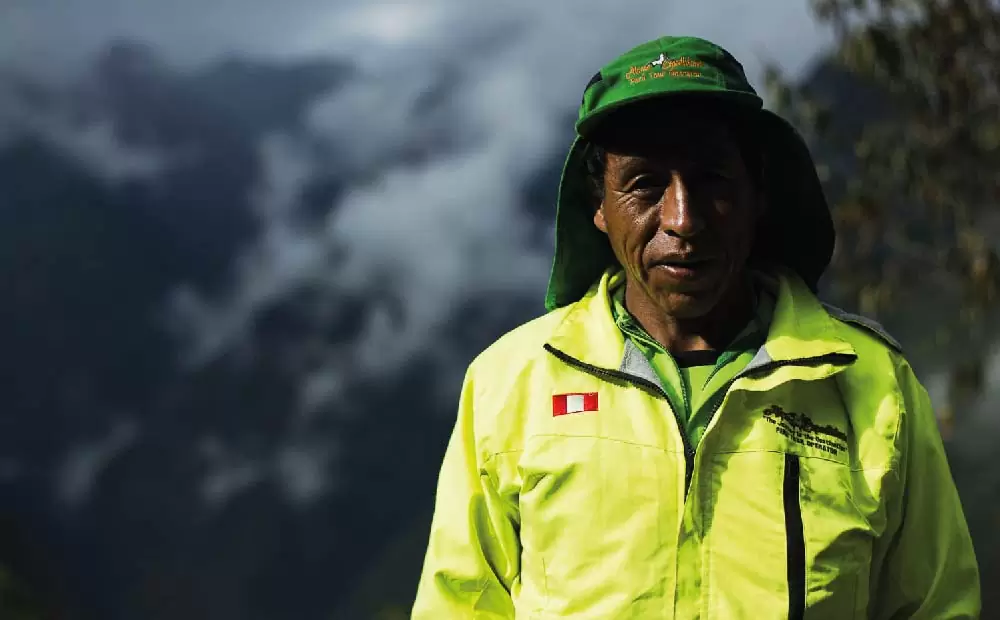
Everyone on the Alpaca Team is from Cusco region, living the traditions and history they share with you while on one of our tours. Our guides are all graduates of university studying tourism, history and english. Our chefs are trained every February by a professional cooking team learning new meals, adding varieties of entrees for all types of eating. And all our porters are from HUARQUI, HUACAHUASI, PATACANCHA, QUISWARANI, CANCHACANCHA, QUEYUPAY, UMACHURCO and CCACCACCOLLO villages, very often working this job on top of maining their farms back at home. Most of our team has been with us for years, as we have the most loyal, hard working, happy employees in Cusco. We know how lucky we are to have the best team trekking and you will immediately fall in love with all the men and women who call Alpaca Expeditions their home.
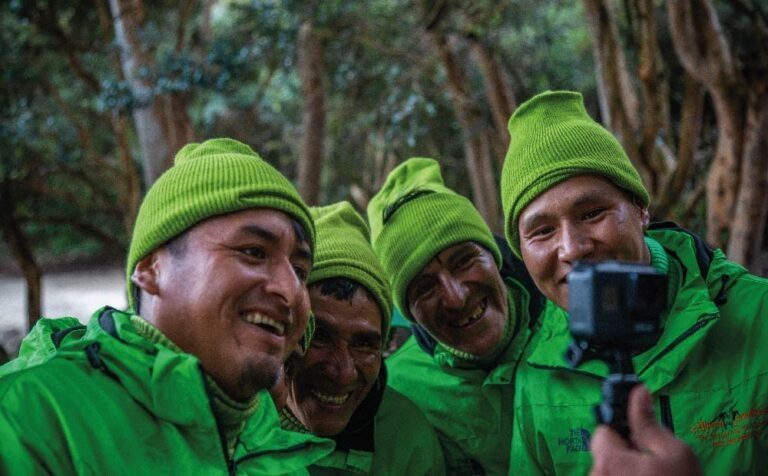
AE súper porters
Our Porters represent the Peruvian people, both men, and women who are at the heart of our...
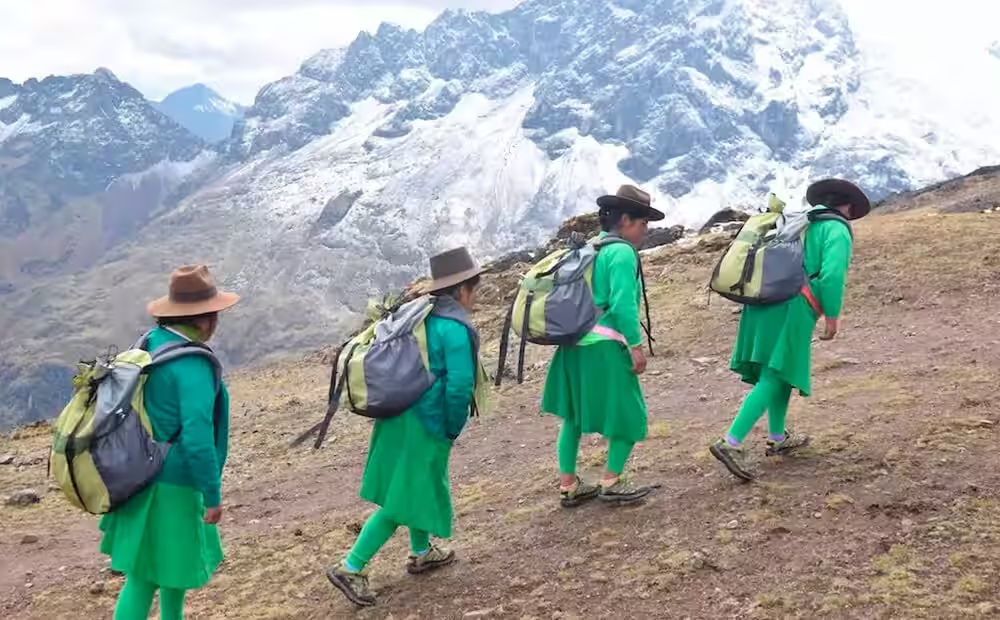
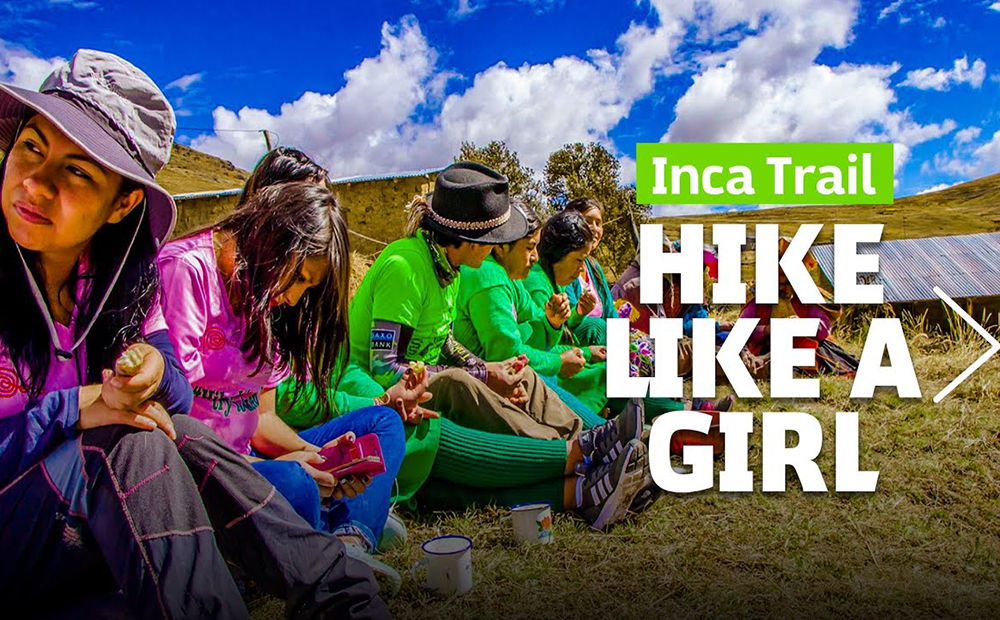
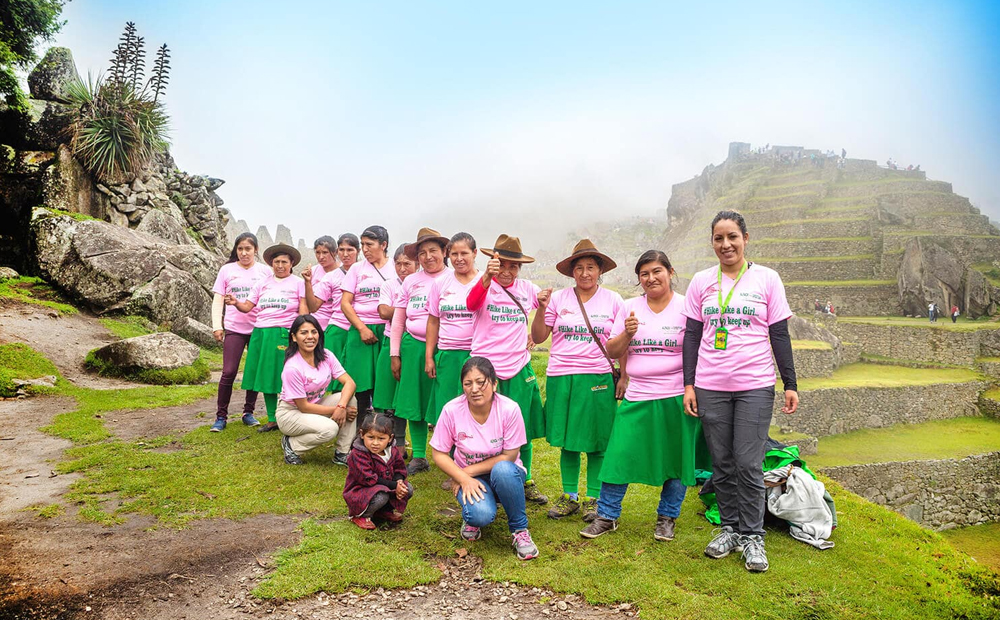
Equality Matters
Alpaca Expeditions aims to promote gender equality and empower women, hiring first Peru Wo...
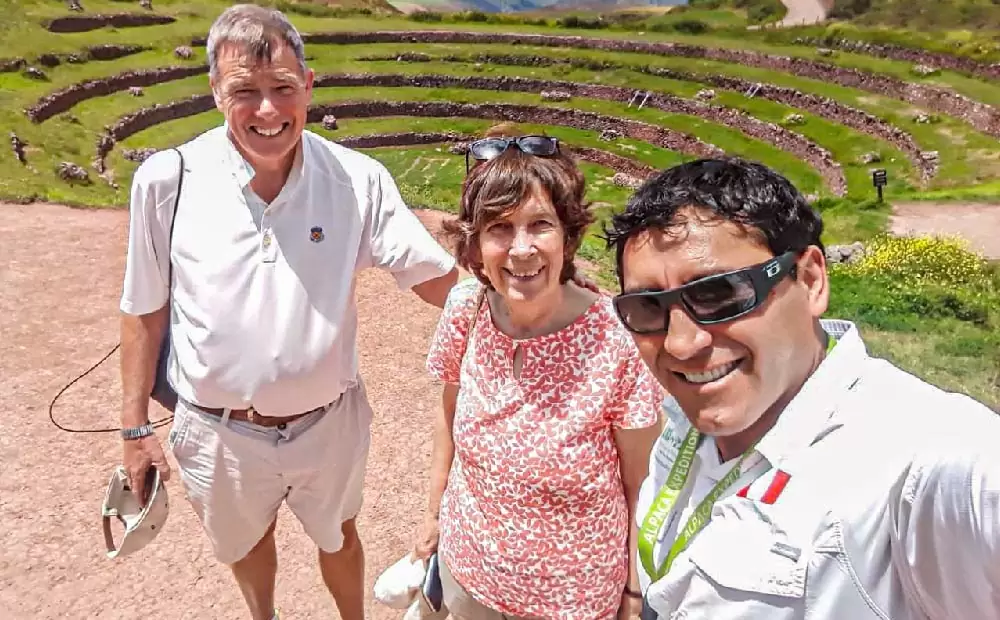
Our Guides
Travelling and trekking along the mountains is one of the best activities in the World. Co...
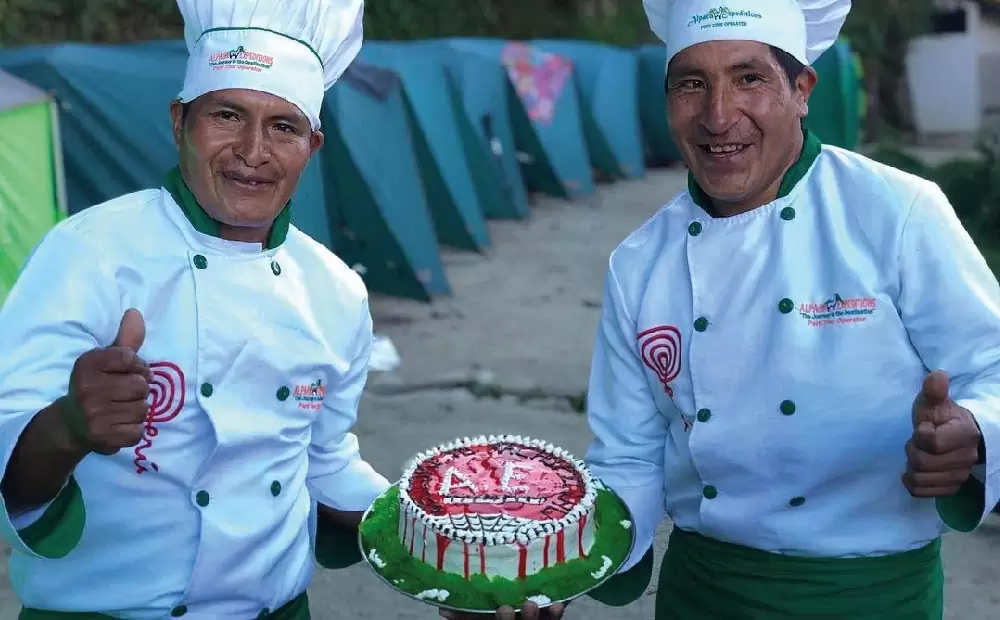
Our Chefs
Trekking along the mountain on your way to conquer Machu Picchu is a once in a lifetime ex...
What do we do for our porters?
Alpaca Expeditions would not be where we are today without these hardworking men and women. We could not imagine a harder job and our team does it smiling. We do our best to thank them for their hard work and loyalty by doing as much as we can to make their lives and their families lives better. All our porters receive all their equipment for free from warm winter hats to proper hiking boots. They sleep in proper tents and are given warm sleeping bags for night. They enjoy the same food we serve our clients and all leftovers are donated to their families. We visit their villages with doctors and dentists, donate school supplies and sports equipment. And our favorite time of the year is when we bring a group of porters and their families to Machu Picchu to visit the ruins for the first time.
AE súper porters
Our Porters represent the Peruvian people, both men, and women who are at the heart of our company. It is not possible to ...
Equality Matters
Alpaca Expeditions aims to promote gender equality and empower women, hiring first Peru Women as Porters opening the door ...
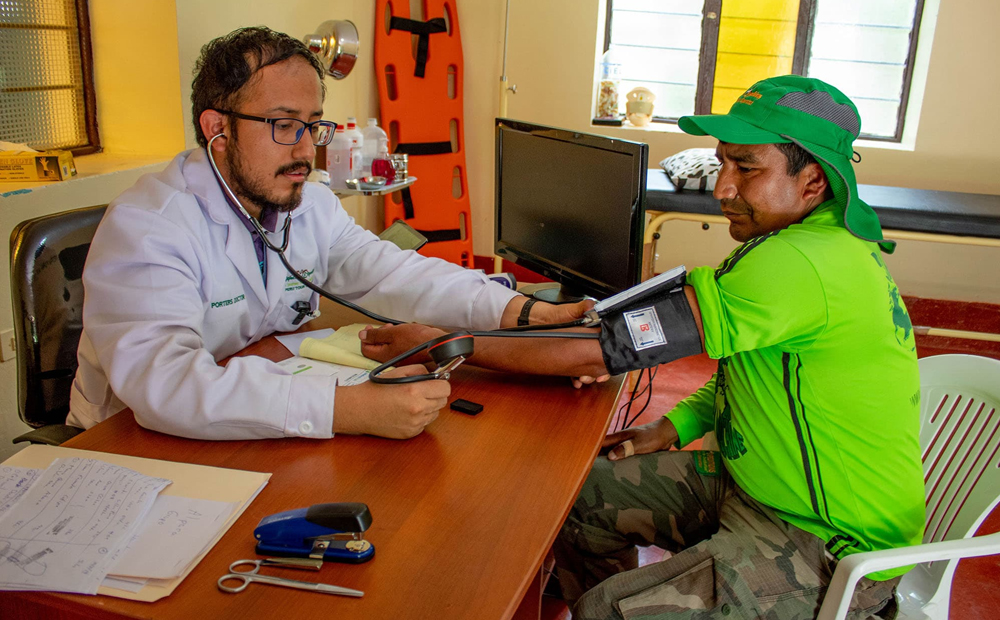
Free Medical Assistance to Porters
In 2019, we hired our first Alpaca Expeditions Medical Doctor to help tend to our guides, drivers, chefs…
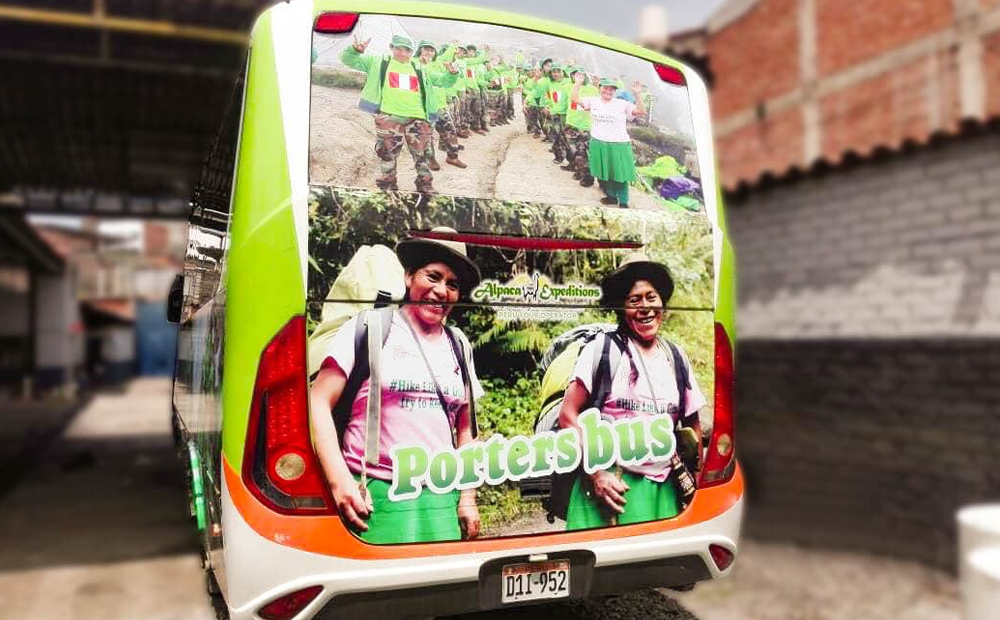
Our Porter’s bus
We treat our porters with the same dignity and respect as we do our clients. Just as our clients enjoy our…
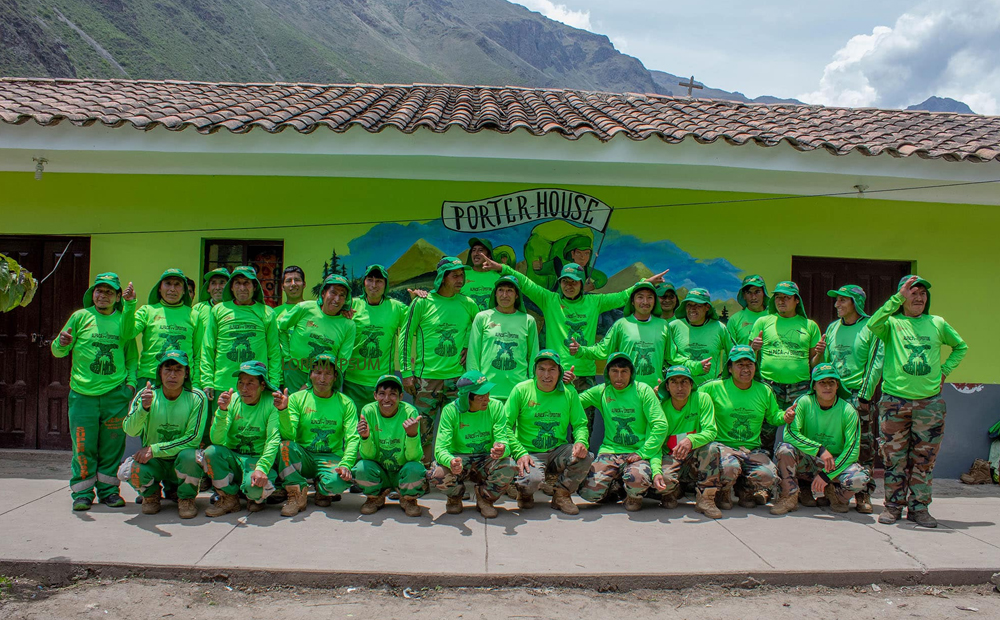
Our Porter’s House
As we mentioned above, our Porters like many Peruvian people come from distant villages to work our treks…
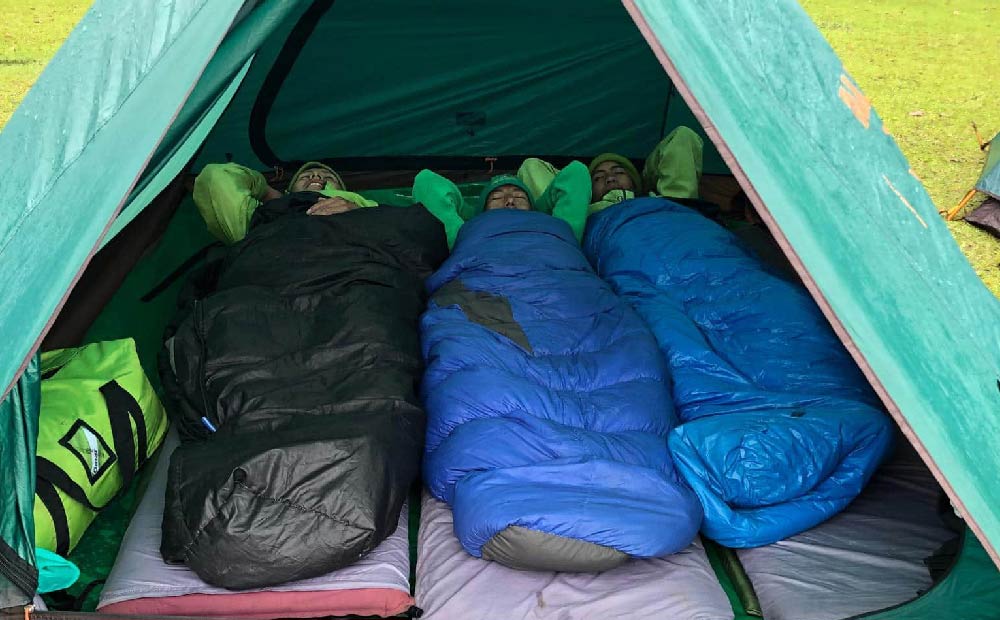
Tents and Sleeping bags
Again, this is something unique that Alpaca Expeditions provides, and sad others are not doing. We supply…
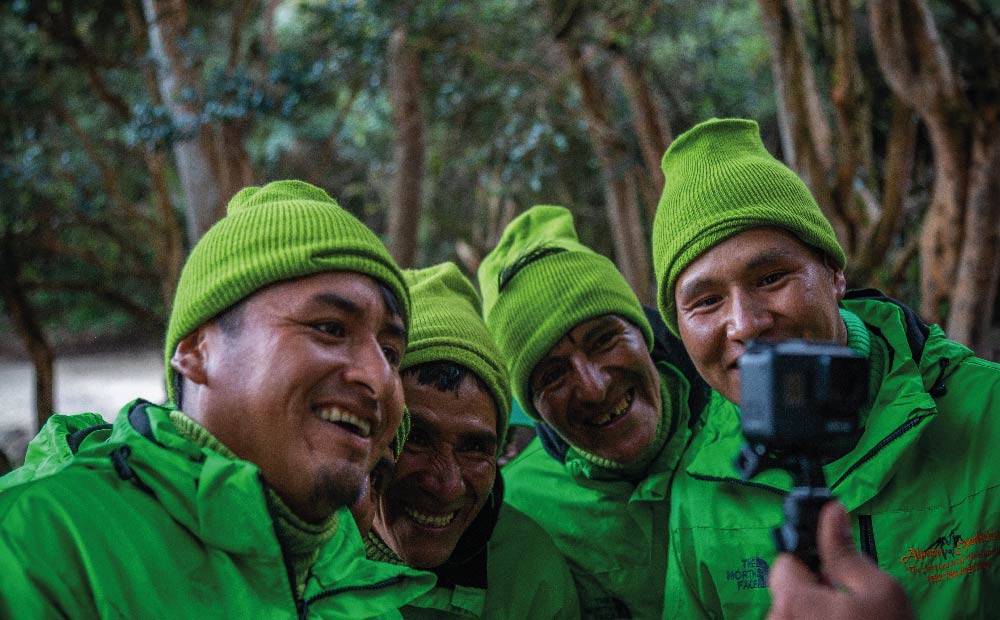
Proper Equipment for our Porters
Every porter of ours receives proper equipment. That includes moisture-wicking long/short sleeve shirts…
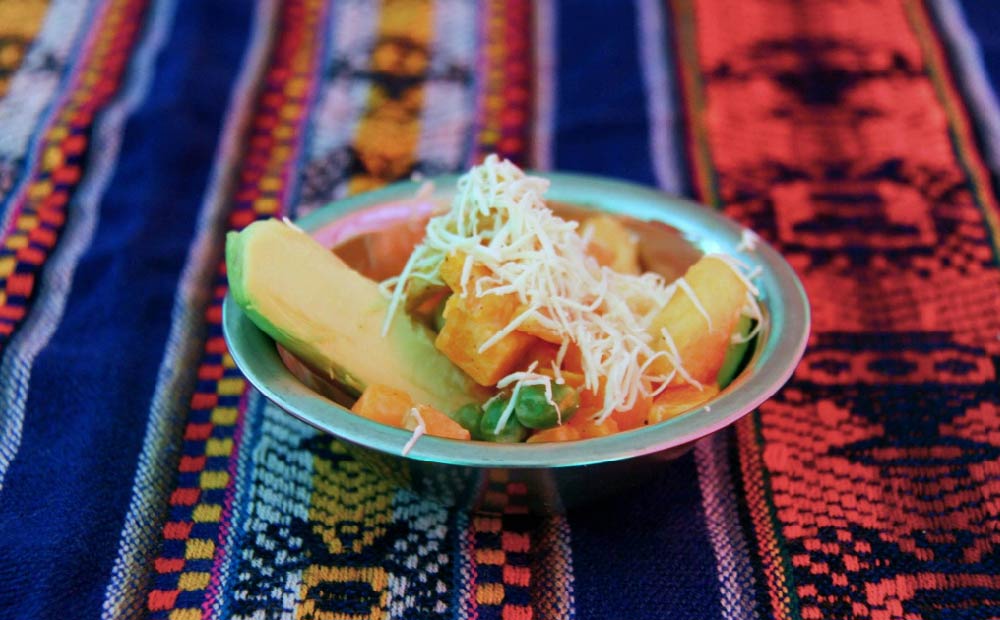
Nutritious Meals for our Porters
A general comment from trekkers on an Alpaca Expeditions tour is that we serve too much food. Well…
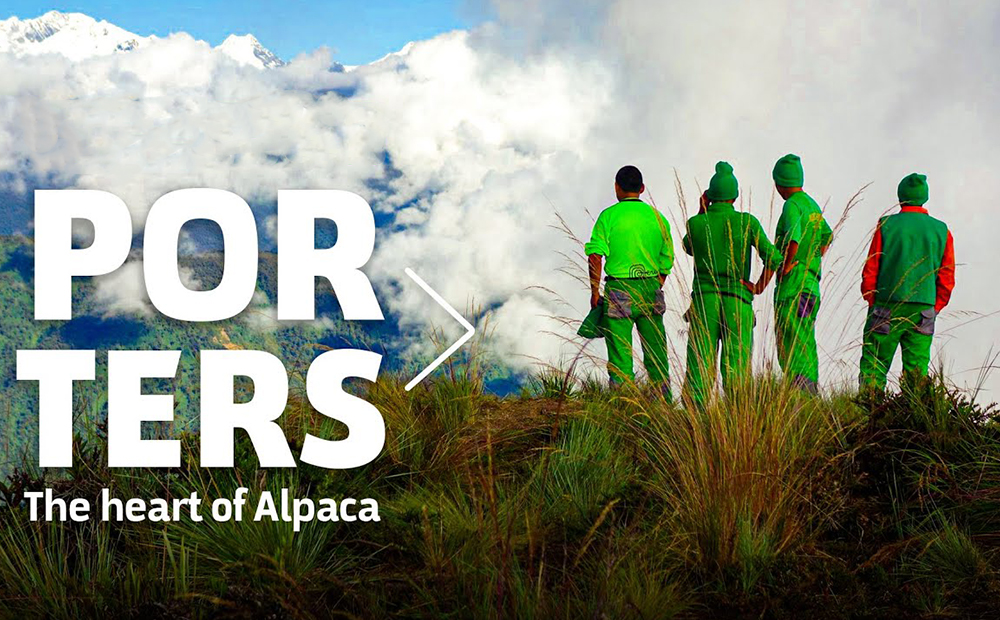
Videos of our Porters
Extra information
Alpaca Expeditions is always ready to make your trip safe and as easy as possible for you. Because these trips are a bit more complicated than your typical tour, we have put together some notes on logistics, storage, and even recommendations on where to stay in Cusco. And of course our team is ready to answer any other question, as we promise to be your partner from the moment you first contact us to our last goodbye in Cusco.
Other Inca Trail Tours You May Like

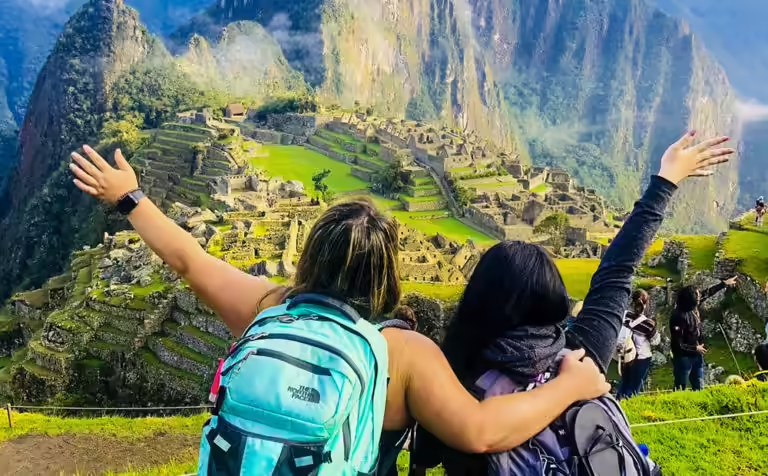
Short Inca Trail Women Only to Machu Picchu 4D / 3N
The Women-Only Inca Trail is much more than a journey to Machu Picchu—it’s a celebration of feminine strength, connection, and personal transf
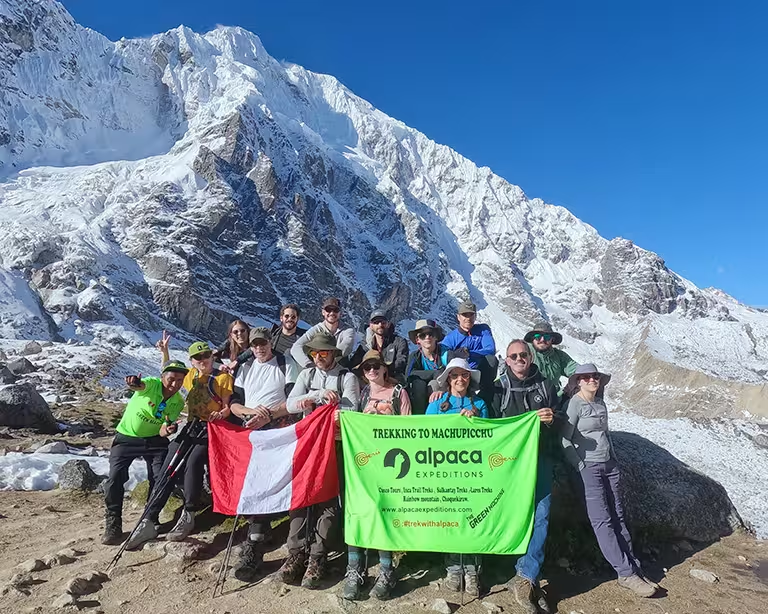
Salkantay Trek to Machu Picchu 5D / 4N
The Salkantay Trek is more than just a hike—it’s an unforgettable journey that connects you with the majesty of the Peruvian Andes. Recognized
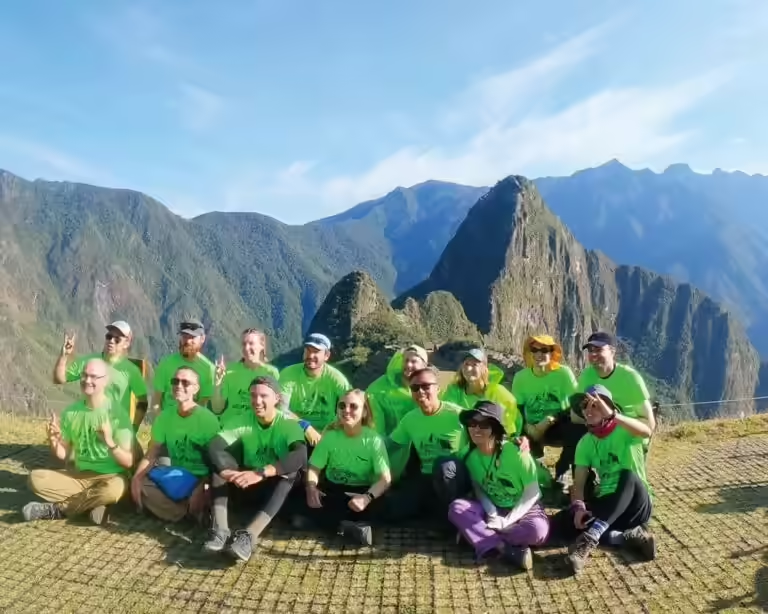
Sacred Valley & Classic Inca Trail to Machu Picchu 7D/6N
This is the ultimate package meticulously crafted to offer one of the most exceptional experiences when visiting Cusco and Machu Picchu. Exploring the
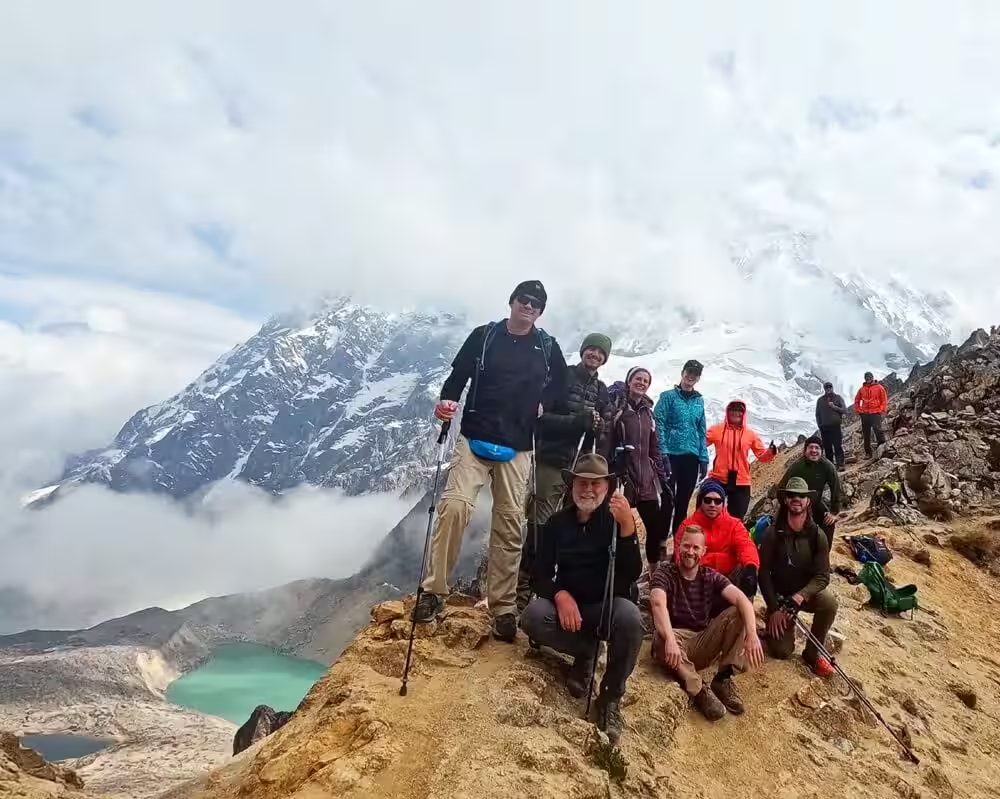
Salkantay Trek Peru – 6D/5N
Salkantay trek Peru 6 days 5Nights: In just 6 days, you’ll have the incredible opportunity to explore two amazing tourist attractions that seaml
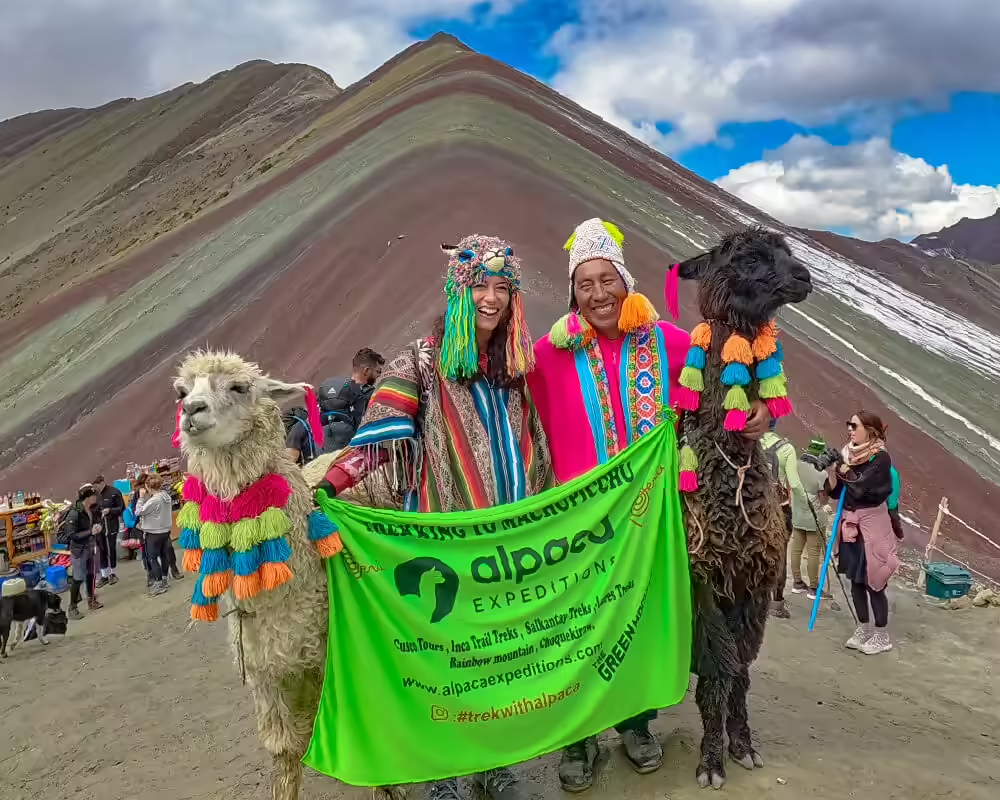
Inca Trail Hike 4D/3N & Rainbow Mountain + Red Valley 1 Day
Inca Trail Hike Overview Tour Type: Hiking, camping, adventure, history, culture. Total Distance: 50KM/31 Miles. Good For: Those who enjoy hiking and
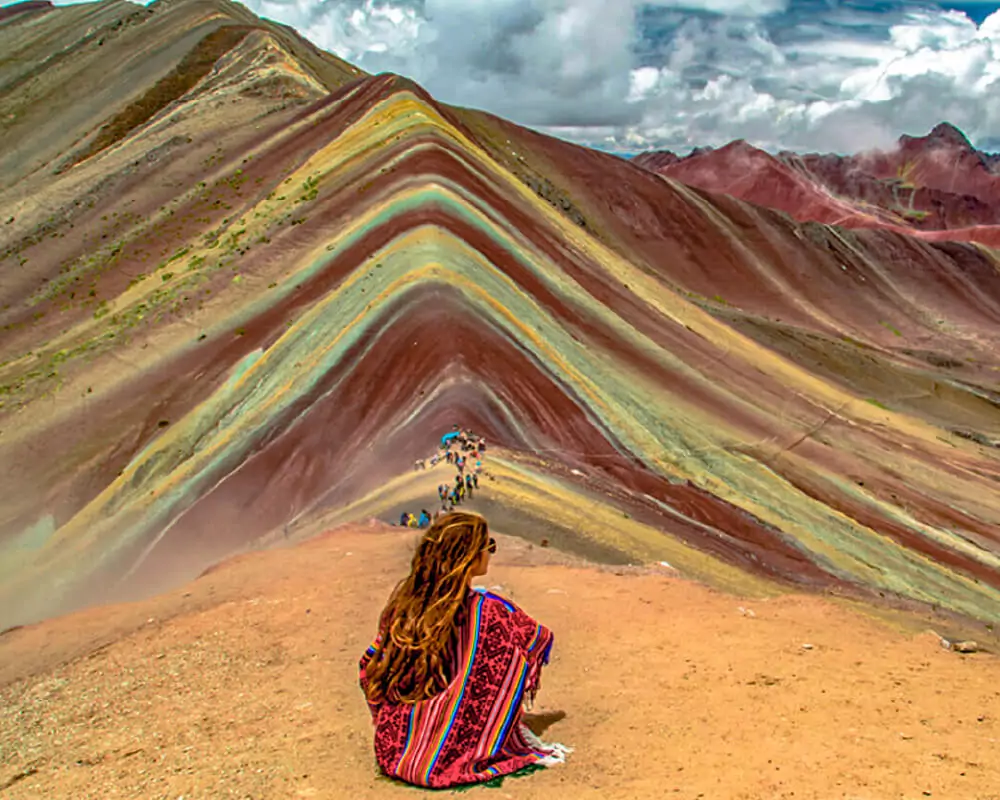
Inca Trail Hike 2D/1N & Rainbow Mountain + Red Valley 1 Day
Inca Trail Hike 2D/1N & Rainbow Mountain + Red Valley 1 Day Trip Overview Tour Type: Trekking/Hiking, cultural, adventurous Good For: Those in mod
Alpaca Expeditions Recognitions
ISO (International Organization for Standardization)
In the pursuit to stand out from the rest, Alpaca Expeditions has obtained four ISOs plus our carbon footprint certificate to date. These achievements result from our efforts to implement the internationally-recognized integrated management system. They also represent our commitment to all of our clients and staff of operating sustainability and responsibility in every way possible.



World Travel Awards
Alpaca Expeditions is internationally recognized as a leading tourism company in Peru. As proof, we have been awarded the World Travel Award for Peru´s Best Tour Operator 2021 for the second time.


TRIPADVISOR RECOGNITIONS
Our goal at Alpaca Expeditions is to create the best experience for all of our clients. We create journeys that are to be remembered for a lifetime. Journeys you can be proud of and can share with everybody around you.












As Featured In










Scan Here!




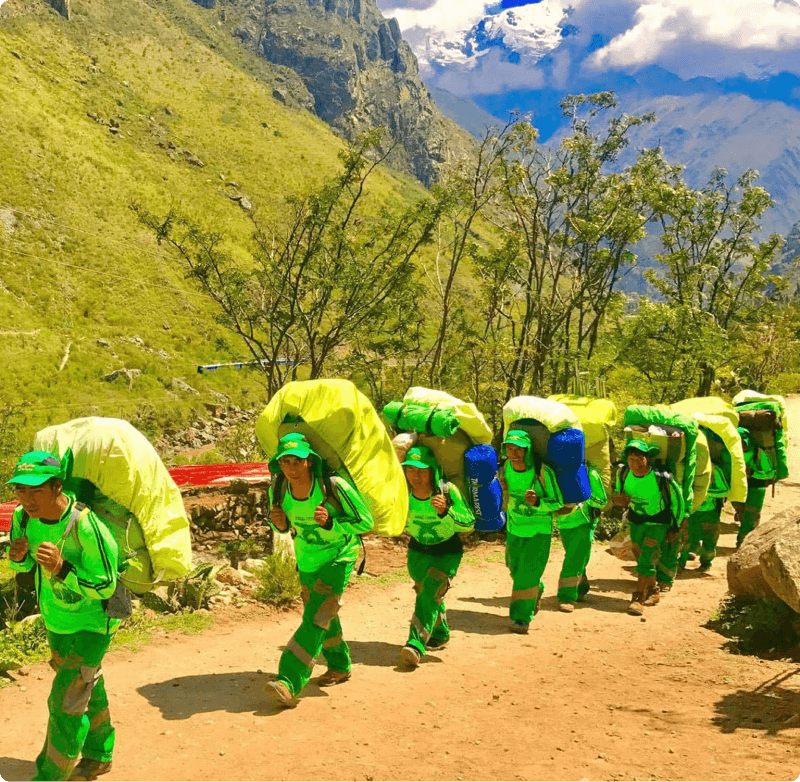 Porters will carry up to 7 kg of your personal items, which must include your sleeping bag and air mat (if you bring or rent one). From us, these two items weigh a combined total of 3.5 kg.